
Finding a haircut that works with your hair texture, your lifestyle, and your personal style isn’t always easy. The Hispanic Mexican low taper fade solves that problem by blending clean, faded sides with plenty of room to style the top however you like.
This guide breaks down everything you need to know about the cut, from its origins and best hair-type pairings to styling products, maintenance tips, and how it compares to other popular fades. Whether your hair is straight, curly, thick, or wavy, you’ll find a version that fits.
What Is a Hispanic Mexican Low Taper Fade?

A Hispanic Mexican low taper fade is a haircut where the hair fades gradually near the ears and neckline while keeping more length on the sides and top. Unlike higher fades that remove large sections of hair, this style keeps the transition soft and close to the skin.
The result is a clean, understated look that suits nearly any setting. Because so little hair is removed compared to a high or skin fade, the cut also grows out more gracefully, which means fewer emergency trips to the barbershop when your schedule gets busy.
Barbers frequently pair this fade with hairstyles rooted in Hispanic and Mexican grooming traditions, including the Edgar cut, Takuache style, and textured crops, giving it a distinct cultural identity beyond a standard low fade.
Understanding the Low Taper Fade
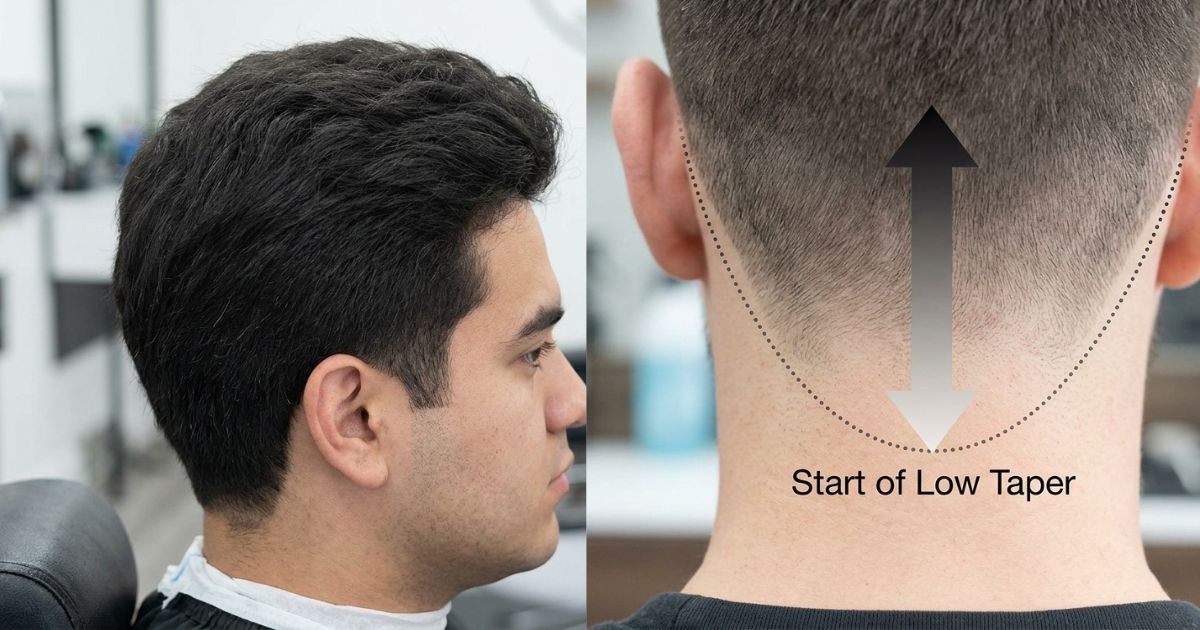
A low taper fade concentrates its blending work around the ear line and the base of the neck rather than climbing up the side of the head. The clippers move through several guard lengths in tight succession, creating a gradual shift from skin-close hair to the longer length on top.
Because the fade sits low, it reads as more subtle than a mid or high fade from a distance. It’s a favorite among men who want a groomed look without the sharper contrast that comes with fading higher up the head.
Why Hispanic and Mexican Men Like This Haircut

This style has become closely associated with Hispanic and Mexican barbershop culture because it complements textures and hairstyles common within the community, from thick, wavy hair to curly tops and longer fringes.
It also pairs naturally with facial hair. A low taper fade blends into a beard or mustache without an obvious break between the hair and the skin, giving the whole look a finished, connected feel that works for both casual days and dressier occasions.
Low Taper Fade vs Regular Fade
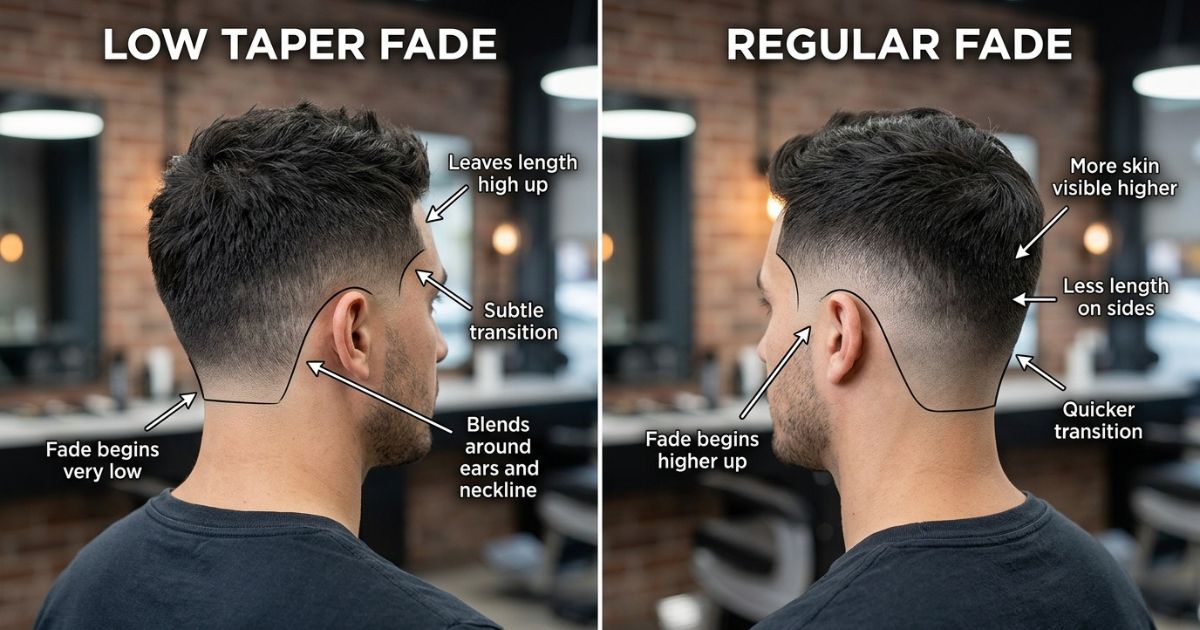
The biggest difference between a low taper fade and a “regular” fade comes down to where the blending starts on the head.
| Feature | Low Taper Fade | Regular (Mid/High) Fade |
| Fade starting point | Near the ears and neckline | Mid-scalp or above the temple |
| Contrast level | Subtle, soft transition | Sharper, more noticeable contrast |
| Hair removed | Minimal | Moderate to significant |
| Grow-out appearance | Neat for longer | Needs trims sooner to stay sharp |
| Best for | Conservative workplaces, low-maintenance routines | Bold, statement-style looks |
A low taper fade keeps more hair overall, which makes it a practical pick for men who don’t want to visit the barber every two weeks just to keep the cut looking sharp.
Learn more:Textured Fringe Low Taper Best Cuts for Every Hair Type
Why the Hispanic Mexican Low Taper Fade Is So Popular
Several factors explain why this cut keeps showing up as one of the most requested styles at barbershops.
It Works with Many Hair Types
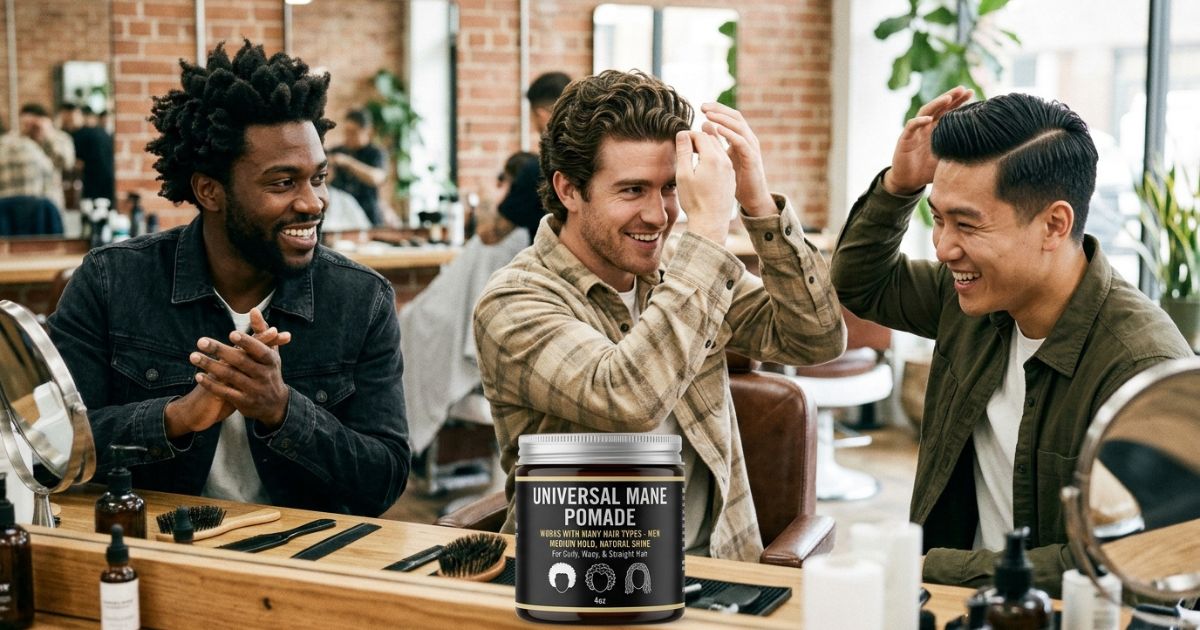
Straight, wavy, curly, thick, and coily hair can all be shaped into a Hispanic Mexican low taper fade. A skilled barber simply adjusts the clipper technique and guard sequence based on how the hair naturally grows and falls.
Easy to Maintain
Because the fade sits low and the top keeps its length, the haircut holds its shape between visits. A basic routine of shampoo, conditioner, and a light styling product is usually all it takes to keep it looking fresh.
Suitable for Everyday Life
The cut moves easily between settings. It looks put-together at the office, comfortable on the weekend, and sharp enough for a night out, so there’s no need for a separate “special occasion” haircut.
A Popular Choice on Social Media
Barbers on Instagram, TikTok, and YouTube regularly showcase fresh takes on this style, pairing it with textured tops, curly fringes, and Edgar-inspired lines. That steady stream of content keeps the cut visible and relevant instead of fading into a passing trend.
Best Hispanic Mexican Low Taper Fade Hairstyles
Here’s a closer look at the most requested variations of this cut, organized by hair type and styling approach.
Classic Hispanic Mexican Low Taper Fade

The classic version keeps things simple: a clean low fade around the ears with enough length on top to comb, brush, or leave natural. It’s a solid starting point for anyone trying this haircut for the first time.
Hispanic Mexican Low Taper Fade with Straight Hair

Straight hair shows off the smooth gradient of the fade especially well. This version pairs nicely with a side part, comb over, or textured crop, and a light texture powder helps prevent the top from looking flat.
Hispanic Mexican Low Taper Fade with Curly Hair

Here, the curls take center stage while the low fade trims away bulk around the ears. A curl cream or leave-in conditioner keeps the curls defined and reduces frizz throughout the day.
Hispanic Mexican Low Taper Fade for Thick Hair

Thick hair naturally adds shape and volume, so the low taper works to balance that fullness without flattening it. Scissor work on top often makes daily styling easier for thicker textures.
Hispanic Mexican Low Taper Fade with Black Hair

Darker hair makes the fade’s gradient more visible, giving the cut extra definition. A crisp line up along the forehead adds a polished finishing touch to this version.
Low Taper Fade with Edgar Haircut
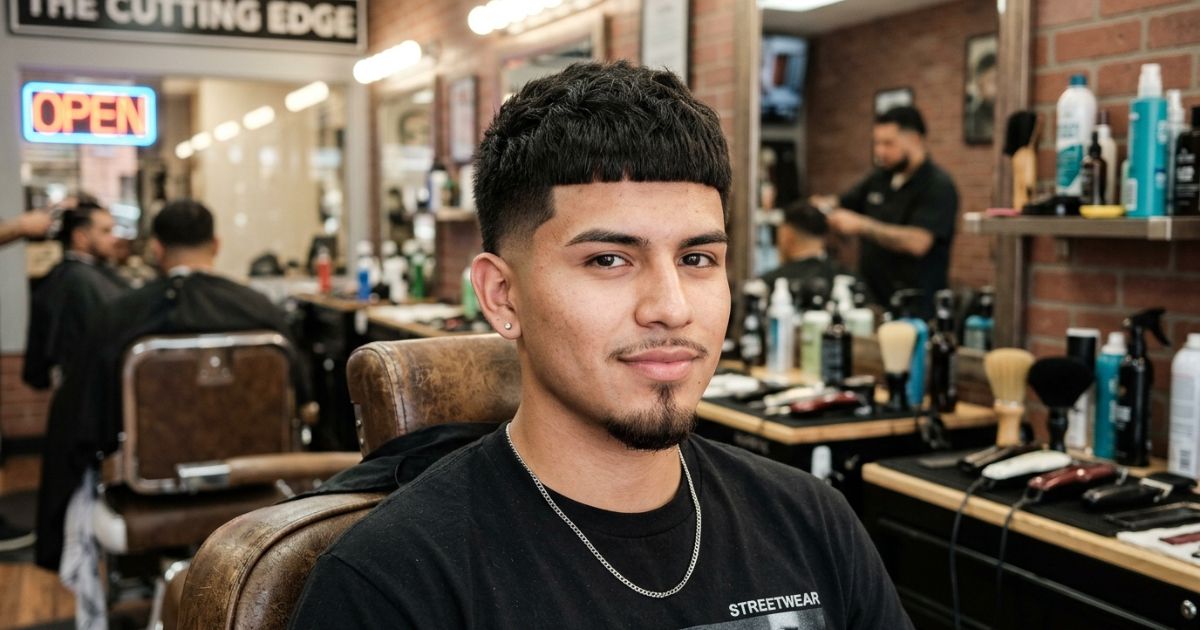
Pairing the Edgar cut’s blunt fringe with a low taper softens the overall look while keeping the fringe as the focal point. It’s a combination that suits thick or straight hair particularly well.
Low Taper Fade with French Crop
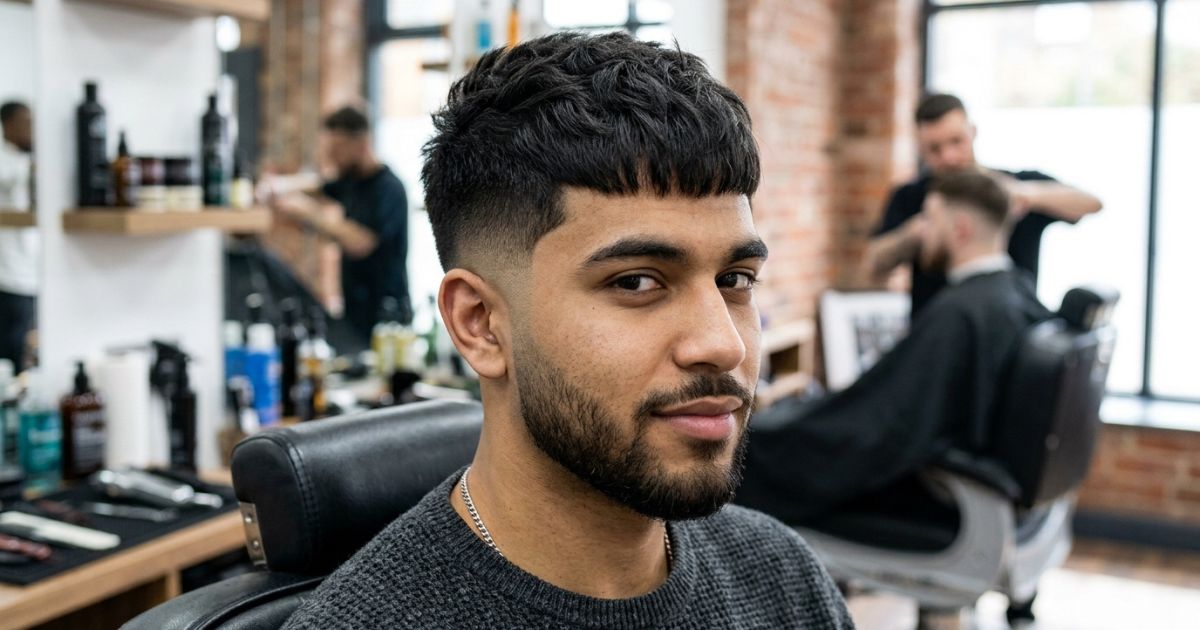
The French crop’s short, textured fringe pairs well with a low fade for a low-effort, modern silhouette. It’s a strong option for anyone who wants a sharp look without a lengthy morning routine.
Low Taper Fade with Comb Over
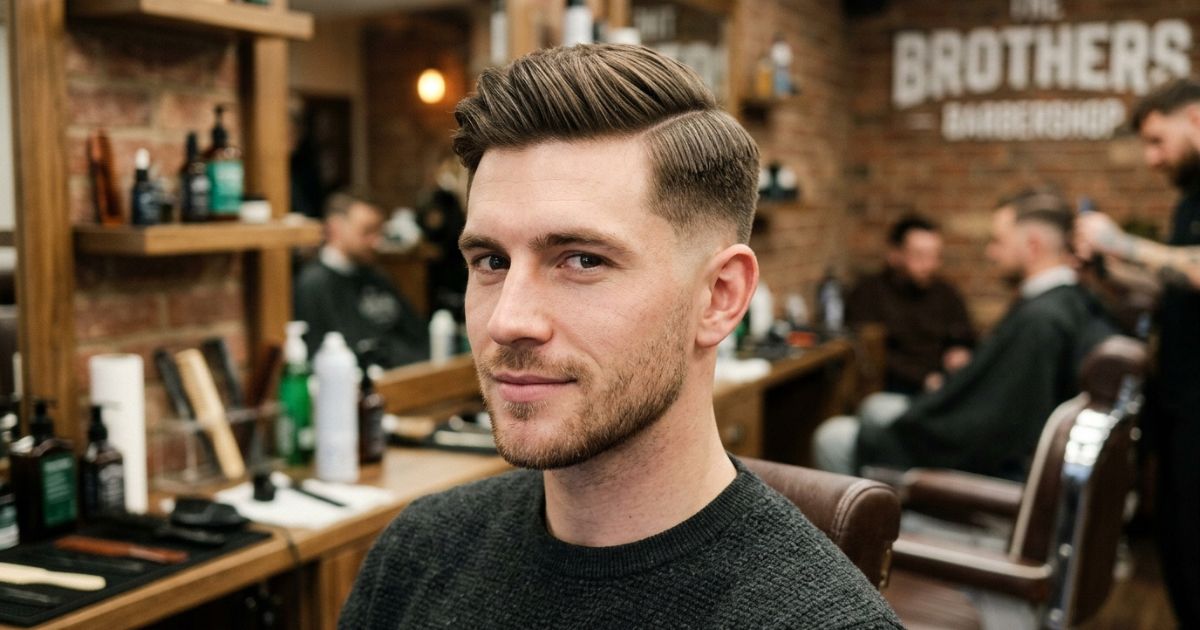
A comb over adds structure and a touch of formality. The low fade keeps the sides tidy, while the longer top can be brushed to one side for a professional finish.
Low Taper Fade with Side Part
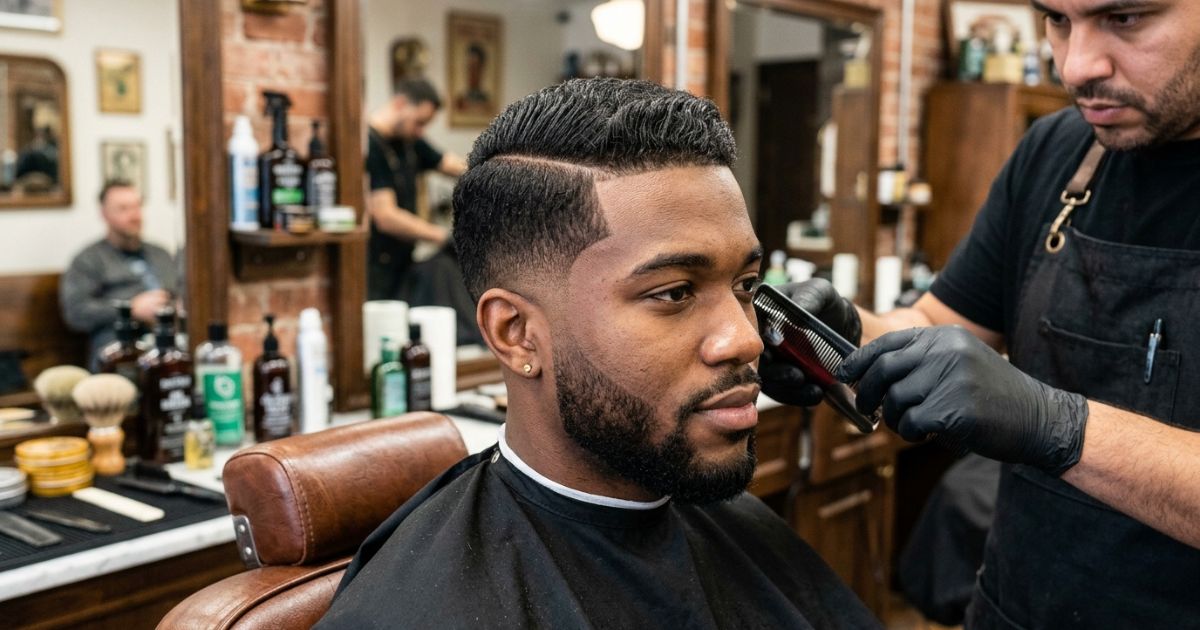
Simple and timeless, the side part gives the haircut a defined edge. It’s a dependable option for school, work, or anywhere a clean, classic look is called for.
Low Taper Fade with Slick Back
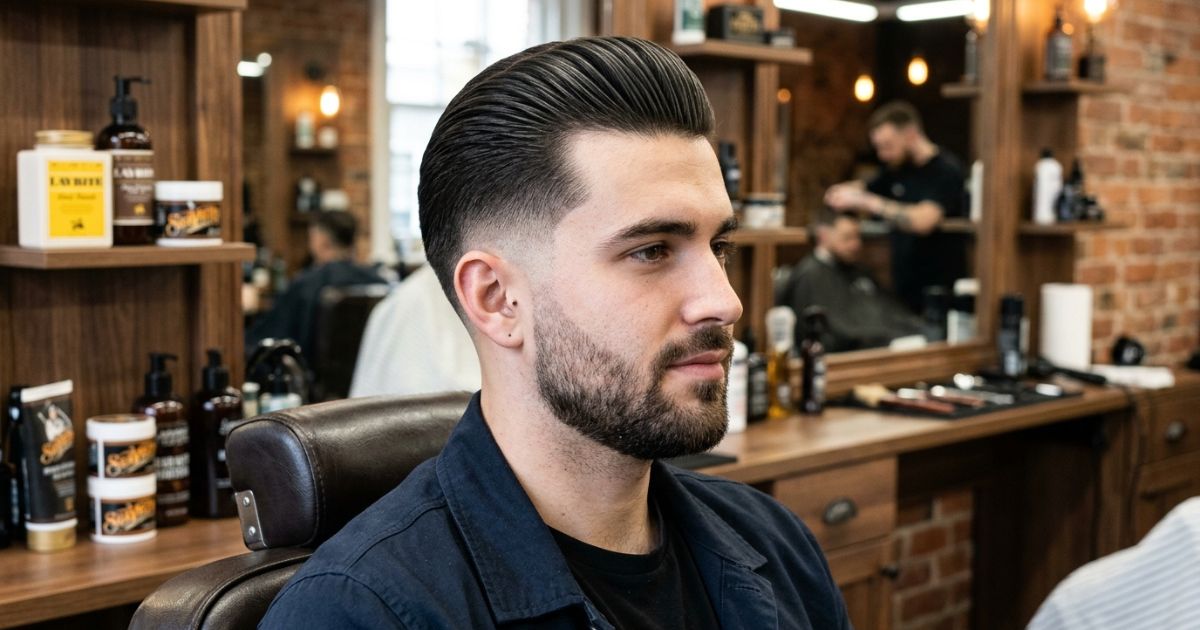
Brushing the top backward creates a refined, put-together style. Medium-length hair and a light pomade work best to hold the shape without weighing the hair down.
Low Taper Fade with Quiff
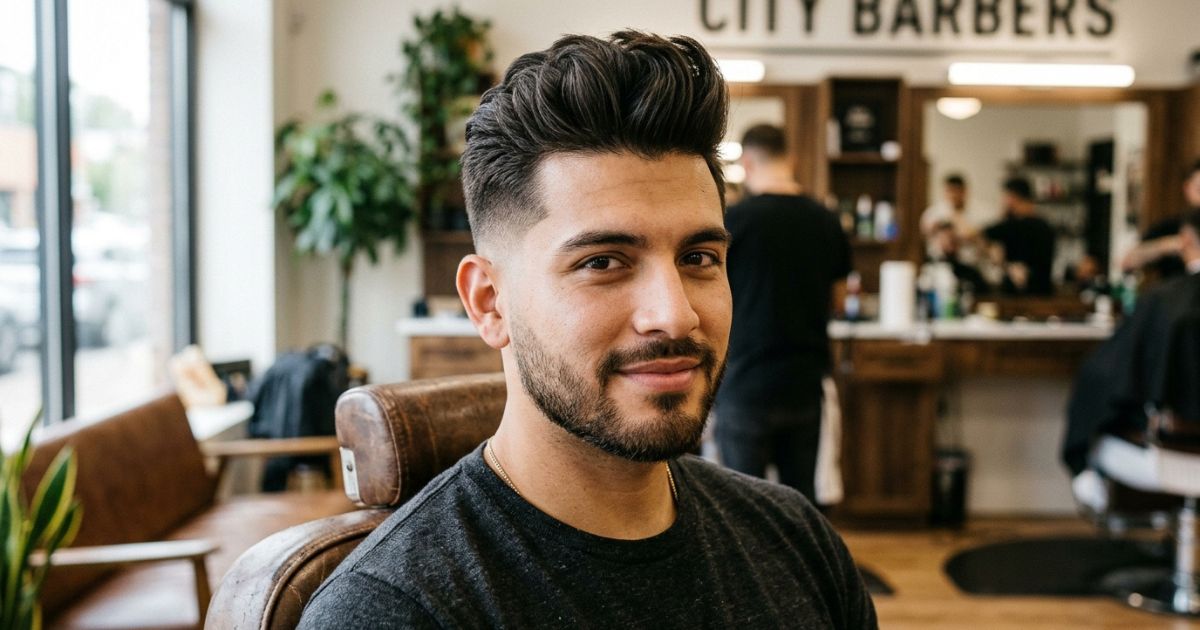
The quiff builds height and texture at the front, giving the haircut extra dimension. A blow dryer paired with a matte clay helps fine or medium-density hair hold its lift.
Low Taper Fade with Pompadour
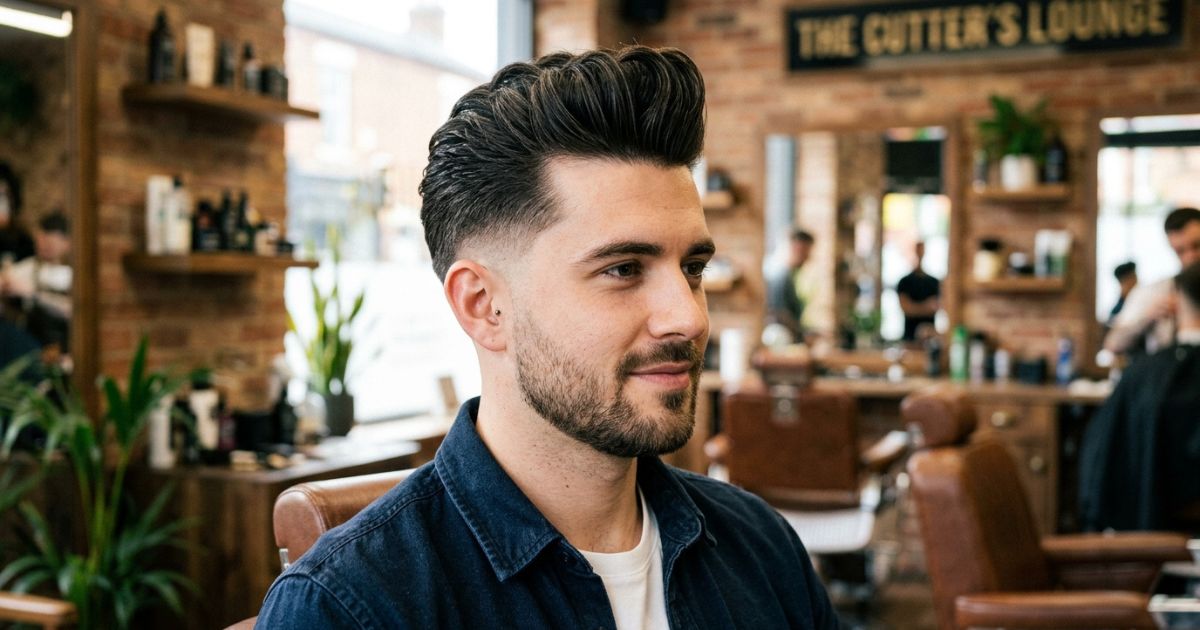
A pompadour brings volume and structure to the top while the low fade keeps the sides understated. It’s a strong choice for formal events as well as regular wear.
Low Taper Fade with Messy Hair

Not every version needs to be perfectly combed. A relaxed, textured top paired with a clean low fade offers a more casual, effortless vibe.
Low Taper Fade with Curly Fringe
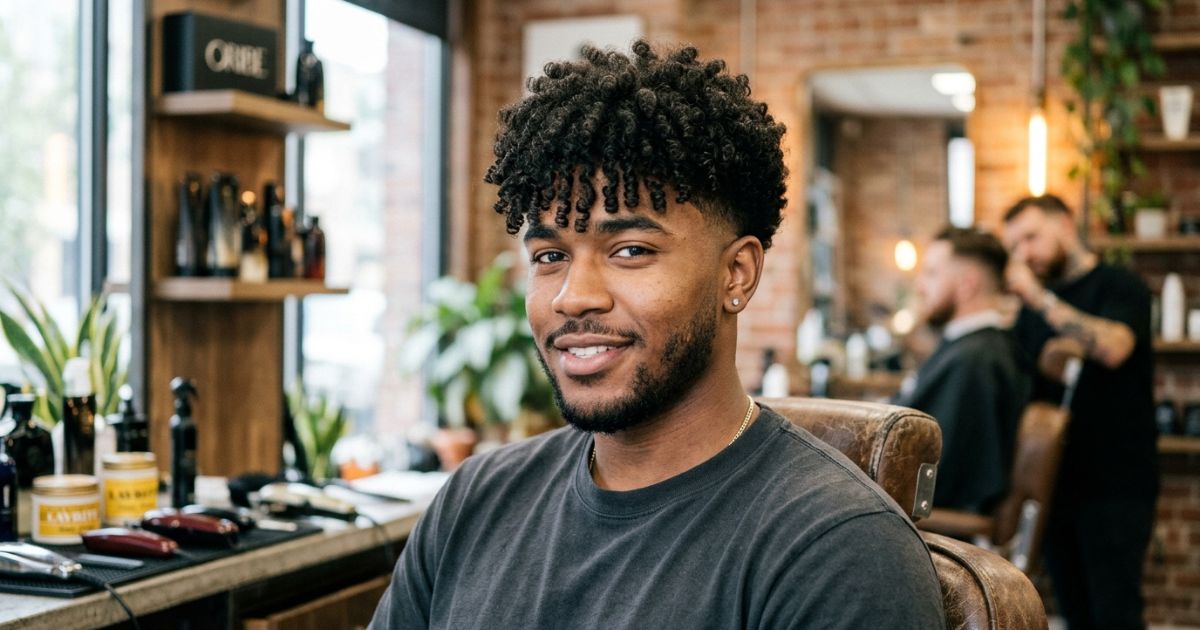
Letting natural curls fall forward as a fringe highlights texture while the low fade trims away excess bulk on the sides. Curl cream helps the fringe stay soft and defined.
Low Taper Fade with Wavy Hair

Waves bring natural movement to the top, and the low fade keeps that energy balanced with clean sides. A lightweight cream enhances the texture without flattening the waves.
Low Taper Fade with Long Hair
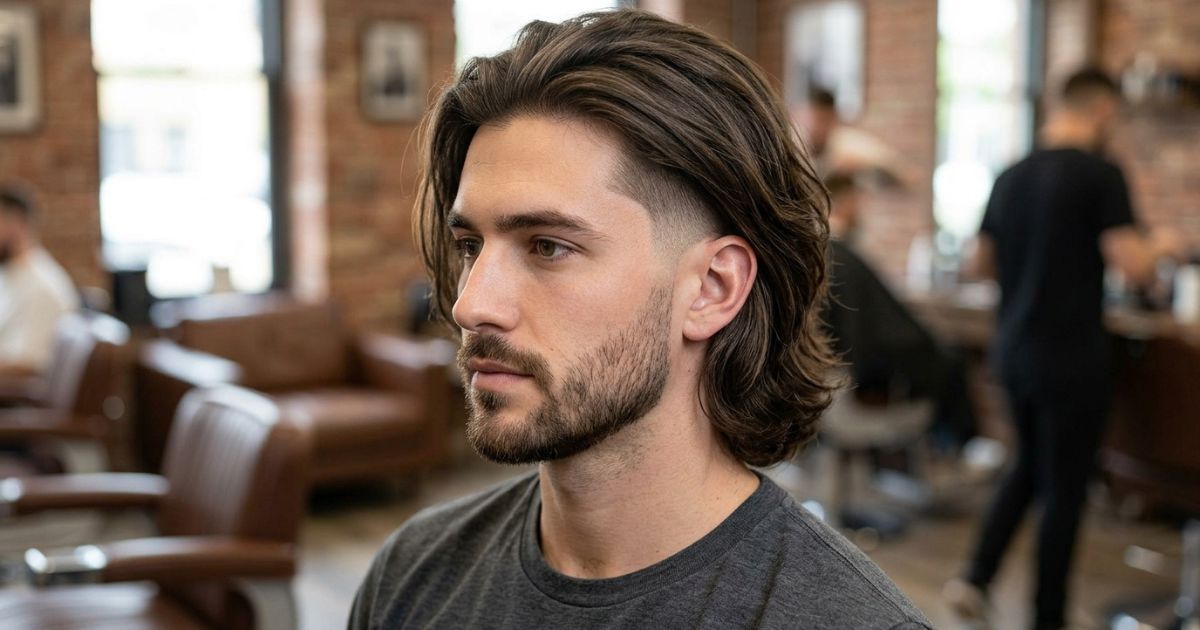
Longer hair on top opens up styling options, from a loose look to a small bun, all while the low fade keeps the sides controlled and neat.
Takuache Low Taper Fade
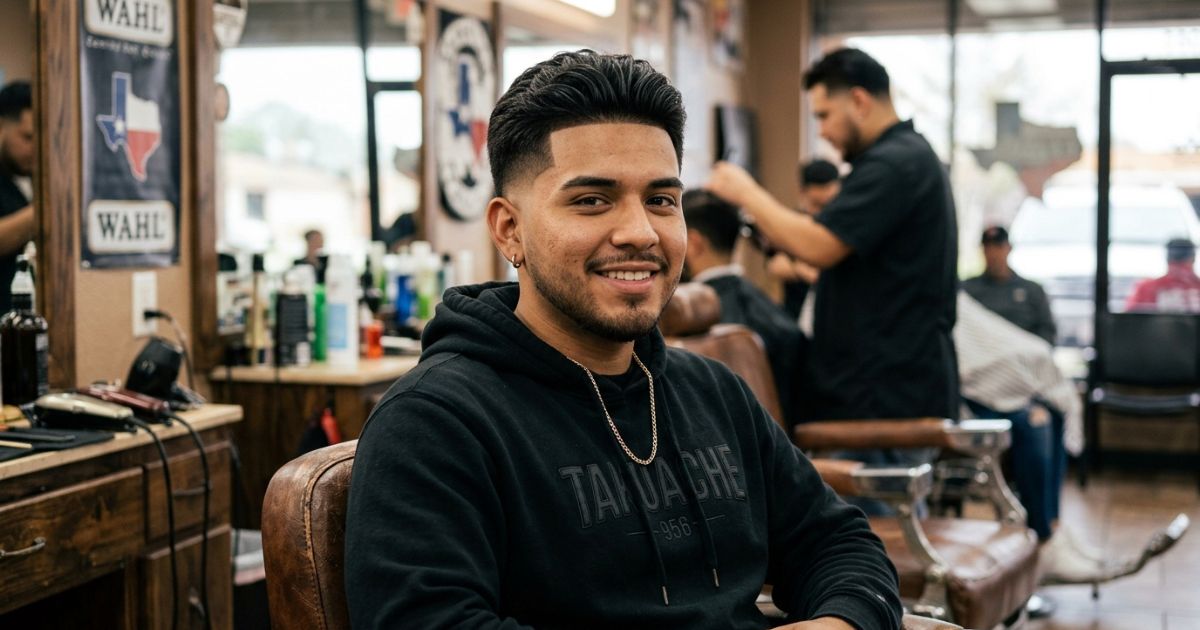
Rooted in Mexican street style, the Takuache haircut gets a cleaner edge when combined with a low taper fade. It’s often finished with textured layers and a sharp line up.
Low Taper Fade with Beard
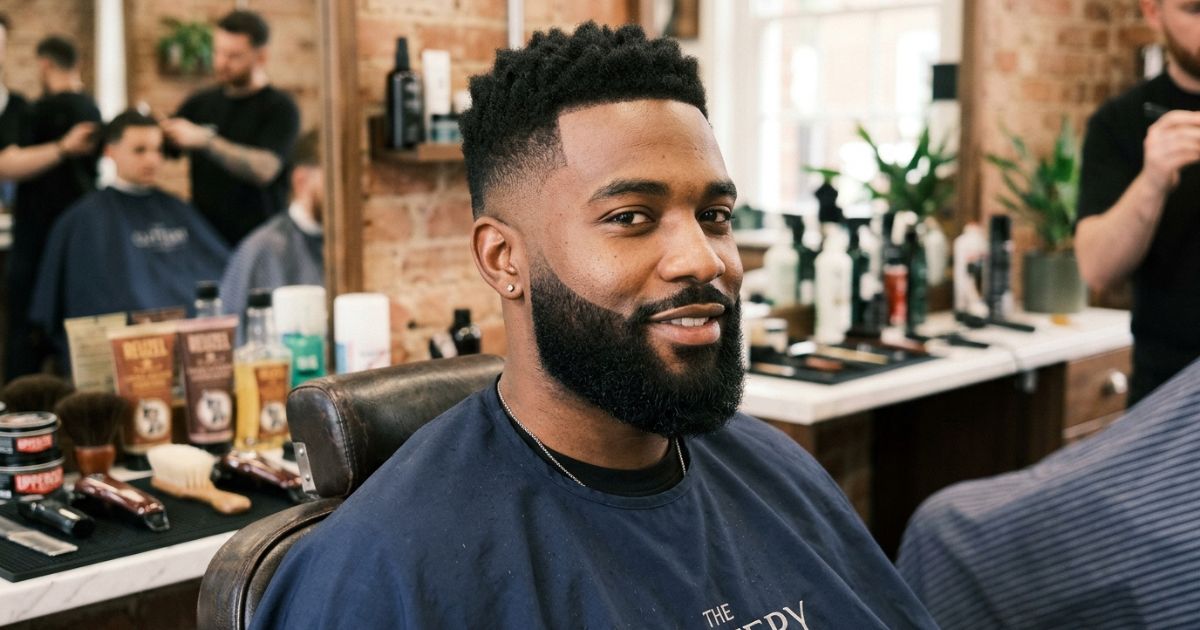
A well-blended beard connects seamlessly into a low taper fade, creating one continuous, groomed look from the hairline down to the jaw. Regular trims keep both in sync.
Low Taper Fade for Teen Boys

This version works well for school-age guys because it stays within most dress code guidelines while still looking current. It’s also easy to maintain between visits, which matters for busy student schedules.
Mexican Taper Fade vs Hispanic Mexican Low Taper Fade
These two terms often get used interchangeably, but there’s a meaningful distinction between them.
| Term | What It Covers |
| Mexican Taper Fade | A broad category including low, mid, and high taper variations, often paired with cuts like the Edgar, mullet, or Takuache style |
| Hispanic Mexican Low Taper Fade | Specifically refers to a low-positioned fade around the ears and neckline, with a softer, more gradual transition |
If you want a subtle cut that grows out cleanly, the low taper fade is generally the better fit. If you’re after more contrast, a mid or high version of the Mexican taper fade might suit your style better.
Best Hair Types for a Hispanic Mexican Low Taper Fade
Because the cut adapts to different textures, it’s worth understanding how each hair type responds to it.
Straight Hair
Straight hair highlights the smoothness of the fade and pairs easily with comb overs, side parts, and slicked-back styles.
Curly Hair
Curls add natural personality to the cut, and keeping them moisturized helps maintain their shape while the sides stay tidy.
Thick Hair
Thick hair benefits from scissor thinning on top, which reduces bulk and makes daily styling more manageable.
Wavy Hair
Waves bring built-in texture, and a light styling cream keeps flyaways controlled while letting the movement show.
Black Hair
Darker, denser hair gives the fade a sharper visual contrast, especially when paired with a clean line up.
Face Shapes That Suit This Haircut
A low taper fade is flexible enough to complement most face shapes, provided the top length is adjusted accordingly.
| Face Shape | Recommended Approach |
| Oval | Nearly any top style and length works well |
| Round | Add height with a quiff or textured top to elongate the face |
| Square | Clean fades naturally highlight a strong jawline |
| Diamond | Keep more volume on top to balance a narrower forehead and chin |
| Heart | A textured top helps offset a wider forehead |
How to Ask Your Barber for a Hispanic Mexican Low Taper Fade
Clear communication makes it much easier to walk out with the cut you actually wanted. Consider requesting:
- A low fade positioned around the ears and neckline
- A smooth blend with no harsh, visible lines
- A defined line up if you want sharper edges
- Enough length on top to match your preferred style
- Scissor work to remove bulk if your hair is thick
- A natural blend into your beard, if applicable
- A textured finish for extra movement on top
Bringing a reference photo is one of the simplest ways to make sure you and your barber are on the same page.
How to Style a Hispanic Mexican Low Taper Fade
The right product depends heavily on your hair type and the finish you’re going for.
Matte Clay
Matte clay delivers a natural, non-shiny finish and works especially well for textured crops, quiffs, and messy styles.
Hair Cream
Hair cream offers light hold with a soft feel, making it a solid everyday option for comb overs and side parts.
Pomade
Pomade provides stronger hold and more shine, which suits slick backs, pompadours, and classic finishes.
Sea Salt Spray
Sea salt spray adds texture and volume, particularly useful for straight or wavy hair before blow drying.
Curl Cream
Curl cream reduces frizz and locks in moisture, helping curly styles stay soft and well-defined throughout the day.
How to Maintain a Hispanic Mexican Low Taper Fade
A little consistency goes a long way toward keeping this haircut looking sharp between appointments.
Visit Your Barber Regularly
A trim every two to three weeks keeps the fade clean around the ears, neckline, and sideburns.
Wash Your Hair Properly
Use a shampoo suited to your hair type, and avoid washing so often that it strips away natural oils.
Use Conditioner
Conditioner helps manage dryness, which matters most for curly, thick, or heavily textured hair.
Avoid Heavy Styling Products
Too much product weighs hair down and makes it harder to style. Start small and build up only if needed.
Protect Your Hair
Frequent heat styling can cause damage over time, so use a heat protectant whenever you reach for a blow dryer or styling tool.
Hispanic Mexican Low Taper Fade vs Other Popular Fade Haircuts
Here’s how this cut stacks up against other well-known fade styles.
| Fade Style | Fade Position | Contrast Level | Best For |
| Low Taper Fade | Ears and neckline | Subtle | Everyday, low-maintenance looks |
| Mid Taper Fade | Mid-scalp | Moderate | A bolder, more defined look |
| High Taper Fade | Upper sides | Strong | Sharp, dramatic finishes |
| Skin Fade | Blends to bare skin | Very sharp | Maximum contrast, frequent trims |
| Burst Fade | Curves around the ear | Moderate to strong | Mohawks and curly styles |
| Drop Fade | Drops behind the ear | Moderate | Textured and curly hair |
Low Taper Fade
The standard version of this cut, often paired with hairstyles common in Hispanic and Mexican communities like the Edgar or Takuache style.
Mid Taper Fade
Starts higher on the head than a low fade, creating a noticeably bolder contrast between the top and sides.
High Taper Fade
Removes the most hair from the sides, delivering the sharpest, most dramatic transition of the taper family.
Skin Fade
Blends hair all the way down to the skin for maximum contrast, though it requires more frequent upkeep.
Burst Fade
Curves around the ear rather than running in a straight line, and is often paired with mohawks or curly tops.
Drop Fade
Follows the natural curve of the head and drops lower behind the ear, working especially well with curly or textured hair.
Common Mistakes to Avoid
A few avoidable errors can undercut an otherwise great haircut.
Choosing the Wrong Fade
Not every fade height flatters every face shape or hair type, so it’s worth discussing options with your barber before the clippers come out.
Ignoring Hair Texture
Straight, wavy, curly, and thick hair all respond differently to the same cut, so matching the style to your natural texture leads to better results.
Waiting Too Long Between Haircuts
The clean look of a low taper fade fades out gradually as hair grows, so regular trims are key to keeping it sharp.
Using Too Much Product
Overloading the hair with styling product often backfires, leaving it greasy or stiff instead of textured.
Skipping Daily Hair Care
Simple habits like proper washing and conditioning make a noticeable difference in how healthy and manageable your hair looks over time.
FAQ’S
What is a Hispanic Mexican low taper fade?
It’s a haircut where the fade starts low around the ears and neckline, keeping more length on the sides and top for a clean, natural blend.
Does a Hispanic Mexican low taper fade work with curly hair?
Yes, it works great with curly hair. The low fade removes bulk near the ears while letting your natural curls stay the main focus on top.
How is a Mexican taper fade different from a Hispanic Mexican low taper fade?
Mexican taper fade covers low, mid, and high versions broadly, while the Hispanic Mexican low taper fade specifically means a soft, low blend near the ears.
How often should I trim a Hispanic Mexican low taper fade?
Most guys book a trim every two to three weeks. This keeps the fade crisp around the ears and neckline without letting the shape grow out unevenly.
Can a Hispanic Mexican low taper fade pair with a beard?
Definitely. Barbers blend the sideburns directly into the beard, creating one smooth, connected look that runs cleanly from the hairline all the way to the jawline.
Final Thoughts
The Hispanic Mexican low taper fade earns its popularity by being genuinely adaptable. It works across straight, curly, thick, and wavy hair, pairs well with beards, and holds its shape longer than higher-contrast fades, making it a dependable choice for almost any lifestyle.
Whether you’re drawn to the classic version or want to pair it with an Edgar cut, curly fringe, or Takuache-inspired top, the key to getting it right is clear communication with your barber and a consistent maintenance routine. Get those two things right, and this haircut will keep looking sharp for weeks at a time.