
Finding a cut that looks sharp at the office and still holds up on a night out isn’t easy. The low taper fade side part solves that problem in one sitting. It pairs a soft, gradual fade with a defined part, giving you a style that reads as polished without feeling stiff or dated.
This guide walks you through 21 fresh variations, barber talking points, face shape and hair type matches, styling steps, and the small mistakes that quietly ruin a good fade. By the end, you’ll know exactly what to ask for in the chair.
What Are Low Taper Fade Side Part Hairstyles?
A low taper fade side part combines two separate techniques into one cohesive look: a gentle fade that starts near the ears, and a clean part that divides the top length to one side. Together they create a cut that’s structured on the sides and expressive on top.
What Is a Low Taper Fade?
A low taper fade keeps the blending action close to the hairline, usually starting just above the ears and fading into the neckline. Unlike a high or mid fade, it leaves more length on the sides, which makes the transition softer and less dramatic. Barbers typically use guards between a 1 and a 3 for this zone.
What Is a Side Part Hairstyle?
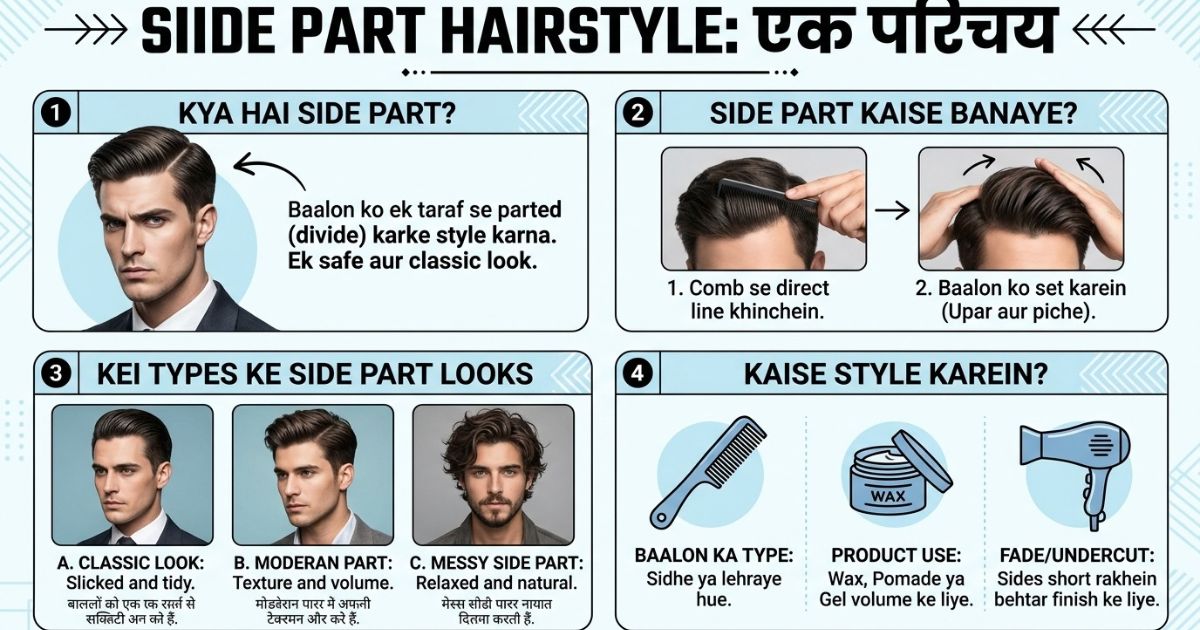
A side part hairstyle divides the top hair with a visible line, either following your natural growth pattern or a deeper, more deliberate part. It’s one of the oldest men’s hairstyles still in rotation because it adapts to nearly any length, texture, or occasion with minimal daily effort.
Why This Haircut Is Popular in 2026
Men want low-maintenance cuts that still look intentional, and this combination checks both boxes. The low taper grows out gracefully between visits, so you’re not stuck rebooking every ten days like you would with a skin fade. Add a side part and the style instantly reads as put-together, whether you’re heading into a meeting or out for dinner.
Barbers also point to its versatility. The same base fade works under a slick back, a comb over, a textured crop, or a quiff, which means one haircut can carry several different looks depending on how you style it that day.
Benefits of a Low Taper Fade Side Part
- Grows out cleanly, the soft blend hides regrowth better than a skin or high fade
- Works with most face shapes, the part balances proportions without needing an aggressive cut
- Fits any hair texture, straight, wavy, curly, and thick hair all take the style well
- Office-friendly, polished enough for professional settings, sharp enough for weekends
- Fast daily styling. a comb, a dab of product, and you’re done in under five minutes
- Longer time between trims, the subtle fade line needs less frequent barber visits
Top 21 Best Low Taper Fade Side Part Hairstyles
Classic Low Taper Fade Side Part
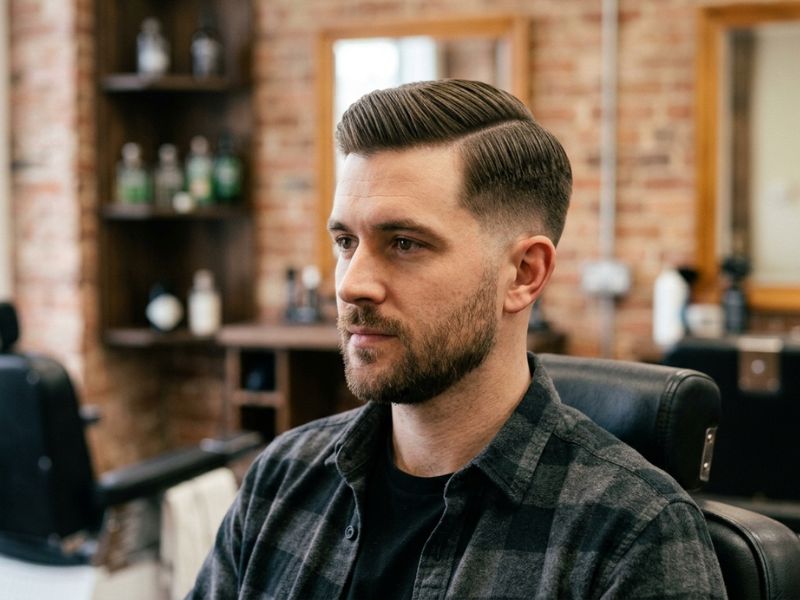
The classic version keeps things simple: a tight, low fade on the sides with two to three inches on top, combed neatly to one side. It’s the safest, most versatile choice if you’re trying this style for the first time.
Modern Low Taper Fade Side Part
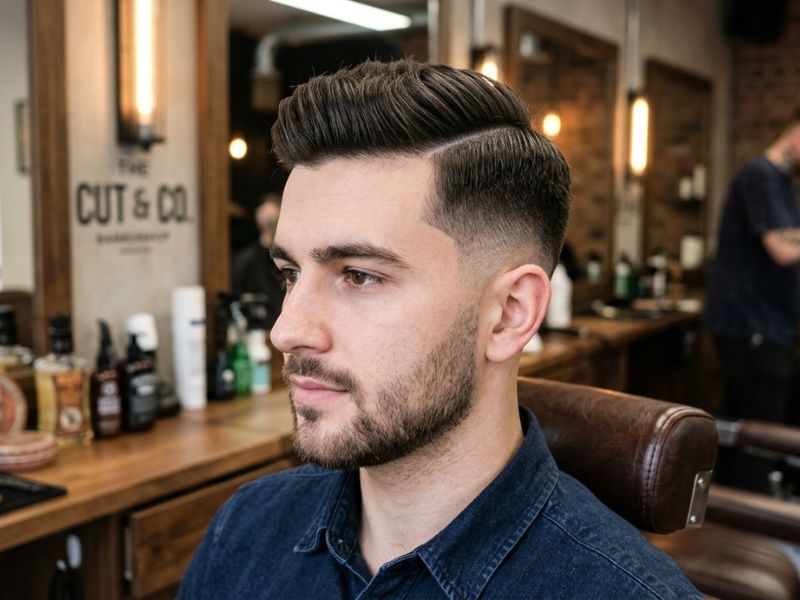
This variation adds a bit more texture and volume on top, often with a slight fringe left loose at the front. The fade stays subtle, but the top is styled with a matte finish instead of a glossy comb-down.
Textured Low Taper Fade Side Part
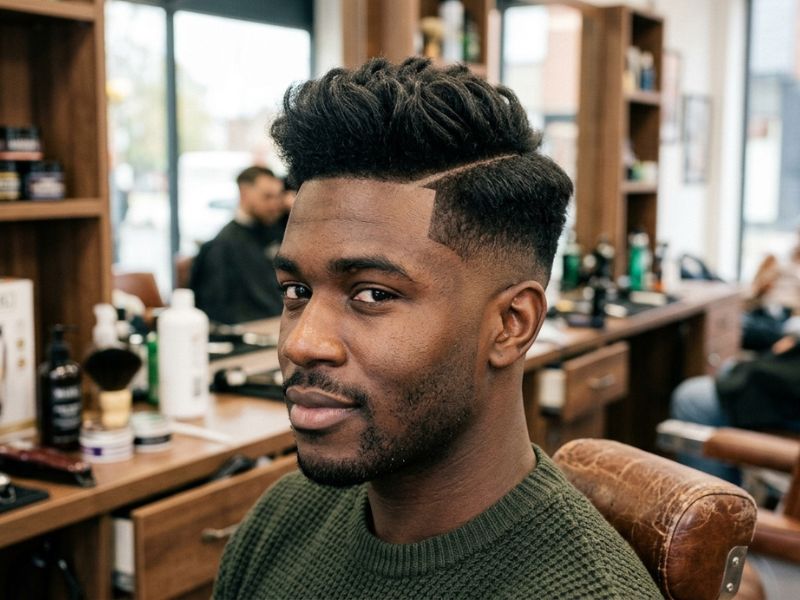
Choppy, piece-y texture on top gives this style a lived-in feel. A texturizing spray or clay pulls strands apart, so the part reads more relaxed than the classic version while the fade stays crisp underneath.
Short Low Taper Fade Side Part
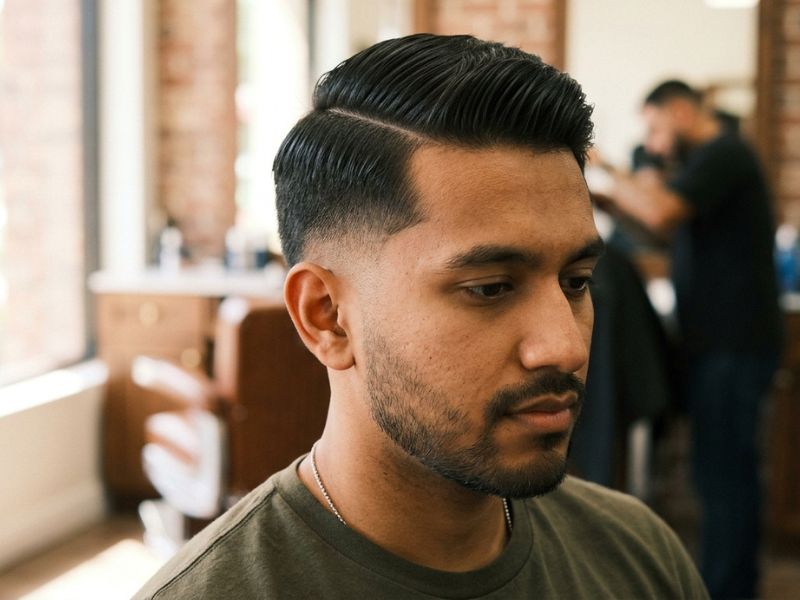
Keeping the top around one to one and a half inches creates a cropped, low-effort finish. It’s a great pick if you want the side part silhouette without spending much time in front of the mirror.
Side Part Low Taper
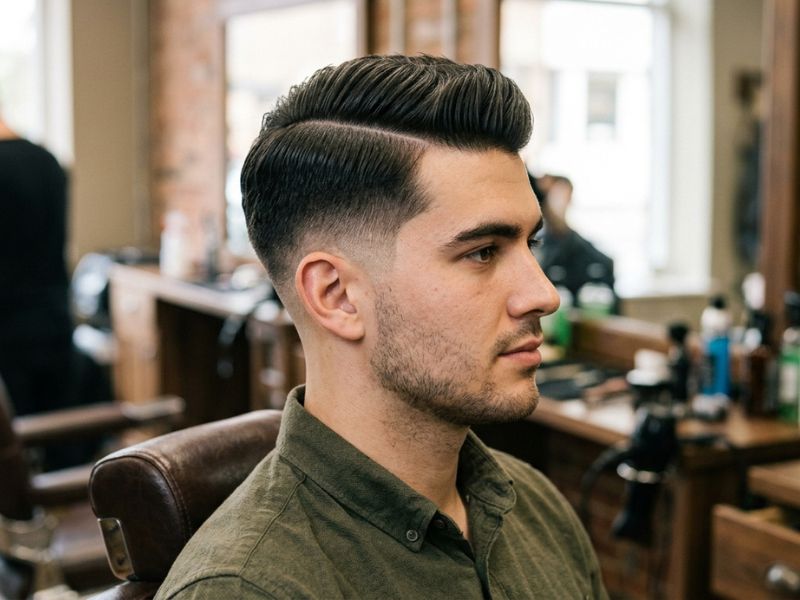
A close cousin of the classic cut, this take leans on a slightly deeper part line for extra definition. The fade blends higher toward the temple, giving the whole look a touch more contrast.
Long Low Taper Fade Side Part
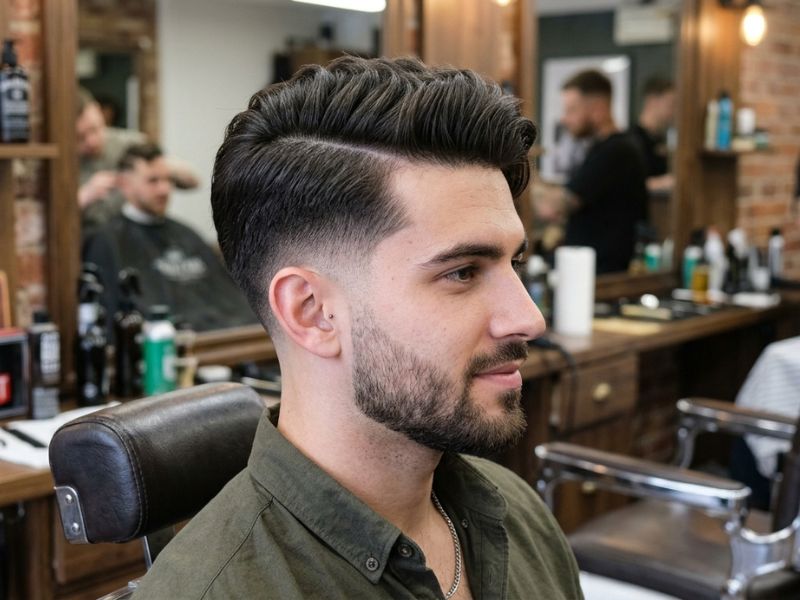
For men who want to hang onto length, this version keeps three to four inches on top while the sides stay tapered and tidy. The extra length lets you sweep hair across the forehead for a softer finish.
Low Taper Fade Side Part with Hard Part
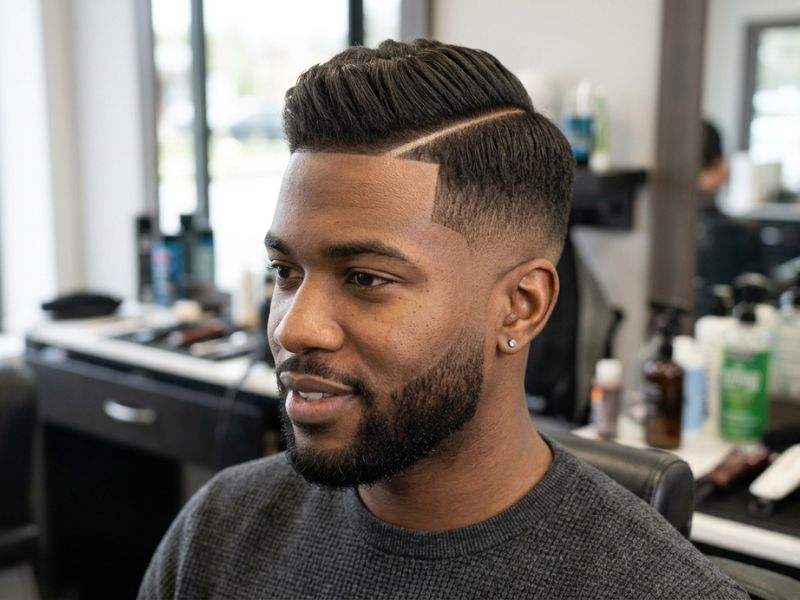
A shaved line replaces the natural part, adding sharp contrast between the top length and the faded sides. It’s bolder than a standard part and needs touch-ups every couple of weeks to stay crisp.
Learn more:Low Taper Fade Black Haircut: Top 26 Best Styles for Men in 2026
Low Taper Fade Side Part with Beard
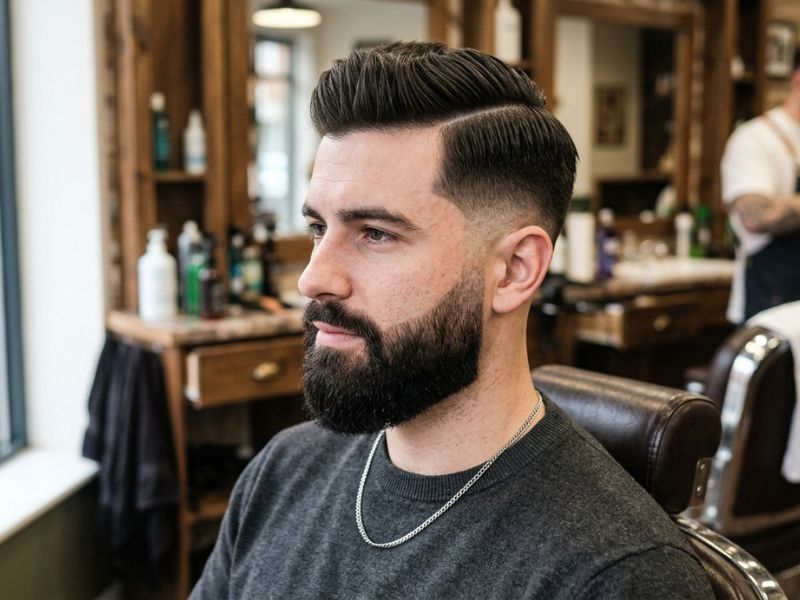
Pairing this cut with a well-groomed beard balances the face and adds structure to the jawline. Ask your barber to blend the fade into the beard line so the two pieces flow together seamlessly.
Low Taper Fade Side Part with Line Up
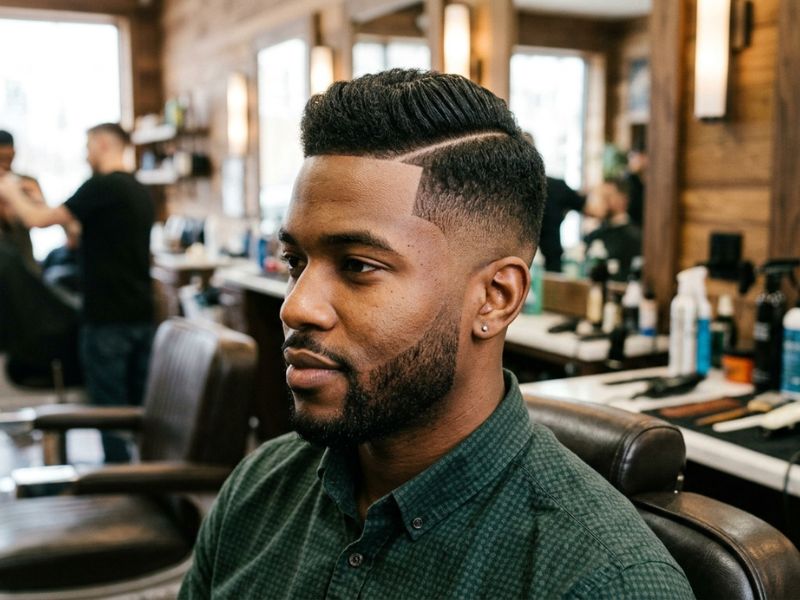
A crisp line up along the front hairline and temples sharpens the whole cut. It’s especially popular with coily and curly hair types, where the fade alone can look soft without a defined edge.
Straight Hair Low Taper Fade Side Part
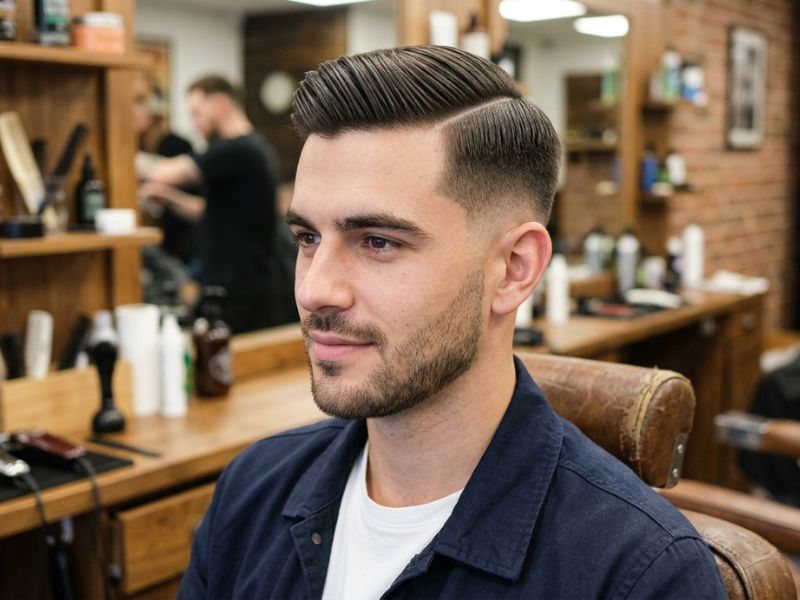
Straight hair holds a part exceptionally well, letting the side part lie flat with minimal product. A light-hold pomade is usually enough to keep straight strands in place all day.
Wavy Hair Low Taper Fade Side Part
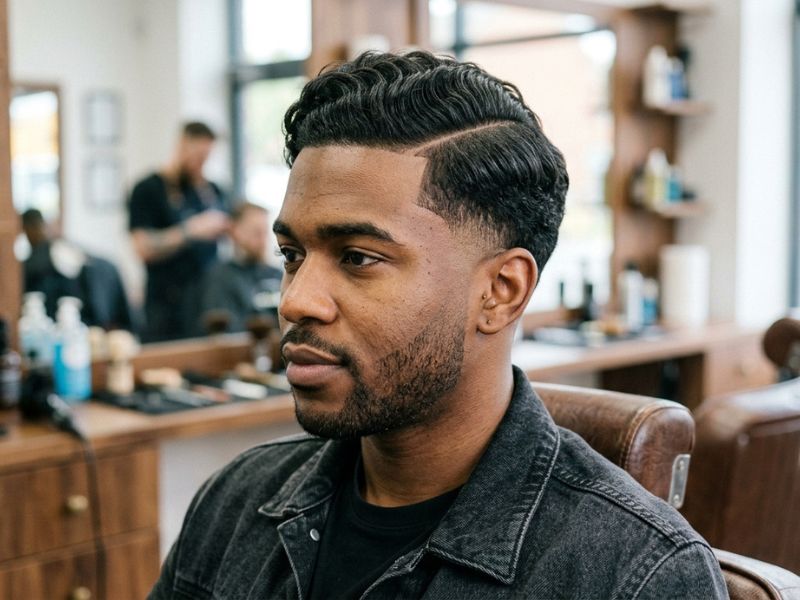
Waves add natural movement to the top section, so the part looks less rigid and more organic. A cream or matte paste helps define the waves without flattening them completely.
Curly Hair Low Taper Fade Side Part
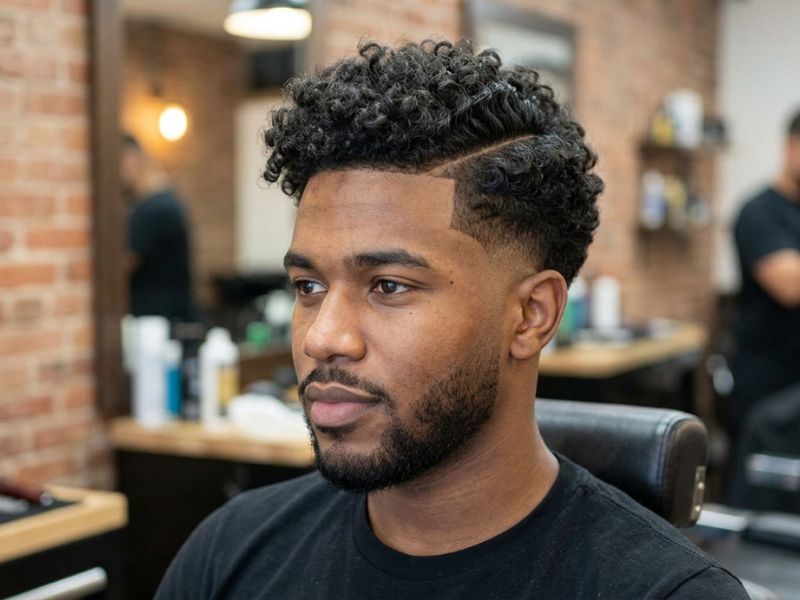
Curls bring volume that pushes against a hard part, creating a striking contrast with the tight fade below. Curl cream or a light gel keeps the pattern defined while the part stays visible.
Thick Hair Low Taper Fade Side Part
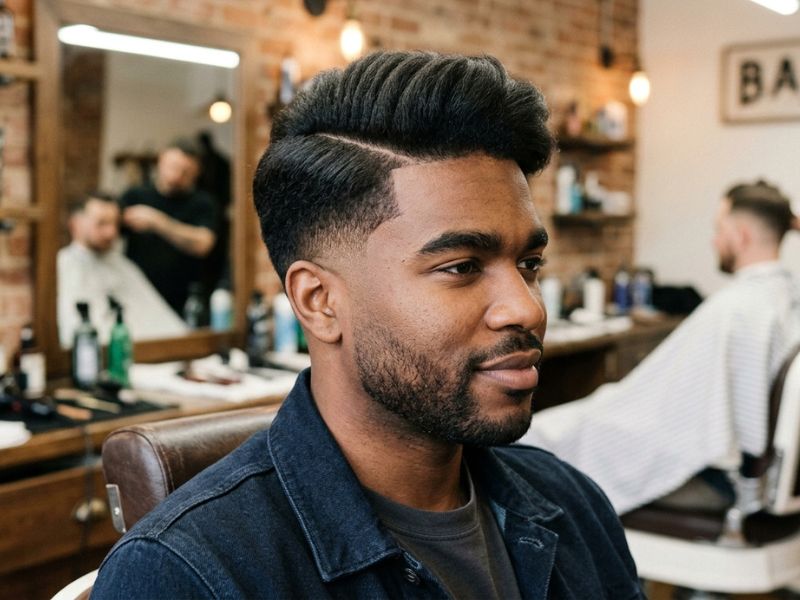
Thick hair carries more weight on top, so the fade does extra work to keep the silhouette from looking bulky. Regular thinning at the crown helps the part sit cleaner.
Thin Hair Low Taper Fade Side Part
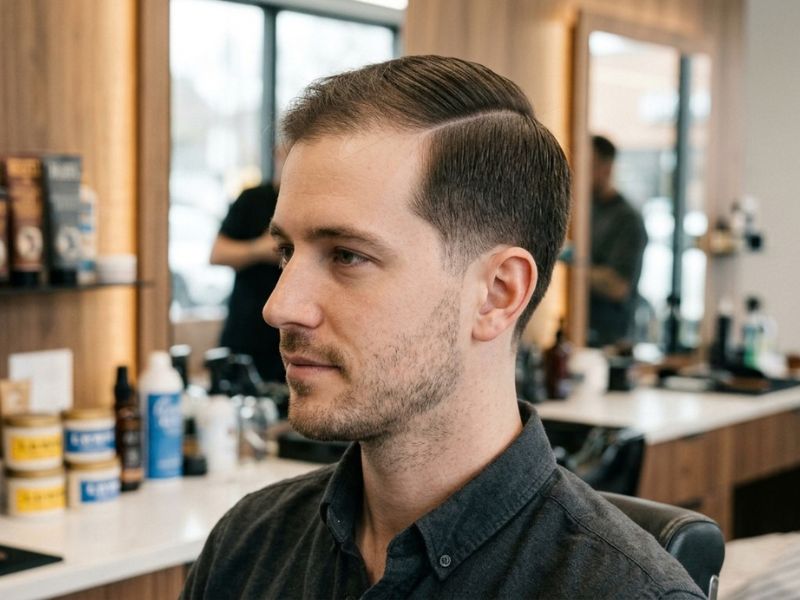
For thinner hair, a slightly shorter top length and a lightweight volumizing product prevent the style from looking flat. The fade should stay soft rather than sharp to avoid drawing attention to sparse areas.
Low Taper Fade Side Part with Volume
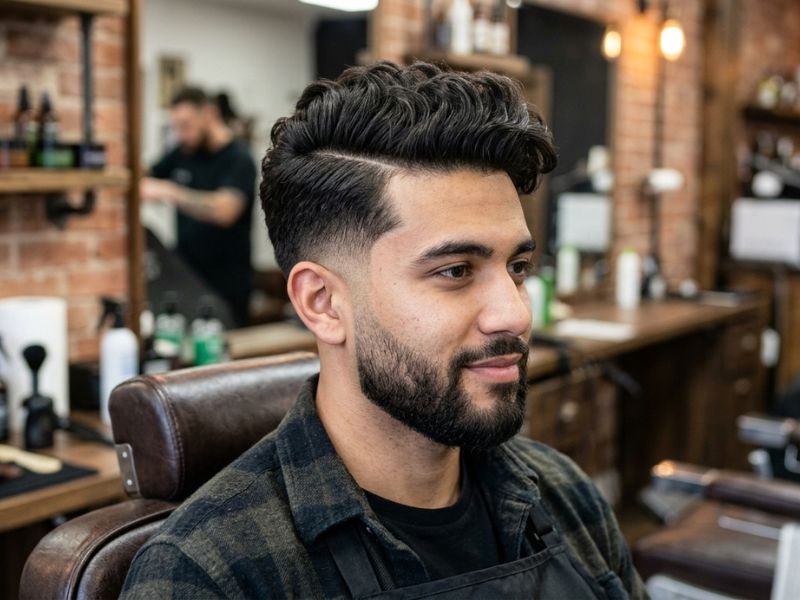
Blow-drying the roots upward before combing the part over adds noticeable lift. This version works especially well for men who want more height without going full pompadour.
Professional Low Taper Fade Side Part
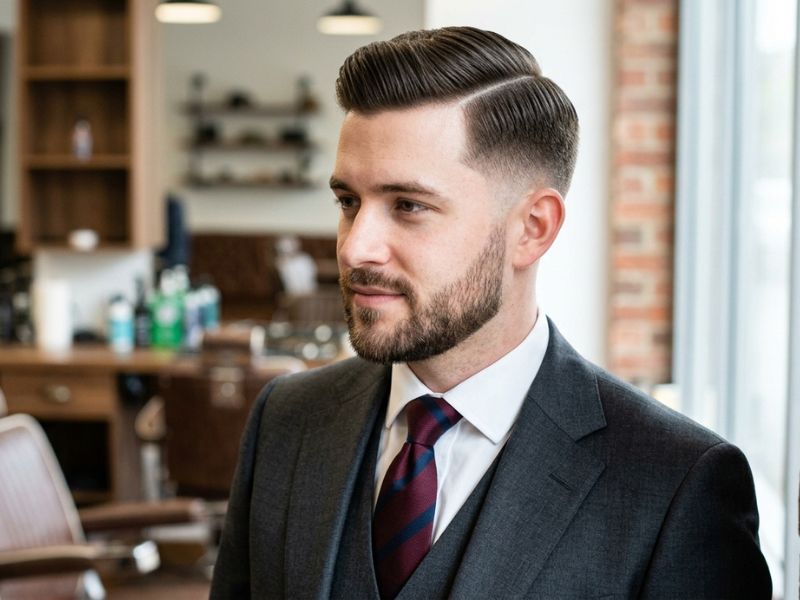
Built for the boardroom, this take keeps the fade conservative and the part precise, with a glossy or satin-finish pomade for a clean, structured look that photographs well.
Low Taper Fade Side Part for Teen Boys
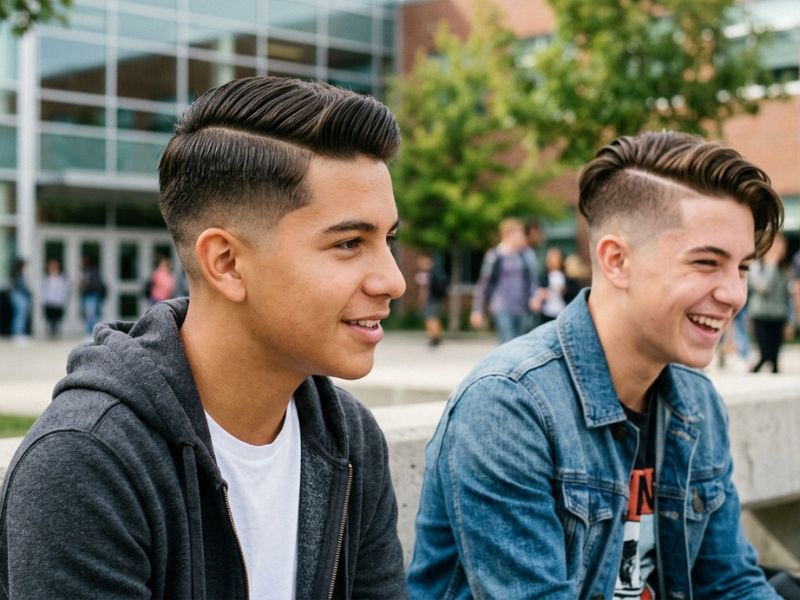
A softer, lower-maintenance fade with a natural part suits younger guys who want a stylish cut that’s easy to manage between school and sports. Guard numbers stay higher to keep growth flexible.
Asian Low Taper Fade Side Part
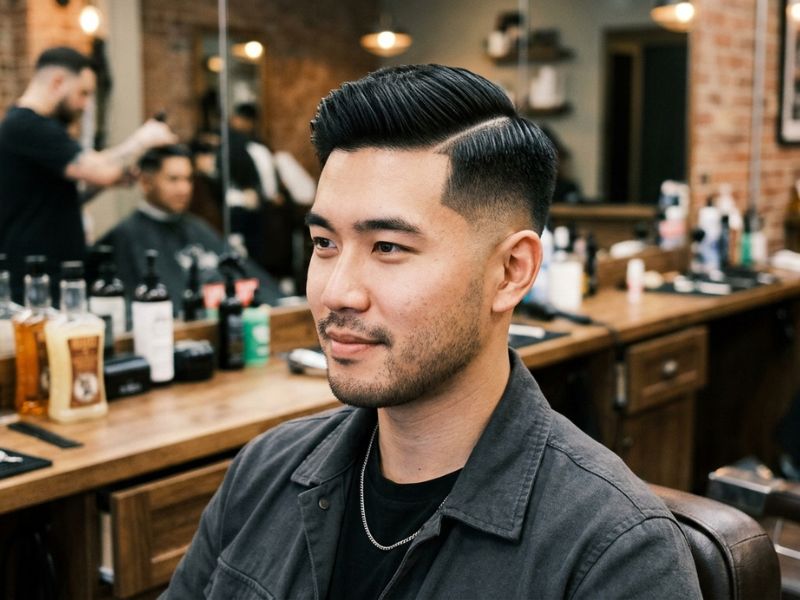
Thicker, straighter Asian hair textures pair naturally with this fade, since the strands already sit close to the head. A matte clay adds texture without weighing the top down.
Blonde Low Taper Fade Side Part
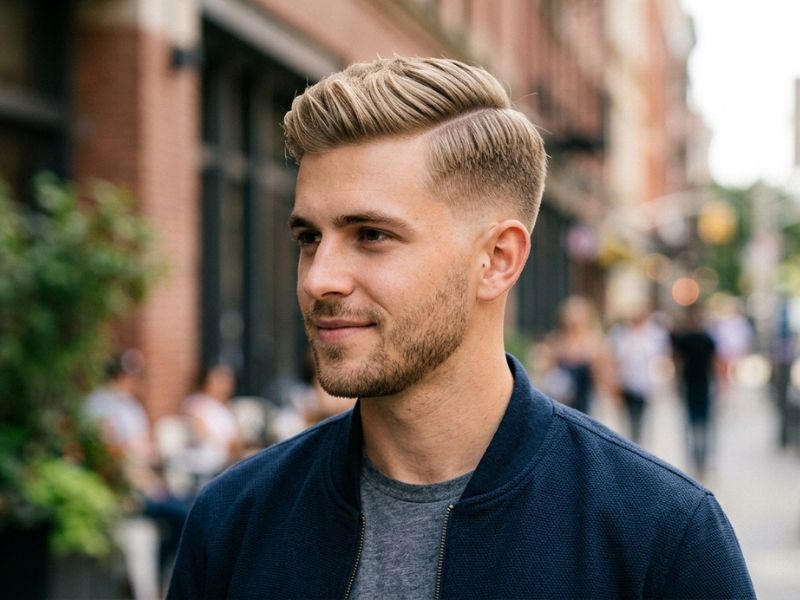
Lightened or naturally blonde hair makes the part and fade line stand out even more. This version photographs particularly well thanks to the contrast between the lighter top and the darker faded sides.
Layered Low Taper Fade Side Part
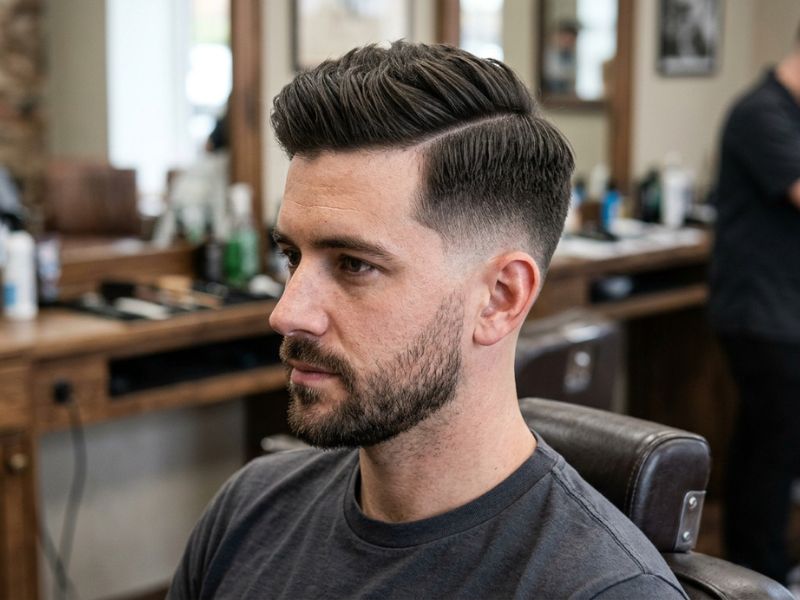
Layering removes bulk from thick or long tops, giving the part more movement and a softer overall shape. It’s a good option if your hair tends to sit heavy or flat.
Trending Low Taper Fade Side Part Hairstyle
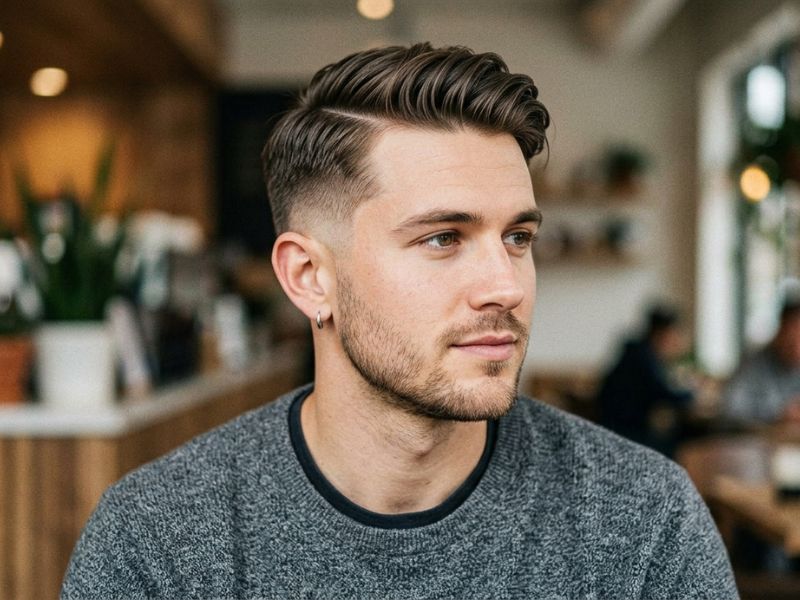
The current trend leans toward a slightly messier finish on top, paired with a natural (not razor-hard) part and a soft fade. It’s polished but not overly styled, which fits the more relaxed grooming trends of 2026.
How to Ask Your Barber for a Low Taper Fade Side Part
What to Tell Your Barber
Bring a reference photo and be specific about three things: where you want the fade to start, how much length to keep on top, and which side you naturally part your hair. Mention any styling habits, like blow-drying or air-drying, so the cut works with your routine.
Best Clipper Guard Numbers
| Zone | Guard Number | Result |
| Sideburn/nape | 0.5–1 | Very short, close blend point |
| Mid-fade zone | 2–3 | Gradual transition |
| Upper sides | 3–4 | Softer blend into the top |
| Top length | Scissor cut | 1.5–4 inches, depending on style |
Recommended Fade Height
For a true low taper fade, tell your barber to start the fade around the top of the ear or slightly below it. Anything higher shifts you into mid-fade territory, which changes the whole look and maintenance schedule.
Ideal Top Length
Most versions of this cut work best with two to three inches on top. Shorter lengths suit low-maintenance guys, while longer lengths give you room to experiment with volume, sweep, or texture.
Hard Part or Natural Part
A natural part follows your hair’s own growth pattern and needs no upkeep between cuts. A hard part is shaved in and looks sharper, but it grows out within a week or two and needs regular touch-ups to stay defined.
Styling Product Recommendations
- Matte clay or paste for texture and low shine
- Pomade for a classic, polished comb-down
- Sea salt spray for added grip on fine or slippery hair
- Light-hold gel for wavy or curly textures
- Volumizing mousse for thin hair that needs lift
Best Face Shapes
| Face Shape | Why It Works | Styling Tip |
| Oval | Balanced proportions suit almost any part depth | Keep the part classic, no need to over-style |
| Round | Adds height and vertical lines | Use a deeper part and add volume on top |
| Square | Softens strong jaw angles | Choose a textured, less rigid part |
| Diamond | Balances a narrow chin and forehead | Keep sides tighter, add fullness at the crown |
| Heart | Balances a wider forehead | Add weight near the jawline with length on the sides |
| Oblong | Shortens the appearance of face length | Avoid too much height, keep the top closer to the head |
Oval Face
Oval faces have the most flexibility with this cut. Nearly any part depth or top length works, so you can lean into whichever variation suits your personal style.
Round Face
A deeper part combined with lift at the crown adds visual length, helping counter the natural roundness of the face.
Square Face
A textured, slightly messy part softens the strong angles of a square jaw better than a sharp, hard-edged part.
Diamond Face
Keeping the sides tight while adding fullness near the crown balances a narrower chin and forehead.
Heart Face
More length and weight on the sides helps offset a broader forehead, bringing better proportion to the lower face.
Oblong Face
Shorter top lengths keep the style from adding extra vertical length to an already elongated face shape.
Best Hair Types
| Hair Type | Compatibility | Notes |
| Straight | Excellent | Holds a part flat with minimal product |
| Wavy | Excellent | Adds natural texture to the part line |
| Curly | Good | Needs curl-defining product to keep shape |
| Thick | Good | May need thinning to avoid bulk |
| Thin | Fair | Needs volumizing product and shorter length |
| Medium-length | Excellent | Most flexible for styling variety |
Straight Hair
Straight strands lie flat naturally, making the part easy to maintain with just a comb and light pomade.
Wavy Hair
Waves add subtle texture that keeps the part from looking too rigid or overly polished.
Curly Hair
Curls need a defining cream or gel to hold their shape while keeping the part line visible underneath.
Thick Hair
Thicker hair benefits from regular thinning so the top doesn’t overpower the tapered sides.
Thin Hair
A shorter top length paired with a lightweight volumizer helps thin hair avoid looking flat or thin at the part.
Medium-Length Hair
Medium lengths offer the most room to switch between slicked, textured, or voluminous finishes without a new haircut.
Pros and Cons
| Pros | Cons |
| Grows out gracefully between trims | Requires occasional maintenance to keep the part crisp |
| Works across most hair types and face shapes | Hard part versions need frequent touch-ups |
| Quick daily styling routine | Thin hair needs extra product to avoid a flat look |
| Suits both formal and casual settings | Curly hair needs more product to define the part |
| Pairs well with beards and line ups | Not as bold or edgy as a high or skin fade |
How to Style a Low Taper Fade Slick Back Haircut
Start with damp hair and apply a strong-hold pomade or gel evenly through the roots. Use a comb to push the hair straight back, working from the front hairline toward the crown. Finish with a blow dryer on low heat to lock the style in place, then add a light shine spray if you want a glossier finish.
Best Styling Products
- Strong-hold water-based pomade
- Firm-hold styling gel
- Shine spray or serum for a polished finish
How to Style a Low Taper Fade Side Part
Comb your hair into your natural part while it’s still slightly damp, then apply a small amount of clay or pomade to the roots on the heavier side. Use your fingers or a comb to smooth the top down, keeping the part line clean and defined.
Best Styling Products
- Matte clay for texture and hold
- Classic pomade for a smoother, polished finish
- Light-hold cream for wavy or curly textures
Styling Workflow
- Towel-dry hair until it’s damp, not wet
- Comb hair into your natural or hard part
- Apply a dime-sized amount of product evenly
- Smooth the top section flat with a comb
- Blow-dry briefly on low heat to set the shape
- Touch up flyaways with a fine-tooth comb
Step-by-Step Styling Guide
- Wash and condition hair, then towel-dry to remove excess moisture
- Apply your chosen styling product starting at the roots
- Comb the top section into your desired part
- Use a blow dryer on a low, cool setting to lock the shape
- Check the fade line and blend any flyaways with a comb
- Finish with a light hold or shine product if needed
How to Maintain a Low Taper Fade Side Part
- Book a trim every three to four weeks to keep the fade sharp
- Wash with a sulfate-free shampoo to protect natural oils
- Use a leave-in conditioner if your hair type tends to dry out
- Comb the part daily, even on days you’re not fully styling
- Trim a hard part every one to two weeks if you’re wearing one
- Apply a light oil to the fade zone to prevent flakiness
Low Taper Fade Side Part vs Comb Over
| Feature | Low Taper Fade Side Part | Comb Over |
| Fade Height | Low, near the ears | Often paired with mid or high fade |
| Part Style | Natural or hard part | Deep side part, more length swept over |
| Maintenance | Moderate | Moderate to high |
| Vibe | Polished, versatile | Classic, formal |
Low Taper Fade Side Part vs Slick Back
| Feature | Low Taper Fade Side Part | Slick Back |
| Direction | Combed to one side | Combed straight back |
| Product Needed | Light to medium hold | Strong hold required |
| Best For | Everyday and office wear | Formal events, sleeker occasions |
| Face Shape Fit | Most shapes | Best on oval and diamond shapes |
Low Taper Fade Side Part vs Quiff
| Feature | Low Taper Fade Side Part | Quiff |
| Top Styling | Flat, combed to the side | Lifted and pushed upward at the front |
| Effort Level | Low to moderate | Moderate to high |
| Occasion | Everyday, professional | Casual, trend-driven |
| Length Needed | 2–3 inches | 3+ inches for volume |
Celebrity Inspiration
Plenty of actors, musicians, and athletes have worn a version of this cut on red carpets and in interviews, usually favoring the classic or professional variation for a clean, camera-ready look. Others lean into the textured or hard-part versions for a more casual, off-duty appearance. Bring a specific photo reference to your barber rather than a general description, since small details like part depth and fade height can change the whole result.
Common Mistakes to Avoid
- Asking for a “fade” without specifying low, mid, or high. you may end up with a much shorter result than expected
- Skipping regular trims, which lets the fade grow out and blur into the top length
- Using too much product, which weighs the top down and hides the part line
- Choosing a hard part without committing to weekly touch-ups
- Ignoring your natural hair growth pattern, which fights against the part instead of working with it
- Applying product to fully dry hair, which makes it harder to distribute evenly
FAQ’S
How often should I get this haircut trimmed?
Plan on a trim every three to four weeks to keep the fade blended and the top length manageable.
Can I get this cut with curly hair?
Yes. Curly hair works well with this style, though you’ll need a curl-defining product to keep the part visible.
Does a low taper fade work for older men?
Absolutely. Its subtle, low-maintenance nature makes it a popular choice across age groups, not just younger guys.
What’s the difference between a low taper fade and a low fade?
A low taper fade blends more gradually and leaves more length on the sides, while a low fade often cuts closer to the skin.
Can I switch between a hard part and a natural part?
Yes, but a hard part needs to grow out fully before your barber can cleanly switch back to a natural part line.
Conclusion
The low taper fade side part earns its popularity by staying sharp without demanding constant upkeep. Whether you go classic, textured, or bold with a hard part, this cut adapts to your hair type, face shape, and daily routine, making it one of the most reliable men’s hairstyles heading into 2026.
Bring your barber a clear reference photo, decide on your ideal top length, and choose the styling products that match your hair type. With the right combination, you’ll walk out with a cut that looks intentional every single day, not just on a good hair day.