
Choosing the right haircut can make a big difference in how your hair looks, feels, and moves. If you want more volume, softer ends, natural movement, or a hairstyle that frames your face beautifully, layers may be the perfect option. However, not all layers look the same. Some create dramatic volume, while others provide subtle movement without changing the overall length of your hair.
Understanding the different types of hair layers can help you communicate more clearly with your hairstylist and choose a haircut that suits your hair texture, face shape, and personal style. Whether you have long, medium, or short hair, the right layering technique can transform your hairstyle while maintaining the look you want.
What Are Hair Layers?Types of Hair Layers
Hair layers are sections of hair cut at different lengths to create shape, movement, texture, and dimension. Instead of every strand ending at approximately the same length, the hair is cut in varying lengths throughout the style.
The placement and length of the layers determine the final result. Long layers can create movement while preserving the appearance of length. Shorter layers can add lift and volume around the crown. Face-framing layers soften the appearance of the front sections, while choppy layers create a more textured finish.
Why Are Layered Haircuts So Popular?
Layered haircuts remain popular because they offer flexibility. They can make a hairstyle look soft and natural or bold and textured, depending on the cutting technique.
Here are some of the main benefits of layers:
- More movement: Different lengths help hair move naturally instead of forming one heavy shape.
- Volume and lift: Strategically placed layers can create the appearance of more volume around the crown.
- Reduced bulk: Layers can remove some weight from thick hair when placed appropriately.
- Face framing: Shorter sections around the face can soften the overall silhouette.
- Versatility: Layers work with many lengths, textures, and styling preferences.
- Personalized shape: A stylist can adjust the placement of layers to suit your hair density and desired look.
However, layers are not always the best choice for everyone. Fine hair may lose some of its appearance of fullness if too much weight is removed. Likewise, curly hair can become overly voluminous if layers are not placed carefully.
The best layered haircut balances movement, shape, and fullness according to your hair’s natural characteristics.
12 Types of Hair Layers Explained
1. Long Layers
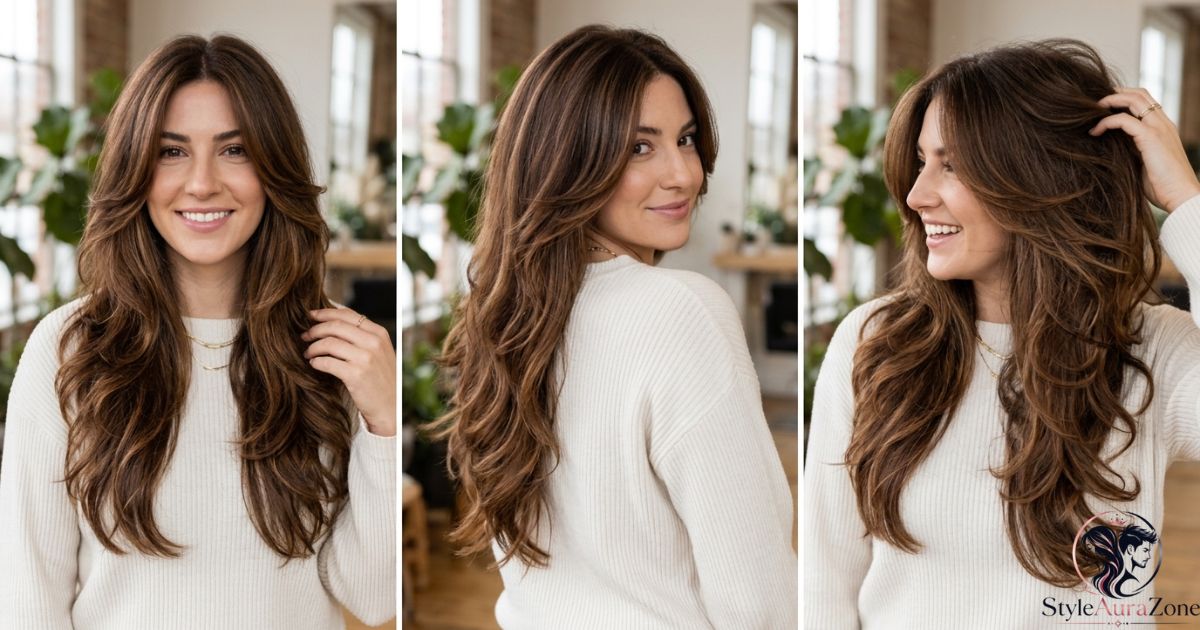
Long layers are among the most versatile layering options. They involve cutting selected sections at shorter lengths while keeping most of the hair relatively long.
The difference between the longest and shortest sections is usually gradual, creating movement without dramatically changing the overall silhouette.
Long layers are particularly popular for women who want to maintain their length while making their hair feel lighter and easier to style. They can also help long waves and curls form more naturally.
This technique is often suitable for medium to thick hair, although fine hair can also benefit from subtle long layers when the stylist preserves enough weight at the ends.
2. Short Layers
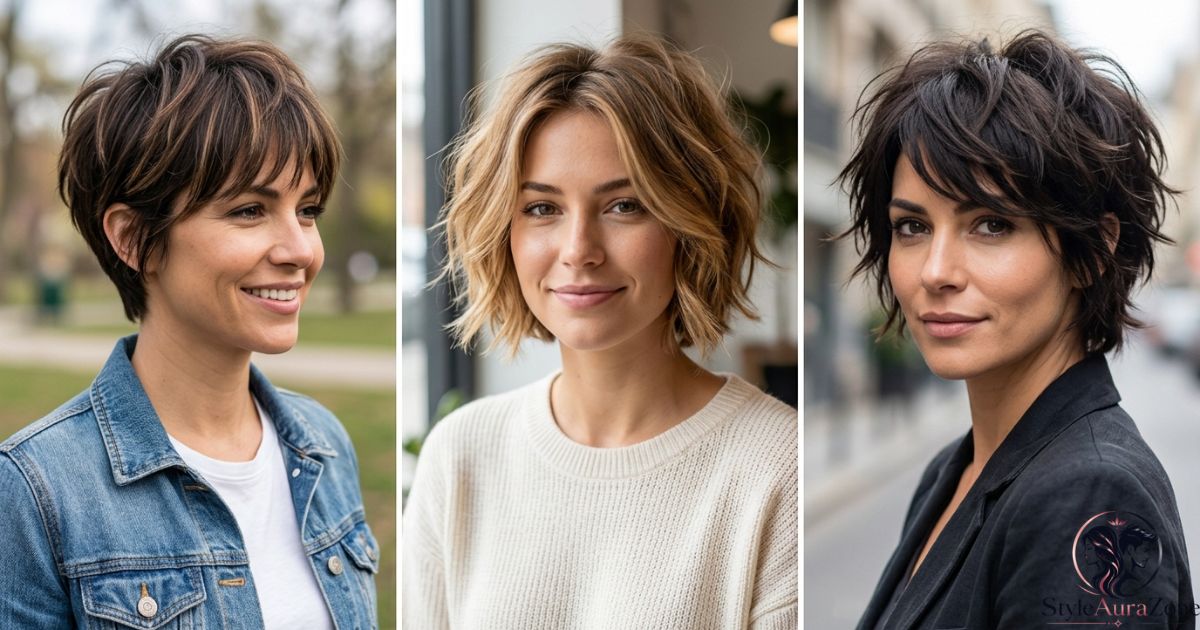
Short layers are cut noticeably shorter than the surrounding hair. They can create lift around the crown, increase texture, and make a haircut look more dynamic.
Unlike long layers, short layers produce a stronger difference in length. Their effect depends on where they are placed and how much hair is cut.
Short layers can work beautifully in shags, pixie cuts, and textured medium-length hairstyles. They can also help some thick haircuts feel less heavy.
However, short layers may be difficult to grow out evenly, and they can create unwanted volume in certain hair textures if placed incorrectly.
3. Face-Framing Layers

Face-framing layers are shorter sections around the front of the hair that gradually blend into the remaining length. They help draw attention to the face and can create a softer silhouette.
These layers may begin near the cheekbones, jawline, or chin. The starting point influences how the haircut looks and which facial features it emphasizes.
Face-framing layers can be combined with long hair, medium-length cuts, curtain bangs, and layered bobs.
They are a useful option for people who want a visible change without cutting layers throughout the entire head.
4. Graduated Layers
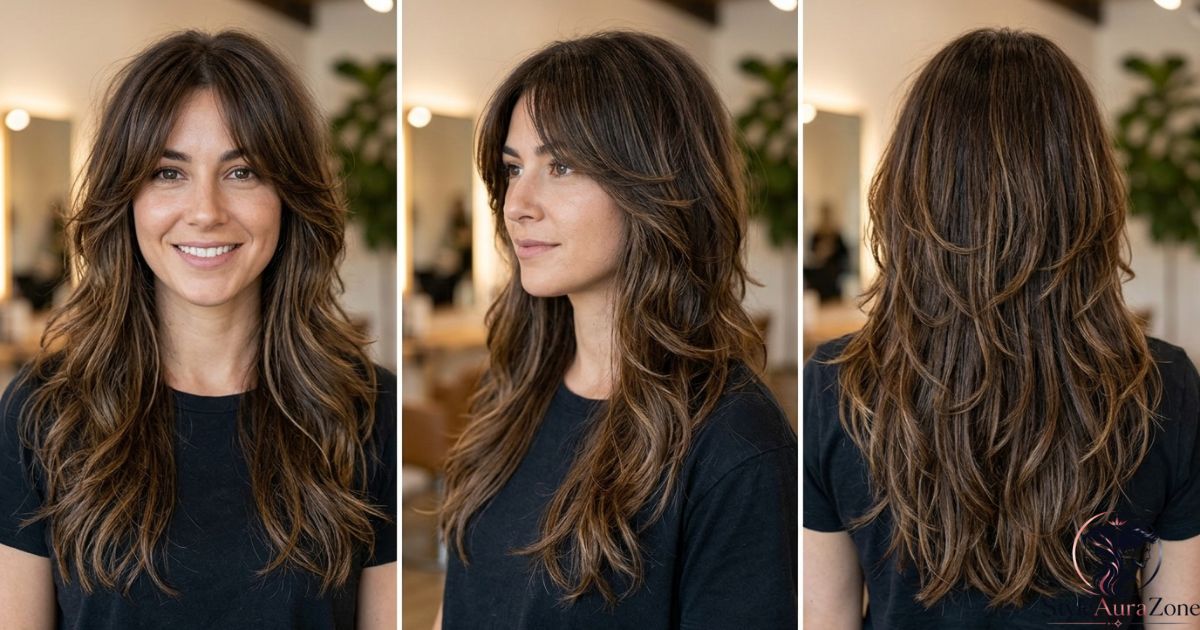
Graduated layers create a structured shape by building up shorter lengths in one area and blending them into longer sections. The technique is often used around the back of bobs and other shaped haircuts.
Graduation can create a rounded silhouette, add structure, and help a haircut sit closer to the head in selected areas.
The amount of graduation can range from subtle to pronounced. A skilled stylist adjusts the technique according to the desired outline and hair density.
5. Choppy Layers
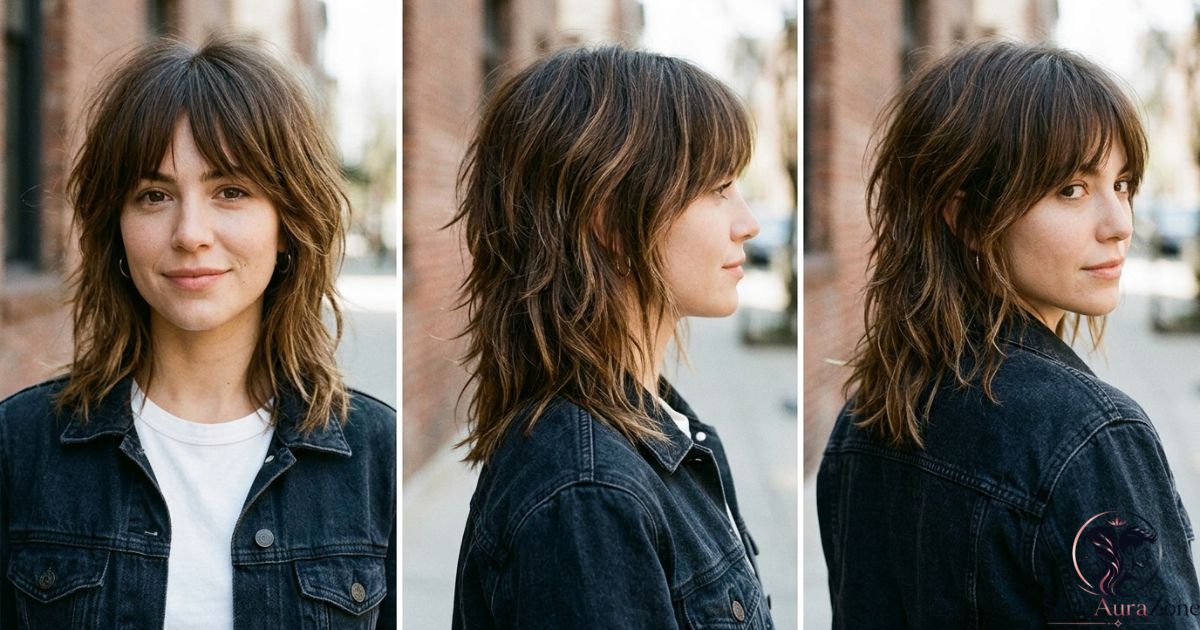
Choppy layers feature distinct, uneven-looking sections that create texture and separation. Unlike smoothly blended layers, they are designed to give the hair a more visibly textured finish.
This technique is common in modern shags, textured bobs, and edgy short haircuts.
Choppy layers can make thick hair look less uniform and give straight hair a more dynamic appearance. However, the amount of texture should be customized to the hair’s density.
Too much chopping can make fine or thin hair appear less full, so careful placement is important.
Read more:Short Haircuts: 25 Stylish Ideas, Types, and Styling Tips for Every Hair Type
6. Feathered Layers
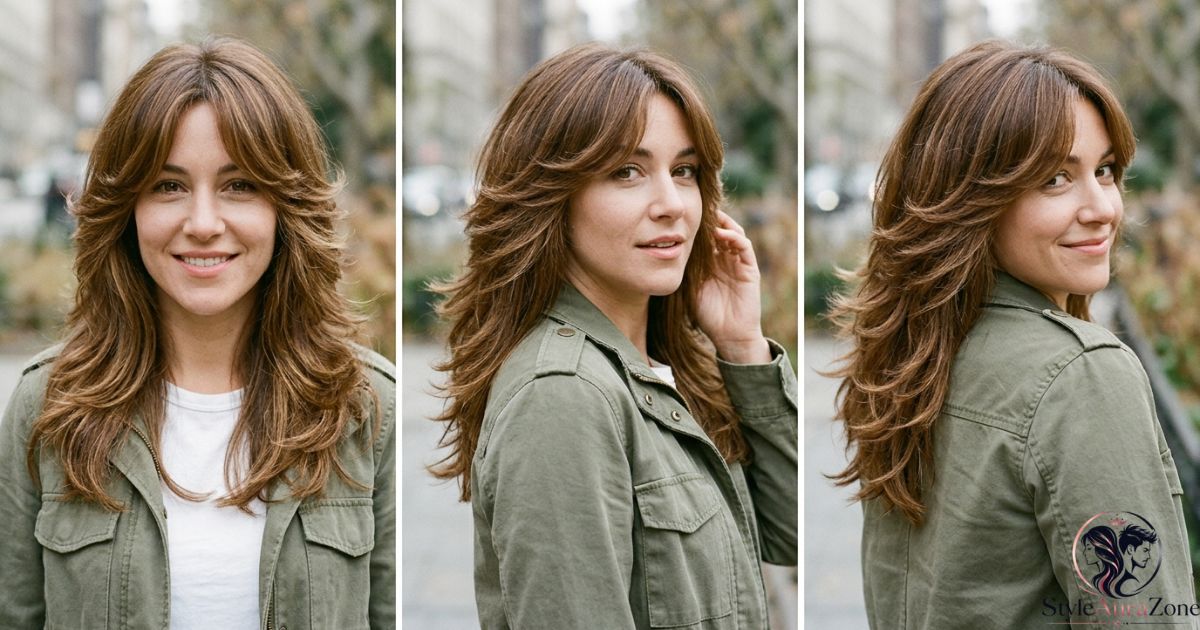
Feathered layers are soft, tapered sections that blend together to create a light, flowing appearance. The ends are shaped to encourage movement rather than producing a blunt or sharply separated finish.
This technique is often associated with classic blowouts and hairstyles in which the front sections sweep away from the face.
Feathered layers can be incorporated into medium-length hair, long hairstyles, and selected short cuts.
They are particularly appealing to people who want movement without the more dramatic appearance of choppy layers.
7. Invisible Layers
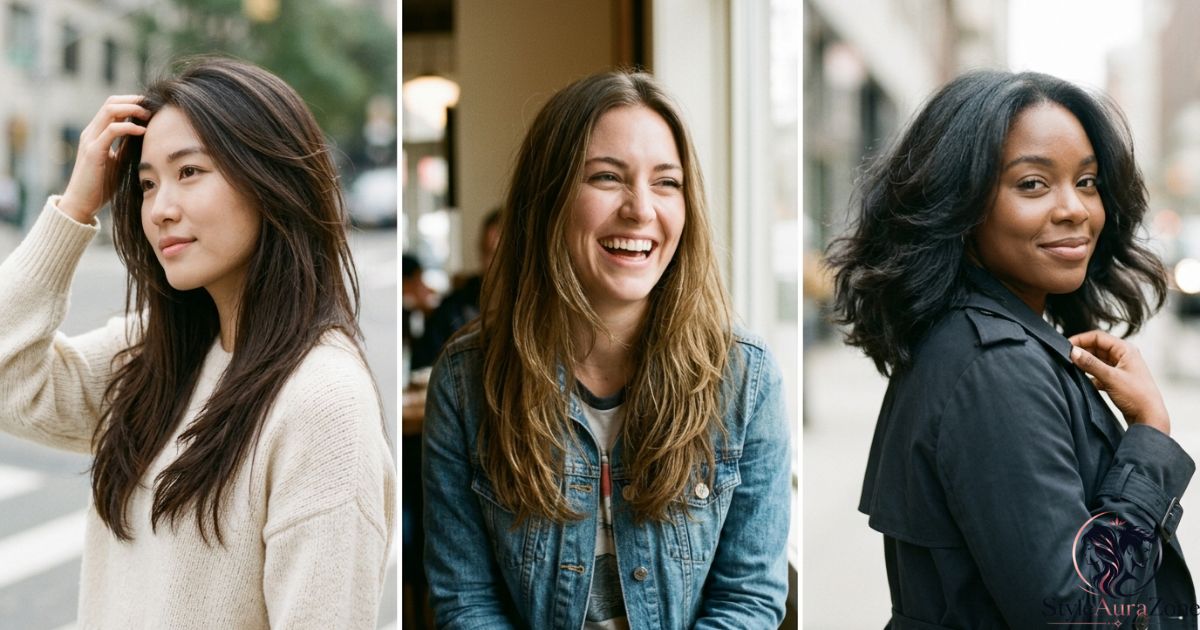
Invisible layers are subtle layers designed to create movement and reduce selected areas of bulk without producing an obviously layered appearance.
The technique depends on the stylist’s cutting method and the hair’s natural characteristics. When done well, the overall length and outline can remain relatively full while the hair feels less heavy.
Invisible layering can be useful for people who want a natural finish and do not want obvious shorter sections.
It is important to note that the term may be used differently by different salons, so explaining the result you want is more reliable than relying on the name alone.
8. Internal Layers
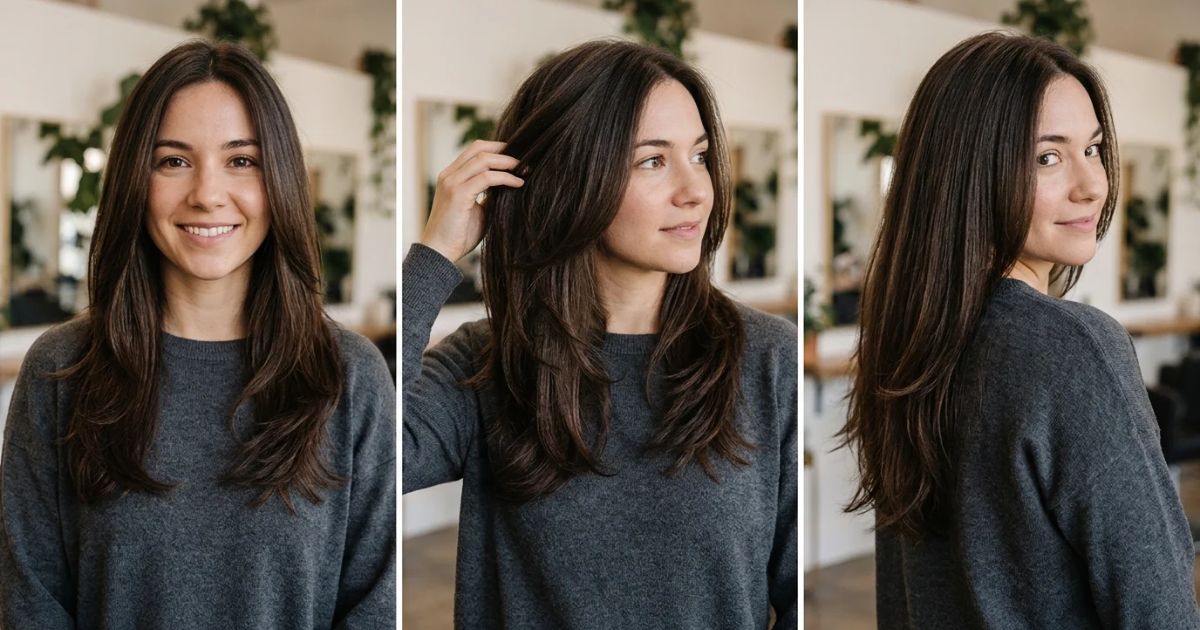
Internal layers are created within the body of the haircut rather than being emphasized around the outer edges. They can help redistribute weight and improve movement while preserving the overall outline.
This technique is often useful for thick hair that feels bulky but still needs a relatively full perimeter.
Internal layering can also be customized for medium-length hairstyles and certain curly cuts. The exact method depends on the hair texture and the desired result.
9. Butterfly Layers
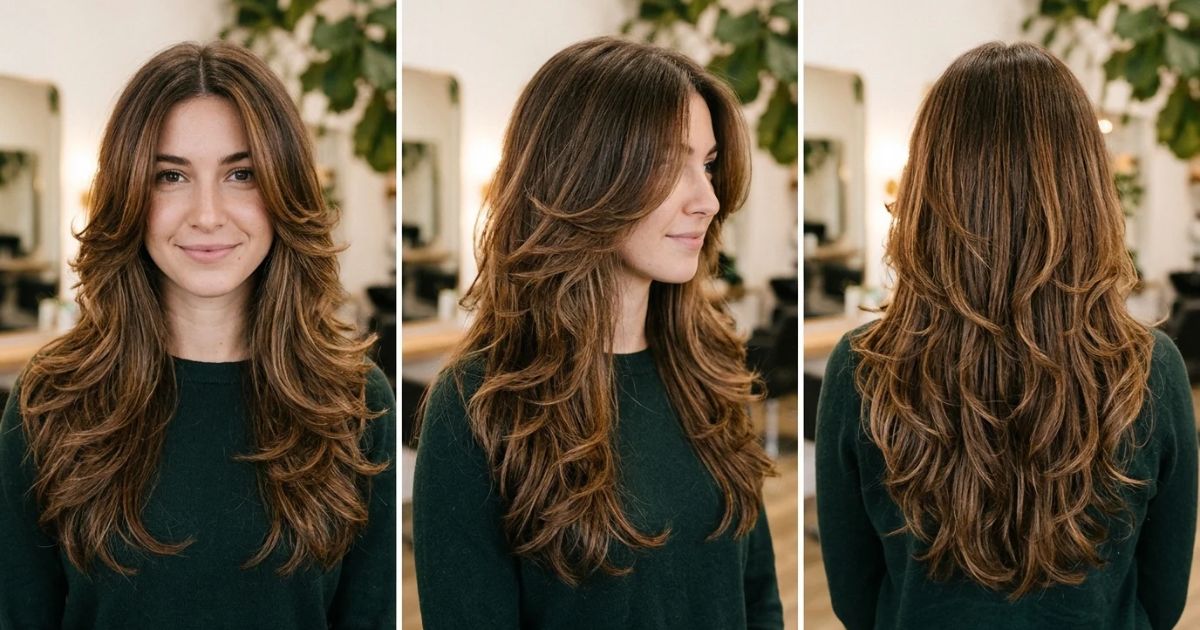
Butterfly layers combine shorter face-framing sections with longer layers throughout the hair. The shorter pieces can create the impression of a shorter hairstyle around the face while the longer sections preserve the overall length.
The style is often associated with a voluminous blowout, soft curves, and movement around the cheeks and shoulders.
Butterfly layers can be attractive for people who want a noticeable change without committing to a shorter overall haircut.
The result is influenced by the starting length, front sections, and styling technique. The shortest layers may require more effort to blend with the remaining hair.
10. Shag Layers
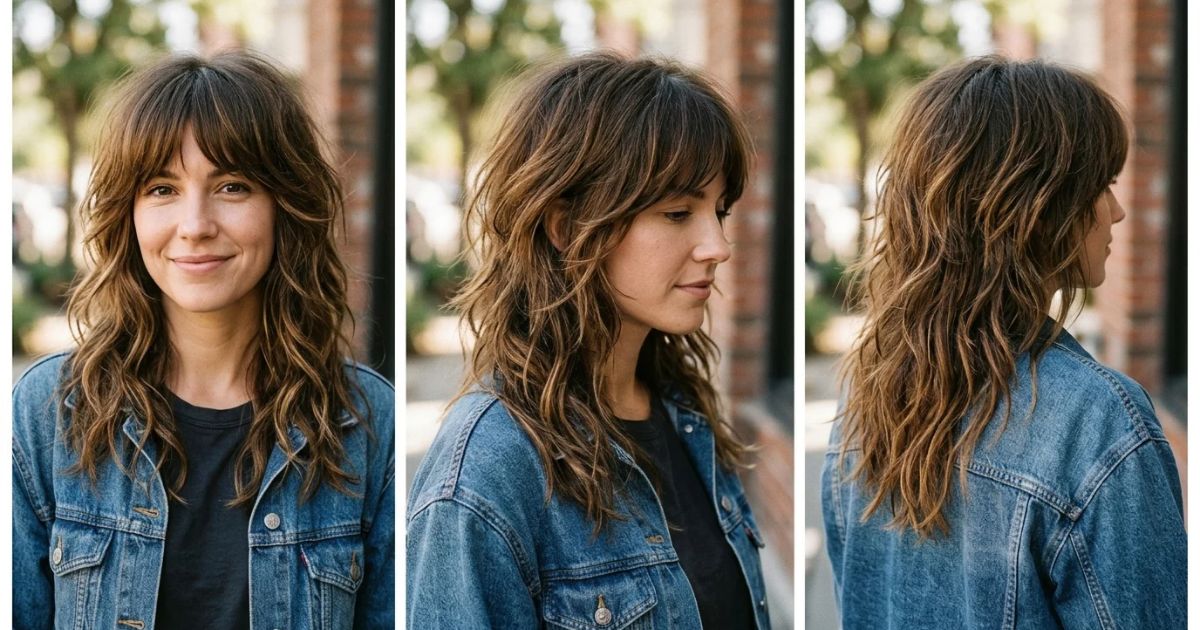
Shag layers create a relaxed hairstyle with multiple lengths, texture, and movement. They often include shorter sections around the crown, face-framing pieces, and textured ends.
The overall appearance can be subtle and soft or bold and deliberately messy.
Shag layering works especially well with natural waves because the texture helps the sections fall into place. Straight hair can also achieve the look with suitable styling products.
For curly hair, the stylist should adapt the placement of layers to the curl pattern and the amount of volume desired.
How to ask for it:
Describe whether you want a soft shag with blended layers or a more textured shag with noticeable crown volume.
Best for:
Wavy hair, textured styles, and people who like an effortless appearance.
11. V-Shaped Layers
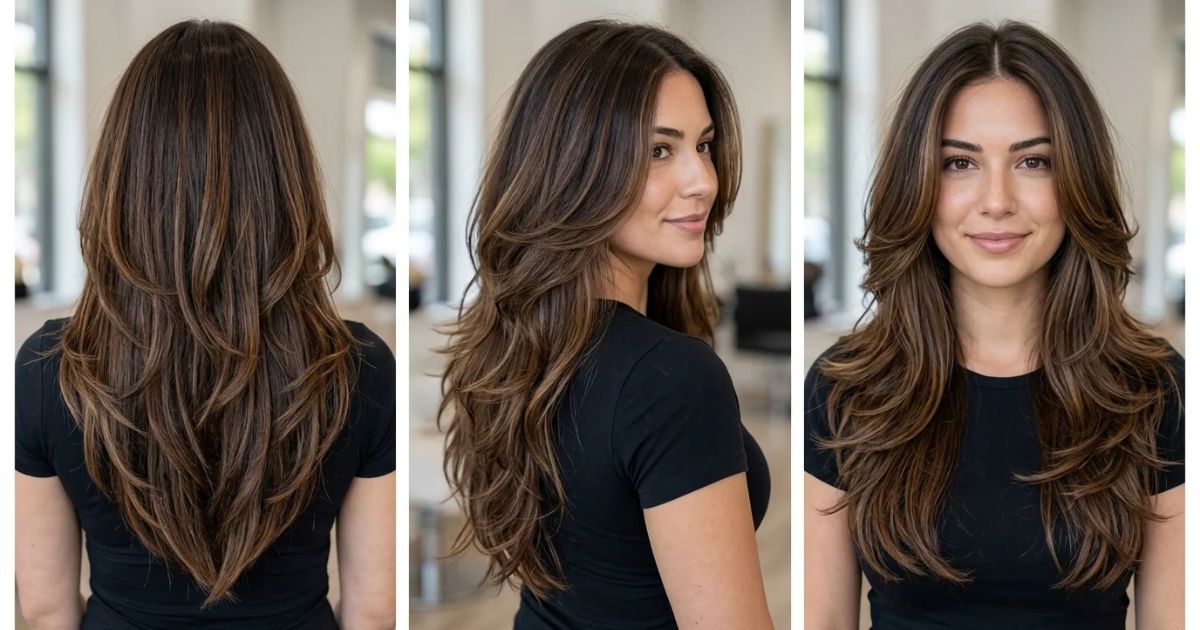
V-shaped layers are designed to create a V-like outline when viewed from the back. The hair typically appears longer toward the center back and shorter toward the sides.
This approach is often used with long hair to create a distinctive outline while allowing movement through the lengths.
The degree of the V can be subtle or pronounced. A stronger V shape may produce more noticeable differences in the length of the side sections.
12. U-Shaped Layers
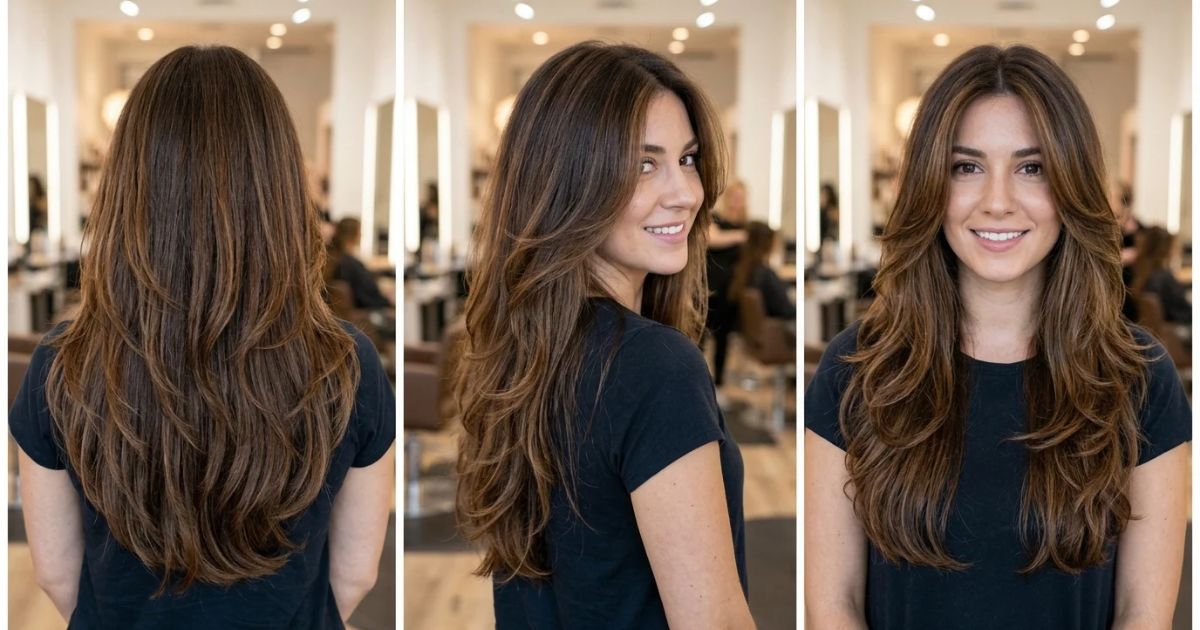
U-shaped layers create a softer, rounded outline at the back of the hair. Instead of forming a strong central point, the perimeter curves gently.
This shape is a popular option for long hairstyles because it can preserve a substantial amount of length while producing a balanced outline.
The U-shaped perimeter can be combined with long layers, face-framing sections, or subtle internal layering.
Comparison Table: Different Types of Hair Layers
The following table summarizes the main characteristics of popular layering techniques.
| Type of Layers | Main Purpose | Visible Effect | Suitable Hair |
| Long layers | Add movement while preserving length | Soft and blended | Medium to thick, straight or wavy |
| Short layers | Create lift and texture | Noticeable variation in length | Thick hair and textured cuts |
| Face-framing layers | Shape the front sections | Softens the outline around the face | Most hair types |
| Graduated layers | Build a structured shape | Rounded or sculpted silhouette | Bobs and shorter cuts |
| Choppy layers | Add separation and texture | Edgy and textured | Medium to thick hair |
| Feathered layers | Create flowing movement | Soft and tapered | Straight or wavy hair |
| Invisible layers | Reduce bulk discreetly | Natural-looking movement | Many hair types |
| Internal layers | Redistribute weight | Full outer shape with less internal bulk | Thick hair |
| Butterfly layers | Blend shorter front sections with longer lengths | Voluminous and face-framing | Medium to long hair |
| Shag layers | Add texture and crown movement | Relaxed and layered | Wavy, straight, or customized curly hair |
| V-shaped layers | Create a pointed back outline | V-shaped perimeter | Long hair |
| U-shaped layers | Create a rounded back outline | Soft U-shaped perimeter | Long hair |
The results vary according to cutting technique, hair density, texture, length, and styling.
How to Choose the Right Layered Haircut for Your Hair Type
Choosing layers based on your hair type helps you achieve a result that is easier to maintain.
Layered Haircuts for Fine Hair
Fine hair has relatively thin individual strands. If you have fine hair, the goal is often to create movement without removing too much fullness.
Long, subtle layers and carefully placed face-framing pieces can add shape while preserving the appearance of density. A blunt perimeter combined with minimal internal layers may also be suitable.
Avoid assuming that more layers always create more volume. Excessive layering can make fine hair look sparse at the ends.
Salon tip: Tell your stylist that you want movement while keeping the ends looking full.
Layered Haircuts for Thick Hair
Thick hair can benefit from layers that redistribute weight and make the overall shape more manageable.
Internal layers, long layers, and carefully designed shag layers are possible options. The best choice depends on whether you want to preserve a smooth silhouette or create visible texture.
Avoid excessive thinning without discussing the intended result, because removing too much weight can sometimes create frizz or unwanted volume.
Salon tip: Explain which areas feel too bulky and ask your stylist how they can reduce weight while maintaining the shape.
Layered Haircuts for Straight Hair
Straight hair often makes the cutting pattern easy to see. Feathered layers, butterfly layers, long layers, and blunt cuts with subtle internal layering can all work well.
The choice depends on whether you prefer a polished appearance, a soft blowout, or a textured finish.
Salon tip: Bring a reference photo that shows the front and back of the haircut so the stylist can understand the desired shape.
Layered Haircuts for Wavy Hair
Wavy hair naturally creates movement, so long layers, soft shag layers, and face-framing sections can enhance its texture.
The right layers can help distribute volume and encourage the waves to form more naturally. However, very short layers may create additional volume around the crown or sides.
Salon tip: Explain how you usually wear your hai,air-dried, blow-dried, or styled with a curling too.so the haircut suits your routine.
Layered Haircuts for Curly Hair
Curly hair can look beautiful with rounded layers, long layers, or carefully shaped shag cuts. Layers may help curls form a more balanced silhouette and reduce excessive weight in selected areas.
However, curly hair often appears shorter when dry because of shrinkage. The stylist should consider the curl pattern, density, and how the hair behaves naturally.
Salon tip: Choose a stylist experienced with your curl type and discuss whether the haircut should be shaped on dry hair, wet hair, or both.
How to Choose Layers for Your Face Shape
Face shape can be a useful starting point when selecting a layered haircut, but these guidelines are flexible rather than strict rules.
Layers for Round Faces
Round faces often have soft curves and similar proportions across the cheeks and jaw. Face-framing layers that begin below the cheeks or longer layers can create a more elongated visual line.
A long layered haircut or butterfly cut may be worth considering if you want movement around the face.
Layers for Oval Faces
Oval faces are adaptable to many hairstyles. Long layers, curtain bangs, butterfly layers, and soft shags can all be considered.
Your hair texture and preferred level of volume may be more important than your face shape when choosing the final cut.
Layers for Square Faces
Square faces often have a more defined jawline. Soft layers, feathered ends, and face-framing sections can add movement around the sides of the face.
A layered medium-length haircut can be a good option if you prefer a softer silhouette, while a sharp outline may be more suitable for a structured look.
Layers for Heart-Shaped Faces
Heart-shaped faces commonly have a broader forehead and a narrower chin. Face-framing layers that create movement around the jawline may help balance the overall shape.
Curtain bangs and long layers can also be considered, depending on your preferred style.
Layers for Long Faces
For longer face shapes, layers that add width around the sides may create a balanced appearance. Soft waves, cheekbone-length face-framing pieces, or a layered cut with bangs can be worth exploring.
The final choice should reflect your preferences rather than attempting to follow a fixed rule.
How to Ask for the Right Layered Haircut at a Salon
Knowing the names of different layers is useful, but explaining your desired result is even more important. Haircut terminology can vary between stylists and salons, so clear communication helps prevent misunderstandings.
1. Explain How Much Length You Want to Keep
Before discussing layers, tell your stylist whether you want to maintain your current length or remove several inches.
For example, you might say, “I want long layers, but I do not want the overall length to become much shorter.”
This gives the stylist a clear starting point.
2. Describe the Amount of Volume You Want
Some people want extra volume around the crown, while others prefer a flatter, smoother shape.
If you want more volume, explain where you want it. If you want less bulk, identify the areas that feel too heavy.
Avoid simply saying that you want more layers without explaining the intended effect.
3. Show Reference Photos
Pictures can help communicate the exact look you want. Try to find images that show the front, side, and back of the haircut.
Choose examples with hair texture and density similar to yours. A layered haircut on thick, wavy hair may look different on fine, straight hair.
You can also show a photo of a haircut you dislike and explain what you want to avoid.
4. Explain Your Daily Styling Routine
Tell your stylist how much time you want to spend styling your hair.
If you prefer air-drying, ask for a shape that works with your natural texture. If you enjoy blowouts, discuss layers that will create the movement you want when using a round brush.
A haircut that looks beautiful only after extensive styling may not be the best choice if you want a simple daily routine.
5. Ask About Maintenance
Some layered haircuts need regular shaping to preserve their silhouette. Others grow out more softly.
Before the cut begins, ask how the style will look as it grows and whether you will need frequent trims.
6. Confirm the Shortest Layer
This is especially important for butterfly cuts, shag hairstyles, and face-framing layers.
Tell your stylist where you want the shortest sections to fall—for example, around the chin, cheekbones, or shoulders.
This small conversation can help you avoid layers that feel shorter than expected.
Useful Phrases to Tell Your Hairstylist
| Your Goal | What to Say |
| Keep your hair long | “I want long layers while preserving most of my length.” |
| Reduce bulk | “I want to remove some weight internally without making the ends look thin.” |
| Add movement | “I would like soft, blended layers that create natural movement.” |
| Frame your face | “Please add face-framing layers that begin around my cheekbones.” |
| Create a butterfly cut | “I want shorter face-framing pieces blended into longer layers.” |
| Add texture | “I want textured layers, but I do not want the ends to look too thin.” |
| Keep a fuller appearance | “Please preserve fullness at the ends and avoid excessive thinning.” |
| Enhance natural waves | “I want layers that work with my natural waves and do not require much styling.” |
| Shape curly hair | “Please customize the layers to my curl pattern and account for shrinkage.” |
| Maintain a rounded outline | “I want a soft U-shaped perimeter with blended layers.” |
How to Style Layered Hair at Home
Layered haircuts can be styled in different ways depending on your texture and the finish you prefer.
Create Volume With a Blow-Dryer
Apply a suitable heat protectant and use a round brush to lift the roots gently. Direct the airflow along the hair rather than concentrating excessive heat on one section.
This technique can emphasize layers and create a fuller-looking finish.
Use a Curling Tool for Soft Waves
If you want a salon-style appearance, a curling wand or suitable heat tool can create soft waves that highlight the different lengths.
Allow the hair to cool before gently separating the waves with your fingers. Avoid excessive heat and use an appropriate heat protectant.
Enhance Natural Waves
For naturally wavy hair, apply a lightweight styling product to damp hair and scrunch gently. Let the hair air-dry or use a diffuser on a suitable setting.
This method can emphasize layers without requiring a complete blowout.
Define Curly Layers
Apply a curl-enhancing product to damp hair and distribute it evenly. Depending on your curl pattern, a gel or leave-in conditioner may help with definition.
Avoid excessive touching while the hair dries, as this can increase frizz.
Keep Fine Hair Lightweight
If your hair is fine, use small amounts of mousse or volumizing products. Heavy creams and oils can reduce lift and make the hair appear flat.
Choose products according to your hair’s needs rather than applying several products at once.
Common Mistakes to Avoid With Layered Haircuts
Choosing layers only because they are trendy:
A popular haircut may not suit your hair texture or daily routine. Choose a style based on your own preferences.
Change block type or style
Move Paragraph block from position 231 up to position 230
Move Paragraph block from position 231 down to position 232
Change alignment
Change text alignment
Displays more block tools
Requesting too many layers:
Excessive layering can reduce the appearance of fullness, particularly in fine hair.
Ignoring natural shrinkage:
Curly hair may appear significantly shorter after drying. Discuss the expected dry length with your stylist.
Using vague instructions:
Saying “give me layers” does not explain the desired length, shape, or amount of volume.
Removing too much weight:
Heavy thinning may produce unwanted texture or frizz in certain hair types.
Choosing a reference photo with different hair density:
The same haircut can look very different on thick and fine hair.
Forgetting maintenance:
Some layered styles need regular shaping to maintain their intended appearance.
FAQ’S
What are the main types of hair layers?
Popular types include long layers, short layers, face-framing layers, graduated layers, choppy layers, feathered layers, invisible layers, internal layers, butterfly layers, shag layers, V-shaped layers, and U-shaped layers.
Which type of layers is best for long hair?
Long layers, butterfly layers, and U-shaped layers are popular options for long hair. The best choice depends on whether you want subtle movement, face-framing volume, or a distinctive outline.
Are layers good for thin hair?
Layers can work for thin hair when used carefully. Subtle layers and face-framing sections may add shape, but excessive layering can make the ends appear less full.
Which layers are best for thick hair?
Long layers and internal layers may help redistribute weight in thick hair. The placement should be customized to prevent unwanted volume or frizz.
What is the difference between long layers and short layers?
Long layers create a gradual difference in length and generally preserve the overall silhouette. Short layers produce a more noticeable difference and can create extra texture or lift.
Conclusion
Understanding the different types of hair layers makes it easier to choose a haircut that matches your personal style, hair texture, and maintenance preferences. Long layers can add movement while preserving length, face-framing layers can soften the front sections, and internal layers can help manage bulk without dramatically changing the outer shape.
The right layered haircut depends on more than the name of the technique. Hair density, natural texture, face shape, styling habits, and the amount of length you want to keep all influence the final result.
Before visiting a salon, decide what you want your hair to look and feel like. Bring reference photos, explain your styling routine, and ask your stylist to recommend a layering technique that works with your natural hair.