
Short haircuts are a popular choice for people who want a stylish, modern, and easy-to-maintain look. From classic pixie cuts and elegant bobs to trendy layered styles and textured crops, short hairstyles offer plenty of options for different face shapes, hair textures, ages, and personal preferences. Whether you prefer a polished appearance or a relaxed, effortless style, the right short haircut can help you express your personality while making your daily hair routine simpler.
One of the biggest advantages of short haircuts is their versatility. Short hair can look soft and feminine, bold and edgy, professional and elegant, or casual and playful. With the right cut, even fine or thin hair can appear fuller, while thick hair can become easier to manage.
In this guide, you will discover 25 stylish short haircuts, learn how to choose the right style for your face shape and hair type, compare popular haircut options in a table, and explore practical tips for maintaining healthy, attractive short hair.
What Are Short Haircuts?
Short haircuts are hairstyles in which the hair is cut above the shoulders, although some definitions include shoulder-length styles. Popular examples include pixie cuts, short bobs, French bobs, cropped hairstyles, short shags, and layered cuts.
The ideal length depends on your preferred appearance, hair texture, and lifestyle. Some short hairstyles require regular salon visits and daily styling, while others can look attractive with very little effort.
Short haircuts are not limited to one particular age group or hair type. They can be customized with bangs, layers, fades, undercuts, curls, waves, or textured finishes to create a look that feels personal and flattering.
25 Best Short Haircuts to Try
1. Classic Pixie Cut

The classic pixie cut is a timeless short hairstyle featuring closely cropped sides and back with slightly longer hair on top. It creates a clean, sophisticated appearance and works well for people who prefer a short, lightweight style.
The top can be styled smoothly for a polished finish or tousled for a more relaxed look. A pixie cut can be adapted to straight, wavy, or naturally textured hair.
Best for: People who want a short, confident, low-weight hairstyle.
Styling tip: Use a small amount of lightweight styling cream to define the top without making the hair look greasy.
2. Short Bob Haircut
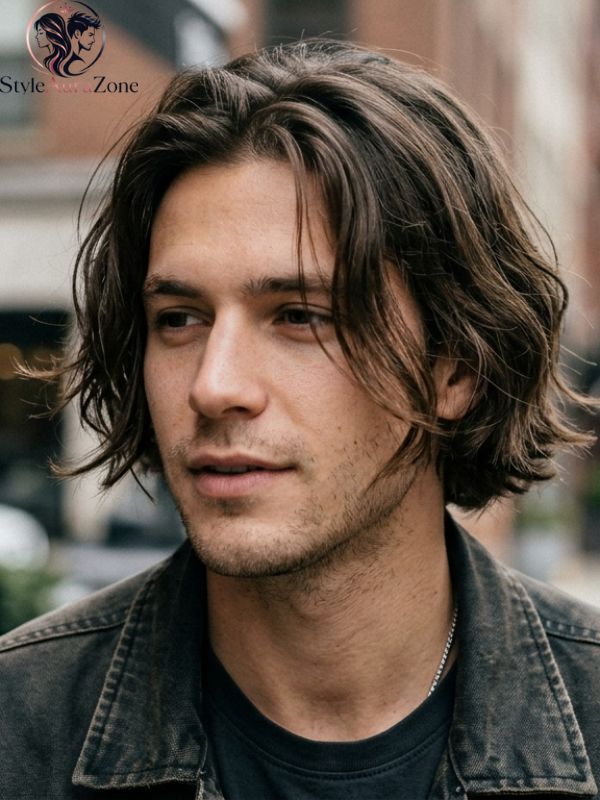
The short bob is one of the most versatile short haircuts. It usually falls around the jawline or slightly below it, creating a balanced and structured appearance.
A traditional bob can be worn with a center part, side part, or bangs. It can also be customized with blunt ends or subtle layers depending on the desired result.
Best for: Straight, wavy, and moderately thick hair.
Styling tip: Blow-dry with a round brush for a smooth finish or let natural waves create a relaxed texture.
3. French Bob
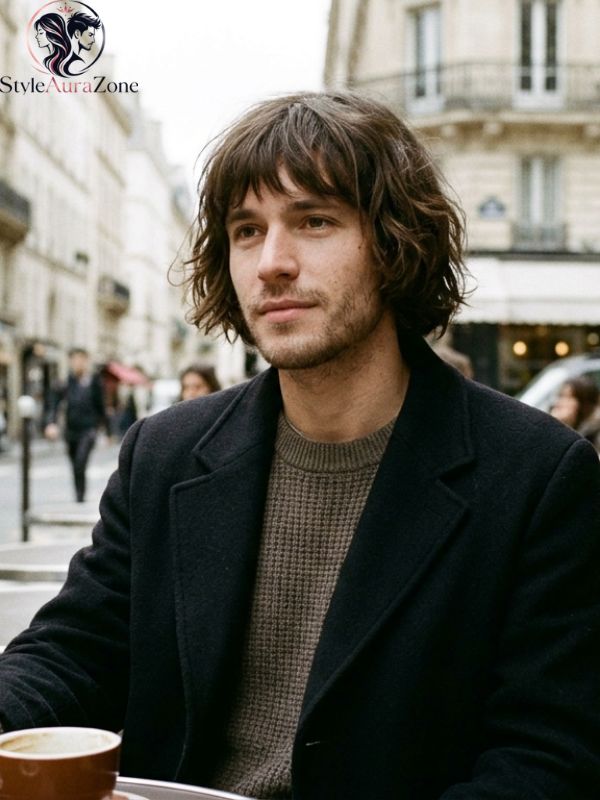
The French bob is a chic, fashion-inspired haircut that generally sits around the jawline and is often paired with short bangs. Its slightly undone appearance gives it a relaxed yet sophisticated character.
This haircut is especially attractive when the ends have natural movement rather than looking overly stiff. It can be adapted to different hair textures and fringe preferences.
Best for: People who enjoy a classic European-inspired appearance.
Styling tip: Apply a small amount of texturizing cream to create soft movement and avoid excessive styling.
4. Layered Short Haircut
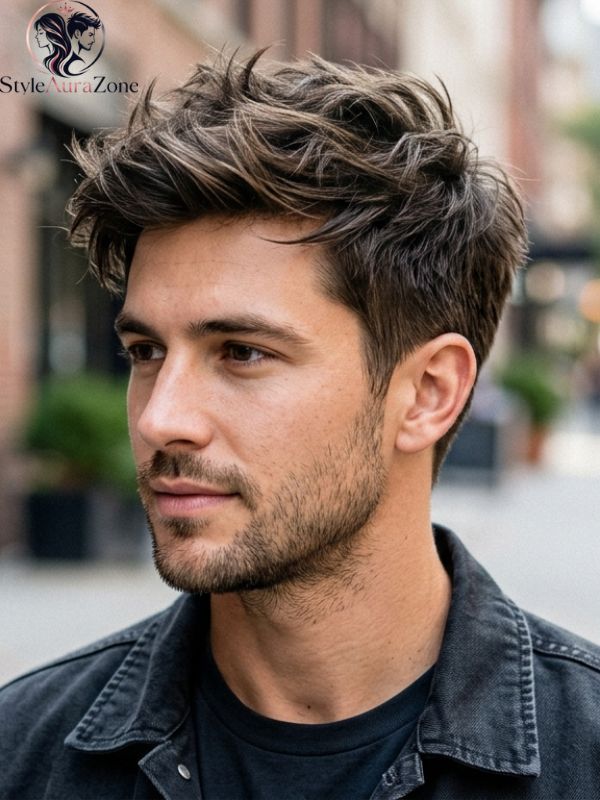
A layered short haircut uses different hair lengths to create movement, shape, and dimension. Layers can help reduce the weight of thick hair and make a simple short style look more dynamic.
The placement of the layers matters. Long, subtle layers provide a softer appearance, while shorter layers create more noticeable texture and volume.
Best for: Thick hair, wavy hair, and people who want more movement.
Styling tip: Use a lightweight mousse at the roots if you want extra volume.
5. Short Shag Haircut
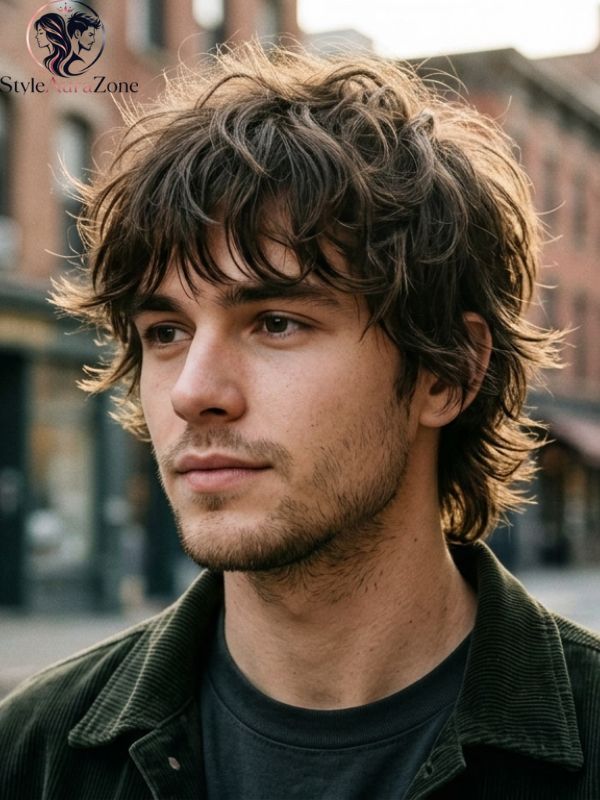
The short shag is a textured haircut featuring layers, movement, and often wispy bangs. Inspired by retro hairstyles, it creates an intentionally relaxed and slightly messy appearance.
This style works particularly well with natural waves because the texture helps the layers fall into place. Straight hair can also benefit from carefully placed layers and styling products.
Best for: Wavy hair and people who enjoy casual, textured styles.
Styling tip: Scrunch a small amount of texturizing product into damp hair and allow it to dry naturally when possible.
6. Blunt Bob
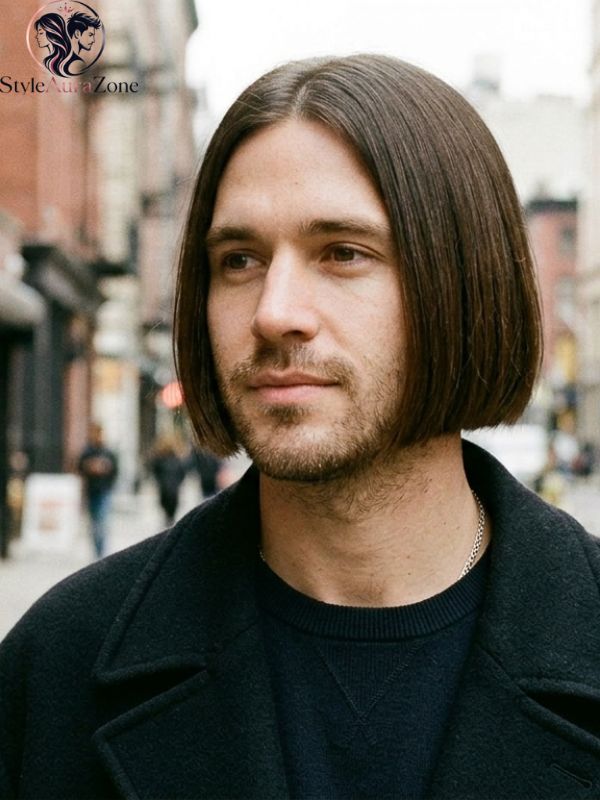
A blunt bob features a clean, relatively even perimeter without heavily feathered ends. The sharp outline creates a modern and polished look.
This haircut can be especially appealing for fine hair because a solid edge may make the ends appear thicker. The final result depends on hair density, length, and the precision of the cut.
Best for: Fine to medium-density hair and people who prefer structured styles.
Styling tip: Use a heat protectant before straightening and finish with a light shine serum if desired.
7. Asymmetrical Bob

An asymmetrical bob features one side that is slightly longer than the other. The difference can be subtle or dramatic, depending on the desired appearance.
This haircut adds visual interest without requiring complicated styling. It can be worn sleek and straight or with soft waves.
Best for: People who want a modern, distinctive haircut.
Styling tip: Keep the longer side smooth to highlight the haircut’s shape.
8. Textured Pixie Cut
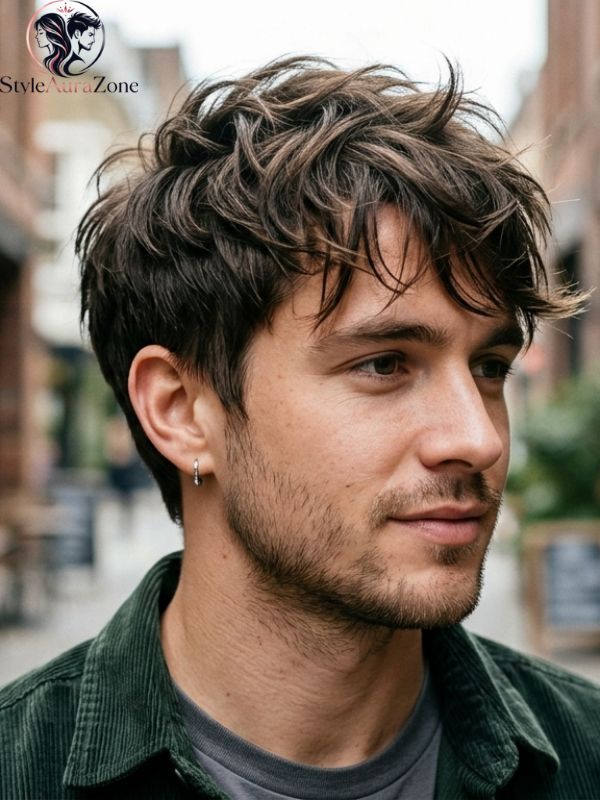
The textured pixie adds choppy layers and movement to the traditional pixie haircut. Instead of lying flat, the hair has a slightly tousled appearance that feels contemporary and playful.
This style can work with different hair densities when the layers are adjusted appropriately. Fine hair may benefit from strategic texture, while thick hair may need careful weight removal.
Best for: People who want a short hairstyle with visible texture.
Styling tip: Rub a small amount of matte paste between your fingers and work it through the ends.
9. Short Curly Bob
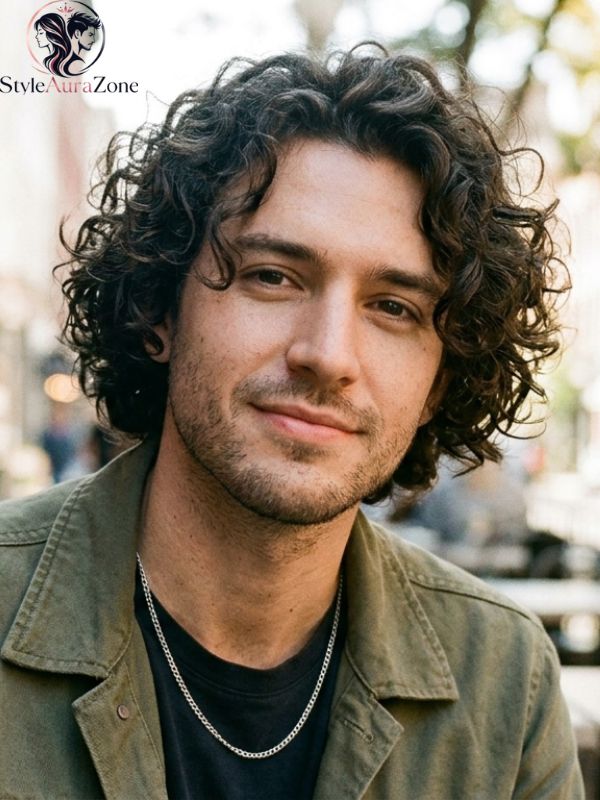
A short curly bob allows natural curls to form a rounded or softly shaped silhouette. The haircut should be customized to the curl pattern, density, and amount of shrinkage.
Because curls can appear shorter when dry, it is important to discuss the desired final length with a stylist who understands curly hair.
Best for: Naturally curly hair.
Styling tip: Use a curl-friendly leave-in conditioner or styling gel to support definition and reduce frizz.
Read more:The Ivy League Haircut: 21 Classy Styles For Modern Men
10. Wavy Short Bob
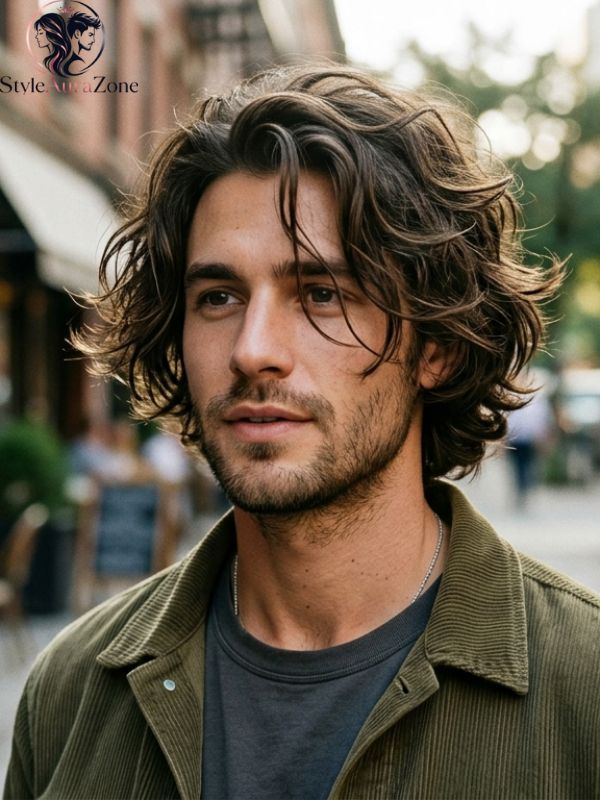
The wavy short bob combines a classic bob shape with soft, natural-looking waves. It creates movement without requiring the precision of a completely straight style.
This haircut is particularly useful for people who want a balance between polished and casual. Waves can be natural or created with a suitable styling tool.
Best for: Naturally wavy hair and people who enjoy effortless texture.
Styling tip: Apply a lightweight wave-enhancing product and avoid brushing the hair excessively after styling.
11. Short Haircut With Side-Swept Bangs
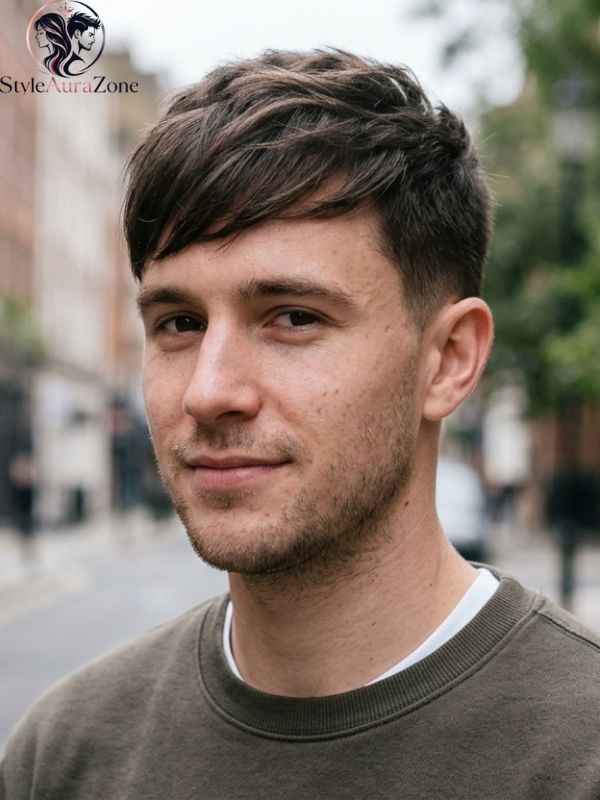
Side-swept bangs add softness and direction to a short haircut. They can be paired with a pixie, bob, or layered style to create a more customized appearance.
The fringe can be cut longer for flexibility or shorter for a more noticeable shape. The best length depends on the hairline, forehead, and styling preference.
Best for: People who want bangs without a straight, heavy fringe.
Styling tip: Blow-dry the fringe gently in the direction you want it to fall.
12. Short Bob With Curtain Bangs
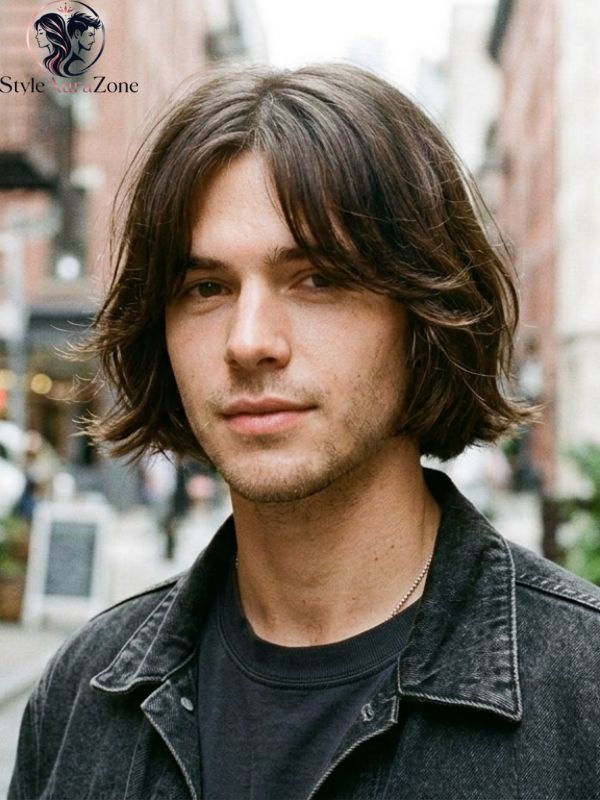
Curtain bangs are parted near the center and gradually blend into the sides. When paired with a short bob, they create a soft frame around the face.
This combination works with many hair textures, although the fringe may require additional styling if the hair naturally grows in a different direction.
Best for: People who want a soft, face-framing hairstyle.
Styling tip: Use a small round brush to direct the fringe away from the center part.
13. Short Undercut
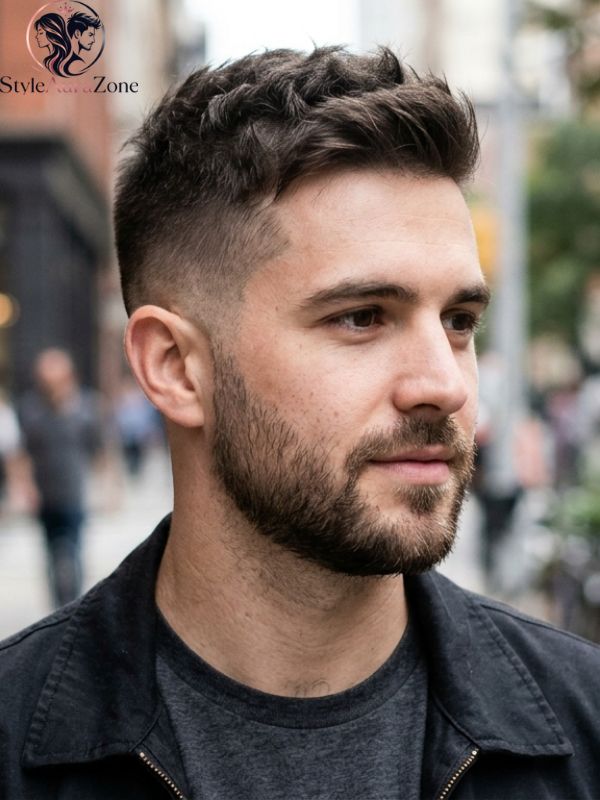
A short undercut features closely trimmed or shaved sections beneath longer hair. It can be combined with a pixie, bob, or longer top section.
The contrast between the shorter sides and longer top creates a bold, contemporary look. The undercut can also reduce bulk in particularly thick hair.
Best for: People who prefer distinctive, fashion-forward hairstyles.
Styling tip: Ask your stylist how often the shorter sections need trimming to maintain the desired contrast.
14. Buzz Cut
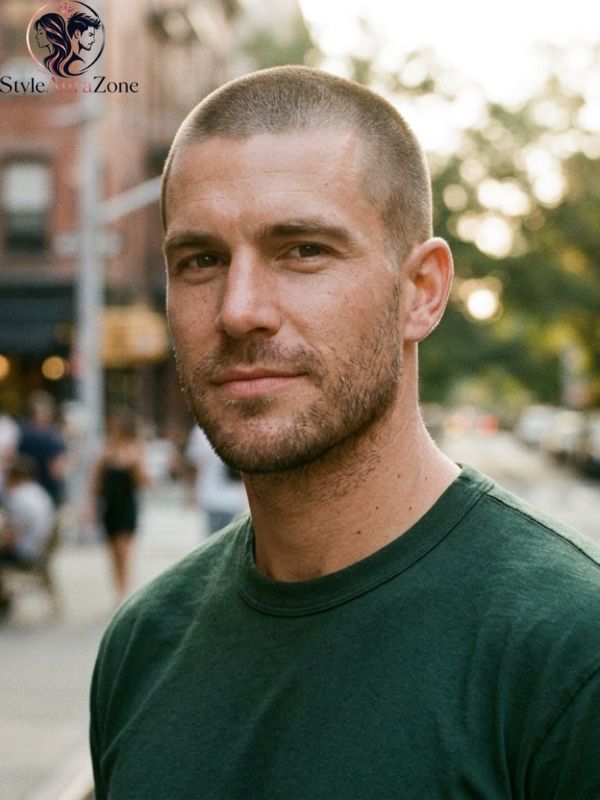
A buzz cut is one of the shortest haircut options. The hair is clipped to a very short, relatively uniform length, although different guard sizes can create different finishes.
It offers a simple routine and draws attention to the overall shape of the head and facial features. It is a bold choice that can be customized with a fade or a slightly longer top.
Best for: People who enjoy very short hair and minimal daily styling.
Styling tip: Keep the scalp clean, use sun protection when exposed outdoors, and schedule trims to maintain the preferred length.
15. Short Fade Haircut
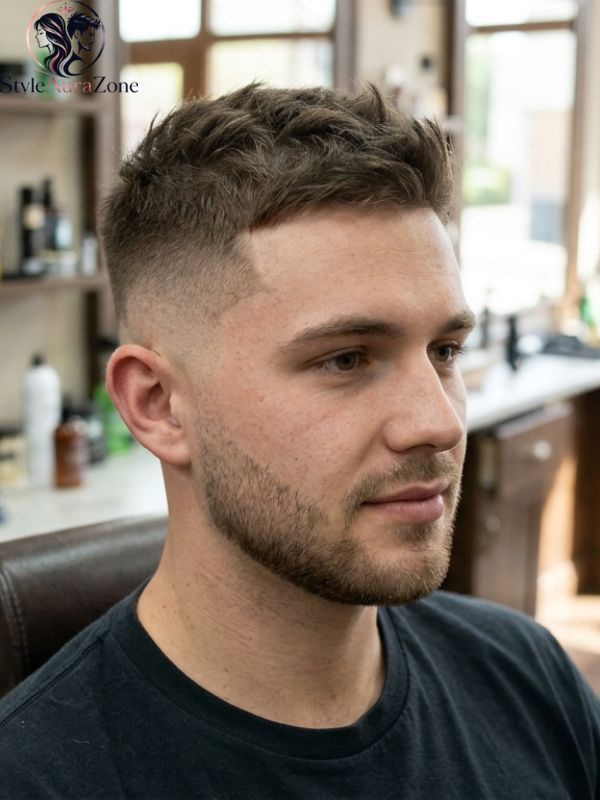
A short fade gradually transitions from very short hair near the sides and back to longer hair higher up. The top can be styled in numerous ways, including curls, waves, a crop, or a comb-over.
Low, mid, and high fades differ in where the gradual transition begins. Choosing the right fade depends on the desired silhouette and how much contrast you prefer.
Best for: People who want a clean, modern haircut with adjustable styling options.
Styling tip: Show your barber a reference photo and specify whether you prefer a low, mid, or high fade.
16. Crew Cut
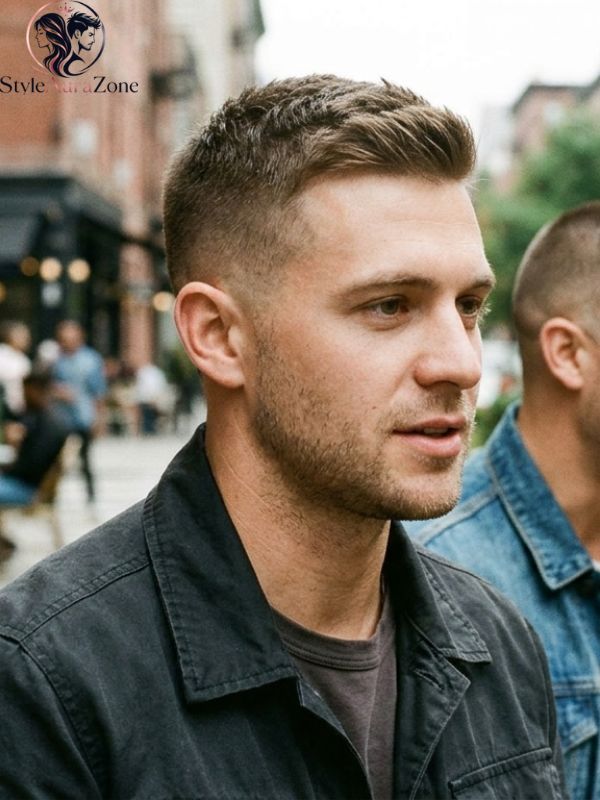
The crew cut is a short, practical hairstyle with a relatively close-cut back and sides and a slightly longer top. It provides a neat appearance without requiring extensive daily maintenance.
The top can be kept uniform or styled with a little texture. The overall effect depends on the length and the transition at the sides.
Best for: People who prefer a clean, simple haircut.
Styling tip: Use a small amount of styling paste if you want the top to look more defined.
17. Short Layered Bob
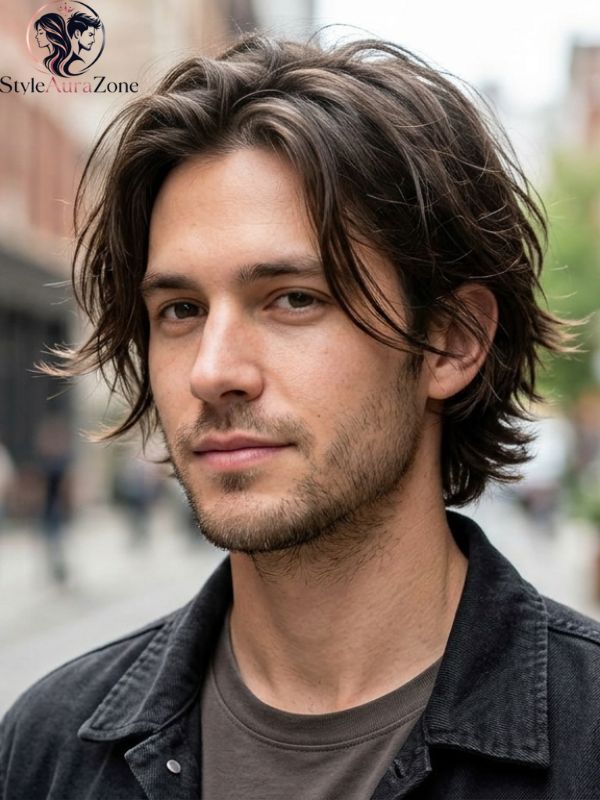
A short layered bob combines the shape of a bob with layers that create movement and reduce excess weight. Unlike a blunt bob, it usually has a softer finish.
The stylist can place layers around the crown or through the ends to suit the hair’s natural behavior.
Best for: Medium to thick hair and people who want movement.
Styling tip: Use a round brush to lift the roots and create a soft, rounded shape.
18. Inverted Bob
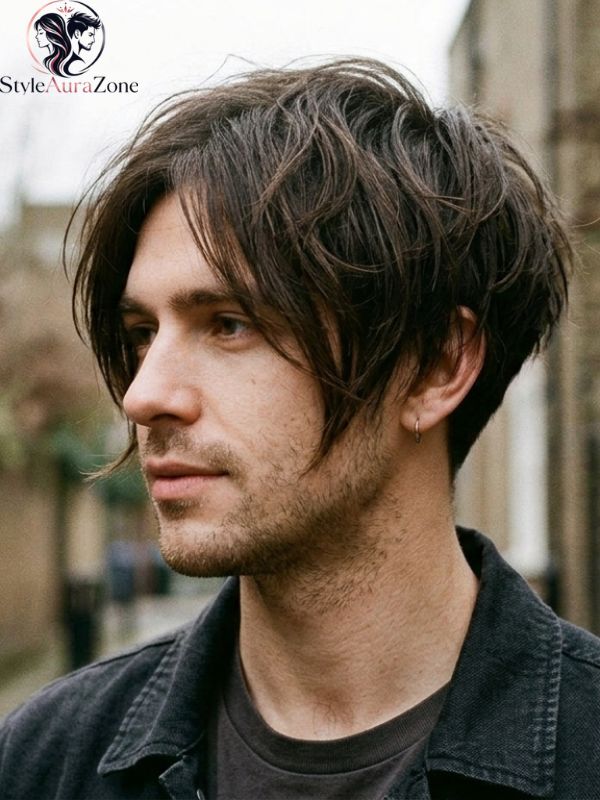
An inverted bob is generally shorter at the back and longer toward the front. The graduated shape creates a noticeable profile and can make the haircut appear structured and dimensional.
The angle can be subtle or pronounced. It is important to consider how the shape will look when the hair is styled naturally.
Best for: People who want a shaped, modern bob.
Styling tip: Smooth the back and direct the front sections forward to emphasize the angled outline.
19. Short Wolf Cut
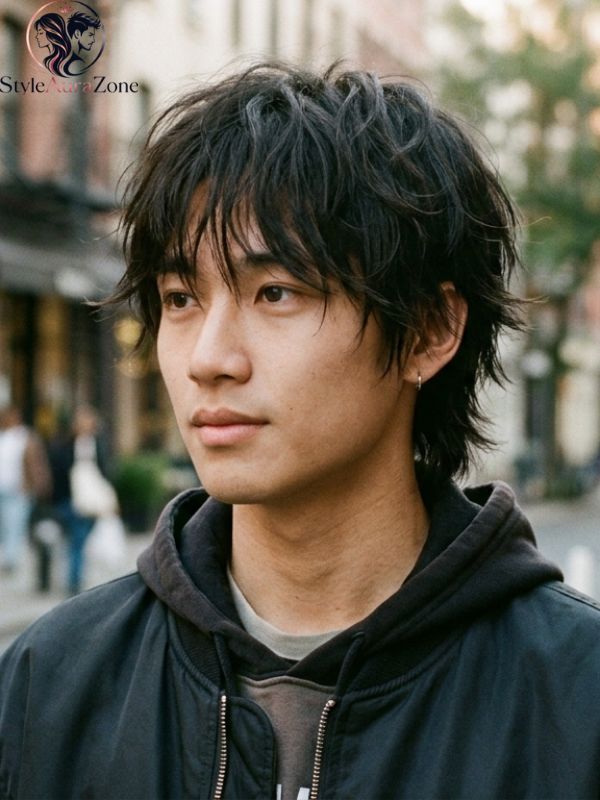
The short wolf cut combines shaggy layers with a more pronounced, textured silhouette. It often includes a fuller crown and softer, wispy sections around the face.
This style is inspired by retro rock-and-roll looks and modern layered hair trends. Its shape can be adjusted to prevent excessive volume or unwanted thinning.
Best for: People who enjoy textured, expressive hairstyles.
Styling tip: Use a lightweight texturizing spray to emphasize the layers without making them stiff.
20. Short Feathered Haircut
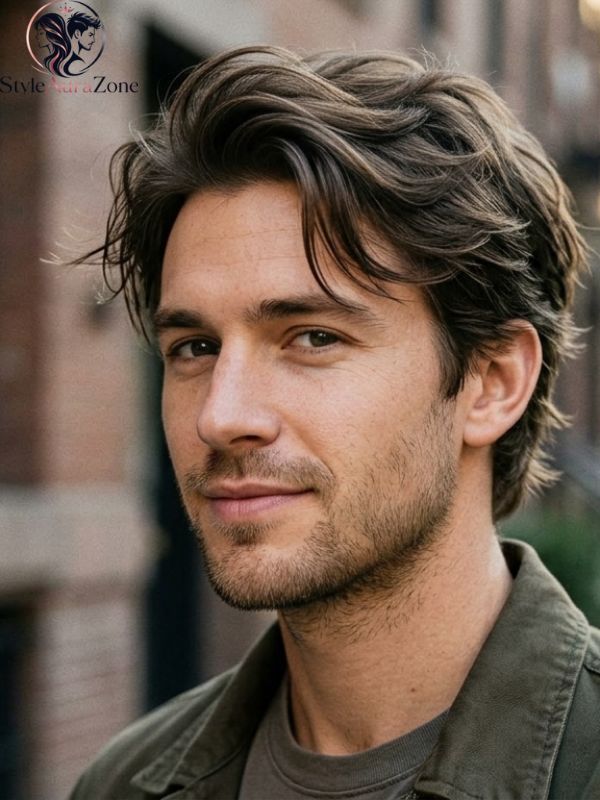
A feathered haircut uses soft, tapered layers that sweep away from the face or blend into the overall shape. On short hair, feathering creates lightness and movement.
The style can appear elegant and classic or more contemporary, depending on the length and direction of the layers.
Best for: People who want a soft, flowing finish.
Styling tip: Blow-dry the front sections away from the face for a feathered effect.
21. Short Haircut for Fine Hair
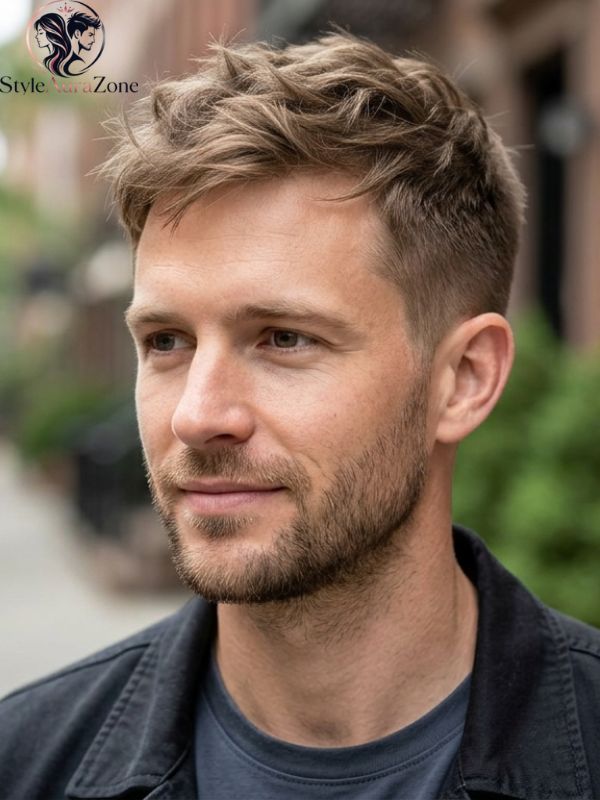
Fine hair can benefit from short styles that preserve fullness at the ends. A blunt bob, a compact pixie, or a carefully shaped crop may create the appearance of greater density.
Heavy thinning and excessive layering can sometimes make fine hair look less full, so the haircut should be selected according to the hair’s actual density.
Best for: People with fine strands who want a fuller-looking style.
Styling tip: Apply volumizing mousse sparingly and avoid heavy products that weigh the hair down.
22. Short Haircut for Thick Hair
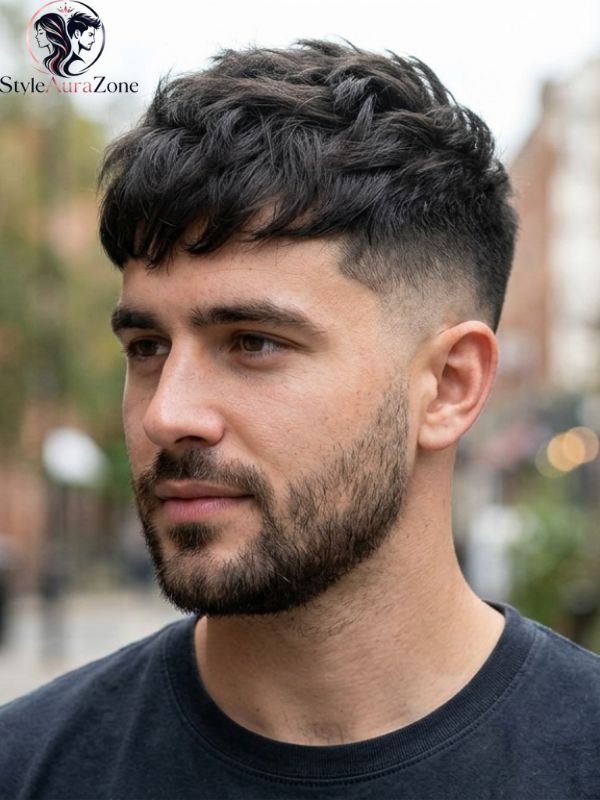
Thick hair can look attractive in short styles, but the right shape is important to prevent excessive bulk. Layered bobs, textured pixies, and graduated cuts can help distribute volume.
A stylist may remove weight from selected areas while preserving enough structure to maintain the haircut’s shape.
Best for: People with dense or heavy hair.
Styling tip: Use smoothing cream or a lightweight leave-in conditioner if your hair becomes difficult to manage.
23. Short Natural Hairstyle
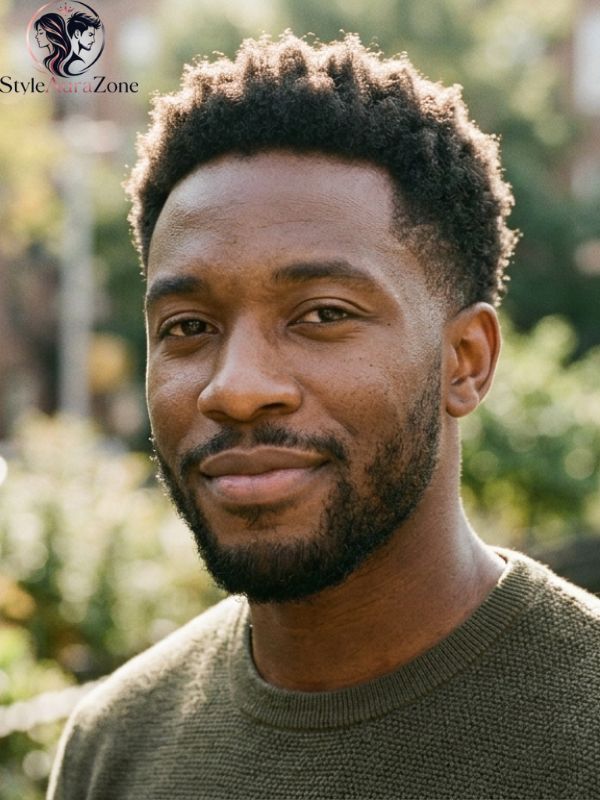
A short natural hairstyle works with the hair’s natural curl pattern, coils, or texture instead of relying on constant heat styling.
Options include tapered natural cuts, short curly shapes, defined coils, and cropped textured styles. Moisture and suitable styling products can help maintain the hair’s appearance.
Best for: People who want to embrace their natural hair texture.
Styling tip: Choose products suited to your hair’s porosity and texture, and avoid excessive manipulation.
24. Short Haircut With Baby Bangs
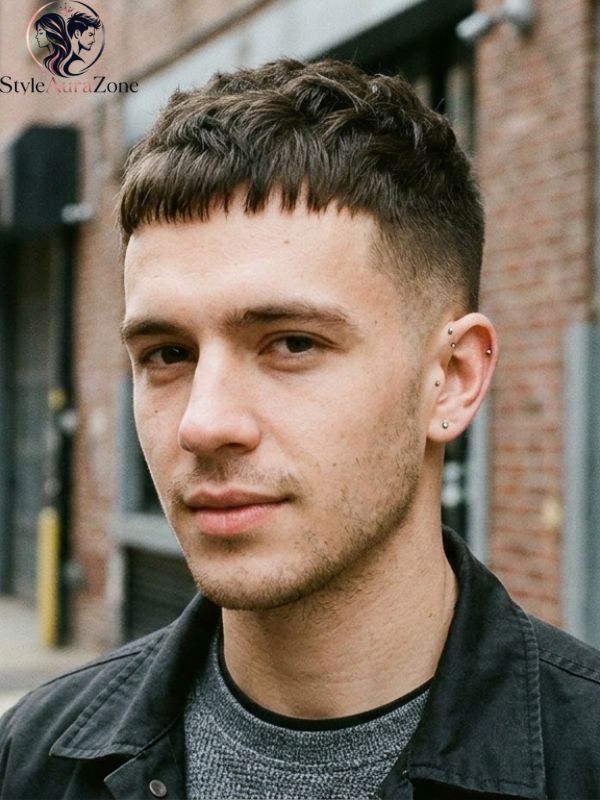
Baby bangs are cut noticeably shorter than traditional fringe. When paired with a bob or textured crop, they create a distinctive, fashion-focused appearance.
Because very short bangs are more visible, it is worth discussing the exact length with your stylist before cutting them.
Best for: People who enjoy experimental and expressive styles.
Styling tip: Keep the fringe lightly styled and trim it as needed to preserve its shape.
25. Soft Short Layers

Soft short layers provide gentle movement without the dramatic separation found in heavily textured cuts. They can be incorporated into bobs, crops, and other short hairstyles.
This approach is useful for people who want a natural finish rather than a sharply defined or highly structured haircut.
Best for: People who prefer understated, versatile hairstyles.
Styling tip: Use a light styling lotion and allow the hair to fall naturally for an easy everyday look.
Comparison Table: Popular Short Haircuts
The following table compares popular short haircuts by appearance, styling needs, and the hair types they may suit.
| Short Haircut | Main Feature | Suitable Hair Types | Daily Styling |
| Classic Pixie | Short, neat silhouette | Straight, wavy, textured | Low to moderate |
| Short Bob | Jaw-length shape | Straight, wavy | Moderate |
| French Bob | Compact bob with optional bangs | Straight, wavy | Low to moderate |
| Layered Short Cut | Movement and dimension | Most textures | Moderate |
| Short Shag | Choppy, relaxed layers | Wavy, straight, curly with customization | Low to moderate |
| Blunt Bob | Clean, even ends | Fine, medium | Moderate |
| Asymmetrical Bob | Uneven front lengths | Straight, wavy | Moderate |
| Curly Bob | Natural curl definition | Curly, coily with customization | Moderate |
| Buzz Cut | Very short length | Most hair types | Very low |
| Crew Cut | Short sides and top | Straight, wavy, textured | Low |
| Undercut | Short sides beneath longer hair | Most hair types | Moderate |
| Inverted Bob | Shorter back, longer front | Straight, wavy | Moderate |
| Short Wolf Cut | Shaggy, textured layers | Wavy, straight, curly with customization | Moderate |
| Short Natural Cut | Natural texture and shape | Curly, coily | Depends on texture |
| Soft Short Layers | Gentle movement | Most textures | Low to moderate |
Note: Styling time and maintenance depend on hair density, texture, haircut precision, and personal preferences.
How to Choose the Best Short Haircut for Your Face Shape
Choosing short haircuts becomes easier when you consider your face shape, hair texture, and preferred level of maintenance. Face-shape guidelines are useful starting points, but they are not strict rules. Your personal style and comfort matter just as much.
Short Haircuts for Round Faces
Round faces often have relatively similar width and length, with softer curves around the cheeks and jawline. Styles with a little height at the crown, longer front sections, or side-swept bangs can create visual length.
Consider an asymmetrical bob, a textured pixie with height, or a layered cut with face-framing pieces.
Avoid assuming that every round face needs to look longer. A rounded bob can also look attractive if you prefer a softer silhouette.
Short Haircuts for Oval Faces
Oval faces tend to have balanced proportions, which makes them adaptable to many haircut shapes.
A French bob, blunt bob, pixie cut, short shag, or curtain bangs can all be worth considering. The best option depends on the forehead, hairline, and preferred appearance.
Short Haircuts for Square Faces
Square faces often have a more defined jawline and forehead. Soft layers, waves, and side-swept bangs can add movement around the face.
A wavy bob, soft pixie, or layered short haircut may be a good choice. However, a sharp blunt bob can also look striking if you prefer a structured style.
Short Haircuts for Heart-Shaped Faces
Heart-shaped faces commonly have a broader forehead and a narrower chin. Side-swept bangs, chin-length bobs, and soft layers can help balance the overall silhouette.
Consider a French bob with gentle fringe or a layered short bob that adds movement around the jawline.
Short Haircuts for Long Faces
For longer face shapes, styles with width, soft waves, or fringe can create a balanced appearance.
A short bob with bangs, a wavy bob, or a textured crop may be suitable options. Very high volume at the crown can emphasize vertical length, so consider the overall proportions when choosing a cut.
Best Short Haircuts for Different Hair Types
Short Haircuts for Straight Hair
Straight hair often highlights the shape and precision of a haircut. Blunt bobs, French bobs, asymmetrical bobs, and sleek pixies can create clean lines.
If your hair tends to lie flat, subtle layers or root-lifting products may help create movement. The amount of layering should depend on your hair density and desired fullness.
Short Haircuts for Wavy Hair
Wavy hair works well with styles that allow natural movement. Short shags, layered bobs, textured pixies, and relaxed crops can enhance the wave pattern.
A suitable cut should account for how much the hair shrinks or expands when it dries. Avoid choosing a reference photo without considering your natural texture.
Short Haircuts for Curly Hair
Curly hair can be shaped into a short bob, rounded crop, tapered style, or curly pixie. The curl pattern and density influence how the finished haircut will sit.
A stylist experienced with curls can help determine where layers should be placed and whether the hair should be cut dry, wet, or with a combination of techniques.
Short Haircuts for Fine or Thin Hair
Fine hair describes the thickness of individual strands, while thin hair usually refers to lower overall density. These characteristics are related but not identical.
A blunt bob or compact pixie can help preserve a fuller appearance. People with lower density may prefer soft, strategic layers rather than extensive thinning.
Lightweight products are often more useful than heavy creams or oils for creating volume.
Short Haircuts for Thick Hair
Thick hair may need a cut that manages bulk while maintaining a flattering shape. Layered bobs, textured crops, graduated bobs, and carefully shaped pixies are possible options.
Discuss weight removal with your stylist because excessive thinning can create unwanted frizz or uneven ends in some hair types.
Short Haircuts for Different Lifestyles
Low-Maintenance Short Haircuts
If you prefer a simple daily routine, consider a practical pixie, crew cut, buzz cut, or naturally textured short crop.
Remember that low styling effort does not always mean fewer salon visits. Very short cuts and fades may need frequent trims to maintain their shape.
Professional Short Haircuts
A sleek bob, classic pixie, neat crop, or softly layered short haircut can create a polished appearance for work and formal settings.
Choose a cut that can be styled quickly in the morning and still looks good as it grows.
Trendy Short Haircuts
If you enjoy experimenting with fashion, consider a French bob, short wolf cut, asymmetrical bob, textured pixie, or undercut.
These hairstyles can be personalized through fringe, color, texture, and different lengths. Bringing several reference photos to your stylist can help communicate the exact look you want.
Short Haircuts for Active People
People with busy schedules may prefer short styles that stay comfortable during exercise and require minimal daily styling.
A short crop, pixie, or neatly shaped natural hairstyle can be practical choices. The best option depends on whether you prefer to wash and style your hair frequently or let it dry naturally.
How to Style Short Haircuts at Home
Short hair does not need an elaborate routine to look attractive. A few basic techniques can help you achieve different finishes.
1. Start With Clean, Suitable Products
Use a shampoo and conditioner appropriate for your hair type. Fine hair may respond better to lightweight products, while curly or coarse hair may benefit from additional conditioning.
Avoid applying too much product because short hair can become weighed down quickly.
2. Apply Heat Protection
If you use a blow-dryer, flat iron, or curling tool, apply a suitable heat protectant according to its instructions. Use an appropriate temperature and avoid repeatedly applying excessive heat to the same section.
3. Create Volume at the Roots
For a fuller appearance, use a small amount of volumizing mousse or root-lifting product. Direct the airflow toward the roots while lifting the hair gently with your fingers or a brush.
This technique can be especially useful for short bobs and pixie cuts.
4. Add Texture and Definition
Texturizing spray, styling cream, or matte paste can help define layers. Choose a product based on your hair type and the finish you want.
Use small amounts first, then add more only if necessary.
5. Experiment With Your Parting
Changing from a center part to a side part can create a noticeably different look without cutting your hair.
A side part may add height or asymmetry, while a center part can emphasize a balanced shape.
6. Embrace Your Natural Texture
You do not always need to straighten or curl short hair. If your natural waves or curls suit the haircut, a suitable styling product and air-drying routine may be enough.
Use a microfiber towel or a soft T-shirt to reduce rough handling, especially if your hair is prone to frizz.
How to Maintain Short Haircuts
Short hairstyles can lose their shape as the hair grows, so regular maintenance helps preserve the intended result.
Schedule Regular Trims
The ideal trimming interval depends on the haircut and how quickly your hair grows. Very short pixies and fades may need attention every few weeks, while bobs and softer layered styles can often go longer between appointments.
Ask your stylist to recommend an interval based on the shape you want to maintain.
Keep Your Scalp Healthy
Wash your scalp as needed and choose products appropriate for its condition. Avoid using excessive heat or harsh treatments that may cause dryness or irritation.
If you experience persistent scalp problems, consider seeking advice from a qualified healthcare professional.
Protect Your Hair From Heat
Frequent high-temperature styling can contribute to dryness and breakage. Use heat protection, choose moderate temperatures, and allow your hair to rest from hot tools when possible.
Adjust Your Routine Seasonally
Humidity, cold weather, and sun exposure can affect how your hair behaves. Lightweight products may work well in humid conditions, while additional conditioning may be useful when your hair feels dry.
Choose products based on how your hair actually responds rather than following every trend.
Communicate Clearly With Your Stylist
Before getting a haircut, explain your preferred length, daily styling routine, and any features you would like to emphasize or minimize.
Bring reference photos showing the front, side, and back when possible. Also ask how the haircut will look after several weeks of growth.
Common Mistakes to Avoid When Choosing Short Haircuts
Even an attractive haircut may be disappointing if it does not suit your routine or hair texture. Avoid these common mistakes.
Choosing a style without considering texture:
A hairstyle designed for straight hair may sit differently on curly or wavy hair. Ask for a version that works with your natural texture.
Ignoring maintenance requirements:
A very short cut may be easy to style but require frequent trimming. Consider both daily effort and salon maintenance.
Using too much styling product: Excessive wax, oil, or cream can make short hair appear heavy or greasy. Start with a small amount.
Expecting a reference photo to look identical:
Hair density, growth patterns, texture, and face shape affect the final result. Use inspiration photos as a guide rather than a guarantee.
Cutting bangs without considering upkeep:
Short or blunt bangs may require regular trimming and styling. Discuss their maintenance before committing.
Over-layering fine hair:
Too many short layers may reduce the appearance of fullness in some fine or low-density hair types. Ask for a customized approach.
Following trends without considering personal preference:
A haircut should fit your lifestyle and make you feel comfortable. Trends can provide inspiration, but they do not need to determine your choice.
FAQ’S
What are the most popular short haircuts?
Popular short haircuts include the pixie cut, short bob, French bob, blunt bob, textured crop, layered short haircut, and short shag. The best option depends on your hair texture, personal style, and maintenance preferences.
Which short haircut is easiest to maintain?
A buzz cut or simple short crop may require very little daily styling. However, some very short styles need frequent trims to preserve their shape. A naturally textured cut may be easier if you prefer to let your hair dry without heat styling.
Are short haircuts suitable for fine hair?
Yes. Blunt bobs and compact pixie cuts can help fine hair appear fuller by preserving weight at the ends. The right choice depends on your hair density, natural growth pattern, and preferred length.
Which short haircut is best for thick hair?
Layered bobs, textured pixies, graduated bobs, and selected short crops can help manage thick hair. A stylist can determine where to remove weight without creating unwanted bulk or uneven texture.
Do short haircuts make you look younger?
A short haircut can create a fresh, modern appearance, but no hairstyle guarantees a younger look. The result depends on the cut, hair texture, personal style, and the features you want to emphasize.
Conclusion
Short haircuts offer an excellent combination of versatility, personal expression, and manageable styling. From classic pixie cuts and elegant bobs to textured shags, curly crops, and modern fades, there is a wide range of options to explore.
The best short haircut is not necessarily the trendiest one. It is the style that works with your natural hair texture, complements your preferred appearance, and fits comfortably into your everyday routine.
Before making a change, compare several styles, consider their maintenance requirements, and discuss your preferences with an experienced stylist. With the right cut and a simple care routine, short hair can look polished, modern, and uniquely yours.