
Straight hair mullet hairstyles are a bold and fashionable choice for women who want a haircut that looks modern, expressive, and easy to personalize. This hairstyle combines shorter layers around the front, sides, and crown with longer hair at the back. The result is a distinctive shape that can look soft and feminine, edgy and alternative, or polished and contemporary.
One of the best things about a straight hair mullet is its versatility. Women with fine, medium, or thick straight hair can choose different versions depending on their preferred length, face shape, and daily styling routine. Some mullets feature subtle layers and a smooth finish, while others include choppy ends, curtain bangs, or dramatic contrasts between the front and back.
What Is a Straight Hair Mullet? Straight Hair Mullet Ideas
A straight hair mullet is a haircut designed for naturally straight hair or hair that has been straightened. It features shorter hair around the front and crown, with longer sections at the back. The difference between the lengths creates the signature mullet silhouette.
Traditional mullets often have a dramatic contrast between the top and back. Modern versions can be much softer, with blended layers, face-framing pieces, and lightweight texture. This makes the haircut suitable for women who want something distinctive without necessarily choosing an extreme look.
Straight hair can highlight the structure of a mullet particularly well. The clean lines make the layers easy to see, while carefully placed texture prevents the haircut from appearing too flat or heavy.
A straight mullet can be customized with:
- Soft or choppy layers
- Curtain bangs or wispy fringe
- Short, medium, or long back sections
- Face-framing pieces
- Tapered sides or a more blended silhouette
- Subtle highlights or bold hair colors
The best version depends on your hair density, desired maintenance level, and personal style.
25 Best Straight Hair Mullet Hairstyles for Women
1. Classic Straight Mullet
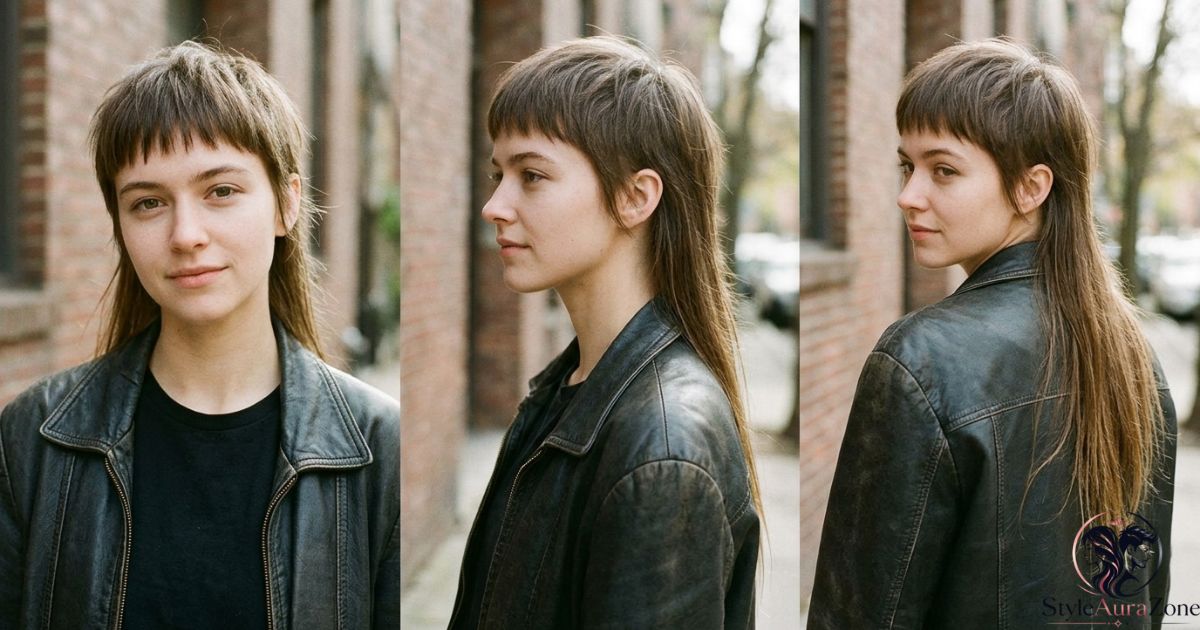
The classic straight mullet is ideal for women who appreciate a recognizable retro-inspired haircut. It features shorter hair at the front and crown, with a longer back section that creates a clear difference in length.
On straight hair, the shape appears clean and defined. You can keep the sides relatively neat or add light layers for movement.
This style works well for women who want a bold haircut without complicated daily styling. Apply a lightweight smoothing serum to the ends and use a flat iron only where necessary.
2. Soft Straight Mullet
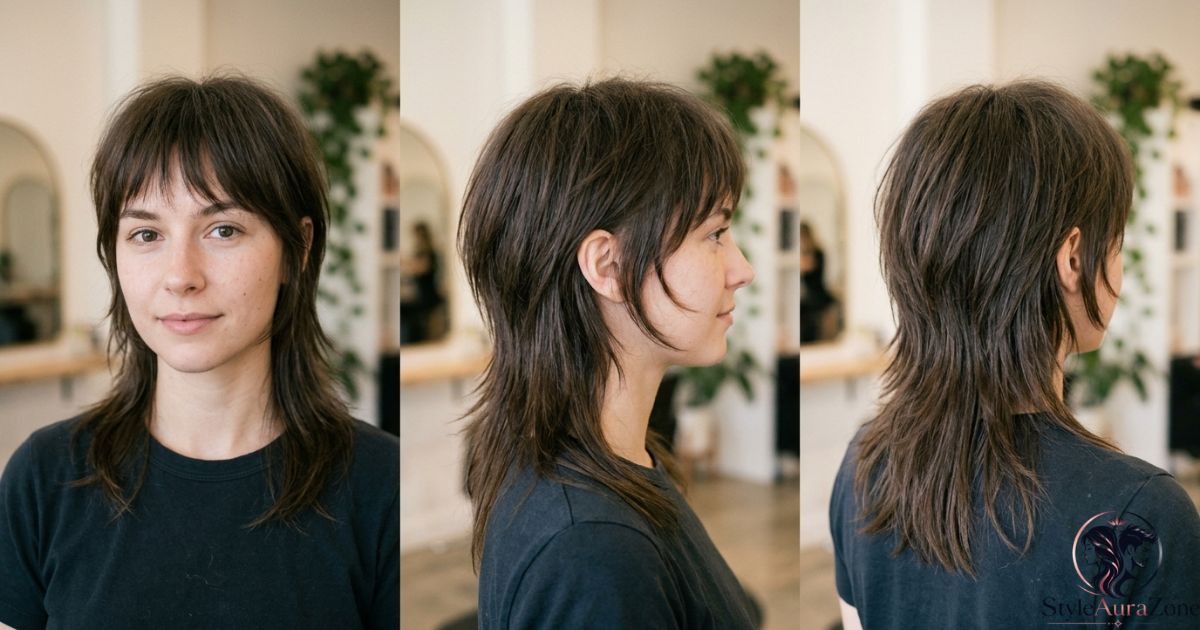
A soft straight mullet offers a more subtle interpretation of the traditional style. Instead of a dramatic separation between the front and back, the stylist blends the layers to create a smoother transition.
This option is suitable for women who are interested in a mullet but do not want an extremely edgy appearance. It can be worn with a middle part, a side part, or lightly swept bangs.
The softer outline also makes it easier to combine the haircut with everyday outfits and professional clothing.
3. Short Straight Mullet
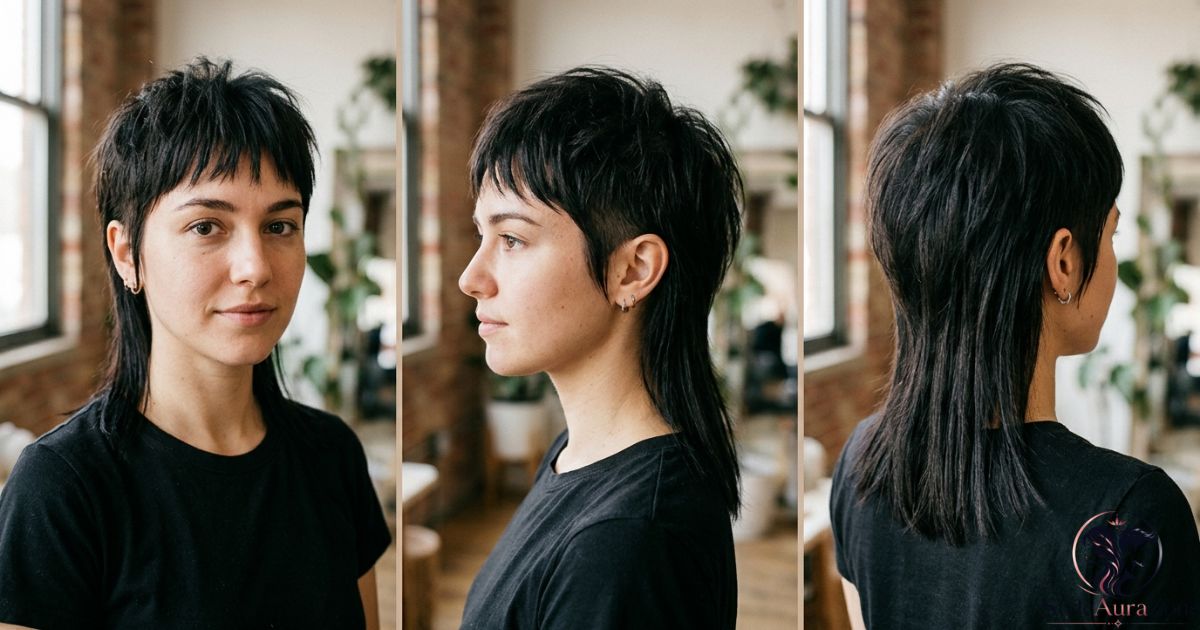
A short straight mullet keeps the overall haircut compact while preserving the longer back section. The crown is cropped into short layers, and the front can feature a small fringe or longer pieces around the temples.
This version emphasizes the face and creates a noticeable shape without requiring long hair. It is particularly appealing to women who enjoy short, expressive haircuts.
For styling, use a small amount of texturizing paste to separate the layers. Avoid applying too much product, especially if your hair is fine.
4. Long Straight Mullet
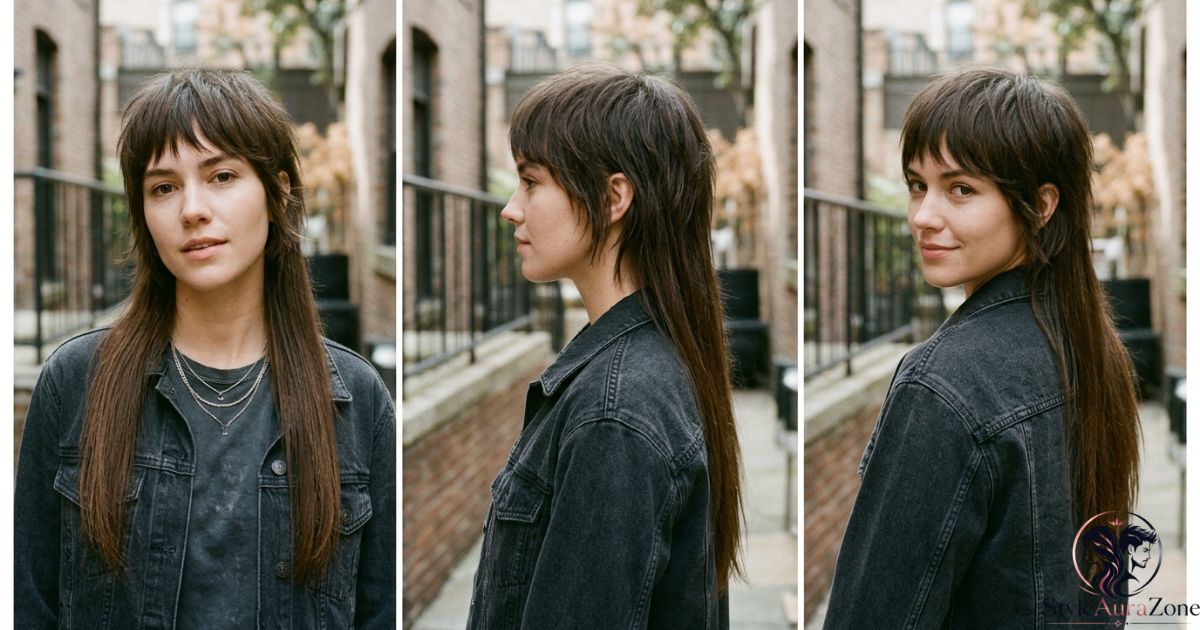
The long straight mullet combines a shorter, layered crown with a noticeably longer back. The additional length creates more contrast and allows the hair to move naturally.
This version can look dramatic while still preserving the versatility of longer hair. The front layers can be adjusted to frame the cheekbones, while the back remains long enough to tuck behind the shoulders.
Regular trims help maintain the shape and prevent the ends from looking thin or uneven.
5. Straight Mullet with Curtain Bangs
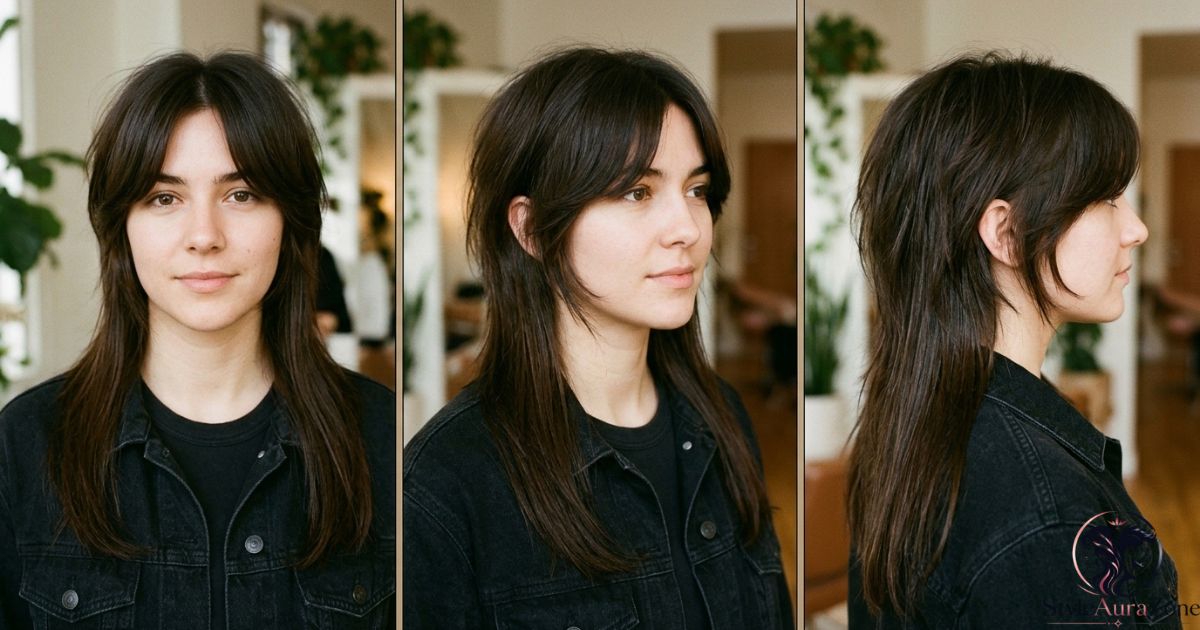
Curtain bangs create a soft frame around the forehead and blend into the shorter layers around the face. When paired with a straight mullet, they balance the longer back and make the overall shape look more connected.
The bangs can be parted in the middle or slightly off-center. Women with straight hair can use a round brush to create a gentle curve at the ends.
This combination works particularly well for people who want a fashionable haircut with a softer front.
6. Straight Mullet with Wispy Bangs
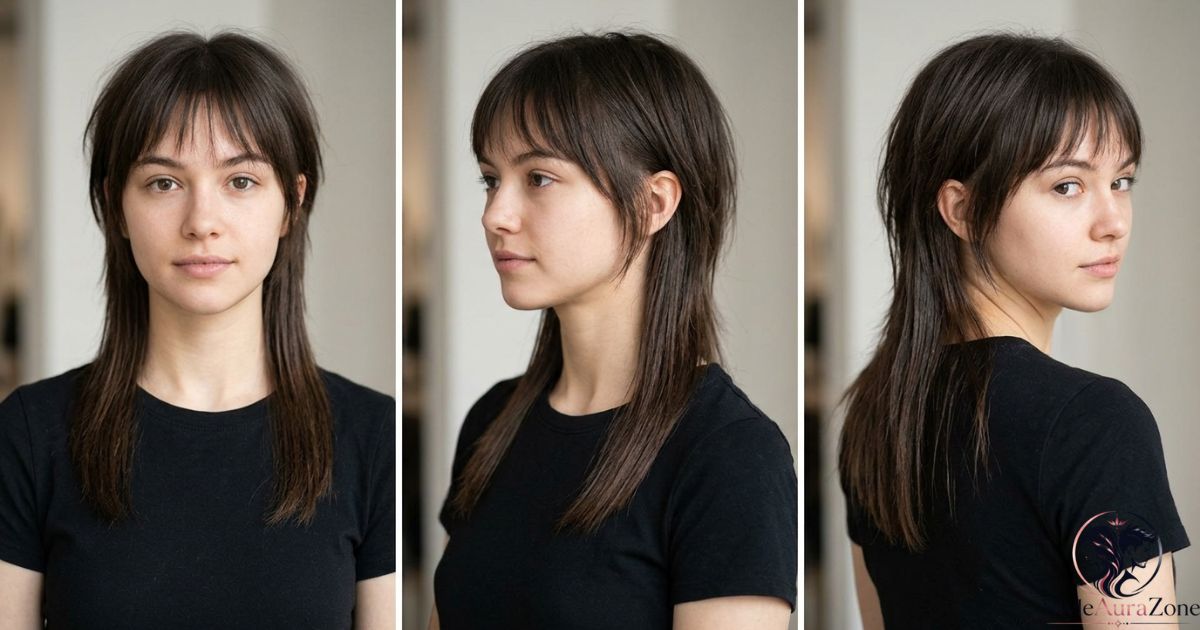
Wispy bangs add a light, delicate finish to a straight mullet. Unlike thick, blunt fringe, these bangs leave small spaces between the strands, allowing the forehead to remain partially visible.
This detail can soften the haircut and make it look less severe. The back can be short, medium, or long depending on your preference.
Use a lightweight styling product to keep the bangs separated without making them stiff or greasy.
7. Choppy Straight Mullet
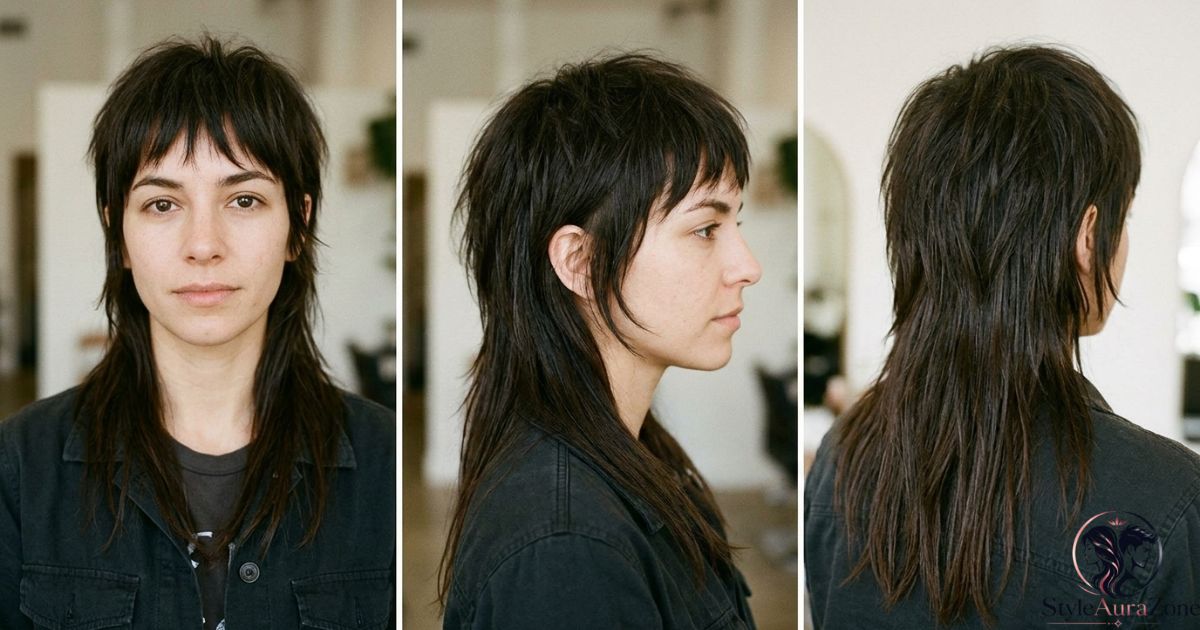
A choppy straight mullet features uneven-looking layers that add texture and movement. The ends are deliberately separated instead of being cut into a perfectly smooth outline.
Straight hair can make this texture especially noticeable. The style is a good option for women who want an alternative or rock-inspired appearance.
Ask your stylist to create controlled texture rather than removing too much weight. Excessive thinning can make fine hair appear sparse.
8. Layered Straight Mullet
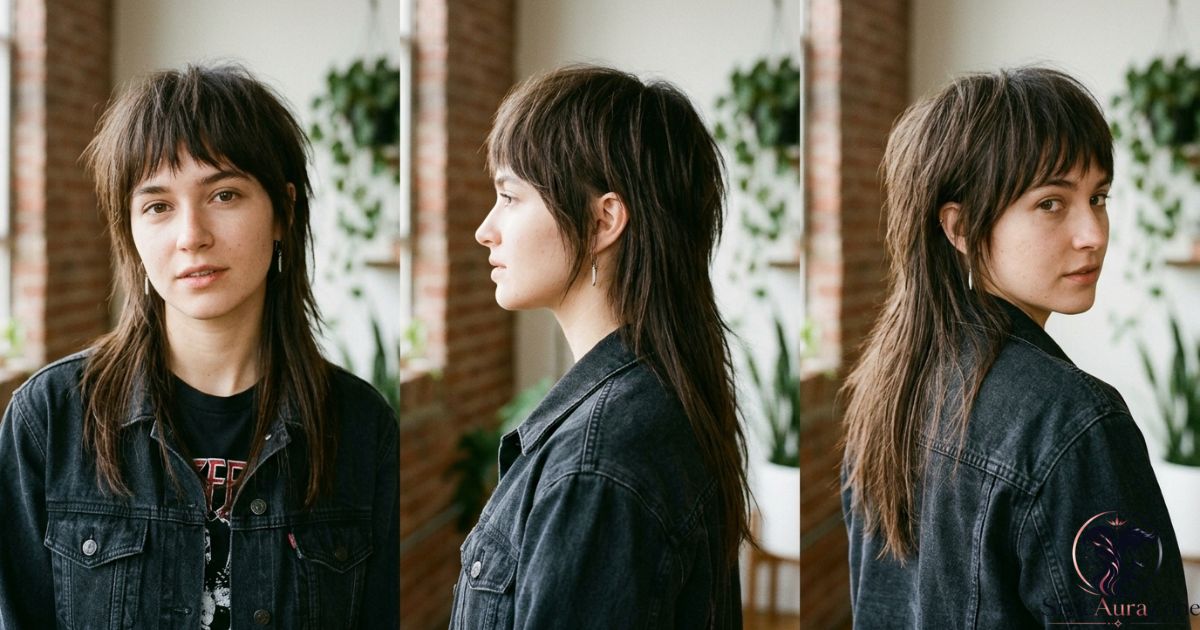
A layered straight mullet uses multiple lengths throughout the crown and back. The layers add movement and help prevent straight hair from looking like one heavy, flat shape.
The degree of layering can be customized. Subtle layers produce a softer result, while shorter crown layers create more volume and contrast.
A lightweight blow-dry cream can help the hair fall smoothly while keeping the layers visible.
Read more:Types of Hair Layers Explained: How to Ask for the Right Layered Haircut
9. Shaggy Straight Mullet
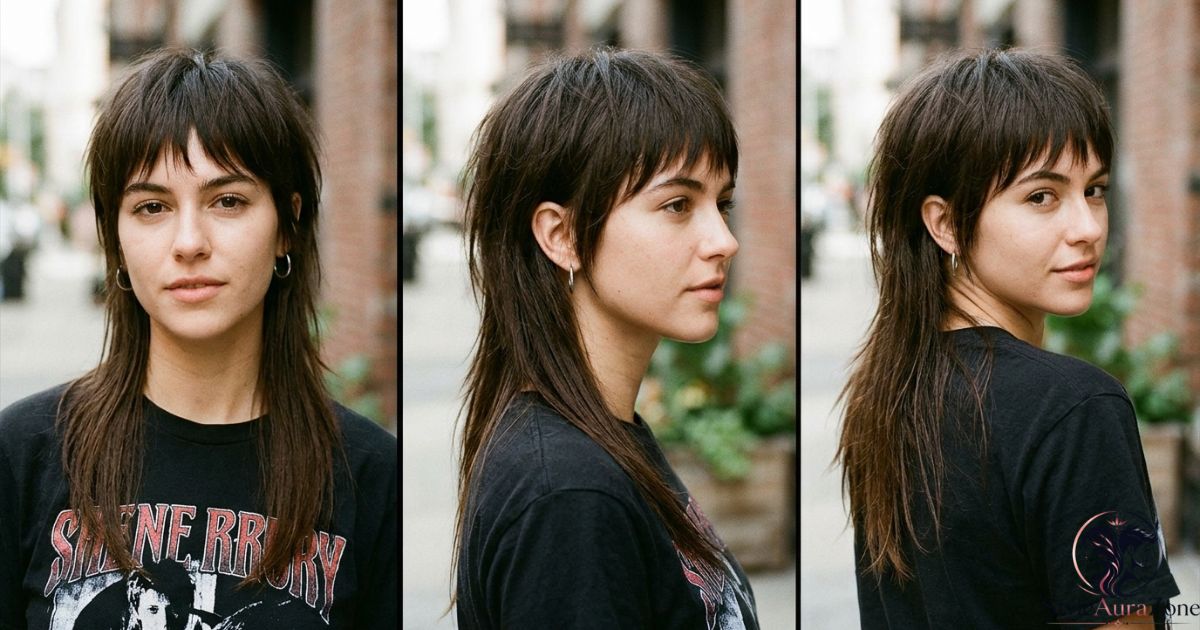
The shaggy straight mullet combines the shape of a mullet with the relaxed texture of a shag haircut. It typically includes multiple crown layers, a textured fringe, and a piecey back section.
Although naturally straight hair does not have the same texture as wavy hair, strategic layering can create a similar loose appearance.
A small amount of texturizing spray or cream can help separate the ends. The goal is movement rather than perfect smoothness.
10. Straight Mullet with Blunt Bangs
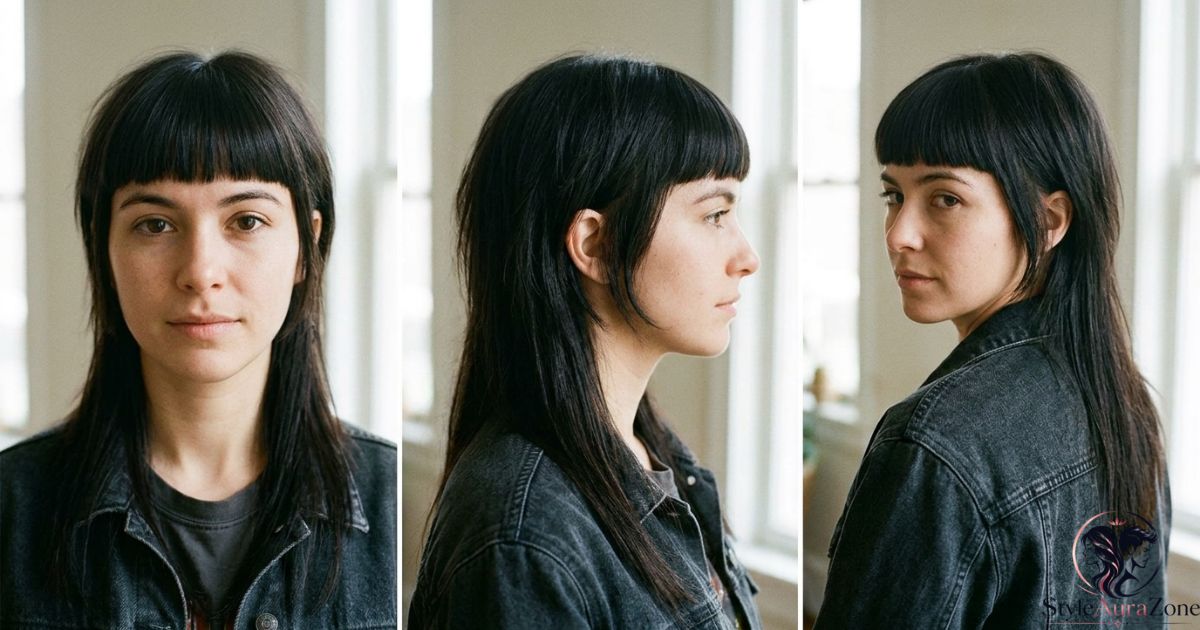
Blunt bangs create a strong horizontal line across the forehead. When combined with the shorter crown and longer back of a mullet, they create a high-contrast hairstyle.
This look can feel artistic, dramatic, and fashion-forward. It is especially striking when the bangs are cut precisely and the back retains a defined outline.
Blunt fringe generally requires more frequent trimming than longer, wispy bangs. Consider how much maintenance you are comfortable with before choosing this version.
11. Feminine Straight Mullet
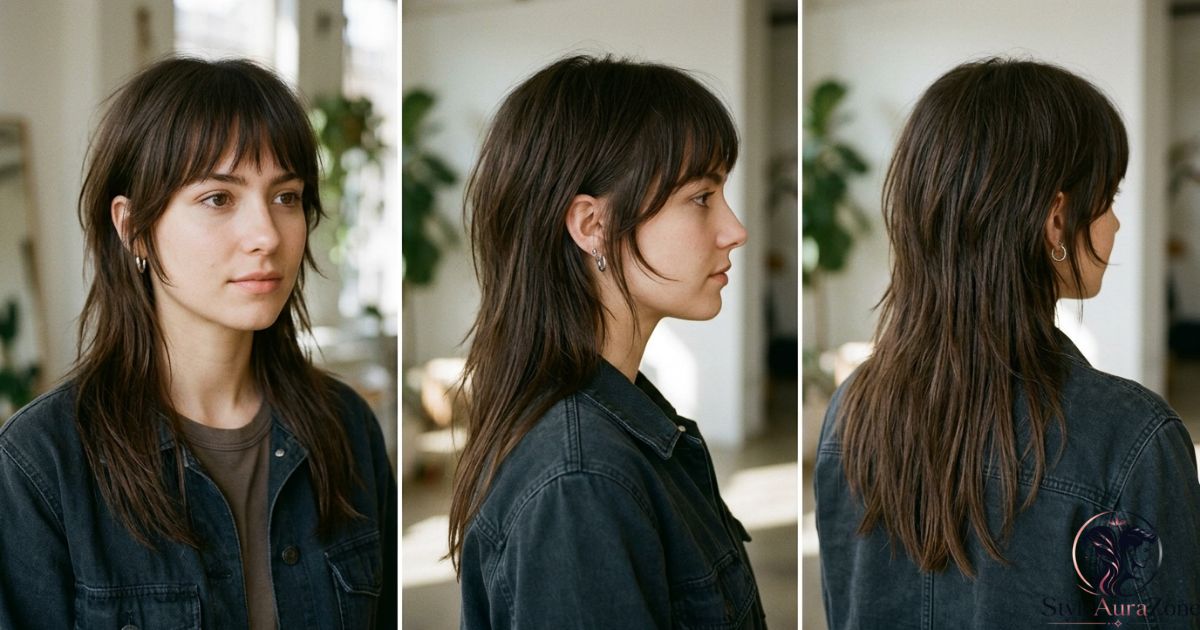
A feminine straight mullet focuses on softness rather than extreme contrast. The front pieces frame the face, the crown has gentle layers, and the back flows into a longer shape.
The haircut can be paired with curtain bangs, subtle highlights, or a smooth finish. It does not need to be extremely short or heavily textured to look like a mullet.
This version is useful for women who want an expressive haircut that still feels adaptable to different occasions.
12. Korean-Inspired Straight Mullet
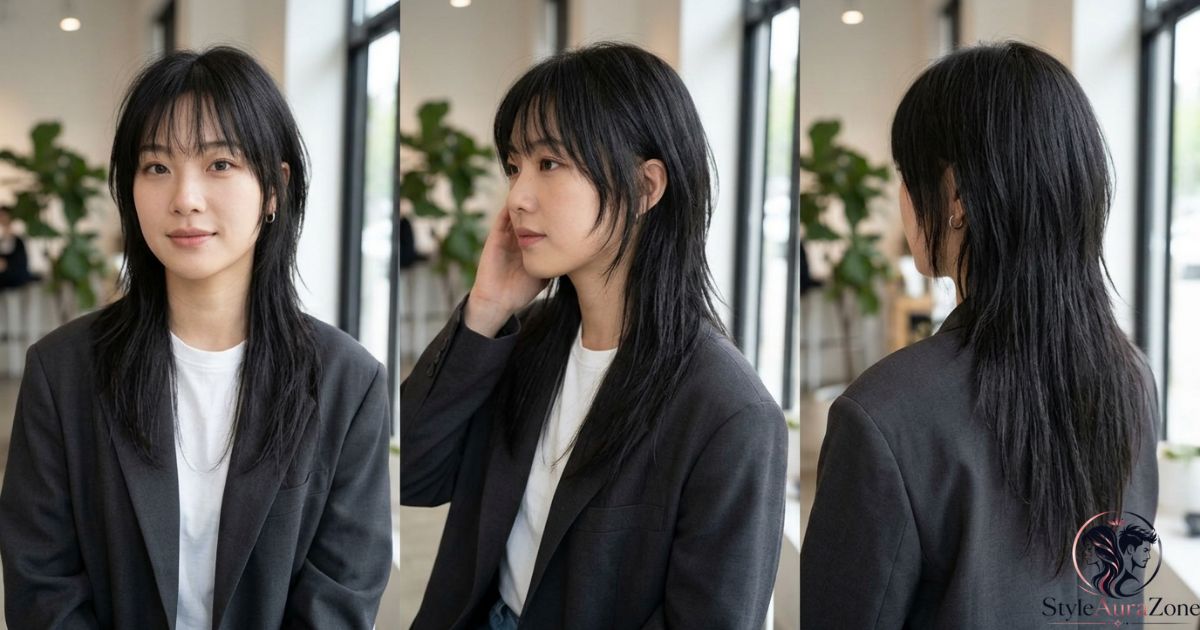
A Korean-inspired straight mullet often combines light layers, a soft fringe, and a balanced silhouette. Depending on the reference, the haircut may resemble a gentle mix of a shag, wolf cut, and modern mullet.
The front is generally kept soft, while the back provides the longer shape associated with a mullet. The overall result can look youthful without relying on dramatic contrast.
Bring a reference photo to your stylist because interpretations of Korean-inspired cuts vary considerably.
13. Wolf Cut Mullet for Straight Hair
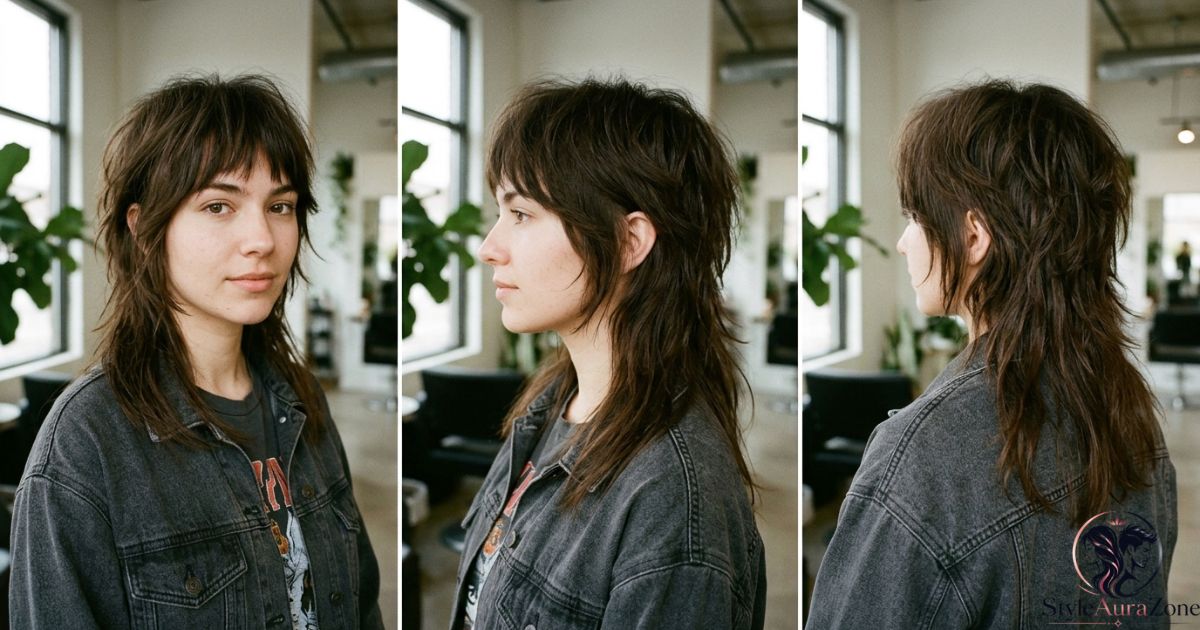
The wolf cut and mullet share several features, including shorter crown layers and longer sections toward the back. A wolf-inspired straight mullet usually has more overall layering and a fuller, messier crown.
On straight hair, the cut may need styling to show its texture. A blow dryer and lightweight texturizing product can help create separation.
Ask your stylist whether you want a traditional mullet shape or a wolf cut with a subtle mullet influence. This distinction helps prevent an unexpected result.
14. Straight Mullet Bob
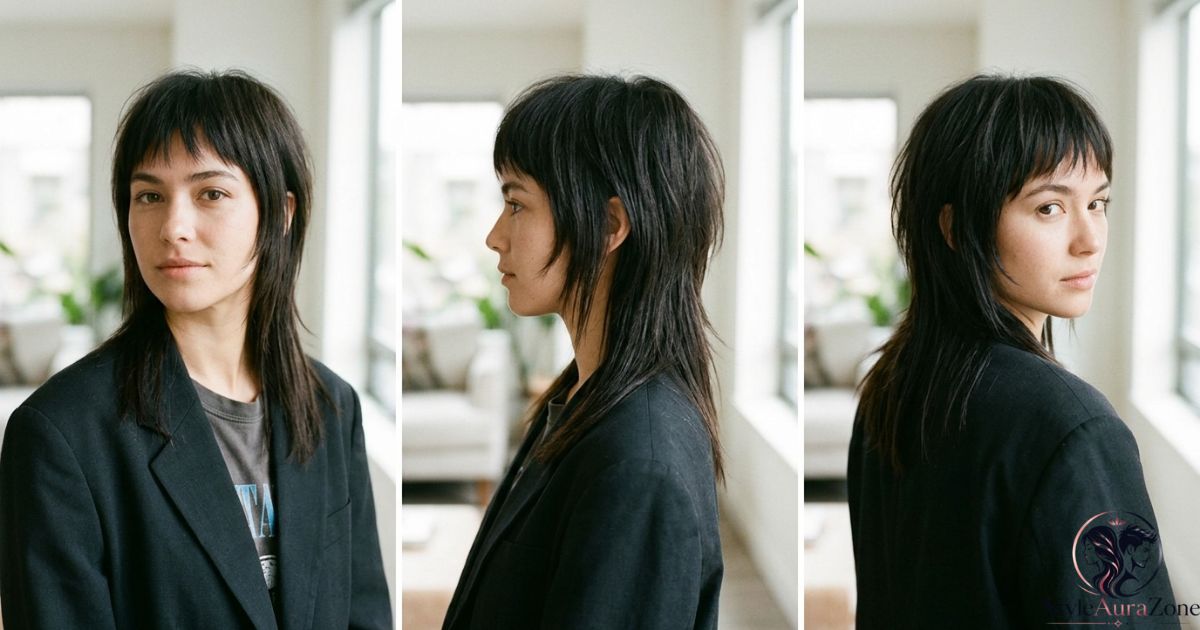
A straight mullet bob combines the compact shape of a bob with a slightly longer back section. The front and sides may sit around the jawline, while the nape and back retain additional length.
This variation creates a distinctive outline without requiring very long hair. It can look sleek when straightened or more relaxed when styled with separated ends.
A precise cut is important because the balance between the front and back determines the overall effect.
15. Pixie Mullet for Straight Hair
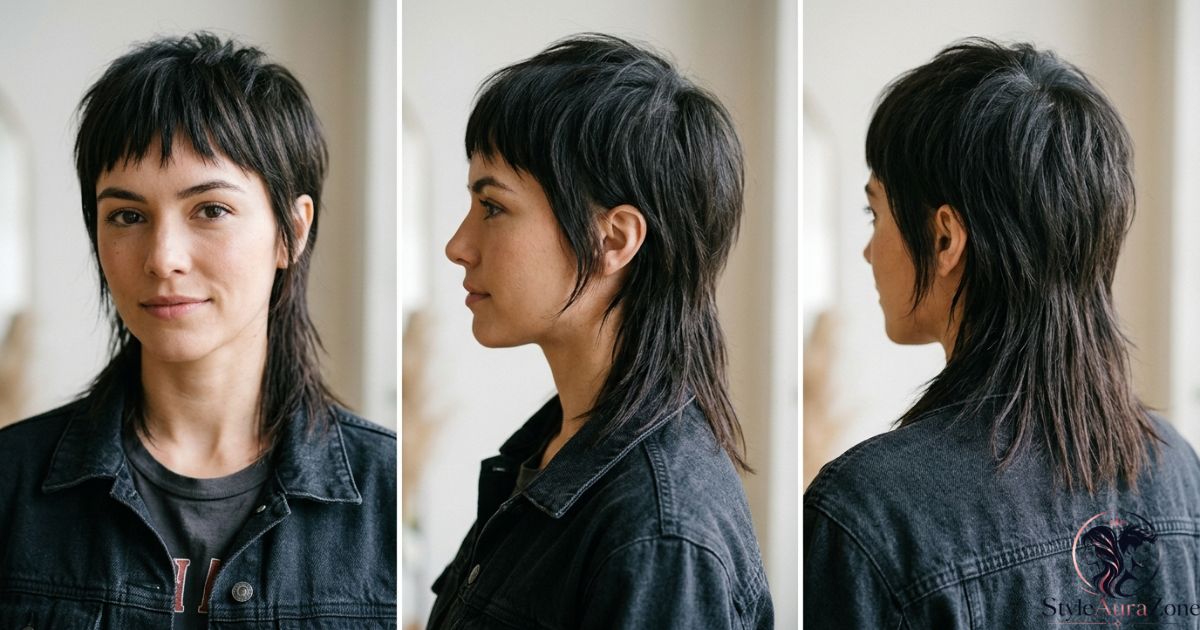
A pixie mullet combines a short pixie-style crown with longer pieces at the back. The sides may be cropped closely or left slightly longer to frame the ears.
Straight hair makes the shape and direction of each layer easy to see. The haircut can look soft with a feathered fringe or more dramatic with choppy ends.
Because the crown and back grow at different rates visually, regular maintenance helps preserve the intended silhouette.
16. Straight Mullet with Side-Swept Bangs
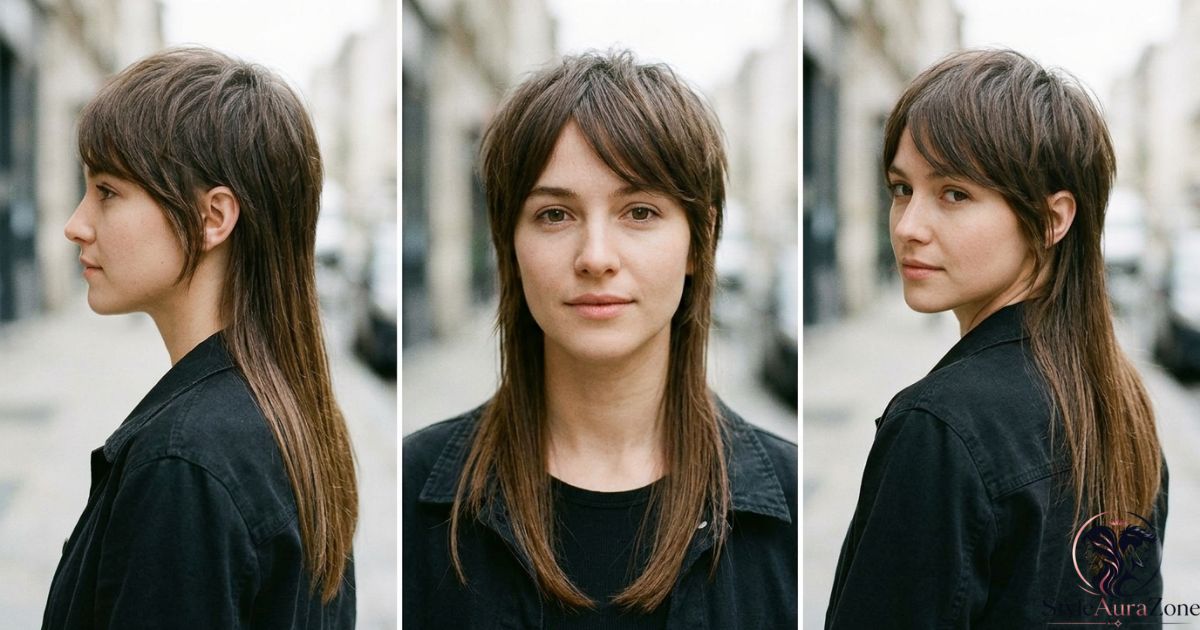
Side-swept bangs add asymmetry to the front of a straight mullet. They can create a softer transition from the forehead into the shorter side layers.
This style is adaptable because the fringe can be worn across the forehead or blended into the rest of the haircut as it grows.
Use a round brush while blow-drying the fringe in the direction you want it to fall. A lightweight finishing cream can help control flyaways.
17. Straight Mullet with Face-Framing Layers
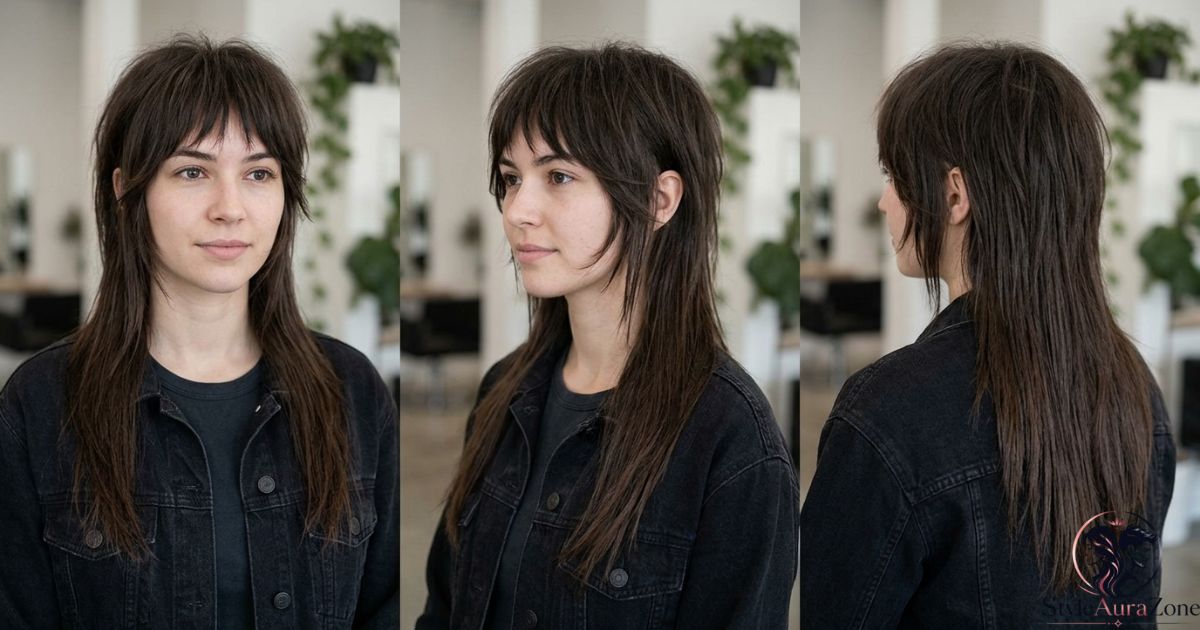
Face-framing layers are shorter sections designed to follow the shape of the face. In a straight mullet, they help connect the front and crown to the longer back.
The layers can begin near the cheekbones, jawline, or chin depending on the desired effect. They also offer a way to customize the haircut without changing the back length dramatically.
Discuss your preferred parting and daily styling routine with your stylist before choosing where the shortest pieces should begin.
18. Sleek Straight Mullet
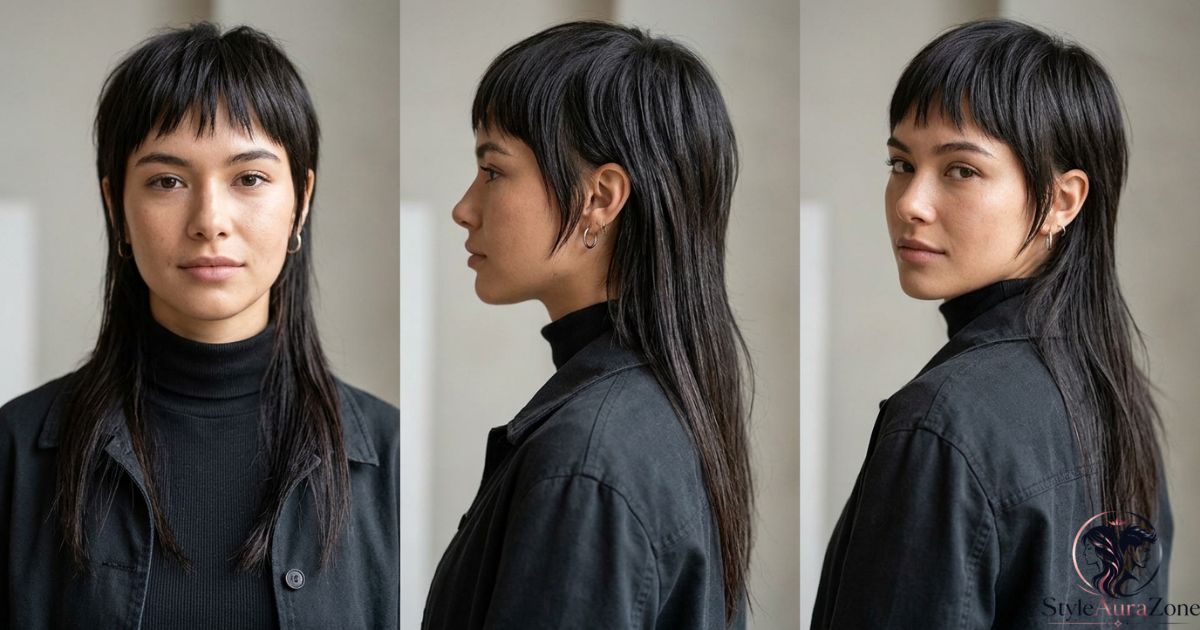
A sleek straight mullet emphasizes smooth strands, clean lines, and a controlled outline. Instead of heavily textured ends, the haircut uses deliberate layering to create its shape.
A heat protectant should be applied before using a flat iron. Work in small sections and avoid repeatedly passing the iron over the same strands.
The result is a polished look that pairs well with minimalist clothing and structured outfits.
19. Messy Straight Mullet
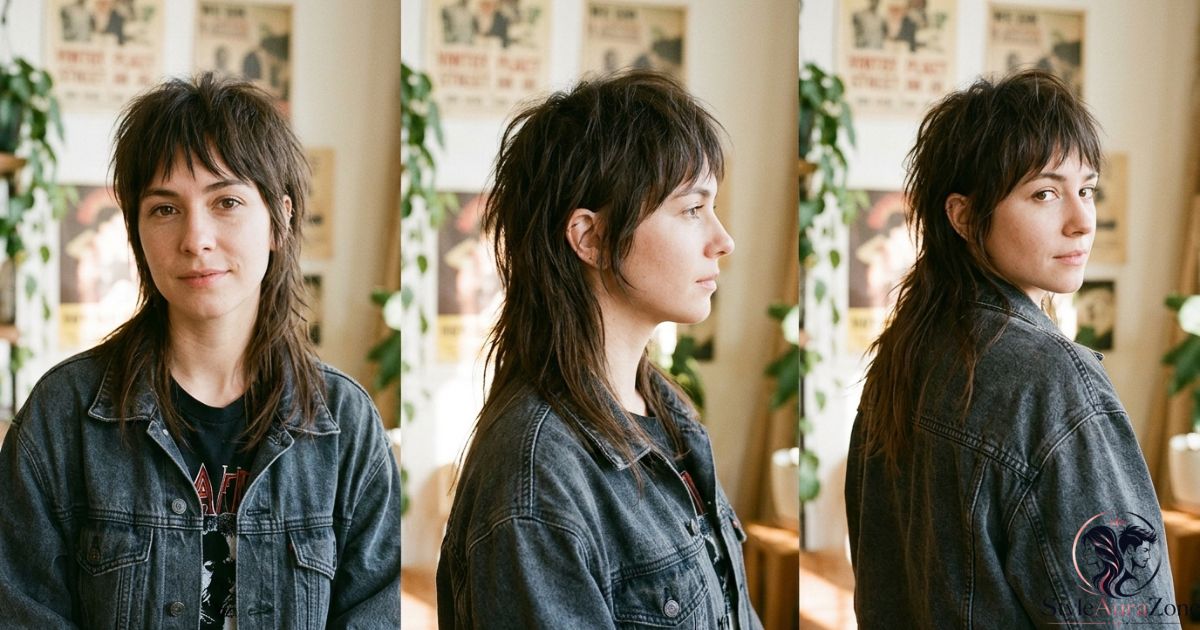
A messy straight mullet uses separated ends and lightly disordered layers to create an effortless appearance. It is not necessary to curl the hair; small differences in direction can provide enough texture.
Apply a small amount of styling paste or texture cream to the ends. Use your fingers to separate individual pieces instead of combing everything into place.
This haircut can be especially convenient for women who do not want a perfectly polished finish every day.
20. Straight Mullet with Tapered Sides
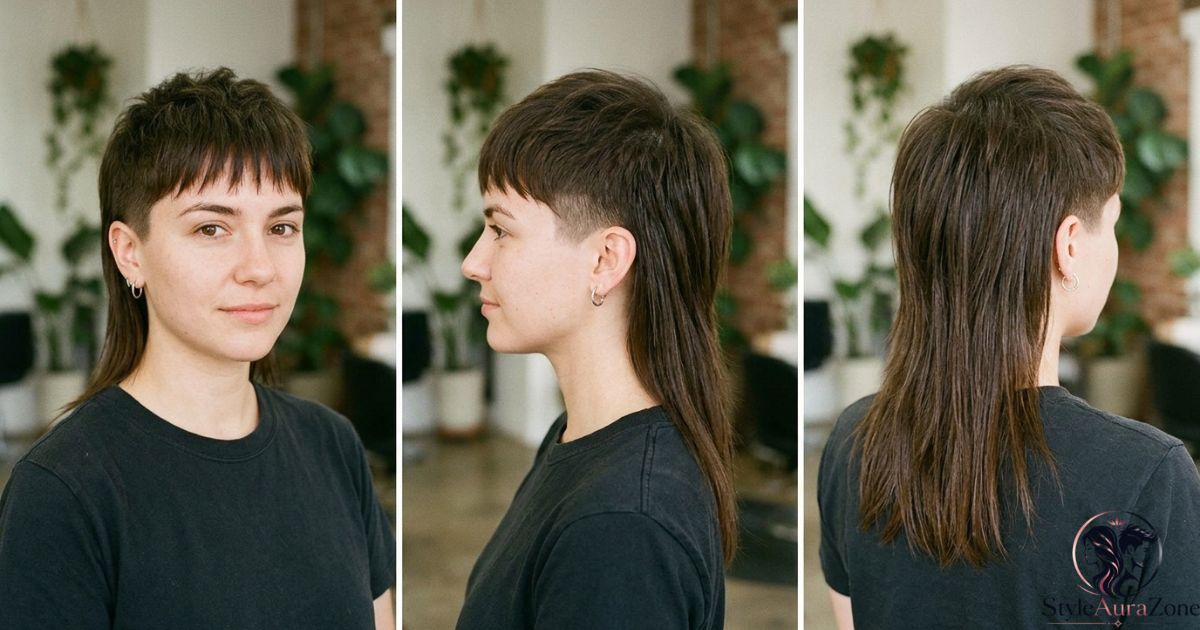
A mullet with tapered sides gradually shortens the hair around the temples and ears while leaving the back longer. The degree of taper can range from subtle to more noticeable.
On women, this haircut can create a strong, contemporary appearance. The top can remain longer for softness or be cut into shorter layers for more contrast.
Be specific about how short you want the sides, especially if you do not want a close-cut or undercut effect.
21. Straight Mullet with an Undercut
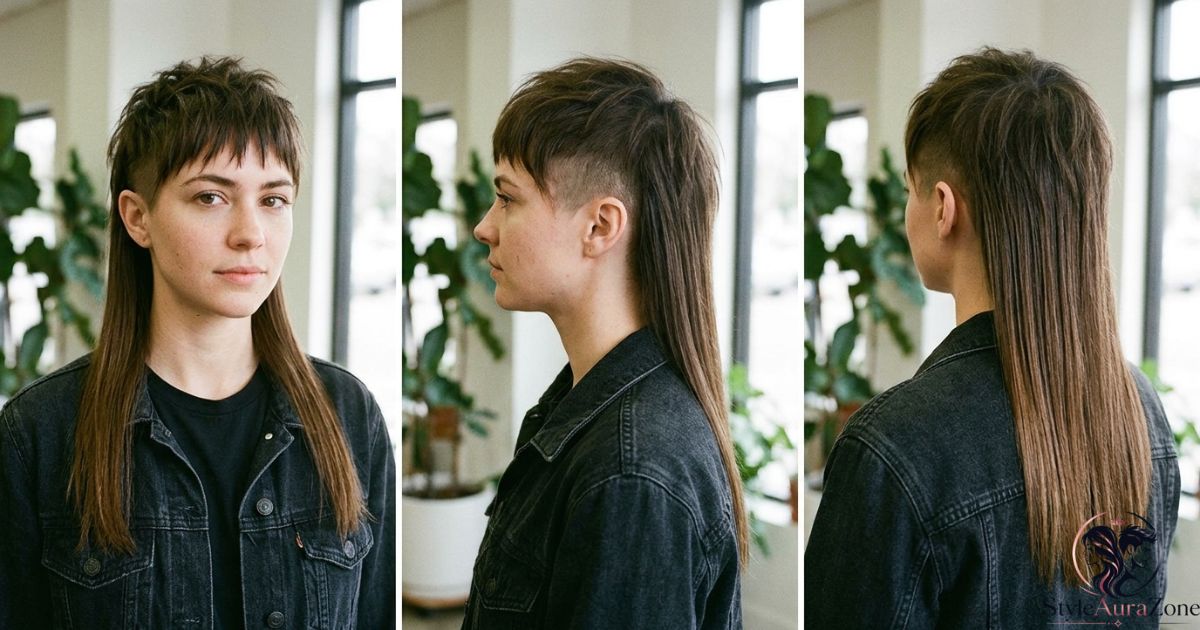
An undercut mullet keeps some sections around the sides or nape significantly shorter than the top and back. This creates a more dramatic contrast than a blended mullet.
The undercut can remain hidden beneath longer hair or become a visible part of the design. It is a personal choice and may require frequent maintenance as the short sections grow out.
Discuss how visible you want the undercut to be before your stylist begins cutting.
22. Straight Mullet with Textured Ends
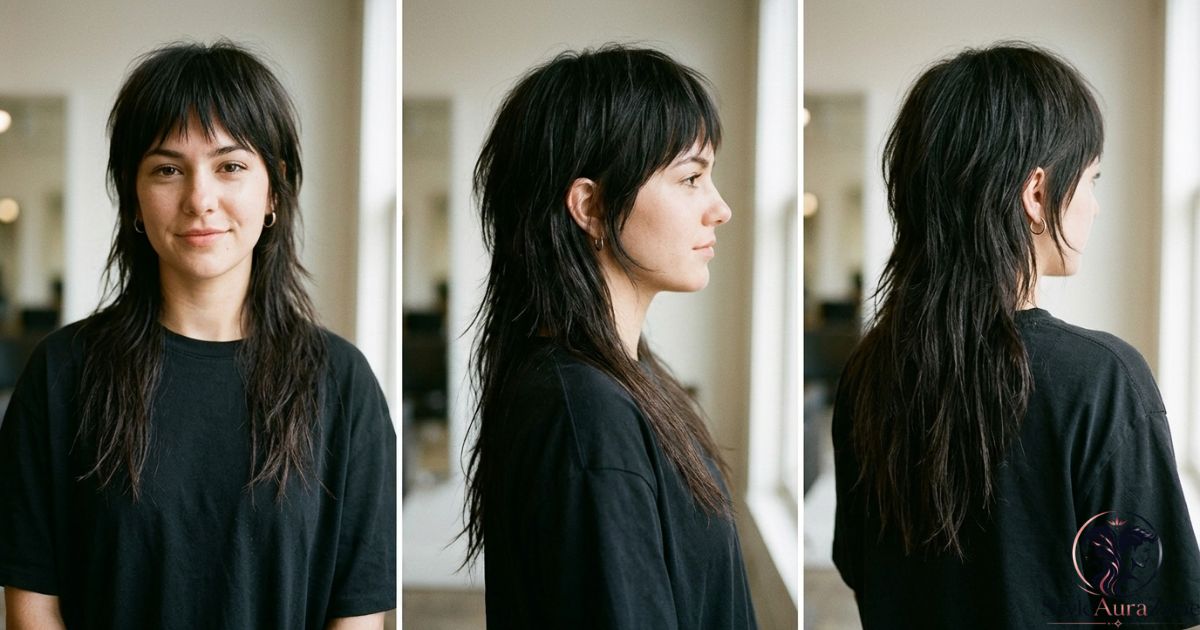
Textured ends add definition to the longer back and prevent the haircut from looking too heavy. The stylist may use point cutting or other suitable techniques to create movement.
This option works with many mullet lengths. On fine hair, subtle texture is usually preferable to excessive thinning because too much removal can make the ends look thin.
A small amount of lightweight cream can emphasize the texture without making the hair greasy.
23. Straight Mullet with Blonde Highlights
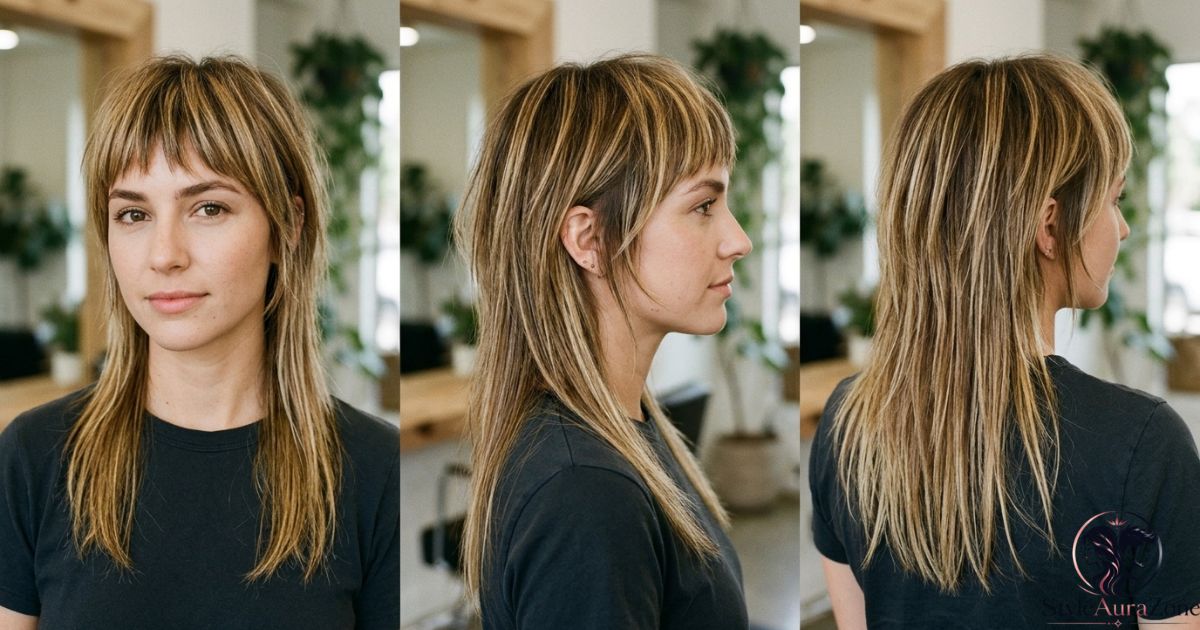
Blonde highlights can emphasize the different lengths in a straight mullet. Strategically placed lighter pieces around the crown and face make the layers more noticeable.
You can choose subtle highlights, a high-contrast combination, or a few brighter sections around the fringe. The right placement depends on your natural color and desired maintenance level.
Color-treated hair benefits from gentle cleansing, conditioning, and heat protection. Ask a colorist about the approach best suited to your hair condition.
24. Straight Mullet with Dark Contrast Color
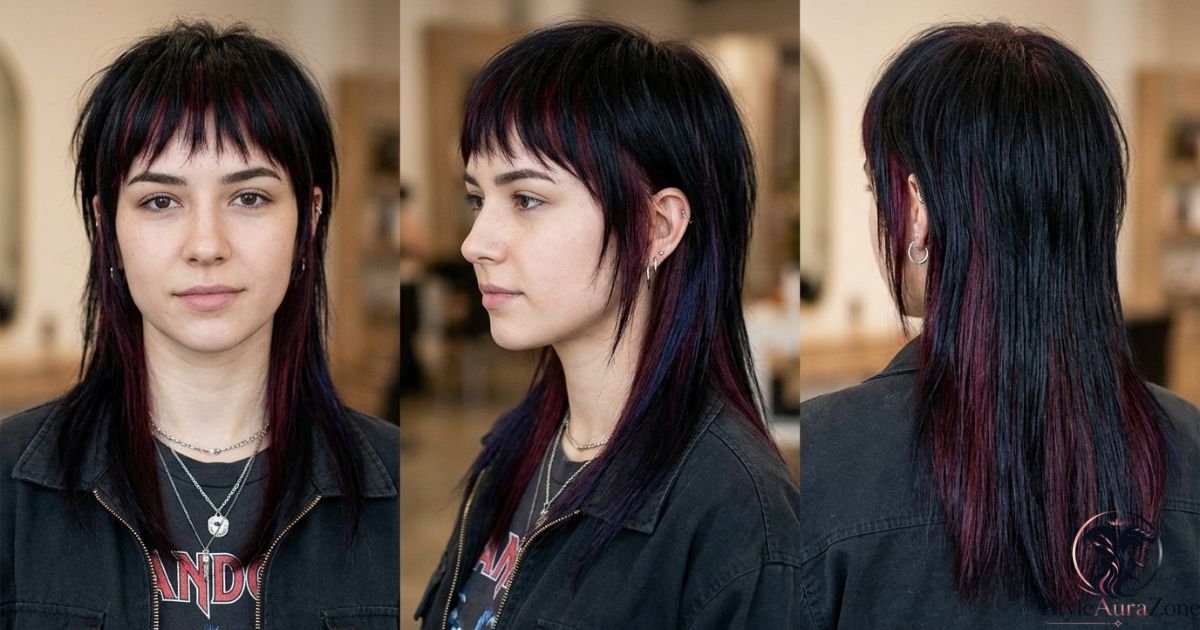
Dark contrast colors can make the shape of a straight mullet look stronger. For example, a dark base paired with lighter front pieces or contrasting sections can highlight the layers.
The design can be subtle or dramatic. If you prefer a lower-maintenance option, discuss color placement that works with your natural roots.
Color should complement the haircut rather than overwhelm its structure. A consultation can help determine which shades suit your preferences and maintenance routine.
25. Low-Maintenance Straight Mullet
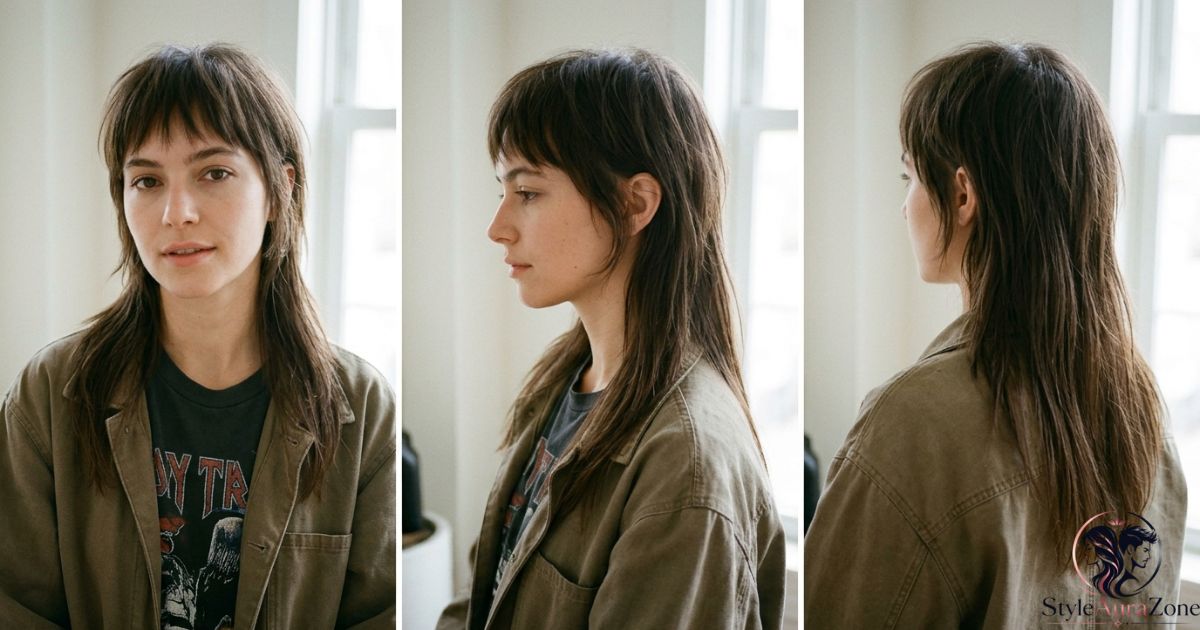
A low-maintenance straight mullet uses softer transitions, moderate layers, and a shape that remains attractive as it grows. It avoids extremely short fringe or highly precise contrasts that require frequent appointments.
This does not mean the haircut needs no maintenance. The outline will still change as the hair grows, but a blended design can be easier to manage between trims.
Use a lightweight leave-in conditioner and let your hair air-dry when possible. Add a little texture cream only where needed.
Best for: Women who want a distinctive haircut with a manageable routine.
Comparison Table: Straight Hair Mullet Styles for Women
The following table compares common mullet variations to help you decide which one may suit your preferences.
| Mullet Style | Overall Look | Hair Length | Styling Effort |
| Classic Straight Mullet | Retro and defined | Short to long | Moderate |
| Soft Straight Mullet | Subtle and blended | Medium | Low to moderate |
| Short Straight Mullet | Compact and bold | Short | Low to moderate |
| Long Straight Mullet | Dramatic and flowing | Medium to long | Moderate |
| Curtain Bangs Mullet | Soft and face-framing | Short to long | Moderate |
| Choppy Straight Mullet | Edgy and textured | Short to medium | Moderate |
| Shaggy Straight Mullet | Relaxed and layered | Short to long | Moderate |
| Straight Mullet Bob | Structured and modern | Short to medium | Low to moderate |
| Pixie Mullet | Short and expressive | Short | Moderate |
| Sleek Straight Mullet | Smooth and polished | Medium | Moderate |
| Tapered-Side Mullet | Clean and bold | Short to long | Moderate to high |
| Undercut Mullet | High contrast | Short to long | High |
| Low-Maintenance Mullet | Soft and adaptable | Medium | Low to moderate |
Styling effort depends on your hair texture, the precision of the cut, your desired finish, and how quickly your hair grows.
How to Choose the Right Straight Hair Mullet
Choosing a mullet is easier when you consider more than a reference photo. Your hair density, length, fringe preference, and daily routine all influence the final result.
Choose According to Your Hair Length
Short hair: A pixie mullet or short mullet bob creates a compact shape with a distinctive back.
Medium hair: A soft mullet, layered mullet, or curtain-bang variation offers a balance between structure and movement.
Long hair: A long mullet preserves length while creating contrast through shorter crown layers and face-framing pieces.
If you are uncertain, ask your stylist to begin with a softer shape. You can make the layers more dramatic during a later appointment.
Choose According to Hair Thickness
Fine hair: Avoid excessive thinning and very short, sparse layers. A softer mullet with carefully placed layers can preserve fullness.
Medium-density hair: Many variations work well, including layered, choppy, and curtain-bang mullets.
Thick hair: Strategic layering can remove bulk and improve movement. Ask your stylist how much weight should be removed while maintaining healthy-looking ends.
Hair density and individual strand thickness are different characteristics, so your stylist should assess both.
Choose According to Your Face Shape
Face shape can help guide the placement of fringe and layers, but it should not determine your choice completely.
| Face Shape | Mullet Features to Consider | Styling Consideration |
| Oval | Soft, classic, shaggy, or pixie mullet | Many proportions may work |
| Round | Longer face-framing pieces and crown volume | Avoid unwanted width at the cheeks |
| Square | Wispy fringe and softer layers | Soften the outline if desired |
| Heart-shaped | Curtain bangs and balanced side layers | Keep the front and back visually balanced |
| Long or rectangular | Fuller fringe and moderate crown height | Avoid excessive height if it feels unbalanced |
These are starting points, not strict rules. Personal preference and the way your hair naturally falls are equally important.
How to Style a Straight Hair Mullet at Home
A straight hair mullet does not always require a complicated styling routine. The best approach depends on whether you want a smooth, textured, or voluminous finish.
For a Sleek Finish
- Wash and condition your hair with products appropriate for your hair type.
- Gently towel-dry without rubbing aggressively.
- Apply a heat protectant if you plan to blow-dry or use a flat iron.
- Blow-dry the crown and fringe in the direction you want them to sit.
- Use a flat iron sparingly to smooth stubborn sections.
- Finish with a small amount of lightweight serum on the ends.
Avoid applying heavy oils close to the roots if your hair becomes greasy easily.
For a Textured Finish
- Start with clean, damp hair.
- Apply a lightweight texture spray or styling cream suitable for straight hair.
- Blow-dry while directing sections in slightly different directions.
- Use your fingers to separate the crown layers and back.
- Add a tiny amount of paste to individual ends if extra definition is needed.
The objective is to highlight the haircut’s shape without making the hair stiff.
For More Volume
Straight hair can sometimes sit close to the scalp, particularly when it is fine. To create lift, use a lightweight volumizing product near the roots and direct airflow upward while blow-drying.
Avoid applying too much conditioner or styling cream to the crown. Heavy products may weigh the layers down and make the haircut appear flatter.
How to Ask Your Stylist for a Straight Hair Mullet
Clear communication is essential because the word mullet can refer to many different cuts. One stylist may picture a dramatic retro shape, while another may interpret it as a soft, layered haircut.
Before your appointment, decide how much length you want to retain and whether you prefer bangs, tapered sides, or a more blended outline.
You can say:
“I want a straight hair mullet for women, with shorter layers around the crown and a longer back. I prefer a soft, modern shape rather than an extremely dramatic contrast. Please customize the fringe and face-framing layers to suit my hair density and face shape.”
If you prefer a bolder result, you could say:
“I want a more defined mullet with choppy crown layers, visible length at the back, and textured ends. Please show me how short the sides and front will be before cutting.”
Bring two or three reference photos. Ideally, choose pictures showing the front, side, and back so your stylist can understand the shape from every angle.
Also discuss whether you want to keep your current length. Once the back or crown has been cut short, returning to a longer shape will take time.
Straight Hair Mullet Maintenance Tips
A good maintenance routine helps the haircut retain its shape and keeps straight hair looking healthy.
Schedule Trims When Needed
Short, sharply defined mullets may need more frequent trims than soft, longer versions. The appropriate interval depends on your haircut, growth rate, and how precise you want the outline to remain.
Ask your stylist for a maintenance schedule based on the specific cut rather than following a fixed timeline.
Keep the Ends Healthy
Longer back sections may become dry or develop split ends, especially if you regularly use heat tools. Use conditioner after washing and consider a leave-in product if your hair needs extra softness.
Trim damaged ends when necessary instead of relying on products to repair split ends permanently.
Use Heat Protection
Straight mullets often look their best when the layers are clearly defined. However, repeated high-heat styling can cause damage.
Use a suitable heat protectant and the lowest effective temperature for your hair. Whenever possible, allow your hair to air-dry partially before using a blow dryer.
Avoid Too Much Product
Fine, straight hair can become flat when overloaded with styling products. Begin with a small amount and add more only if needed.
A lightweight mousse, texture spray, or cream may be enough for everyday styling. The best product depends on your desired finish and hair condition.
Common Mistakes to Avoid
Choosing a style without considering the back:
The longer back section is a defining part of a mullet. Make sure your reference photos show its length and shape.
Requesting too many short layers on fine hair:
Excessive layering can reduce the appearance of fullness. Ask your stylist to preserve enough weight in the ends.
Ignoring the fringe:
Bangs can change the entire look of the haircut. Decide whether you want blunt, wispy, curtain, or side-swept bangs before the cut begins.
Using too much heat:
Frequent straightening can make the ends look dry and rough. Use heat protection and avoid unnecessary passes with hot tools.
Expecting every reference photo to look identical:
Hair density, head shape, natural growth patterns, and styling techniques affect the result. A good stylist adapts the design to your hair.
Choosing a dramatic cut without considering regrowth:
Very short sides, undercuts, and blunt fringe may need more frequent maintenance. Make sure the upkeep suits your routine.
FAQ’S
Is a straight hair mullet suitable for women?
Yes. A straight hair mullet can be customized for women with different hair lengths and personal styles. Options range from soft, blended cuts to short, dramatic designs.
Does a mullet look good on straight hair?
Straight hair can show the structure of a mullet clearly. Layers and carefully shaped ends help create movement, while the longer back gives the haircut its recognizable silhouette.
Which straight hair mullet is best for beginners?
A soft straight mullet or a mullet bob can be a practical starting point. Both allow you to experiment with the shape without immediately choosing an extremely dramatic cut.
Can women with fine hair get a mullet?
Yes. The stylist should consider hair density and avoid removing too much weight. Softer layers and a carefully shaped back can help preserve the appearance of fullness.
Is a straight hair mullet high-maintenance?
Maintenance varies. A soft, longer mullet may require relatively little daily styling, while short pixie mullets, undercuts, and precise fringes can need more frequent trims.
Conclusion
Straight hair mullet hairstyles offer women an opportunity to experiment with shape, texture, and length. From the classic mullet and soft layered versions to curtain-bang styles, pixie mullets, and modern shag-inspired cuts, there are many ways to personalize this distinctive haircut.
The best option depends on your hair density, preferred length, face-framing needs, and willingness to maintain the style. Women with fine hair may prefer softer layers that preserve fullness, while women with thick hair may benefit from carefully placed layers that reduce bulk.
Before booking an appointment, collect reference photos and discuss the front, sides, crown, and back with your stylist. With the right cut and a manageable styling routine, a straight hair mullet can become a distinctive hairstyle that reflects your personality.