
Top Taper Burst Fade Haircut Barbershops are seeing one request more than almost any other right now: the taper burst fade. It keeps showing up in barber portfolios and in “what to ask for” screenshots saved on phones everywhere. Part of the appeal is how adaptable it is thick, thin, curly, or straight hair, this cut finds a way to work.
This guide breaks down what a taper burst fade is, who it suits, and the 20 best variations trending in 2026. You’ll also find styling tips, product picks, maintenance advice, and answers to the questions men ask their barber most often before booking one.
What Is a Taper Burst Fade?
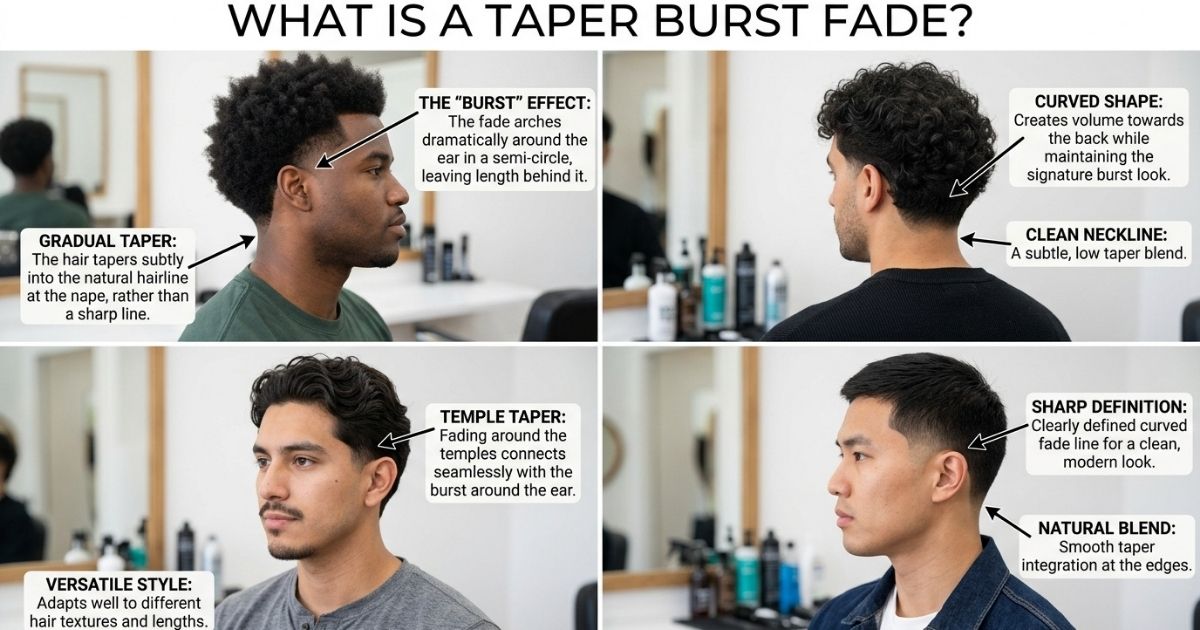
A taper burst fade blends two separate barbering techniques into a single haircut. The taper trims the hair gradually shorter around the neckline and sideburns, without ever touching bare skin. The burst fade wraps around the ear in a curved, sunburst-shaped pattern instead of cutting straight across.
Put together, the result is a fade that looks sharp and intentional but never harsh. The curve around the ear softens the transition, while the taper keeps the back and sides tidy without stripping away too much hair.
Compared with a skin fade, which shaves the sides down to nothing, a taper burst fade holds onto more natural density. That makes it a forgiving choice for first-timers and a low-drama option for guys who don’t want their haircut to be the loudest thing in the room.
Key Features of a Taper Burst FadeTop Taper Burst Fade Haircut
- A rounded, sunburst-style fade curving around the ear
- A gradual taper along the neckline and sideburns
- More retained hair on the sides than a typical skin fade
- Compatibility with short, medium, and longer top lengths
- Easy customization for nearly any hair texture
- A clean finish with or without facial hair
| Element | Description |
| Fade shape | Curved, wraps around the ear |
| Neckline | Gradually tapered, not shaved bare |
| Skin exposure | Minimal to none |
| Maintenance | Every 2–3 weeks |
| Best suited for | First-time fade clients, everyday wear |
Why the Taper Burst Fade Is So Popular
Trends come and go in men’s grooming, but the taper burst fade has held its ground for one simple reason it fits almost any guy’s routine, whether that means five minutes with a comb or a full styling session.
It Works with Almost Every Hair Type
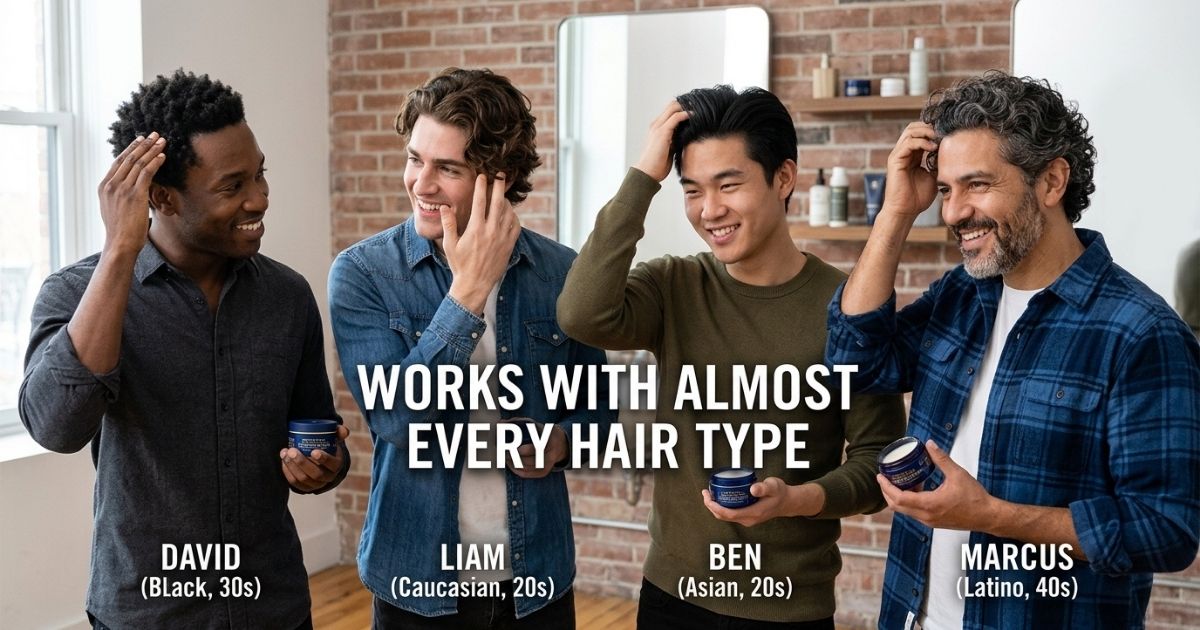
Curly strands, fine hair, thick manes, and everything between can all be shaped into this cut. A barber simply adjusts the taper length and fade curve to match what’s naturally growing on your head, rather than forcing your hair into a rigid template.
It Fits Different Face Shapes
Because the fade height and the length left on top are both flexible, this haircut can be leaned toward whichever proportions suit a given face. A rounder face might get more height up top, while an oval face has room to experiment with nearly any variation.
It Looks Modern Without Being Extreme
Some fades chase maximum contrast. The taper burst fade doesn’t. It reads as current and well-groomed rather than attention-grabbing, which is exactly why it fits classrooms, office floors, and weekend plans equally well.
It Matches Many Hairstyles
This cut isn’t locked into one look on top. Barbers regularly pair it with:
- Textured crops
- Mullets
- Curly tops
- Buzz cuts
- Blowouts
- Fringes
- Comb overs
- Slick backs
- Quiffs
- Pompadours
Swap the top style and the whole haircut feels new, even though the fade underneath stays the same.
Who Should Get a Taper Burst Fade?
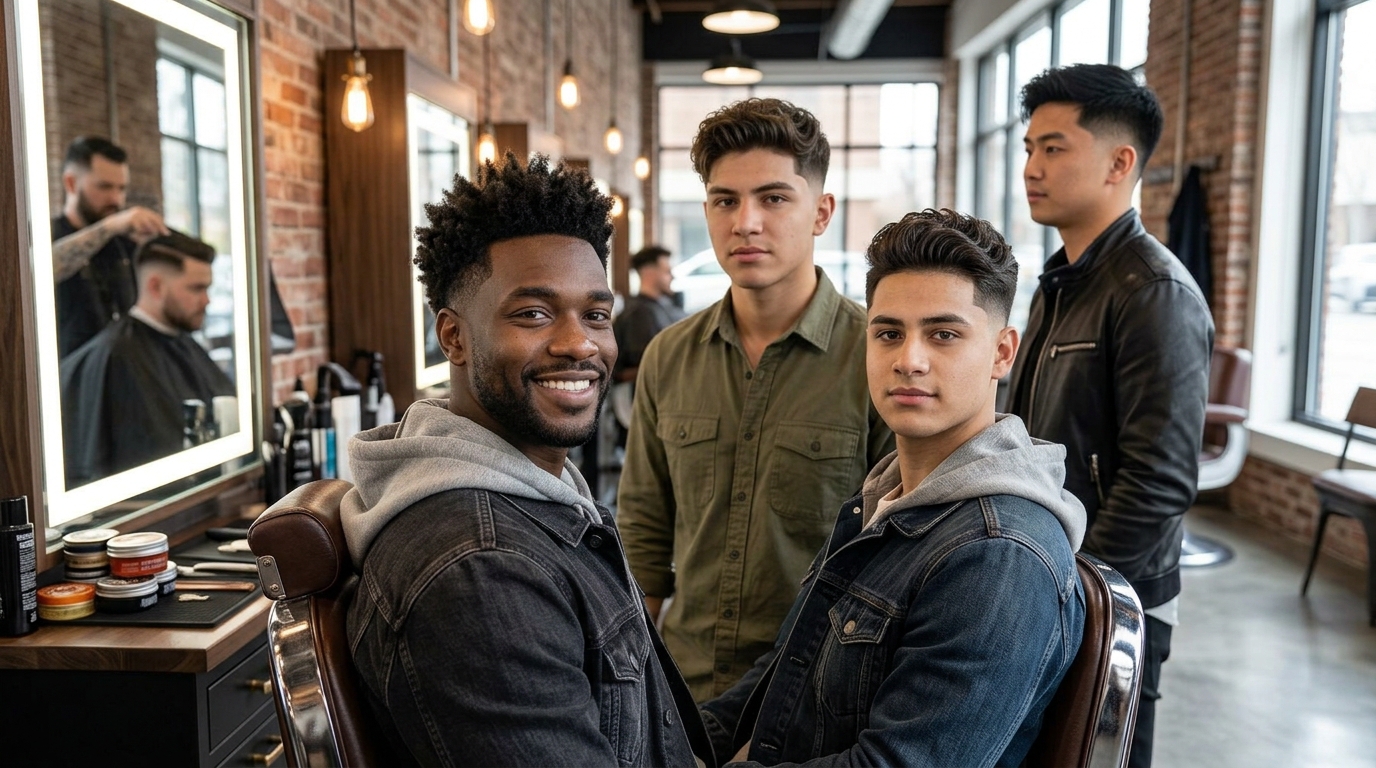
Few haircuts flex to this many face shapes and hair textures at once. A barber who understands your proportions can dial the fade height, curve, and top length in almost any direction.
Best Face Shapes
Oval Face
Oval faces have the most room to play. Low, mid, or high nearly every version of this fade looks proportional here.
Round Face
Extra height and volume up top help elongate a round face. A textured crop or a small blowout does the job well.
Square Face
A strong jawline pairs naturally with sharp fades. The curved burst around the ear softens the sides while the rest stays crisp.
Diamond Face
Keeping a bit of width near the temples balances out narrower cheekbones. Medium-length top hair tends to look best here.
Heart Face
A little extra texture on top, paired with a fade that isn’t set too high, keeps the proportions even for a heart-shaped face.
Best Hair Types for a Taper Burst Fade
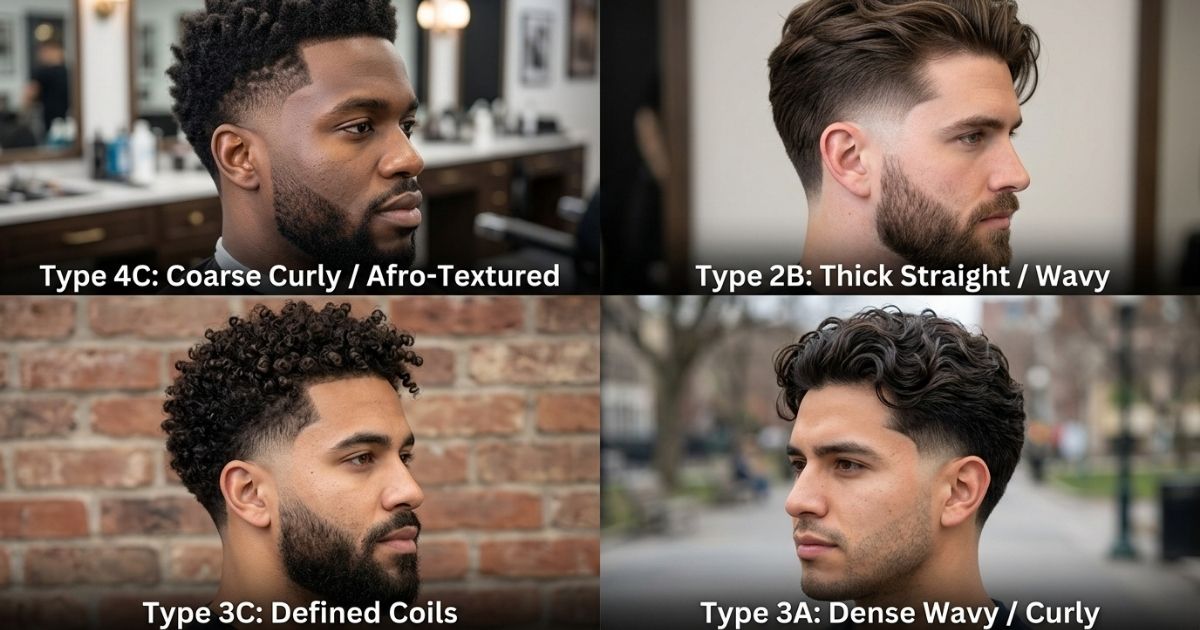
Straight Hair
Straight strands show off the fade’s clean lines better than almost any other texture. Every curve of the burst pattern stays visible, which makes this a favorite pairing with side parts and comb overs.
Wavy Hair
Waves bring natural movement to the top while the taper keeps everything else controlled. It’s a low-effort way to add texture without looking unkempt.
Thick Hair
Thick hair has room to spare. A barber can thin out the bulk while leaving enough volume up top to hold a shape.
Thin Hair
Keeping length where it counts helps thinner hair read as fuller. A lightweight matte product adds texture without weighing strands down.
Curly Hair
Curls become the focal point here. The fade cleans up the sides and neckline while the natural curl pattern stays untouched on top, creating a strong contrast with the rounded burst shape.
Coily Hair
Coily textures hold their shape beautifully against a crisp fade. A skilled barber shapes the sides without flattening the natural pattern up top.
| Hair Type | Recommended Styling Approach |
| Straight | Comb over, slick back, side part |
| Wavy | Natural finish, light texturizing spray |
| Thick | Blowout, pompadour, textured crop |
| Thin | Shorter top, lightweight matte clay |
| Curly | Curl cream, leave-in conditioner |
| Coily | Moisturizing products, minimal manipulation |
Things to Consider Before Getting a Taper Burst Fade
A few honest questions before you sit in the chair will save you a disappointing haircut:
- Do you prefer short hair or something with more length on top?
- How many minutes are you realistically willing to spend styling each morning?
- Are you after a polished, professional finish or something bolder?
- Does facial hair need to blend into the fade?
- Can you commit to trims every two to three weeks?
Your answers give your barber a clear direction instead of a vague “just make it look good.”
20 Best Taper Burst Fade Haircut Ideas
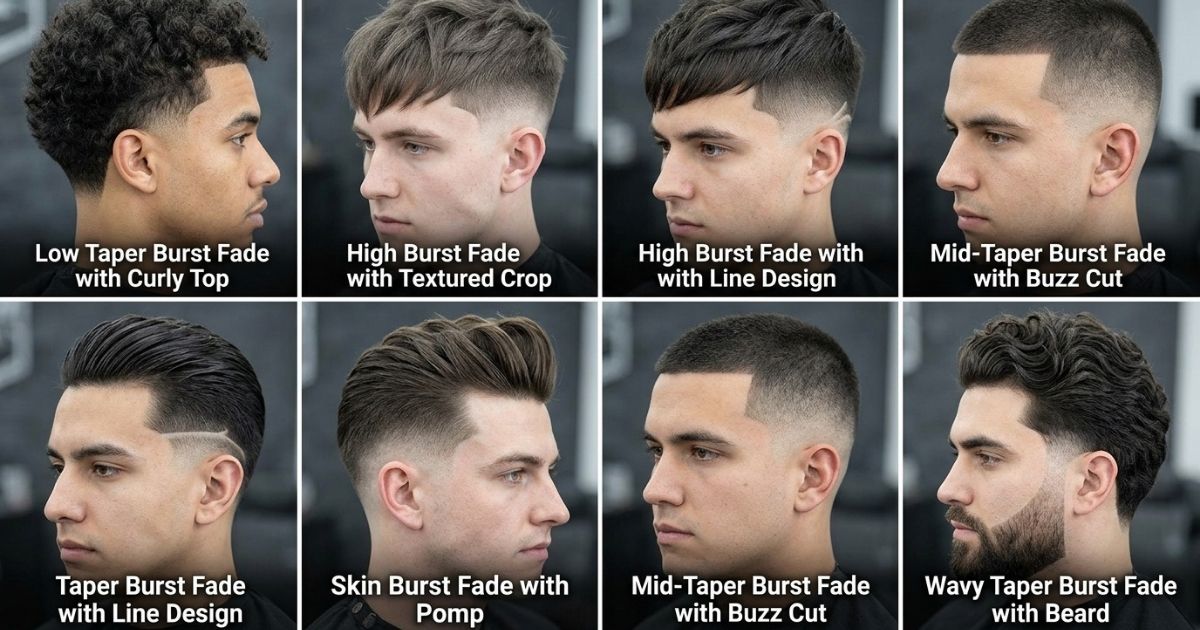
Learn more:Blowout Taper Fade: Best Haircut Styles For Men In 2026
Classic Taper Burst Fade
This is the version that never falls out of style. The fade curves cleanly around the ear, the neckline stays tidy, and the top can go short and textured or slightly longer with a natural finish. It’s a safe, sharp choice for school, work, or anywhere in between.
Low Taper Burst Fade
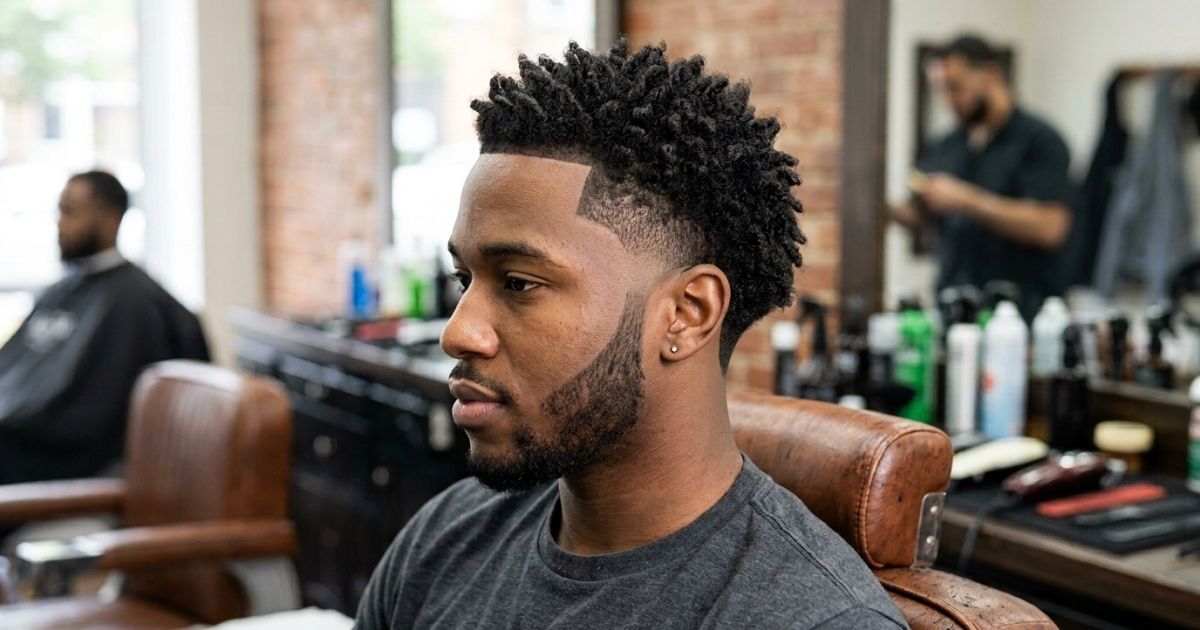
A low taper burst fade starts its fade closer to the ear and neckline, keeping the transition soft rather than dramatic. It’s a favorite for:
- Thick hair
- Wavy hair
- Straight hair
- Office-appropriate looks
You’ll also see this style listed as “burst fade low taper” same cut, different word order.
Mid Taper Burst Fade
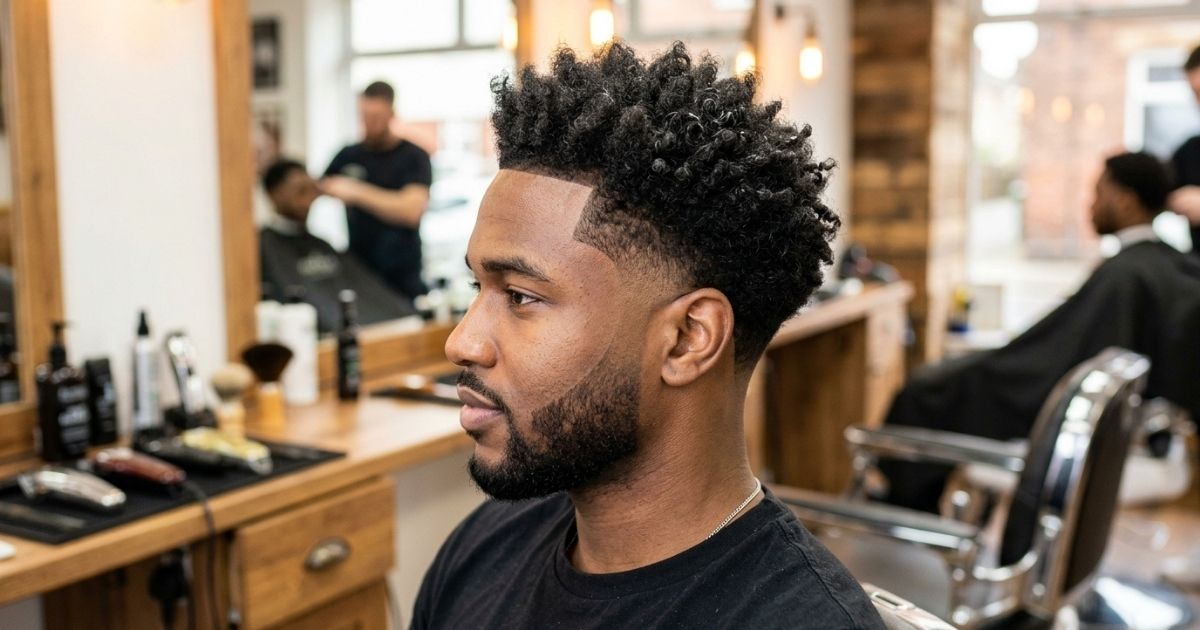
Sitting between low and high, the mid version adds noticeably more contrast while still leaving plenty of hair on the sides. It’s one of the most requested versions because it suits nearly every face shape without leaning too far in either direction.
High Taper Burst Fade
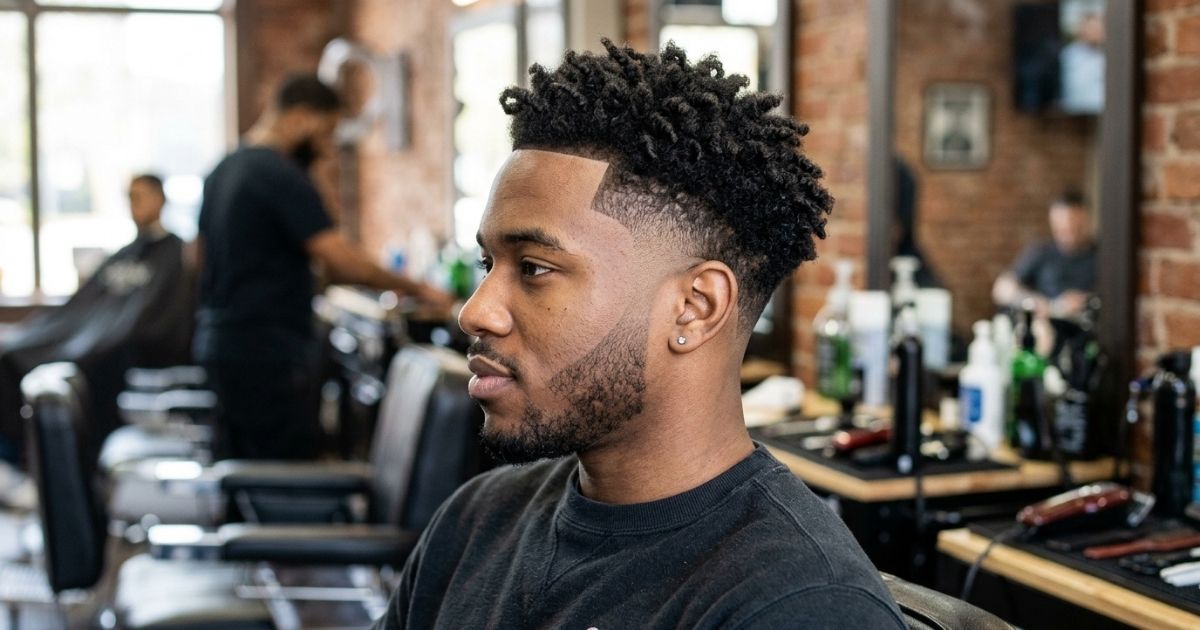
Starting higher on the sides, this variation puts the spotlight on whatever’s happening up top. It pairs especially well with:
- Pompadours
- Quiffs
- Textured crops
- Faux hawks
- Blowouts
Guys with thick hair often pick this one because it trims away bulk while keeping volume up top.
Burst Fade Low Taper
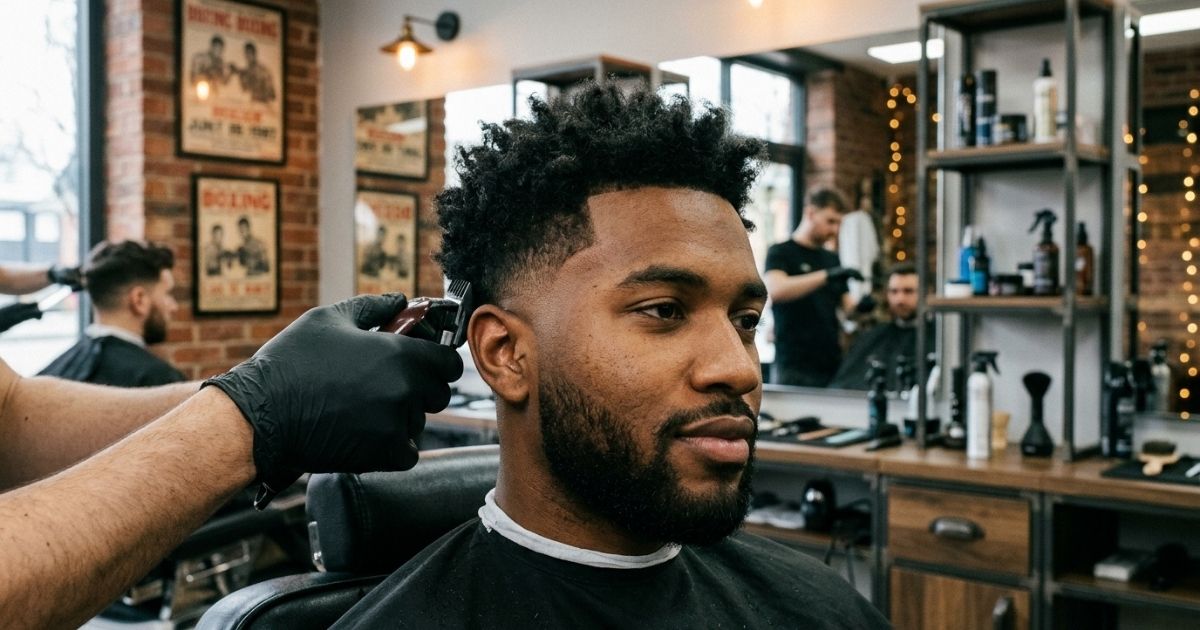
Functionally identical to the low taper burst fade, this naming variation still ranks as a separate search term. The fade curves around the ear while the neckline tapers down naturally, giving a polished finish without removing too much hair.
Taper Burst Fade Curly Hair
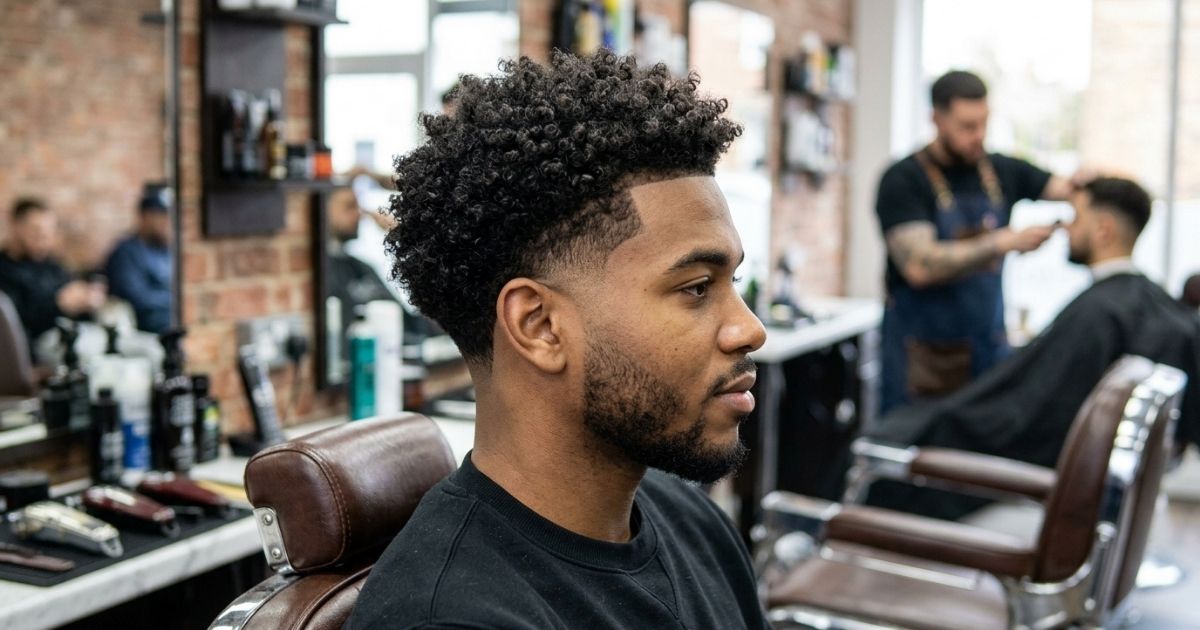
Curls take center stage in this version. The sides stay clean while the ear-framing burst adds definition, letting natural curl pattern do the visual heavy lifting on top. A curl cream or leave-in conditioner keeps frizz down and curls defined.
Taper Burst Fade Straight Hair

Straight strands make the fade’s every curve visible. Popular pairings include:
- Slick back
- Comb over
- Side part
- Textured crop
- Brush up
A matte clay adds texture without any greasy shine.
Burst Fade Medium Hair
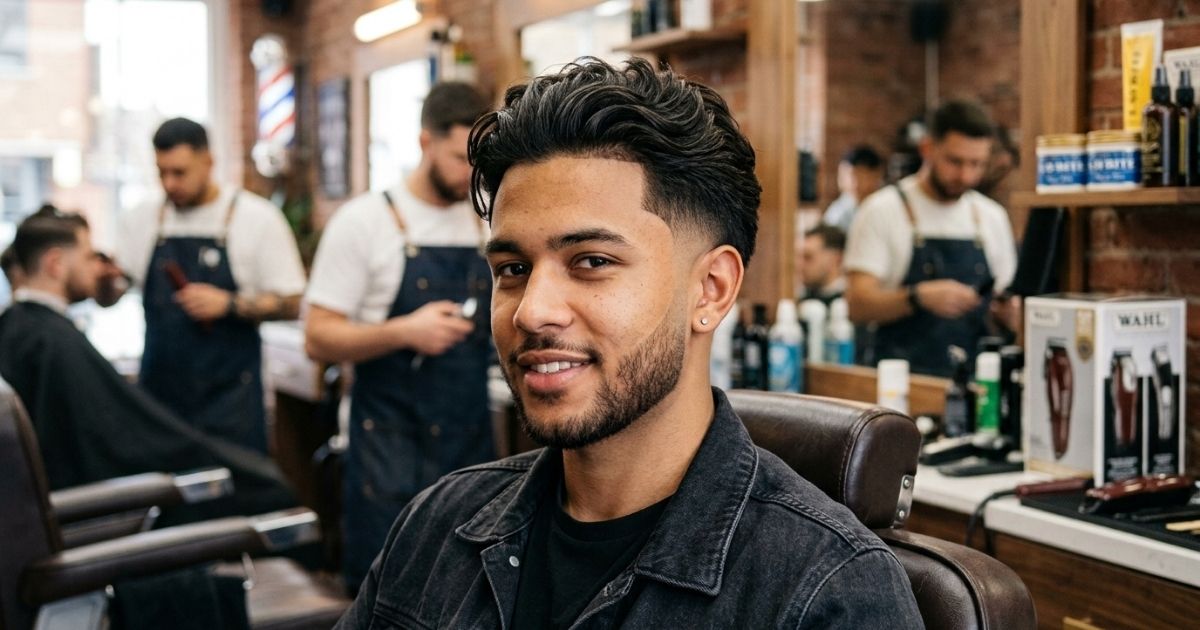
Medium-length top hair gives you room to change your look throughout the week loose one day, textured the next, brushed back for a meeting. It’s the pick for guys who like variety without a full new haircut every time.
Taper Burst Fade Mullet
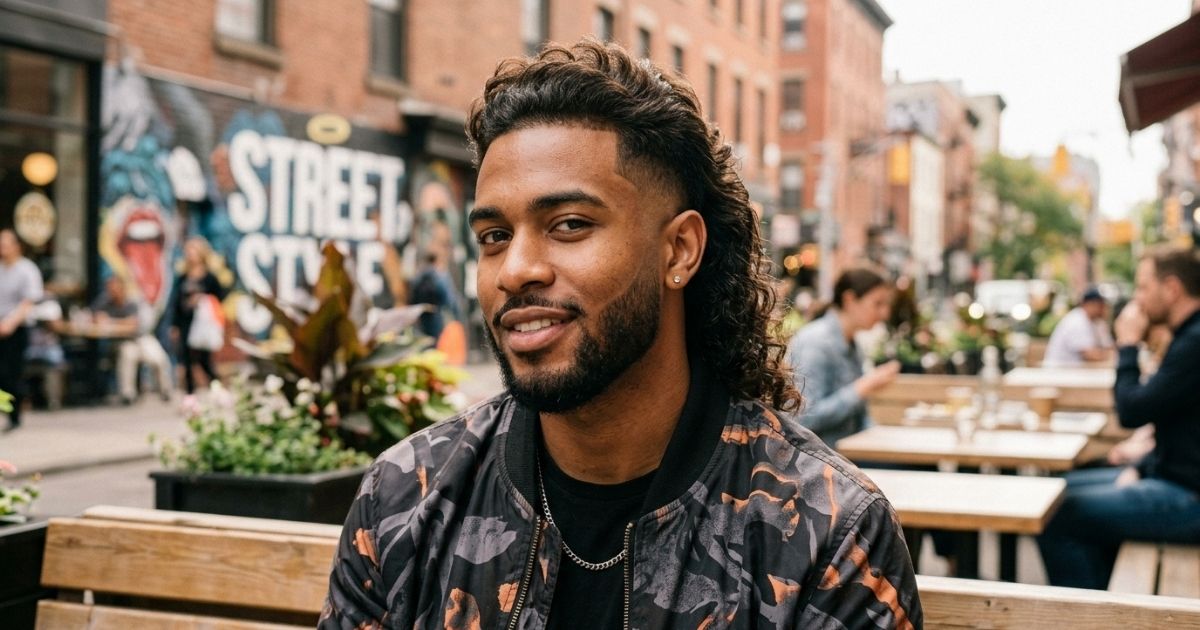
One of the fastest-growing combinations right now. The burst fade blends cleanly around the ears while length is left at the back for that classic mullet silhouette just tidier than the mullets of decades past.
Low Taper Burst Fade Mullet
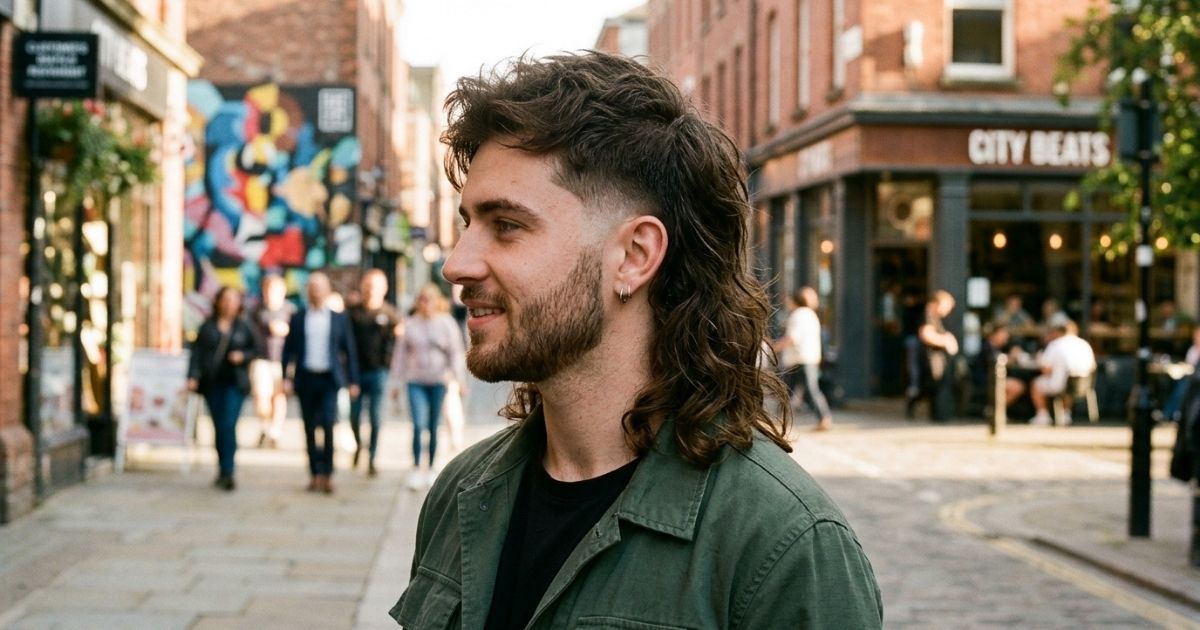
A softer take on the mullet pairing. The low fade keeps the transition gentle while the length at the back still reads clearly as a mullet. Works across straight, wavy, and curly textures.
Mid Taper Burst Fade Mullet
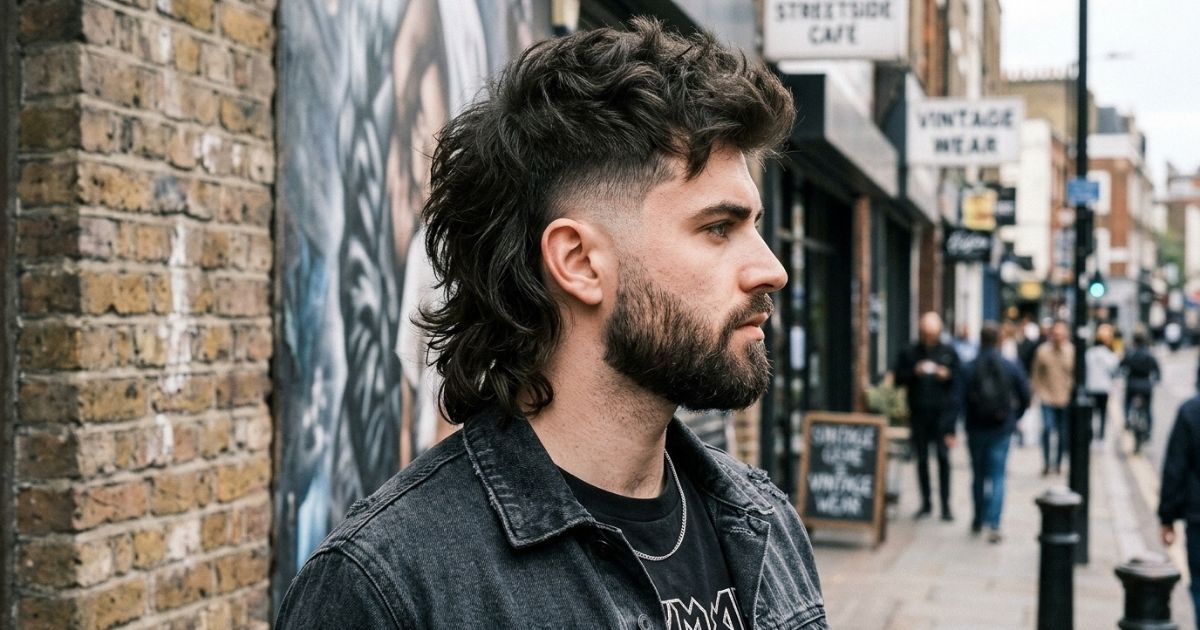
More contrast than the low version, without tipping into a bold, high-fade mullet. A common pick among younger clients who want a modern edge on a retro shape.
Taper Burst Fade with Beard
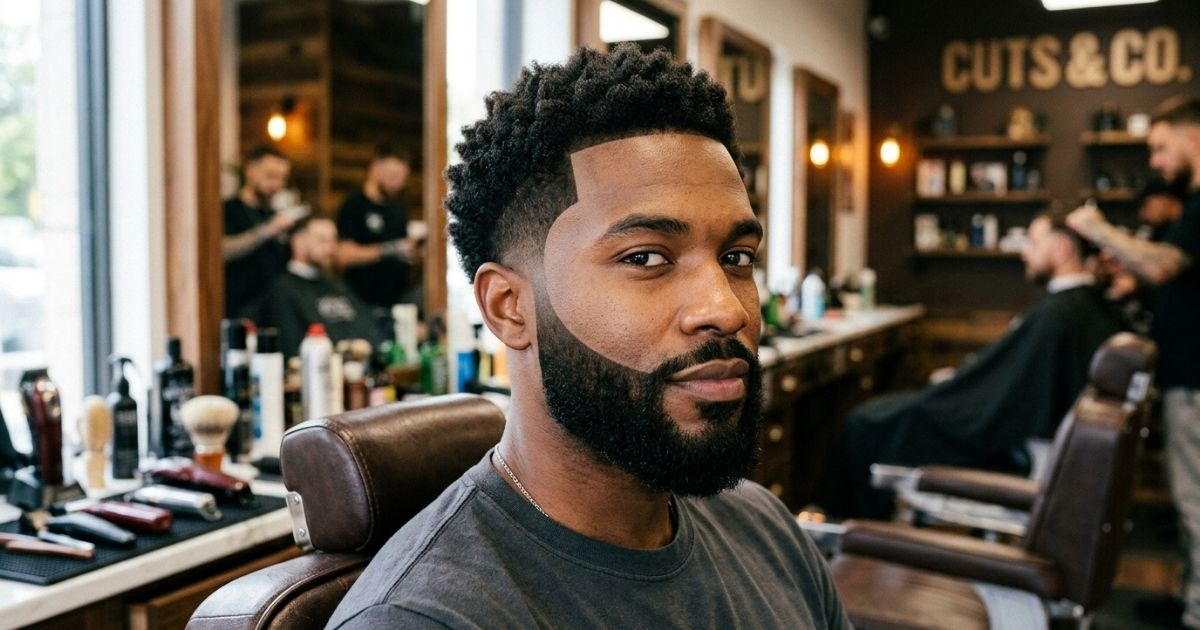
Blending the fade smoothly into a beard rather than leaving a hard line pulls the whole look together. Whether it’s light stubble or a full beard, regular trims keep the transition looking intentional.
Taper Burst Fade Design
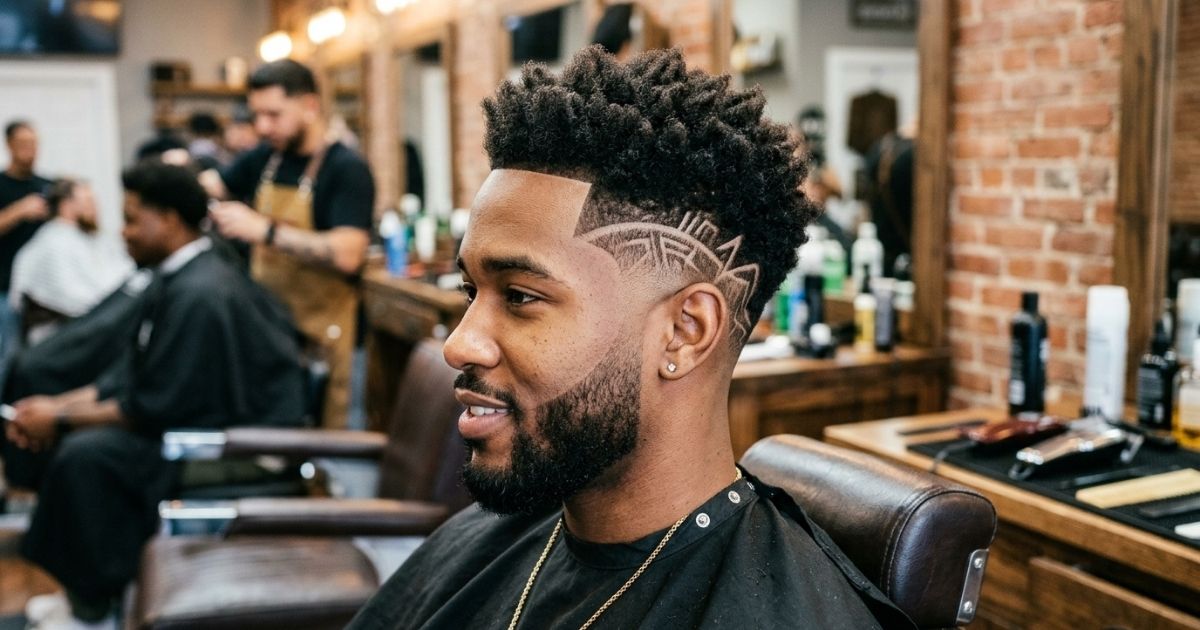
For something more personal, a barber can add a shaved line, pattern, or symbol into the faded section. Simple designs a single line, a curve, a small geometric shape tend to grow out more gracefully than intricate artwork.
Blowout Taper Burst Fade
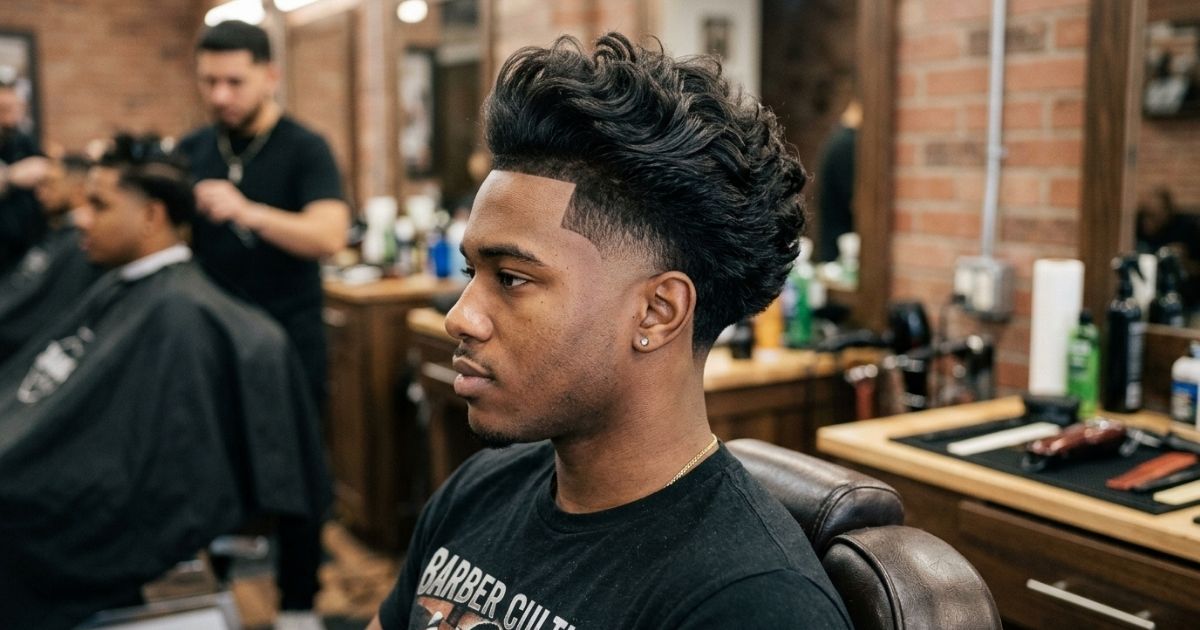
Built around volume, this style lifts hair upward at the front while the fade keeps the sides in check. It works best with thick, medium-length, or wavy hair, and needs a blow dryer plus a volumizing product to hold its shape through the day.
Buzz Cut Taper Burst Fade
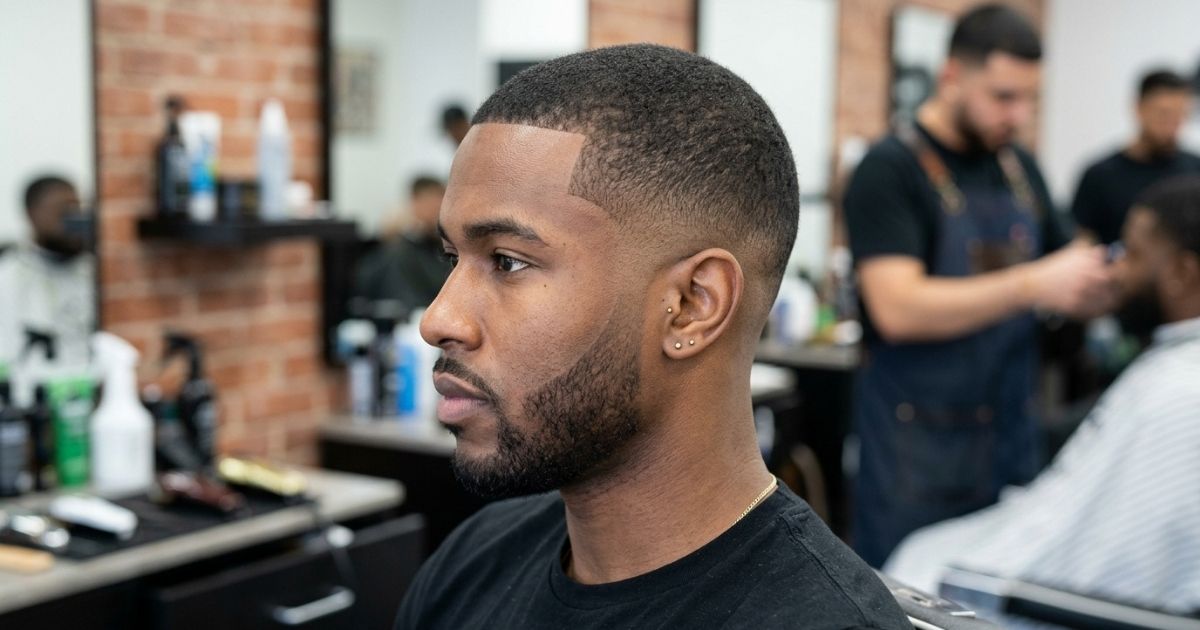
Pairing a buzz cut with this fade adds shape without adding upkeep. It’s about as low-maintenance as fades get, and it holds up especially well through hot months.
French Crop Taper Burst Fade
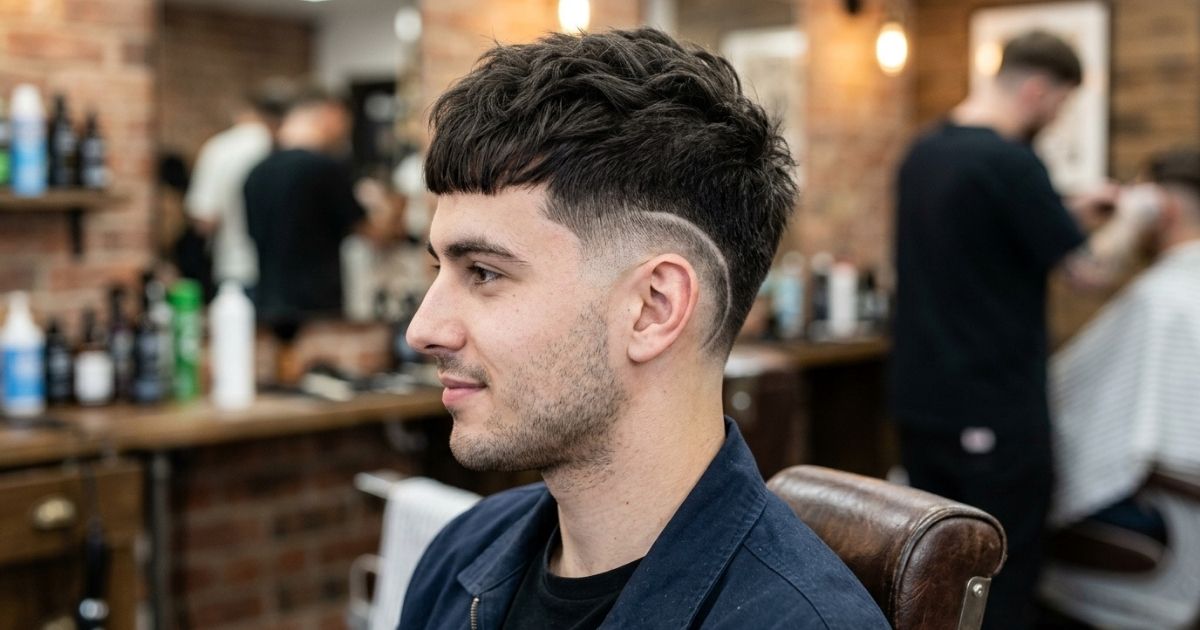
A textured fringe sits across the front while the fade cleans up the sides. Straight and slightly wavy hair both suit this combination, and it’s a practical pick for anyone who prefers shorter hair overall.
Textured Fringe Taper Burst Fade
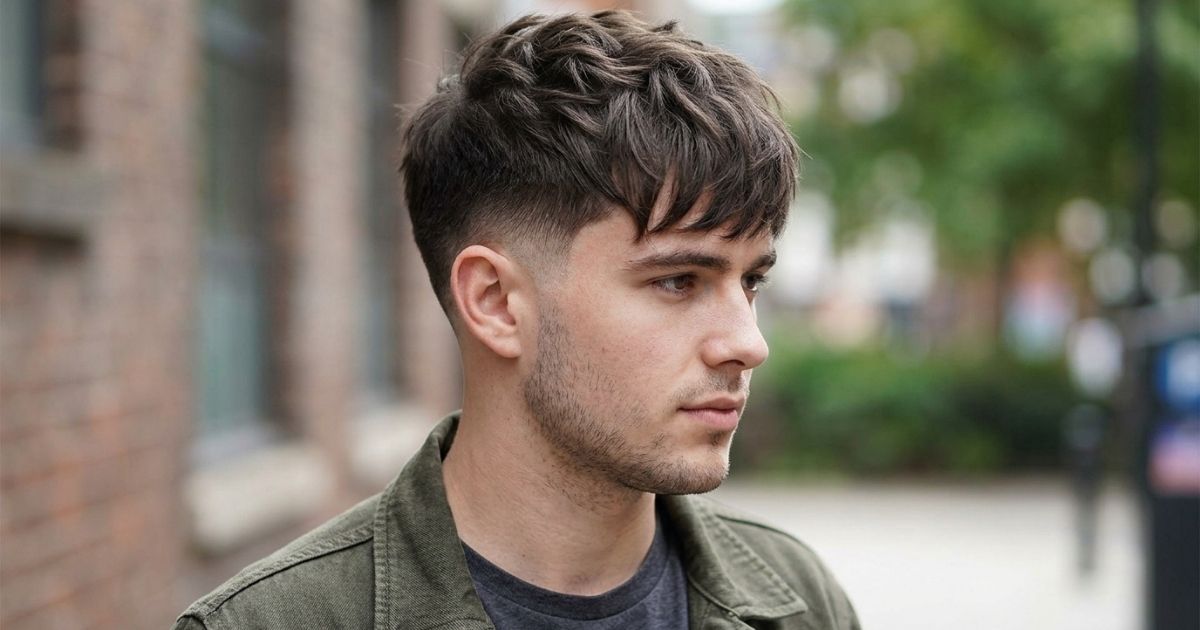
Movement across the forehead balances the structure of the fade underneath. Popular with teens and younger adults, it reads as relaxed rather than messy especially with a texture powder or matte clay to separate strands.
Slick Back Taper Burst Fade
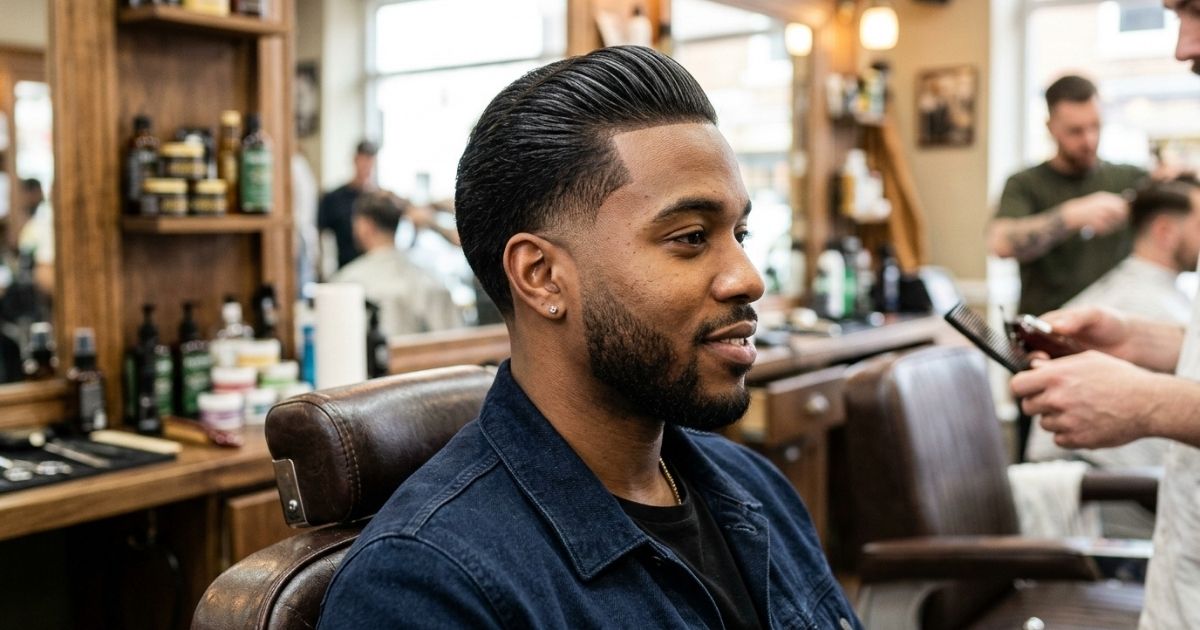
A more polished pairing that suits business settings and formal events. The fade keeps the sides from feeling heavy while a lightweight pomade holds the slicked-back top in place without stiffness.
Comb Over Taper Burst Fade
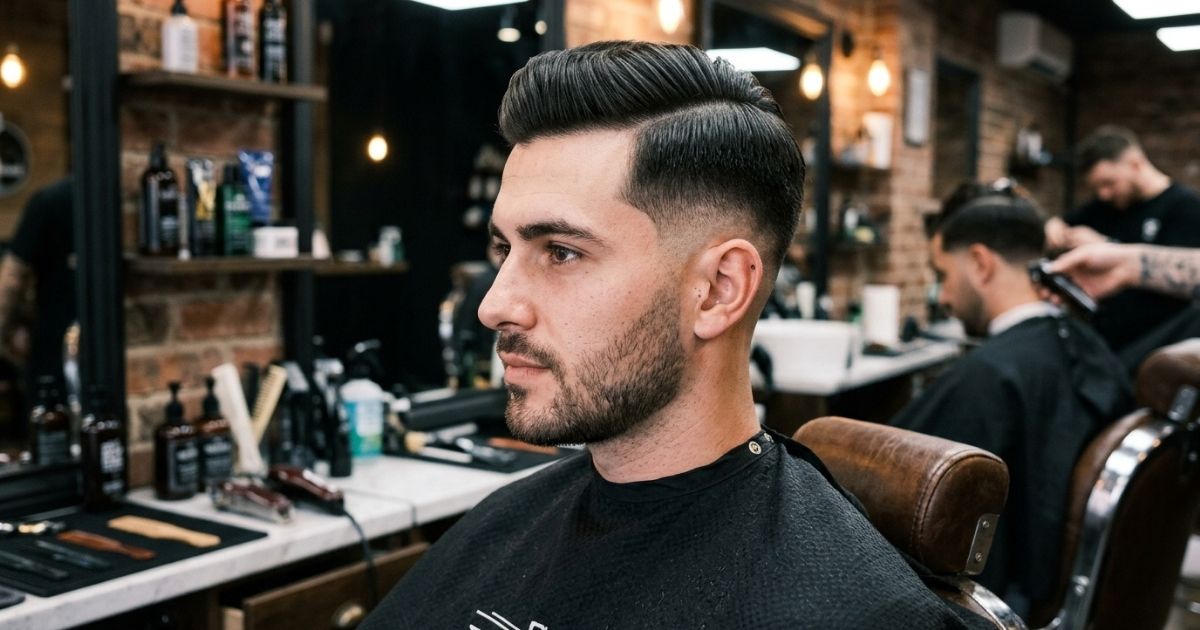
The comb over stays a wardrobe staple for a reason, and this fade modernizes it instantly. It’s a strong option for anyone who needs a haircut that works equally well Monday through the office and Saturday out with friends.
Taper Burst Fade for Black Men
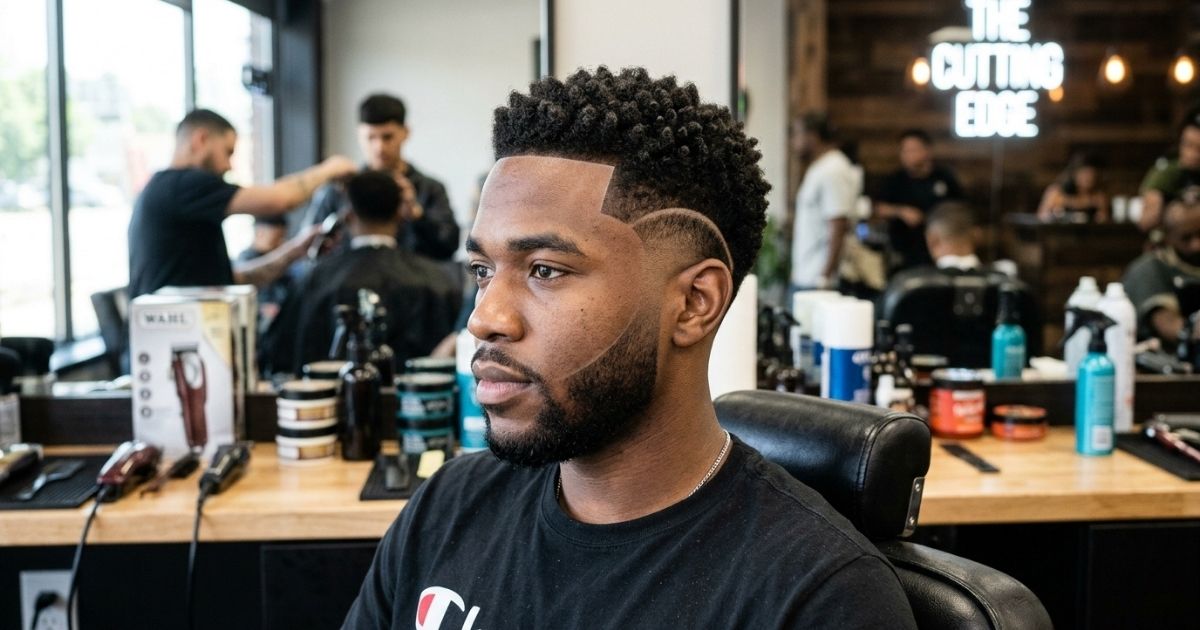
This pairing shines with coily and textured hair, producing sharp edges around the fade while preserving natural volume on top. Common combinations include sponge twists, a short afro, curls, waves, or a high-top shape often finished with a crisp line-up.
How to Choose the Right Taper Burst Fade
Choose Based on Hair Type
- Straight hair: slick backs, comb overs, side parts
- Curly hair: curly top paired with a clean fade
- Thick hair: blowouts, pompadours, textured styles
- Fine hair: shorter textured cuts that create the illusion of volume
Choose Based on Face Shape
- Round faces: more height on top
- Square faces: nearly any fade variation
- Oval faces: the most flexibility of all shapes
- Heart faces: balanced length around the sides
Choose Based on Lifestyle
Keep the top shorter for a genuinely low-maintenance routine. Choose medium length if you enjoy styling and want more options each morning. Whichever direction you pick, trims every two to three weeks keep the fade from growing shapeless.
Taper Burst Fade vs Taper Fade
The shared word “taper” leads to plenty of confusion, but these two cuts don’t look alike once you compare them side by side.
| Feature | Taper Burst Fade | Taper Fade |
| Fade shape | Curves around the ear | Straight line along the neckline and sideburns |
| Overall look | Modern, more eye-catching | Classic, understated |
| Contrast level | Medium to high | Low to medium |
| Best for | Trend-forward styling | Everyday professional wear |
| Styling range | Broad, modern hairstyles | Traditional hairstyles |
Pick the burst version if you want a haircut with a bit more visual interest. Go with the standard taper if subtlety is the priority.
Taper Burst Fade vs Burst Fade
Similar names, different results. A standard burst fade tends to remove more hair around the sides and puts full focus on the curved shape near the ear. A taper burst fade keeps more length near the neckline and sideburns while still adding that same rounded detail.
| Feature | Taper Burst Fade | Burst Fade |
| Neckline | Tapered, gradual | Often faded shorter |
| Sideburns | Natural taper | Stronger fade |
| Overall appearance | Balanced | Bolder, more dramatic |
| Maintenance | Moderate | Slightly higher |
| Professional settings | Excellent fit | Depends on the specific style |
For a first fade, the taper burst version is generally easier to live with and grows out more gracefully.
How to Ask Your Barber for a Taper Burst Fade
Explain the Fade Height
Say clearly whether you want it low, mid, or high this single detail changes the entire look of the haircut.
Choose Your Hairstyle on Top
Decide in advance between options like a textured crop, curly top, mullet, slick back, comb over, blowout, buzz cut, or fringe.
Show a Reference Photo
Even a well-worded description leaves room for interpretation. A photo removes the guesswork for both of you.
Mention Beard Preferences
If you have facial hair, ask specifically for the fade to blend into it otherwise you may end up with a hard, disconnected line.
How to Style a Taper Burst Fade
Wash Your Hair
Start with clean hair and a shampoo suited to your texture. Curly hair often does better with less frequent washing to hold onto natural moisture.
Dry Your Hair
Pat dry with a towel, or use a blow dryer on medium heat while brushing hair into place if you want extra volume.
Apply a Styling Product
Match the product to the style you’re going for:
- Matte clay for natural texture
- Pomade for a smooth, controlled finish
- Styling cream for flexible hold
- Sea salt spray for added texture
- Texture powder for volume without weight
A small amount goes further than most people expect add more only if you actually need it.
Finish the Style
Shape the hair with your hands or a comb. Too much product tends to flatten a style rather than improve it.
Best Hair Products for a Taper Burst Fade
Matte Clay
Best for textured looks that need a natural, non-shiny finish.
Pomade
Suited to slick backs and comb overs that need smooth control.
Styling Cream
Delivers light hold while keeping hair soft and flexible.
Sea Salt Spray
Adds texture and movement, especially on medium-length hair.
Texture Powder
Builds volume at the root without any greasy residue.
Leave-In Conditioner
A strong pick for curly and coily hair, since it keeps strands hydrated and easier to manage.
Maintenance Tips
Get Regular Trims
A visit every two to three weeks keeps the fade from losing its shape.
Wash and Condition Your Hair
Healthy hair styles better. Stick with products matched to your texture.
Keep the Neckline Clean
Hair around the neckline grows in fast tidying it between barber visits keeps the whole cut looking fresh.
Moisturize Curly Hair
Curly and coily strands need extra hydration. A leave-in conditioner helps cut down on dryness and frizz.
Avoid Too Much Product
Buildup weighs hair down and makes it harder to style, not easier.
Common Mistakes to Avoid
Choosing the Wrong Fade Height
Not every fade height flatters every face shape ask your barber’s opinion if you’re unsure.
Ignoring Your Hair Texture
Work with what your hair naturally does instead of picking a style that fights it every morning.
Waiting Too Long Between Haircuts
A fade grown out too far stops looking intentional and starts looking unkempt.
Using Too Much Product
More product doesn’t mean better hold it usually just means greasy, stiff-looking hair.
Not Showing Your Barber a Picture
Skipping the reference photo is one of the easiest ways to end up with a haircut you didn’t actually ask for.
Pros and Cons of a Taper Burst Fade
Pros
- Works across nearly every hair type
- Suits both short and medium top lengths
- Reads as clean and current, not extreme
- Easy to personalize with different top styles
- Pairs naturally with a beard
- Grows out more gracefully than a skin fade
- Appropriate for work, school, and casual settings
Cons
- Needs a trim every two to three weeks to stay sharp
- Some top styles require daily styling effort
- Results depend heavily on finding a barber who can execute the curve cleanly
The taper burst fade earns its popularity honestly it adapts to nearly any hair type, face shape, and lifestyle without forcing you to compromise on a polished look. Whether you land on a low, mid, or high version, the balance between the rounded burst and the soft taper keeps this cut looking sharp from every angle.
Getting the best results comes down to two things: picking a version that fits your hair and face shape, and finding a barber who can execute the curve cleanly. Bring a reference photo, name your fade height, and keep up with trims. Do that, and this cut stays reliable all through 2026.
FAQ’S
What is a burst taper?
A burst taper blends a curved, sunburst-shaped fade around the ear with a gradual taper along the neckline, creating a clean look that grows out naturally over time.
Is a burst taper good for curly hair?
Yes, curly hair works beautifully with a burst taper. The rounded fade highlights natural curl texture while keeping the sides sharp, neat, and easy to manage daily.
How often should I get a burst taper trimmed?
Most barbers recommend a trim every two to three weeks. This keeps the fade crisp and prevents the taper from growing out into an uneven, shapeless line.
Can a burst taper work with a beard?
Absolutely. Blending the fade smoothly into your beard creates a seamless transition, giving your whole look a polished, intentional finish instead of a harsh visible line.
What’s the difference between a burst taper and a skin fade?
A burst taper keeps more natural hair on the sides, while a skin fade shaves closer to the scalp for sharper, more dramatic contrast overall.
Conclusion
The burst taper is a great choice for men in 2026. It looks clean. It looks modern. A burst taper works with almost any hair type. It suits curly hair, straight hair, and thick hair too. This cut fits many face shapes as well. You can wear a burst taper to work or school. It also looks great for casual days out.
Getting a burst taper is easy once you know what to ask for. Show your barber a photo. Pick your fade height. Keep up with regular trims. A burst taper stays sharp with the right care. Try a burst taper today for a fresh, modern look.