
A low taper mullet gives you short, tidy sides up front and a longer, freer back that does its own thing. That contrast is the whole point, and it’s why barbers keep getting requests for it week after week. You get an edge without looking like you tried too hard.
This guide walks through what the cut actually is, which version fits your face and hair type, and fifteen ways to wear it in 2026. You’ll also get simple styling steps, exact wording to use in the chair, and a maintenance plan that keeps the shape sharp between visits.
What Is a Low Taper Mullet
A low taper mullet places the fade line right around the ear instead of higher up near the temple. The sides shrink gradually rather than dropping off sharply, so the whole look reads soft and controlled up close.
The back tells a different story. It stays long and layered, picking up where the taper leaves off and flowing past the nape in a way that feels loose and a little rebellious. Put the two together and you get a cut that’s quiet at the front and expressive at the back.
Key traits worth knowing before you sit in the chair:
- Low placement: the taper starts near the ear, not the temple, which keeps the sides looking subtle
- Gradual blend: length drops in stages instead of one hard line
- Long, layered back: usually falling somewhere between the nape and the collar
- Textured crown: most versions add movement on top so the cut doesn’t look flat
It’s really the older mullet’s more disciplined cousin. Same rebellious back, far cleaner front.
Face Shape and Hair Type Guide
Not every mullet variation flatters every face or hair texture the same way. Use this table as a starting point, then let your barber fine-tune the details once they see your hairline and growth pattern in person.
| Face Shape / Hair Type | Suggested Variation | Why It Fits |
| Round face | High taper mullet or mid taper mullet | Extra height near the temple adds length and breaks up roundness |
| Square face | Baseline low taper mullet | A gentle taper softens strong jaw angles instead of sharpening them |
| Oval face | Almost any variation | Balanced proportions handle both bold and subtle tapers well |
| Long face | Tapered mullet with a fringe | A soft fringe shortens the face visually and adds width up top |
| Fine or thin hair | Textured crown, shorter back | Layers create the illusion of density without extra bulk |
| Thick or coarse hair | Taper mullet fade | Removing weight on the sides keeps the shape from looking bulky |
| Curly hair | Low taper mullet curly hair | Shorter sides control volume while the curl pattern stays intact |
| Wavy hair | Low taper mullet wavy hair | Light layering lets natural wave move without frizzing out |
| Straight hair | Low taper mullet straight hair | Deliberate back layering stops straight strands from sitting flat |
Bring two or three reference photos to your appointment. Barbers work faster and more accurately when they can see the target instead of guessing from a description alone.
Variations
Fifteen ways to wear a low taper mullet in 2026, ranging from barely-there to full statement piece. Pick based on your hair type, your workplace, and how much attention you actually want the back of your head to get.
1) Low Taper Mullet (Baseline)
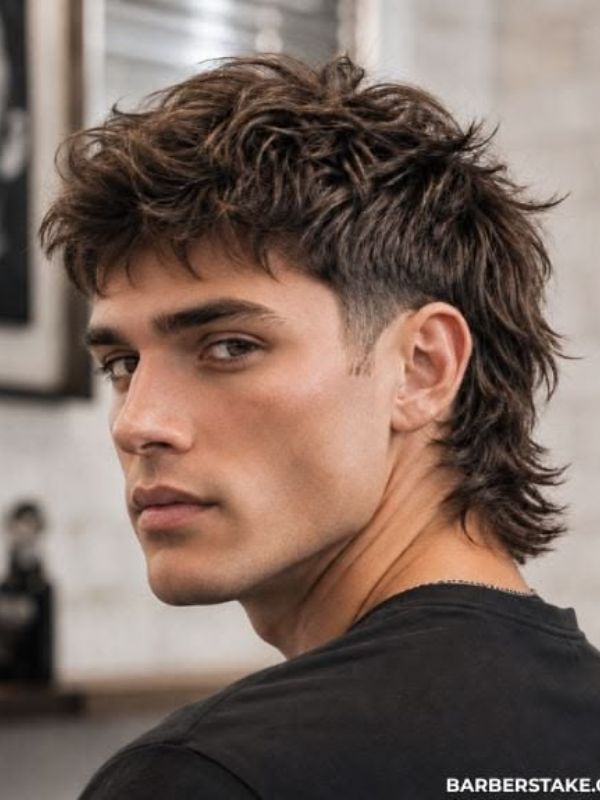
This is the entry point for anyone new to the style. Sides taper gently from the ear down, the crown carries light texture, and the back sits around collar length without any dramatic layering underneath it.
It’s forgiving for a first attempt because there’s nothing extreme to grow out badly. A dab of clay and thirty seconds of finger-styling is usually all it needs on a normal day.
2) Low Taper Mullet Fade
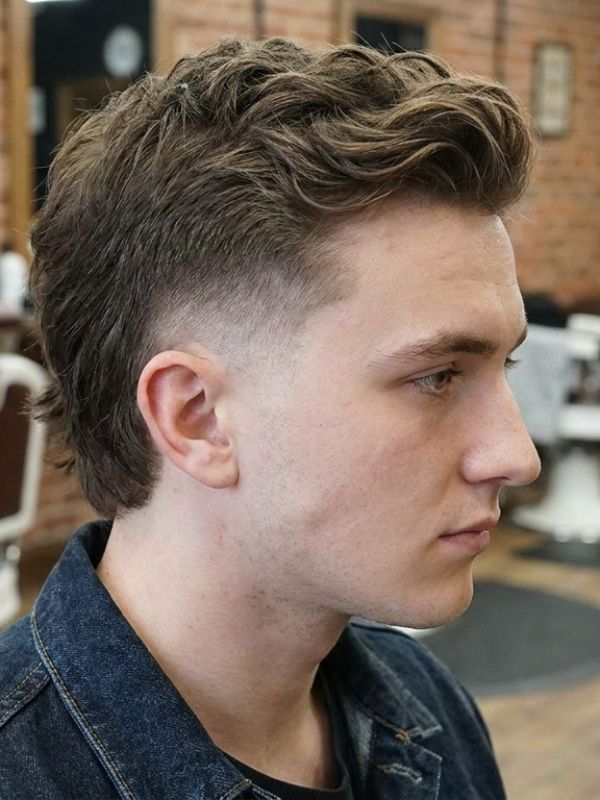
Swap the soft blend for a sharper one and you get this version. The line between short and long snaps into focus instead of melting together, which gives the whole cut more visible definition.
Guys who wear helmets, hats, or headphones all day tend to prefer this one. The crisp fade line bounces back into shape faster once you take the hat off, unlike softer tapers that can flatten.
3) Low Taper Mullet Straight Hair
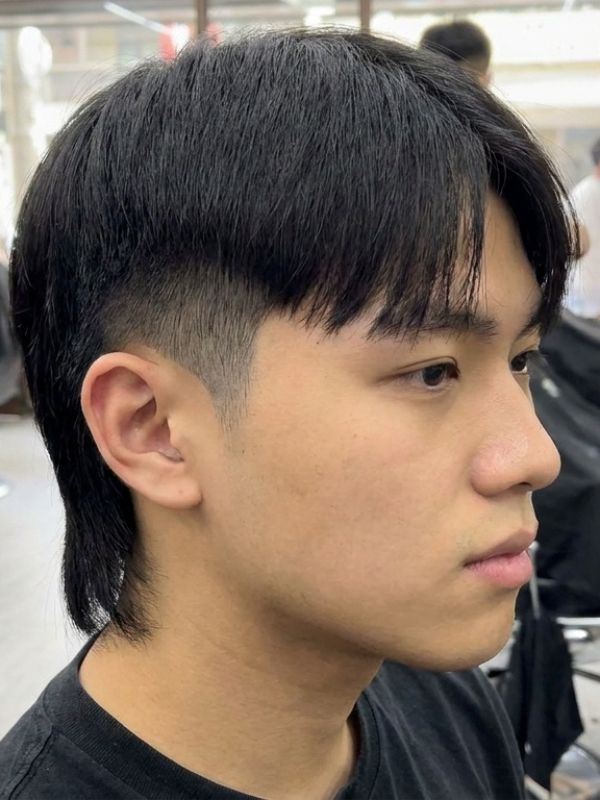
Straight strands can clump at the back and look like a single flat panel if the layers aren’t cut with intention. This version leans on internal layering through the back to break that panel up.
The payoff is a shape that holds without much product. A quick pass with a flat brush and a light texturizing spray in the morning keeps everything moving the way it should.
4) Low Taper Mullet Curly Hair
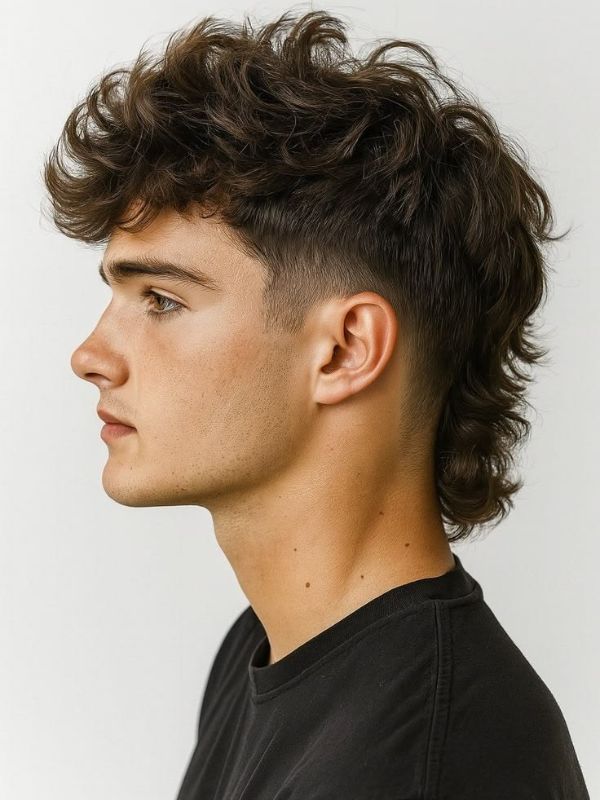
Curls need room to breathe, but too much length on the sides turns into an uncontrolled halo fast. Trimming the sides down while leaving the back looser lets the curl pattern show off properly.
A curl cream applied while hair is still damp, then air-dried or diffused on low heat, keeps definition without weighing the curls down. The back stays springy while the front stays sharp.
5) Low Taper Mullet Wavy Hair
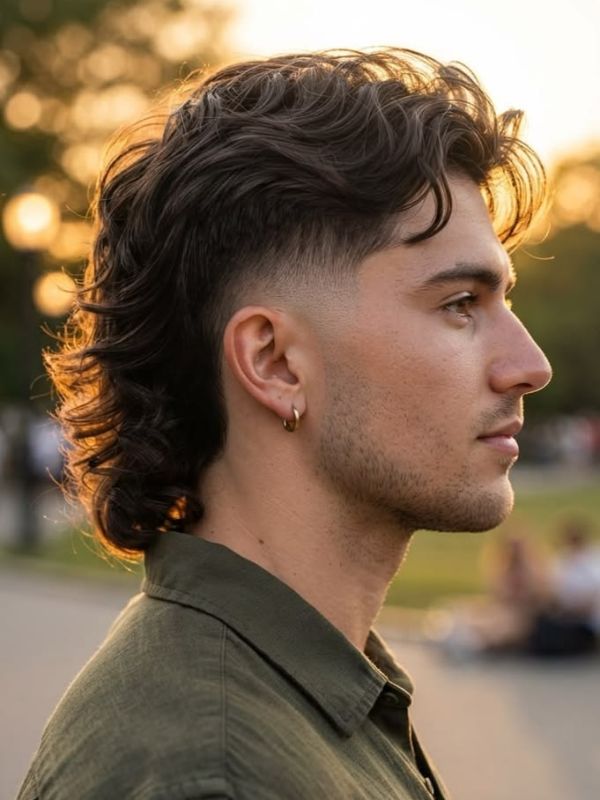
Waves are unpredictable they can look effortlessly cool or messy depending on how the layers are cut underneath. Light, staggered layers through the back give waves a place to settle instead of tangling.
Air-dry when you can, since heat tools tend to loosen wave pattern over time. A small amount of texturizing cream scrunched through damp hair usually does more work than any styling tool.
6) Modern Mullet Taper Fade
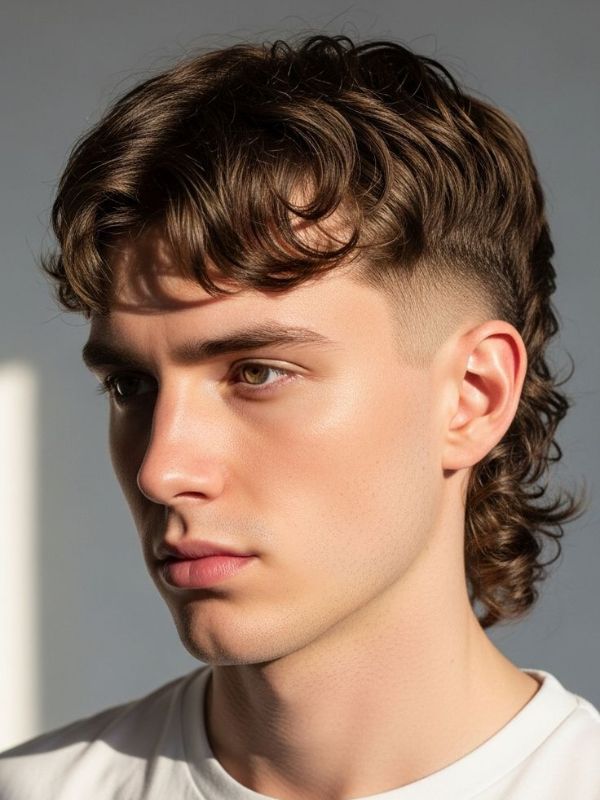
This is the version most likely to pass in an office without a second glance. The blend stays clean, the top carries enough length to shape a few different ways, and the back never gets excessive.
It reads as a normal, well-groomed haircut from the front. The personality only shows once someone catches the back view, which is exactly the appeal for people who want subtlety with a payoff.
7) Taper Mullet Fade
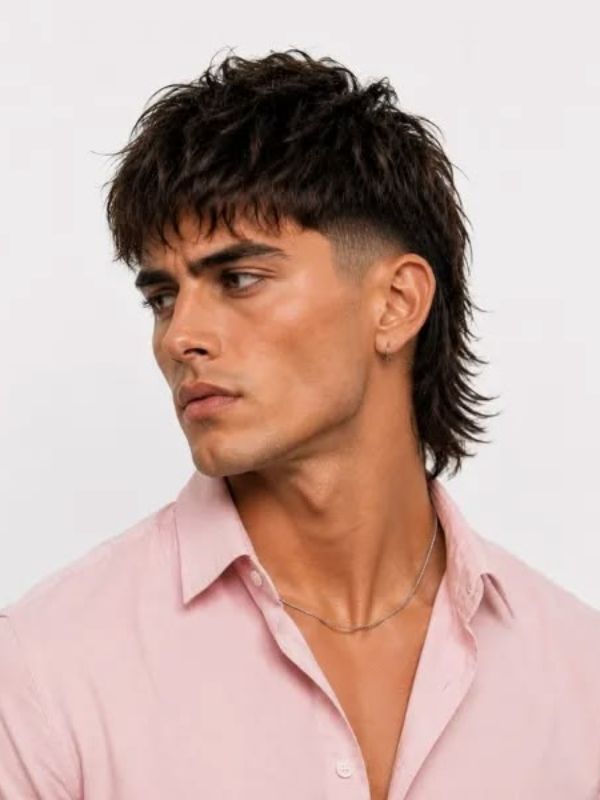
Here the taper cuts in a bit more aggressively than the baseline, trimming closer to the skin near the ear before blending upward. That extra contrast slims the sides visually, which suits fuller face shapes well.
Ask your barber to keep the back layers soft rather than blunt. Soft layers move naturally when you walk or turn your head, instead of sitting stiff like a single chopped-off length.
Learn more:15 Kids Mullet Haircuts Your Child Will Love 2026
8) Mid Taper Mullet
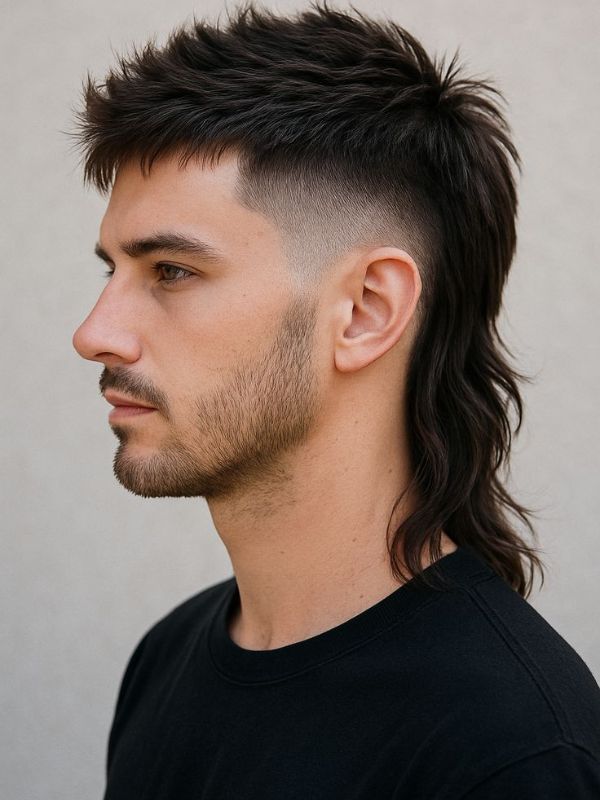
Raising the taper line slightly, so it sits between the ear and the temple, shifts the whole balance of the cut. The sides look leaner and the silhouette gains a touch of extra height near the crown.
That added height works especially well for rounder face shapes needing more visual length. The back stays at a medium length, so the overall proportions never tip too far in either direction.
9) High Taper Mullet
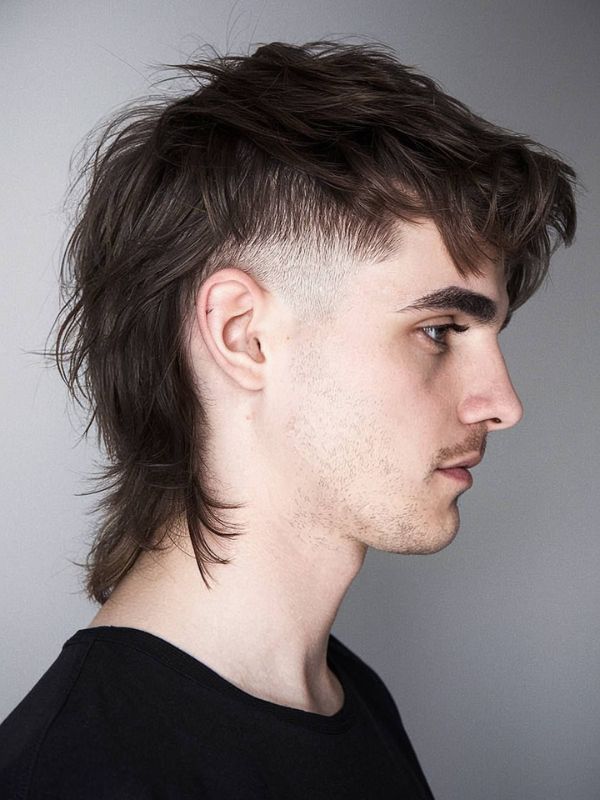
Moving the taper up near the temple creates the boldest contrast on this list, short of a full skin fade. It’s a statement cut, and it photographs well thanks to the sharp line running along the side.
Thick or heavy hair benefits most from this treatment since the higher taper strips away bulk efficiently. Keep the back layered and loose so it doesn’t feel top-heavy against the tighter sides.
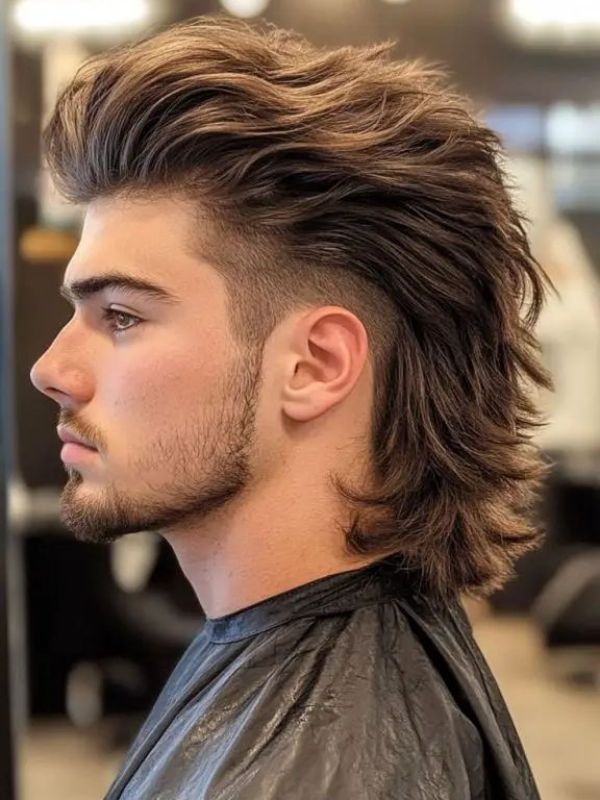
10) Tapered Mullet
\
Everything about this version stays understated. The taper fades slowly, the crown holds only light texture, and the back rests just past the collar without pushing into dramatic length.
It’s the safest option for stricter workplaces that still want a mullet on some level. It also grows out gracefully, meaning the shape holds its structure even a few weeks past your last trim.
11) Short Low Taper Mullet
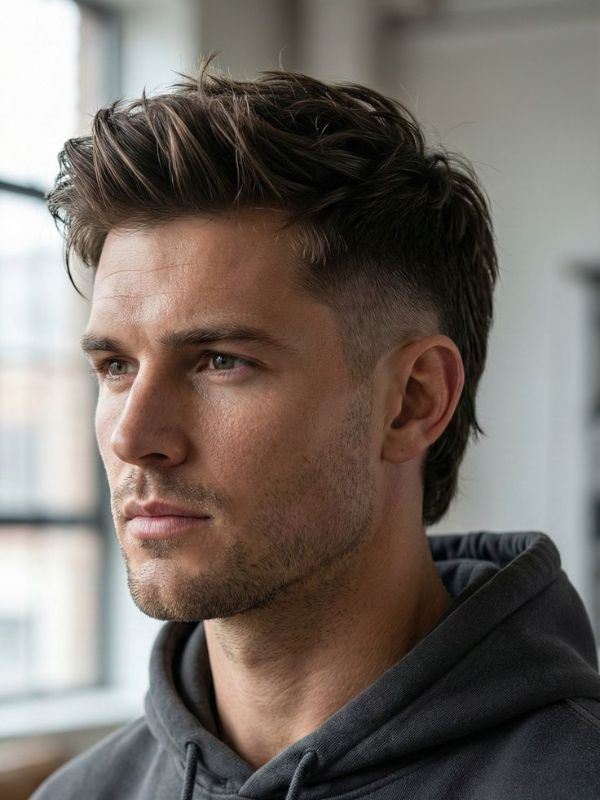
For anyone wanting the idea of a mullet without much commitment, this trims the back down to a modest length while keeping the taper neat and the crown textured. It reads more like a stylish short cut with a subtle nod to mullet shape than a full statement.
Because the proportions stay compact, you can stretch time between barber visits longer than most other versions on this list.
12) Low Taper Mullet Middle Part
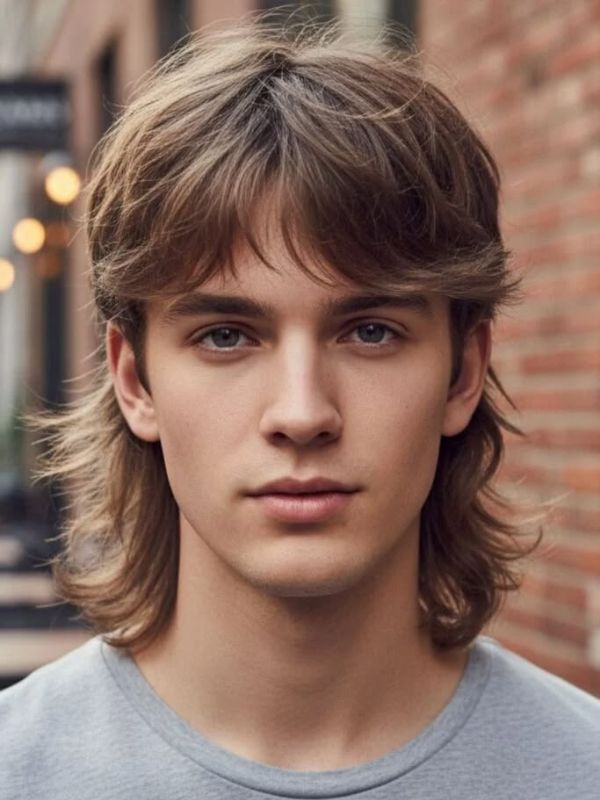
A center part divides the top evenly, letting both sides fall in a soft, symmetrical curtain. It suits straight or gently wavy hair best, since the part holds its shape without extra effort.
Ask for even layering on both sides of the part so neither side falls unevenly. This variation pairs naturally with a relaxed, casual wardrobe rather than sharper tailored looks.
13) Low Taper Mullet Flow
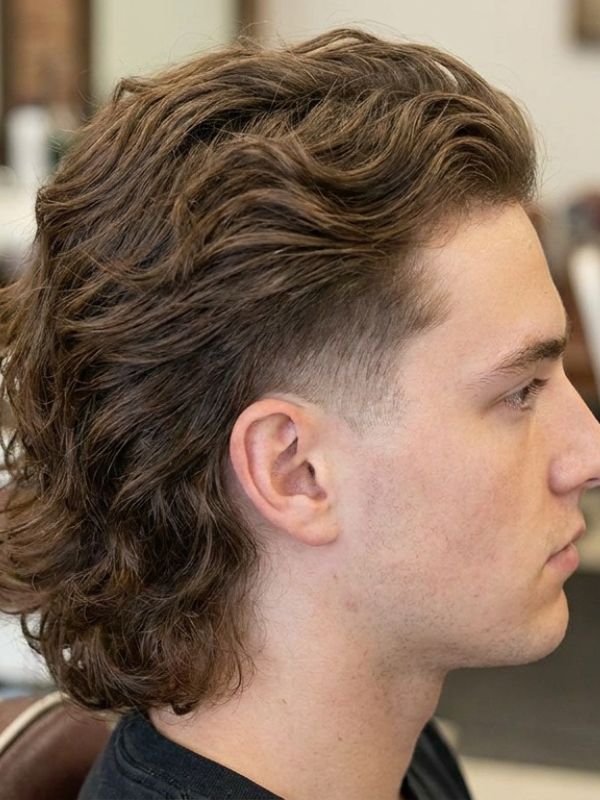
Movement is the whole idea here. The back gets layered specifically so hair shifts and glides as you walk, rather than sitting in one rigid shape all day.
A lightweight sea salt spray applied to damp hair adds texture and grip without stiffness. Guys who don’t want a fussy routine but still want visible shape tend to gravitate toward this one.
14) Men’s Low Taper Mullet
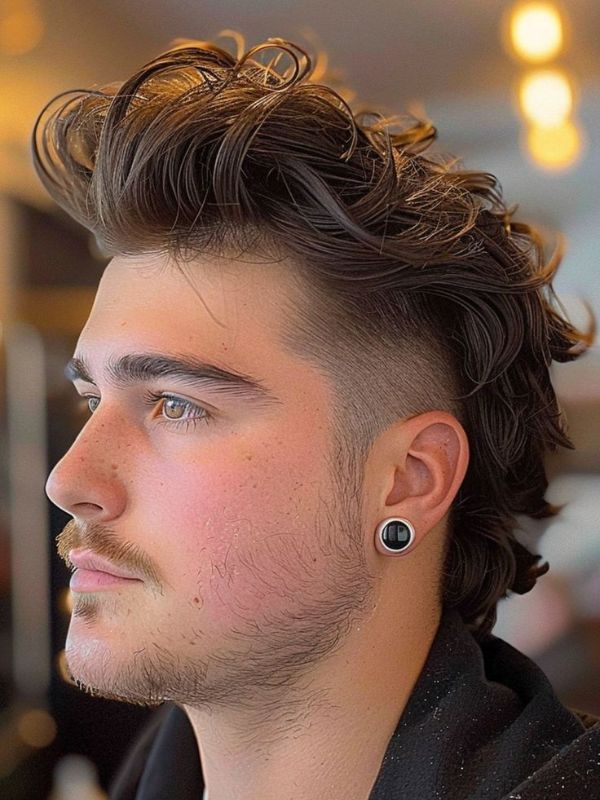
A general-purpose version built for versatility rather than a specific look. The neckline stays crisp, the blend stays smooth, and the back holds a medium length that works under jackets or plain t-shirts alike.
For thicker hair, ask your barber to thin the back slightly. For finer hair, keeping the back a touch shorter helps it hold shape without extra product weighing it down.
15) Low Taper Mullet Fade for Wavy, Curly, Straight

Rather than locking into one texture-specific approach, this version adjusts the technique to whatever you’re working with. Straight hair gets extra internal layers, curly hair gets light thinning, and wavy hair gets a gentler touch overall.
It’s the most adaptable pick on this list, and the easiest one for a new barber to customize quickly if you bring a clear reference photo and describe your natural texture honestly.
How to Style in Three Steps
You don’t need a full counter of products to keep a low taper mullet looking sharp. Three steps, a few minutes, and one or two lightweight products cover almost every version above.
- Prep damp hair. Towel-dry until hair is damp rather than dripping, then work a lightweight sea salt or texturizing spray through from roots to ends for grip and body.
- Dry with direction. Blow-dry on low or medium heat while guiding the hair with your fingers or a vent brush, pushing the crown up and letting the back fall naturally.
- Finish and set. Once hair is roughly 80% dry, smooth a small amount of matte clay or pomade through the top and lightly through the back to lock the shape in place.
The whole routine rarely takes longer than five minutes, whether your hair is straight, wavy, or curly.
Barber Instructions
Walking into a barbershop with the right words saves you from a haircut that misses the mark. Bring at least one photo, since verbal descriptions of taper height vary wildly from barber to barber.
Try language like this when you sit down:
- “I want a low taper mullet, blending gently around the ear, with the back left long and layered.”
- “Keep the top around [your preferred length] and let the back fall near the collar.”
- “For contrast, go with a taper mullet fade instead of a soft blend.”
- “My hair is thick, so please thin out the back a bit so it doesn’t sit heavy.”
- “My hair is fine, so keep the back slightly shorter and add texture on top.”
Naming the exact taper height low, mid, or high removes almost all the guesswork for your barber.
| Taper Height | Placement | Contrast Level | Best For |
| Low taper | Around the ear | Subtle | Office settings, first-time mullet wearers |
| Mid taper | Between ear and temple | Moderate | Round faces wanting extra height |
| High taper | Near the temple | Bold | Thick hair, statement looks |
Care and Upkeep
Trim frequency depends on which variation you’re wearing and how sharp you want the taper to stay. Most versions hold their shape well for four to six weeks before the blend starts softening too much.
| Cut Style | Recommended Trim Frequency | Notes |
| Baseline or tapered mullet | 5–6 weeks | Grows out gracefully, forgiving on timing |
| Fade versions | 3–4 weeks | Fades soften fastest and need more frequent upkeep |
| Short low taper mullet | 6–8 weeks | Compact proportions stretch further between visits |
Beyond trims, a few habits keep the cut looking fresh:
- Wash two to three times a week, conditioning the back and ends every time to prevent dryness
- Add a deep conditioner weekly if the longer back starts feeling brittle or frizzy
- Sleep on a satin or silk pillowcase to cut down on overnight friction and breakage
- Clean up the neckline and around the ears with a trimmer between full appointments
Ask for a rounded or gently tapered neckline rather than a squared one. Squared necklines grow out fast and start looking messy within two weeks, while rounded shapes hold clean lines much longer.
FAQ’S
What makes a low taper mullet different from a regular mullet?
The taper keeps the sides short and gradual instead of bulky, while the back keeps the classic long, layered mullet shape.
Is a low taper mullet appropriate for work?
Yes, especially the baseline or tapered versions. The front looks clean and structured even though the back carries more length.
How long does it take to grow into a full mullet shape?
Most people see a workable shape within three to four months, depending on how fast their hair grows naturally.
Can fine hair handle a mullet without looking thin?
Yes. Keeping the back shorter and adding texture on top usually creates enough visual density to avoid a flat, thin look.
Do I need a fade or is a taper enough?
A taper is enough for most people. Choose a fade only if you want sharper, more visible contrast along the sides.
Conclusion
The low taper mullet earns its popularity by refusing to be just one thing. It’s sharp enough for a client meeting and loose enough for a weekend out, and it adapts to straight, wavy, and curly hair without losing its shape or character.
Pick a variation that matches your face shape and lifestyle, bring a clear reference photo to your next appointment, and stay on top of trims every four to six weeks. Do that, and this cut keeps paying off long after the first haircut.