
Growing your hair out doesn’t mean giving up a sharp, put-together look. A long hair taper fade lets you keep length on top while the sides and back stay neatly blended, so the cut works just as well at the office as it does on a night out.
This guide breaks down every popular variation, from mid and high tapers to curly, straight, and wavy versions. You’ll also find styling tips, product picks, and simple advice on how to explain the cut to your barber so you leave the chair with exactly the look you wanted.
What Is a Long Hair Taper Fade?
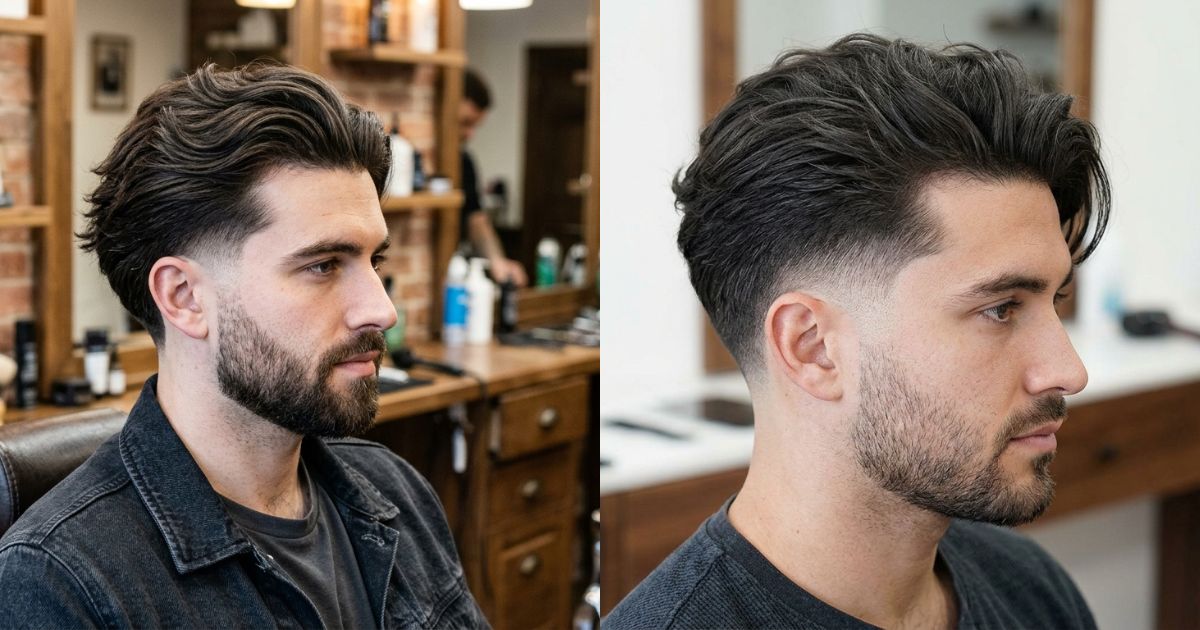
A long hair taper fade keeps generous length on top while gradually shortening the hair around the temples, ears, and neckline. Instead of a hard shave line, the sides blend softly into the longer top section, so the transition looks smooth rather than abrupt.
Barbers usually leave the crown at medium to shoulder length, then taper the perimeter downward in stages. That gradual blend is what separates this cut from a standard fade it removes bulk without sacrificing the length you’ve worked to grow.
Because the sides stay soft, this style adapts to almost any finish:
- Slicked back with a comb
- Parted down the middle or off to one side
- Left loose with natural texture
- Tied into a ponytail or man bun
- Layered for extra movement
- Grown into a modern mullet
Why the Long Hair Taper Fade Is So Popular
Men keep coming back to this cut because it blends two things that don’t always go together: long hair and a tidy silhouette. You get the versatility of length with a finish that still reads as intentional and groomed.
It Works for Many Hair Types
Straight, wavy, curly, and coily hair all respond well to a taper. A barber simply adjusts the blending technique and clipper guard to match your natural density and how your hair grows out of the scalp.
It Looks Clean Without Removing Too Much Hair
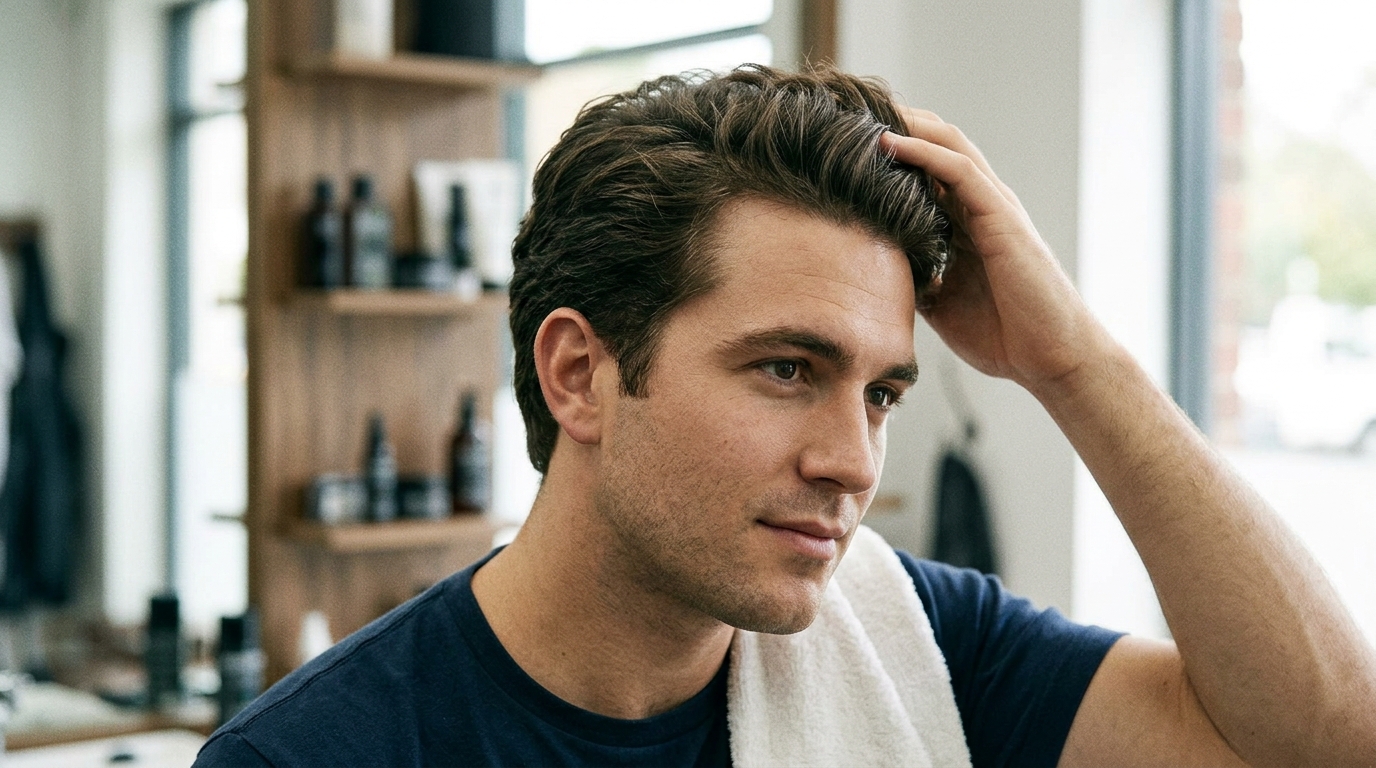
A traditional fade can shave the sides down to the skin, creating sharp contrast. A taper is gentler the hair thins out gradually instead of disappearing, so the overall look stays soft and wearable even if you’re not chasing a bold statement cut.
Easy to Style
Because the length stays flexible, you can change your look daily without booking another appointment. Wear it loose and relaxed on the weekend, then slick it back for a meeting or tie it up before a workout.
Suitable for Different Ages
Students, young professionals, and older men all wear this cut comfortably. Its adaptability means it doesn’t skew toward one age group or one type of lifestyle.
Grows Out Naturally
Since the taper never touches skin, regrowth looks even instead of patchy. That gives you more room between trims compared to a high or skin fade, which needs frequent upkeep to stay sharp.
Best Long Hair Taper Fade Haircuts
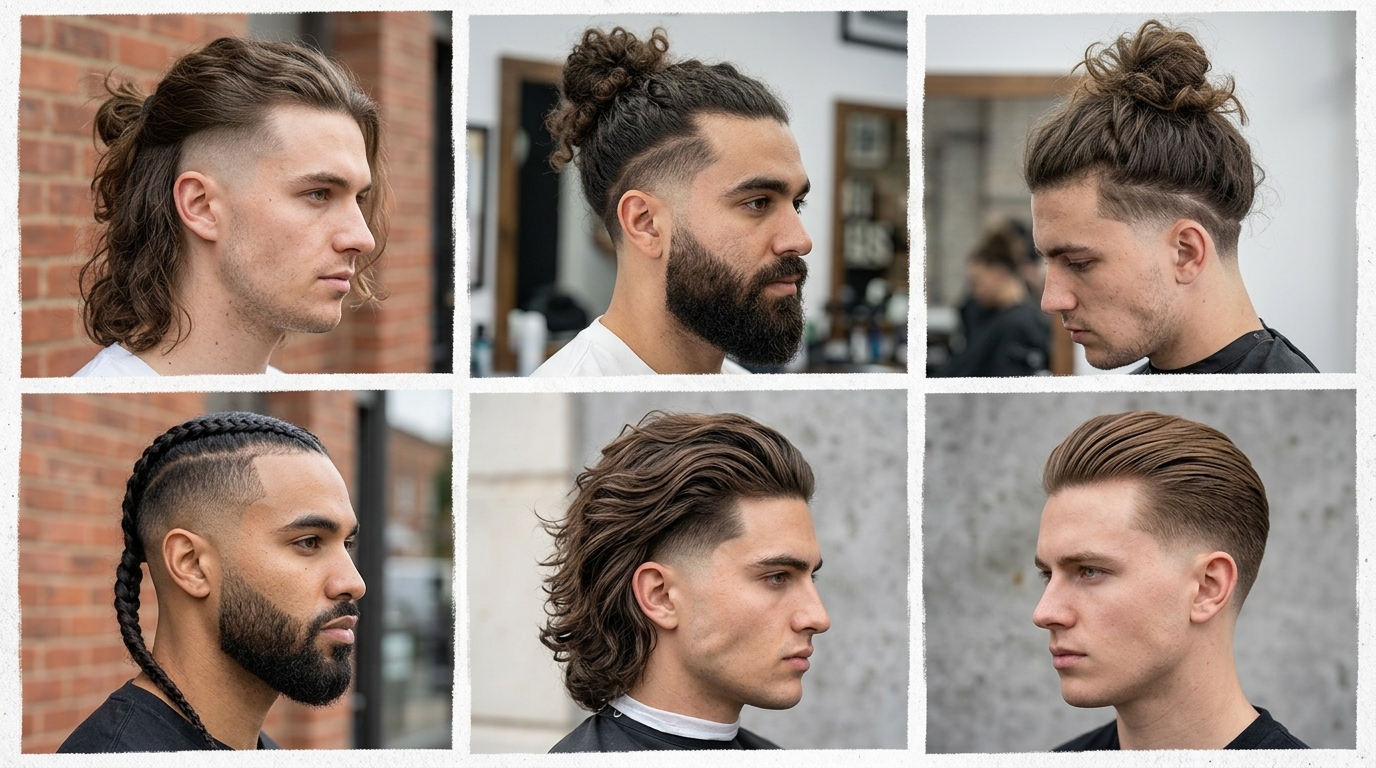
Your ideal version of this cut depends on hair type, taper height, and how much contrast you want between the top and sides. The styles below cover the most requested options at barbershops right now.
Long Hair Mid Taper Fade
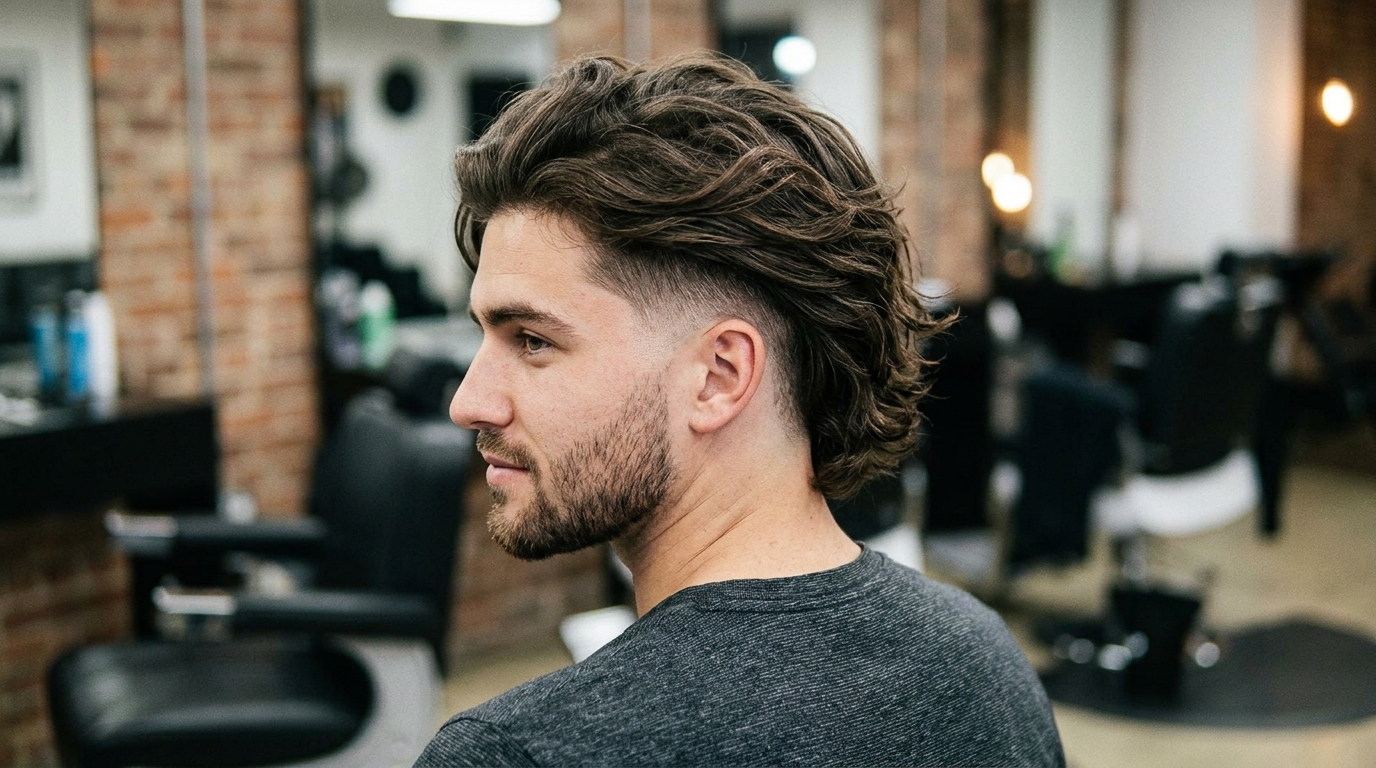
| Feature | Detail |
| Taper start point | Middle of the sides |
| Best hair types | Straight, thick, wavy |
| Styling options | Middle part, slick back, natural texture |
| Best face shapes | Oval, square, diamond |
A mid taper starts partway down the sides before blending into the longer top, giving a look that isn’t too subtle or too dramatic. It trims bulk around the ears and neckline while keeping enough length for several finishing styles.
Long Hair High Taper Fade
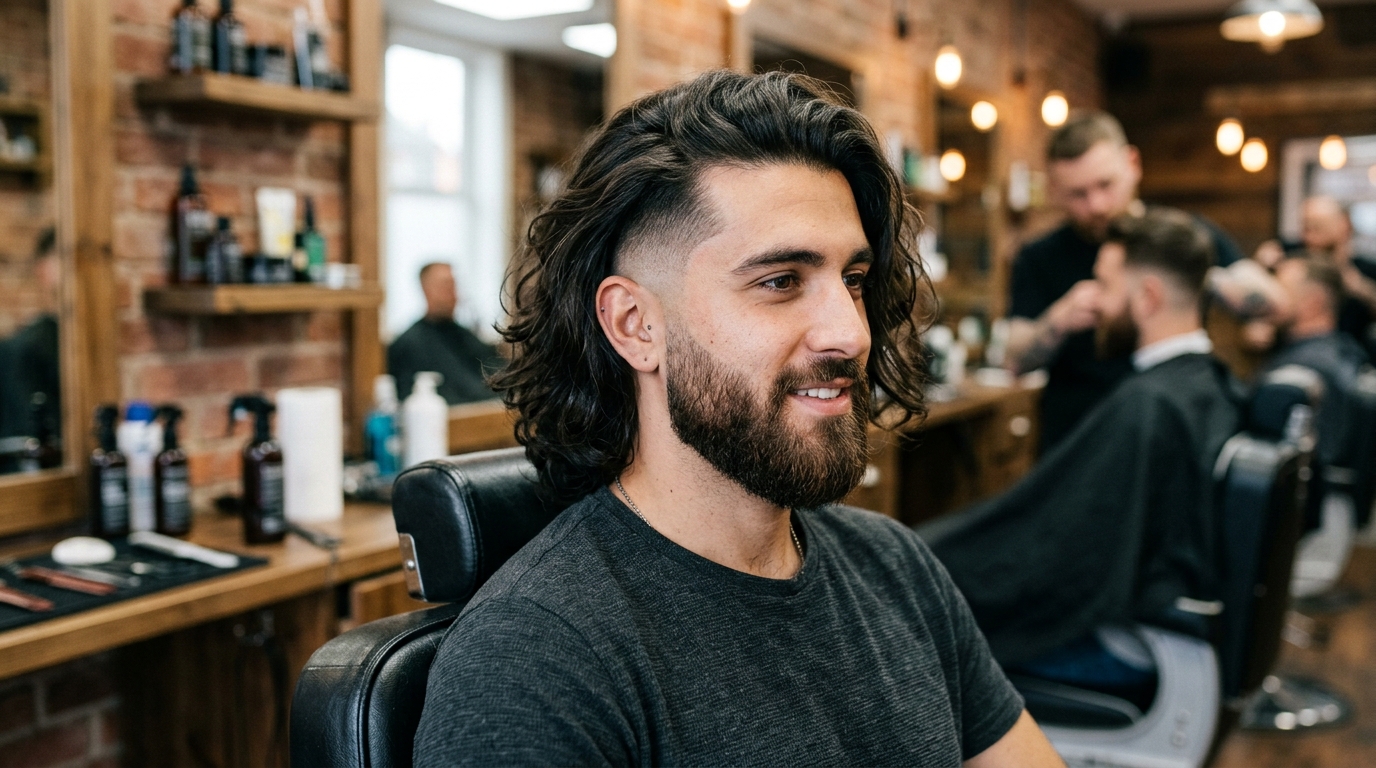
Starting the taper higher on the sides creates noticeably more contrast against the long top. This version suits thick hair especially well, since it thins out weight around the temples while still letting texture and volume show through up top.
It pairs naturally with slicked-back looks, layered cuts, and textured finishes anywhere you want the haircut to read as more current and sharply defined.
Best for: Thick hair and men who want a bolder fade line.
Low Long Hair Taper Fade
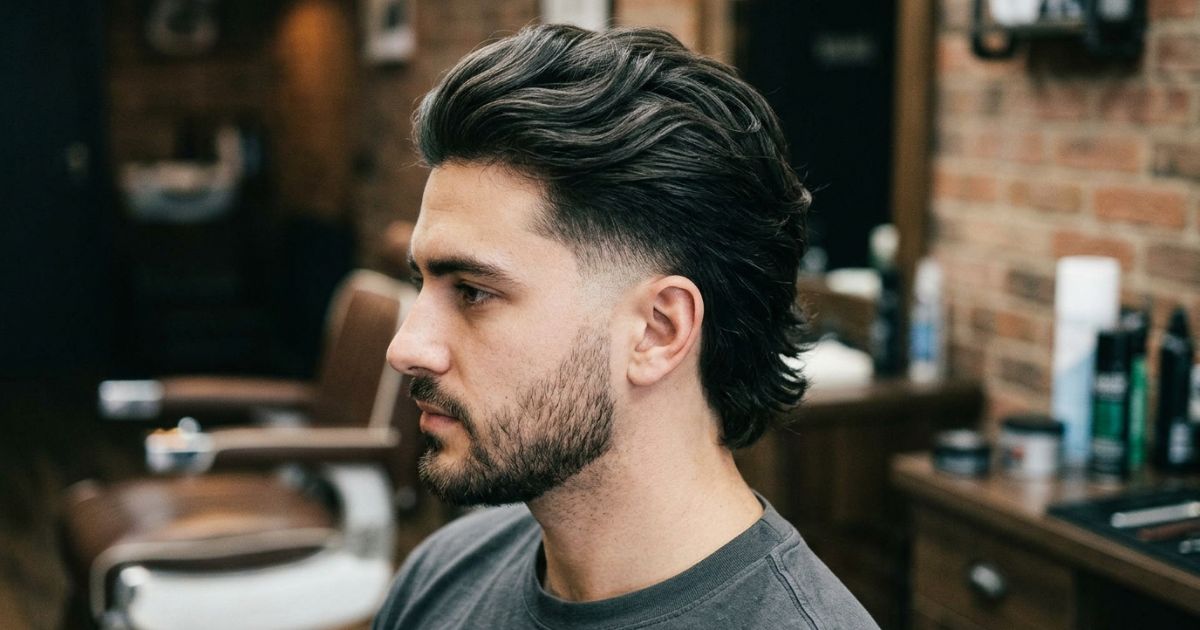
A low taper begins right near the ears and neckline, making it the softest version of this cut. Rather than drawing the eye to the sides, it keeps the focus entirely on the long hair up top.
This is a favorite for office environments because it looks tidy without looking dramatic, and because it grows out evenly, you won’t need to see your barber as often.
Best for: First-timers, students, and anyone in a professional setting.
Long Hair Taper Fade Curly Hair
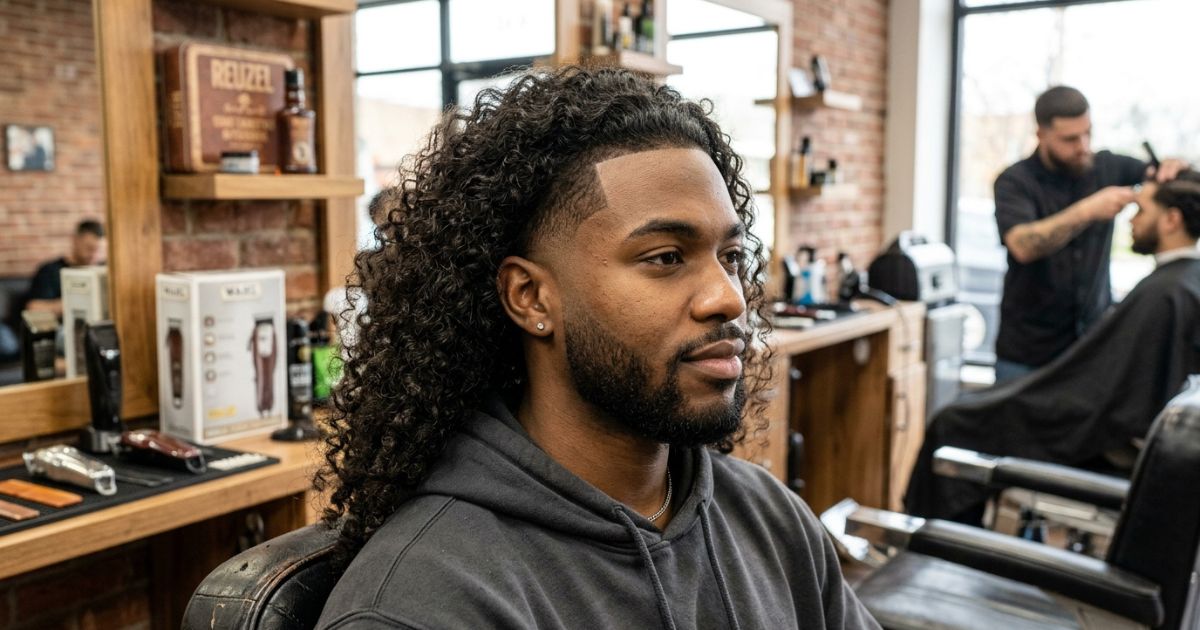
Curly hair often looks weighed down around the ears a taper trims that bulk while leaving the curl pattern untouched on top. The result lets your natural texture take center stage instead of fighting against thick sides.
To keep curls looking their best:
- Wash with a sulfate-free shampoo
- Apply curl cream while hair is still damp
- Air-dry or use a diffuser on low heat
- Skip brushing once curls have dried
Best for: Naturally curly and coily hair textures.
Long Hair Taper Fade Straight Hair
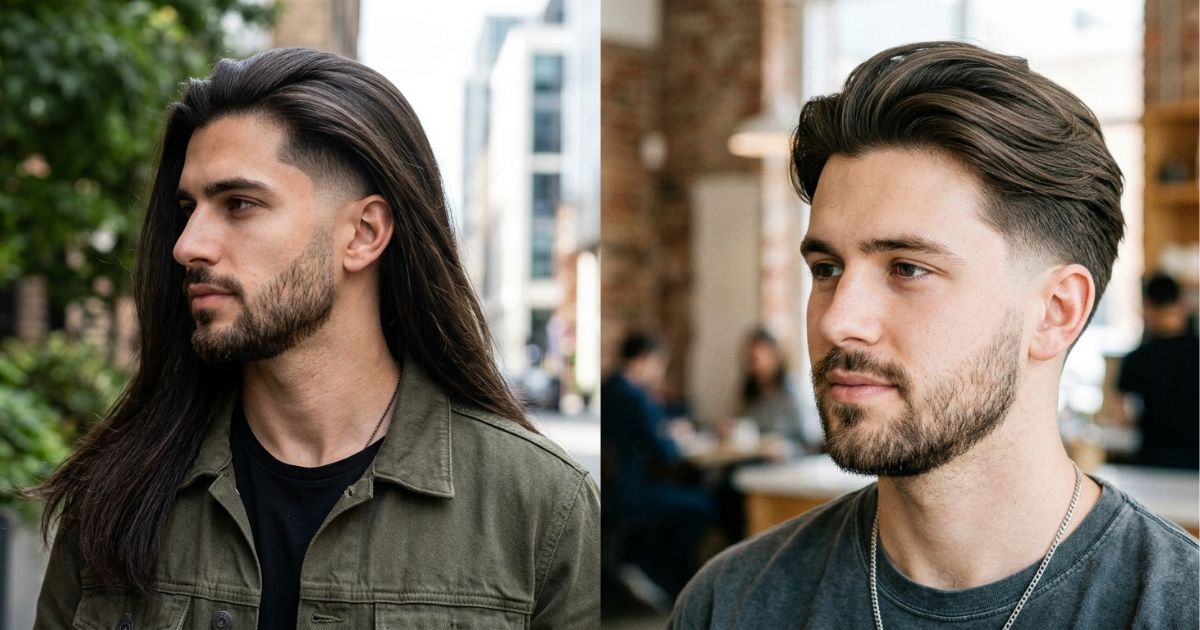
Straight hair takes especially well to this cut because the taper creates a smooth, uninterrupted line from root to tip. The sides lose their bulk while the top keeps its natural flow, so the finished look stays sleek without feeling shortened.
Styling options that pair well include a slick back, center part, side part, or a loose textured finish using a lightweight cream.
Best for: Fine to medium straight hair.
Long Wavy Hair Taper Fade
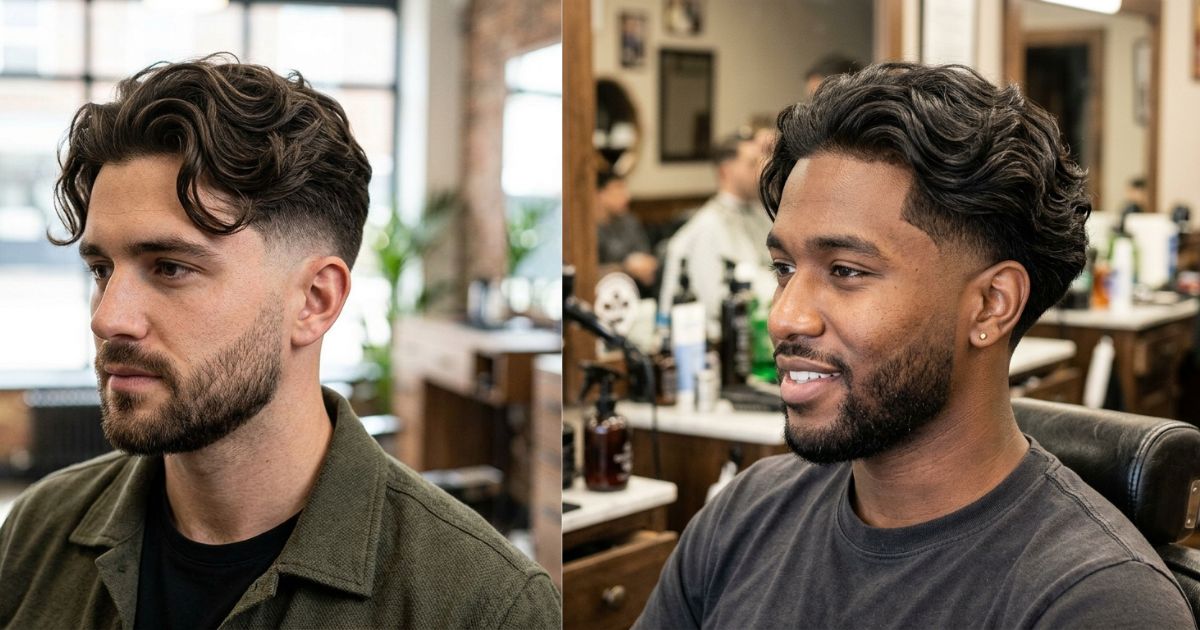
Wavy hair already brings its own texture, so a taper only needs to clean up the sides and let the waves do the rest. The cut removes extra weight without flattening the natural movement on top.
A few finishing touches enhance the waves further:
- Sea salt spray on damp hair
- Gentle scrunching instead of brushing
- Air-drying for a natural finish
Best for: Medium to thick wavy hair.
Slick Back Long Hair Taper Fade
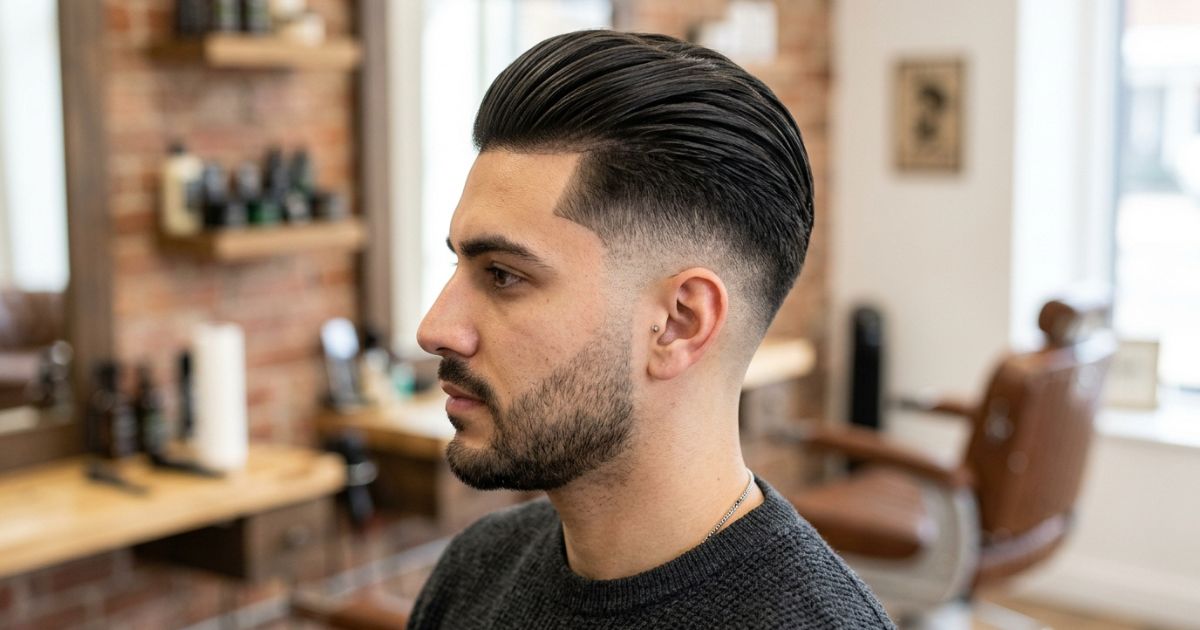
This finish takes the tapered sides and pairs them with a top that’s combed straight back using pomade or a light styling cream. Because the sides taper instead of shave down, the look feels less severe than a classic slick-back with shaved edges.
It’s a dependable choice for weddings, interviews, and other occasions where a polished appearance matters.
Learn more:46 Mid Taper Fade Black Male Haircuts That Look Sharp
More Long Hair Taper Fade Haircuts
Once you’ve settled on a taper height, the styling possibilities open up even further. These variations show how the same base cut adapts to different textures, routines, and personal style.
Middle Part Long Hair Taper Fade
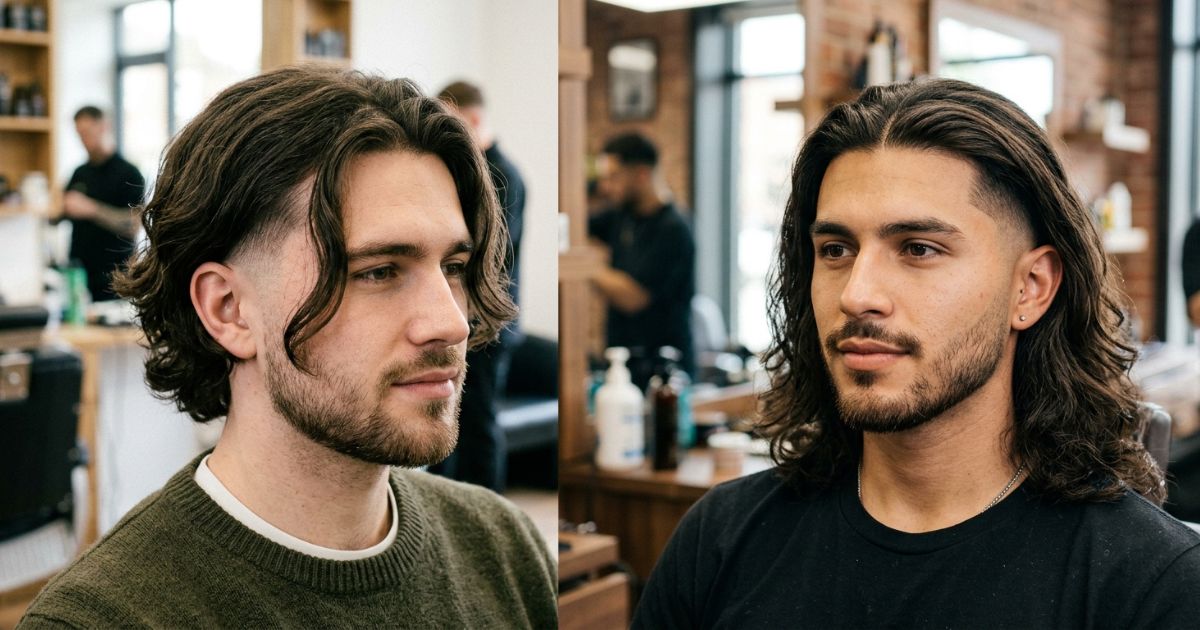
The center part remains one of the most requested men’s styles, and a taper gives it a clean foundation. Hair falls evenly on both sides while the tapered perimeter keeps everything looking fresh. This works best once hair reaches at least eye level.
Side Part Long Hair Taper Fade
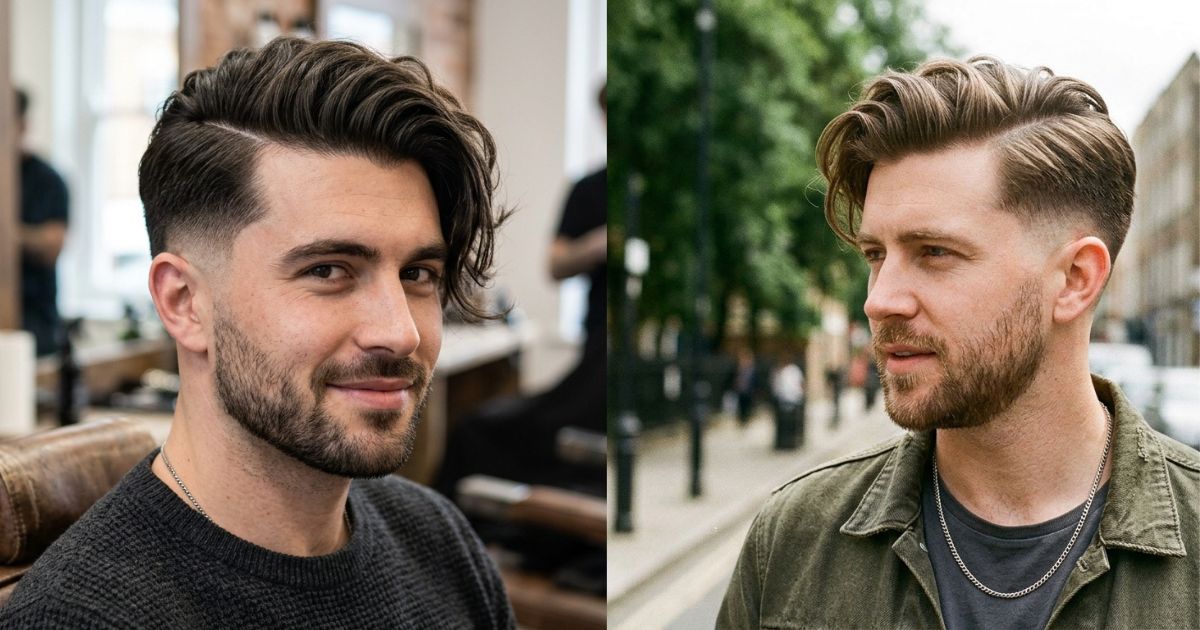
A side part brings structure to longer hair, and the tapered sides keep the neckline and sideburns neat underneath it. It’s an easy cut to maintain and suits everything from client meetings to weekend plans.
Best for: Oval, square, and heart-shaped faces.
Man Bun Long Hair Taper Fade

Tying long hair back becomes far easier when the sides are tapered, since there’s less bulk to gather at the crown. The style keeps hair out of the way during workouts or busy workdays while still looking deliberate rather than thrown together.
Ponytail Long Hair Taper Fade
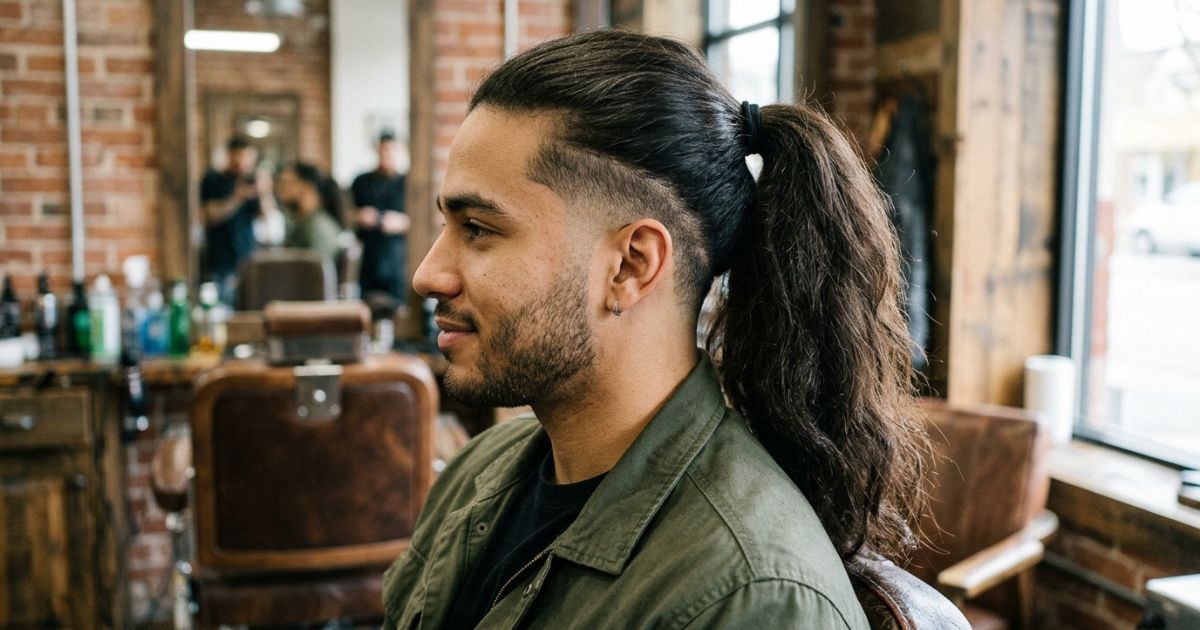
A ponytail highlights the tapered sides by pulling attention upward, and the clean perimeter keeps the whole look from feeling messy. It suits straight, wavy, or curly hair equally well, whether worn high or low.
Best for: Shoulder-length hair and longer.
Long Hair Taper Fade Mullet
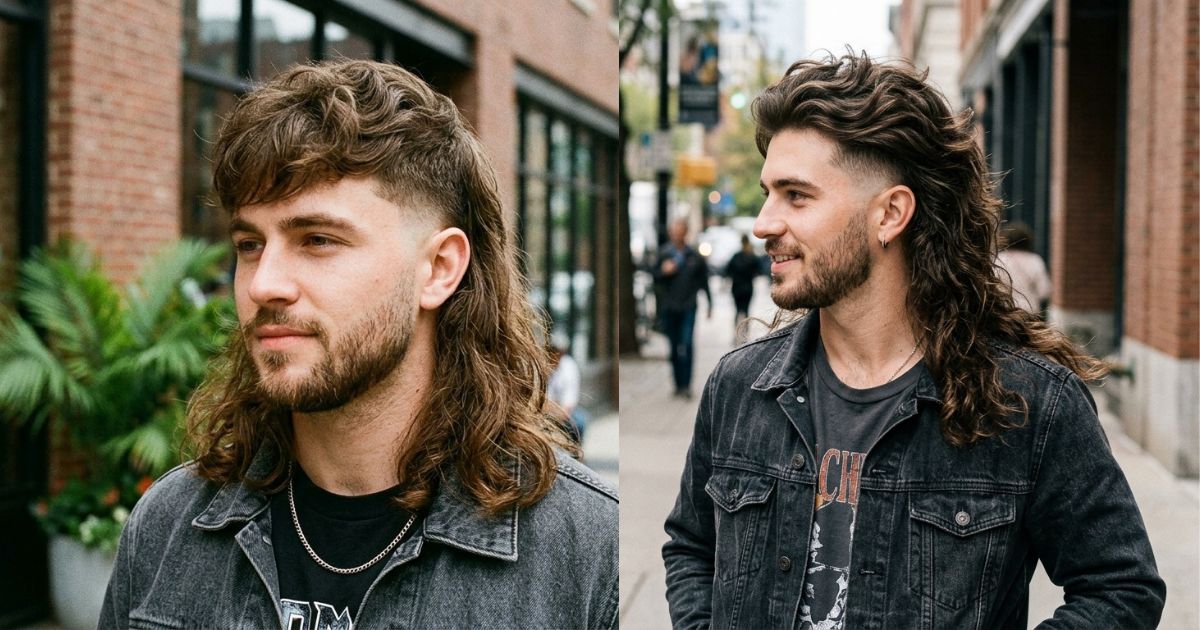
Today’s mullet trades the exaggerated shape of older versions for a tapered, more wearable silhouette. The sides stay tidy while extra length remains at the back, and adding texture on top gives the whole cut more movement.
Best for: Wavy, curly, or thick hair.
Flow Hairstyle with Taper Fade
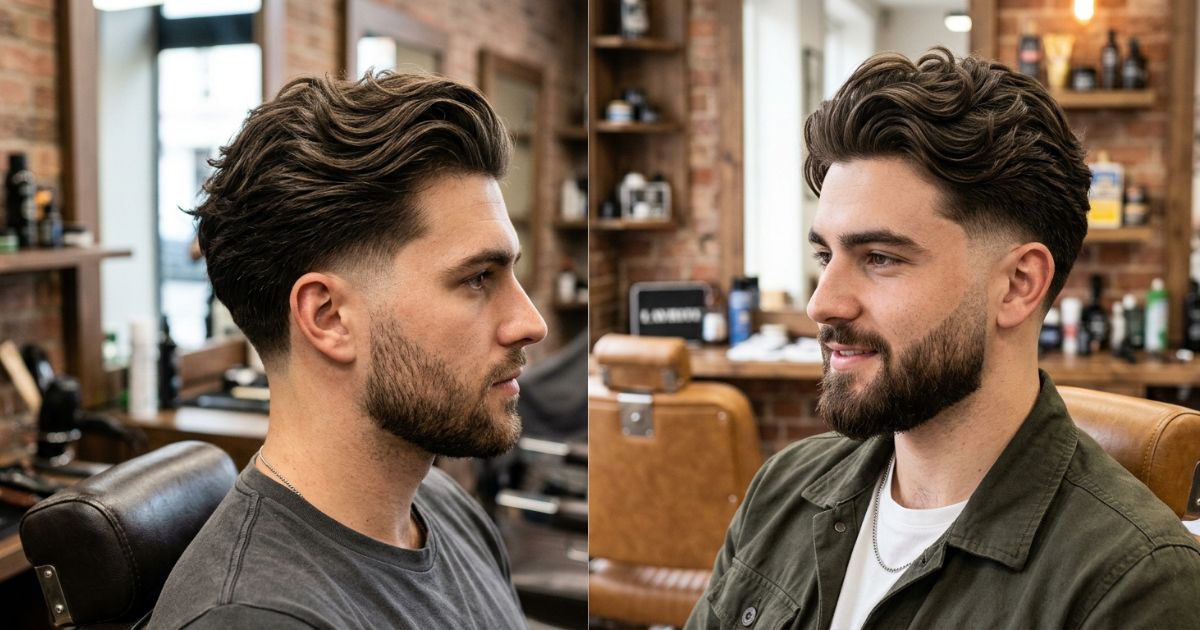
The flow style relies on natural, low-effort movement, and a taper keeps the sides from adding unwanted bulk. It suits men who want a medium-to-long look that doesn’t require daily styling just a good leave-in conditioner to keep hair soft.
Layered Long Hair Taper Fade
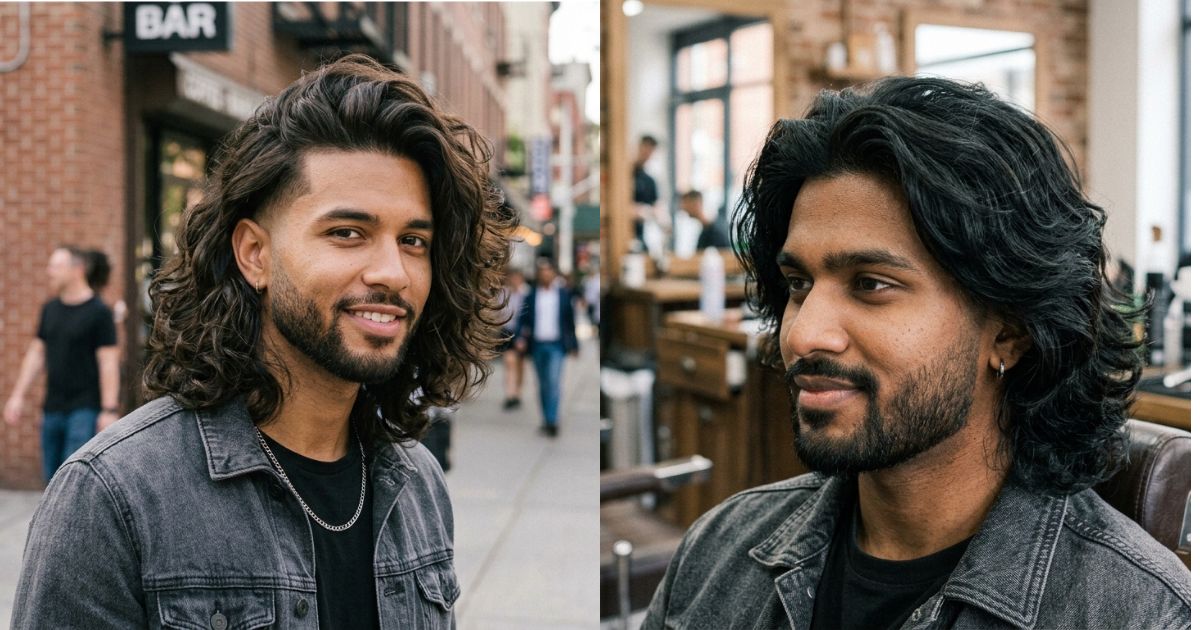
Layers cut down on excess weight, giving the hair more bounce and making it easier to style day to day. Paired with a taper, the whole cut feels lighter, which is especially useful for men with naturally thick hair.
Long Brown Hair Taper Fade
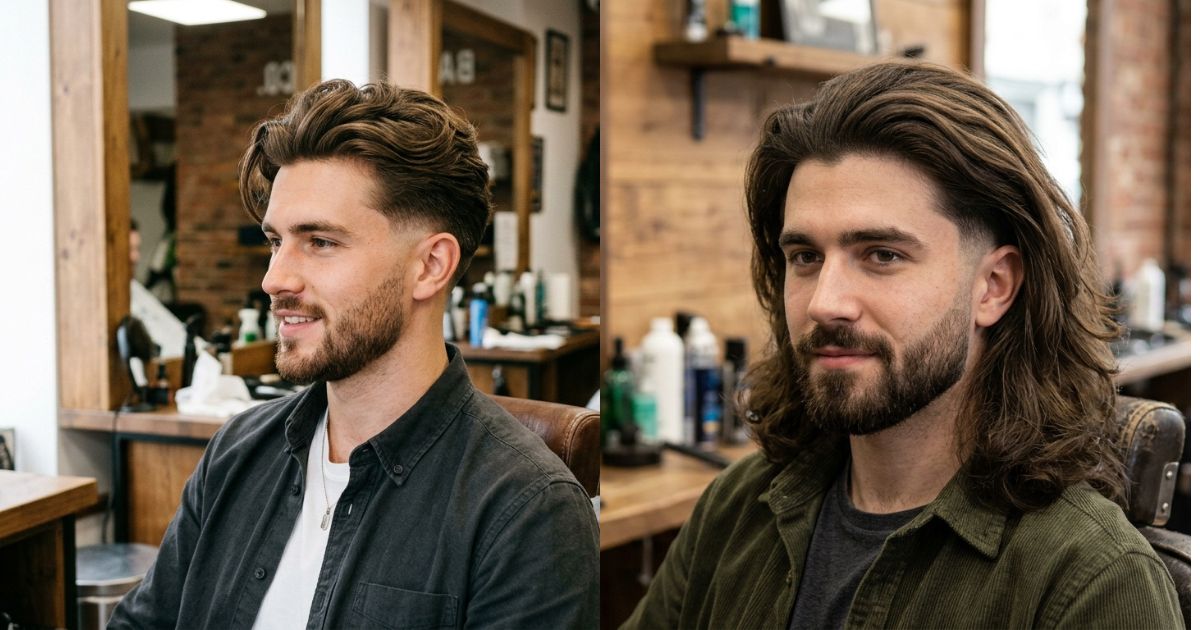
Brown hair shows off texture and dimension particularly well, and the gradual taper adds definition without pulling focus from the length on top. Light layering can also make brown hair appear fuller.
Long Hair Taper Fade Black Men
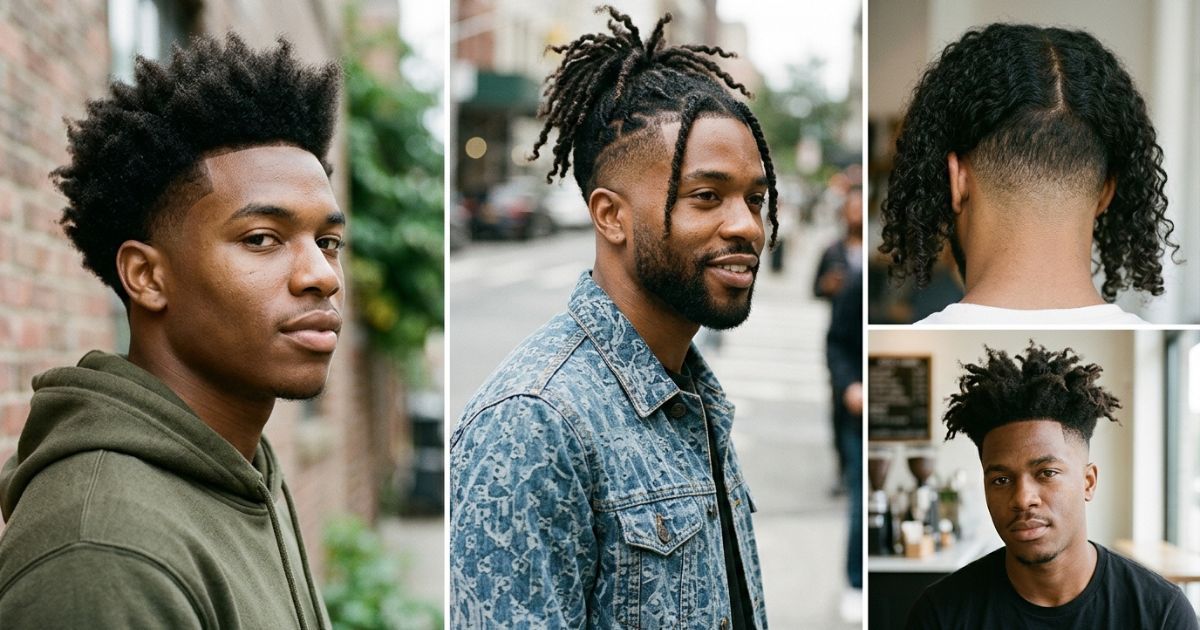
This version keeps natural texture front and center while the edges stay crisp. It pairs comfortably with several styles:
- Twists
- Locs
- Braids
- Natural curls
- Sponge curls
Regular moisturizing keeps the hair and scalp healthy between appointments.
Hispanic Long Hair Taper Fade
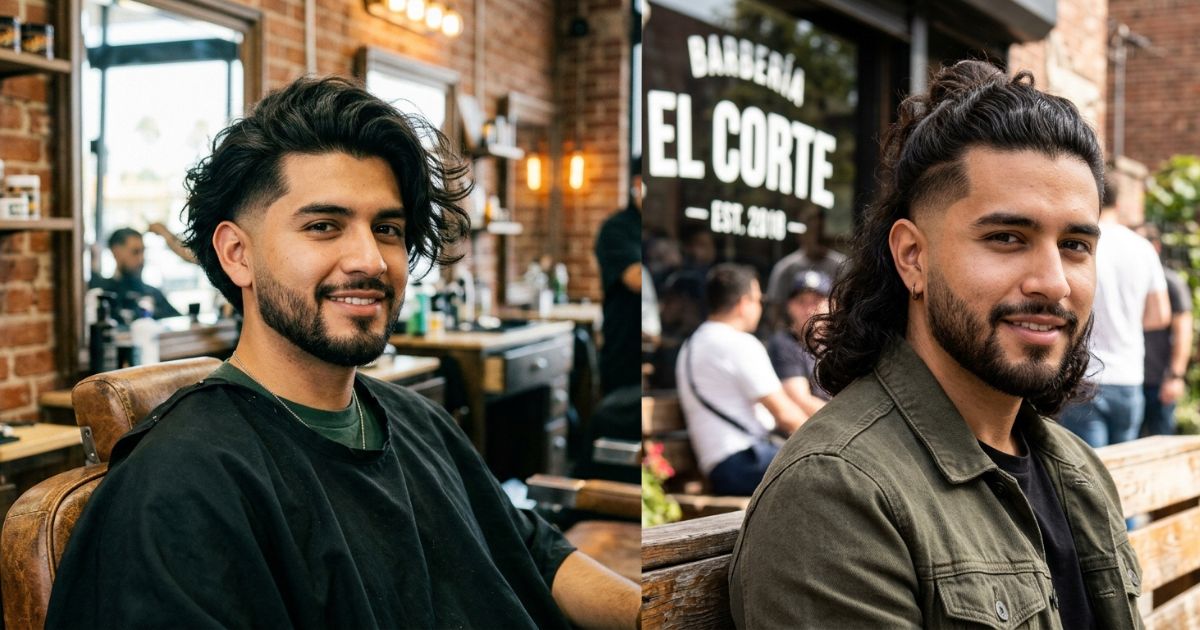
Thick, straight, and wavy hair textures all suit this variation, which is often finished with a middle part, textured layers, or a slicked-back look. It transitions easily between casual days and more formal settings.
Boys Long Hair Taper Fade
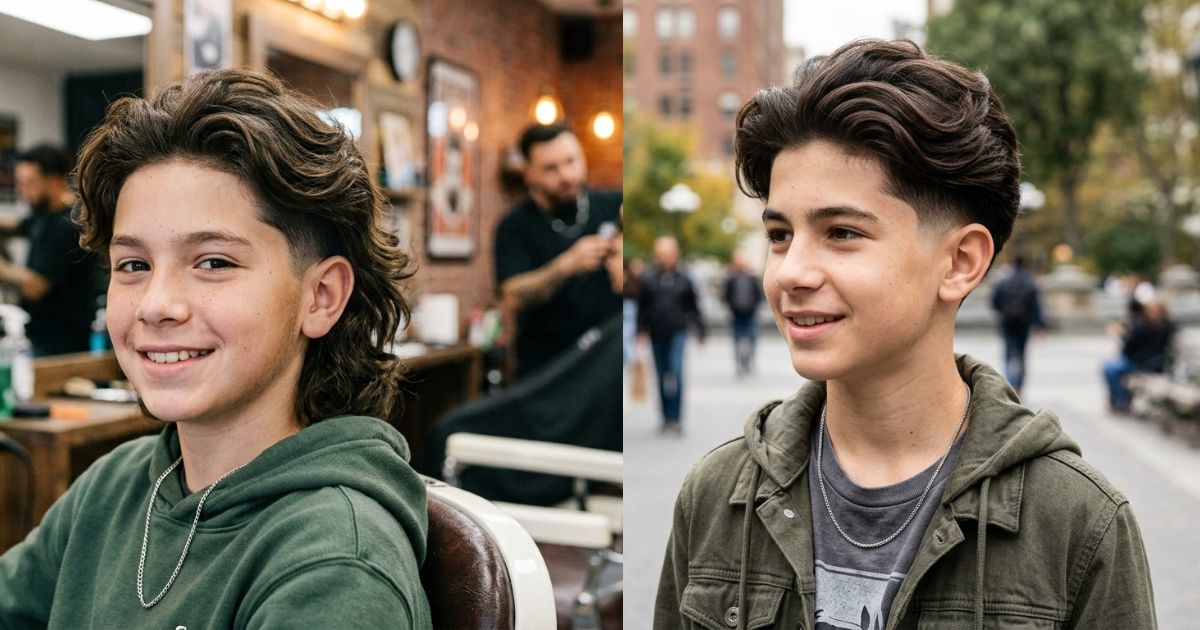
Kept tidy enough for school while still leaving room to grow, this cut is a practical option for boys who want more length without sacrificing a clean look. It also holds up well between visits, which parents tend to appreciate.
Kids Long Hair Taper Fade

For younger children, a lower taper softens the overall look and cuts down on bulk near the ears. Straight, curly, and wavy hair all wear this cut comfortably.
Medium Long Hair Taper Fade
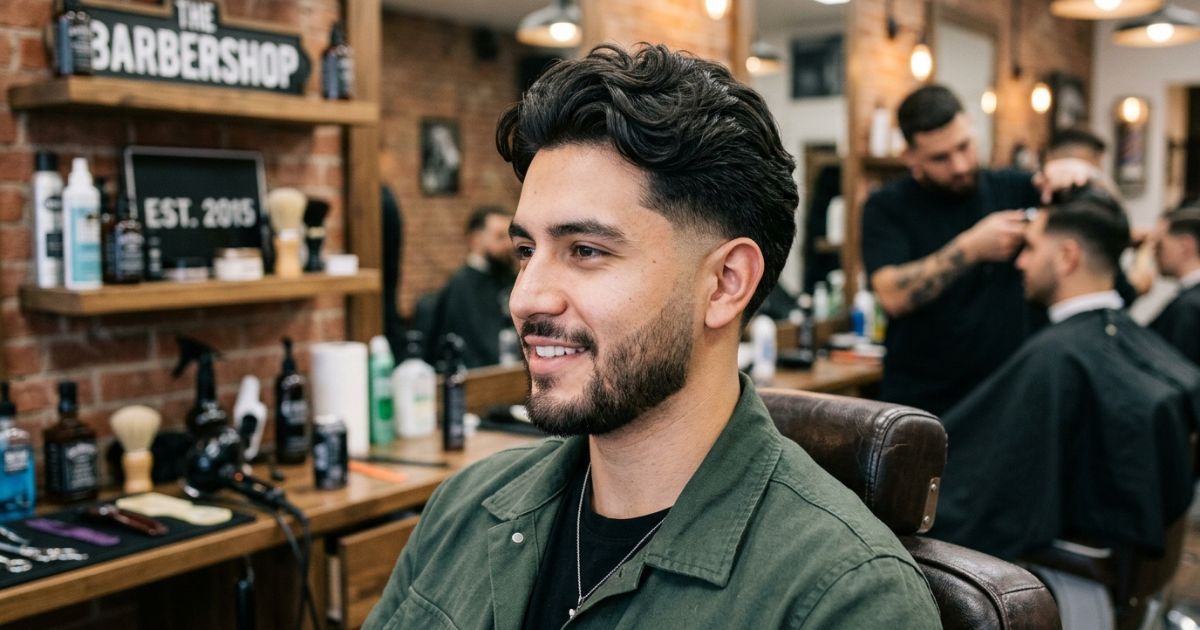
If your hair is still growing out and hasn’t reached shoulder length, this in-between version offers enough length to style while keeping the sides balanced. It’s one of the lowest-maintenance options on this list, working with a textured finish, part, or slick back alike.
Long Hair Taper Fade vs Mid Taper Fade
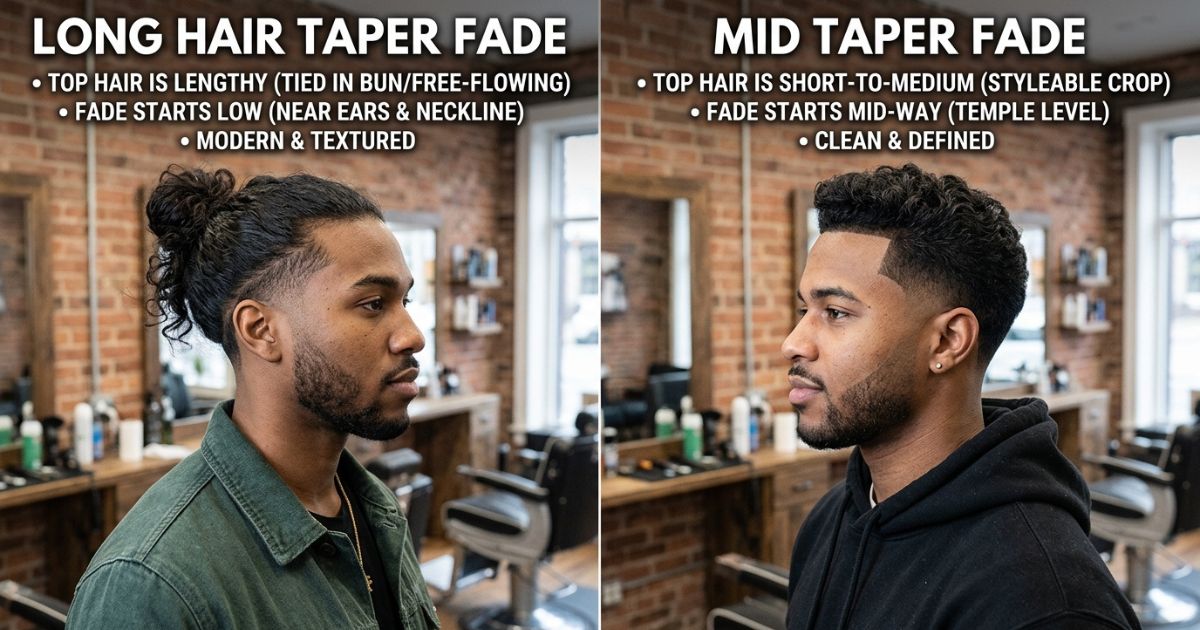
These two terms get mixed up often, but they describe different parts of the same haircut. “Long hair taper fade” refers to the overall style long on top with tapered sides. “Mid taper fade” refers only to where that taper begins on the head.
| Long Hair Taper Fade | Mid Taper Fade |
| Describes the overall hairstyle | Describes where the taper starts |
| Can use a low, mid, or high taper | Can pair with short, medium, or long hair |
| Offers many styling directions | Creates balance around the sides |
| Built around longer top hair | Works with nearly any haircut |
If balance is your priority, combining a mid taper with a long top is one of the most versatile pairings available.
Long Hair Taper Fade vs High Taper Fade
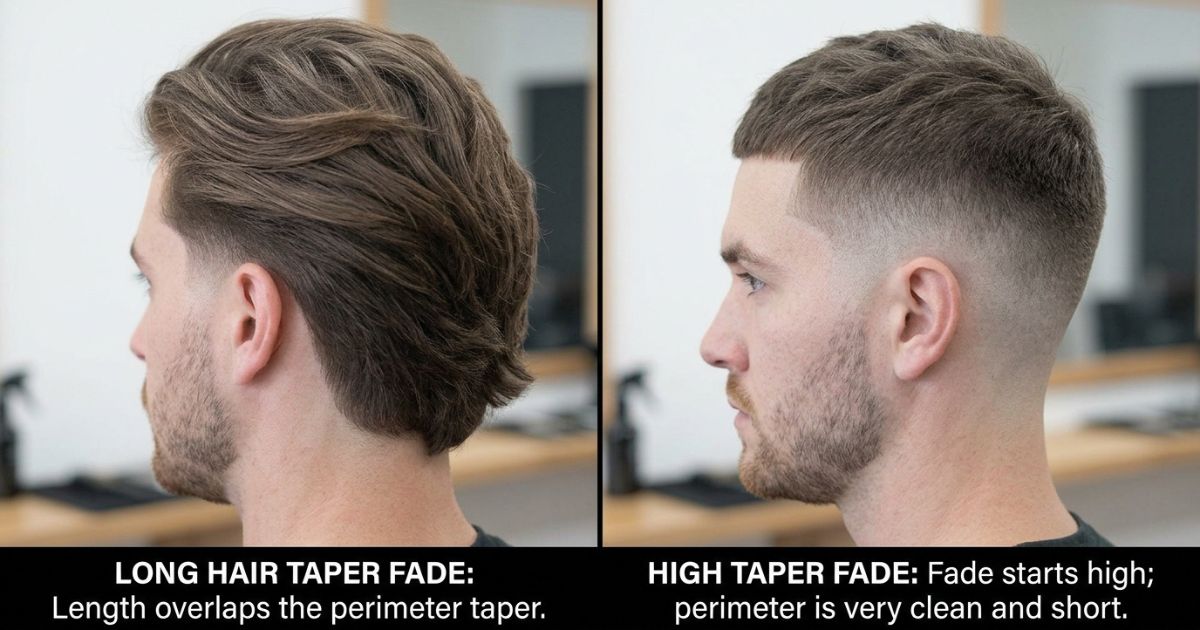
The real difference comes down to height. A high taper starts closer to the temples, creating a bolder contrast against the long top. A standard long hair taper fade often starts lower, giving a softer, more classic transition.
| Long Hair Taper Fade | High Taper Fade |
| Softer, gradual transition | Sharper contrast |
| More traditional appearance | More modern, edgier look |
| Minimal scalp exposure | More visible fade line |
| Grows out with less upkeep | Needs more frequent trims |
Pick a high taper if you want a defined edge; go lower if you’d rather keep things understated.
Best Face Shapes for a Long Hair Taper Fade
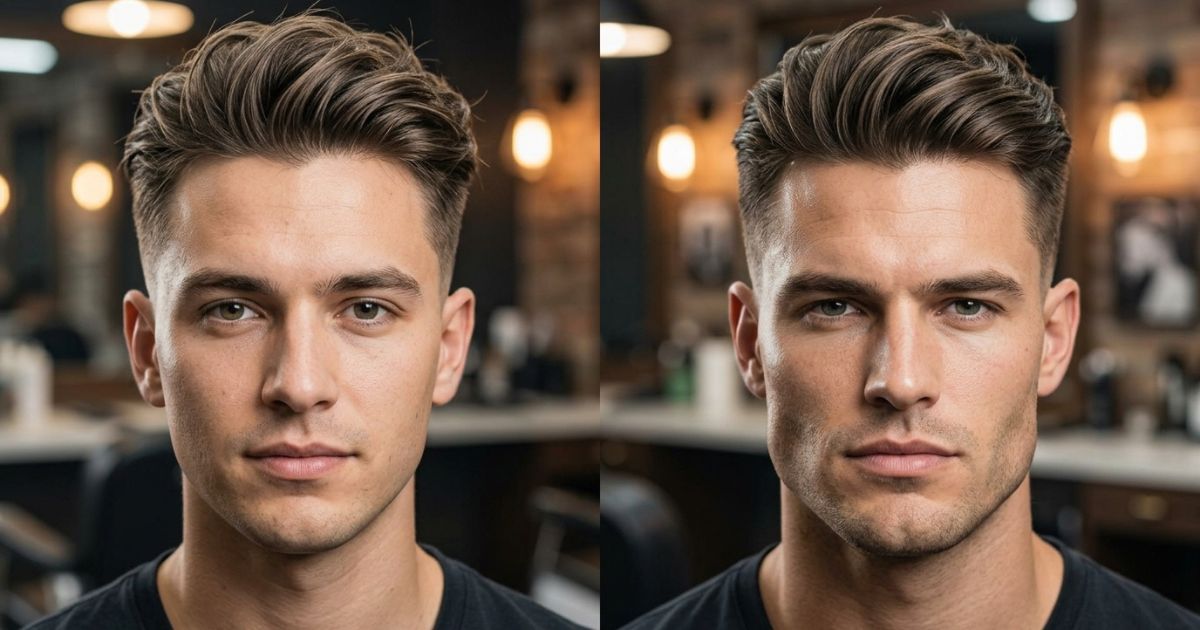
Part of this cut’s staying power is how well it adapts to different face shapes. A skilled barber can adjust taper height and top length to bring better proportion to your features.
Oval Face
Nearly every version of this cut works on an oval face, from loose and layered to slicked back or tied up.
Round Face
Adding height on top while tapering the sides helps elongate the face. Textured styles or a slick back both do this well.
Square Face
A strong jawline pairs naturally with a taper. A side part or layered top softens sharp angles while keeping the cut balanced.
Diamond Face
Extra volume around the sides of the top section flatters diamond-shaped faces. Keep the taper moderate, since going too high can emphasize the cheekbones.
Heart Face
Longer hair helps offset a wider forehead. A low or mid taper avoids removing too much width near the temples.
Oblong Face
Skip extra height on top if your face runs long. A medium-length, layered cut with a low or mid taper tends to create better proportion.
Best Hair Types for a Long Hair Taper Fade
Small adjustments in technique make this cut work across nearly every hair texture.
Straight Hair
Straight strands create a smooth, defined line and adapt easily to a slick back, side part, or center part.
Wavy Hair
Natural waves add texture without much effort. A sea salt spray helps define movement without stiffening the hair.
Curly Hair
Tapering the sides gives curls more shape and balance, letting the top do the visual work while the perimeter stays clean.
Thick Hair
Removing weight from the sides makes thick hair far easier to manage without sacrificing volume up top.
Fine Hair
Layering combined with lightweight products can make fine hair appear noticeably fuller under this cut.
How to Ask Your Barber for a Long Hair Taper Fade
Clear communication makes the difference between a haircut you love and one you have to grow out. Bringing a reference photo, even alongside a style name, helps your barber understand exactly what you’re picturing.
Decide How Long You Want the Top
Let your barber know if you want medium, shoulder-length, or longer hair on top this determines how the whole cut gets shaped.
Choose the Taper Height
Pick one of three general options:
- Low taper for a subtle finish
- Mid taper for balance
- High taper for stronger contrast
Talk About the Neckline
Some men prefer a natural, soft neckline; others want it sharply defined. Say which you’d rather have before the clippers come out.
Mention Your Hair Texture
Whether your hair is straight, wavy, curly, or thick affects the blending technique your barber chooses, so bring it up early.
Bring Reference Photos
A couple of clear photos remove the guesswork and give your barber a visual target to work toward.
How to Style a Long Hair Taper Fade
The same cut can look completely different depending on how you style it day to day.
Natural Everyday Style
Wash and condition, towel dry to slightly damp, then work in a lightweight styling cream before air-drying for a relaxed finish.
Slick Back Style
Blow-dry backward with a brush, then apply a small amount of pomade to hold the shape without weighing hair down.
Textured Look
Work sea salt spray through damp hair with your fingers for natural volume and movement.
Man Bun
Gather hair at the crown and secure it loosely tying it too tight puts unnecessary stress on the roots.
Curly Hair Styling
Apply curl cream to damp curls, then air-dry or diffuse on low heat to keep frizz down and definition up.
Best Hair Products for a Long Hair Taper Fade
The right products keep the cut looking sharp between barber visits.
Sea Salt Spray
Adds light texture and volume, especially useful for straight and wavy hair.
Styling Cream
Gives a soft, natural hold that works well for daily wear.
Pomade
Best suited for slick-back styles thanks to its smooth, long-lasting finish.
Hair Clay
Offers medium hold with a matte look, ideal for textured styles.
Curl Cream
Defines curls, cuts down on frizz, and keeps curly hair moisturized.
Leave-In Conditioner
Helps prevent dryness at the ends, which is common with longer hair.
How to Maintain a Long Hair Taper Fade
Consistent upkeep keeps this cut looking as sharp as the day you left the barbershop.
Trim the Taper Regularly
Book a touch-up every three to four weeks, or every two to three weeks if you prefer a sharper line.
Wash Your Hair Properly
Avoid daily shampooing, since it can strip the natural oils your hair needs to stay healthy.
Use Conditioner
Regular conditioning keeps longer hair hydrated and helps prevent split ends.
Brush Gently
A wide-tooth comb or soft brush reduces breakage, particularly for long or curly hair.
Protect Hair From Heat
Always apply a heat protectant before using a blow dryer or other styling tools.
Is a Long Hair Taper Fade Worth It?
For most men, yes the combination of length and low-maintenance styling makes it one of the more practical modern cuts.
Pros
- Works across straight, wavy, curly, and thick hair
- Keeps length while still looking clean
- Styles multiple ways without a fresh cut
- Fits both casual and professional settings
- Grows out evenly with fewer touch-ups
- Adapts to different face shapes
Cons
- Long hair still needs regular washing and conditioning
- The taper requires periodic trims to stay sharp
- Some finishes depend on styling products
FAQs About Long Hair Taper Fade
What is a long hair taper fade?
It’s a haircut that keeps hair long on top while gradually shortening the sides, sideburns, and neckline for a clean, natural finish.
Is a taper fade good for long hair?
Yes it removes bulk around the sides while preserving the length and movement on top.
How do I ask my barber for a long hair taper fade?
Ask for length on top plus a low, mid, or high taper on the sides, and bring a reference photo if you have one.
Does a long hair taper fade work with curly hair?
Yes, it keeps curls as the focal point while cleaning up the sides for a balanced shape.
Is a taper fade better than an undercut?
It depends on preference a taper gives a softer transition, while an undercut creates sharper contrast.
Final Thoughts
The long hair taper fade earns its popularity by solving a common problem: how to keep length without losing a clean, put-together look. It flexes across straight, curly, wavy, and thick hair, and adapts to slick backs, buns, ponytails, and everything in between.
Sticking with a regular trim schedule, using the right products, and communicating clearly with your barber all go a long way toward keeping the cut sharp. For men who want length, versatility, and a tidy finish in one haircut, this style holds up as one of the smartest choices around.