
A drop taper fade is a bold, modern haircut. It curves down behind your ears. This drop taper fade follows the natural shape of your head. Guys love the drop taper fade for its clean, sculpted look. It blends smooth taper lines with a sharp, curved arc. That curve sets the drop taper fade apart from a plain taper.
You can wear a low, mid, or high drop taper fade. Each height changes how bold your drop taper fade looks. It also changes how often you need a trim. A low drop taper fade suits work and daily life. A high drop taper fade makes a bold statement. Pick the drop taper fade that fits your face, hair, and style.
What Is A Drop Taper Fade, And How Is It Different From A Regular Taper?
A drop taper fade is a modern men’s haircut. The fade line curves down behind the ears. It follows the natural shape of your head instead of running straight across.
This style blends two ideas into one cut. It takes the smooth blend of a taper and adds the curved arc of a drop fade. The result feels sharp, sculpted, and a little more personal.
You can wear it low, mid, or high. Each height changes how bold the look feels and how often you need a trim. Pick the one that fits your face, hair, and schedule.
What Is A Drop Taper Fade?
A drop taper fade blends two barbering techniques into one cut. The taper part shortens hair gradually down the sides. The drop part adds a curved line that dips behind the ear toward the neck.
That curve is the whole point of the style. It gives the cut shape and depth that a flat, straight line just can’t match. Your head looks more sculpted from every angle.
Picture a regular taper as one even line circling your head. A drop taper takes that same line and bends it downward behind your ear. That small shift changes the entire look of the cut.
What Makes The Drop Taper Fade Different From A Regular Taper?
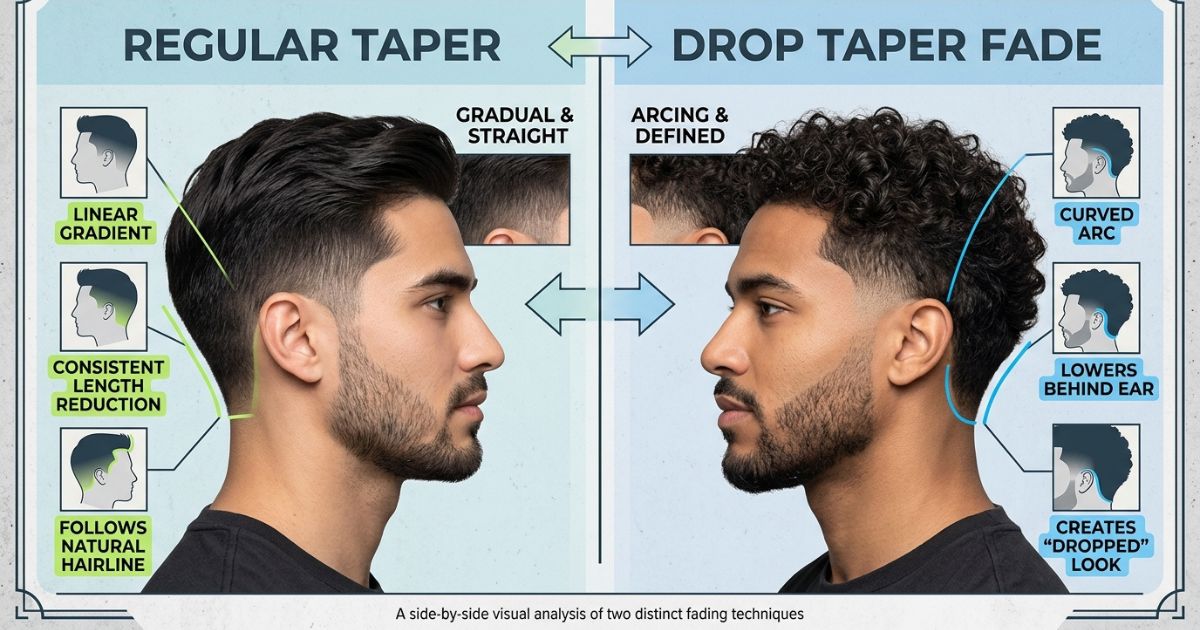
The line shape is the main difference between these two cuts. A regular taper keeps a straight, level line around the head. A drop taper curves that same line down behind the ear instead.
That curve changes more than looks. It also changes how the cut behaves over time, how much upkeep it needs, and which face shapes it flatters most. Small line, big impact.
| Feature | Regular Taper Fade | Drop Taper Fade |
| Fade Line Shape | Straight and horizontal | Curved, drops behind ear |
| Visual Effect | Subtle and balanced | Bold and sculpted |
| Maintenance | Every 2–3 weeks | Every 10 days to 4 weeks |
| Best For | All face shapes | Round, oval, square faces |
The direction of your fade line decides everything. A straight line means a taper. A curved, dropping line means a drop taper. Remember that one detail before you sit in the chair.
The History Of The Drop Taper Fade

The fade haircut started with electric clippers in the 1930s. It became common in the 1940s and 1950s through military grooming rules. Back then, it was simply fast, neat, and easy to keep uniform.
The style soon left the barracks behind. Black barbers and communities picked it up and turned it into something creative. By the 1980s, the fade had become a defining look of hip-hop culture.
Social media pushed the style even further in recent years. Barbers on Instagram and TikTok shared bold new takes on the drop fade. Today it stands as one of the most requested cuts around.
How Does The Drop Arc Work?
The drop arc starts above your ear at a set height. That height depends on whether you pick a low, mid, or high version. From there, the line curves instead of running flat.
Instead of a straight cut, the line bends behind your ear and sweeps toward your neckline. It follows your skull’s natural curve rather than ignoring it. That’s what gives the cut its shape.
This curve does something a flat line never could. It adds depth and dimension to your whole head shape. If your head is flatter in back, the arc can even create the look of a curve.
Low Drop Taper Fade: The Complete Guide
The low drop taper fade sits closest to your natural hairline. It starts just above the ears and curves gently down. This makes it the calmest, easiest version of the style to live with.
It’s a great pick if you want a clean cut without shouting for attention. Less scalp shows compared to higher versions. That subtlety works well in offices and other buttoned-up settings.
This cut also holds its shape longer than the mid or high versions. You can stretch appointments out and still look put together. That makes it a smart choice for busy schedules.
What Is A Low Drop Taper Fade?

A low drop taper fade starts about one to two inches above your ear. From there, it curves gently behind the ear and drops toward your neckline. The whole arc stays soft and understated.
Because it starts low, less of your scalp shows through. That gives you the drop-arc look without the sharp contrast of higher fades. It feels like a taper with just a bit more personality.
This cut suits first-timers, office workers, and anyone easing into fades. It also suits people who don’t want to visit the barber every couple of weeks. Start here if you’re unsure.
Low Drop Taper Fade For Curly Hair
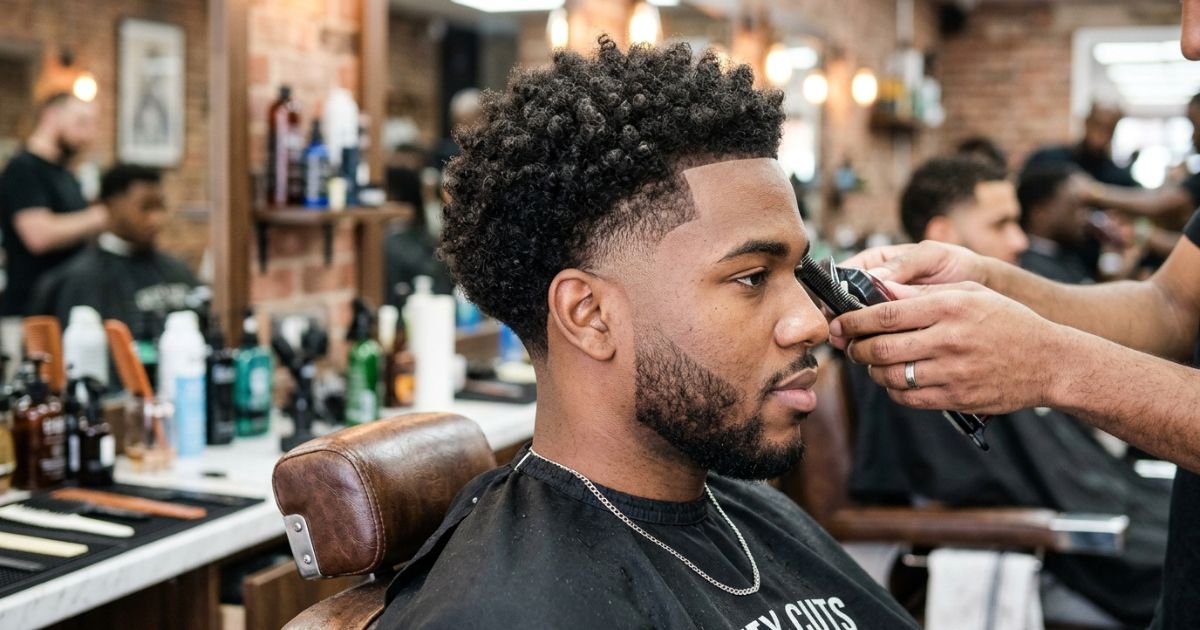
Curly hair and the low drop taper fade pair naturally well. The gentle arc frames your curls without stripping away their volume. Your natural texture stays the star of the show up top.
Because the fade sits low, your scalp stays mostly covered. Many curly-haired guys prefer that fuller look on the sides. It keeps the whole style feeling soft rather than harsh.
Try curl cream on damp hair, then diffuse it on low heat. Add a touch of texture powder at the roots for lift. Finish with a couple drops of argan oil for shine and control.
Low Drop Taper Fade For Straight Hair
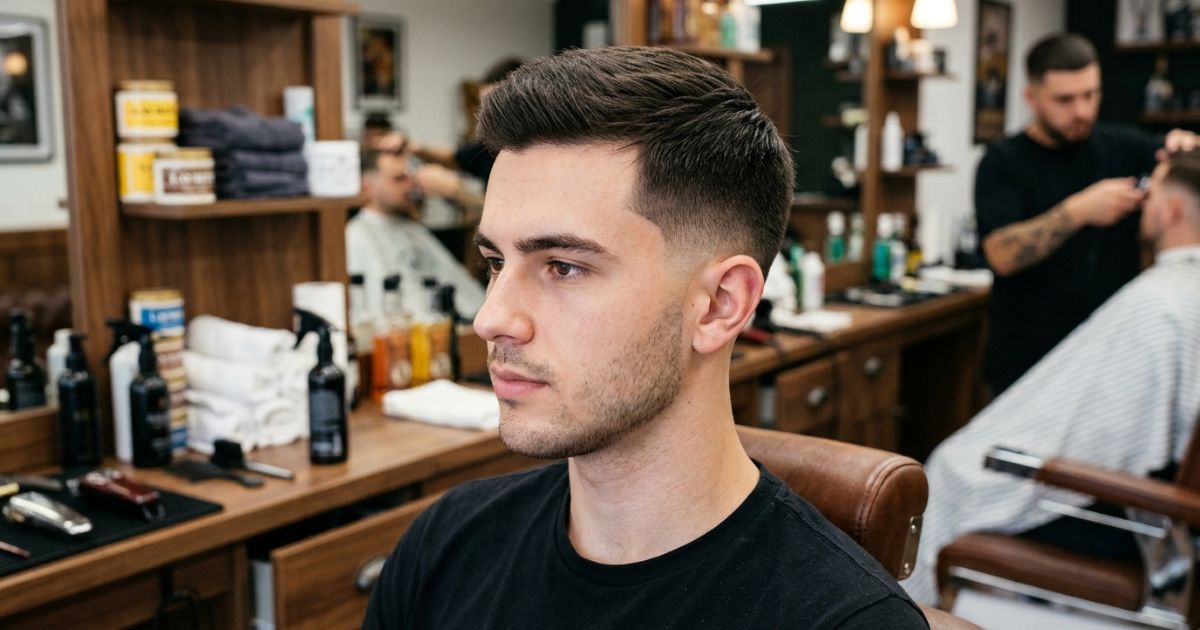
Straight hair makes this fade line look razor sharp. The arc reads clean and precise against smooth, straight strands. That contrast between neat sides and sleek top looks genuinely polished.
To style it, blow-dry your hair in the direction you want while it’s still damp. Then apply a matte paste for texture or a pomade for shine. Shape it with your fingers or a comb.
Textured crops, side parts, and slick backs all pair nicely with this combination. Each style lets the fade line do quiet work in the background. The look stays sharp all day long.
Low Drop Taper Fade With Beard
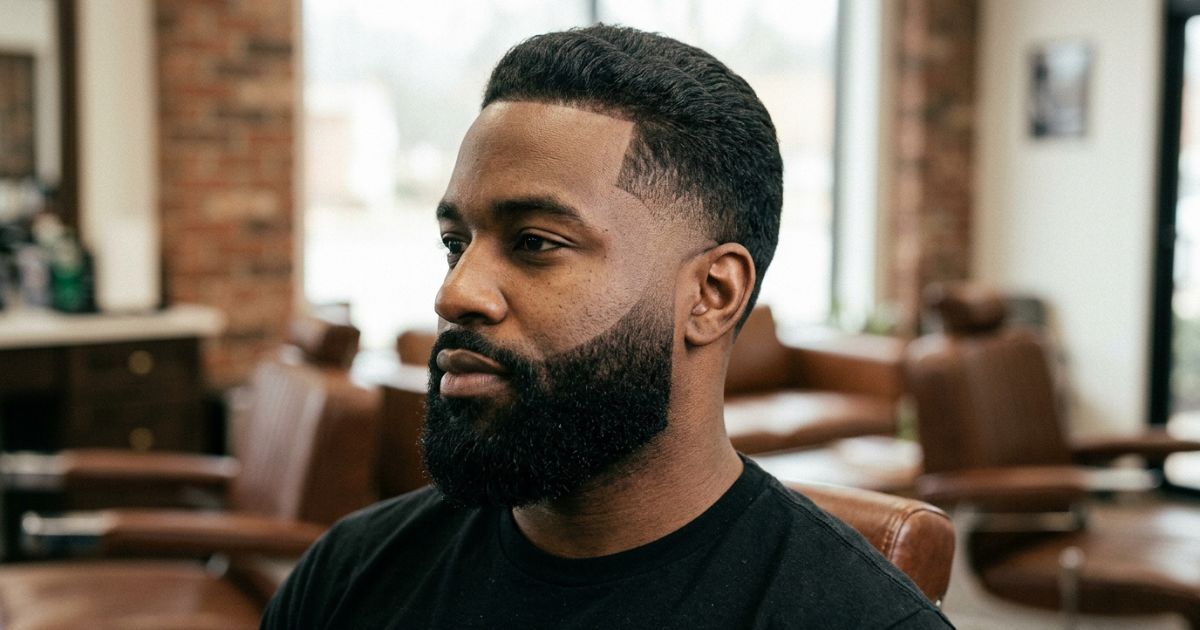
A low drop taper fade flows naturally into a beard. Because the fade sits close to your natural hairline, it blends smoothly into your sideburns. There’s no harsh, disconnected line between hair and beard.
This pairing suits full beards, tapered beards, and clean stubble equally well. Ask your barber to connect the fade directly into your beard line. That single request keeps everything looking cohesive.
Tell your barber exactly what you want in plain words. Say you want the fade to flow into the beard, not stop abruptly. That one sentence saves you from an awkward, disjointed cut.
Best Face Shapes For Low Drop Taper Fade
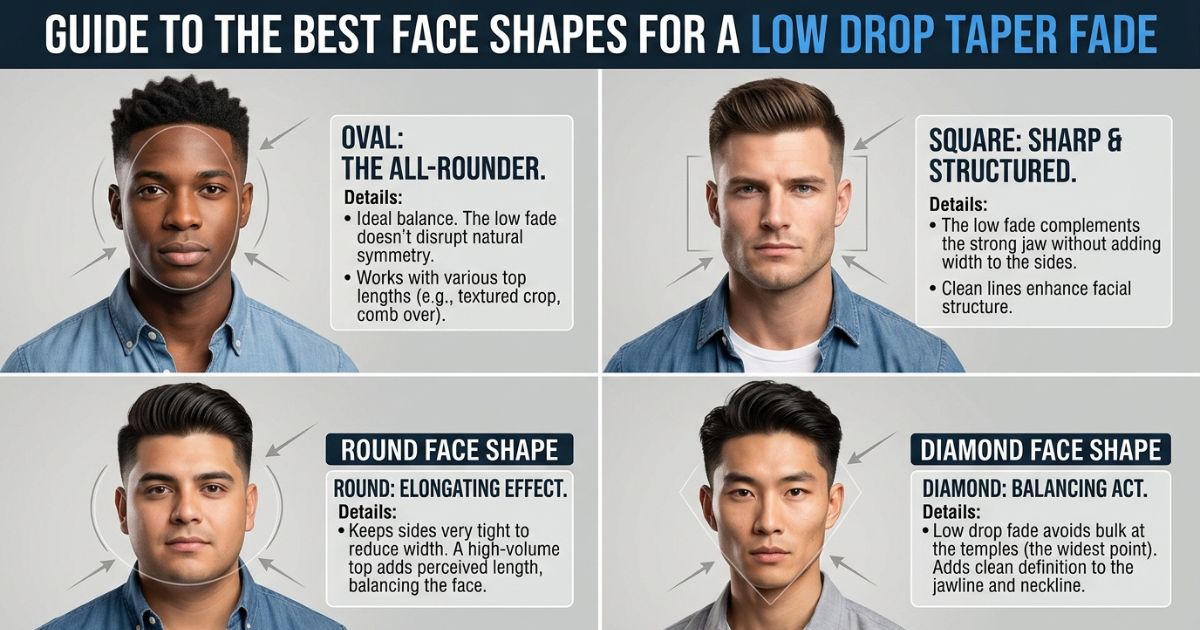
This cut flatters nearly every face shape without much fuss. Oval faces suit it perfectly since almost anything works for them. Round and square faces benefit from the arc’s soft, slimming curve.
| Face Shape | Suitability | Why |
| Oval | Perfect | Works with every fade height |
| Round | Excellent | Arc creates a slimming effect |
| Square | Great | Softens a strong jawline |
| Long/Oblong | Use caution | Pair with a fuller top |
If you have a round face and want a stronger slimming effect, consider going mid instead of low. A mid drop taper adds more vertical movement. But low still works fine for a subtle result.
Best Top Styles To Pair With Low Drop Taper Fade

Because this fade stays subtle, your top style gets to shine. A textured crop looks modern with a little clay for definition. A messy fringe adds softness when tousled lightly by hand.
A pompadour brings height and drama when brushed up and held with pomade. A comb over keeps things sharp and professional for work settings. A slick back suits weddings and formal occasions well.
Curly or afro tops also pair beautifully with a low drop taper. Curl cream and texture powder keep the volume natural on top. The clean sides let your natural texture take center stage.
How Long Does A Low Drop Taper Fade Last?
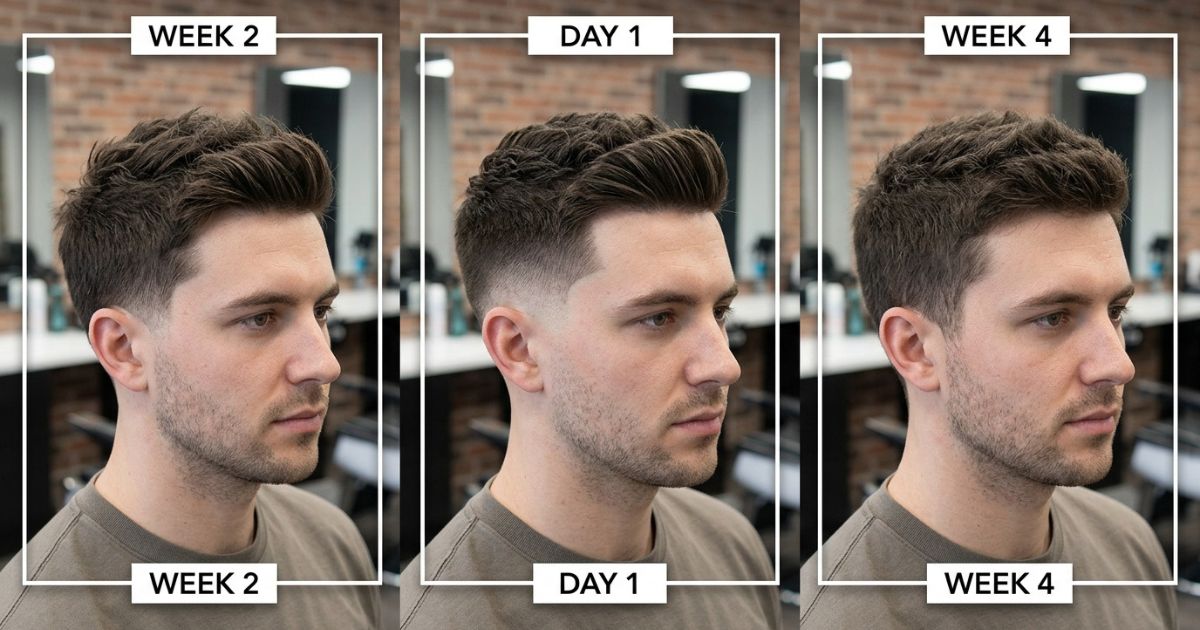
Most men get three to four weeks out of a low drop taper fade. Because it starts near your natural hairline, regrowth blends back in gently. It rarely looks messy as it grows.
In week one, the arc looks its sharpest and freshest. By week three, the line softens slightly but still reads as intentional. Week four is usually when you’ll want to book your next visit.
Expect to spend roughly four hundred to six hundred fifty dollars a year on upkeep. That works out to a visit every three to four weeks. It’s one of the most budget-friendly fade options.
Mid Drop Taper Fade: The Complete Guide
The mid drop taper fade starts at temple level, about halfway up the head. It curves behind the ear with a steeper arc than the low version. That gives it noticeably more contrast.
This cut sits right between subtle and bold. It suits men who want a modern edge without going all the way to dramatic. It’s become one of the most requested fades in barbershops today.
Expect more frequent trims with this version than with a low fade. The higher starting point means regrowth shows sooner. Most guys visit their barber every two to three weeks to keep it sharp.
What Is A Mid Drop Taper Fade?
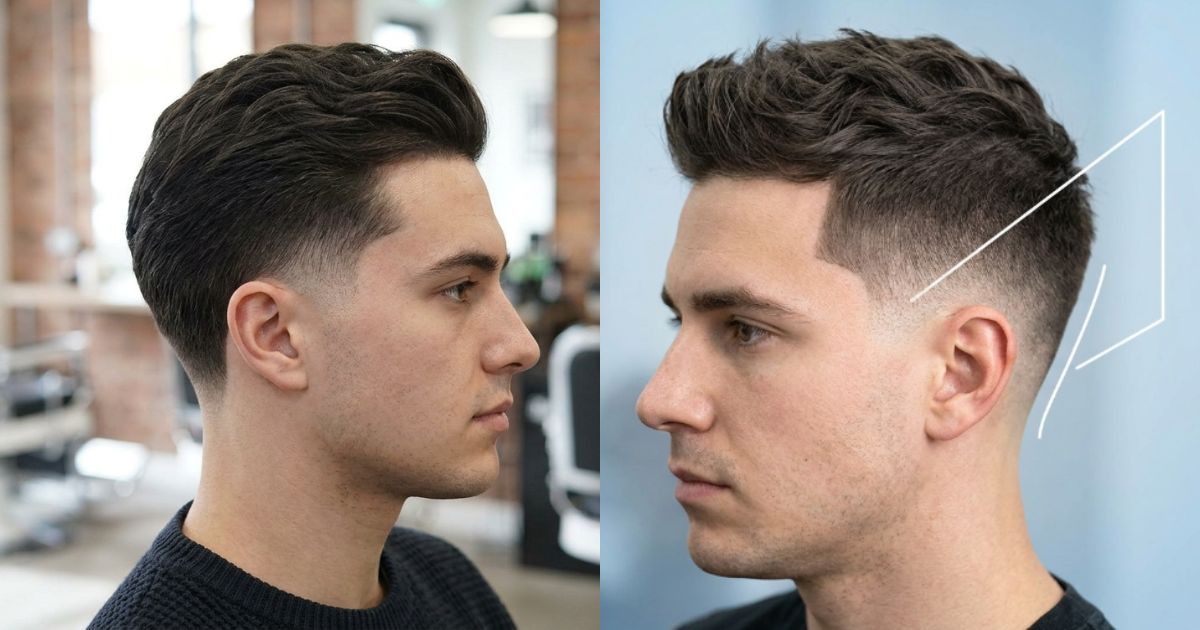
A mid drop taper fade begins around your temples, roughly halfway up your head. The arc curves more steeply than a low fade and shows more scalp. That creates stronger, more visible contrast.
This height suits men between eighteen and thirty-five who want a trendy look. It also suits round, oval, and diamond face shapes especially well. Anyone comfortable with a bit more upkeep will enjoy it.
Because the starting point sits higher, regrowth becomes noticeable faster than with a low fade. Most people book a touch-up every two to three weeks. That keeps the sharp line looking fresh.
Mid Drop Taper Fade Vs Low Drop Taper Fade: What’s The Real Difference?
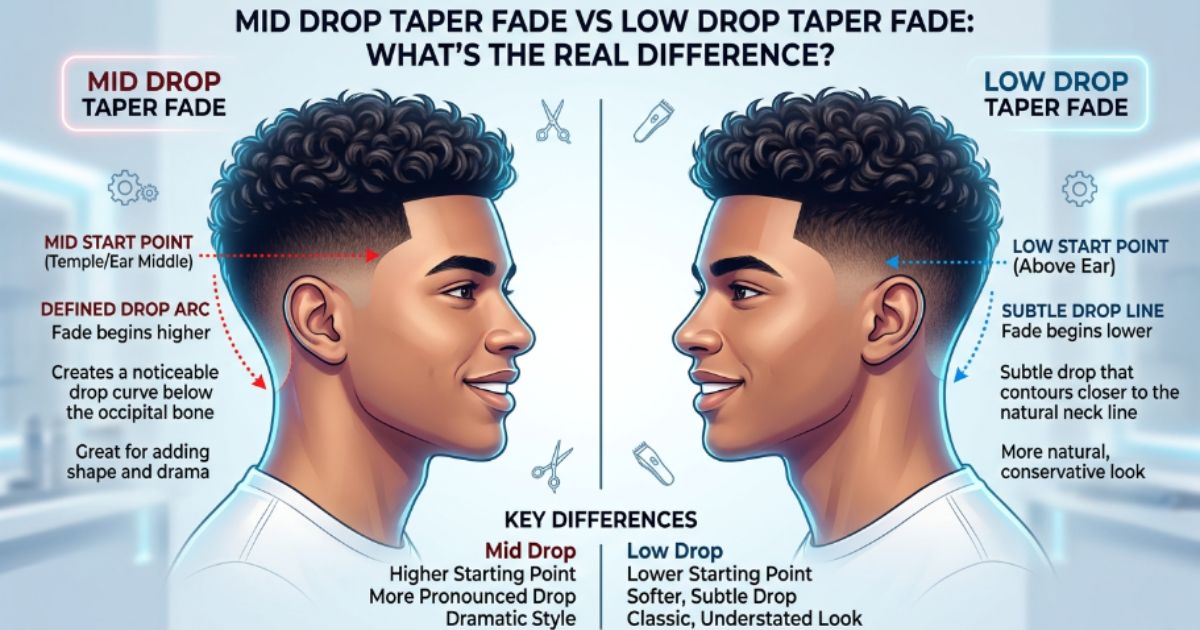
Both cuts look similar from a distance, but the details set them apart. The mid fade starts higher, around the temple, instead of just above the ear. That single change shifts the whole vibe.
| Feature | Low Drop Taper | Mid Drop Taper |
| Starting Height | Just above ears | Temple level |
| Arc Steepness | Gentle | Sharper |
| Maintenance | Every 3–4 weeks | Every 2–3 weeks |
| Best For | Professional, easy care | Trendy, bold looks |
Choose low if you want something subtle that grows out gracefully. Choose mid if you want more contrast and don’t mind extra barber visits. Both cuts work well; it comes down to your lifestyle.
Mid Drop Taper Fade For Curly Hair
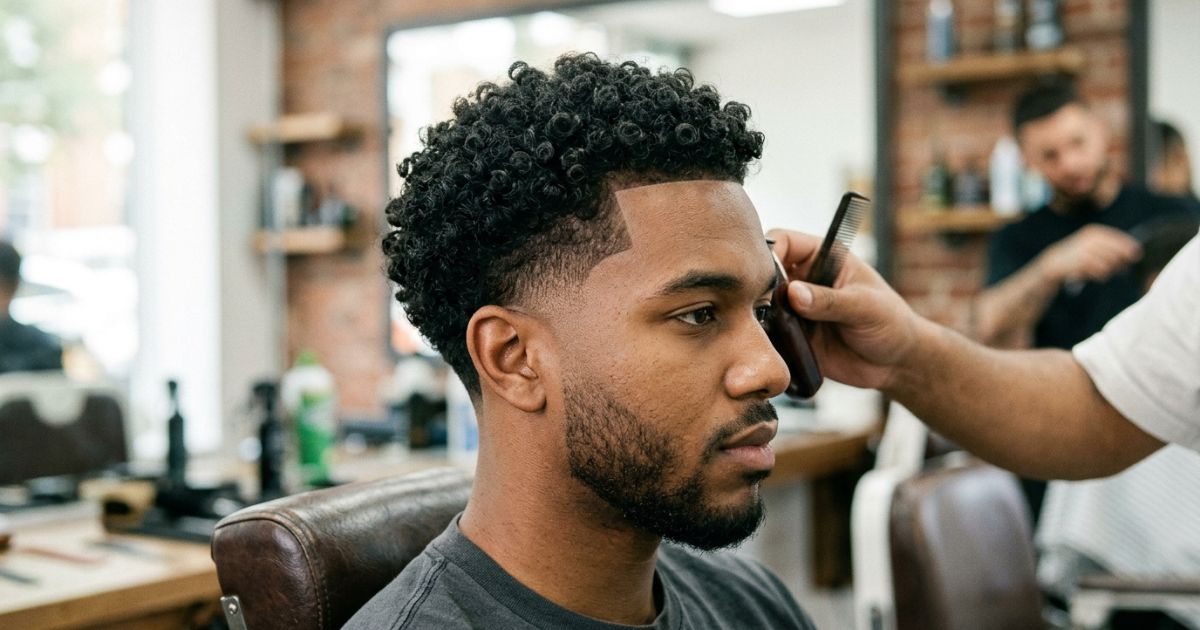
This height gives curly hair extra room to show off on top. The higher starting point creates a bigger contrast between your curls and the tight, blended sides. The look feels lively and current.
Apply curl cream to damp hair before you dry it. Diffuse on low heat while scrunching gently to protect your curl pattern. Finish with texture powder at the roots for a lift.
Popular combinations include sponge tops, defined coils, and 360 waves. Each style pairs naturally with the mid fade’s bolder arc. Avoid combing through curls, since that flattens their natural shape.
Mid Drop Taper Fade With Beard
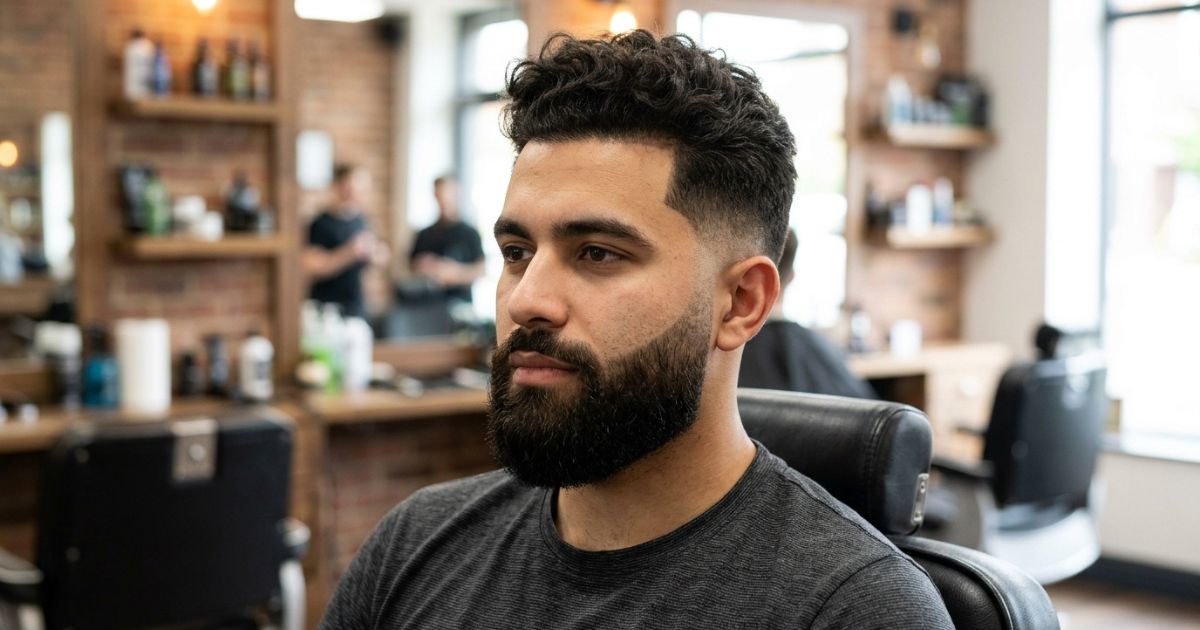
A mid drop taper fade creates a bit more separation from your beard than a low fade does. That gap makes your beard stand out as its own distinct feature. The overall look feels sharper and more deliberate.
You can choose a hard line for a bold, high-contrast finish. Or you can ask for a soft blend that flows more naturally into the beard. Either option works, so pick what suits your style.
Full beards, tapered beards, and heavy stubble all pair nicely here. Just make sure your beard lines stay crisp and well-defined. A precise fade deserves an equally precise beard.
Best Face Shapes For Mid Drop Taper Fade
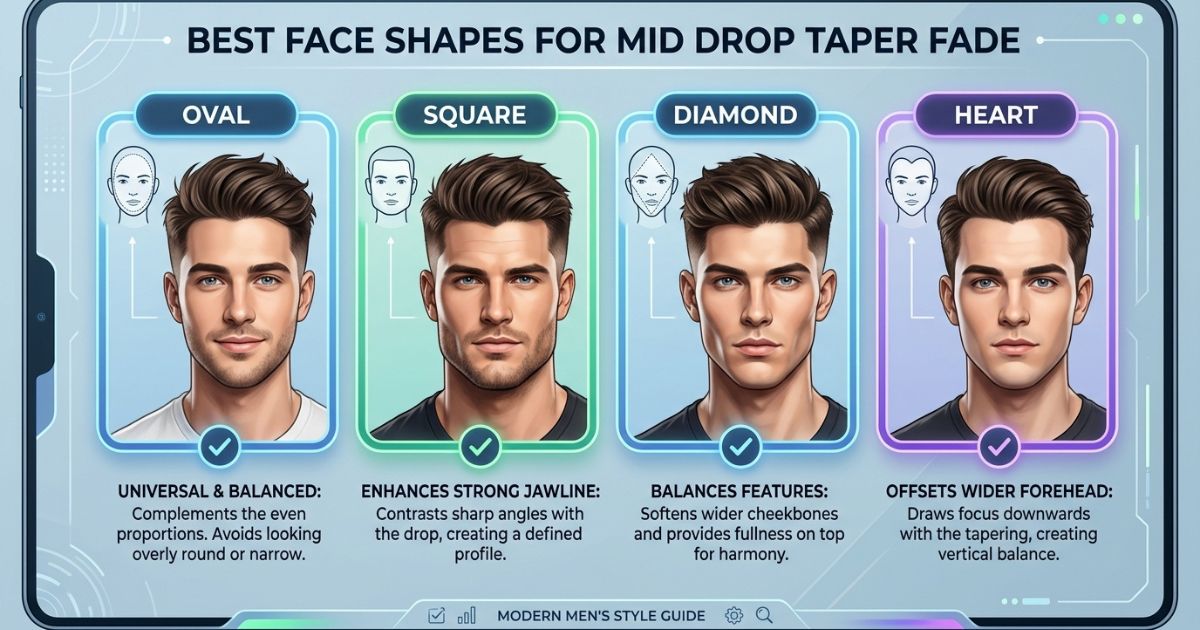
Round faces gain the most from this height, since the higher arc adds more vertical movement. That extra lift creates a stronger slimming effect than a low fade offers. Diamond faces also look great with it.
| Face Shape | Suitability | Why |
| Round | Excellent | Adds strong vertical movement |
| Diamond | Great | Highlights the cheekbones |
| Square | Good | Softens the jawline |
| Long/Oblong | Moderate | Pair with a fuller top |
Oval faces handle this height easily, since nearly any fade suits them. Square and heart-shaped faces do well too, especially with a softer top style. Long faces should add extra volume on top.
Learn more:Mid Taper Designs: Back & Side Ideas + Barber Script (2026)
How Often Should You Get A Mid Drop Taper Fade?
Plan on a fresh trim every two to three weeks with this cut. The steeper arc grows out faster than a low fade, so the line loses shape sooner. Staying on schedule keeps it sharp.
Week one looks crisp and clean, right after your barber visit. By week two, it’s still holding up nicely. Week three is usually your cue to book the next appointment before things soften.
Yearly cost typically runs between six hundred and one thousand dollars. Booking your next visit before you leave the chair helps you stay ahead. Waiting too long means a week of looking less sharp.
High Drop Taper Fade: The Bold Statement
The high drop taper fade starts above the temples, the highest point on the scale. It creates the boldest contrast of all three versions. This cut is built for men who want to stand out.
Because it starts so high, the line grows out quickly. Most people need a trim every ten to fourteen days to keep it sharp. That frequency makes it the most demanding version to maintain.
This height suits younger guys, thick or curly hair, and anyone fully committed to regular barber visits. It can also blend into a skin or bald fade near the neckline for extra drama.
What Is A High Drop Taper Fade?
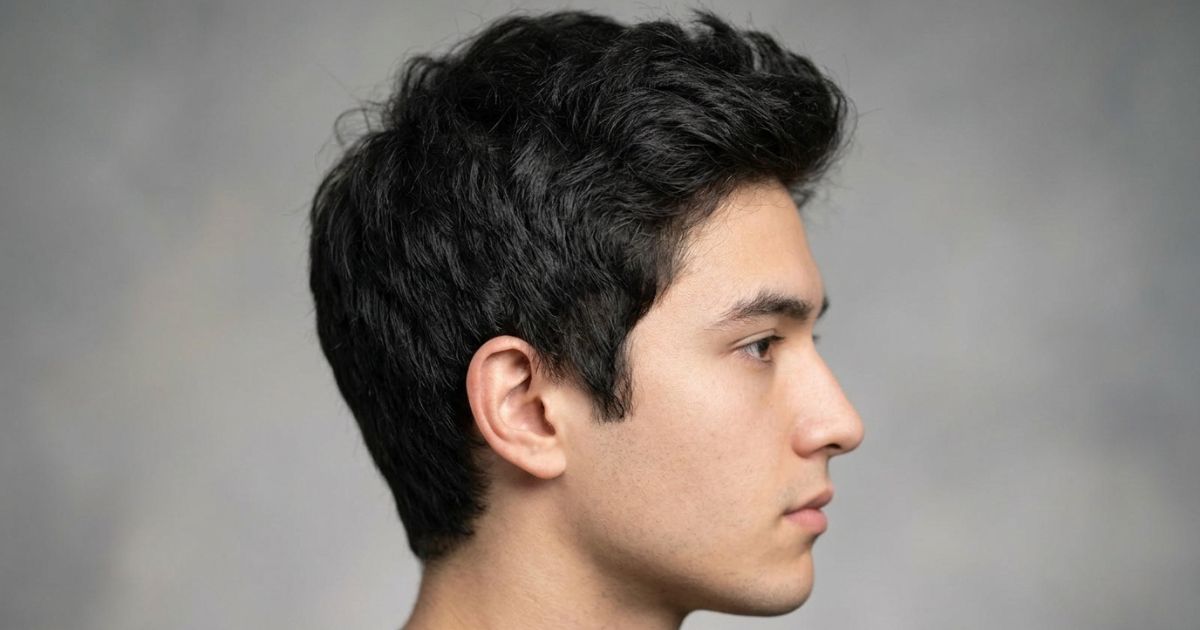
A high drop taper fade starts above your temples, the highest point a fade can begin. The arc drops steeply and dramatically behind the ear. Contrast between the top and sides becomes striking.
This cut works especially well with curly, coily, or thick hair. The strong texture on top balances the closely faded sides. Depending on how tight it’s cut, it can even fade to bare skin.
Because the arc sits so high, it grows out fast. You’ll want a trim every ten to fourteen days to keep the shape sharp. It’s the boldest, but also the most demanding, option.
High Drop Taper Fade Vs Mid Drop Taper Fade
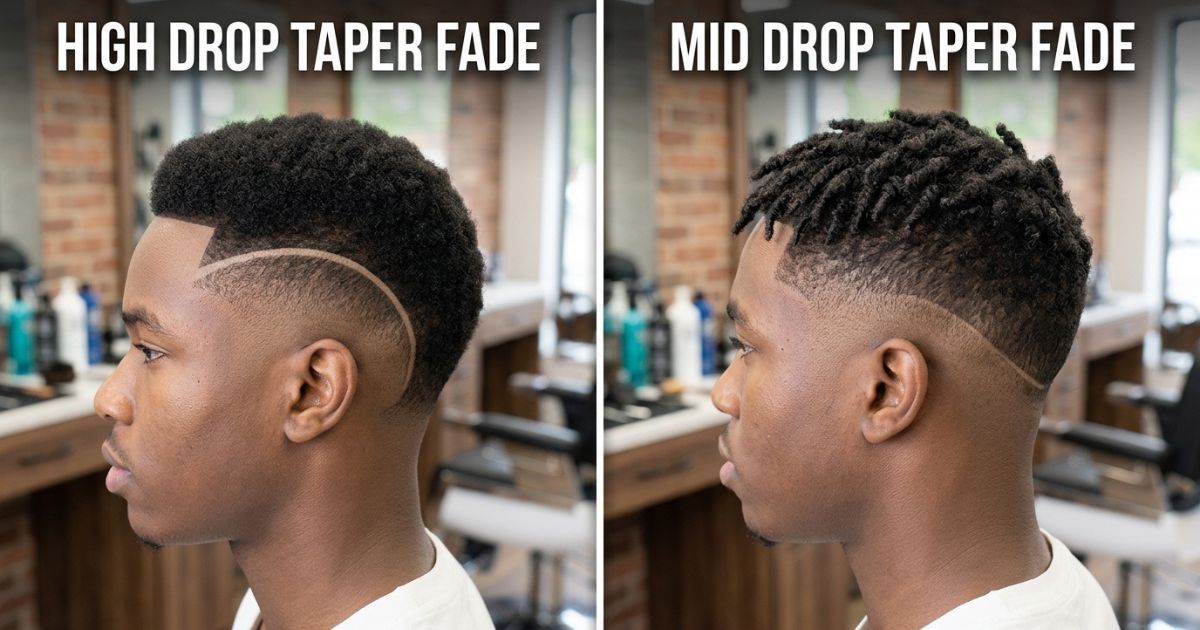
The main difference comes down to starting height and how often you’ll visit the barber. A mid fade starts at the temple, while a high fade starts above it. That gap changes everything else.
| Feature | Mid Drop Taper | High Drop Taper |
| Starting Height | Temple level | Above temples |
| Contrast | High | Maximum |
| Maintenance | Every 2–3 weeks | Every 10–14 days |
| Best For | Everyday versatility | Bold statements |
Pick mid if you want a manageable routine with plenty of style. Pick high if maximum impact matters more than convenience. Both look great, but only one fits a packed weekly schedule.
Drop Fade Vs Taper Fade: The Real Difference
A taper fade keeps a straight, horizontal line that respects your natural hairline. It creates a clean, subtle, professional look. A drop fade curves that same line down behind the ear instead.
People, including some barbers, often use these two terms interchangeably. They shouldn’t. The direction of the fade line is what truly separates one style from the other, and it changes the whole result.
Understanding this difference helps you walk into any barbershop with confidence. You’ll know exactly what to ask for. And you’ll walk out with the cut you actually pictured in your head.
The Fundamental Structural Difference
A taper fade runs a straight, level line around your head. It follows and respects your natural hairline rather than reshaping it. The blend looks even and balanced from every single angle.
A drop fade works differently. Its line curves down behind the ear, essentially redrawing your hairline into a new shape. The blend follows your skull’s contour instead of ignoring it.
Think of it simply. A taper fade polishes what you already have. A drop fade reshapes it into something new. Neither is better; they just create different finished looks.
Drop Fade Vs Taper Fade: The Full Side-By-Side Comparison
Here’s how the two cuts stack up across the details that matter most. Both can look sharp, but they behave differently over time and suit different lifestyles and budgets.
| Feature | Taper Fade | Drop Fade |
| Fade Line | Straight | Curved, drops behind ear |
| Maintenance | Every 2–3 weeks | Every 10 days to 4 weeks |
| Hairline | Respects it | Redraws it |
| Vibe | Timeless, clean | Bold, modern |
| Cost | $25–$40 per visit | $30–$50+ per visit |
Use this table as a quick reference before your next appointment. It gives you a fast way to compare cost, upkeep, and overall style. Bring it up when you talk with your barber.
Which Lasts Longer Between Cuts?
The taper fade wins this comparison clearly. Its straight line grows out evenly, so it blends back into itself over time. You can stretch appointments to three or four weeks without looking unkempt.
The drop fade demands more attention. Its curved line is a designed shape, not a natural one, so regrowth disrupts it faster. The arc flattens and loses its crisp definition sooner.
Annual costs reflect this gap too. A taper fade runs about six hundred dollars a year. A high drop taper can climb past thirteen hundred dollars given how often it needs a trim.
Which Suits Your Face Shape Better?
Round faces benefit most from a drop taper. Its vertical arc creates a slimming, contouring effect that a straight taper simply can’t replicate. Diamond faces see similar benefits through emphasized cheekbones.
Square and long faces often do better with a plain taper fade. The straight line avoids adding extra length or sharpness to an already angular or elongated face shape.
Oval faces have it easy either way, since both cuts suit them equally well. Heart-shaped faces also do fine with both, though a drop taper adds a bit more width at the temples.
Drop Fade Vs Taper Fade With A Beard
A taper fade flows naturally into a beard’s sideburn area. Hair and beard blend into one continuous, harmonious look. It’s the safer choice if you want everything to feel unified and balanced.
A drop fade creates more visual separation between your hair and beard. That gap makes the beard stand out as its own distinct feature. It reads bolder, but needs sharper beard lines to match.
Tell your barber which effect you’re after before they start cutting. A hard line gives sharp contrast, while a soft blend feels more natural. That one instruction shapes the entire final look.
Drop Fade Vs Taper Fade: Which One Is Right For You?
Choose a taper fade if you want low maintenance, work in a professional setting, or prefer a timeless look. It also suits a tighter grooming budget and forgives a missed barber appointment or two.
Choose a drop taper fade if you want something bold and modern. It works especially well if you have a round or oval face, curly or textured hair, or love trending Instagram-worthy styles.
Neither choice is wrong, since both cuts look sharp when done well. The right pick depends on your face shape, hair type, schedule, and how much barbershop time you’re willing to commit to.
Drop Taper Fade For Different Hair Types
The drop taper fade adjusts to fit curly, straight, wavy, thick, and fine hair. Barbers change the fade height, the arc’s steepness, and the top styling to match each texture.
Curly hair gains structure and definition from the clean arc. Straight hair shows off the line with sharp precision. Wavy and textured hair each bring their own natural movement to the finished look.
No matter your hair type, this cut can be tailored to flatter it. The key is telling your barber about your texture upfront. That small detail changes several choices throughout the appointment.
Drop Taper Fade For Curly Hair
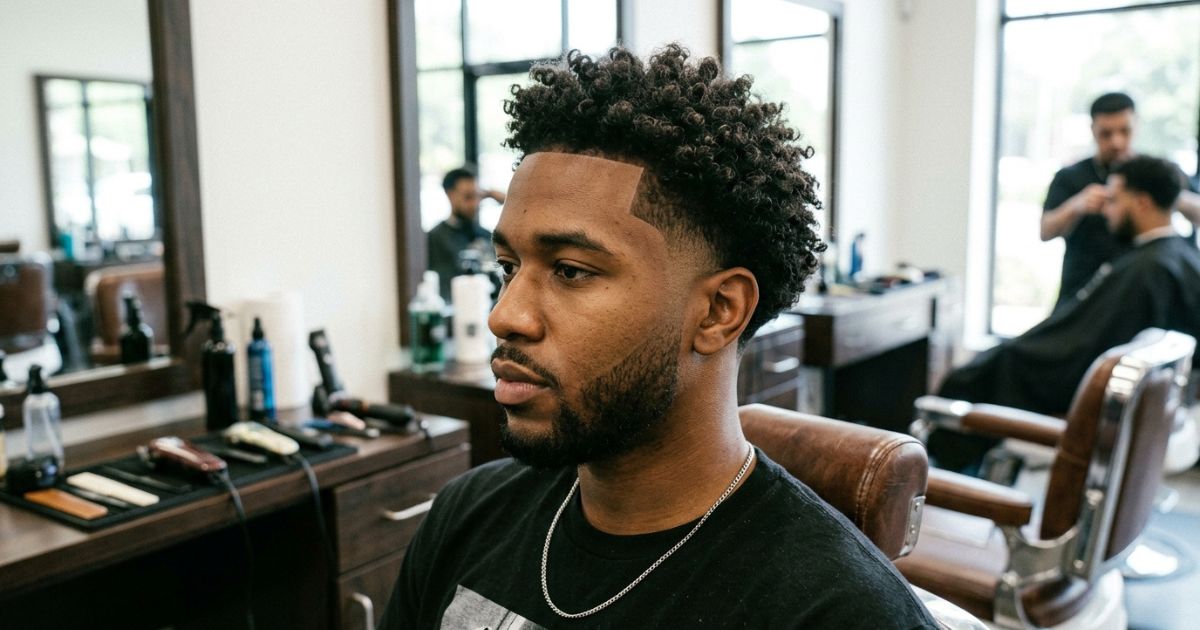
Curly hair and the drop taper fade complement each other naturally. The arc frames your curls like a clean border, adding sharp structure without flattening or removing your natural volume on top.
Low versions suit professional settings and offer a subtle finish. Mid versions strike the most popular balance between volume and sharp definition. High versions bring maximum drama and make tight curls really pop.
Use curl cream for definition, texture powder at the roots for lift, and argan oil for shine. A volumizing mousse before blow-drying adds even more body to naturally curly or coily hair.
Drop Taper Fade For Straight Hair
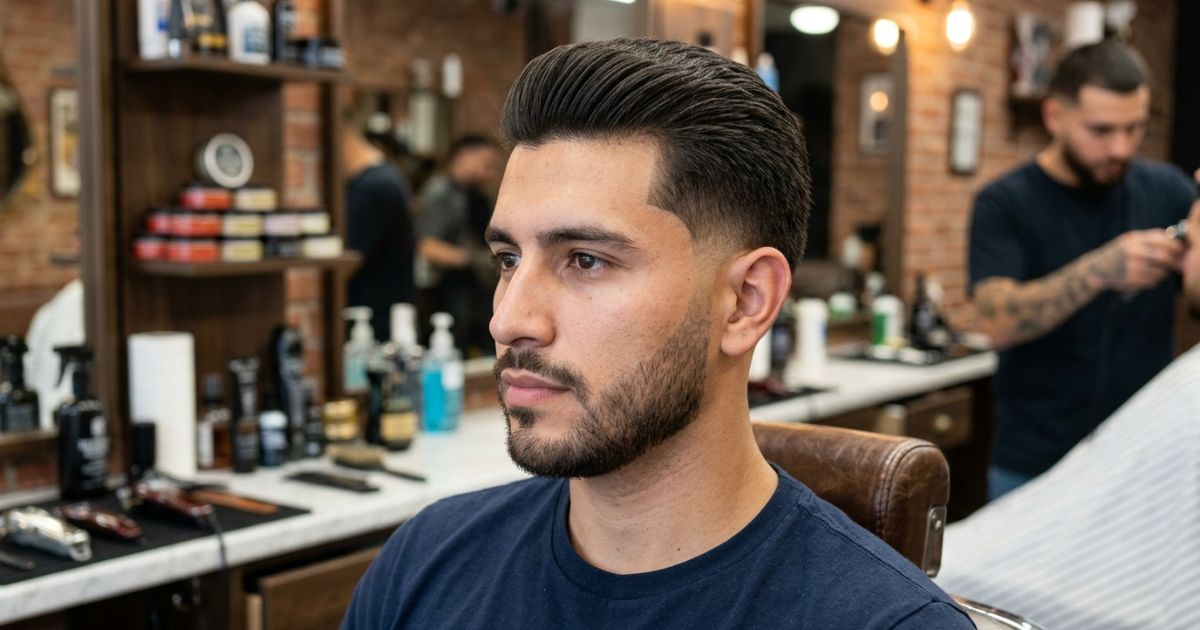
Straight hair makes this fade line look razor-precise. Without natural texture to soften it, the arc reads as clean and highly visible, creating sharp contrast between the top and the faded sides.
Because straight hair lacks built-in texture, pairing it with a styled top matters more here. Textured crops, messy fringes, side parts, and slick backs all work particularly well with this combination.
Reach for pomade if you want a sleek, shiny finish. Choose matte clay or texture clay for a more natural, grippy look. Molding paste offers flexible hold with a soft, matte finish too.
Drop Taper Fade For Wavy Hair
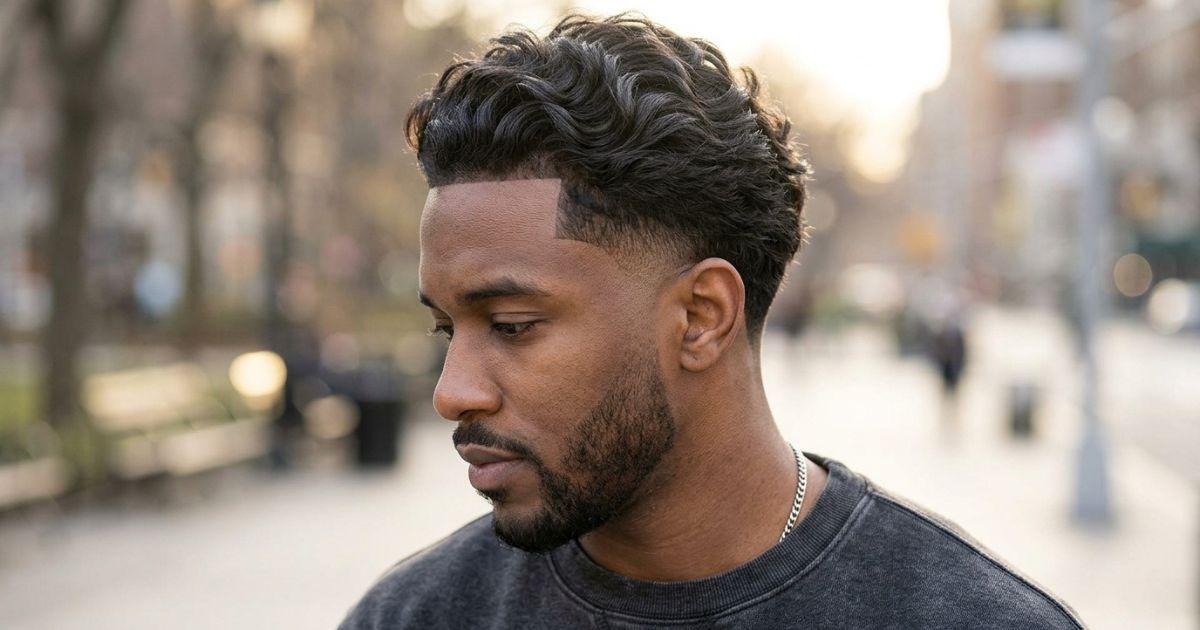
Wavy hair adds natural movement that pairs beautifully with the clean arc of a drop taper fade. The contrast between structured sides and relaxed waves on top feels effortless and polished at once.
A mid drop taper usually works best for wavy hair. That starting height balances your natural wave volume without letting the top look too heavy or unbalanced against the sides.
Sea salt spray brings out texture and grit in wavy hair. Texture clay adds matte hold without weighing waves down. Try a wavy quiff, messy waves, or a wavy fringe up top.
Drop Taper Fade For Thick Hair
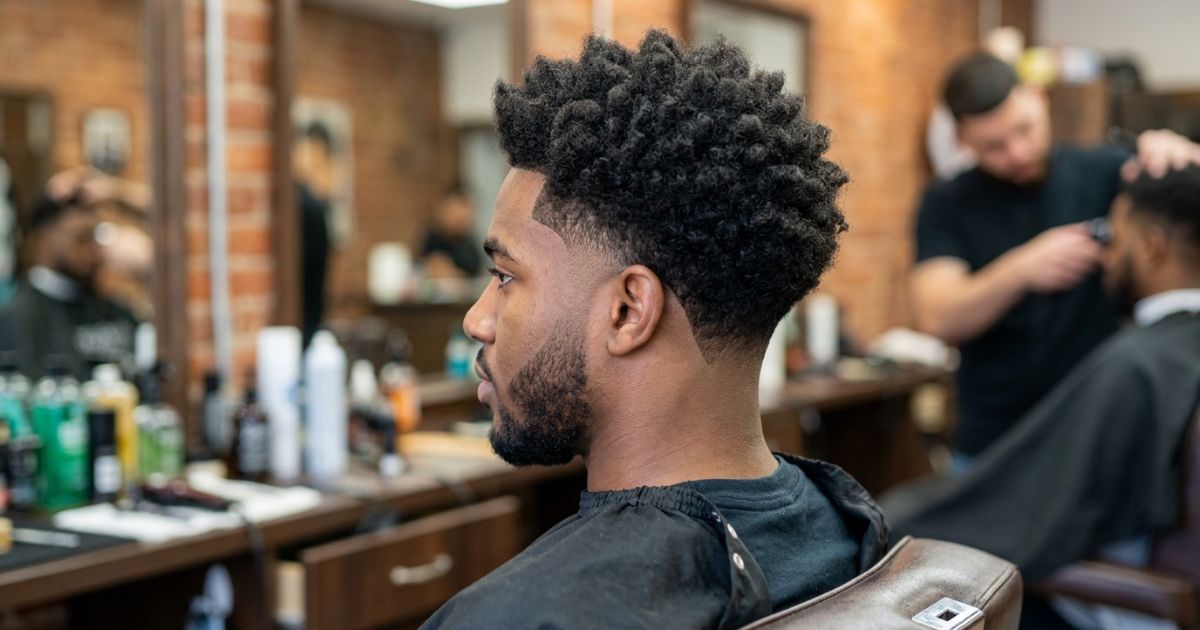
Thick hair can look heavy and bulky without the right cut. A drop taper fade removes weight from the sides and back while letting the top keep its natural volume and shape.
Ask your barber to use thinning shears on top to reduce bulk. That step helps the style lay more naturally instead of sitting stiffly or looking overly dense on your head.
Stick to lightweight products with thick hair. Heavy pomades and waxes will weigh it down fast. A light styling cream or texture clay usually gives the best, most natural-looking result.
Drop Taper Fade For Fine/Thin Hair
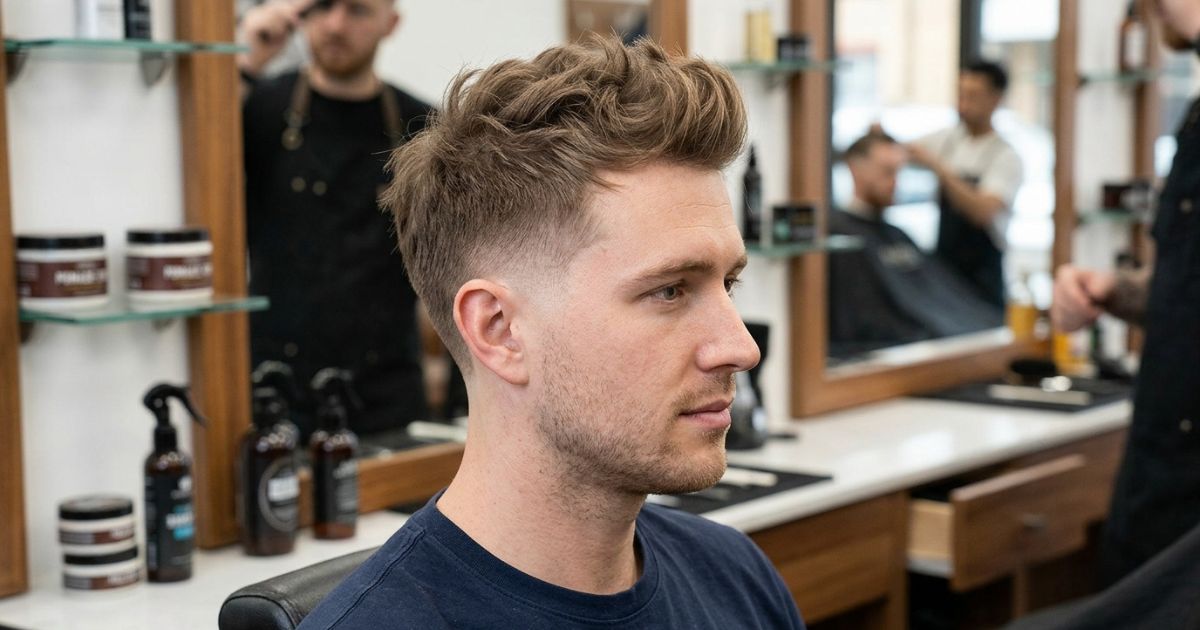
Fine hair can actually look fuller with a drop taper fade. Removing bulk from the sides creates contrast that makes the top appear thicker and more voluminous, even without much natural density.
Apply volumizing mousse to damp hair before blow-drying for extra lift. Texture powder at the roots adds even more body. A lightweight styling cream gives hold without flattening fine strands.
Avoid heavy pomades, thick waxes, or anything that presses hair flat against the scalp. Those products tend to expose thinness rather than disguise it, undoing the fuller look the cut creates.
Drop Taper Fade By Face Shape: The Complete Guide
Different face shapes call for different fade heights. Round faces benefit from added vertical movement. Oval faces handle any height well. Square faces look best with a softer, gentler curve.
Matching the fade height to your face shape makes a real difference in how the cut looks. A skilled barber will usually assess your bone structure before ever picking up the clippers.
If you’re unsure of your face shape, pull your hair back and take a front-facing photo. Compare the outline to common shapes, or simply ask your barber for an honest read.
Which Drop Taper Fade Height Is Best For Your Face Shape?
Each face shape pairs best with a specific fade height. Getting this match right makes the cut work with your features instead of against them, creating a far more flattering finished look.
| Face Shape | Best Height | Why |
| Oval | Low, Mid, or High | Every height works well |
| Round | Mid or High | Adds vertical, slimming movement |
| Square | Low or Mid | Softens an angular jawline |
| Heart | Mid | Balances a wider forehead |
| Diamond | Mid | Highlights the cheekbones |
| Long/Oblong | Low | Avoids elongating the face |
Oval faces have the most freedom, since almost any height flatters them equally. Round and diamond faces do best with more height for added vertical lift. Long faces should keep things low and full on top.
35+ Drop Taper Fade Styles
The drop taper fade pairs with dozens of top styles, from pompadours and quiffs to afros and mullets. Each combination uses the same clean arc as its foundation while the top expresses your personality.
Mixing and matching gives you room to make the cut your own. Your hair type, face shape, and lifestyle all play a role in choosing the right top style to pair with your fade.
Below is a rundown of the most popular combinations barbers are cutting right now. Use it as inspiration, or bring a specific photo to your next appointment for the clearest results.
Drop Taper Fade + Pompadour
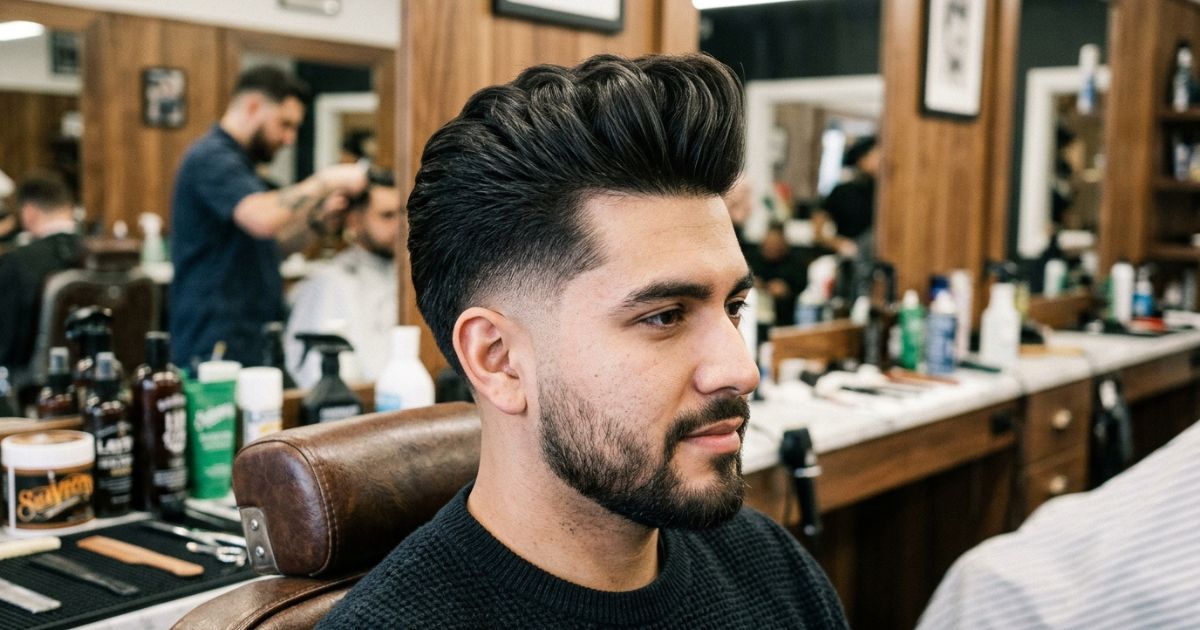
This combination ranks among the most iconic in men’s grooming today. The pompadour lifts hair high at the front and sweeps it back, pairing perfectly with the clean arc on the sides.
It works best on straight or wavy hair. Blow-dry the top upward using a round brush for lift. Then apply a strong-hold pomade and comb it back for a polished, shiny finish.
The result feels dramatic without looking overdone. It suits formal events just as well as everyday wear. Ask your barber for a mid or high drop taper to match the pompadour’s boldness.
Drop Taper Fade + Quiff
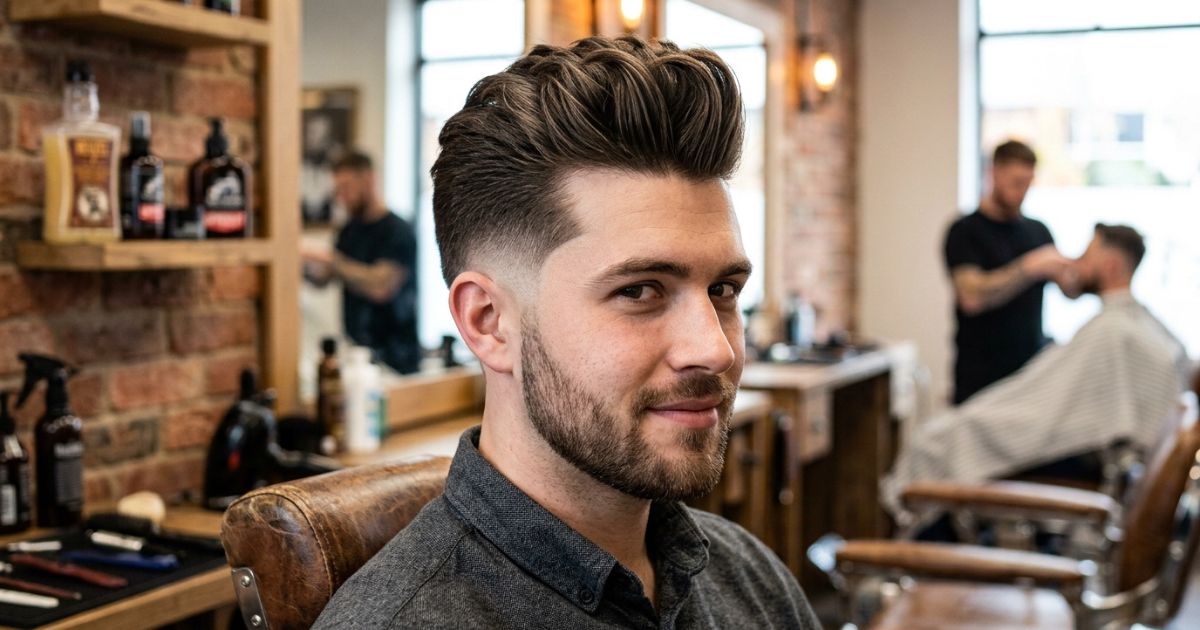
The quiff is a softer, more relaxed cousin of the pompadour. It lifts at the front but doesn’t reach quite as high. Paired with a drop taper, it feels modern yet easygoing.
This style suits both office days and weekend plans equally well. Blow-dry your hair forward and slightly upward, then sweep it gently back. Shape the final look with just your fingers.
Use a flexible styling cream for hold, then finish with a touch of pomade for shine. Straight and wavy hair both take to this combination naturally with minimal daily effort.
Drop Taper Fade + Textured Crop
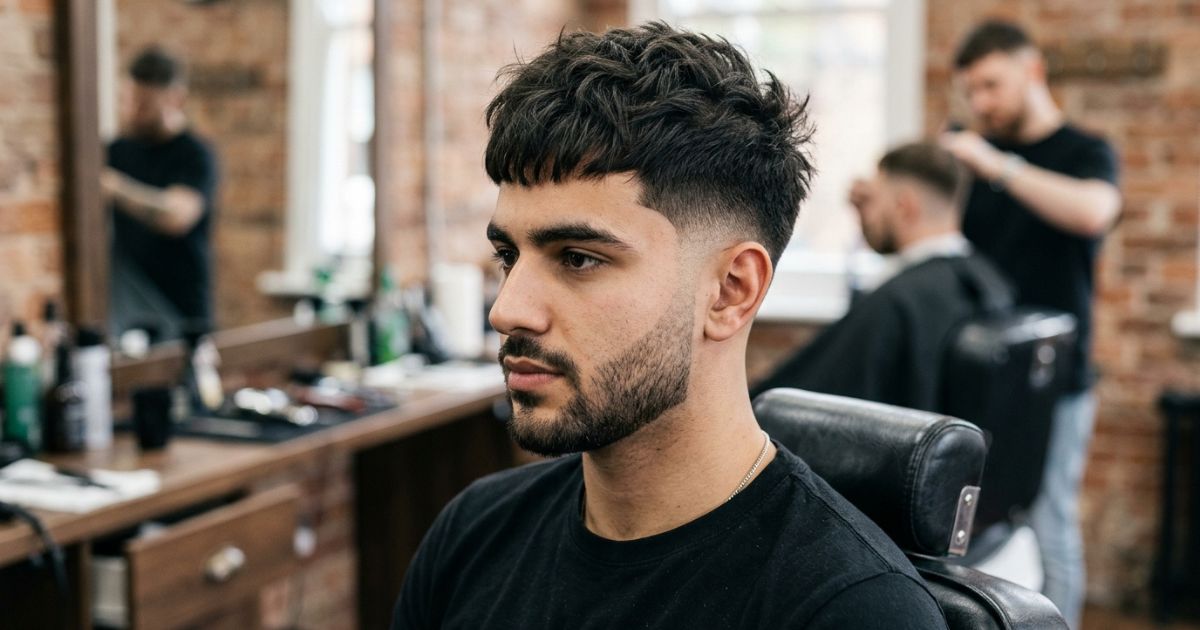
The textured crop remains one of the most requested top styles right now. Short, choppy layers sit above a natural fringe, giving the whole cut a relaxed, effortless feel with structure underneath.
It works with nearly any hair type, which makes it a safe and versatile choice. Pair it with a low or mid drop taper for the most balanced, everyday-friendly result.
Apply texture clay to damp hair for a matte, defined finish. Finger-style rather than comb it, since combing tends to flatten the natural texture this style depends on.
Drop Taper Fade + Messy Fringe
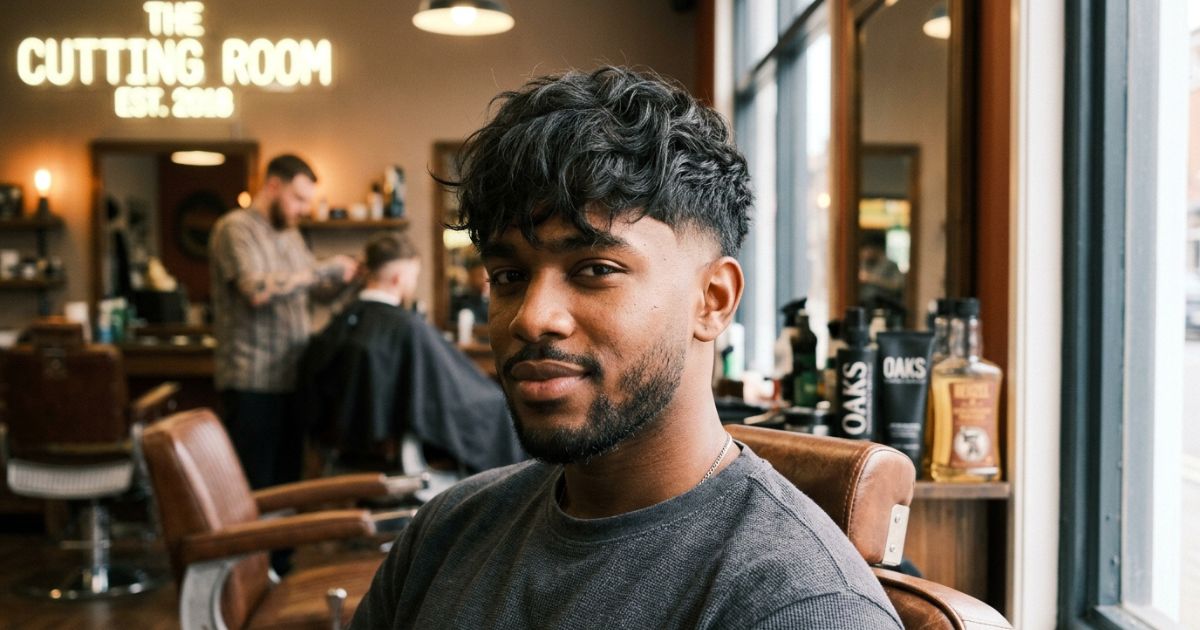
A messy fringe brings a relaxed, tousled energy to the top of your head. Paired with a drop taper, the clean sides create contrast against the soft, casual movement up top.
This combination suits straight or wavy hair particularly well. Apply texture clay along with a light spray of sea salt for extra grip and natural-looking texture throughout the day.
The overall vibe feels effortless rather than styled. It’s a great everyday option for guys who want something low-effort but still intentional and polished-looking on the sides.
Drop Taper Fade + Comb Over
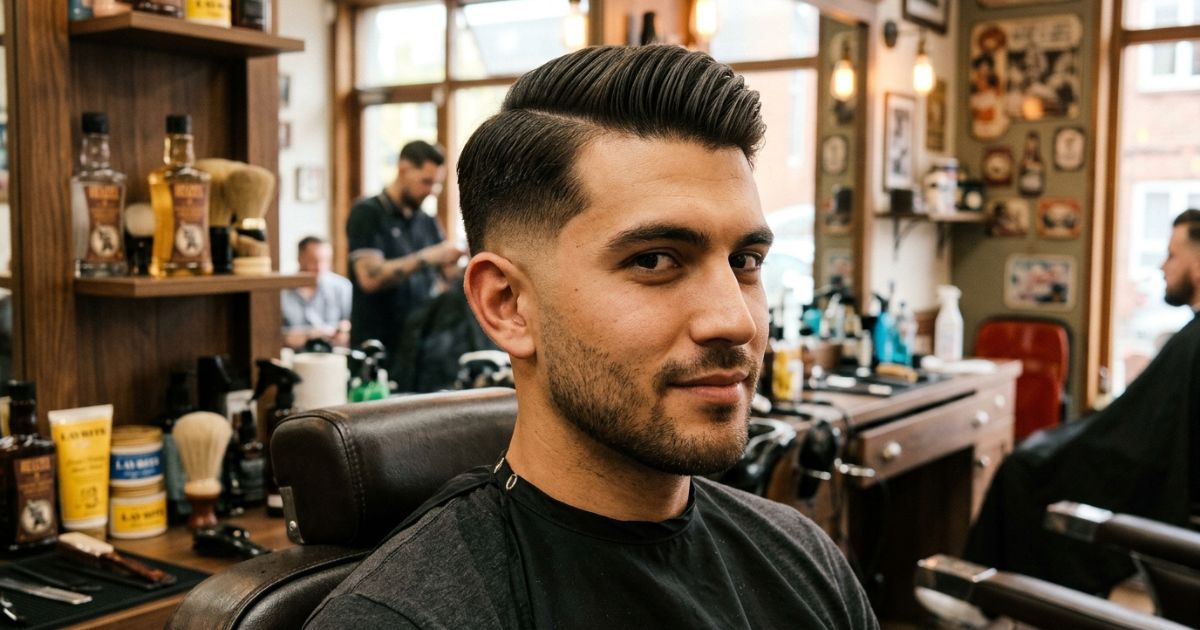
The comb over reads as the smart, put-together option. A clean side part sends hair sweeping to one side, and the drop taper underneath keeps everything looking sharp and deliberate.
It suits straight or slightly wavy hair best. Apply pomade for both hold and shine, then comb the part in cleanly. The finish looks professional without feeling stiff or old-fashioned.
This pairing works equally well for the office and weekend outings. It’s a reliable, classic choice that never really goes out of style, especially paired with a low or mid fade.
Drop Taper Fade + Slick Back
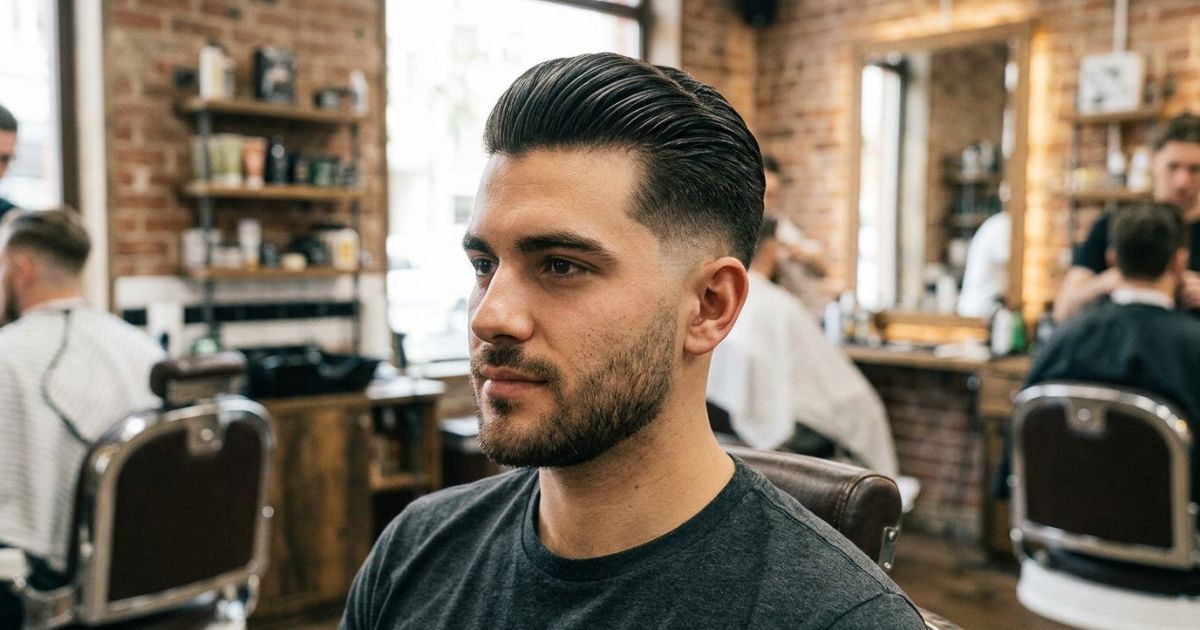
Slick back styling pushes all the hair smoothly backward from the forehead. Combined with a tight drop taper on the sides, it creates a formal, put-together look ideal for special occasions.
This is the go-to choice for job interviews, weddings, or any event where you want to look seriously polished. A strong-hold pomade or styling cream keeps everything smooth and controlled all day.
Straight and wavy hair both handle this style well. Pair it with a mid or high drop taper for extra sharpness that matches the formality of the slicked-back top.
Drop Taper Fade + Edgar Cut
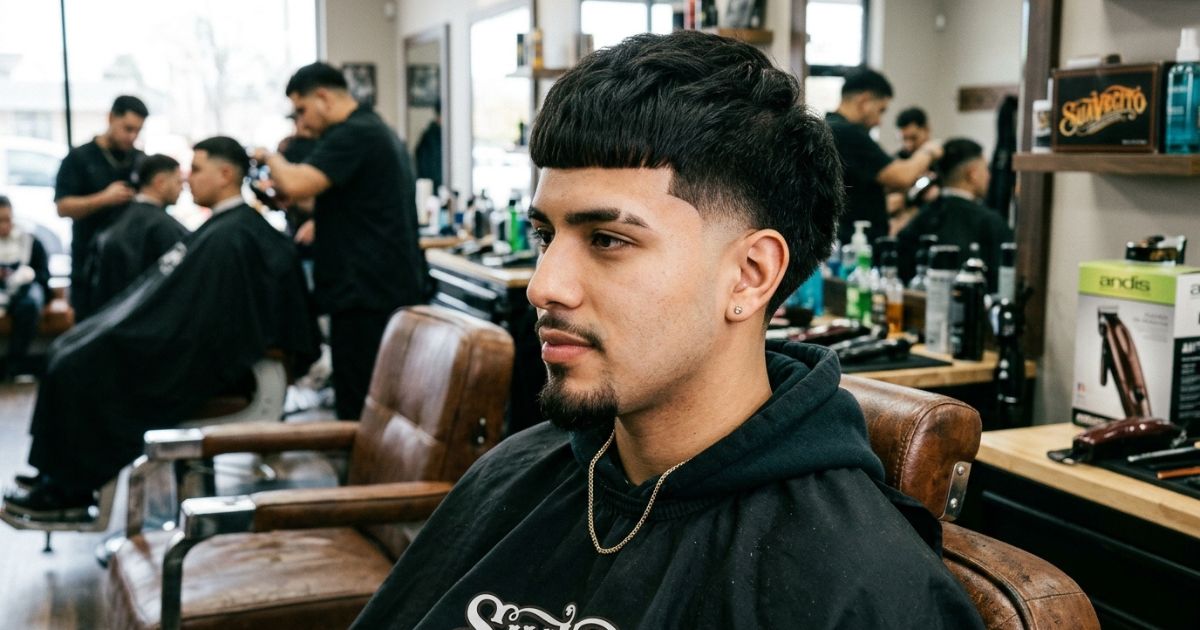
The Edgar cut features a blunt, flat fringe paired with cropped sides. Combined with a drop taper, it creates one of the boldest, most talked-about looks among younger men right now.
It suits thick or straight hair especially well, since those textures hold the blunt fringe shape best. Use texture powder for lift, then finish with pomade for a sleek, defined edge.
This combination reads modern and unapologetic. It’s a statement cut, so pair it confidently with a mid or high drop taper to match its sharp, deliberate energy.
Drop Taper Fade + French Crop
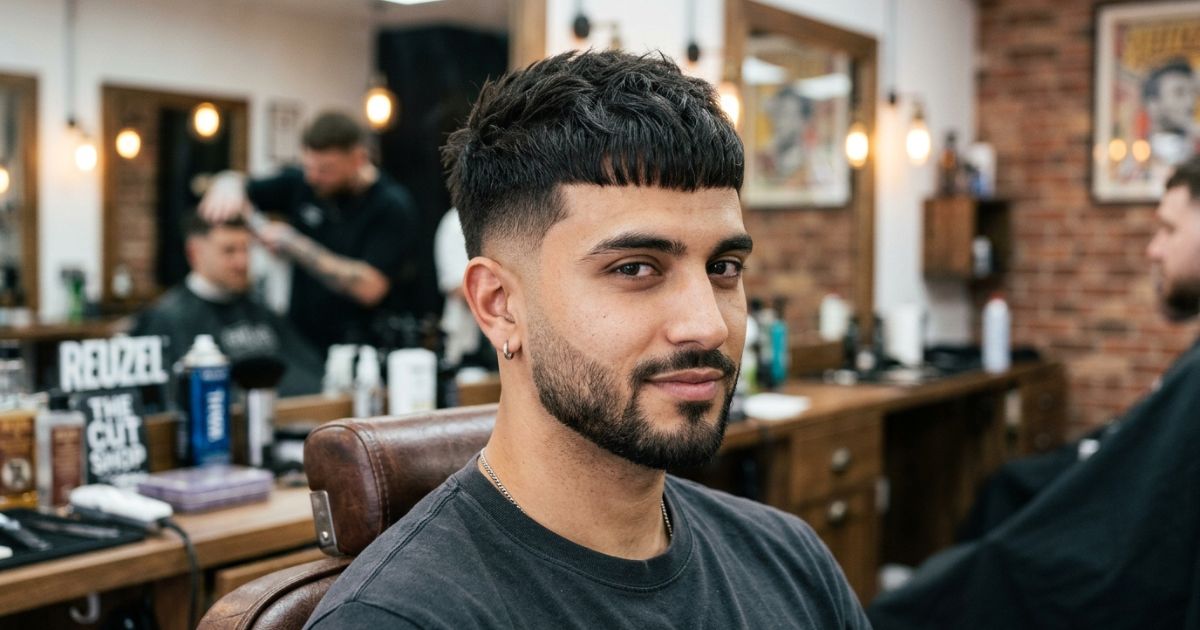
The French crop features a straight, blunt fringe falling forward above closely cropped sides. A drop taper adds a curved element to this otherwise angular, structured style, softening it just slightly.
This pairing works across nearly all hair types, making it a flexible choice. Apply a lightweight molding paste for hold that doesn’t feel heavy or overly stiff throughout the day.
The result looks clean, modern, and low-maintenance on top. It pairs especially well with a low or mid drop taper for a balanced, everyday-appropriate finish.
Drop Taper Fade + Faux Hawk
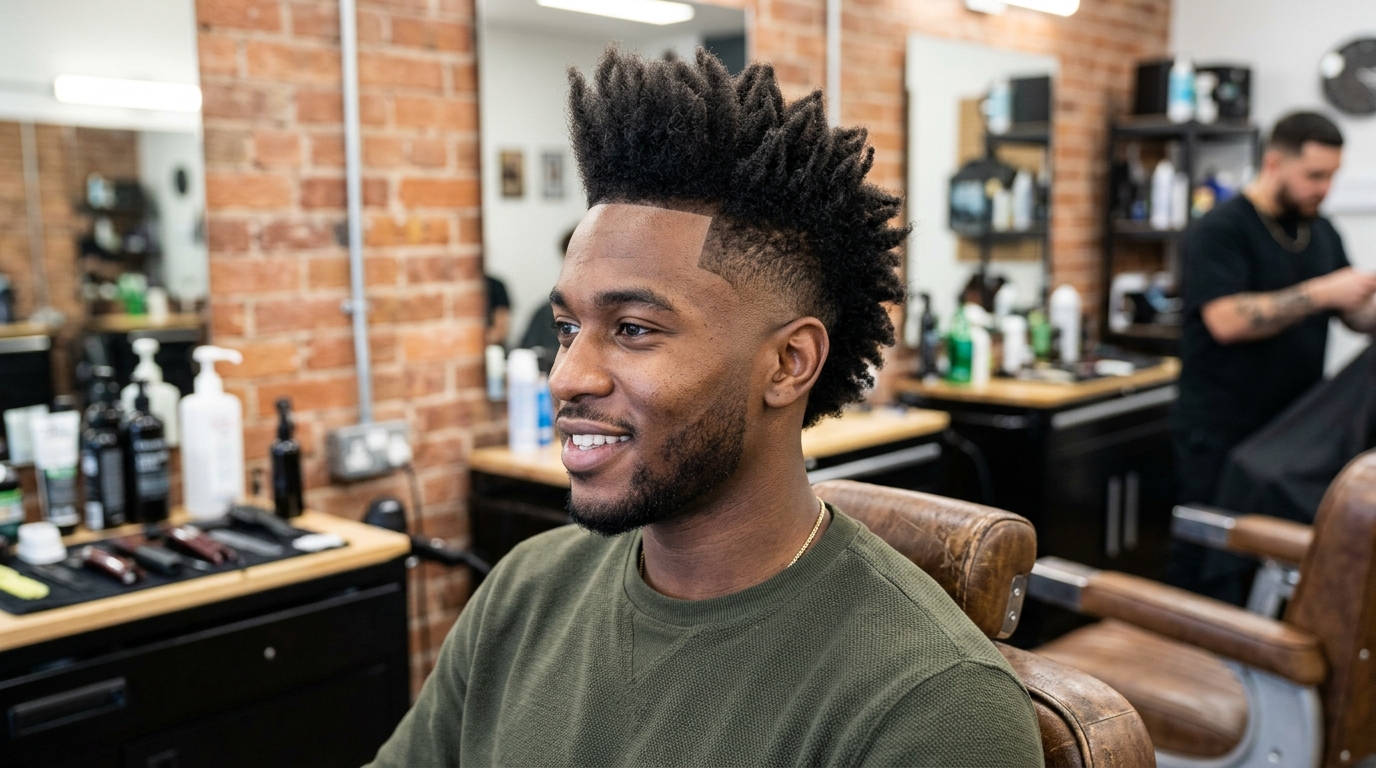
The faux hawk creates a raised, textured strip of hair running from front to back. A drop taper on the sides adds extra dimension, making the raised strip look even more defined.
This style suits thick, wavy, or curly hair best, since those textures hold the raised shape naturally. Use texture clay along with sea salt spray for extra grip and lasting hold.
It’s a bolder choice that works well for guys who want something eye-catching. Pair it with a mid or high drop taper to keep the whole look feeling intentional and sharp.
Drop Taper Fade + Mohawk
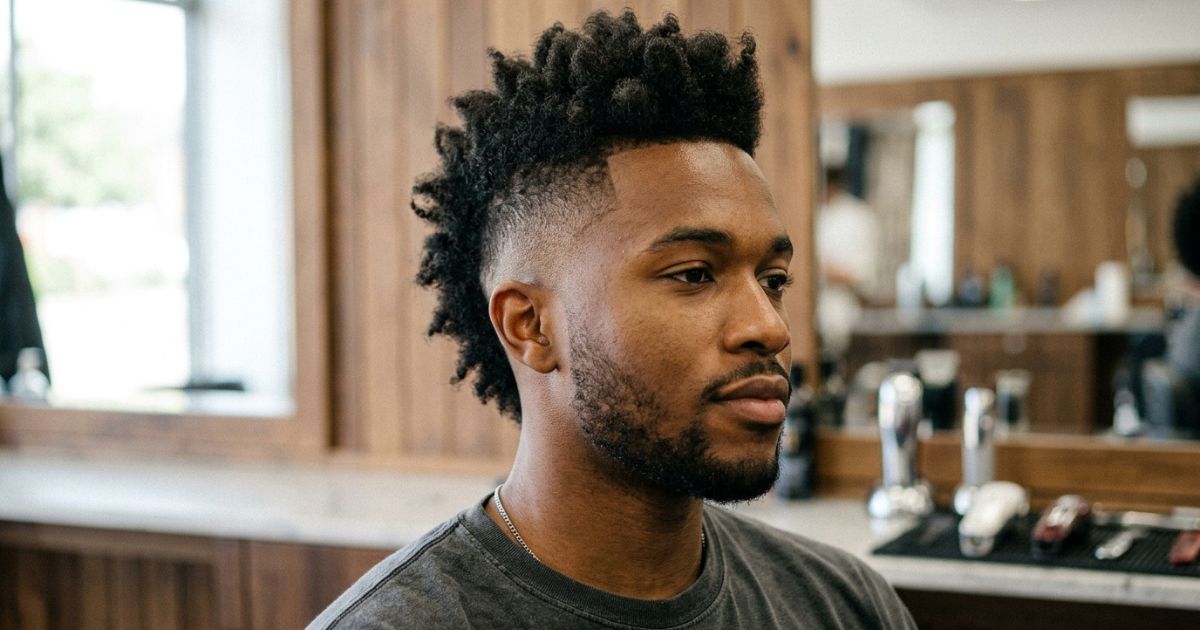
The mohawk takes the faux hawk a step further with more height and length down the center strip. A drop taper creates a clean, dramatic transition into the closely faded sides.
Sea salt spray before blow-drying helps set the shape. Follow with texture clay for a strong hold that lasts through the day, even with an active schedule or humid weather.
This combination reads bold and confident. It suits thick or coarse hair especially well, and pairs naturally with a high drop taper for maximum contrast and visual impact.
Drop Taper Fade + Afro
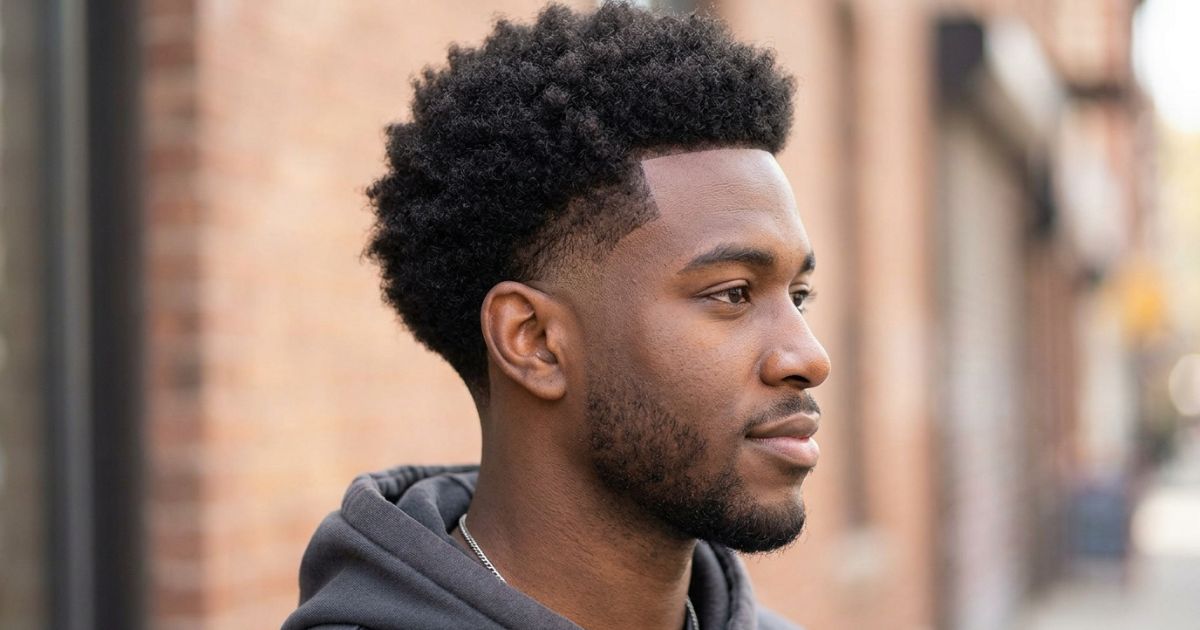
Pairing a drop taper fade with an afro celebrates natural hair texture fully. The clean arc frames the afro’s volume without reducing its size, giving it structure without sacrificing personality.
This combination suits coily, kinky, and naturally textured hair beautifully. Use curl-enhancing cream to define curls, then finish with hydrating argan oil for shine and added moisture control.
It’s one of the most striking combinations available today. The contrast between full volume on top and a clean, curved arc below creates a genuinely head-turning finished look.
Drop Taper Fade + Curly Top
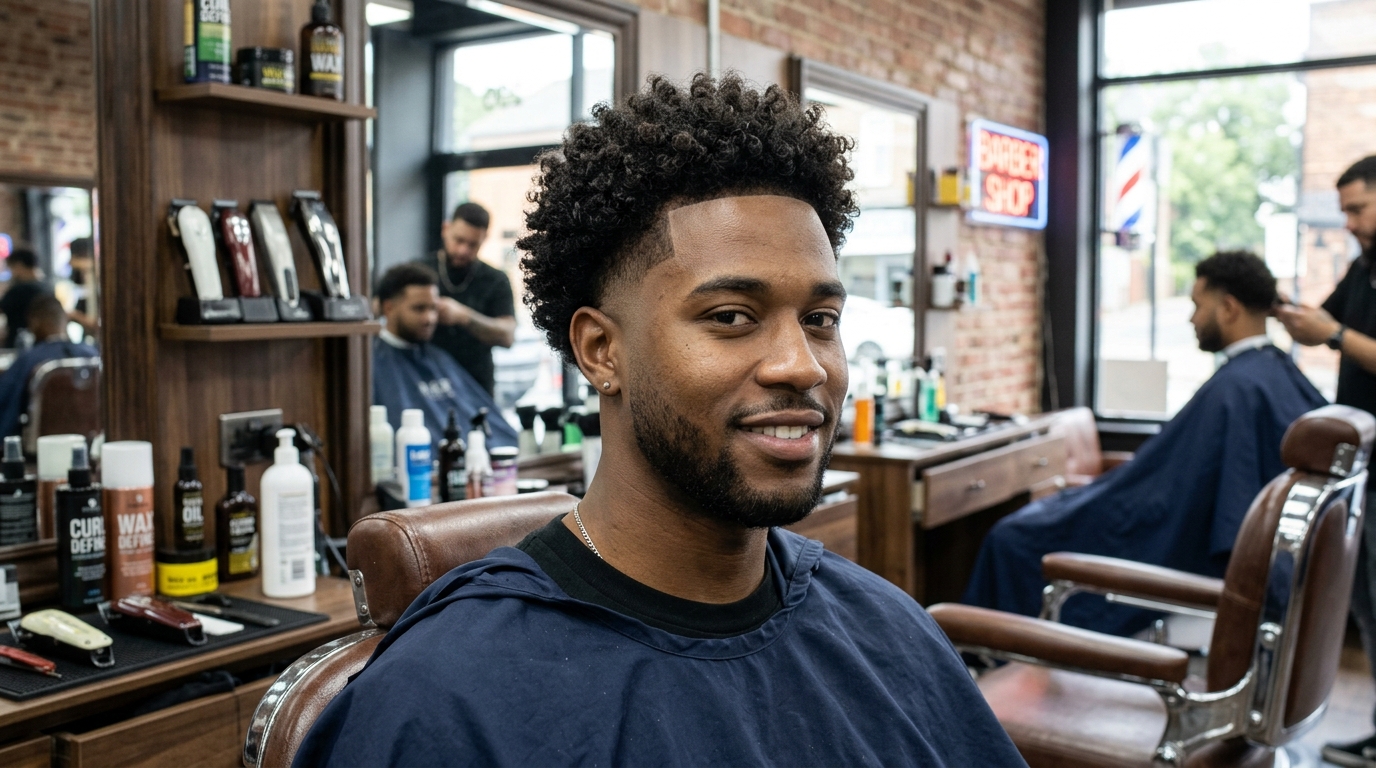
Leaving natural curls voluminous on top while keeping the sides in a clean drop taper is one of the most requested styles at barbershops right now, and it’s easy to see why.
This combination feels fresh and full of personality. It works for nearly every occasion, from casual days to nights out, without requiring much extra styling effort on your part.
Use curl cream to define your natural pattern, then add texture powder for lift at the roots. Avoid combing through, since that disrupts the curl shape you’re trying to showcase.
Drop Taper Fade + 360 Waves
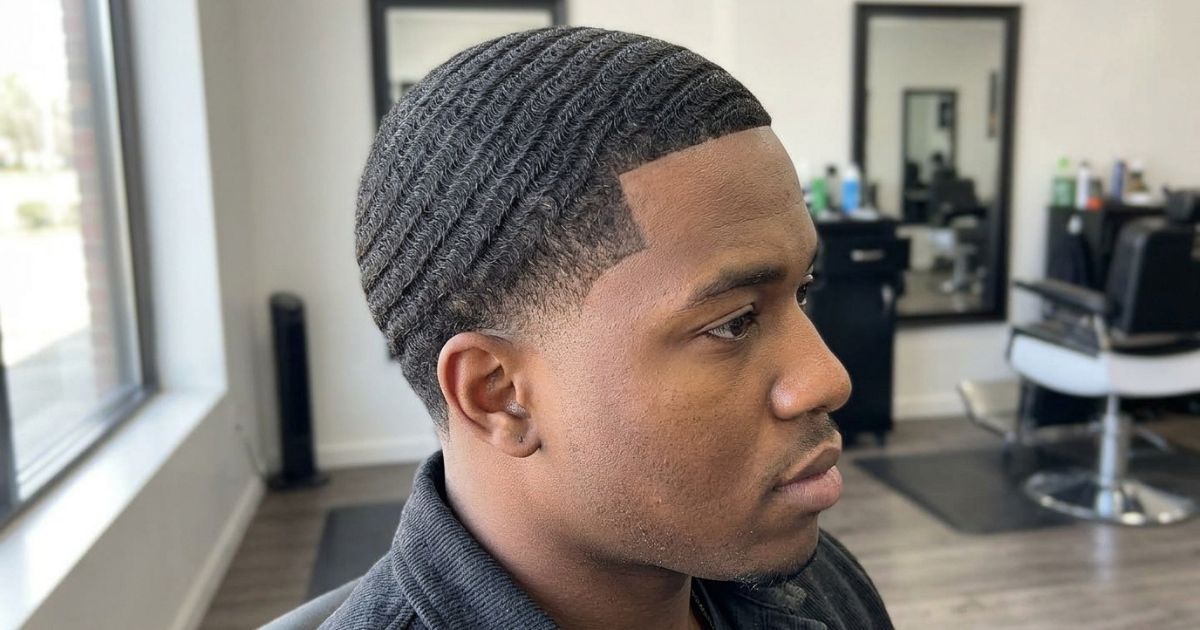
A drop taper fade gives 360 waves a sharp, clean border that makes the wave pattern stand out even more. The contrast between structured sides and flowing waves looks genuinely striking.
Keeping the top well-moisturized matters here. Regular brushing helps train and maintain the wave pattern, so make that part of your daily routine if you’re chasing crisp, defined waves.
Pomade helps hold the wave pattern in place throughout the day. Follow it with a touch of hydrating argan oil for shine and to keep your scalp and hair healthy.
Drop Taper Fade + Dreads / Dreadlocks
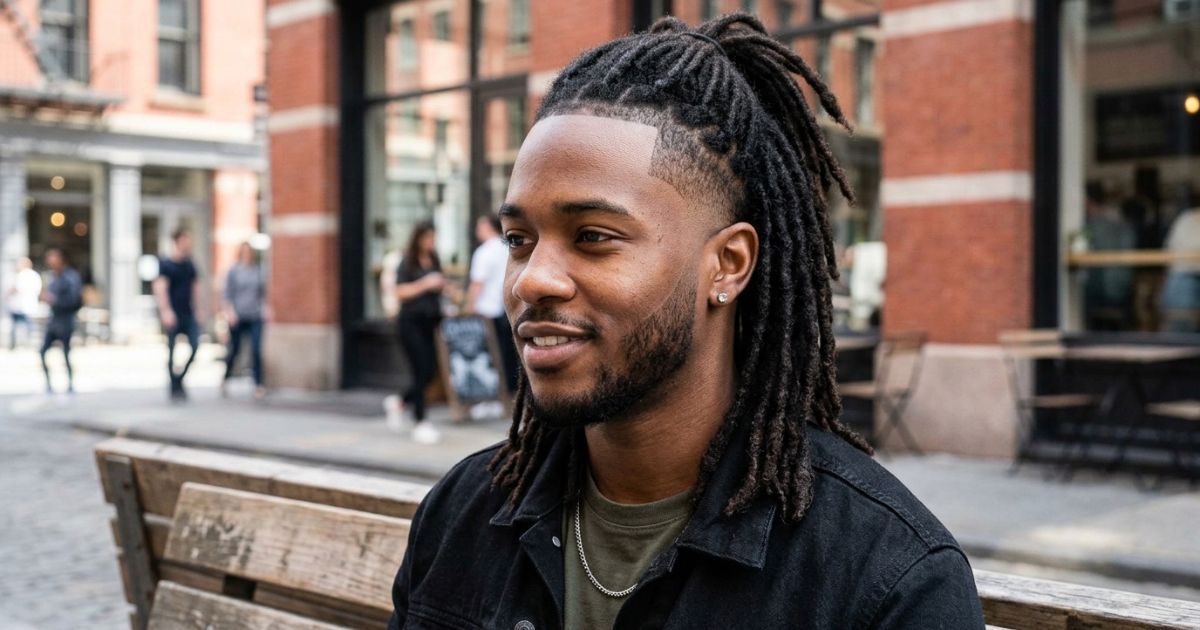
Dreadlocks on top paired with a clean drop taper create a bold, expressive combination that continues growing in popularity. The fade keeps the silhouette tidy while the locs bring personality and culture forward.
Because the contrast between locs and faded sides is quite noticeable, this combination needs more frequent upkeep. Plan on visiting your barber roughly every two weeks to keep the fade sharp.
This pairing works for nearly any length of locs, whether short and new or long and established. It’s a striking, culturally rich look that stands out in any setting.
Drop Taper Fade + Man Bun
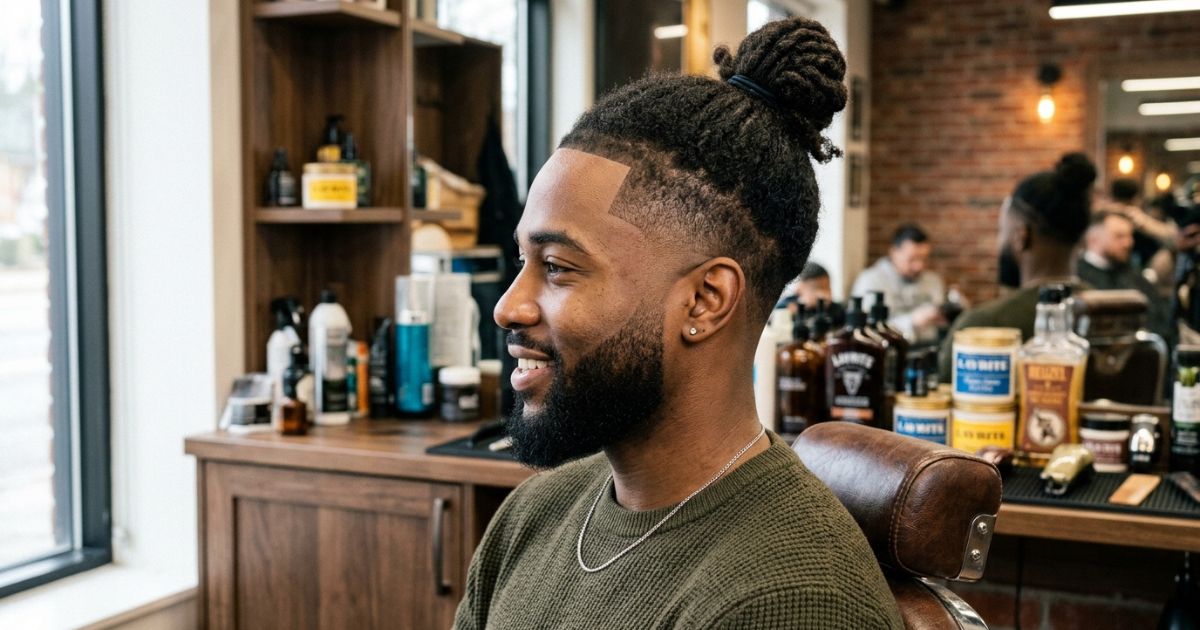
The man bun paired with a drop taper is a surprisingly clean combination. Tight, faded sides keep things modern while the bun adds length and easy movement up top.
This style feels casual and effortlessly cool without looking sloppy. It suits guys who are growing their hair out but still want a sharp, well-groomed appearance on the sides and back.
Use a styling cream for natural control over any flyaways. Finish with argan oil for added shine. This combination works well for both everyday wear and dressier occasions alike.
Drop Taper Fade + Undercut
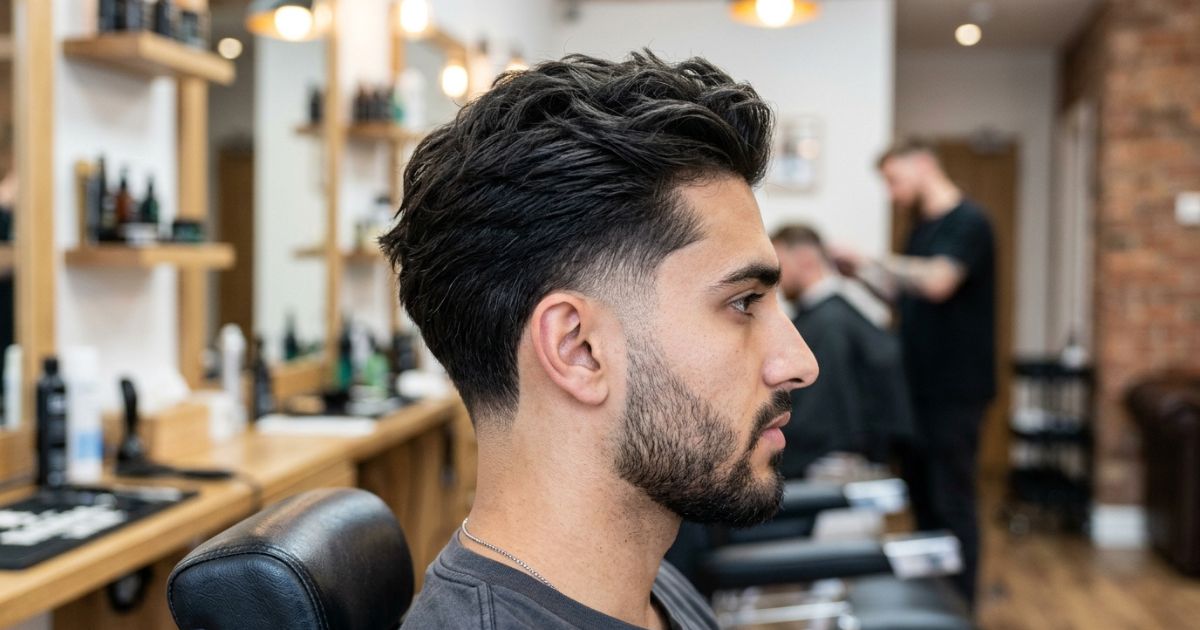
The drop taper undercut keeps the sides tightly faded while the top stays noticeably longer. Hair on top gets swept back or to the side for a sharp, confident finished look.
This combination suits men with thick or heavy hair particularly well, since the closely faded sides help balance out extra density and weight sitting on top of the head.
Pomade delivers a sleek, polished finish for this style. Molding paste offers more texture if you prefer a slightly rougher, more lived-in look instead of something glossy and smooth.
Drop Taper Fade + Buzz Cut
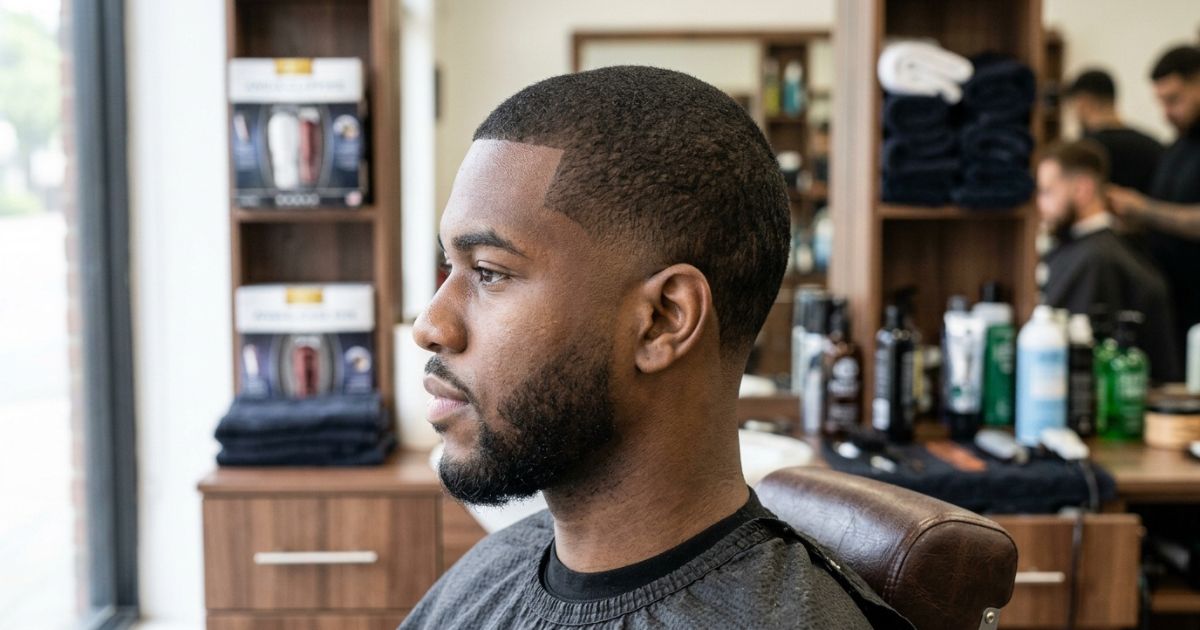
The drop taper buzz cut stands as the ultimate low-maintenance option. Hair stays short and clean throughout, with the drop arc providing the only real styling detail the cut needs.
There’s genuinely no daily styling routine required here. Wash it, maybe brush it lightly, and you’re done. It’s ideal for guys who want a sharp look without any extra morning effort.
If you want a touch of definition, a light texture powder can add subtle interest. Otherwise, this cut looks intentional and clean exactly as it is, straight out of the chair.
Drop Taper Fade + Crew Cut
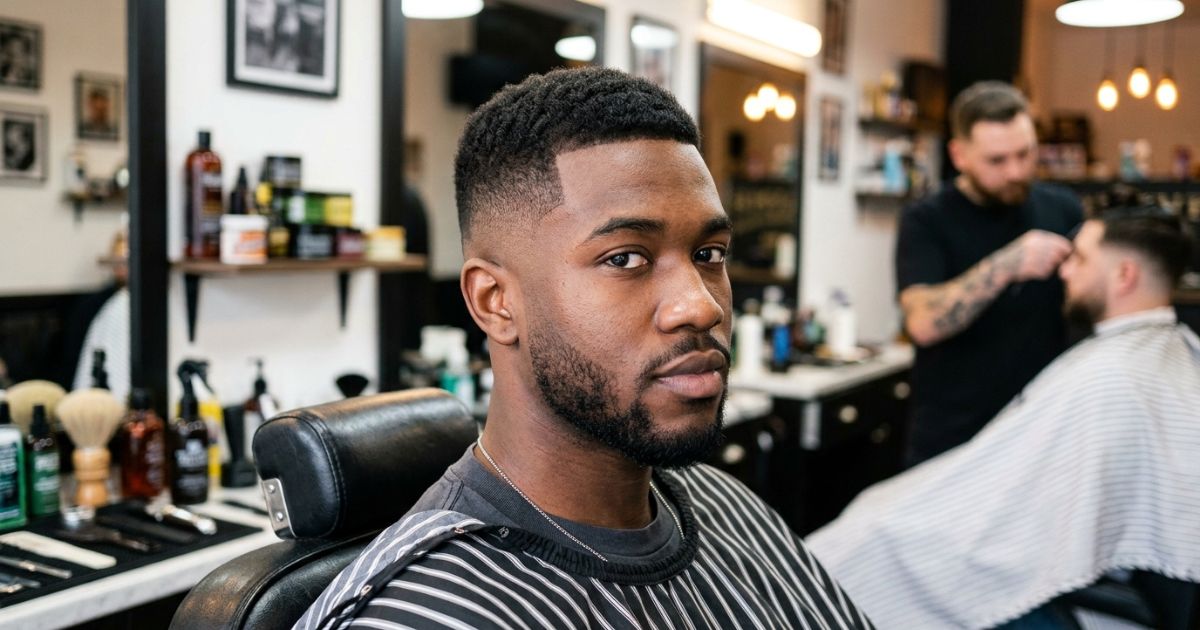
A crew cut keeps the top structured and even, and pairing it with a drop taper adds a modern touch to this timeless, classic style. The combination feels masculine and always appropriate.
It works well in professional settings, since the crew cut top reads as neat and put-together. The drop taper sides add just enough edge to keep it from feeling outdated.
Texture clay gives this combination a matte, defined hold. It’s a reliable choice for men who want something classic but still current, especially paired with a low or mid fade.
Drop Taper Fade + Mullet

The modern mullet paired with a drop taper has become one of the most talked-about combinations recently. The once-unfashionable mullet is enjoying a genuine comeback with updated, more polished styling.
This pairing feels retro and edgy at once, while still looking completely current. It suits guys who want a distinctive style that stands apart from more common, everyday haircuts.
Use texture powder for lift at the roots up front. A styling cream works well for controlling the longer length in back, keeping the overall shape looking intentional rather than unruly.
Drop Taper Fade + Side Part
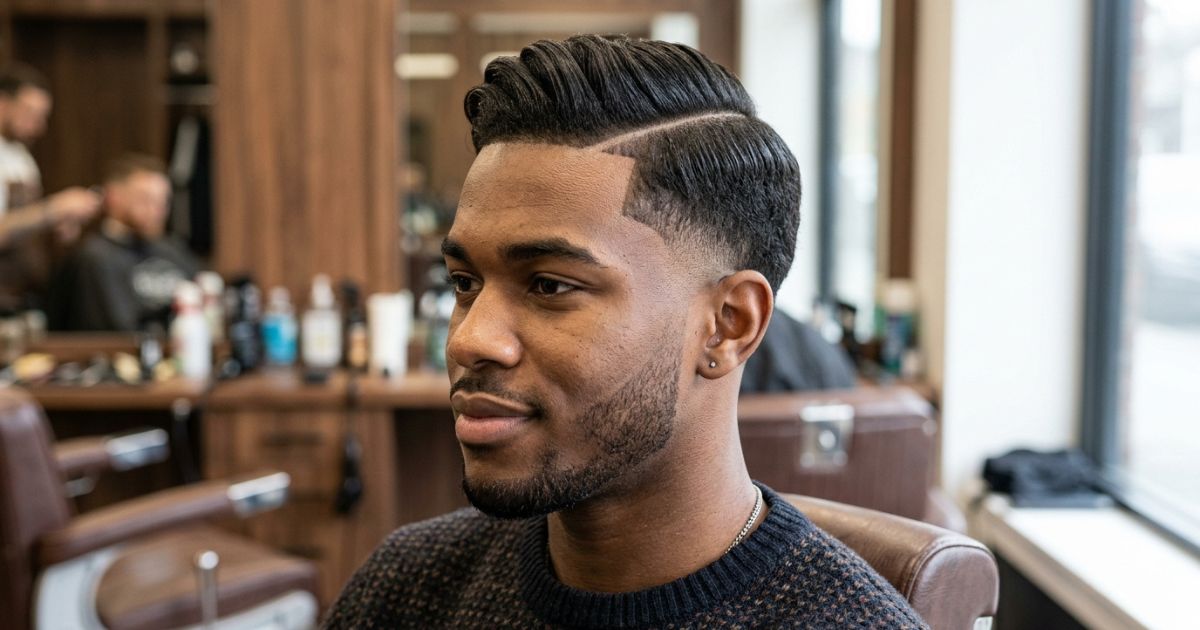
A defined side part gives hair a clean, timeless structure that never really goes out of fashion. Paired with a drop taper, it takes on a more polished, elevated, modern edge.
This combination suits straight or slightly wavy hair especially well. Pomade provides the shine and hold needed to keep the part crisp and defined throughout a full workday.
It’s a dependable choice for professional settings and formal events alike. Pair it with a low or mid drop taper for a balanced look that reads sharp but not flashy.
Drop Taper Fade + Pompadour With Waves
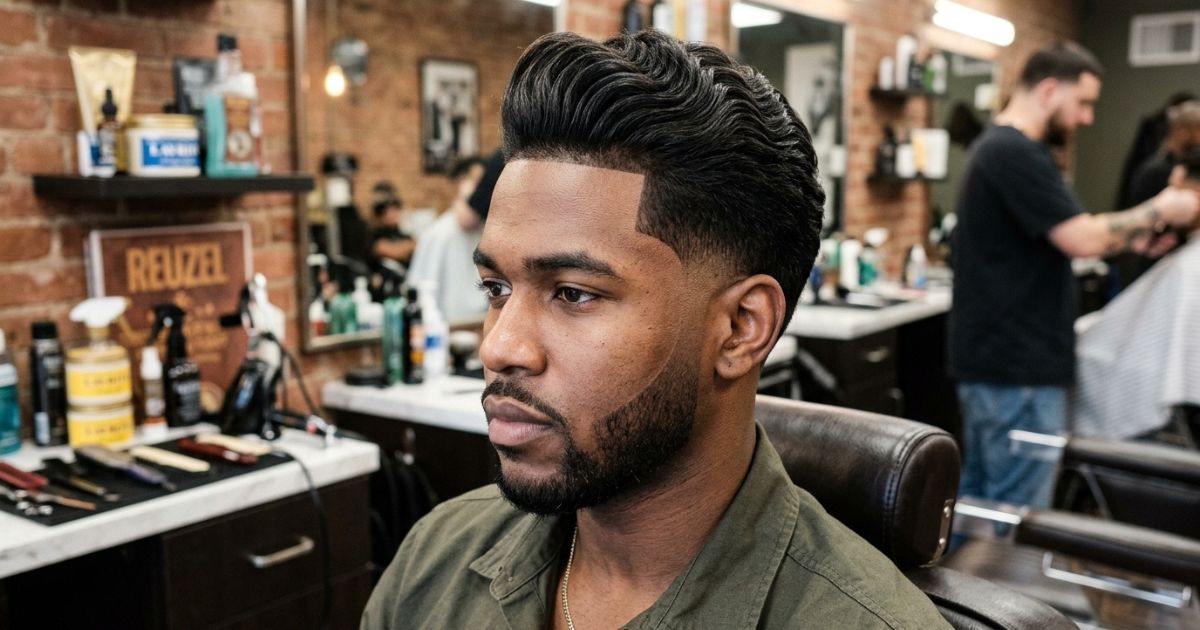
For men with 360 waves, adding a pompadour on top creates a truly show-stopping combination. The wave pattern flows across the top while the pompadour adds noticeable height and volume.
The drop taper below frames everything with a clean, curved border. This combination takes more effort to maintain but delivers one of the boldest, most eye-catching looks available.
Keep waves brushed regularly and moisturized to maintain the pattern underneath the pompadour’s height. Pair this style with a mid or high drop taper for maximum visual impact.
Drop Taper Fade + Slick Back (Formal)
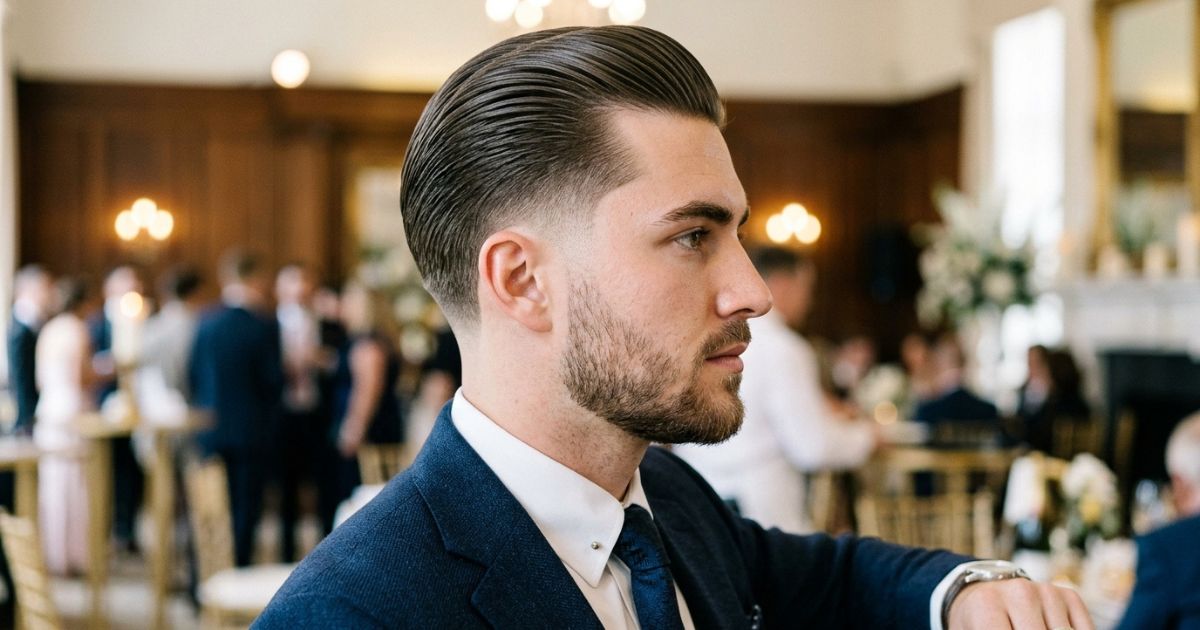
Taking the slick back from casual to formal simply means pairing it with a sharper mid or high drop taper. This upgraded version suits weddings, galas, and other dressed-up occasions perfectly.
The formality comes from the added precision in both the top styling and the fade itself. Everything looks deliberate, controlled, and polished from every single angle in this version.
Use a strong-hold pomade to keep hair smooth and controlled all evening. This combination is worth saving for the occasions where you really want to look your absolute best.
Drop Taper Fade + Perm
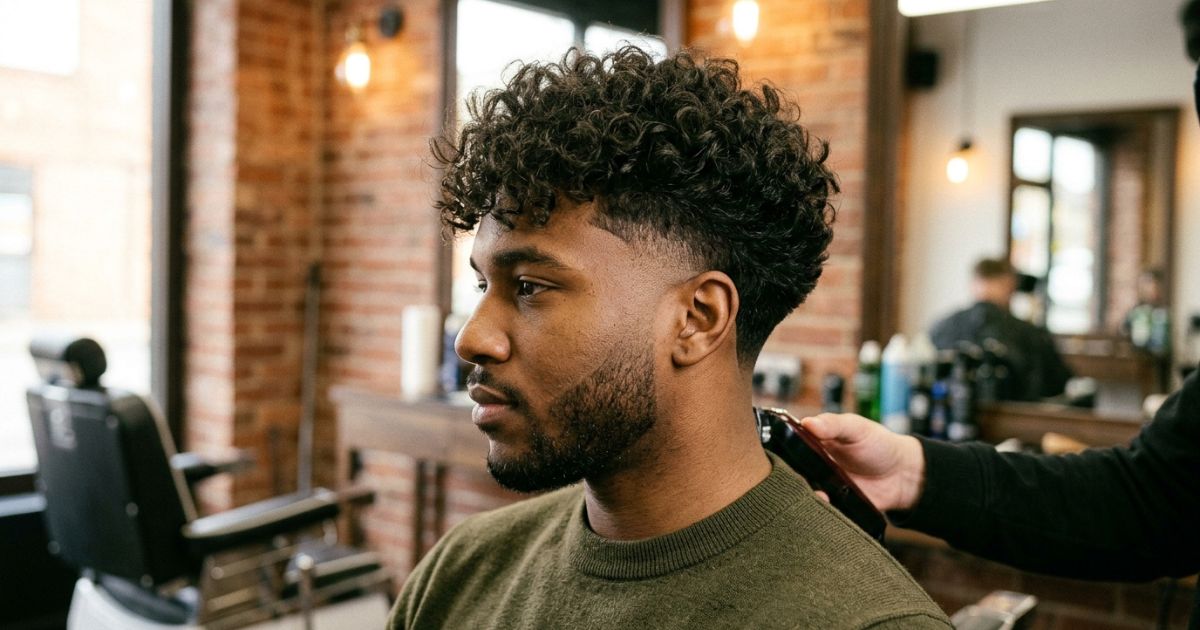
A drop taper perm blends tight, springy curls on top with a clean, curved fade on the sides. The curls add fullness and movement, while the fade keeps everything sharply defined below.
This combination works well for guys who want more texture than their natural hair provides. Perms create consistent curl patterns that pair nicely with the structure of a drop taper.
Apply volumizing mousse to damp hair before blow-drying to maintain curl bounce. This pairing suits men looking for a distinctive, textured style that stands out from straighter, more common cuts.
Drop Taper Fade + Fluffy Hair
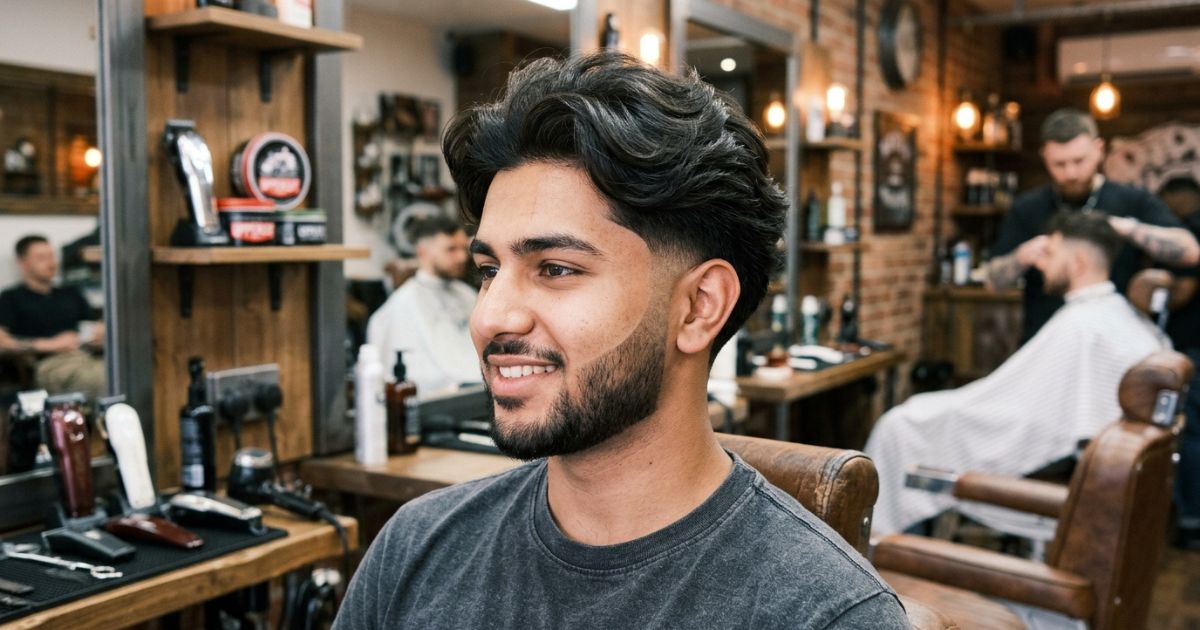
High-volume, textured hair on top paired with a tightly faded drop taper creates real visual contrast. The fullness up top against the closely cut sides feels youthful, energetic, and eye-catching.
Apply texture powder directly at the roots for lift, then blow-dry using your fingers in an upward motion. This technique builds volume without weighing the hair down or flattening its natural body.
This combination suits guys with naturally thick or wavy hair especially well. It’s a fun, low-effort way to add personality to an otherwise classic fade haircut.
Drop Taper Fade + Wavy Quiff
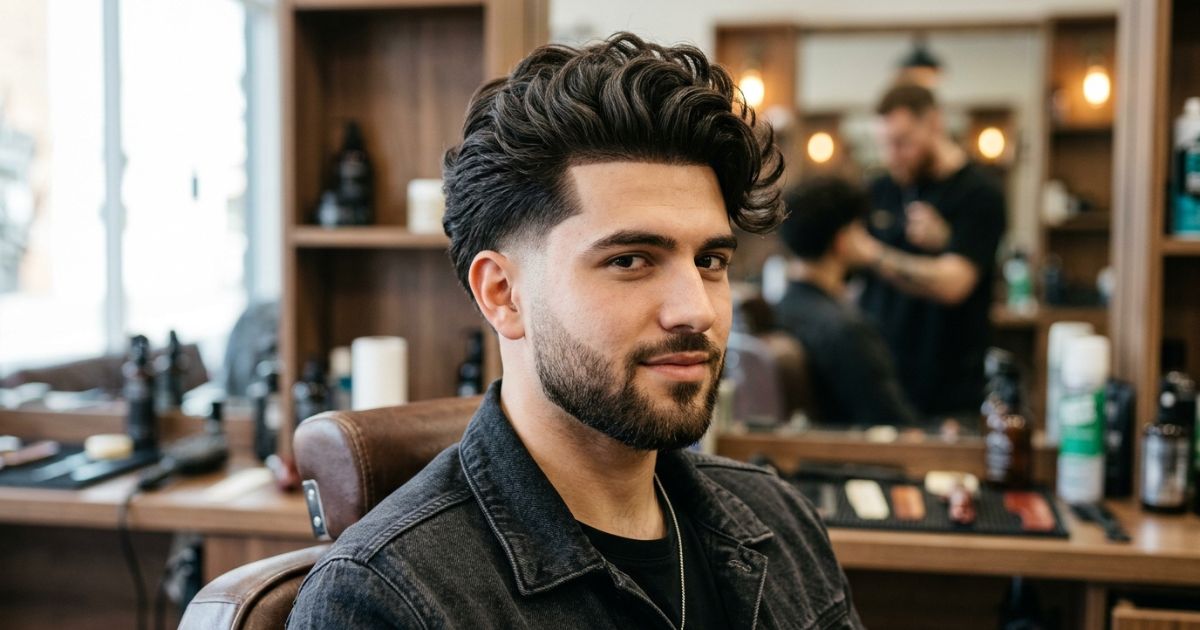
A natural, loosely styled quiff with visible wave texture pairs beautifully with a drop taper fade. Sea salt spray becomes your best friend here for enhancing that wave pattern.
The spray adds texture, grit, and volume without making the quiff feel stiff or overly styled. It creates a relaxed, natural-looking finish that still holds its shape throughout the day.
This combination suits wavy or slightly curly hair particularly well. It works for both casual days and slightly dressed-up occasions, giving you real versatility from one simple styling routine.
Drop Taper Fade + Long Hair
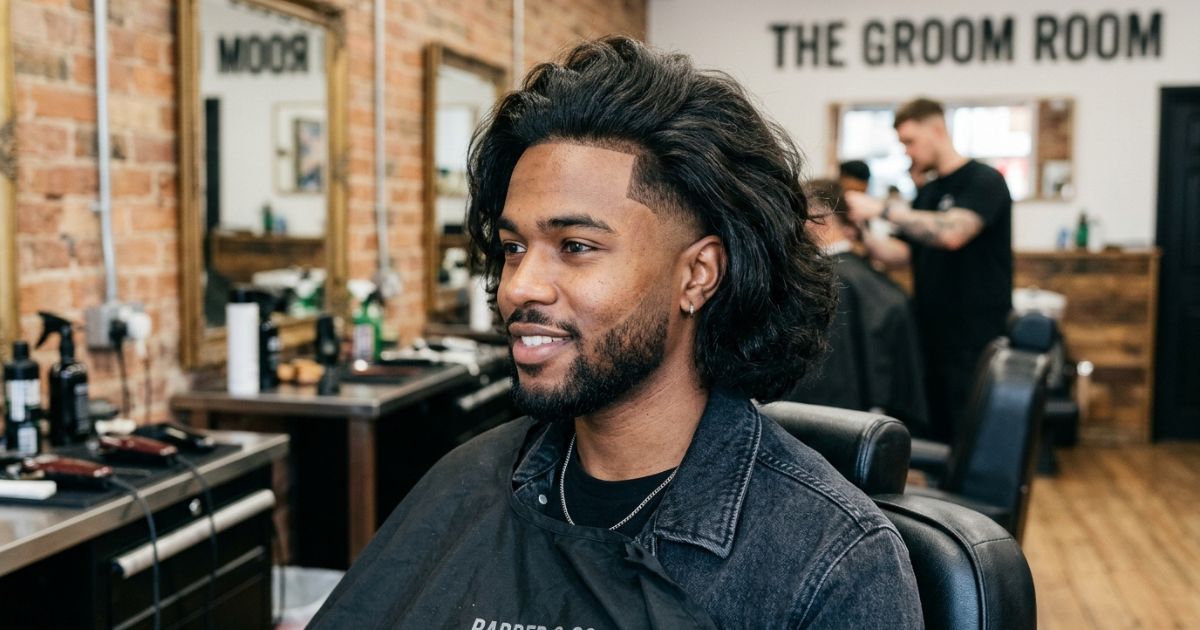
For men growing their hair out, a drop taper keeps the sides neat and modern while the top length grows freely. It prevents the awkward growing-out phase from looking messy or unkempt.
This combination gives you the freedom to experiment with longer top styles over time. Meanwhile, the sides stay sharp and intentional, which keeps the overall look from feeling unfinished or careless.
It’s a smart transitional cut if you’re working toward a longer hairstyle eventually. The clean sides buy you patience while your top length catches up to your goal.
Drop Taper Fade + Short Hair
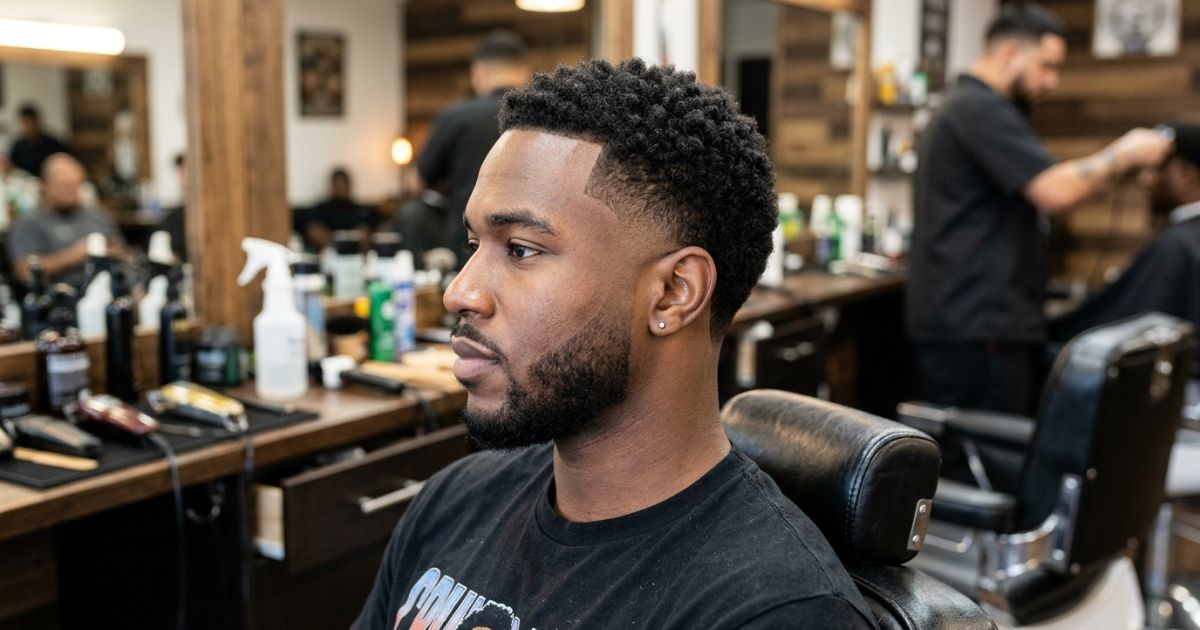
Clean, minimalist, and always sharp describes this combination well. A drop taper paired with a short, even top gives men who want a no-fuss cut something that still looks intentional and styled.
There’s very little daily maintenance required beyond a quick brush or light product application. It’s the classic choice for guys who want to look put-together without spending much time on it.
This pairing suits nearly every hair type and face shape. It’s a safe, reliable option that works equally well for work, casual outings, and everything in between.
Drop Taper Fade + Blonde Hair

Blonde hair makes the fade line even more visible and high-contrast. The transition from longer top to closely cropped sides becomes visually striking, especially against darker skin tones or tanned complexions.
This combination works particularly well because light-colored hair naturally draws more attention to the precision of the cut. Any unevenness in the fade will show more clearly than on darker hair.
Because the contrast is so noticeable, regular touch-ups matter more with blonde hair. Staying on top of maintenance keeps the fade line looking sharp and deliberate rather than grown-out.
Drop Taper Fade + Textured Fringe
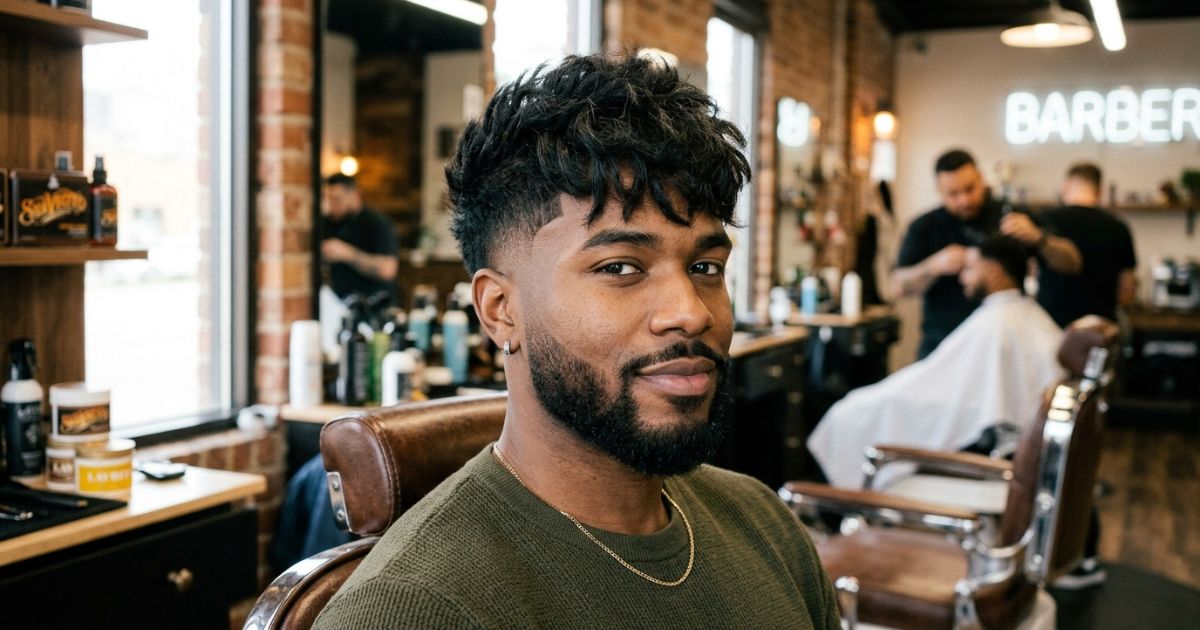
A layered fringe with visible movement and texture pairs naturally with a clean drop taper on the sides. The combination feels playful, youthful, and genuinely easy to style day to day.
Apply texture clay to damp hair, then finger-style rather than comb for the most natural, effortless-looking result. This approach preserves the choppy, layered texture that makes this fringe style stand out.
This combination suits straight or wavy hair particularly well. It’s a low-effort, high-impact choice for guys who want personality on top without complicating their morning styling routine.
Skin Drop Taper Fade
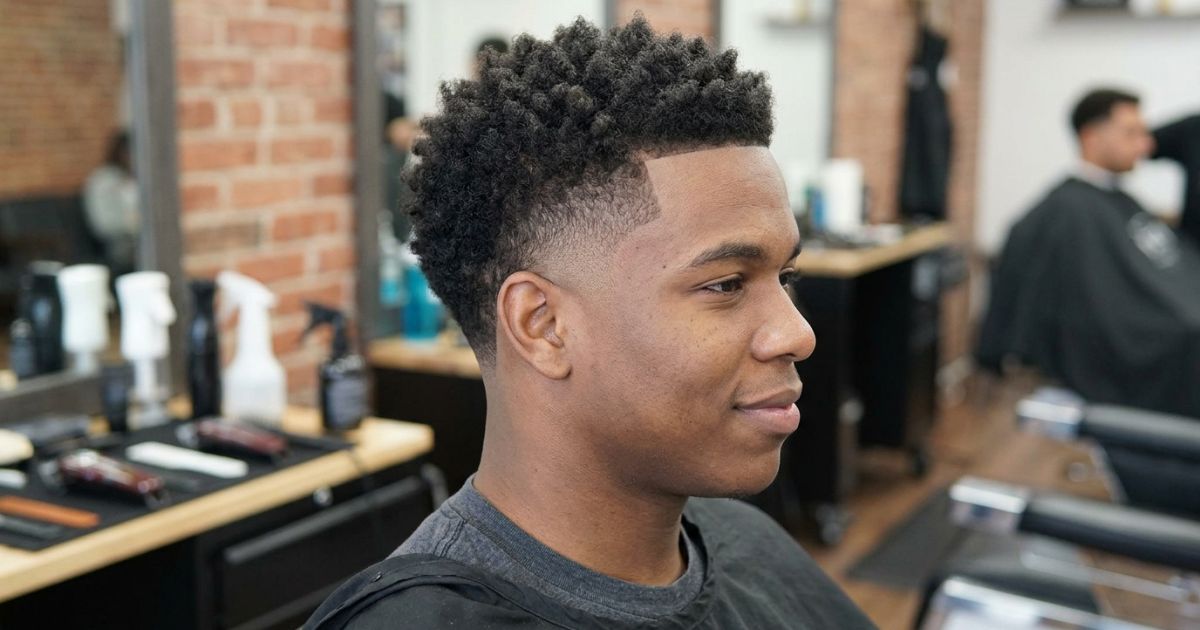
The skin drop taper fade takes the arc all the way down to bare skin at its lowest point. That creates the most dramatic contrast of any variation available in this style family.
Because the sides fade completely to skin, the sharp curved line becomes the clear focal point of the entire cut. It’s bold, precise, and impossible to overlook from any angle.
This version demands the most frequent upkeep of all, often weekly. It suits men fully committed to regular barber visits who want maximum visual impact from their haircut.
Bald Drop Taper Fade
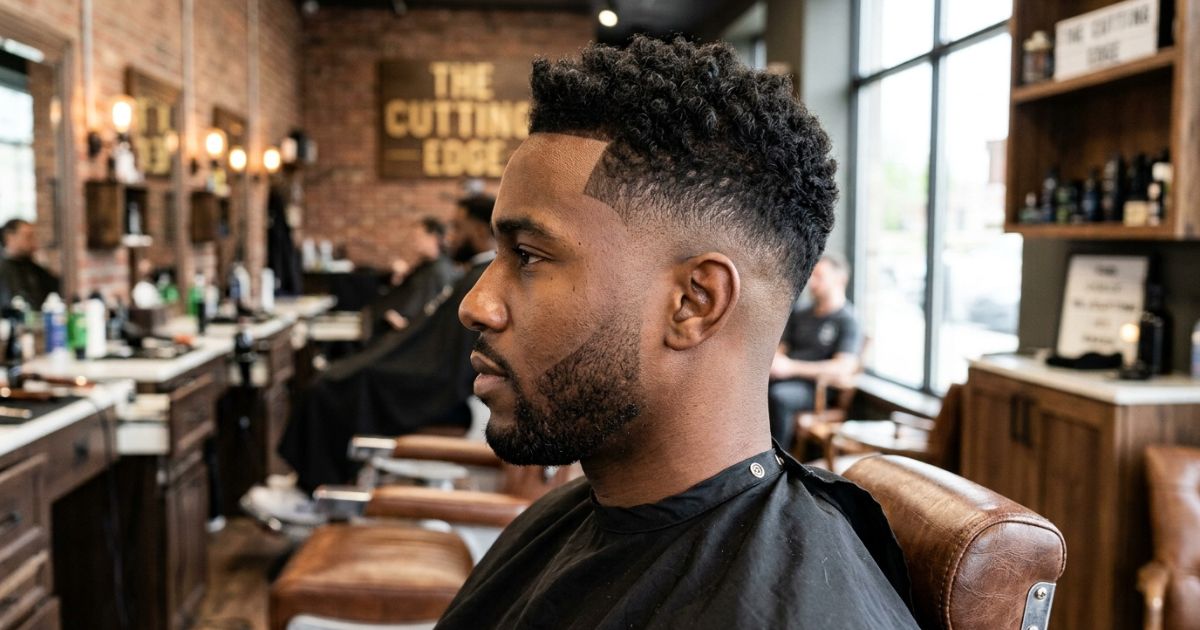
The bald drop taper fade is similar to the skin fade but begins its transition to bare skin higher up on the head. That earlier starting point makes the contrast even more extreme.
Sides end up completely hair-free, creating a bold, modern, high-contrast finish. This version pairs especially well with textured or voluminous top styles that benefit from strong visual contrast below.
Like the skin fade, this style needs frequent trims to stay sharp. Expect to visit your barber roughly every week or two to maintain the clean, dramatic line.
Burst Drop Fade
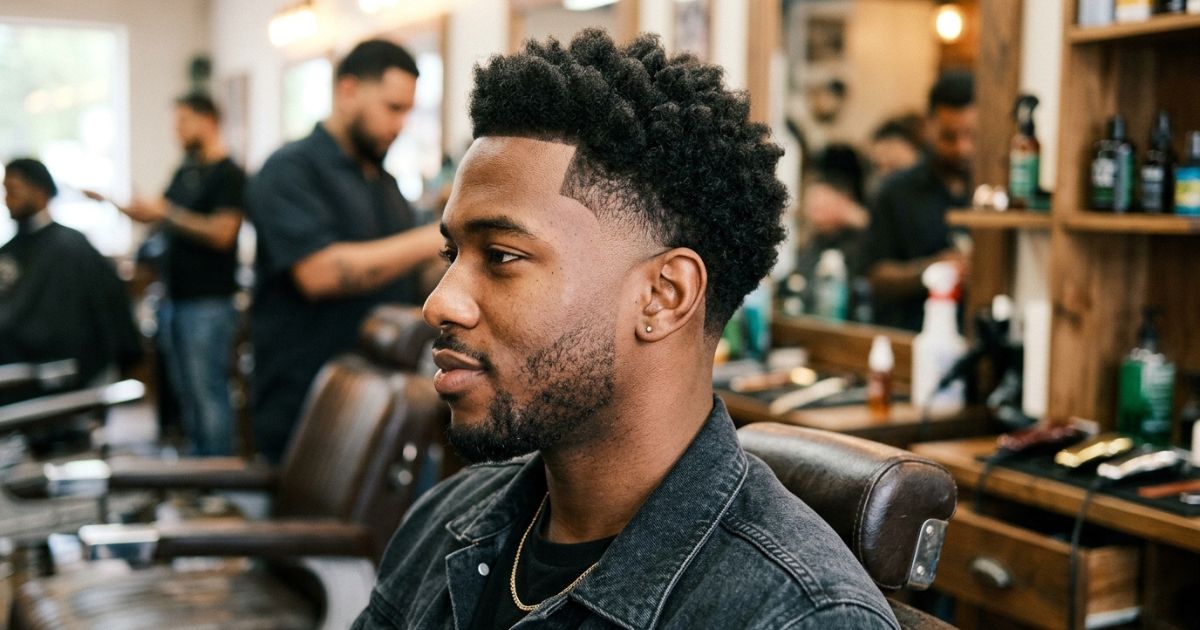
The burst drop fade curves behind the ear in a rounded, semi-circular pattern before dropping toward the neckline. It creates an almost halo-like arc that looks distinct from a standard drop fade.
This creative variation works especially well with mohawks, faux hawks, and high-volume curly styles. The rounded shape complements raised or voluminous tops in a way a standard arc doesn’t quite match.
If you want something a little different from the typical drop taper, this is worth mentioning to your barber. It’s a stylish twist that still keeps the core drop-fade concept intact.
Drop Taper Fade With Beard
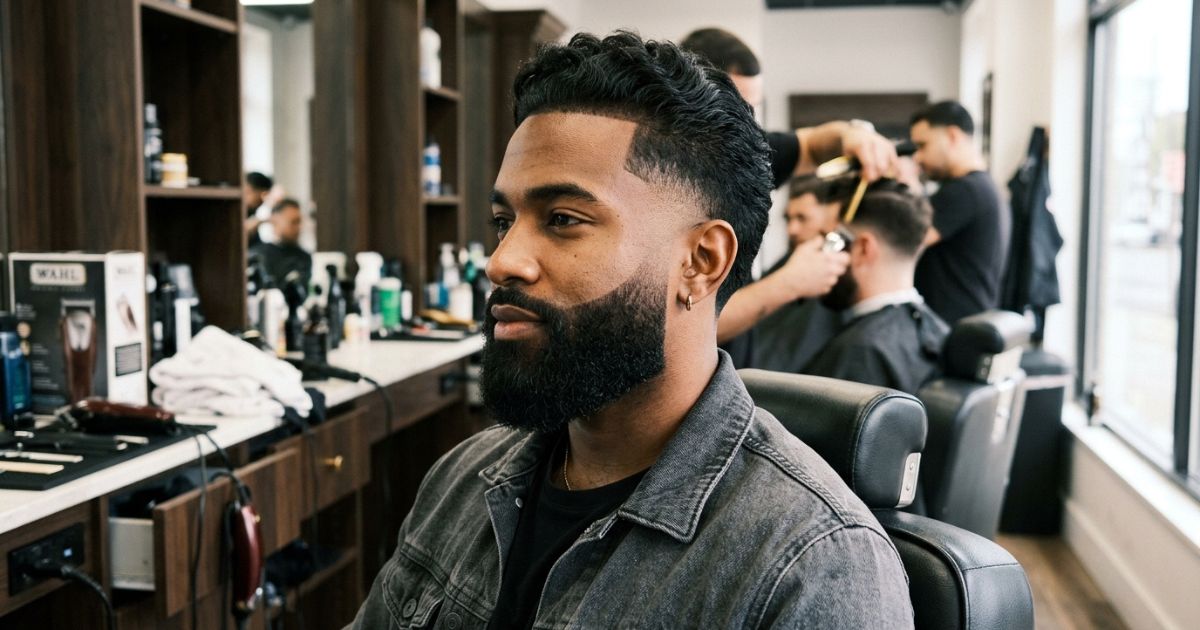
Pairing a drop taper fade with a full, well-groomed beard is one of the most requested combinations in barbershops today. It creates a seamless flow from hair down into facial hair.
Keeping your beard lines clean and sharp matters here, since they need to match the precision of the fade above. A well-maintained beard elevates the entire look significantly.
Full beards, tapered beards, defined goatees, and heavy stubble all work well with this pairing. Talk to your barber about how closely you want the fade and beard to blend together.
Drop Taper Fade For Black Men
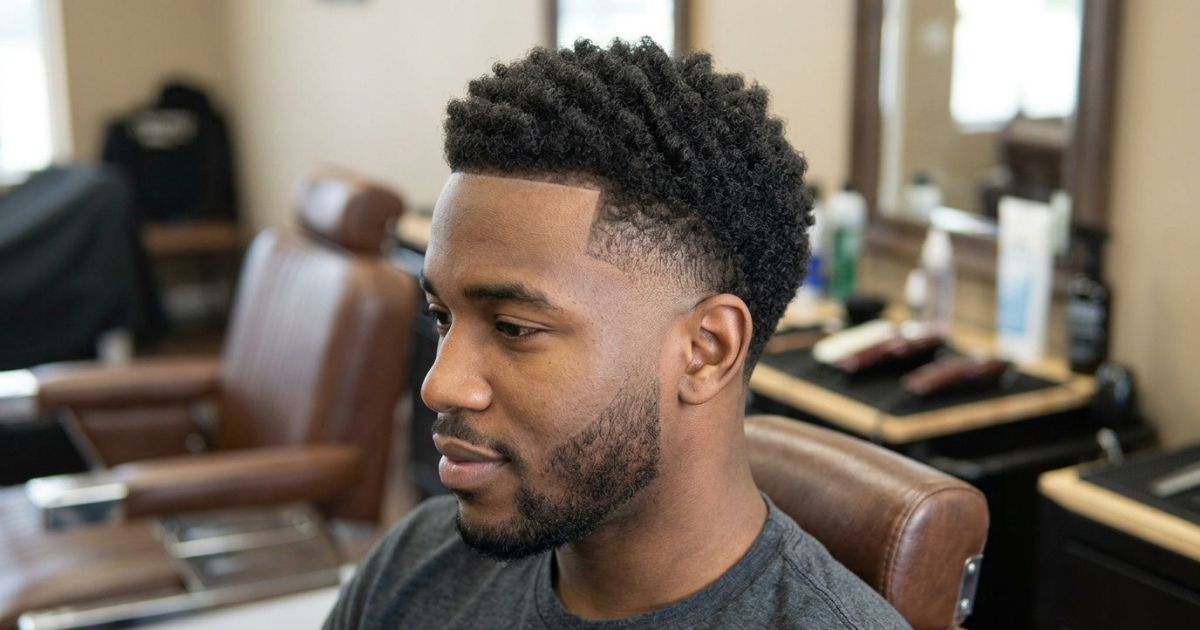
The drop taper fade has deep roots in Black barbershop culture and remains one of the most requested styles among Black men today. Black barbers pioneered much of its creative development.
By the mid-1980s, a sharper, more distinctive version of the fade had emerged from this community. It quickly became a defining style throughout hip-hop culture’s golden era and beyond.
This cut works across all natural hair textures, including coily, kinky, and tightly curled hair. It pairs beautifully with afros, twists, locs, and 360 waves, framing each texture with clean structure.
How To Ask Your Barber For A Drop Taper Fade
Getting the right cut starts with clear communication. Tell your barber you want a low, mid, or high drop taper fade, and describe how the fade should curve behind your ears.
Vague requests like “just a fade” leave too much room for interpretation. Specific language, reference photos, and clear guard preferences all help ensure you and your barber share the same vision.
Taking a few extra minutes before your appointment to communicate clearly pays off. It’s the simplest way to avoid walking out with a cut that doesn’t match what you actually wanted.
Use Clear, Specific Terminology
Vague instructions are the top reason men end up with the wrong haircut. Terms like “just a fade” or “clean on the sides” can mean very different things to different barbers.
Break your request into four clear parts. Name the cut, state the height, describe the arc, and specify your desired top length and style. That structure removes almost all the guesswork.
A helpful script sounds like this: name a drop taper fade, pick a height, describe the arc curving behind your ear, and state your preferred top length and style clearly.
Bring Reference Photos From Multiple Angles
Photos speak a universal language that words sometimes can’t match. A clear photo shows your barber exactly what you want without any room for miscommunication or misinterpreted instructions.
Bring three angles if you can: a side profile showing the arc, a front view showing the top style, and a back view showing where the fade ends at your neckline.
Instagram, Pinterest, and Google Images all work well for finding inspiration. Save several favorites ahead of time, then show your barber all of them together at your appointment.
Know Your Clipper Guard Preferences
Clipper guards are numbered attachments that control how short your hair gets cut. Lower numbers mean shorter length, so understanding this scale gives you more control over your final result.
| Fade Type | Bottom Guard | Upper Blend |
| Low drop taper | #1 | #3 |
| Mid drop taper | #0.5–#1 | #3 |
| High drop taper | #0 (skin) | #2 |
If you’re unsure which guards to request, simply tell your barber your preferred overall feel. Say you want it subtle, balanced, or bold, and let their experience guide the specific numbers.
Mistakes To Avoid When Asking For A Drop Taper Fade
Being too vague ranks as the most common mistake. Never just say “a fade.” Always specify that you want a drop taper with a curved arc behind the ear for clarity.
Skipping reference photos is another common error, even with a skilled barber. Photos eliminate the vast majority of miscommunication before a single clip is made on your hair.
Also remember to specify your desired top length clearly. Never assume your barber already knows what you want, even if you’ve been going to them for years. Communication still matters every visit.
How To Style A Drop Taper Fade
Styling starts with clean, damp hair and a pre-styler suited to your texture. From there, blow-drying sets the shape, and your final product choice determines the overall finish.
Getting these steps right makes a noticeable difference in how your cut looks day to day. A few extra minutes each morning keeps the drop taper’s clean lines looking their sharpest.
Whether you want matte texture, glossy shine, or something in between, there’s a product and technique combination that fits. Match your approach to your hair type for the best results.
Step 1: Prep Clean, Damp Hair
Start with freshly washed, towel-dried hair for the best styling foundation. Clean hair absorbs product more evenly and gives you a much better base to work with overall.
Use a clarifying shampoo occasionally to remove buildup from previous styling sessions. Follow with a hydrating conditioner to keep strands smooth, manageable, and easier to style throughout the day.
Towel-dry hair until it’s damp, not soaking wet or bone dry. For curly hair, squeeze gently rather than rubbing to avoid disrupting your natural curl pattern before styling begins.
Step 2: Apply A Pre-Styler
A pre-styler goes on damp hair before blow-drying and sets the foundation for everything that follows. Skipping this step is common, but it genuinely improves your final styled result.
Sea salt spray adds texture, grit, and volume, working especially well for wavy or messy styles. Volumizing mousse helps define curls and adds lift for guys with curly or wavy hair.
Heat protectant spray is worth using anytime you blow-dry regularly, since it guards against ongoing heat damage. Apply your chosen pre-styler evenly, then comb or scrunch it through your hair.
Step 3: Blow-Dry For Shape
Blow-drying sets the actual direction and shape of your style, and it’s a step people often skip. That skipped step makes a real difference in how polished the final look appears.
Use medium heat rather than high heat, since high heat causes damage over time. Direct the airflow toward your desired shape, whether that’s upward for volume or back for a slicked style.
Stop drying once hair reaches about ninety percent dryness. A little remaining dampness actually helps your styling product apply more evenly and hold better throughout the day.
Step 4: Finish With The Right Product
Your final product choice determines the overall finish of your style. Texture clay creates a matte, defined look, while pomade delivers shine and sleek, smooth control instead.
| Desired Finish | Best Product |
| Matte, textured | Texture clay |
| Shiny, sleek | Pomade |
| Natural, flexible | Styling cream |
| High volume | Texture powder |
Start with a small, dime-sized amount of whatever product you choose. You can always add more if needed, but too much leaves hair greasy and weighs down your overall style.
How To Maintain A Drop Taper Fade
Keeping this cut sharp means scheduling regular barber visits based on your chosen height. Low fades need less frequent trims, while high fades require attention roughly every ten to fourteen days.
Washing two to three times weekly, conditioning after every wash, and choosing lightweight products all support a healthy scalp and hairline between visits, keeping the fade line looking cleaner longer.
Between professional appointments, a few simple home touch-ups can extend how fresh your cut looks. Just leave the actual fade arc itself to your barber’s steady, practiced hand.
How Often Should You Get A Drop Taper Fade?
| Fade Type | Touch-Up Frequency | Annual Cost |
| Low drop taper | Every 3–4 weeks | $390–$650 |
| Mid drop taper | Every 2–3 weeks | $600–$1,000 |
| High drop taper | Every 10–14 days | $900–$1,350 |
A fade, especially a skin fade, can start losing its sharpness within about two weeks. This happens faster with high and mid variations, since their steeper arcs grow out more quickly.
Book your next appointment before leaving the barbershop whenever possible. Waiting until your fade grows out first often means a week of looking less sharp, plus busy barbers can book up fast.
Daily Hair Care Routine For Drop Taper Fades
In the morning, brush or comb your hair to define your top style and remove overnight tangles. Apply a small amount of your chosen product, then finger-shape for natural, easy movement.
In the evening, brush your hair again before bed to prevent tangles from forming overnight. If your hair feels dry or coarse, add a couple drops of argan oil to the ends.
Wash two to three times a week rather than daily, since over-washing strips natural oils. Condition every time you wash, and use a clarifying shampoo weekly to clear out product buildup.
How To Touch Up Your Fade At Home
Two things are safe to touch up yourself between barber visits: your edge-up and your neckline. The actual fade arc itself should always be left to a trained, experienced barber.
For an edge-up, use a trimmer with a number zero or one guard to sharpen the line along your temples and sideburns. Go slowly, since there’s no undo button once you cut.
For your neckline, simply trim any stray hairs that pop up at the nape. Use a small mirror alongside a larger one so you can clearly see the back of your head.
Best Hair Products For A Drop Taper Fade
The right products depend on the finish you want. Texture clay gives matte hold, pomade brings shine, and styling cream offers something flexible in between the two extremes.
Pre-stylers like sea salt spray and volumizing mousse set the foundation before you even pick up a comb or brush. Finishing oils like argan oil add moisture, shine, and overall hair health.
Choosing the right combination for your hair type makes styling easier and your results more consistent. A little experimentation early on helps you find your ideal daily routine.
Texture Clay For Matte, Defined Styles
Texture clay delivers a strong, matte hold without the shine that pomade or wax typically provides. It works especially well for textured crops, messy fringes, and other natural, lived-in looking styles.
To use it, rub a small amount between your palms first to warm and soften the product. Then work it through damp hair section by section for even, thorough coverage.
Finish by finger-styling rather than combing through. That approach preserves the natural, slightly undone texture that makes clay such a popular choice for modern, casual haircuts.
Sea Salt Spray For Volume And Texture
Sea salt spray is one of the best pre-stylers for adding natural grit, texture, and volume. It mimics the tousled texture your hair gets naturally after a day at the beach.
This product works especially well for wavy or textured hair types. It adds lightweight body without the heaviness that thicker styling products sometimes bring to the overall finished look.
To use it, spray evenly onto damp hair, then scrunch or tousle it through with your fingers. Follow with blow-drying or simply let it air dry for a more relaxed finish.
Texture Powder For Lift And Root Volume
Texture powder is essential for men with fine or naturally flat hair. It adds instant volume right at the roots while offering lightweight hold that never weighs the hair down.
Unlike heavier products, texture powder disappears into the hair rather than sitting visibly on top of it. That makes it a subtle way to boost body without an obvious styled look.
To use it, sprinkle a small amount directly at the roots. Massage it in gently, then tousle with your fingers to distribute the lift evenly across your entire style.
Pomade For Shine And Sleek Control
Pomade is the classic grooming product, known for high shine and strong, smooth control. It works especially well for pompadours, slick backs, comb overs, and other polished, defined looks.
This product suits guys who want their hair to look deliberately styled and put-together. It holds shape reliably throughout the day, even in warmer or more humid conditions.
To use it, apply pomade to either damp or dry hair, depending on your preferred finish. Comb or brush it through smoothly for an even, glossy, well-controlled result.
Styling Cream For Natural, Flexible Hold
Styling cream sits comfortably between pomade and clay, offering flexible hold without heavy shine or a stiff, overly structured texture. It’s arguably the most versatile product for everyday styling needs.
This product works well across nearly every hair type and top style. Its lighter formula makes it a safe, forgiving choice if you’re still figuring out your preferred styling routine.
To use it, apply the cream to damp hair, then finger-shape it into place. Let it air dry naturally, or blow-dry lightly for a bit more lift and volume.
Molding Paste For Medium Hold And Matte Finish
Molding paste builds texture and definition while delivering a matte finish with medium hold. It works well for styles that need some structure without the firmness that clay typically provides.
This product suits men who want their style to hold shape without looking overly polished or shiny. It gives a natural, slightly textured appearance that reads as effortless rather than heavily styled.
To use it, rub a small amount between your palms first, then shape your hair with your fingers. It’s especially useful for French crops and other softly structured top styles.
Hydrating Argan Oil For Moisture, Shine, And Health
Argan oil functions as a nourishing treatment rather than a traditional styling product. A few drops on damp or dry hair adds noticeable shine while also reducing frizz throughout the day.
This oil proves especially valuable for curly, textured, and coily hair types, which tend to need extra moisture. Regular use keeps both the scalp and hair strands healthier over time.
To use it, apply just two or three drops to the ends of your hair. A little goes a long way, so avoid over-applying, which can leave hair looking greasy.
Clarifying Shampoo For Scalp Health
Clarifying shampoo should be used about once a week to remove buildup from all the styling products used throughout a typical week. Regular use keeps your scalp genuinely clean and healthy.
Product buildup can clog hair follicles over time, potentially affecting healthy hair growth. A weekly clarifying wash helps prevent that buildup from becoming a long-term problem for your scalp.
A clean, healthy scalp also supports a better-looking fade overall. Regular clarifying washes are a small habit that pays off noticeably in how fresh your cut looks day to day.
Hydrating Conditioner For Strand Strength
Conditioner should be used every single time you shampoo, without exception. It restores moisture that shampoo strips away, keeping hair strands stronger, smoother, and generally easier to manage overall.
Well-conditioned hair also styles more easily day to day. Products distribute more evenly through conditioned hair, which means better results with less product and less overall styling effort.
Over time, consistent conditioning keeps hair looking healthier and more resilient. It’s a small step that meaningfully supports the sharp, polished look a good drop taper fade is meant to have.
FAQ’S
What is a drop taper fade
A drop taper fade is a haircut where the fade line curves down behind your ears. It follows your head’s natural shape for a bold, sculpted look.
How long does a drop taper fade last
A drop taper fade lasts two to four weeks. Low fades stretch longer, while high fades need trims every ten to fourteen days to stay sharp.
Does a drop taper fade work on curly hair
Yes, a drop taper fade works great on curly hair. The clean arc frames your curls, adding structure and definition without flattening your natural volume.
What face shape suits a drop taper fade
Round, oval, square, and diamond faces all suit a drop taper fade well. The curved arc adds vertical movement and softens strong jawlines nicely.
Can I get a drop taper fade with a beard
Yes, a drop taper fade pairs well with a beard. Low fades blend smoothly into the beard line, while higher fades create sharper, bolder contrast.
Conclusion
This Drop Taper Fade Guide: Low, Mid, High + Drop vs Taper (2026) covers everything you need. A drop taper fade gives you a bold, sculpted look. Choose a low drop taper fade for easy upkeep. Pick a mid drop taper fade for balance. Go high for a bold drop taper fade statement.
Every drop taper fade works with curly, straight, or wavy hair. A drop taper fade also flatters most face shapes well. Bring photos, use clear words, and ask your barber for a clean drop taper fade. Your next drop taper fade starts with the right choice today.