
The straight hair mullet has moved far beyond its retro roots and settled into 2026 as one of the most requested cuts in barbershops everywhere. Sleek sides, textured crown, and a longer back combine into a shape that looks deliberate rather than dated, and straight strands show off every line with total clarity.
This guide breaks down the variations, the styling routine, the products worth buying, and the exact words to use with your barber. Whether you want a low-key taper or a bold skin fade, you’ll find a version that fits your face, your hair, and your lifestyle without hours of daily upkeep.
What Is a Straight Hair Mullet?
A straight hair mullet pairs short, controlled sides with a lightly textured top and a longer back section. The length contrast is the whole point: front and sides stay tidy, while the back carries soft layers that fall past the collar.
Modern versions ditch the blunt, boxy edges of the 1980s original. A smooth fade or taper connects the short sides to the longer back, so there’s no harsh jump between lengths. Layering through the crown keeps flat straight strands from sitting stiff, and the finished shape reads as tailored rather than accidental. That’s the real shift from the classic mullet: intention over impulse.
Why Straight Hair Is Perfect for a Mullet
Straight hair has a natural advantage here ,it reflects light evenly and shows off every angle of the cut. Blends, partings, and layer transitions all stay visible, so a well-executed mullet on straight hair looks crisp and purposeful instead of messy.
The trade-off is that straight strands lack built-in volume. Without the right cutting technique, the top can lie flat and the back can flip outward like a stiff shelf. A skilled barber solves this with internal layers in the back and point-cut texture through the crown, which lets gravity work with the cut instead of against it.
| Hair Trait | Effect on a Mullet | Fix |
| Natural shine | Highlights every blend line | Ask for a soft, gradual fade |
| Low natural volume | Top can fall flat | Use texturizing spray, lift roots while drying |
| Straight fall pattern | Back can flip outward | Request internal layering |
| Fine density | Style holds less | Choose shorter back length, add root lift |
| Thick density | Style holds well | Debulk the back to avoid heaviness |
Straight Hair Mullet Variations
Classic Straight Hair Mullet
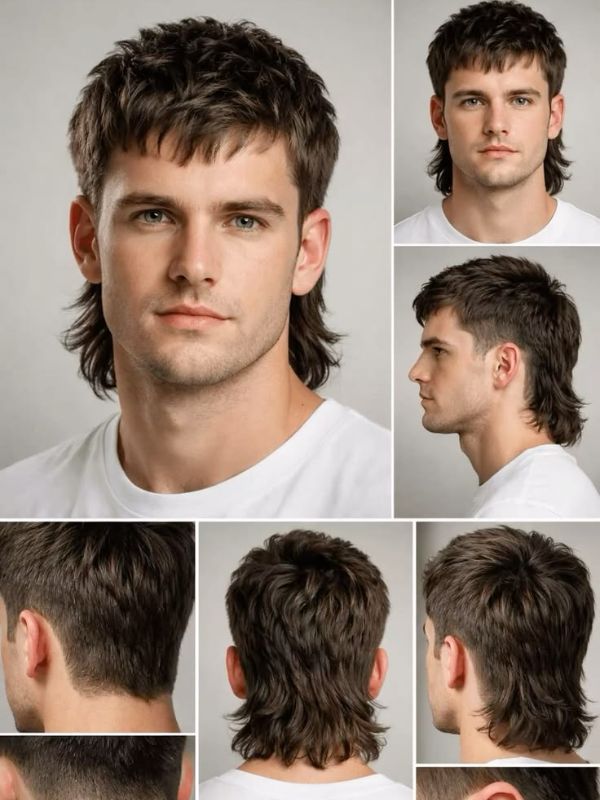
The classic cut keeps sides short and clean, adds mild texture on top, and lets the back sit near the collar with gentle layering for movement. It’s the safest entry point for anyone trying a mullet for the first time ,recognizable, wearable, and easy for most barbers to execute well.
Modern Straight Hair Mullet
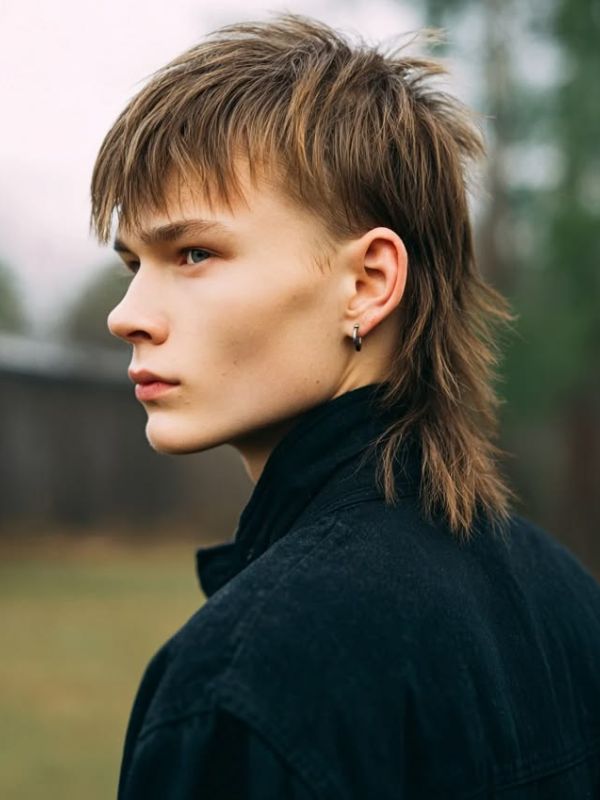
This version leans into a polished, layered finish rather than heavy, blunt shapes. The top gets two to three inches of styling room, the sides stay tight, and the back flows instead of hanging flat. A quick pass of sea salt spray after drying separates the layers for a relaxed, lived-in look that still reads as intentional.
Straight Hair Mullet with Taper Fade
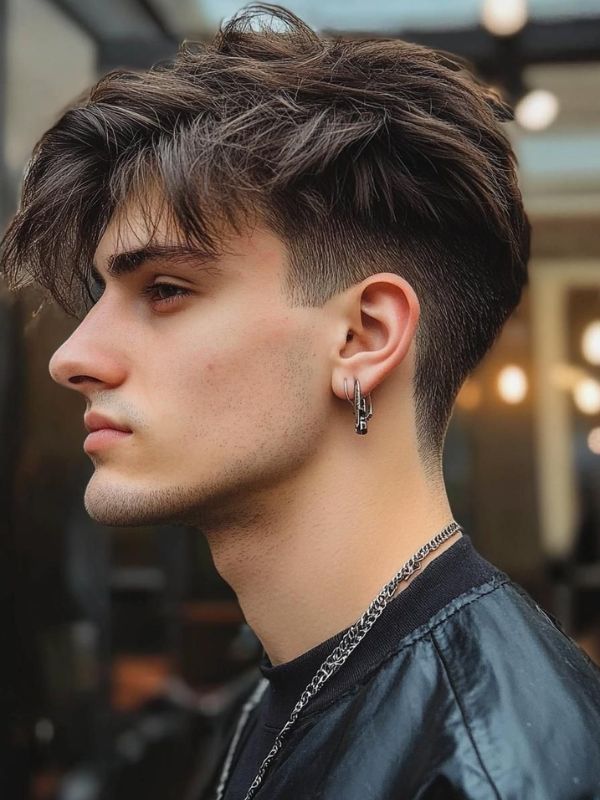
A taper fade gradually shortens the sides toward the ear and neckline without going to the skin. The blend feels soft rather than sharp, which makes it office-friendly and low-maintenance between trims. This is the go-to pick for anyone who wants definition without a high-contrast look.
Low Taper Straight Hair Mullet
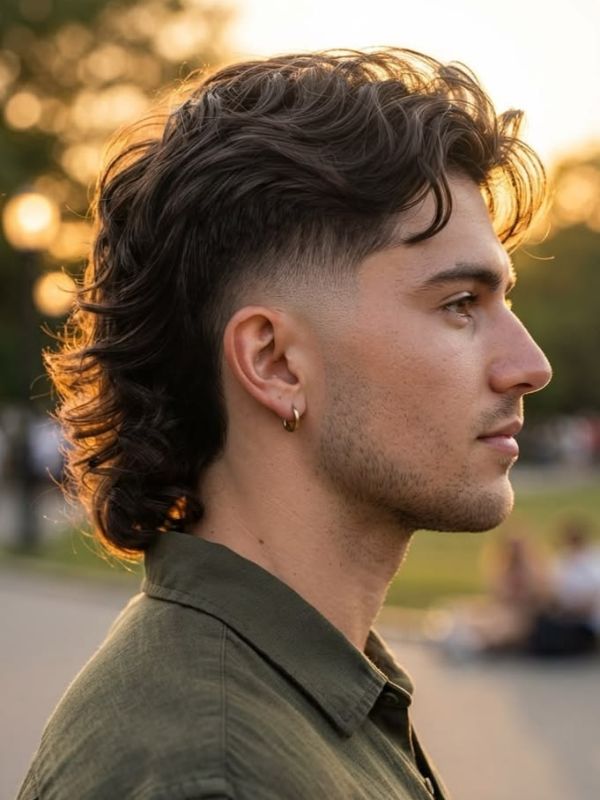
The low taper keeps the fade tight and close to the hairline, producing minimal contrast between lengths. Grow-out stays clean for weeks longer than a high fade, which suits school dress codes and workplaces that prefer conservative cuts. Pair it with layered ends and a light matte product for a finished look.
Straight Hair Mullet Fade
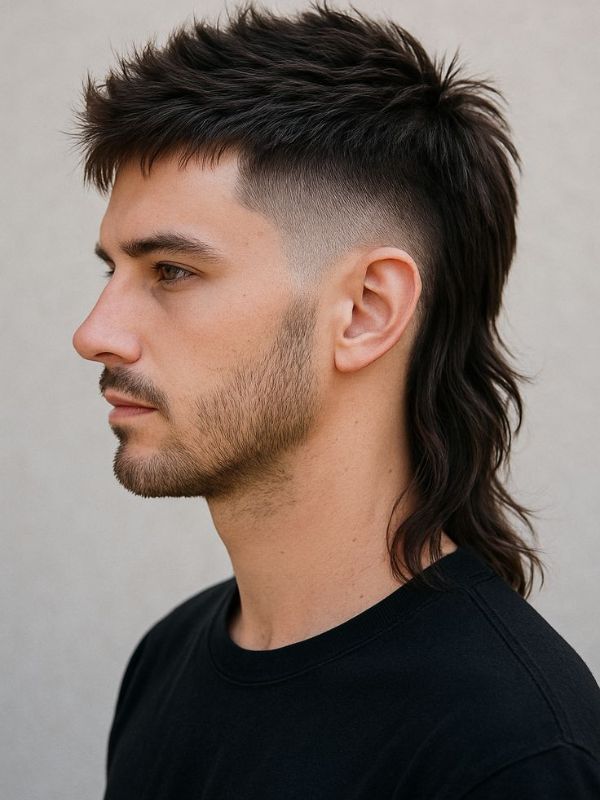
This is the boldest option on the list. Sides drop close near the ear and build height going up, creating strong visual separation from the longer back. It trims bulk from thick straight hair and frames the face sharply. Choose a skin fade for maximum contrast or a mid fade for something slightly softer.
Short Straight Hair Mullet
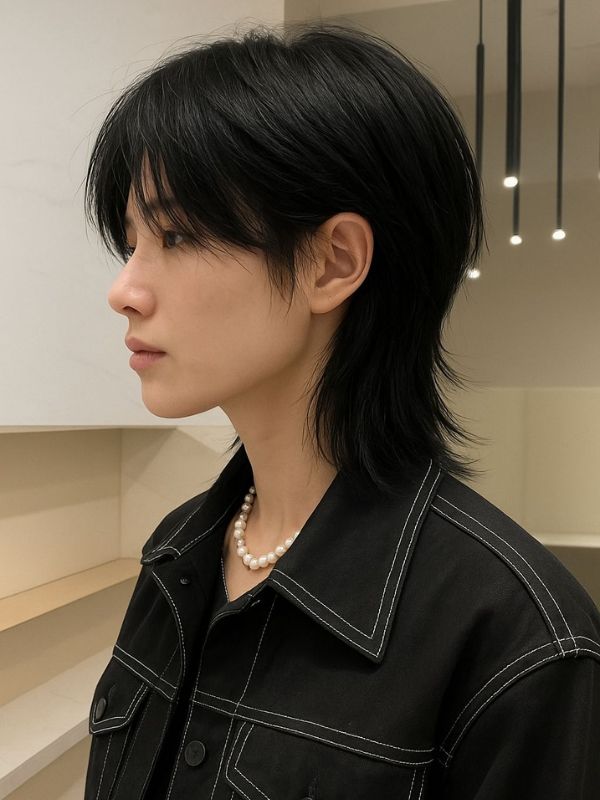
Here the back stays modest, just long enough to register as a mullet without passing the collar. Combined with a tapered or lightly faded side, this version is the easiest to maintain and the simplest to grow out later. Fine hair especially benefits, since the shorter length carries less weight.
Long Straight Hair Mullet
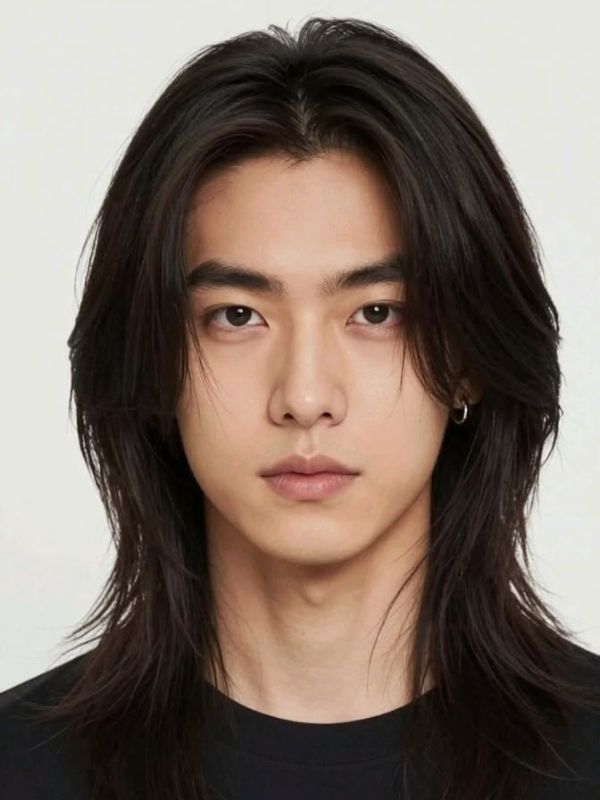
The back extends toward shoulder length while the sides remain clean and short. Soft internal layers are essential ,without them, the back reads as a heavy, flat curtain rather than a flowing finish. This style takes more upkeep (regular conditioning, occasional trims to the ends) but delivers a striking, editorial-level result.
Layered Straight Hair Mullet
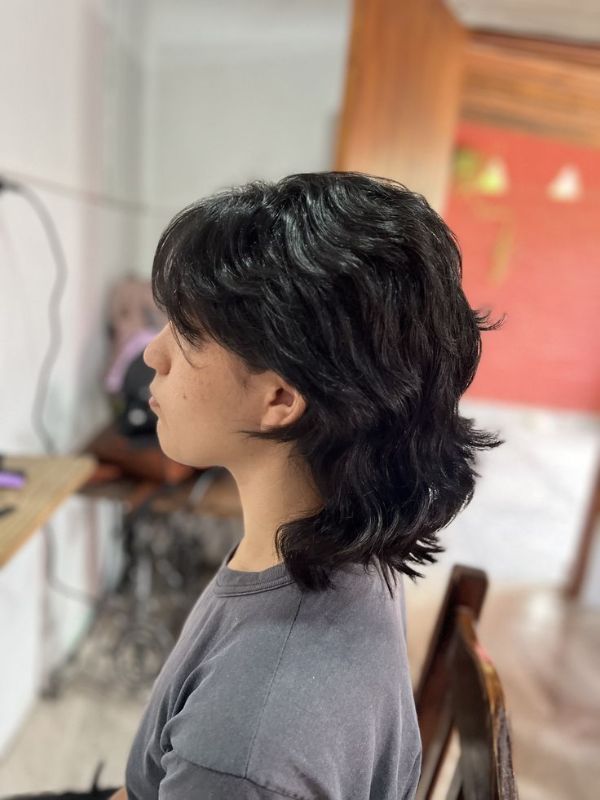
Layering is the backbone of every mullet, but this variation puts it front and center. Multiple layer lines remove excess weight from the back so hair moves rather than sits flat, while the top gains lift and shape. It suits medium-to-thick hair especially well and pairs naturally with a short beard.
Straight Hair Mullet with Fringe or Bangs

Adding a fringe reshapes the whole look. It softens a strong hairline, balances longer face shapes, and frames the eyes. Straight hair fringes work best kept short and textured rather than blunt ,a heavy, straight-across fringe can look dated fast, while a lighter, piece-y version stays current with minimal styling.
Straight Hair Shag Mullet
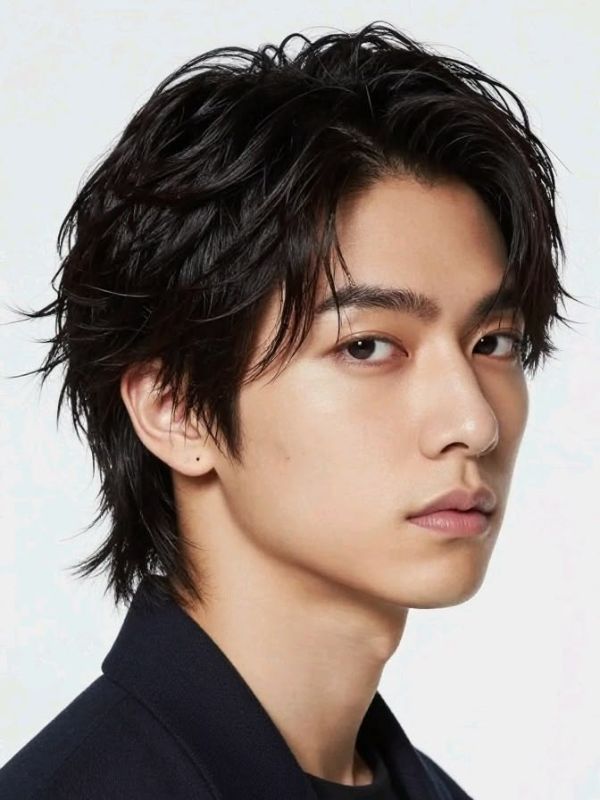
This mix of choppy shag layers and mullet structure delivers an airy crown, tidy sides, and a longer back with a deliberately uneven finish. It’s the most fashion-forward option here, popular with creative industries and anyone who wants a mullet with extra personality baked in.
Learn more:Mid Burst Fade: Best Styles, How to Ask, and Easy Care 2026
How to Style a Straight Hair Mullet
- Towel-dry gently. Squeeze excess water out instead of rubbing ,rubbing roughs up the cuticle and disturbs the layer pattern.
- Apply texturizing or sea salt spray to damp hair, working it through from roots to ends for grip.
- Blow-dry on low-to-medium heat, lifting the roots with your fingers or a vent brush. High heat flattens straight strands quickly.
- Work a small amount of matte clay or pomade through the top to build shape and control flyaways.
- Pinch and separate the fringe (if you have one) so it doesn’t clump into one flat piece.
- Smooth the back with your hands to settle the layers into a soft, natural line rather than a stiff shape.
Most people finish this whole routine in under five minutes once it becomes habit.
Best Products for a Straight Hair Mullet
| Product Type | What It Does | Best For |
| Sea salt spray | Builds grip and texture, low shine | Nearly every straight hair mullet |
| Matte clay or pomade | Defines the top, controls flyaways | Medium to thick hair |
| Lightweight hair oil | Smooths and hydrates the ends | Long or layered backs |
| Volumizing mousse | Lifts fine hair at the root | Fine, flat straight hair |
| Texturizing paste | Separates layers, adds grit | Shag and heavily layered versions |
Skip heavy wax and glossy gel ,both weigh straight hair down and can make the top look oily well before the day is over.
What to Tell Your Barber for a Straight Hair Mullet
Clear direction prevents most bad haircuts. Bring these phrases, along with front, side, and back reference photos:
- “I want a mullet with a [taper / low fade / mid fade] on the sides.”
- “Keep the back longer, and add soft internal layers so it flows instead of sticking out.”
- “Texture the crown so it doesn’t fall flat.”
- “Here’s exactly how long I want the back to stay.”
If your hair runs thick, mention that you want the back debulked. If it’s fine, ask for a slightly shorter back and extra texture up top so the shape holds without piling on product.
Straight Hair Mullet Maintenance Tips
- Trim every four to six weeks. The blend between the short sides and longer back softens fastest, so regular touch-ups keep the shape sharp.
- Wash two to three times a week with a gentle, sulfate-free shampoo ,washing daily strips the natural oils that keep the back looking smooth.
- Condition mid-lengths and ends every wash; the top and sides rarely need it.
- Refresh with water and a light spray on non-wash days instead of restyling from scratch.
- Sleep on a silk or satin pillowcase to cut down on friction and overnight tangling in the back.
Straight Hair Mullet for Men
Men’s straight hair mullets in 2026 favor clean fades, structured tops, and a clearly longer back. The mid taper and low taper are the two most requested options because both transition easily between the gym, office, and weekend plans. A short, neat beard pairs well with a mid fade for contrast, while a fuller beard usually looks more balanced with a lower, softer fade.
Straight Hair Mullet for Women
The style has become a favorite among women for its combination of edge and versatility. The most popular picks are the layered mullet with fringe, the shag mullet, and the long mullet with soft, face-framing ends. Straight hair photographs especially well in these cuts because every layer line stays visible. A flat iron or curling wand can shift the mood from polished to undone without altering the underlying cut, and subtle highlights or a money piece add dimension without adding length.
Straight Hair Mullet for Girls
Younger clients tend to gravitate toward the short mullet and the fringe mullet, since both require minimal commitment and grow out gracefully. These versions work within most school dress codes when kept neat. A light mousse and a quick blow-dry cover the whole morning routine, and the shag mullet remains a common pick for girls who want movement without spending extra time styling.
Straight Hair Mullet vs. Wolf Cut
| Feature | Straight Hair Mullet | Wolf Cut |
| Overall shape | Structured, clear front-to-back contrast | Rounder, voluminous through the crown |
| Layer placement | Concentrated between front and back | Spread evenly from crown to ends |
| Daily upkeep | Lower, holds shape longer | Higher, needs regular restyling |
| Best hair type | Straight or slightly wavy | Works across most textures |
| Overall vibe | Bold and deliberate | Casual and undone |
| Fade compatibility | Common ,taper or skin fade | Rare, usually fade-free |
If you want a defined shape with clear length contrast, the mullet wins. If a soft, voluminous, low-effort look appeals more, the wolf cut is the better match.
Best Face Shapes for a Straight Hair Mullet
| Face Shape | Best Mullet Option | Why It Works |
| Round | Taper fade mullet with height on top | Adds vertical lift, narrows the face |
| Square | Soft taper mullet | Softens strong jaw angles |
| Oval | Nearly any variation | Naturally balanced proportions suit most cuts |
| Long/Oblong | Mullet with fringe | Shortens the visual length of the face |
| Diamond | Layered mullet with fringe | Balances wide cheekbones |
| Heart | Short or classic mullet | Adds width lower on the face |
FAQ’S
Does a mullet work well on straight hair?
Yes ,straight hair shows off the cut’s structure and blend lines more clearly than curly or wavy textures, as long as the back is properly layered.
How often should I trim a straight hair mullet?
Every four to six weeks keeps the fade or taper sharp and prevents the back from losing its shape.
Will a straight hair mullet fall flat without product?
Fine straight hair often needs volumizing mousse or root lift, while thicker hair usually holds shape with just a light clay or paste.
Can I style a straight hair mullet without heat tools?
Yes ,air-drying with a texturizing spray works fine for shorter versions, though a blow-dryer speeds up styling and adds more lift.
Is a taper fade or skin fade better for straight hair?
A taper suits everyday and office settings, while a skin fade delivers sharper contrast for a bolder, more editorial look.
Conclusion
The straight hair mullet earns its spot as one of 2026’s defining cuts through real versatility, not nostalgia. Straight strands put every layer and blend line on full display, turning the shape into something that looks deliberate rather than accidental ,no matter which variation you choose.
Keep the sides clean, add texture up top, and layer the back so it moves instead of flipping out. Communicate clearly with your barber, stick to a trim schedule, and use the right products. Do that consistently, and your straight hair mullet will look sharp and current every single day.