
A low taper fade afro pairs a soft, gradual fade around the ears and neckline with a full, natural afro on top, giving you sharp edges without sacrificing volume or texture. Barbers favor it because it flatters nearly every face shape and curl pattern, from loose 3C waves to dense 4C coils, while still looking sharp enough for the office and relaxed enough for weekends.
This guide breaks down 35 ways to wear the cut, from classic and rounded shapes to twists, locs, waves, and beard combos. You’ll also find barber talking points, clipper guard numbers, a maintenance schedule, product picks, and quick comparisons against mid, high, and skin fades so you can walk into your next appointment knowing exactly what to ask for.
What Is a Low Taper Fade Afro?
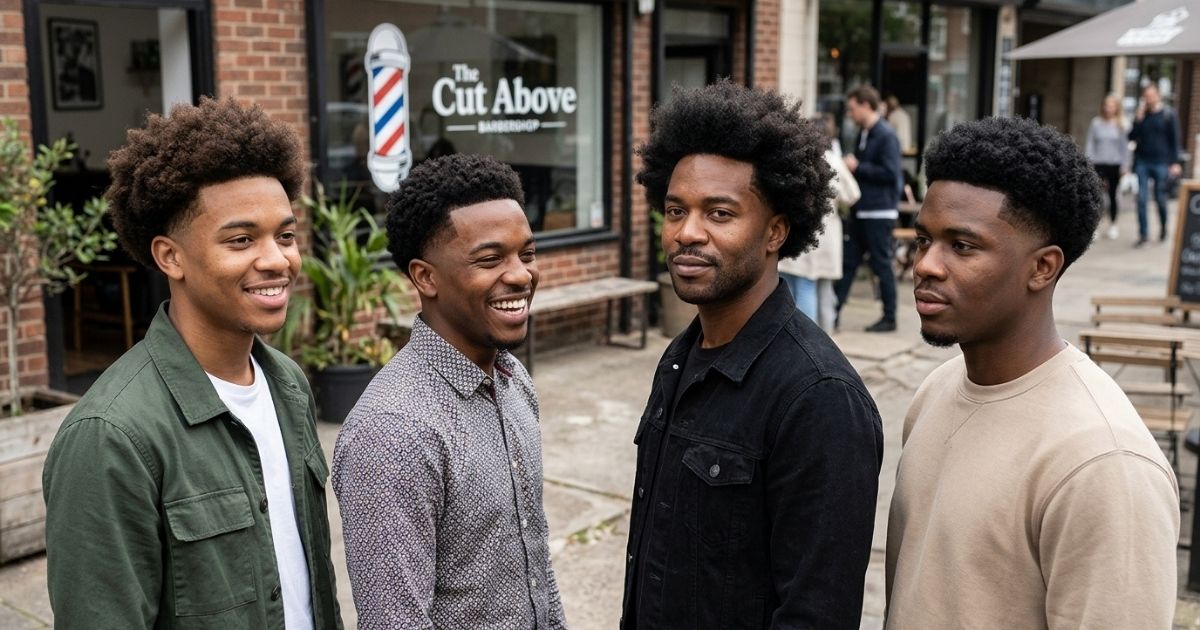
A low taper fade afro is a haircut that blends short, tapered hair near the ears and hairline into a longer, fuller afro on top. The transition sits low on the head, so the fade never climbs past the temples the way a mid or high fade does.
Because the taper stays close to the skin only at the very bottom edge, most of the length on the sides survives the cut. That keeps the silhouette rounded and natural rather than dramatically shaved, which is why so many men treat it as a low-key, everyday style.
Barbers typically finish the look with a crisp line around the forehead for definition, though the taper itself stays soft. The afro on top can run short and compact or tall and voluminous, depending on how much length you’re willing to grow out between visits.
Difference Between a Low Taper and a Low Fade

People swap these two terms constantly, but they describe different amounts of hair removal. A taper barely touches the bulk of the hair; a fade removes noticeably more.
| Feature | Low Taper | Low Fade |
| Hair removed | Minimal, mostly at the edges | Moderate to significant near the bottom |
| Contrast level | Subtle, gradual | More visible, sharper blend |
| Regrowth time | Slower to look outgrown | Needs trims sooner |
| Best for | Natural, low-maintenance looks | Defined, barbershop-fresh looks |
A low taper trims the sideburns, neckline, and hairline down gradually while leaving most of the side hair alone, so the change looks understated rather than dramatic. A low fade, on the other hand, blends hair down toward bare skin near the bottom, which creates more contrast against the top even though both stay low on the head.
If your priority is protecting the natural shape of your afro while still looking groomed, the taper usually wins. If you want a cut that reads as more deliberately styled, lean toward the fade instead.
How a Low Taper Fade Works on Afro Hair
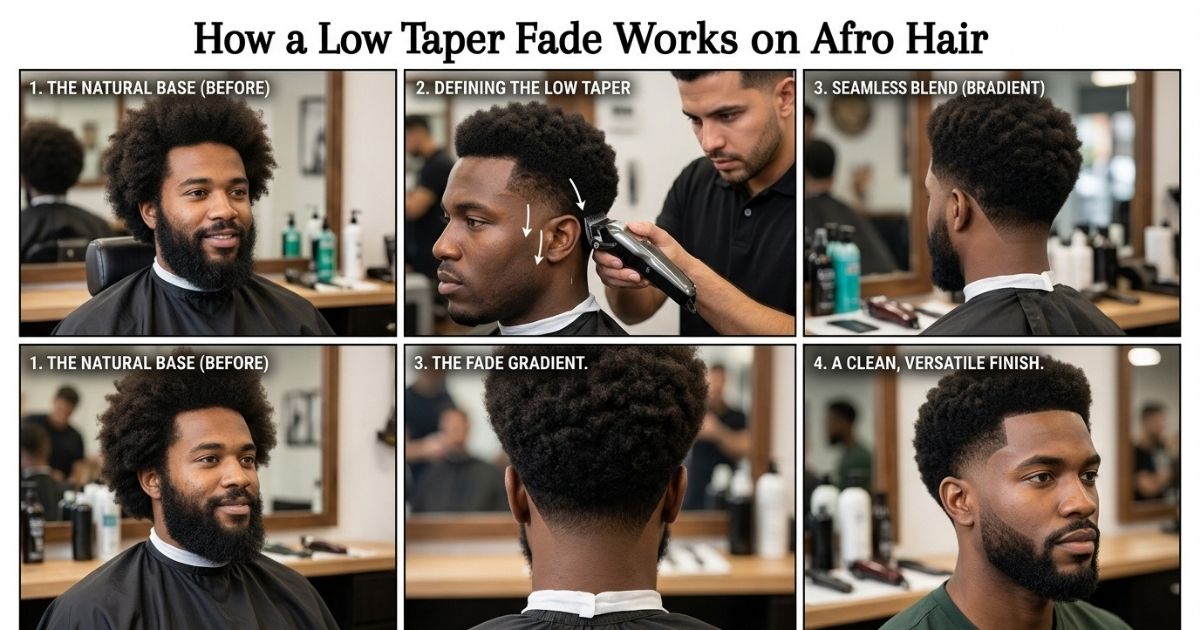
Afro hair already has natural lift, density, and shape, so a low taper is built to frame those qualities rather than cut against them. The barber works with the curl pattern instead of forcing it flat.
Clippers with different guard sizes blend the hairline, temples, and neckline in stages, moving from shorter to longer in small increments. Coily and tightly curled hair takes more time to blend cleanly because the curl pattern can hide uneven spots that straighter hair would show immediately.
Many barbers also tidy the hairline and connect it to a beard if you have one, which pulls the whole look together. The finished result should feel intentional: neat edges, full volume on top, and a fade that never overpowers the afro itself.
Who Should Get a Low Taper Fade Afro?

This cut isn’t limited to a single age group, job, or hair type, which explains why it keeps showing up across barbershops year after year. Anyone who wants to keep their natural texture while still looking put-together is a good candidate.
If your current routine involves fighting your curl pattern into submission, a low taper fade afro flips that approach. It works with your hair instead of against it, and the maintenance stays lighter than most fade styles demand.
Best Face Shapes
| Face Shape | What Helps | What to Avoid |
| Oval | Almost any afro height works | No major adjustments needed |
| Round | Extra height on top elongates the face | Overly wide, rounded silhouettes |
| Square | A rounded afro softens strong angles | Boxy, flat-top shapes |
| Heart-shaped | Medium volume balances a narrow jaw | Too much height up top |
A skilled barber adjusts the width and height of the afro to work with your bone structure rather than fighting it, which is part of why this cut adapts so easily across different faces.
Best Hair Types
This style was built with textured hair in mind, so 4A, 4B, and 4C patterns tend to hold the shape best since their natural volume keeps the afro looking full between trims.
Looser curl patterns can still pull off the look with the help of curl-defining products that add hold without stiffness. Thicker hair sometimes benefits from a bit of bulk removal on top, while finer hair often looks fuller if the barber leaves slightly more length.
Best Age Groups
- Teens: appreciate how current and low-effort it looks for school.
- College students: like the easy upkeep between classes and social plans.
- Working professionals: value the polished, office-ready finish.
- Older men: can wear a shorter, subtler version for a timeless result.
Professional vs Casual Style
At work, keeping the afro trimmed close and the line up sharp reads as polished without erasing your natural texture. It’s a cut that holds up through long meetings and doesn’t need constant fixing.
Away from the office, the same haircut opens up to twists, sponge curls, or a fuller afro shape for a more relaxed vibe. Since the fade line stays clean regardless of what’s happening on top, you can switch between looks without booking a whole new appointment. That flexibility is a big reason this style has stuck around.
Next up: 35 specific ways to wear a low taper fade afro, covering everything from classic rounded shapes to locs, twists, and bold hair designs.
35 Best Low Taper Fade Afro Haircuts

Part of what makes this cut so popular is the sheer number of directions you can take it. Whether you want something understated or a style with more personality, the taper stays consistent while the top does the talking.
Each variation below can be tweaked for your hair density, curl pattern, and face shape, so treat this as a starting menu rather than a rigid checklist.
Classic Low Taper Fade Afro

This is the baseline version everyone starts with: a rounded, natural afro up top and a gentle taper blending into the ears and neckline. It suits nearly any occasion, from a school day to a formal event, and a clean line up finishes it off. Medium to thick hair holds this shape especially well.
Short Low Taper Fade Afro
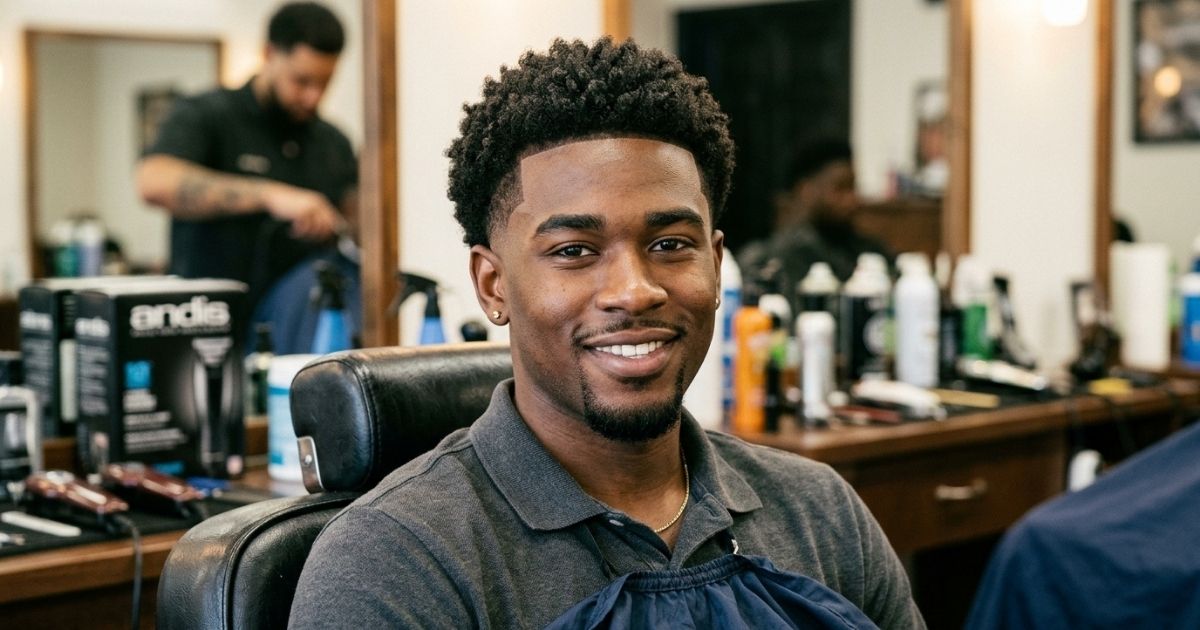
Trimming the top down shortens your morning routine considerably. Washing, moisturizing, and detangling all take less time, while the taper still frames the hairline neatly. Athletes, students, and anyone short on time in the morning tend to gravitate toward this option.
Rounded Afro with Low Taper

A deliberately rounded shape on top gives this cut a classic, sculpted look that highlights the fullness of your curls. Consistent trims keep the rounded silhouette intact, and regular moisture keeps the curls from looking dry or dull.
Low Taper Fade Afro with Beard
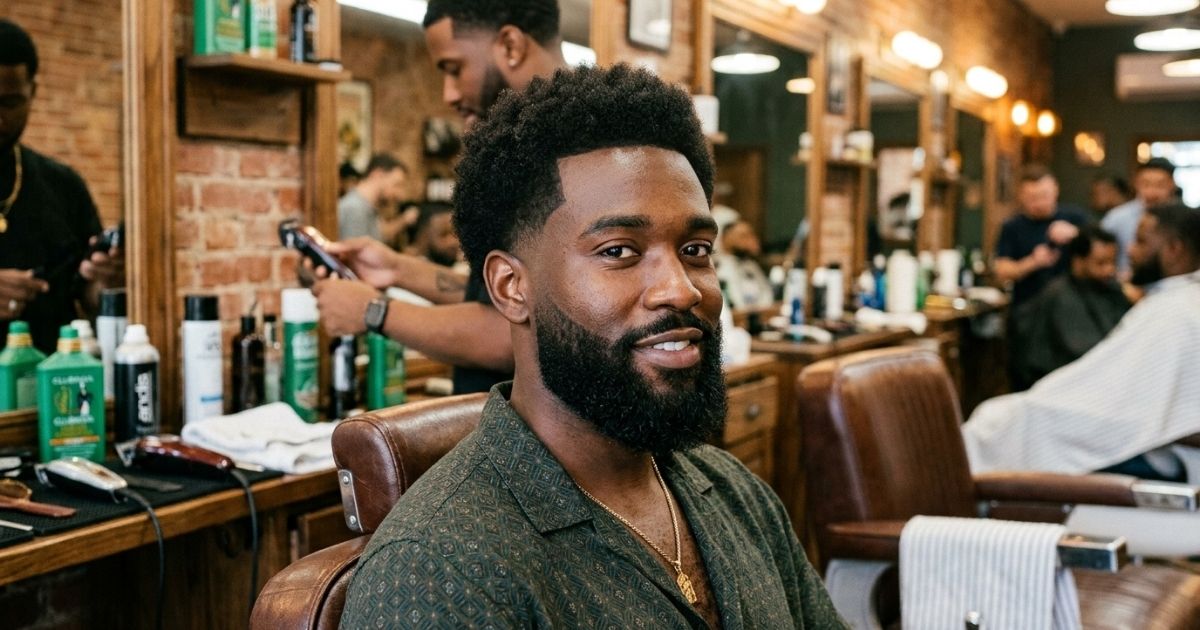
Blending the taper into a full or trimmed beard ties the entire face together. Your barber connects the sideburns smoothly into the facial hair so there’s no visible break between the two. Keep the beard conditioned and trimmed to match the sharpness of the fade.
Curly Low Taper Fade Afro

Defined curls paired with a soft taper create a groomed but natural finish. Curl cream or a leave-in conditioner keeps individual curls separated and hydrated instead of clumping together. This variation shines on 4A hair or looser curl patterns.
High Top Low Taper Fade
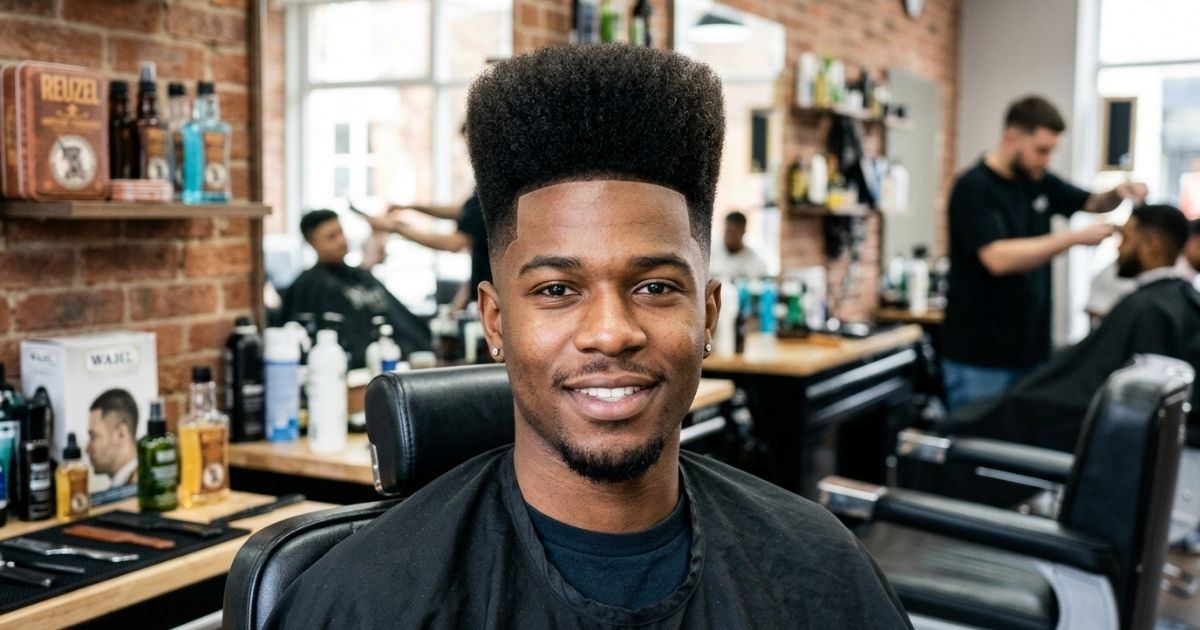
The high top brings extra height and structure to the classic taper. It’s a bolder statement than a rounded afro, and it needs more frequent trims to hold its shape. The contrast between the tall top and low, soft sides makes this one visually striking.
Mini Afro Low Taper

Sitting between a buzz cut and a full afro, the mini afro keeps things compact while still showing off curl texture. It’s a solid pick for anyone who wants low upkeep without going fully short.
Low Taper Fade Afro Black Male

Among the most searched variations, this version keeps the natural fullness of Black hair intact while sharpening the edges around the temples and neckline. It’s easy to personalize with a line up, beard blend, or subtle hair design, and it suits nearly every age bracket.
Low Taper Fade Afro with Twist
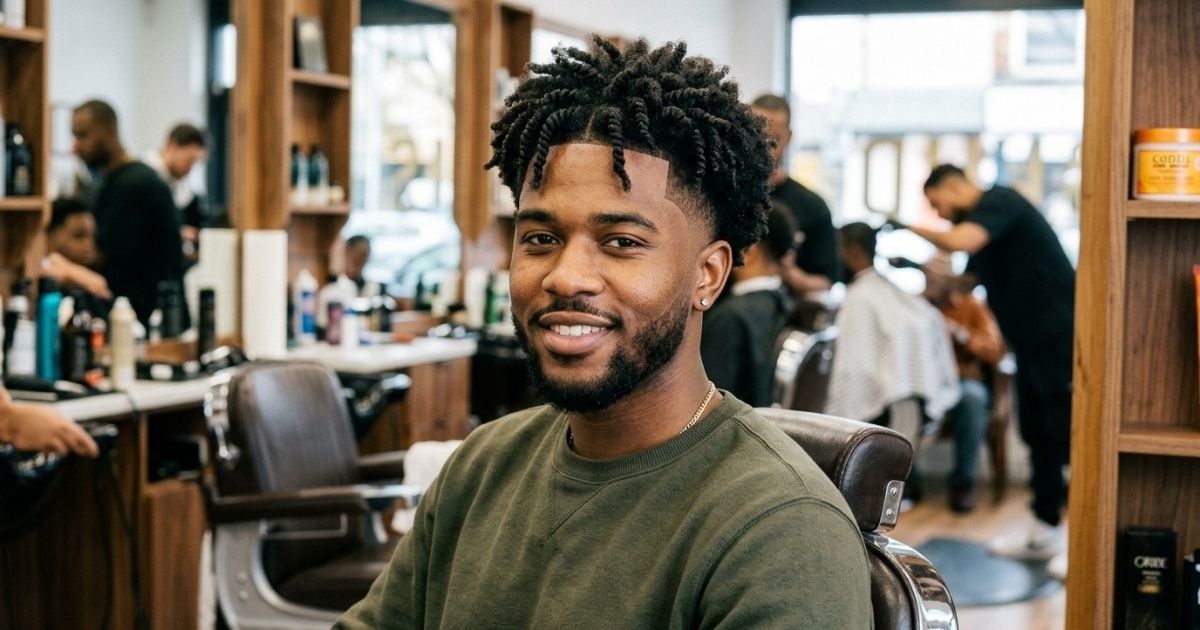
Twists bring texture and movement to the top while the low taper keeps everything else clean. Medium-length twists are the most requested length since they hold up well whether you’re dressing up or keeping it casual. Regular moisturizing prevents the twists from drying out.
Twist Sponge Afro

A sponge tool creates small, uniform coils that give the afro a distinctly textured finish. It pairs well with a low taper because the sides stay simple while the top does all the visual work. Most guys refresh this look in just a few minutes each morning.
Coils with Low Taper
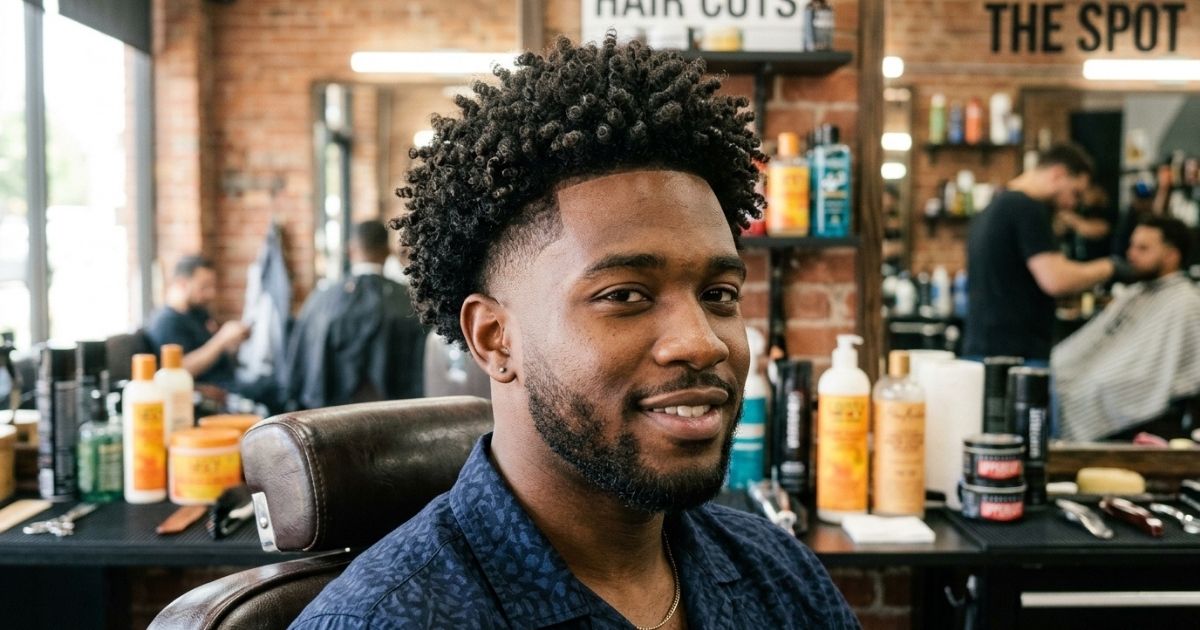
Natural coils look their best when the sides stay tidy and the top is left to do its thing. A low taper keeps the neckline and temples sharp, while hair oil and a curl moisturizer help the coils stay defined and healthy between cuts.
Temple Taper Afro
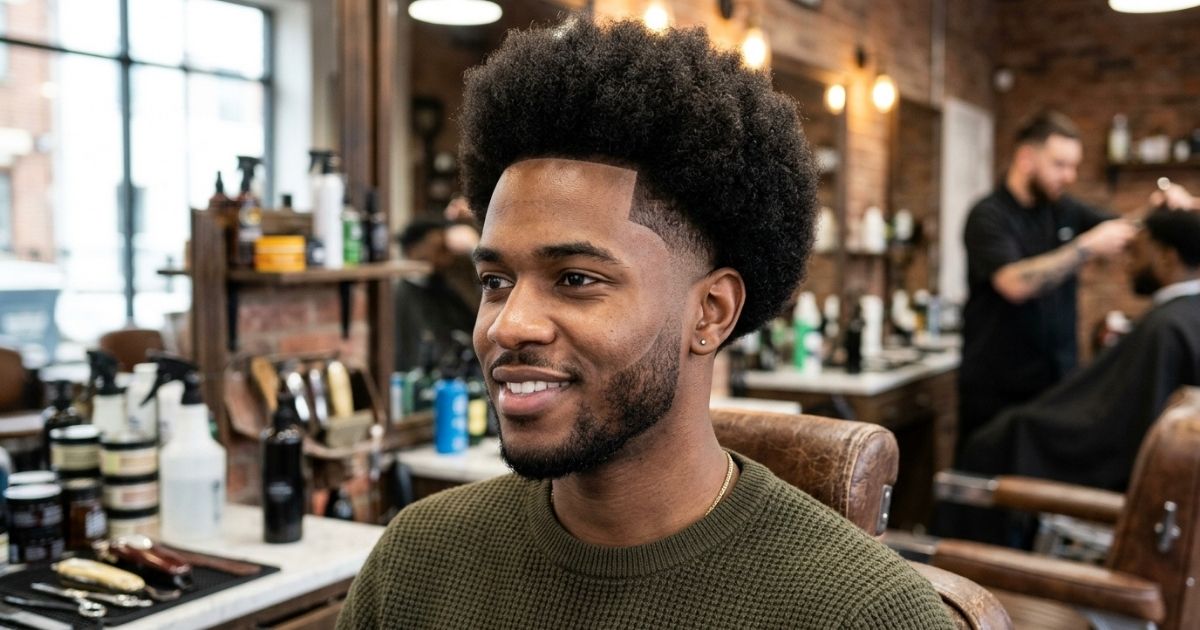
Instead of fading the whole side, this variation concentrates the taper mainly around the temples. It’s a subtler take that still reads as groomed, and it’s a solid choice if you want minimal change with maximum polish.
Drop Low Taper Afro

The fade line curves gently behind the ear before blending into the neckline, adding more visual detail than a straight taper. It suits both short and medium hair lengths and gives the cut a slightly more sculpted finish overall.
Low Skin Taper Afro

This version blends all the way down to the skin near the ears and neckline, giving slightly more contrast than a standard taper while still keeping the top fully natural. Because the fade is closer to bare skin, you’ll want to book touch-ups a bit more often.
Buzz Cut with Low Taper
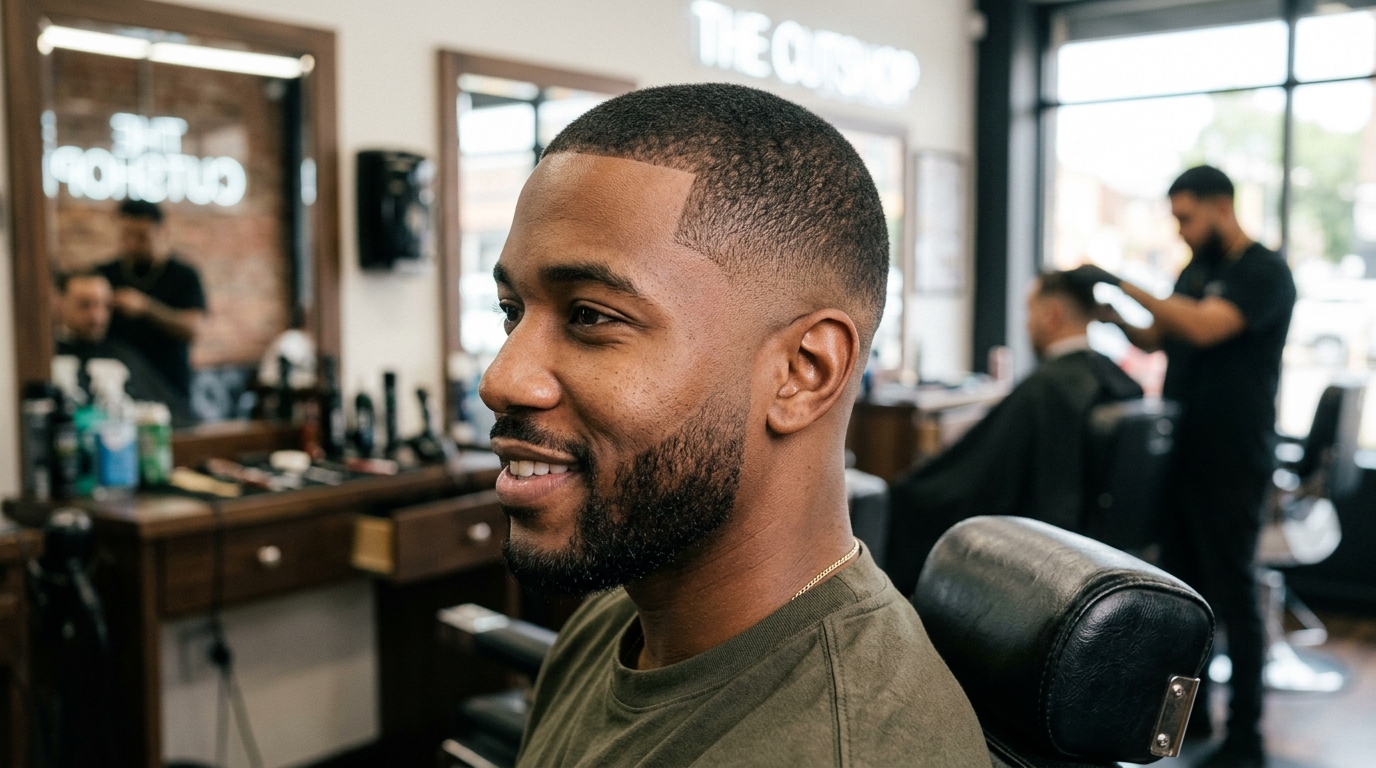
For guys who want the shortest possible hair on top, pairing a buzz cut with a low taper still adds a bit of shaping around the edges. It’s about as low-maintenance as this style gets.
Afro with Line Up
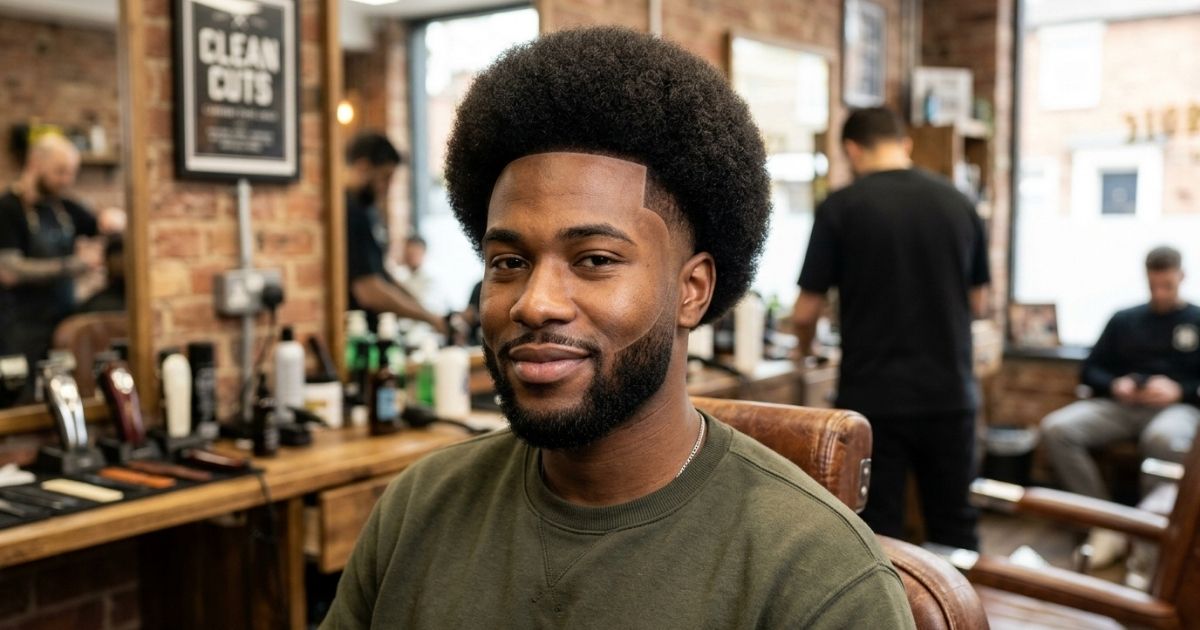
A crisp line up around the forehead, temples, and sideburns instantly sharpens the whole look. It’s one of the fastest ways to make any afro shape read as freshly cut, and touching it up every couple of weeks keeps it looking sharp.
Afro with Hair Design
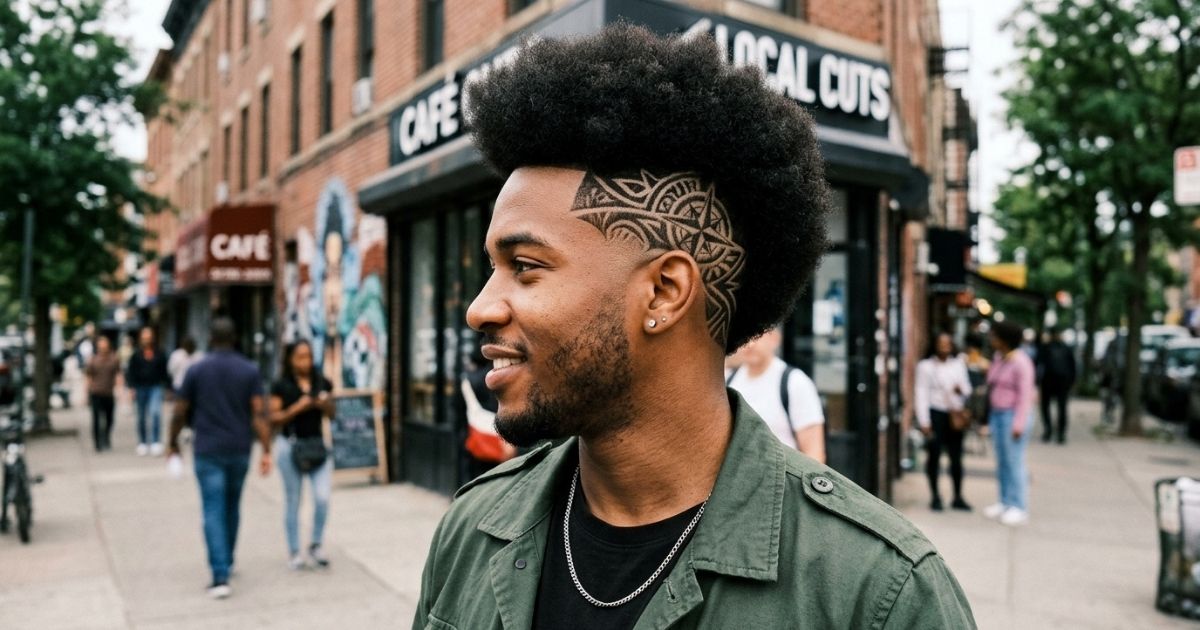
Adding a shaved pattern into the faded portion gives the cut a personal signature without taking attention away from the afro itself. Simple geometric lines or curves tend to hold their visibility longest as the hair grows back in.
Low Taper Fade Dreads
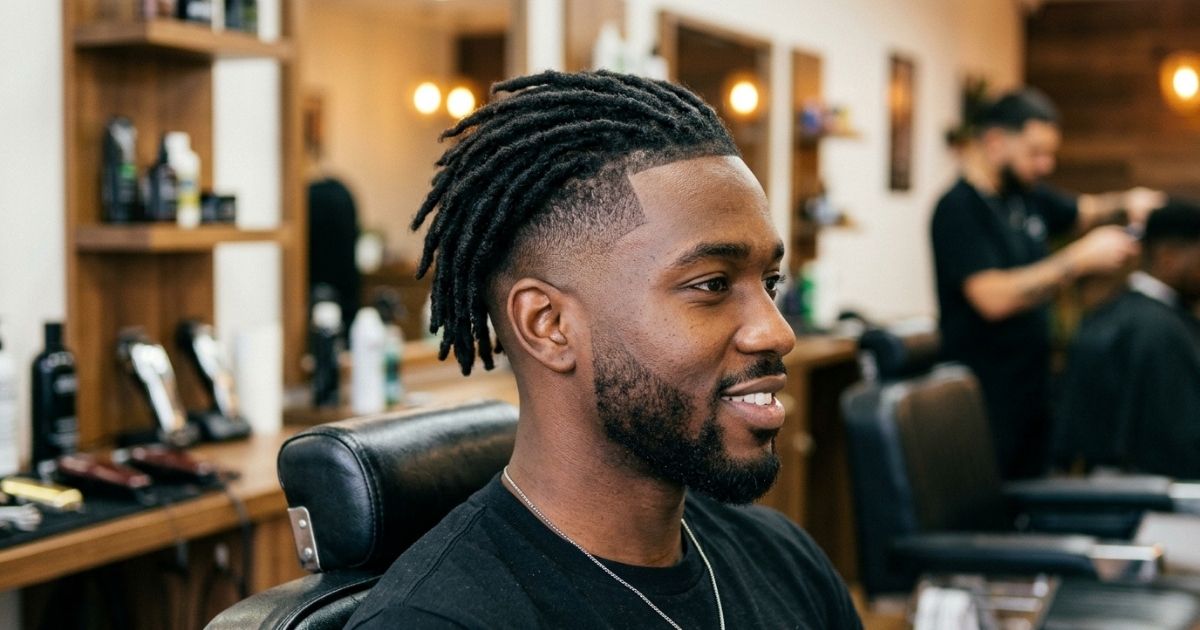
Locs and a low taper make a strong pairing since the taper trims away bulk at the edges without disturbing the length on top. This combination works on both short starter locs and mature, longer locs, and it holds up well with regular retwisting.
Low Taper Locs
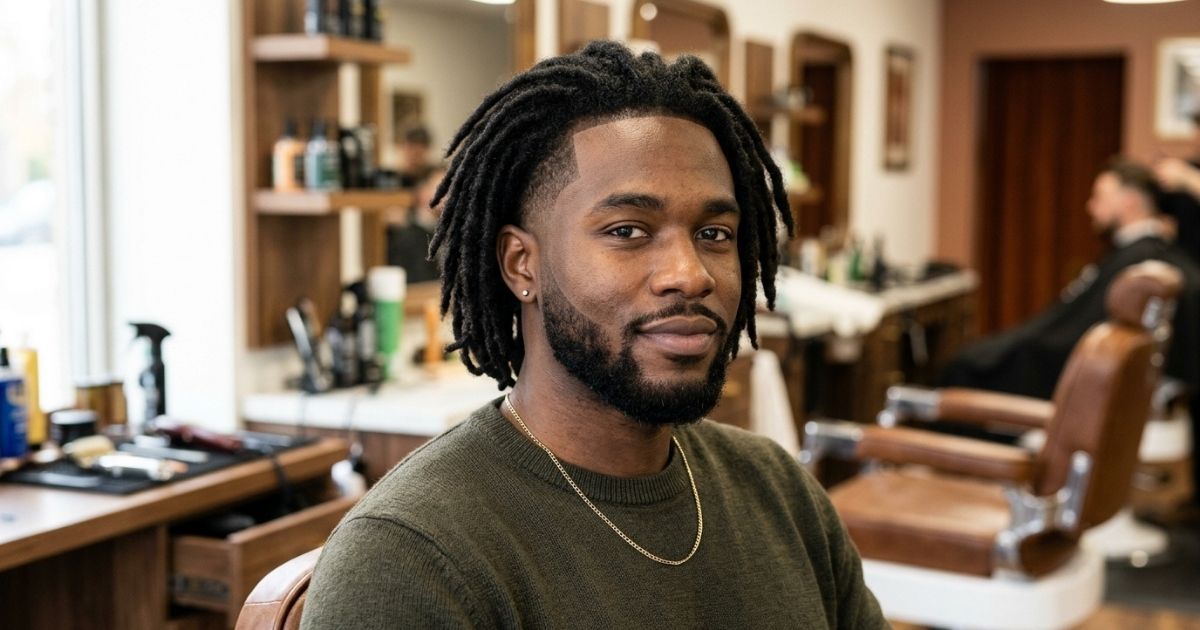
For men with medium-to-long locs, a low taper cleans up the sides and neckline while leaving the length completely untouched. The contrast between neat edges and textured locs creates a look that works equally well dressed up or down.
Barber Tips Before Choosing Your Style

- Match the style to your actual curl pattern instead of copying a look built for different hair.
- Pick a shorter afro if your daily routine leaves little time for styling.
- Bring reference photos taken in good lighting to avoid miscommunication.
- Ask which guard sizes work best for your head shape and hair density.
- Show up with moisturized hair so the barber can see the true curl pattern.
Learn more:Bald Fade Haircut: 25 Best Styles, Barber Tips & Complete Guide
More Low Taper Fade Afro Haircuts to Try
There’s still plenty of ground to cover once you’ve seen the essentials. These next variations lean into braids, waves, mullets, and other combinations worth bringing up at your next appointment.
Low Taper Cornrows
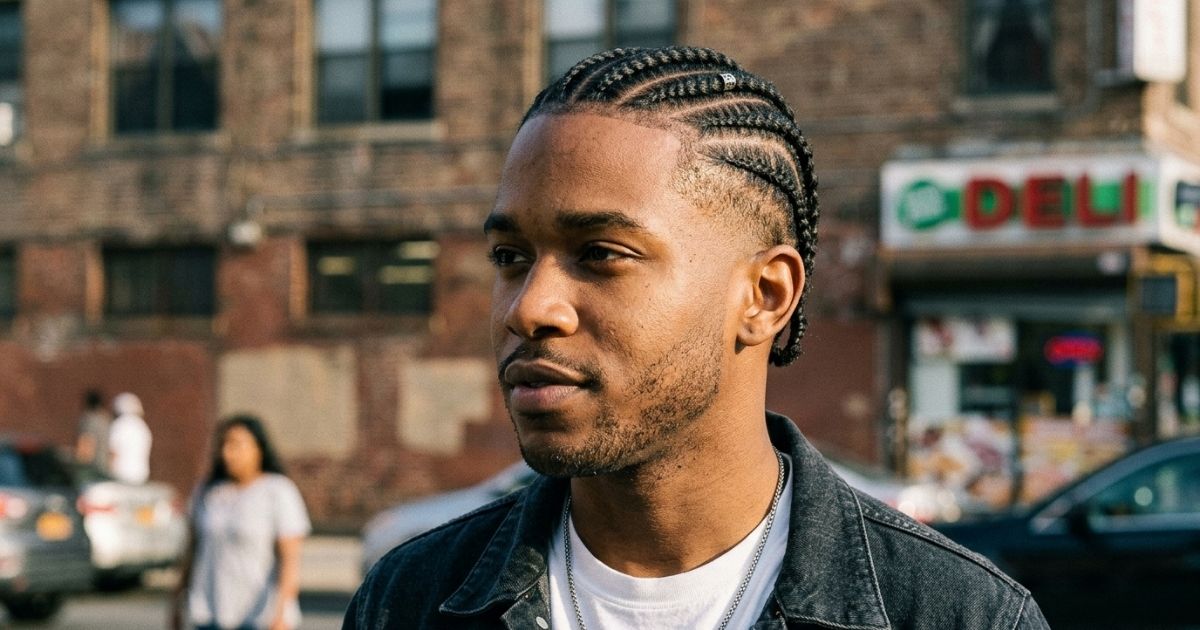
Cornrows keep the top protected while the taper trims the sides and neckline into a clean frame. It’s a practical option if you want a protective style without covering the whole scalp, and regular scalp care keeps both the braids and surrounding hair healthy.
Afro Mullet Taper

This variation keeps extra length at the back while tapering the sides low and tight, borrowing from the mullet trend without losing the afro’s natural texture. It’s a bolder pick for anyone drawn to unconventional shapes.
Afro Blowout Taper
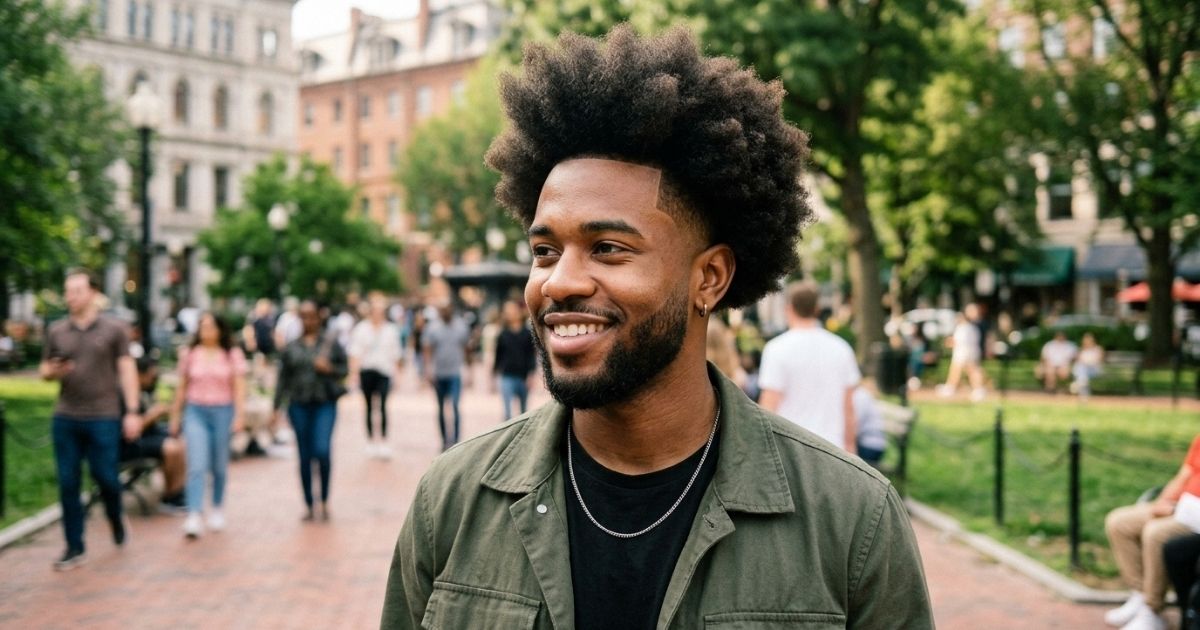
A blowout adds noticeable height and fullness on top, and the low taper keeps the base clean by contrast. A hair pick helps maintain that lift throughout the day without flattening the curl pattern.
Low Taper Fade Waves

Guys chasing 360 waves often pair them with a low taper so the sides stay simple while the wave pattern takes center stage. A durag, consistent brushing, and wave pomade all help maintain the definition.
360 Waves Low Taper

One of the most frequently requested combinations, this pairs a textured wave pattern across the top with a smooth, low taper around the temples and neckline. Daily brushing is non-negotiable if you want the waves to stay sharp.
Afro with Hard Part
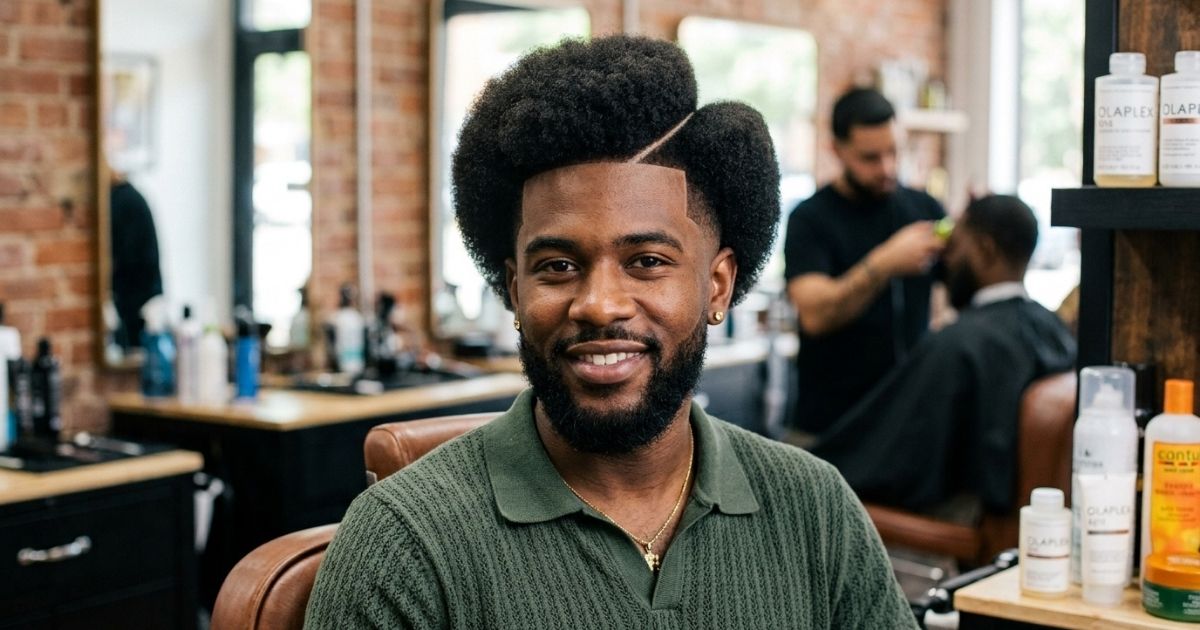
A shaved line cutting through one side of the afro adds a clean division that contrasts nicely with the curls. Combined with a low taper, it gives the cut a more deliberate, structured look.
Low Taper Fade Kids Afro

Neat, comfortable, and easy to maintain, this version is popular with parents who want their sons to keep their natural curls without constant upkeep. It also grows out gracefully, which means fewer barbershop trips.
Black Boy Low Taper Fade Afro

Built specifically for young boys, this pairs a simple taper with a clean line up and a shaped afro that works for school photos and everyday play alike. Regular moisturizing keeps the curls healthy as the hair grows.
Low Taper Fade Thick Afro

Thick afro hair benefits from a barber lightly thinning the bulk near the edges while preserving fullness on top. It keeps the shape balanced instead of overwhelming, especially around the ears.
Low Taper Fade Thin Afro
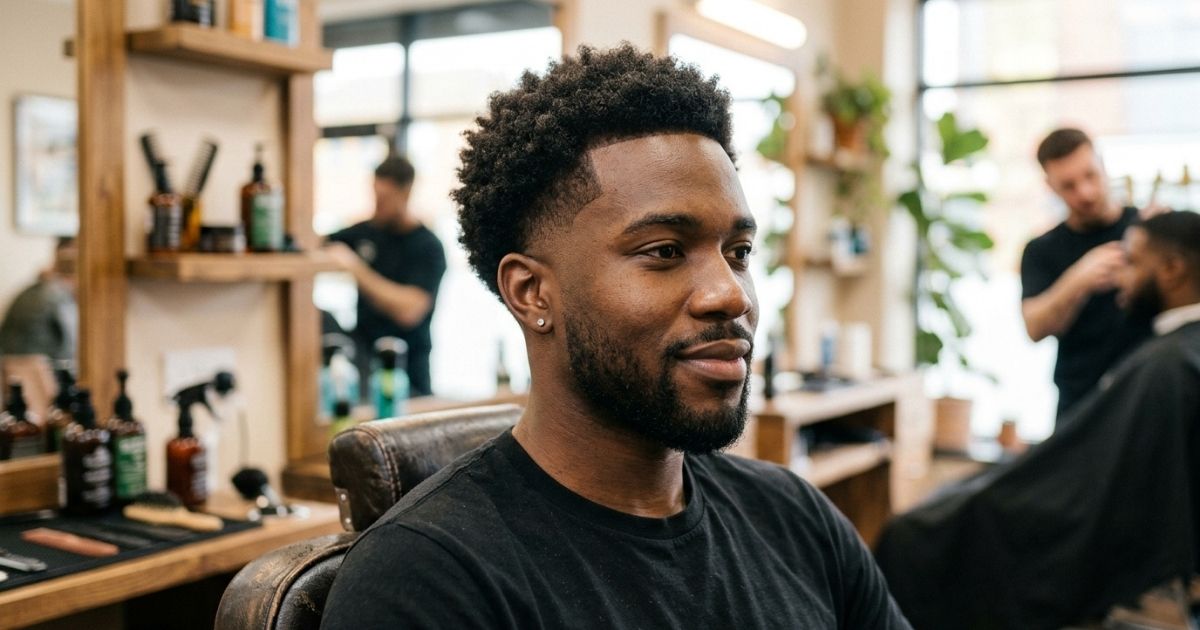
Thinner hair can look fuller with slightly more length left on top and a barber who shapes the afro to create the illusion of density. A consistent hair care routine also helps prevent the look from appearing sparse.
Long Afro Low Taper
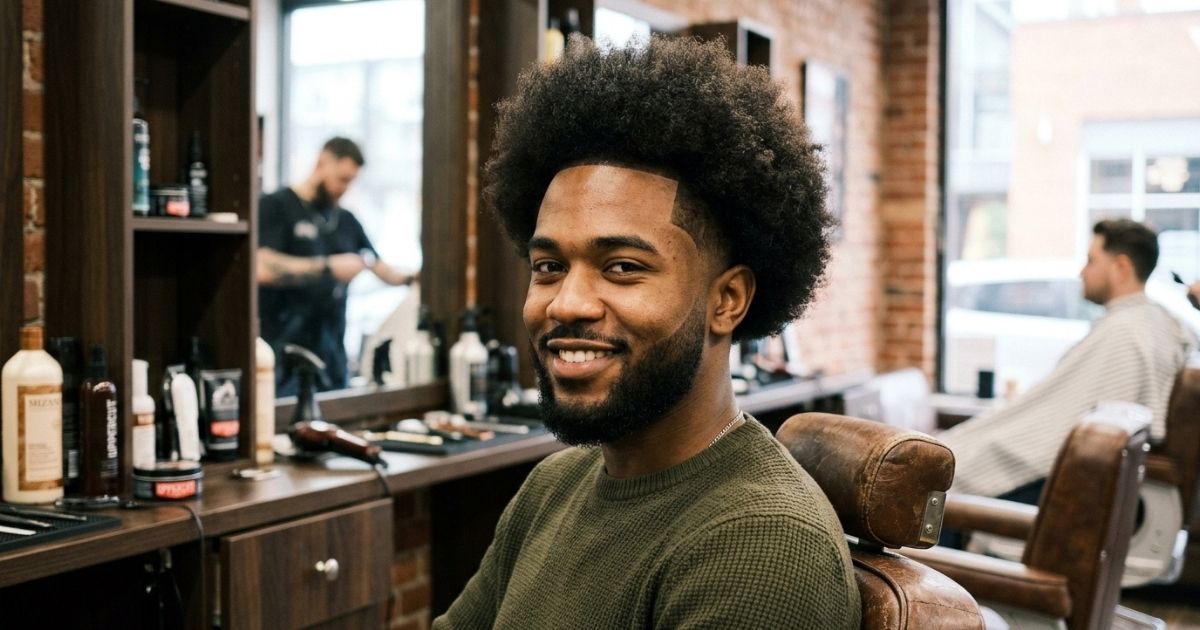
Growing the afro out longer creates a bold contrast against the clean taper underneath. It demands more moisturizing and detangling than shorter versions, but the payoff is one of the most eye-catching looks on this list.
Messy Afro Taper
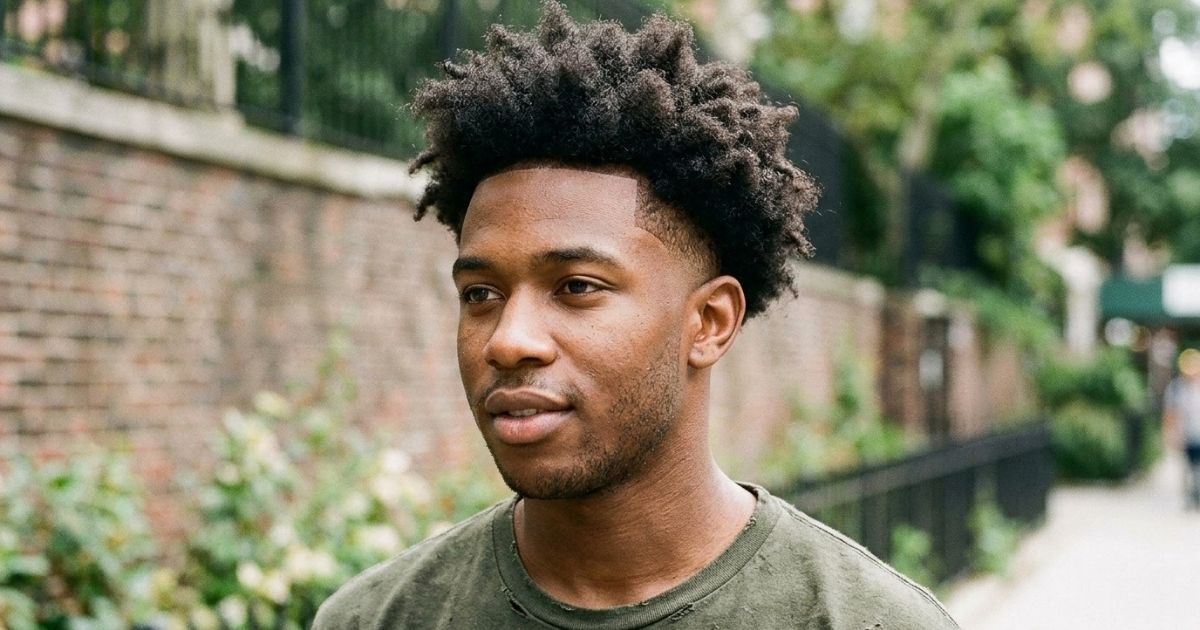
Not every afro has to be perfectly shaped. A slightly undone, natural finish still looks intentional when the taper underneath stays crisp, making this a good option for guys who prefer a relaxed aesthetic.
Afro with Edge Up

Sharp, straight lines around the forehead and temples give structure to any afro shape. Refreshing the edge up roughly every two weeks keeps the definition from softening too much.
Very Low Taper Fade Afro

This is about as subtle as the fade gets, starting right above the ears and neckline so the change is barely noticeable. It’s ideal if you want to protect the afro’s natural shape while still adding a touch of polish.
Mid-Low Taper Fade Afro

Sitting between a standard low taper and a mid taper, this version removes slightly more hair on the sides for a bit more contrast without jumping all the way to a high fade.
Modern Low Taper Afro
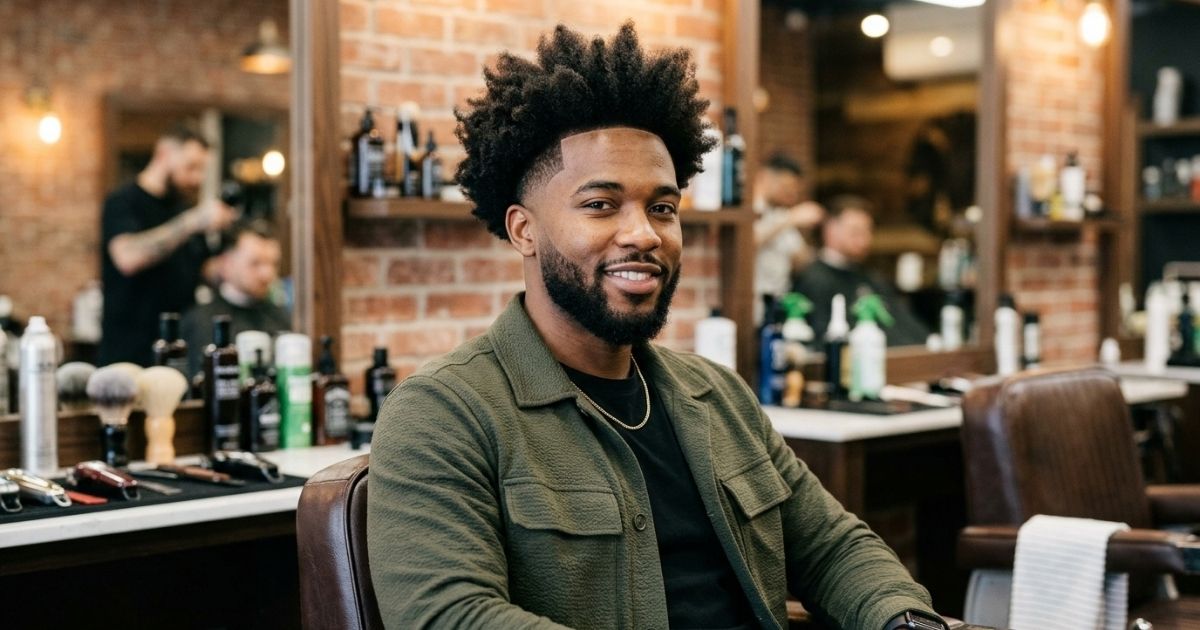
This take blends current styling trends, like textured curls, a sharp beard connection, or a subtle design, with the traditional taper technique. It remains one of the more adaptable options for guys who like to switch things up.
Low Taper Fade Afro vs Other Taper Haircuts
Picking between fade styles comes down to hair type, face shape, and how much contrast you actually want to see. Here’s how the low taper stacks up against its closest relatives.
| Style | Fade Height | Contrast Level | Maintenance |
| Low Taper Fade Afro | Ears/neckline only | Subtle | Low |
| Mid Taper Fade | Mid-side, above ears | Moderate | Medium |
| High Taper Fade | Upper sides/temples | High | Medium-high |
| Skin Fade | Blends to bare skin | Very high | High |
| Temple Fade | Temples only | Low-moderate | Low-medium |
Low Taper Fade Afro vs Mid Taper Fade Afro
The low taper starts right at the ears and neckline, keeping more hair on the sides for a softer, more natural transition. A mid taper climbs higher, creating sharper contrast and a more modern edge. Pick the low taper if you want fuller sides; go mid if you want more visible fade.
Low Taper Fade Afro vs High Taper Fade Afro
A high taper removes considerably more hair around the temples and upper sides, pulling more attention toward the top. The low taper keeps things balanced and grows out more gracefully, which is why many professionals lean toward it for a cleaner, less dramatic result.
Low Taper Fade vs Skin Fade
A skin fade blends all the way down to bare skin, producing a bold, high-contrast look that needs frequent upkeep to stay sharp. A low taper leaves hair throughout the transition, giving a softer, more classic finish that’s easier to maintain.
Low Taper vs Temple Fade
A temple fade focuses narrowly on the temple area, often leaving the neckline alone. The low taper handles both the temples and neckline together, resulting in a more complete, all-around clean finish.
How to Ask Your Barber for a Low Taper Fade Afro
Clear communication saves you from a haircut that misses the mark. Even with reference photos in hand, knowing the right vocabulary makes the conversation smoother.
What to Say
Tell your barber directly that you want a low taper fade afro, and specify how much length you want on top. Mention whether you’re picturing a rounded shape, twists, sponge curls, or something else entirely so nothing gets lost in translation.
Clipper Guard Numbers
| Guard Size | Result |
| #0 – #0.5 | Skin-close taper |
| #1 | Close, tight taper |
| #2 | Soft, blended transition |
| #3 – #4 | Keeps more visible length |
Most barbers combine two or three guard sizes to create a seamless blend rather than relying on just one.
Hair Length
Decide before your appointment how much length you want to keep on top. A shorter afro means less daily styling, while a fuller shape gives you more room to show off curl texture.
Neckline
Ask for either a natural neckline, which grows out more smoothly, or a squared neckline, which looks sharper immediately after the cut but needs quicker touch-ups.
Line Up
A crisp line up around the forehead and temples gives the whole cut a finished look. If you’d rather keep things soft, ask your barber to leave the line more natural.
Beard Blend
If you have facial hair, request that the taper connect smoothly into the beard. This removes any hard break between the haircut and facial hair for a more unified look.
Photo Reference Tips
Bringing clear photos remains one of the easiest ways to get your point across. Choose images that match your actual hair texture and length rather than a style that would need a completely different starting point.
Skip heavily filtered or edited social media photos. Realistic pictures shot in natural lighting give your barber an accurate sense of what your hair will actually do, which leads to fewer surprises once the clippers come out.
How to Maintain a Low Taper Fade Afro
The haircut is only half the equation. What you do at home between visits determines how fresh it looks and how long you can stretch between appointments.
Daily Hair Care Routine
Mist your hair lightly with water in the morning if it feels dry, then apply a small amount of leave-in conditioner or moisturizing cream. A hair pick can restore volume gently without pulling at the roots. At night, a satin bonnet, durag, or pillowcase cuts down on friction and prevents breakage.
Weekly Maintenance
Wash once every one to two weeks with a sulfate-free shampoo, followed by a moisturizing conditioner. A deep conditioning treatment once a week helps if your hair feels particularly dry, and don’t forget to keep any beard blend just as clean and conditioned.
Monthly Barber Visits
| Preferred Look | Recommended Visit Frequency |
| Sharp taper and crisp line up | Every 2–3 weeks |
| Natural, understated finish | Every 3–4 weeks |
| Longer afro styles | Every 4–6 weeks |
Sticking to a schedule prevents uneven growth around the neckline and temples from creeping in unnoticed.
Night Hair Care
Apply a light moisturizer before bed if needed, and always cover your hair with a satin bonnet or durag. Cotton pillowcases pull moisture out of curly hair, so swap them out if you can, and never go to sleep with soaking wet hair.
Moisture Tips
A basic moisture routine covers water, a leave-in conditioner, a natural hair oil, and curl cream. Resist the urge to layer on more products daily than that, since buildup on the scalp tends to leave hair looking greasy instead of healthy.
Preventing Dry Hair
- Stay hydrated throughout the day.
- Wash with lukewarm rather than hot water.
- Choose products formulated for curly or coily hair.
- Limit heat styling tools where possible.
- Trim damaged ends on a regular schedule.
Best Products for a Low Taper Fade Afro
You don’t need an overflowing shelf of products, just a handful of reliable essentials that support both the fade and the curls on top.
Leave-In Conditioner
Keeps afro hair hydrated throughout the day, cutting down on dryness while helping curls stay soft and defined.
Curl Cream
Adds definition without stiffening the hair, making it especially useful for curls, coils, or sponge-twisted styles.
Hair Butter
Delivers extra moisture for thick or dry hair, reducing breakage while boosting overall softness.
Hair Oil
Oils like argan or jojoba seal in moisture and add shine. A small amount goes a long way before buildup becomes an issue.
Sponge Brush
Creates textured, uniform coils in just a few minutes, making it a go-to tool for shorter afro styles.
Wide-Tooth Comb
Detangles gently without the breakage risk that comes with fine-tooth combs on textured hair.
Edge Control
Keeps the hairline neat throughout the day when applied in small amounts around the forehead and temples.
Hair Pick
Restores natural volume on top without flattening the curl pattern the way a brush might.
Low Taper Fade Afro for Different Hair Types
Every curl pattern behaves a little differently, so your barber should adjust the technique to match your natural texture rather than applying a one-size-fits-all approach.
4A Hair
Defined curls with strong natural volume hold this cut well, and the low taper keeps the edges clean while letting the curls stay soft and visible.
4B Hair
Tighter curls with more shrinkage benefit from consistent moisture, which helps the afro keep its shape and makes daily styling easier.
4C Hair
Dense, tightly coiled hair pairs especially well with this cut since the taper removes bulk at the edges while spotlighting the natural texture on top.
Coily Hair
Coily hair holds up best with regular conditioning and gentle detangling. The taper adds structure around the edges without reducing overall fullness up top.
Curly Hair
Looser curl patterns pair naturally with a low taper when combined with curl cream, giving a defined, well-groomed finish without extra effort.
Low Taper Fade Afro by Hair Length
Short Afro
Requires the least daily upkeep and stays neat with consistent barber visits, making it a strong choice for busy schedules.
Medium Afro
Offers more styling flexibility while still being manageable, working well with twists, sponge curls, or a rounded shape.
Long Afro
Creates maximum volume and personality, though it needs more frequent moisturizing and detangling than shorter alternatives.
Is a Low Taper Fade Afro Good for School and Work?
Yes. Few haircuts move this smoothly between classrooms, offices, and casual settings without needing to change anything about the cut itself.
Students
The clean, low-maintenance finish holds up comfortably through sports, classes, and after-school plans without extra fuss.
Office Professionals
The polished look fits naturally into business, healthcare, education, and most other professional settings while still preserving natural hair.
Athletes
Shorter sides feel cooler during training sessions, and the afro stays easy to manage before and after workouts.
Content Creators
Photographers, musicians, and influencers often personalize the taper with twists, curls, or a beard blend to match their personal brand.
Expert Barber Tips
- Choose a barber experienced with afro-textured hair specifically.
- Bring reference photos rather than relying on descriptions alone.
- Moisturize your hair before every appointment.
- Avoid drastic changes at every visit.
- Trust your barber’s read on your head shape and density.
- Stick to a consistent trim schedule for the cleanest results.
Benefits of Choosing a Low Taper Fade Afro
Versatility tops the list of reasons this cut has stayed relevant. Whether your hair is tightly coiled, loosely curled, thick, or fine, a barber can adjust the taper to fit.
It also asks less of you between appointments than many higher-contrast fades, since the lower fade line grows out more evenly and buys you extra time before a touch-up becomes necessary.
The style pairs easily with twists, coils, locs, waves, or a classic rounded afro, all while keeping the same clean taper underneath. Add a beard blend and the whole look comes together as one cohesive, polished style rather than separate pieces competing for attention. For most Black men, it strikes the right balance between natural texture and a groomed finish.
FAQ’S
What is a low taper fade afro?
It’s a haircut where hair gradually shortens near the ears and neckline while the natural afro stays full on top.
How long should my hair be on top?
Most barbers suggest at least one to two inches for a visible afro, though shorter versions work too.
How often should I get it trimmed?
Every two to four weeks, depending on how sharp you want the fade to stay.
Does a low taper damage afro hair?
No, a properly done taper only trims the edges and doesn’t harm healthy hair.
Can I combine it with twists?
Yes, twists are one of the most common pairings with this cut.
Final Thoughts
The low taper fade afro earns its staying power by respecting natural texture while still delivering a clean, deliberate finish around the edges. Whichever variation you choose, whether that’s a short afro taper, a curly low taper fade, or a beard-blended version, it adapts to your hair type, face shape, and daily routine without asking you to give up your natural curl pattern.
With the right maintenance schedule, consistent moisture, and a barber who understands textured hair, this cut holds its shape well between visits. If you want a hairstyle that balances low upkeep with a genuinely polished look, the low taper fade afro remains one of the most dependable choices available today.