
The messy French crop has become one of the most requested men’s haircuts because it delivers a groomed silhouette without demanding a long morning routine. Short sides, a textured top, and a forward fringe combine into a shape that looks intentional even when it’s barely styled. It suits nearly every hair type and face shape.
Barbers like this cut because the structure underneath does most of the work. Once the taper, weight line, and fringe are set correctly, daily styling takes minutes, not a full skincare-cabinet routine. This guide breaks down every part of the cut, from the barber conversation to the maintenance schedule that keeps it sharp.
Messy French Crop: Effortless Texture, Clean Outline, Fast Style
A well-built messy French crop balances two things that seem opposite: loose, tousled texture on top and a tight, disciplined outline everywhere else. The mess is deliberate. Underneath the tousled surface sits a clean taper, a controlled crown, and a fringe line that’s been shaped with real precision, not left to chance.
1) What Is a Messy French Crop
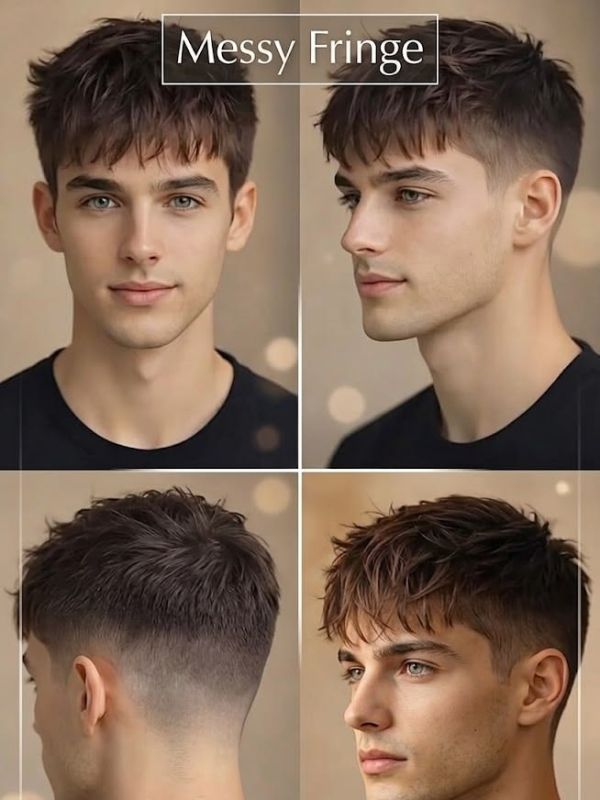
A messy French crop is a short, textured men’s haircut built around a forward-combed fringe and choppy movement on top. It’s a looser cousin of the classic Caesar crop, trading the flat, uniform surface for layered texture that catches light and looks lived-in. The sides taper or fade down low, while the top stays short to medium with natural, broken-up strands.
Nothing about this cut happens by accident, though. A skilled barber leaves extra density along the parietal ridge the curved area above your ears so the sides read full instead of thin. That hidden support is what separates a sharp messy crop from an overgrown buzz cut.
2) Why Choose This Cut
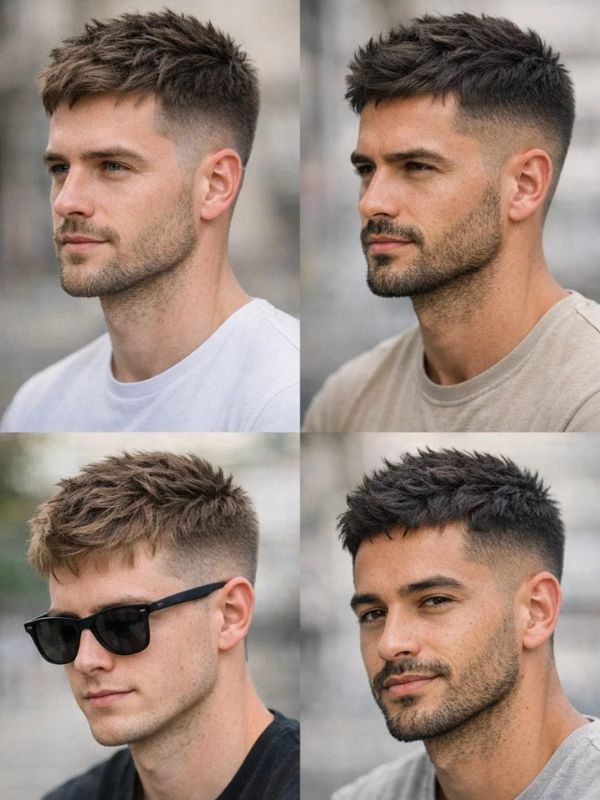
This haircut earns its popularity through practicality as much as looks. A low taper hides new growth far longer than a high skin fade does, which means fewer trips back to the chair. It reads as polished in an office and relaxed at a weekend brunch without any change in styling effort.
A few reasons men keep choosing it:
- Low upkeep: Styling rarely takes more than two or three minutes once the cut is set.
- Forgiving regrowth: A low fade or taper stretches the fresh look closer to a month.
- Face-framing fringe: The forward fringe softens harsh angles and balances forehead size.
- Works across settings: Equally comfortable under a blazer or a baseball cap.
- Adapts to hair type: Straight, wavy, curly, and fine hair all take the shape differently but effectively.
3) Face Shape Match
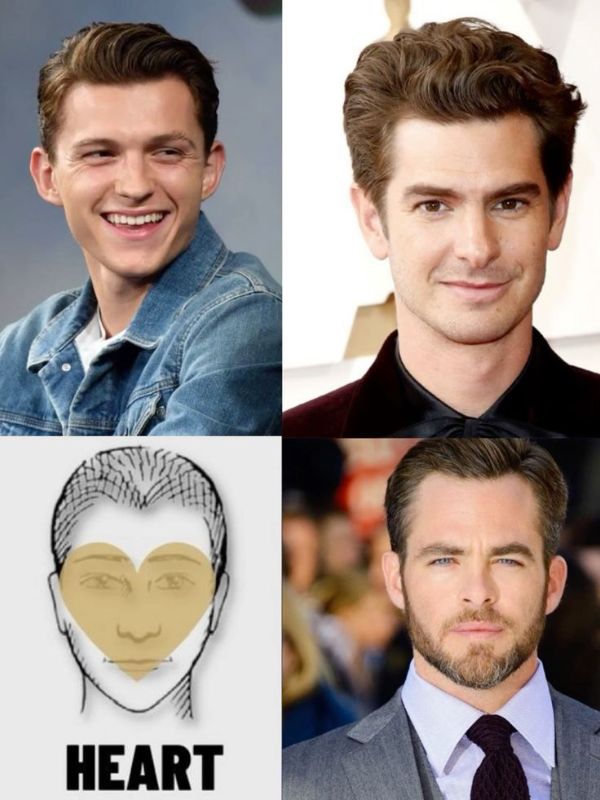
The fringe length, top volume, and side fullness should shift depending on your face shape. Getting this right is what makes a crop look tailored instead of generic.
| Face Shape | Best Fringe Style | Top & Side Notes |
| Round | Shorter, straighter fringe | Adds vertical line; keep sides tighter to avoid extra width |
| Square | Choppy, broken fringe | Softens the jaw; trim corner weight so the outline doesn’t look boxy |
| Oval | Most fringe styles work | Flexible shape; pick based on how formal you need the look |
| Heart / Triangle | Fuller, side-weighted fringe | Keep some side fullness; avoid a very high crown |
| Long | Fringe with more forward weight | Skip extra height on top so the face doesn’t read longer |
4) Hair Types & Top Textures
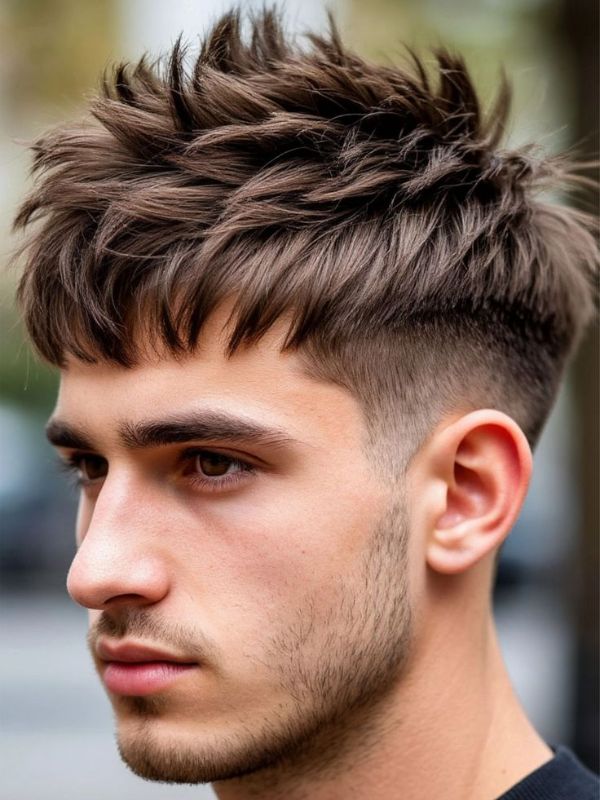
Hair type changes how the top of a messy French crop should be cut and how it behaves once you leave the barber’s chair.
| Hair Type | Recommended Approach |
| Straight | Blunt or lightly chopped fringe with a flatter, breakup-heavy top |
| Wavy | Choppy layers that follow the natural wave pattern instead of fighting it |
| Curly | Compact, layered top with crown control to stop the fringe from flaring out |
| Thick | Thinning shears in bulky zones, without changing the overall shape |
| Fine or thinning | Forward root direction plus a defined part line to build the illusion of density |
Ask your barber to check your hair’s natural fall before cutting a five-second test that prevents a fringe that fights your part for weeks.
5) Exactly What to Tell Your Barber
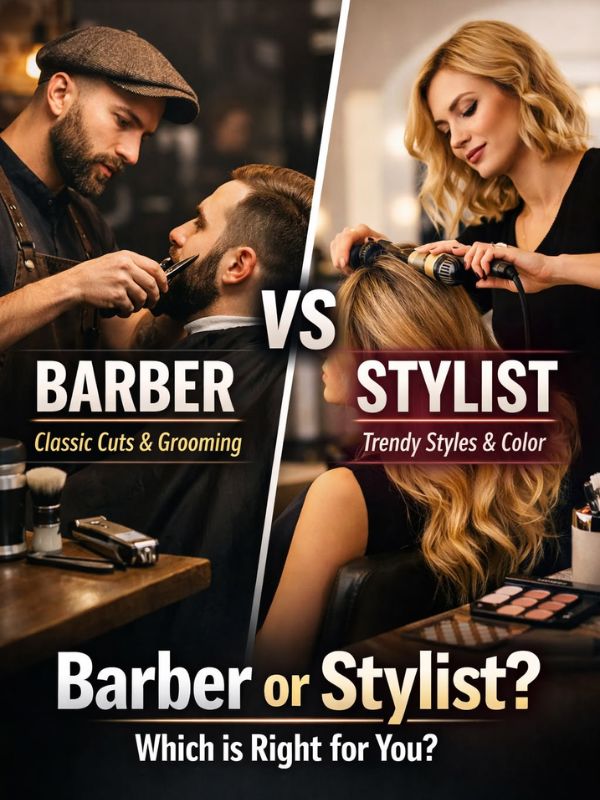
Walking in with a clear description saves time and avoids miscommunication. Bring a front-facing and side-profile photo if you have one, then use language like this:
- “I want a messy French crop with a low taper or low fade on the sides.”
- “Keep extra density along the parietal ridge so the sides don’t look thin.”
- “Cut the fringe [choppy / blunt], based on what suits my forehead.”
- “Leave the top textured, with a forward direction, not slicked back.”
- “Natural hairline, no hard part unless it fits my hair’s natural fall.”
- “Keep the crown calm I don’t want height standing up there.”
A barber who knows the cut will fill in the rest from that script.
6) In the Chair: Step by Step
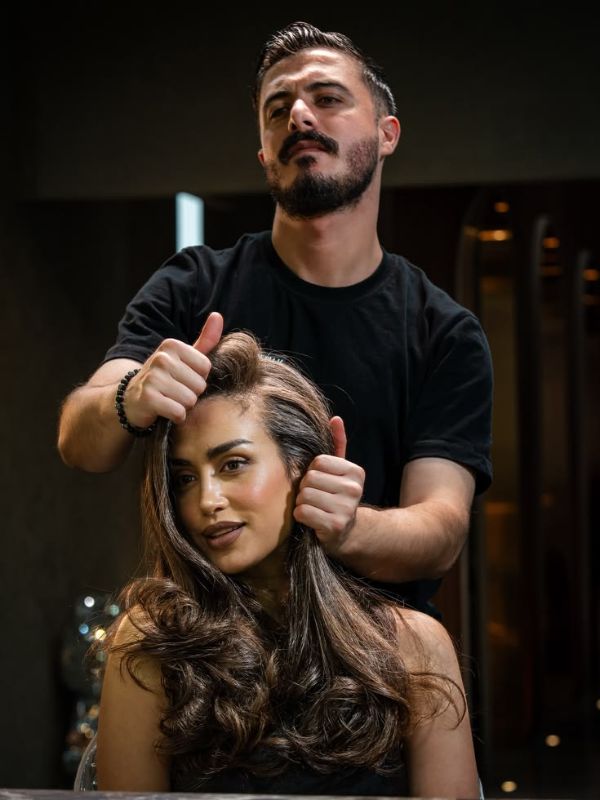
A well-executed messy French crop follows a predictable sequence. Here’s what a competent barber does from the first snip to the final check in the mirror.
Step 1: Consult & Plan
The barber confirms your taper or fade height, agrees on the fringe shape, and measures the top length. Cowlicks near the crown get mapped before any clipper touches your head, since ignoring them causes uneven results later.
Step 2: Prep
Hair gets combed forward to reveal where the fringe and part naturally sit. A towel dry to roughly 70% lets root direction show without being fully wet or bone dry. Dense hair often gets sectioned for cleaner, more even sections.
Step 3: Set the First Guideline
The barber places a low, even baseline around the ear, then mirrors that curve around the back of the skull toward the neckline. Short, consistent clipper strokes at this stage set the tone for every blend that follows.
Step 4: Build the Taper or Fade
Clipper guards move gradually often zero, then half, one, and up while staying low near the baseline to protect the weight line. This gradual buildup is what prevents visible lines or “shelves” in the fade.
Step 5: Blend Ridges
Clipper-over-comb technique clears bulk around the parietal ridge, while scissor-over-comb softens the drop near the back of the head. This step is where a rushed haircut usually shows patchy transitions.
Step 6: Texture & Balance
Point cutting and slide cutting create movement without shortening the overall length too much. Texturizing shears only go where bulk builds up, since overusing them thins the top unevenly.
Step 7: Cut the Fringe
With your head held level, the barber squares the fringe for a crisp finish or chips into the ends for a softer, textured edge. Fringe corners typically line up near the brow for a balanced frame.
Step 8: Finish
A final blow-dry sets the fringe forward, and a light palm-press locks the shape in place. The barber checks symmetry under bright light before sending you off, and usually books your next appointment on the spot.
7) Daily Routine and Fast Style
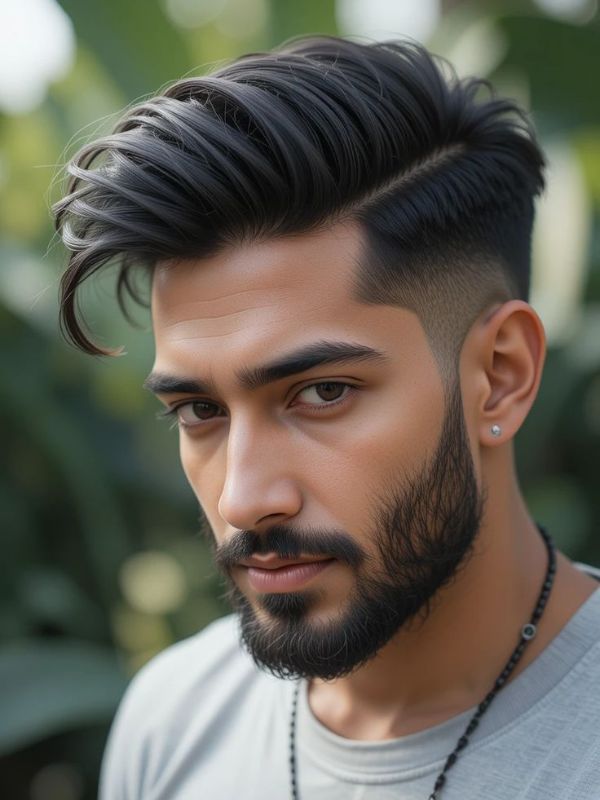
Most mornings, styling a messy French crop takes less time than making coffee. A quick low-heat blow-dry pushes the top forward for about 30 to 60 seconds, setting the direction before anything else happens.
From there:
- Rub a small amount of matte paste or texture clay between your palms.
- Run fingers through the top, working from the crown toward the fringe.
- Pinch the fringe corners lightly to define the edge.
- Smooth the sides along the parietal ridge so nothing looks flared out.
That routine holds the shape through a full workday without needing a midday touch-up.
Learn more:Burst Fade Design: Best Hair Design Ideas, Placement, and Barber Tips (2026)
8) Beard & Outline Options
Pairing facial hair with a messy French crop is mostly about matching lines. A low beard fade that mirrors your side taper keeps the jawline, cheek line, and neckline looking like one continuous shape rather than three separate decisions.
Light stubble works well too, as long as the neckline stays crisp underneath it. Going clean-shaven creates the sharpest contrast and suits more formal environments. For the hairline itself, you can keep it natural, add a light shape-up, or go with a defined line-up the choice depends on how polished you want the overall look to read.
9) Maintenance Timeline
| Timeframe | What to Ask For |
| Week 1–3 | Cut still holds shape; light daily styling only |
| Week 3–5 | Book a tidy-up refresh the baseline, ear outline, and neckline |
| Between full cuts | Quick edge-up if the fringe drops or the crown loses control |
| Ongoing | Trim texture buildup on top so movement doesn’t turn into bulk |
Because the taper sits low rather than high, regrowth stays less noticeable for longer, which is one of the biggest reasons men stick with this style.
10) Common Mistakes & Quick Fixes
| Mistake | Quick Fix |
| Fringe grew too long or heavy | Trim it shorter, or go micro and reset the line from scratch |
| Top looks bulky instead of textured | Debulk the corners with thinning shears and re-blend the ridge |
| Fade line crept too high | Reset the baseline low and rebuild it with short, controlled strokes |
| Blend looks patchy near the skin | Light foil passes with gentle buffing smooth the transition |
| Crown sticks up instead of lying forward | Reinforce forward root direction during the next blow-dry |
Most problems in this cut trace back to one root cause the baseline wasn’t set low enough at the start, so double-check that first before troubleshooting anything else.
FAQ’S
What is a messy French crop haircut?
It’s a short, textured men’s cut with tapered sides and a forward fringe. The top stays loose and choppy, giving a deliberately tousled, low-effort finish.
Is the messy French crop good for thick hair?
Yes, it works well. Thinning shears remove bulk where hair collects, while the tapered sides keep density balanced so the top doesn’t look heavy or overgrown.
How often should you get a messy French crop trimmed?
Book a tidy-up every three to five weeks. This refreshes the baseline, neckline, and fringe before the shape starts losing its clean, defined outline.
Can you style a messy French crop without heat tools?
Absolutely. Towel-dry the hair, then use fingers with a light paste or clay to push the fringe forward and define texture in under two minutes.
Does a messy French crop suit curly hair?
It does, with adjustments. A compact, layered top and controlled crown keep curls from ballooning, while the fringe stays shaped instead of spiraling outward.
Conclusion
A messy French crop earns its popularity through structure, not luck. A low, well-placed baseline, careful ridge blending, and a fringe cut to match your face shape all work together underneath the relaxed surface. That hidden discipline is exactly what keeps the style looking sharp between visits, not just fresh out of the chair.
If you’re ready to try it, bring a clear photo and the barber script from this guide to your next appointment. Ask specifically for a low taper, protected weight line, and forward-textured top, and you’ll walk out with a cut that holds its shape for weeks with almost no daily effort.