
A burst fade design turns a standard fade into a statement. Instead of a plain curve around the ear, a barber adds a shaved pattern that gives the cut personality. It’s a small change that makes a huge visual difference.
This guide breaks down what a burst fade design actually is, where to place it, and which patterns hold up best. You’ll also get real barber-shop language to use at your next appointment.
What Is a Burst Fade Design
A burst fade gets its name from the way the taper “bursts” around the ear in a rounded shape rather than following a straight line down the neck. It blends into longer hair on top and often connects to the back. A burst fade design takes that base and adds a shaved detail a line, shape, or freehand pattern cut into the faded section near the ear.
The fade does the heavy lifting; the design is the accent. Think of it the way a tattoo artist thinks about negative space: the skin showing through is just as important as the hair left behind. A crisp design needs a smooth blend underneath it, or the whole thing looks sloppy no matter how sharp the pattern is.
Burst Fade With Design vs Regular Burst Fade
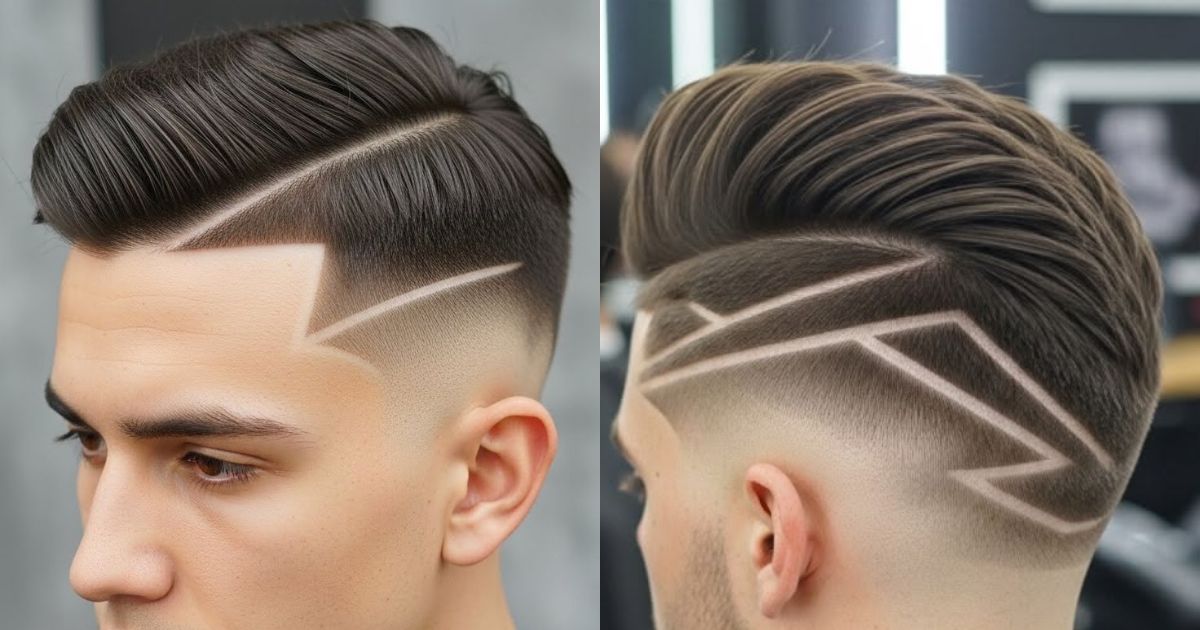
A plain burst fade is clean on its own no extra detail, just a rounded taper. Adding a design changes the entire feel of the cut. It shifts a subtle haircut into something bolder, more personal, and more noticeable from across a room.
| Feature | Regular Burst Fade | Burst Fade With Design |
| Visual impact | Understated | Eye-catching |
| Best for | Everyday, professional settings | Standing out, personal expression |
| Upkeep | Standard fade upkeep | Fade upkeep plus design touch-ups |
| Skill level required | Moderate | Higher (precision line work) |
Where Should the Design Go on a Burst Fade
Placement changes how visible a design is and how long it stays sharp. A spot near the front of the ear catches the eye immediately. A spot tucked behind the ear reads as more subtle and easier to keep low-key for work or school.
Growth patterns matter here too. Hair near the crown and nape grows back faster in some people than hair right at the temple, so a design placed too far from the fade’s tightest point can blur out within days. Ask your barber where your hair grows quickest before locking in a spot.
Behind the Ear Burst Fade Design
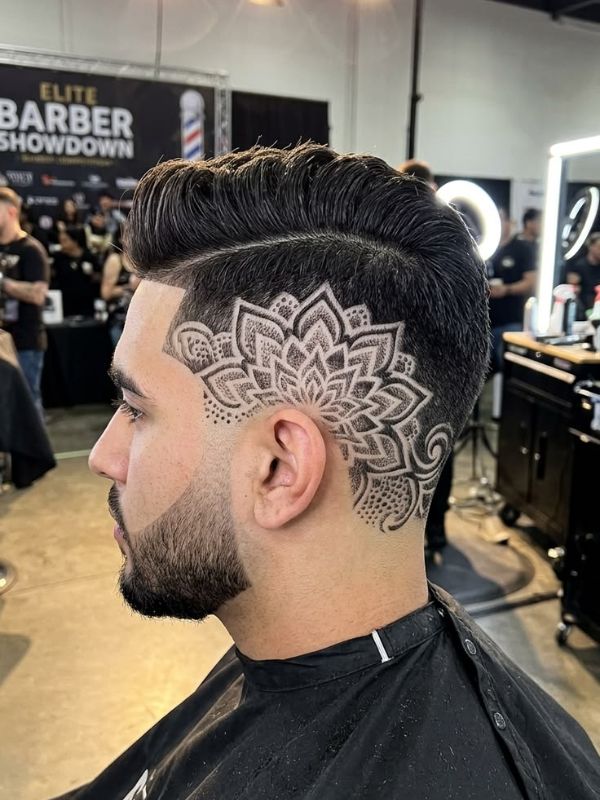
Tucked behind the ear, a design stays discreet unless someone looks closely. This spot works especially well with longer styles on top, since the hair up front covers nothing and the pattern gets its own space to breathe. A single line or a compact shape holds up best here because the area is smaller than the front of the burst.
Nape and V Area Design

The nape sits at the base of the skull, and designs placed here often pair with a V-shaped neckline. Note that a V-shaped neckline and a V-shaped shaved design are two separate requests mixing them up at the barbershop is a common mistake. Be specific: say “V neckline” for the shape of the hairline, and “V design” for a pattern shaved into the fade.
Best Burst Fade Design Ideas

Not every design suits every guy. Some patterns are built for boldness, others for subtlety. Below is a rundown of the most requested burst fade designs right now, plus what makes each one work.
| Design | Vibe | Ideal Hair Type | Upkeep Level |
| Line | Clean, versatile | Any | Low |
| Zigzag | Sporty, energetic | Straight, thick | Medium |
| Lightning Bolt | Bold, edgy | Straight, curly | Medium |
| Heart | Playful | Any | Medium |
| Star | Subtle but sharp | Any | Low to Medium |
| Geometric | Modern, structured | Straight, thick | Medium to High |
| V Design | Sharp, intentional | Any | Medium |
Burst Fade Line Design
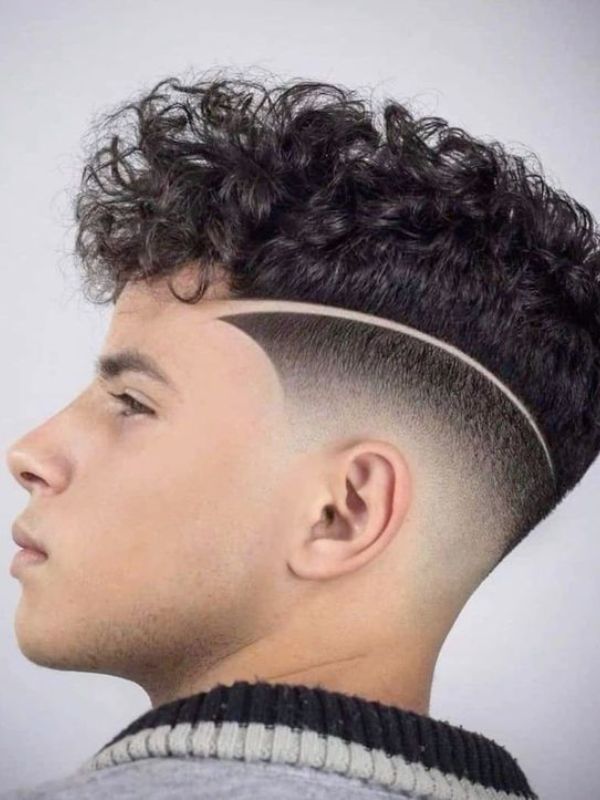
Lines are the entry point for most first-timers, and for good reason. A single clean line reads as intentional without being loud, and it grows out gracefully instead of turning into a blurry mess. Two or three parallel lines up the ante slightly while still staying wearable in most environments, including offices with conservative dress codes.
Burst Fade Zigzag Design
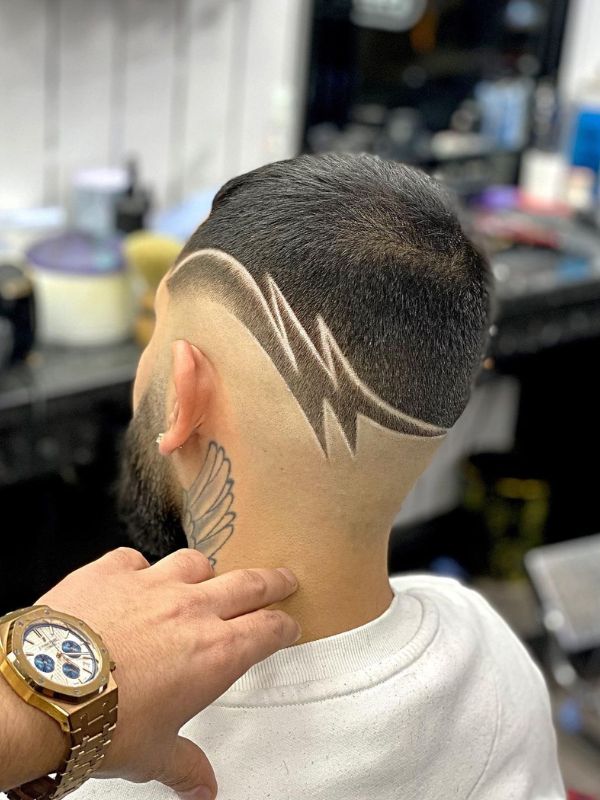
A zigzag brings movement and energy to the fade without needing a huge canvas. The trick is proportion a zigzag that’s too tight loses definition fast as new growth fills in the gaps. Wider, more deliberate points hold their shape for longer and photograph better too.
Burst Fade Lightning Bolt Design
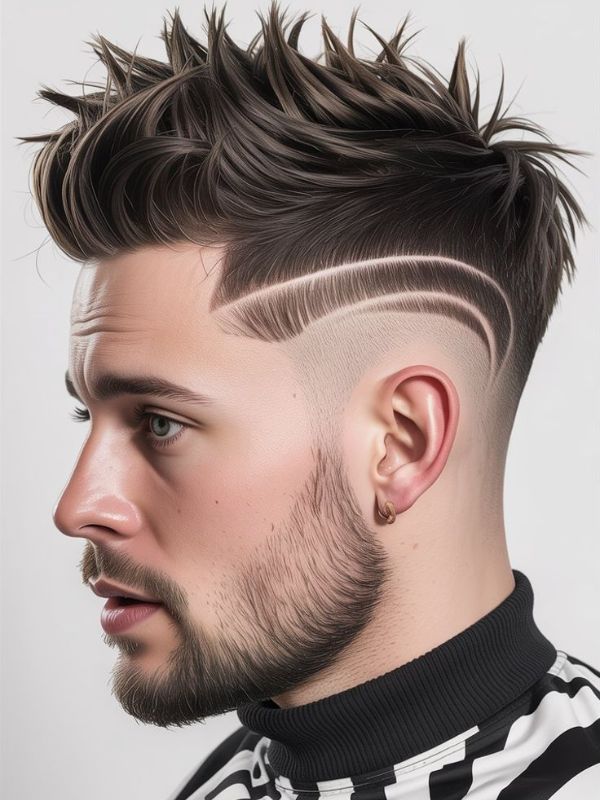
The lightning bolt has become one of the most requested shapes in barbershops this year, largely because it pairs so naturally with high-energy top styles. It works especially well on straight or wavy hair, where the clean lines of the bolt stay crisp against the surrounding fade. Keep the width moderate; an oversized bolt can overwhelm a smaller burst area.
Burst Fade Heart Design
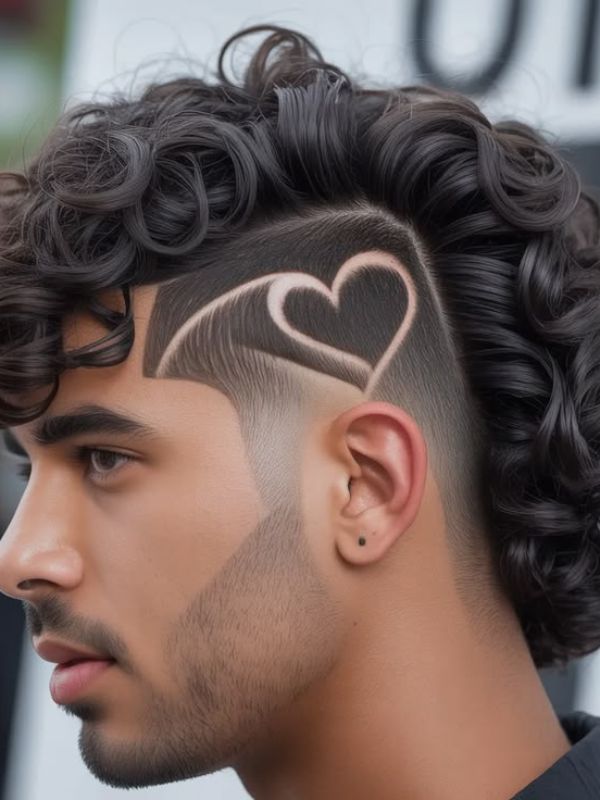
A heart design brings a lighter, more fun tone to the haircut. It’s a popular choice for younger clients or anyone who wants a design that doesn’t take itself too seriously. Because hearts rely on curved lines, they need a slightly larger canvas than a straight-line design to stay legible as hair grows.
Burst Fade Star Design
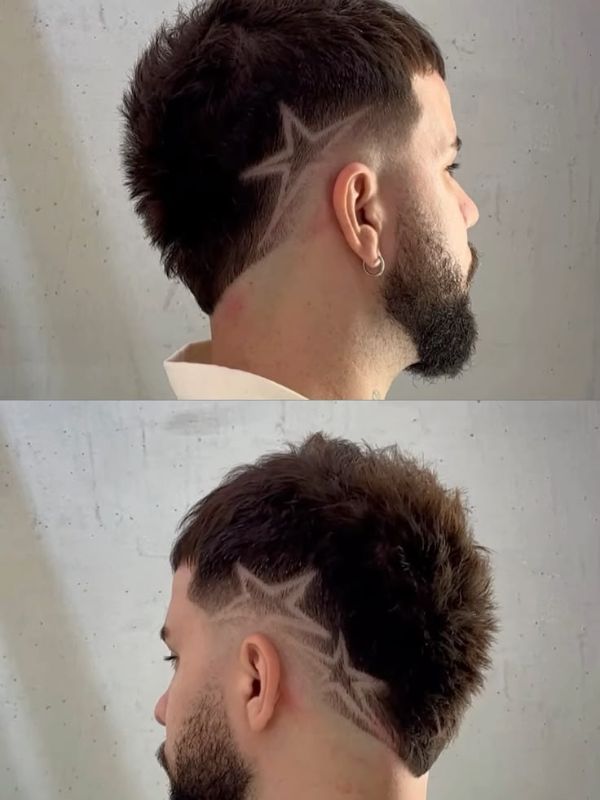
Stars strike a nice middle ground noticeable but not overwhelming. A single small star tends to look sharper than a large one, since oversized star points can blur into each other after a few days of growth. This design pairs nicely with a shadow fade finish, which keeps the surrounding skin looking neat between touch-ups.
Learn more:Short Wolf Cut Men 2026: Best Styles for Every Hair Type
Burst Fade Geometric Design and Negative Space
Geometric patterns triangles, angled blocks, clean-cut squares give the fade a more architectural feel. Negative space is the key concept here: the shaved skin around the shape needs to be just as clean as the shape itself, or the whole design reads as muddy. One well-placed shape almost always beats several crowded together.
Burst Fade With V Design
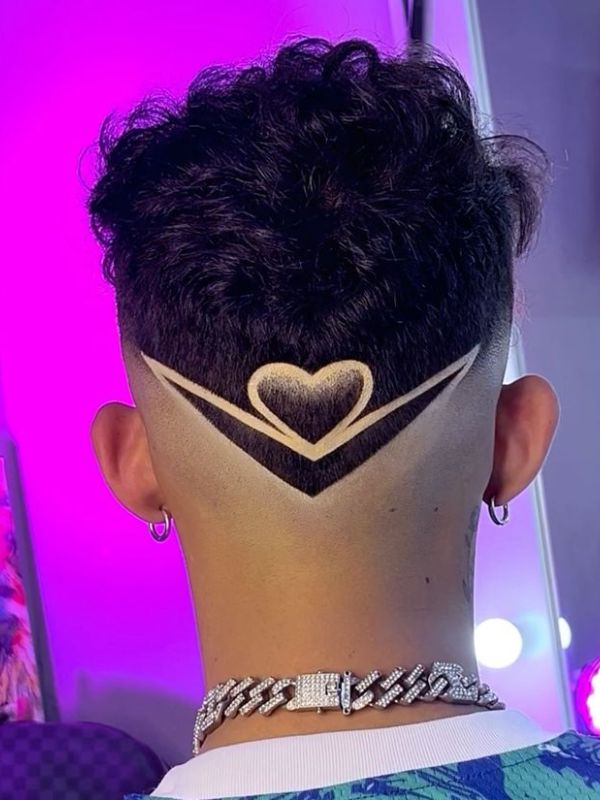
A shaved V shape near the fade area (not to be confused with a V-cut neckline) adds a sharp geometric accent that works particularly well behind the ear or toward the back of the burst. Medium sizing keeps it visible without making it the sole focal point of the cut.
Low vs Mid vs High Burst Fade Design
The height of the burst meaning how far up the head the fade climbs has a major effect on how bold the final look feels and how often it needs maintenance.
| Burst Height | Look | Best Suited For | Recommended Touch-Up Interval |
| Low | Subtle, professional | Work, school, everyday wear | Every 3–4 weeks |
| Mid | Balanced, versatile | Most occasions and top styles | Every 2–3 weeks |
| High | Bold, statement-making | Special events, photos | Every 1–2 weeks |
Low Burst Fade Design
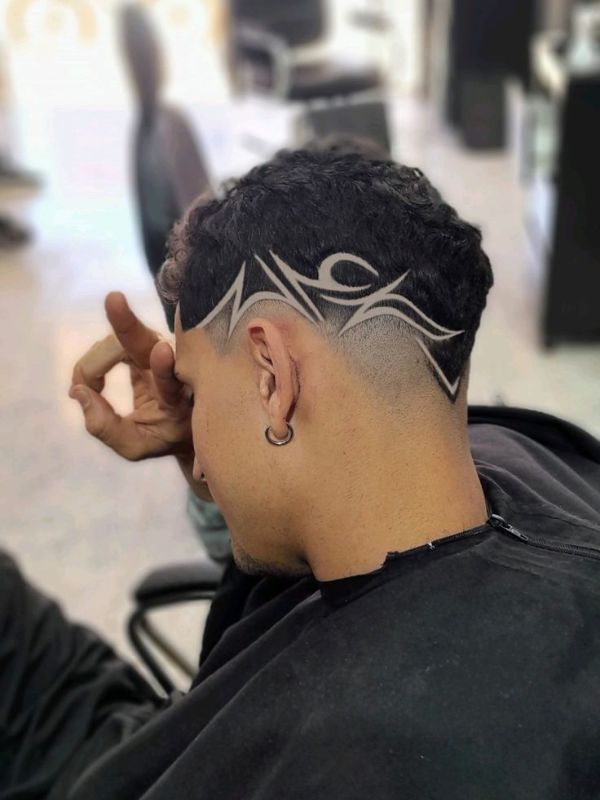
A low burst keeps the fade close to the ear, which softens the overall contrast and makes the design feel less dramatic. It’s the safest option for offices, schools, or anywhere with a conservative grooming policy. Simple lines or small stars complement this height particularly well.
Mid Burst Fade Design
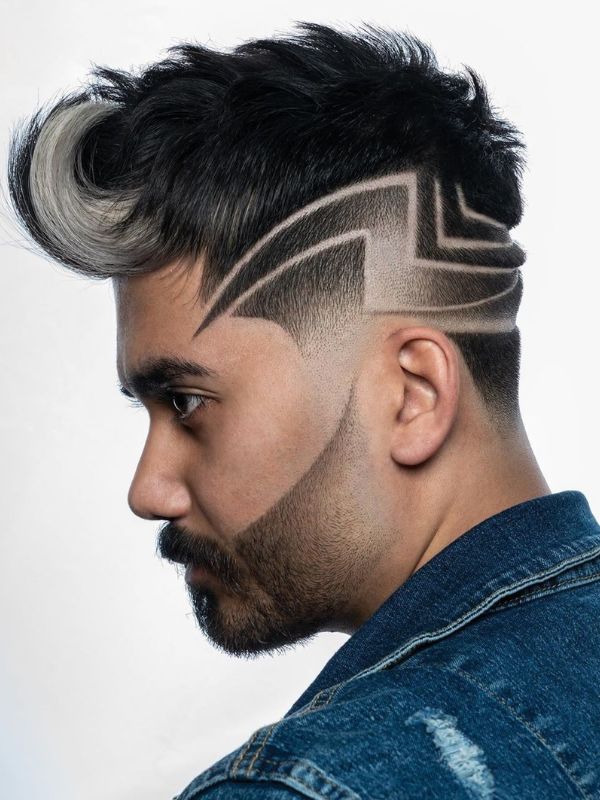
Mid height gives the design more room to stand out while still staying practical for daily life. It’s often described as the sweet spot because it balances visibility with reasonable maintenance demands. Zigzags, lightning bolts, and geometric shapes all have enough space to shine at this height.
High Burst Fade Design
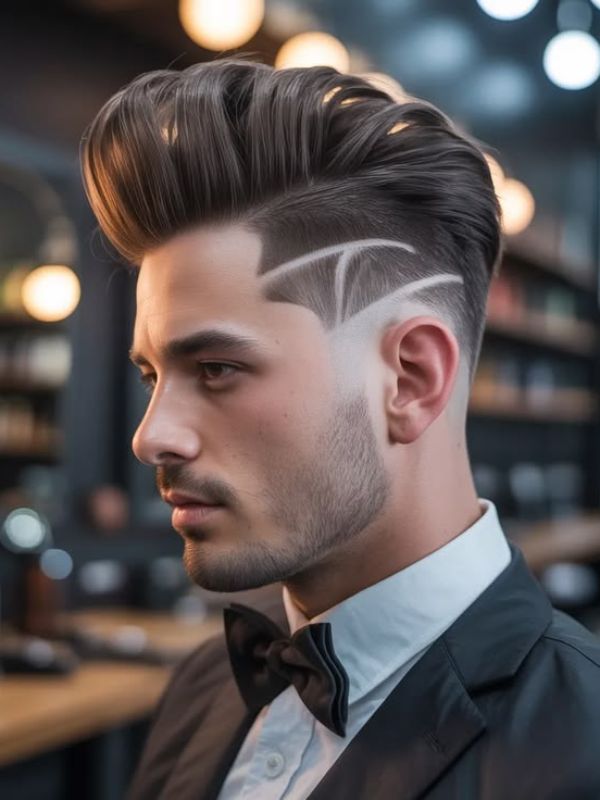
A high burst pushes the fade well above the ear, turning the design into the focal point of the entire haircut. It looks striking in photos, but new growth becomes noticeable within just a couple of days. This option suits guys who don’t mind more frequent barbershop visits in exchange for maximum visual impact.
Burst Fade Design for Different Hair Types
Hair texture plays a bigger role in design longevity than most people expect. The same pattern can look razor-sharp on one hair type and nearly invisible on another within a week.
Burst Fade Design on Straight Hair
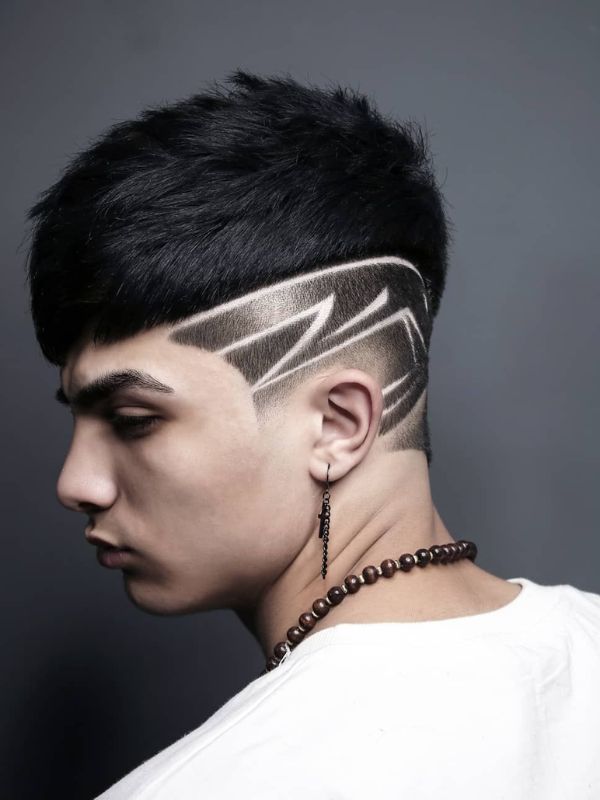
Straight hair shows fine detail with very little effort, which makes it ideal for delicate line work and small shapes. The contrast between skin and hair stays crisp for longer since there’s no curl pattern to soften the edges. Even so, extremely tiny details can still fade quickly as new growth comes in, so slightly bolder lines tend to age better.
Burst Fade Design on Curly Hair

Curls have a way of swallowing up small, delicate patterns almost immediately. Bigger, bolder shapes thicker lines, wider zigzags, larger geometric blocks hold up far better against natural volume. Placement close to the ear also helps, since curls tend to fall forward and cover designs set too far back.
Burst Fade Design for Thick Hair vs Thin Hair

Thick hair creates strong, dramatic contrast against shaved skin, which means almost any design pops naturally. Thin hair works better with simpler, cleaner patterns since busy or heavily layered designs can start to look sparse rather than sharp. A mid burst height often gives thin hair the extra contrast it needs to make a design read clearly.
Burst Fade Design With Popular Top Styles
The style on top of the head sets the tone for the whole haircut, and the design should match that energy rather than compete with it.
Burst Fade Mohawk Design
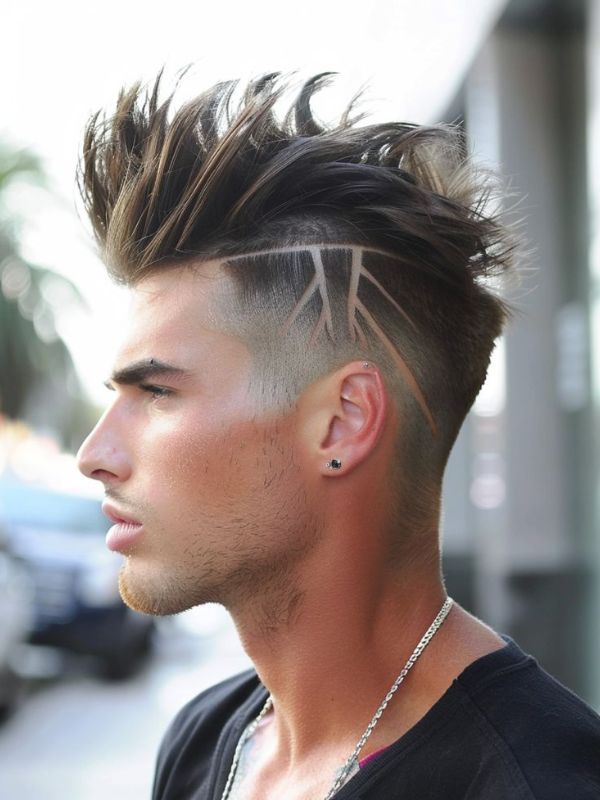
A mohawk brings height and drama down the center, which pairs naturally with bolder side designs like lightning bolts or geometric shapes. Keeping the design on just one side often creates a more balanced, intentional look rather than crowding both sides. A smooth blend between the mohawk strip and the burst keeps the whole cut from looking disjointed.
Burst Fade Mullet Design
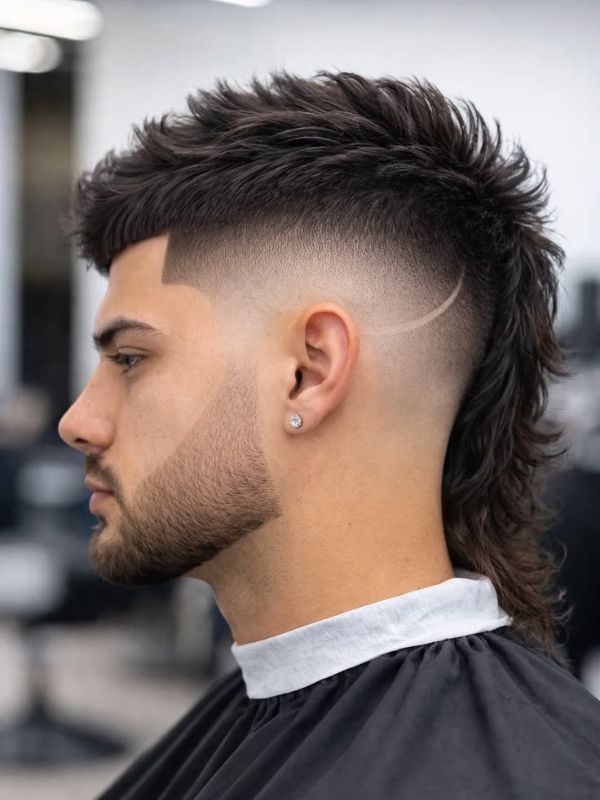
Mullets keep length in the back while the sides stay tight, and a design placed above or behind the ear complements that contrast well. Simpler patterns a single line or a small zigzag tend to work best here since the mullet itself already carries plenty of visual interest. A clean neckline ties the whole look together.
Burst Fade Textured Crop or Fringe Design

A textured crop or fringe already brings movement and personality on its own, so a simpler design usually works better than something elaborate. One clean line or a compact geometric shape adds just enough contrast without cluttering the overall look. This combination tends to work across a wide range of settings, from casual to office-appropriate.
What to Tell Your Barber
Clear communication makes the difference between the design you pictured and the design you actually walk out with. Start with the fade height (low, mid, or high), then specify a skin fade or shadow fade finish. Follow that with the exact design type and its placement.
A useful shorthand: name the shape, name the spot, and bring a photo. Words like “small” or “big” mean different things to different people, but a picture removes all the guesswork. Ask your barber to trace the design lightly before cutting anything in a quick mirror check saves you from a placement mistake that’s hard to undo.
Simple Guard and Blend Notes
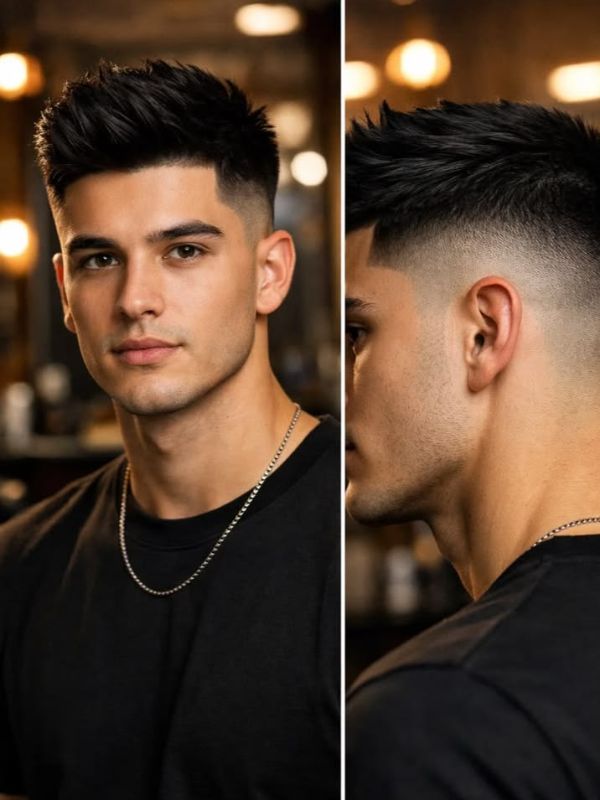
Keep your clipper guidance straightforward: ask for a smooth transition from short near the base into longer hair up top, with no harsh demarcation lines. If tight skin fades tend to irritate your scalp, request a shadow fade instead it’s gentler on the skin while still giving the design a clean backdrop. A well-blended fade is what makes any design look deliberate rather than sloppy.
Burst Fade Design Maintenance
A shaved design starts losing definition well before the fade itself needs a full redo. New growth fills in the shaved lines first, softening edges and blurring shapes even while the rest of the haircut still looks fresh. Planning ahead for quick touch-ups keeps the design looking sharp between full appointments.
How Often to Redo the Design
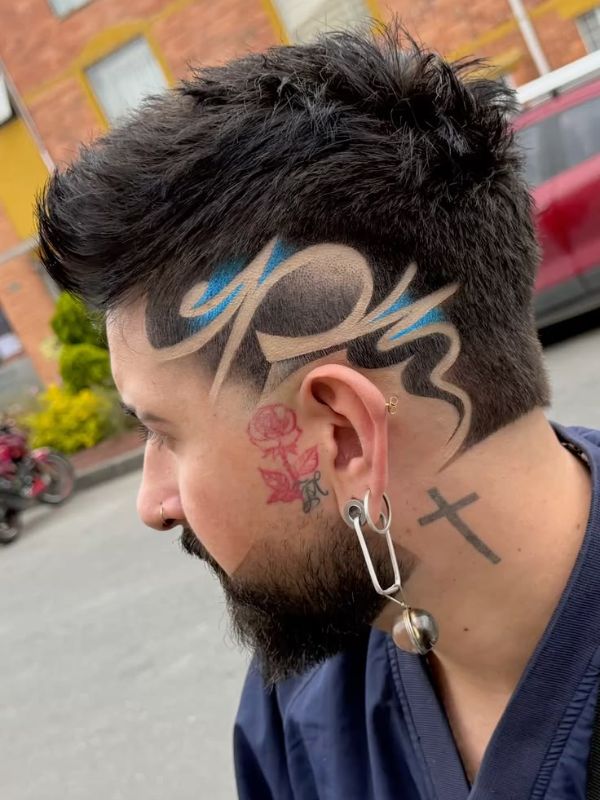
Most designs hold their shape for roughly one to two weeks before they need a refresh. A design-only touch-up takes just a few minutes at the barbershop and doesn’t require a full haircut each time. Pairing a design refresh every one to two weeks with a full cut every three to four weeks keeps everything looking consistently sharp.
Aftercare Tips
- Keep the shaved area clean and dry for the first 24 hours after the cut
- Skip heavy gels or waxes directly on the design lines, since product buildup can blur the edges
- Wash gently around the shaved area instead of scrubbing
- Apply a light moisturizer if your scalp tends to get dry or tight
- Mention any irritation to your barber so they can adjust the closeness of the blade next time
Burst Fade Design Mistakes to Avoid
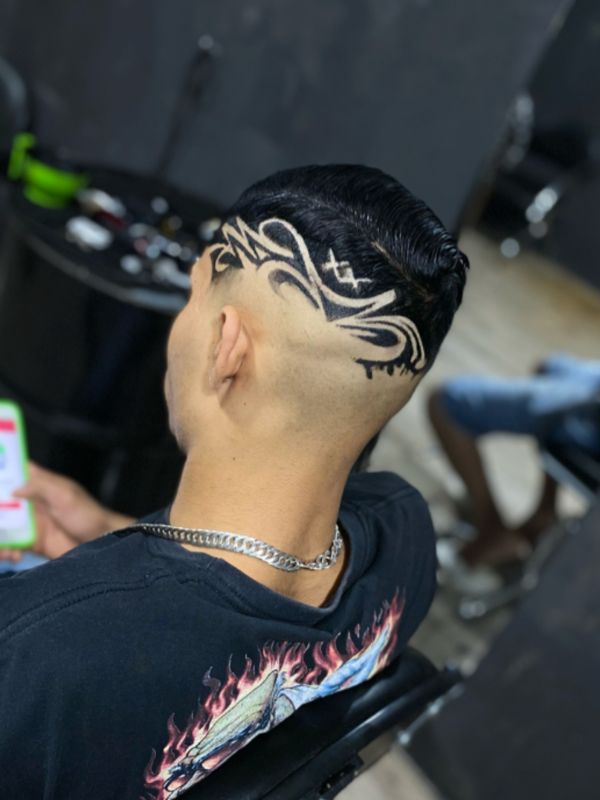
- Starting too complex. A first-time design should be simple a single line or small shape before moving on to anything elaborate.
- Placing it too high for your setting. A strict workplace or school dress code calls for a low burst rather than a bold, high-contrast design.
- Overcrowding the space. Multiple shapes competing for the same small area blur together fast as hair grows back.
- Skipping the mirror check. Always confirm placement before your barber shaves anything in it’s far easier to adjust a plan than fix a finished design.
- Ignoring blend quality. A patchy or uneven fade undermines even the sharpest design, since the fade is the foundation everything else sits on.
FAQ’S
How long does a burst fade design last?
Most designs stay sharp for about one to two weeks before new growth softens the lines and edges.
Can curly hair get a burst fade design?
Yes, but bolder, thicker shapes work far better than fine details, which curls tend to hide quickly.
What’s the safest first-time burst fade design?
A single clean line above or behind the ear is the most forgiving choice for beginners.
Does a burst fade design hurt?
No it’s a standard clipper and razor technique with no more discomfort than a regular haircut.
How much does a burst fade design cost?
Pricing varies by shop and design complexity, but expect a modest add-on fee over a standard fade price.
Conclusion
A burst fade design is one of the easiest ways to turn an ordinary haircut into something memorable. Success comes down to three things: choosing a pattern that fits your hair type, placing it somewhere that suits your daily life, and communicating clearly with your barber.
Start simple if this is your first design, then experiment with bolder shapes once you know what works for your texture and routine. Keep touch-ups on a regular schedule, and a burst fade design will stay sharp, intentional, and camera-ready every time you walk out the door.