
Nothing splits the difference between sharp and relaxed quite like the low taper fade middle part. It keeps the sides tidy without shouting for attention, while the center part on top gives your whole look a sense of order. Barbers keep seeing more of it in 2026, and once you see why, you’ll understand the hype.
This guide breaks down what the cut actually is, why the middle part refuses to fade away, and which of the 26 variations below fits your face shape, hair type, and daily routine. You’ll also get styling steps, maintenance tips, and comparisons to help you walk into your next barber appointment with confidence.
What Is a Low Taper Fade Middle Part?
The low taper fade middle part pairs a subtle, gradual fade on the sides and back with a clean center part running through longer hair on top. It’s a hybrid style: the fade keeps things groomed near the ears and neckline, while the middle part adds structure, symmetry, and a slightly retro edge to the crown.
What Is a Low Taper Fade?
A low taper fade starts its blend just above the ears and along the nape, staying close to natural length before tapering down gradually. Unlike mid or high fades, it keeps more hair on the sides overall, which makes it the gentlest, most versatile fade for everyday wear.
What Is a Middle Part Hairstyle?
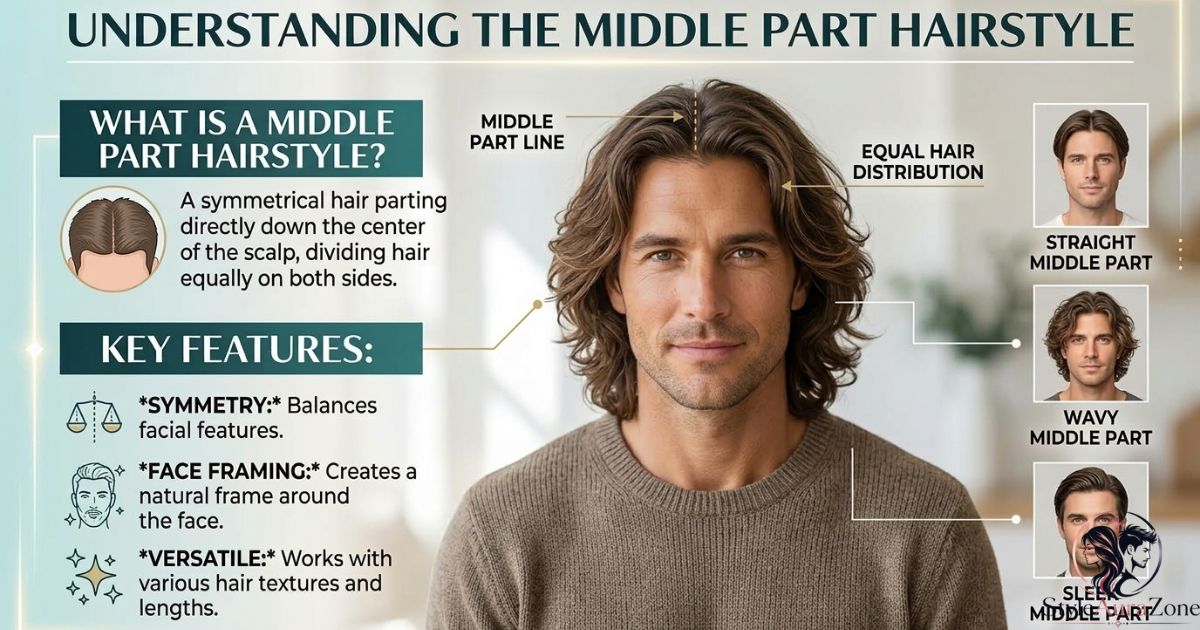
A middle part hairstyle divides the top section of hair straight down the center, creating two even sides. It relies on length and a bit of weight at the crown to hold the part in place, giving the face a framed, balanced look from any angle.
Why Is the Middle Part Back in Style?
The middle part had its moment in the late ’90s and early 2000s, and it’s resurfaced as part of a broader wave of throwback grooming trends. Social media, K-pop influence, and a shift toward softer, more textured men’s hairstyles have all pushed it back into barbershops. Paired with a low taper, it feels current rather than dated, since the tight sides keep the overall silhouette modern instead of shaggy.
Benefits of a Low Taper Fade Middle Part
- Face-framing symmetry:
- The center part draws even attention to both sides of your face, which flatters oval, heart, and diamond shapes especially well.
- Low maintenance sides:
- Because the taper is low, regrowth shows less between visits than it would with a mid or high fade.
- Versatile length on top:
- Works with short, medium, or longer hair, so you can grow it out or trim it back without losing the style.
- Texture-friendly:
- Straight, wavy, and curly hair all take a middle part differently, giving you room to personalize the look.
- Professional yet relaxed:
- Clean enough for the office, casual enough for weekends, with no extra styling effort required most days.
Top 26 Best Low Taper Fade Middle Part Hairstyles
Every hair type and lifestyle gets its own spin on this cut. Here are 26 ways barbers are shaping the low taper fade middle part in 2026.
Classic Low Taper Fade Middle Part
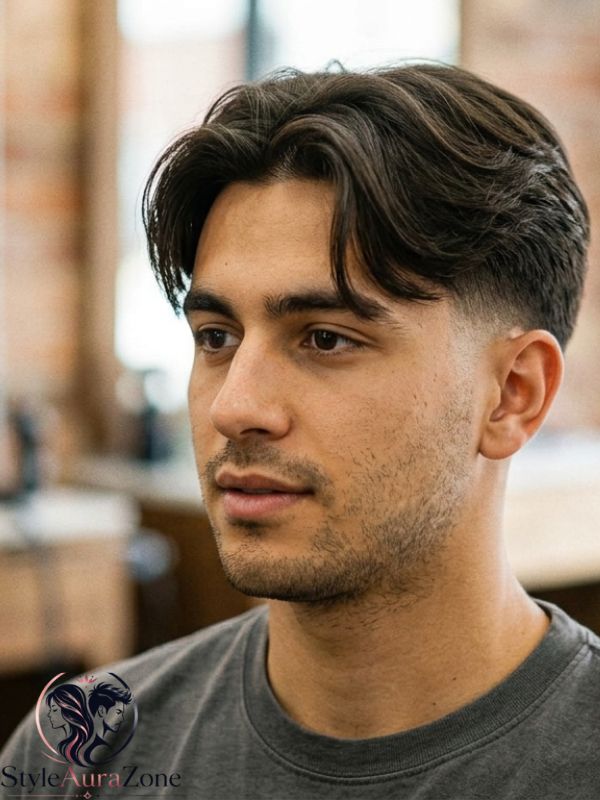
This is the foundational version: a crisp, even part with moderate length on top and a soft, understated fade. It suits nearly every face shape and works as a safe starting point if you’re trying the style for the first time.
Modern Low Taper Fade Middle Part
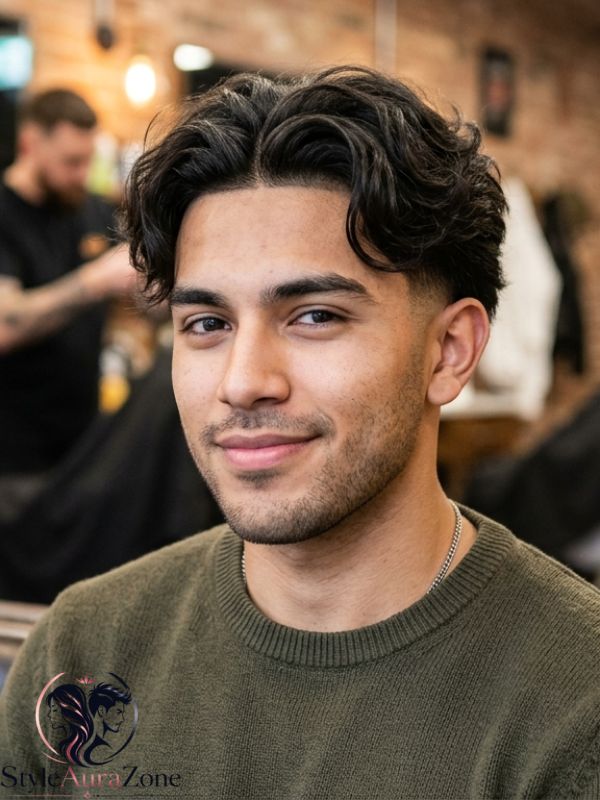
A sharper take with a slightly higher taper blend and precise line-ups around the part. It keeps the retro shape but adds a crisp, tailored finish that reads more current than the classic version.
Textured Low Taper Fade Middle Part
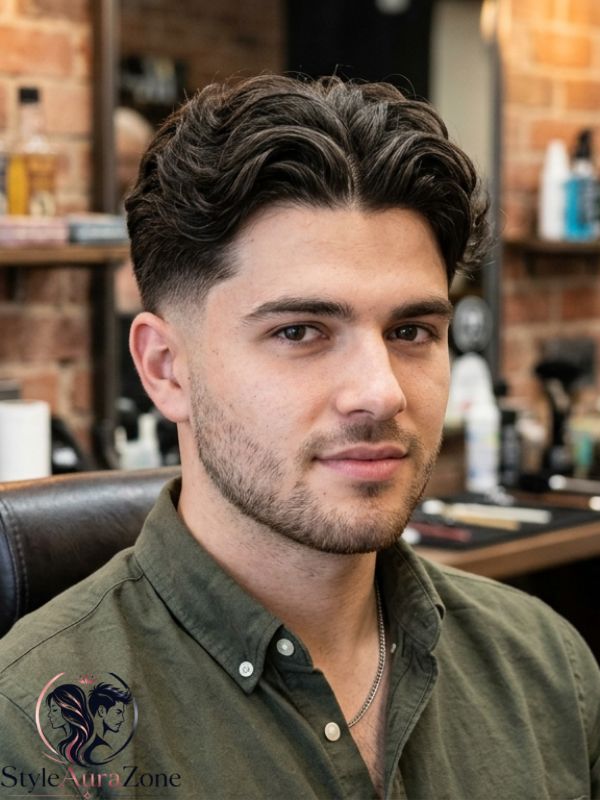
Point-cut ends and a matte texturizing product break up the smoothness of the part, giving the style a lived-in, effortless feel. It’s a favorite for guys who don’t want their hair looking too polished.
Messy Low Taper Fade Middle Part
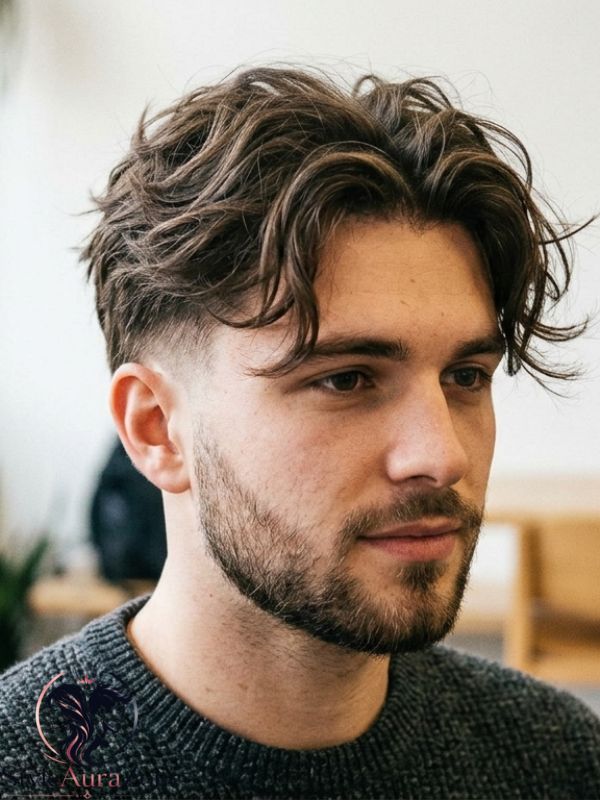
Loose, tousled strands sit over a soft part instead of a razor-sharp line. A little sea salt spray and finger-styling is all it takes to keep this laid-back version looking intentional.
Straight Hair Low Taper Fade Middle Part
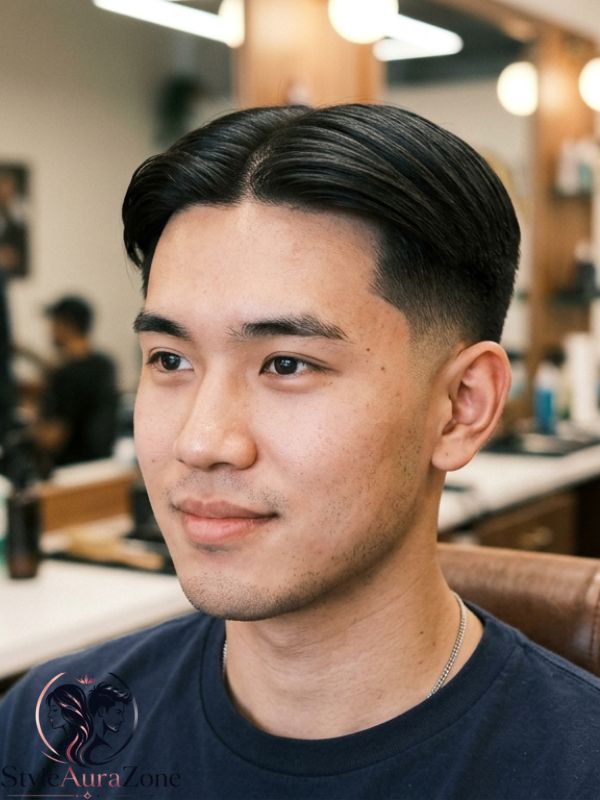
Straight strands hold a defined, glass-like part with minimal effort. A flat iron or light blow-dry keeps the sides smooth and the center line crisp all day.
Wavy Hair Low Taper Fade Middle Part
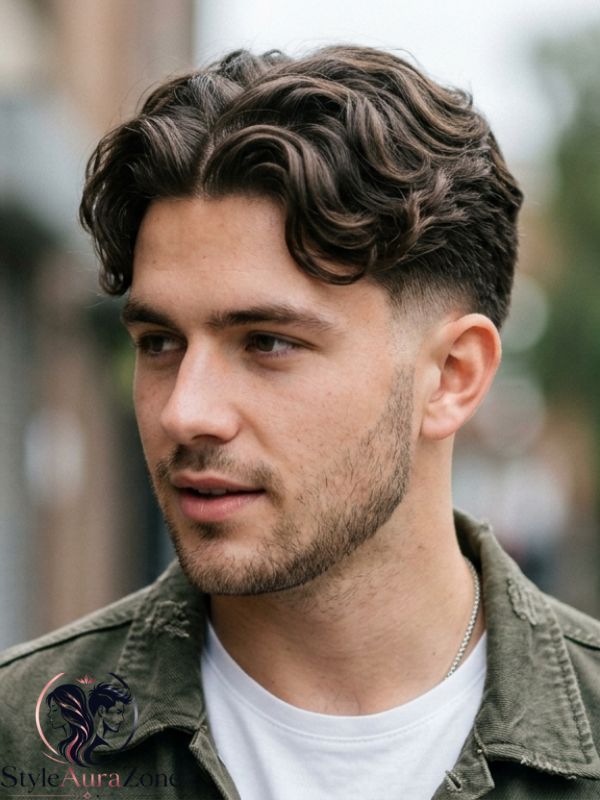
Natural waves add movement on either side of the part, softening the overall shape. A curl cream or texturizing spray enhances the wave pattern without weighing hair down.
Curly Hair Low Taper Fade Middle Part
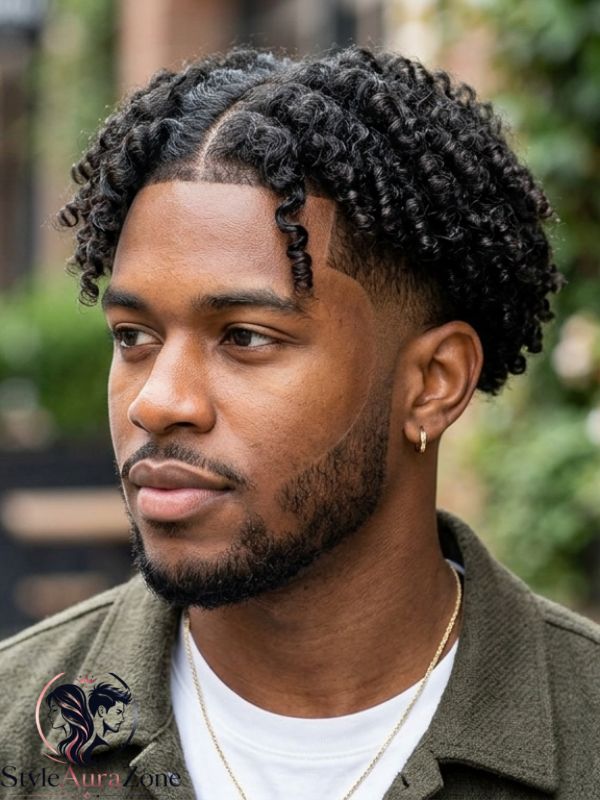
Curls create volume that naturally frames the face once parted down the middle. A curl-defining cream keeps frizz controlled while letting the natural pattern shine through.
Thick Hair Low Taper Fade Middle Part
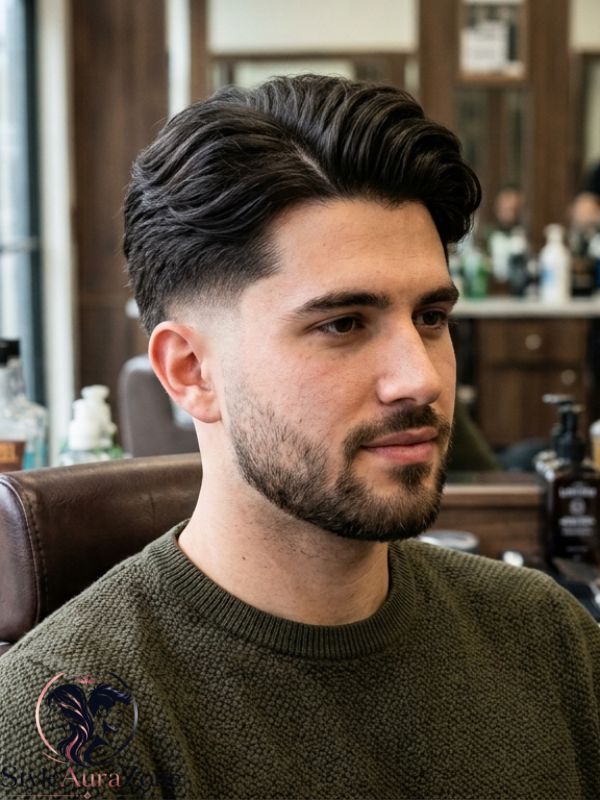
Dense hair holds the part well and adds noticeable volume on top, which pairs nicely with a low taper that keeps the sides from looking bulky. Regular thinning shears help manage weight.
Thin Hair Low Taper Fade Middle Part
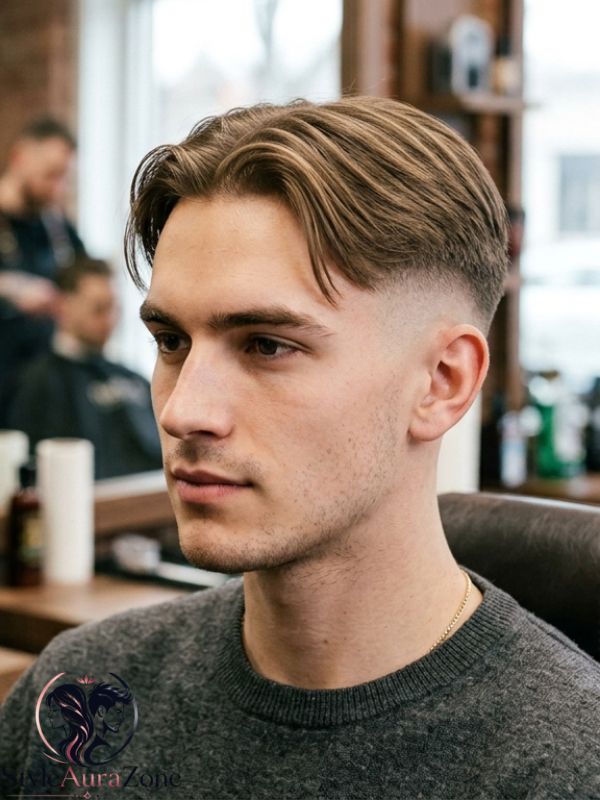
A shorter length on top and a lightweight volumizing product help thin hair hold a visible part without looking flat. Keeping the top slightly shorter also reduces the appearance of thinning.
Read more.12 Short Hair Mullet Variations for 2026 | Trendy & Modern Styles
Asian Low Taper Fade Middle Part
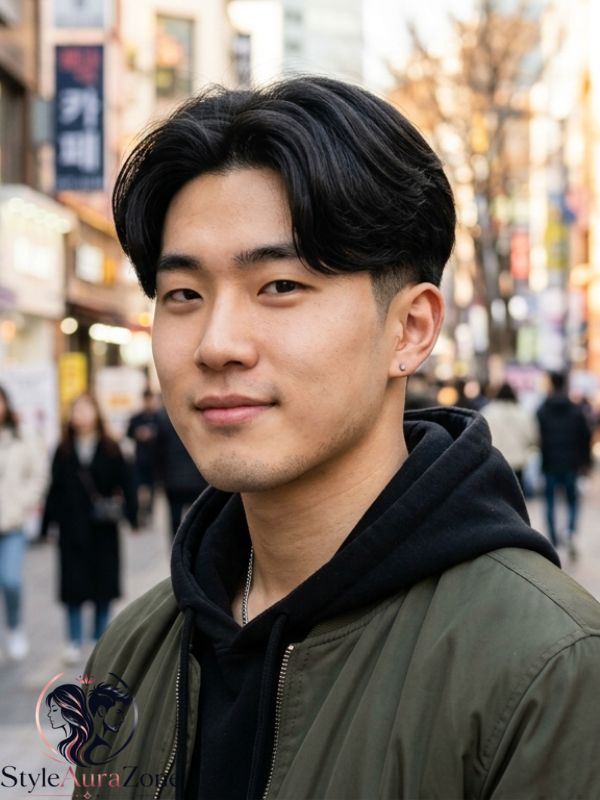
Naturally thick, straight hair common in Asian hair types holds this part exceptionally well, often with minimal product. Barbers frequently pair it with a soft, rounded fringe for extra face-framing.
Blonde Low Taper Fade Middle Part
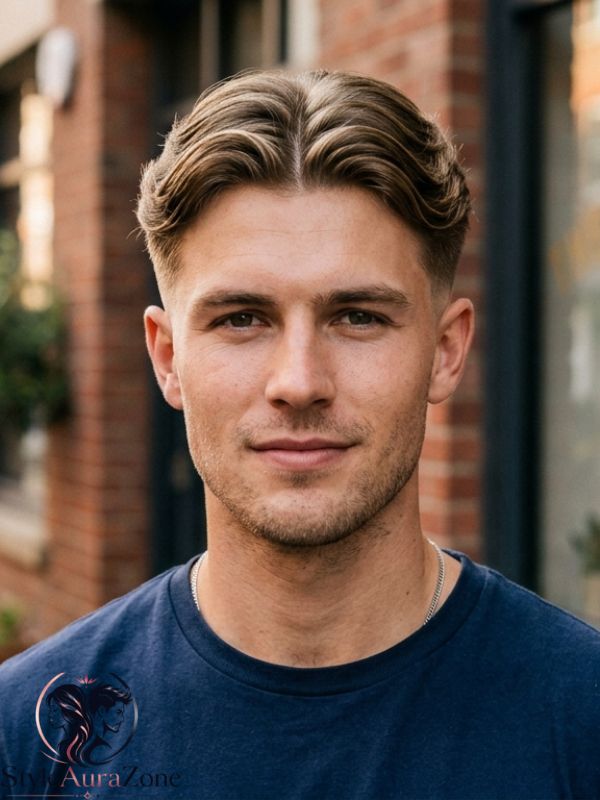
Lightened or naturally blonde hair makes the part and texture more visible, adding contrast against the darker, tighter fade below. It’s a bold choice that photographs especially well.
Layered Low Taper Fade Middle Part
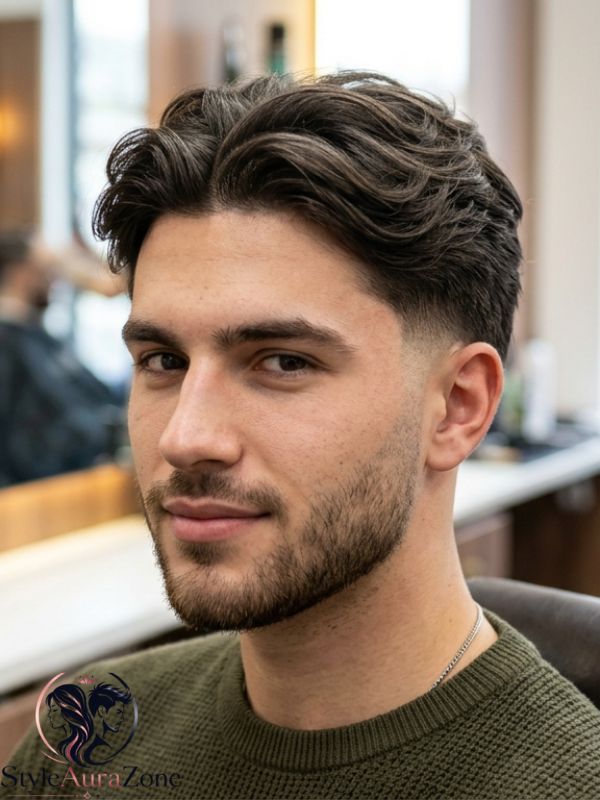
Layers cut into the top add movement and prevent the style from looking too flat or heavy. This works particularly well for thick or wavy hair that needs help settling.
Long Top Low Taper Fade Middle Part
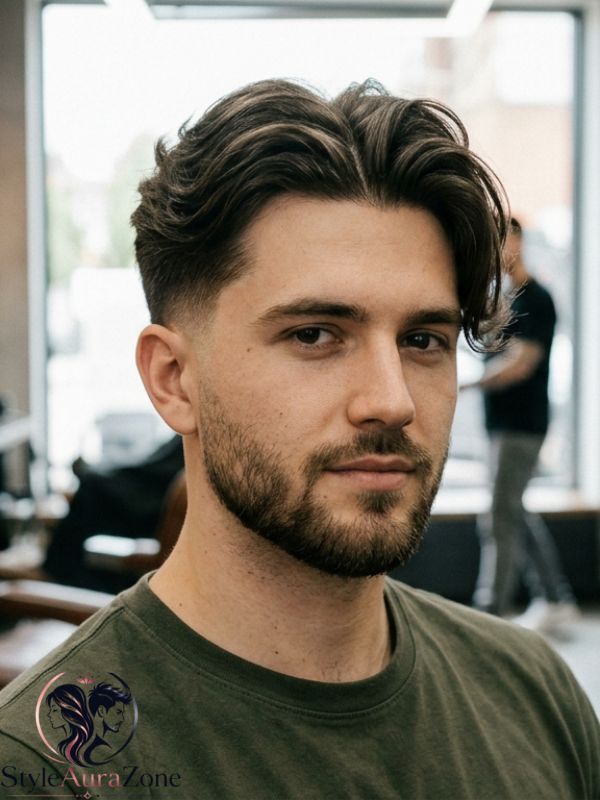
Extra length on top creates a flowing, surfer-inspired look while the low taper keeps the sides neat. It requires a bit more daily styling but offers the most dramatic contrast.
Short Low Taper Fade Middle Part
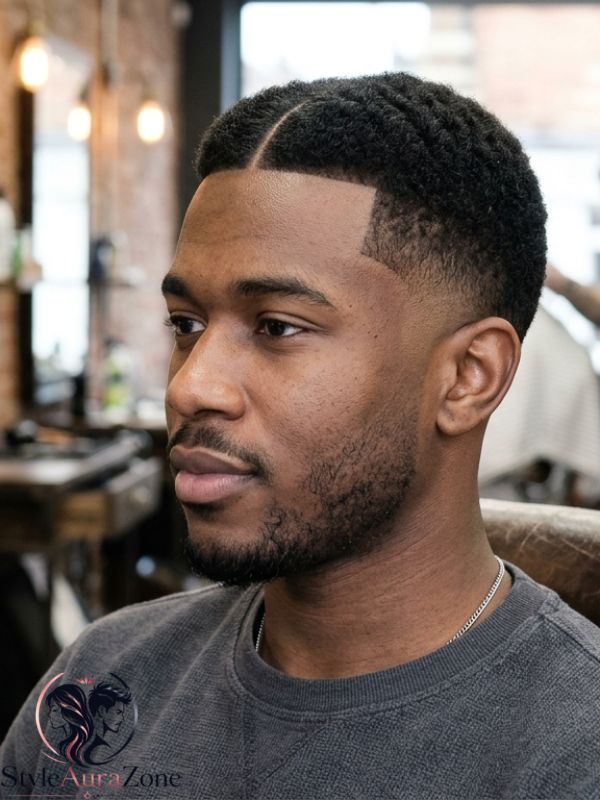
A cropped top keeps the part subtle and the whole style low-maintenance. This version suits guys who want the aesthetic without committing to longer hair or daily styling.
Middle Part Taper Fade
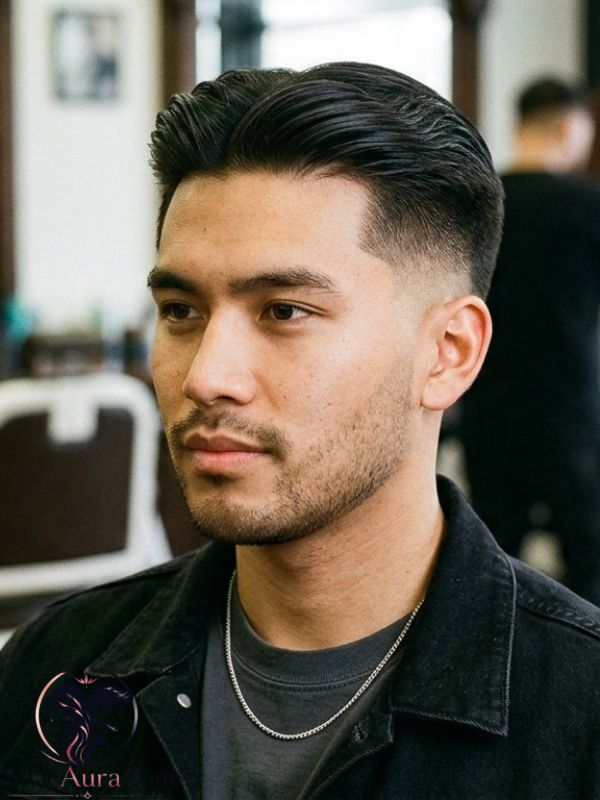
A slightly broader term for the style, this version leans into a more classic taper blend rather than a razor-tight low fade, giving a touch more length retention on the sides.
Low Taper Fade Middle Part with Fringe
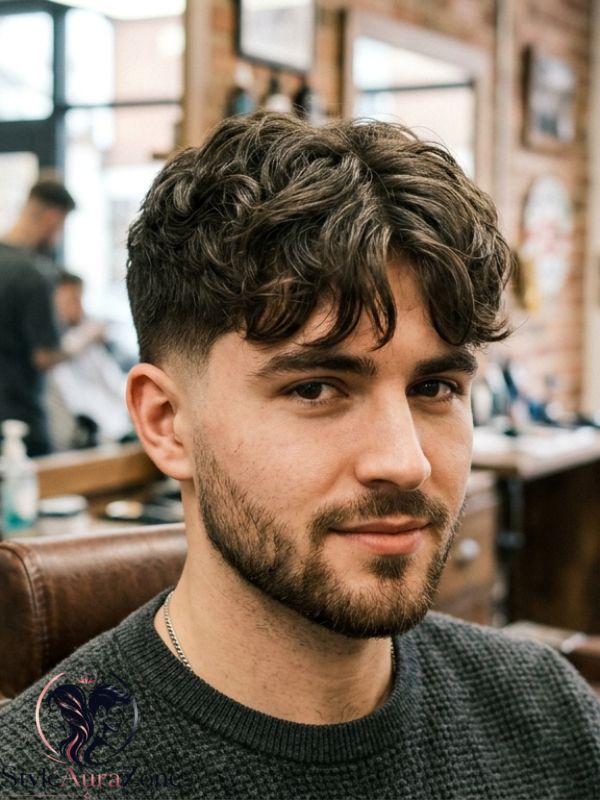
Soft, forward-swept bangs sit on either side of the part, adding a youthful, textured finish. It’s a popular choice for shorter overall lengths.
Low Taper Fade Middle Part with Curtains
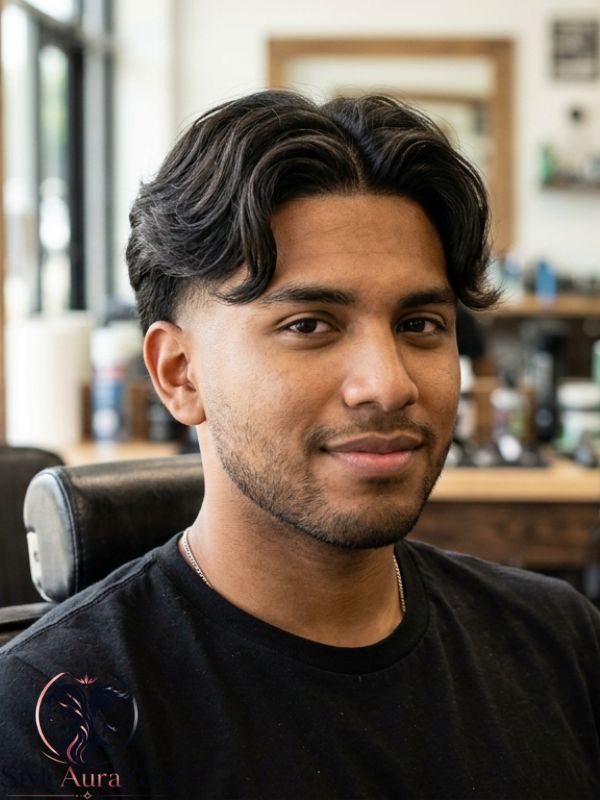
The curtains variation pushes hair outward on both sides in a wing-like shape rather than falling straight down. It’s the most recognizable nod to ’90s and Y2K style.
Low Taper Fade Middle Part with Beard
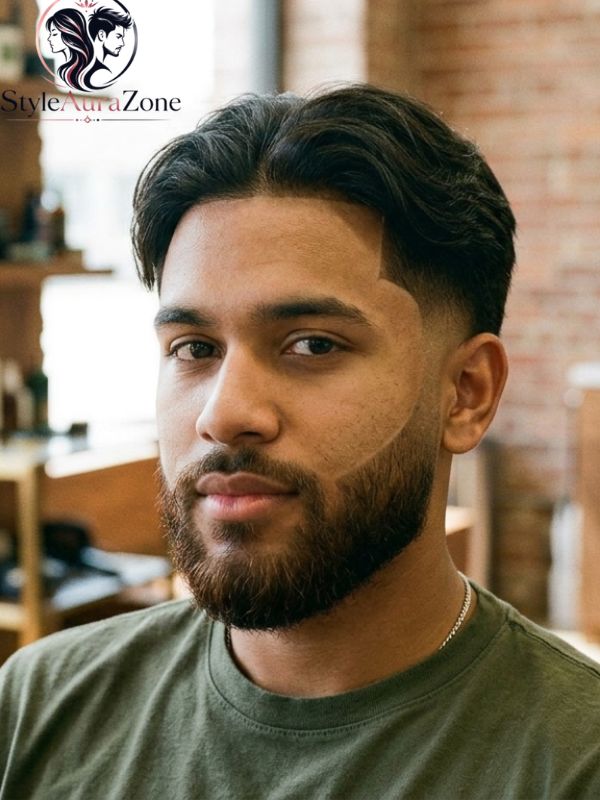
Pairing this cut with a well-groomed beard balances the face and adds definition to the jawline. It’s especially flattering on round or oval faces looking for more structure.
Low Taper Fade Middle Part with Volume
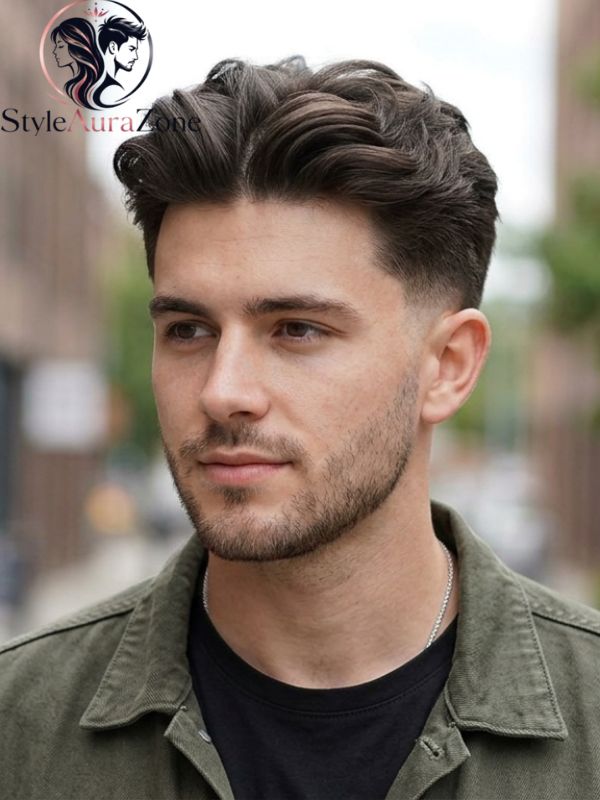
Root-lifting spray and a round brush blow-dry add height at the crown, giving the part extra lift and drama. This version suits fine or medium-density hair best.
Professional Low Taper Fade Middle Part

A tighter, cleaner version with less texture and a controlled finish, built for office and client-facing environments. Light pomade keeps flyaways down without looking greasy.
Low Taper Fade Middle Part for Teen Boys
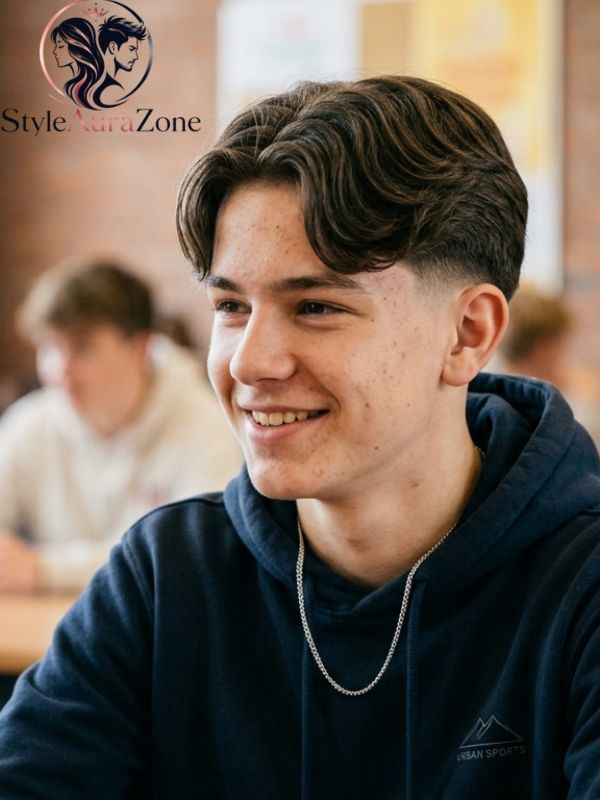
A slightly looser, lower-maintenance take that skips heavy styling products in favor of natural texture and a simple part. It grows out gracefully between school-schedule haircuts.
Natural Low Taper Fade Middle Part
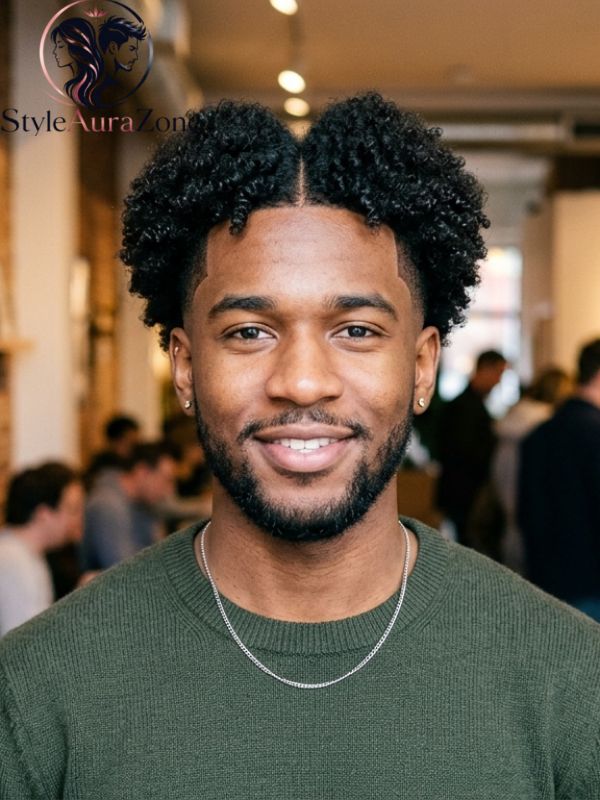
This version works with your hair’s natural texture instead of against it, using minimal product and letting waves or curls fall where they will. It’s ideal for low-effort mornings.
Low Taper Fade Middle Part with Textured Top
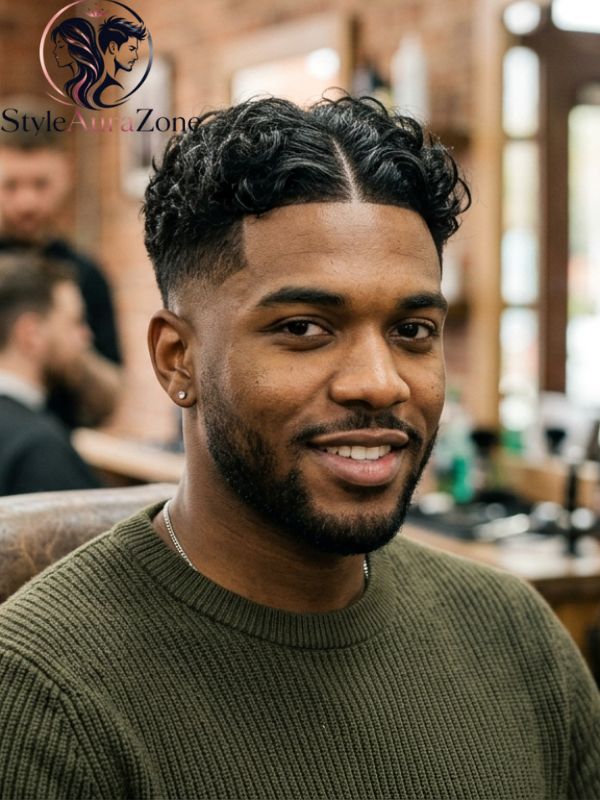
Choppy, razor-cut layers on top add dimension and break up an otherwise flat silhouette. It’s a strong option for guys with medium-density straight or wavy hair.
Clean Low Taper Fade Middle Part
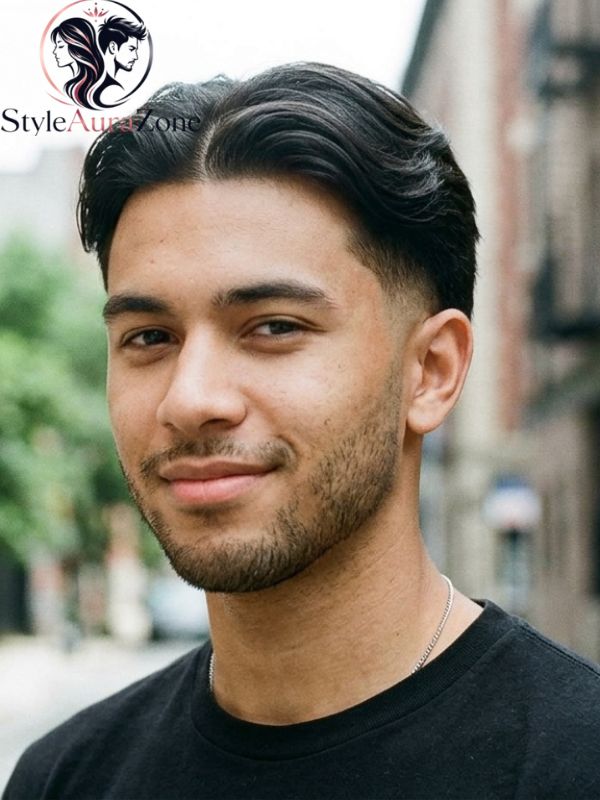
Sharp edges, a precise part line, and a smooth fade define this polished version. It’s the most formal-looking variation on this list.
Casual Low Taper Fade Middle Part
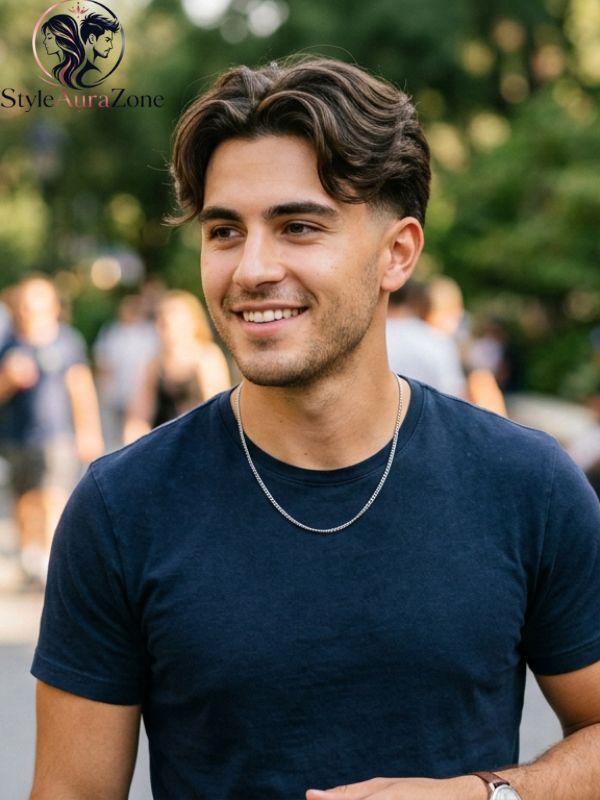
Slightly longer, air-dried, and product-light, this version favors comfort over precision. It’s the go-to for weekends and off-duty days.
Trending Low Taper Fade Middle Part 2026

This season’s version leans into a soft, brushed-forward fringe with subtle curtain movement and a barely-there fade for a more mature, understated finish.
How to Ask Your Barber for a Low Taper Fade Middle Part
- Tell your barber you want a low taper fade, specifying it should start above the ears and blend gently into the nape.
- Ask for the top to be left long enough to reach at least the bridge of your nose when combed forward. usually 3 to 5 inches.
- Request a center-parted finish, and mention if you want a hard or soft part line.
- Bring a reference photo close to your hair type and density so the barber can adjust the technique accordingly.
- Ask about maintenance: how often you’ll need a trim to keep the fade sharp between visits.
Best Face Shapes
Face Shape Compatibility
| Face Shape | Compatibility | Why It Works |
| Oval | Excellent | Nearly any variation works; the part enhances natural balance |
| Round | Good | Added height on top and a slightly off-center part elongate the face |
| Square | Very Good | Softens strong jawlines with rounded volume near the part |
| Diamond | Excellent | Frames narrow forehead and chin, balancing wide cheekbones |
| Heart | Good | Curtains or fringe variations soften a wider forehead |
| Oblong | Fair | Shorter top length works better than long, elongating styles |
Oval Face
Oval faces can wear nearly every variation on this list, since the shape is already balanced. A classic or clean part keeps things proportionate.
Round Face
A slightly asymmetrical part and added height at the crown help create the illusion of length, avoiding a wider look.
Square Face
Rounded texture near the part softens strong jaw and forehead lines, so textured or wavy versions work particularly well.
Diamond Face
The middle part balances a narrow forehead and chin against wider cheekbones, making this one of the most flattering shapes for the style.
Heart Face
Curtains or fringe styles bring visual weight to the sides, softening a broader forehead and narrower chin.
Oblong Face
Keeping the top shorter avoids adding extra vertical length, so cropped or classic short versions suit this shape best.
Best Hair Types
Straight Hair
Straight hair holds a crisp, defined part with minimal product, though a flat iron helps if strands tend to flip outward.
Wavy Hair
Waves add natural texture around the part; a light sea salt spray enhances definition without stiffness.
Curly Hair
Curls need a curl-defining cream or gel to control frizz while keeping the pattern intact on either side of the part.
Thick Hair
Thick hair holds volume well but may need thinning shears to prevent the top from looking bulky.
Thin Hair
A volumizing mousse and a slightly shorter top length help thin hair hold a visible, lasting part.
Medium Length Hair
Medium lengths offer the most flexibility, working well with nearly all 26 variations listed above.
Pros and Cons
| Pros | Cons |
| Low-maintenance sides between trims | Requires longer top hair, meaning more daily styling |
| Flatters most face shapes | Can look dated if styled without modern texture |
| Works across straight, wavy, and curly hair | Middle parts need consistent product to hold shape |
| Professional and casual versatility | Growing out an uneven part can look messy |
| Wide range of style variations | Regrowth on top needs regular trims to maintain length |
How to Style a Low Taper Fade Middle Part
Best Styling Products
| Product | Best For | Purpose |
| Matte clay | Straight or wavy hair | Adds texture without shine |
| Curl cream | Curly hair | Defines curls, reduces frizz |
| Sea salt spray | Wavy or messy styles | Adds natural texture and grit |
| Volumizing mousse | Thin hair | Lifts roots for a fuller part |
| Light pomade | Professional looks | Smooths flyaways with a soft shine |
Step-by-Step Styling Guide
- Towel-dry hair until damp, not soaking wet.
- Comb the top section straight back to find your natural part line.
- Use a fine-tooth comb to divide hair evenly down the center.
- Apply a small amount of your chosen product, working it through from roots to ends.
- Blow-dry on low heat, directing hair away from the part on each side.
- Finish with a light-hold spray to lock the shape in place for the day.
How to Maintain a Low Taper Fade Middle Part
Get the fade trimmed every 2 to 3 weeks to keep the blend sharp, since low tapers grow out faster than higher fades near the hairline. Wash with a sulfate-free shampoo two to three times a week to avoid stripping natural oils that help the part hold. Trim the top every 6 to 8 weeks to maintain length without letting it grow past your desired part depth.
Low Taper Fade Middle Part vs Curtains
Curtains push hair outward in a wing shape on both sides, while a straight middle part lets hair fall flat and even. Curtains suit shorter top lengths and add more movement, while the classic middle part offers a cleaner, more symmetrical finish.
Low Taper Fade Middle Part vs Side Part
A side part shifts the division line to one side, creating an asymmetrical look that reads more formal and traditional. The middle part is more balanced and modern-leaning, while a side part tends to suit oval and round faces looking for a classic finish.
Low Taper Fade Middle Part vs Fluffy Hair
Fluffy hairstyles skip the defined part entirely, relying on volume and texture across the whole top for a soft, undone look. The middle part offers more structure and definition, making it the better choice for guys who want a groomed, intentional style.
Celebrity Inspiration
Several public figures in music, sports, and film have popularized versions of this cut in recent years, favoring the low taper for its clean, camera-ready sides paired with a face-framing part on top. It’s a common choice on red carpets and in K-pop styling alike, proving the look translates across cultures and industries.
Common Mistakes to Avoid
- Skipping regular trims:
- Letting the fade grow out too long erases the contrast that makes the style work.
- Using too much product:
- Overloading fine or thin hair with heavy pomade can flatten the part instead of defining it.
- Ignoring hair type:
- Styling curly hair the same way as straight hair often leads to frizz or an uneven part.
- Uneven parting:
- A crooked or inconsistent part line undermines the symmetry that makes this style flattering.
- Choosing the wrong face-shape variation:
- Not every version suits every face; matching the cut to your shape makes a real difference in how polished it looks.
Conclusion
The low taper fade middle part earns its popularity by balancing structure and ease in a way few other cuts manage. With 26 variations to choose from, there’s a version suited to every face shape, hair type, and lifestyle, whether you want something office-ready or completely laid-back.
Talk to your barber about your hair‘s natural texture and density before committing to a specific variation, since the right match makes maintenance far easier. With the right trim schedule and a few simple products, this cut can stay sharp, versatile, and current well into 2026 and beyond.