
A fade turns the sides and back of your head into a smooth gradient, shifting from short stubble to longer hair on top. Barbers blend it with clippers, guards, and sometimes a foil shaver. The result looks sharp, clean, and deliberate, which explains why fades dominate barbershops worldwide.
Not every fade looks alike, though. Height, finish, and shape each change the whole cut. Pick the wrong combination and you leave with something you never asked for. Seven fade types, a fade-versus-taper breakdown, and matching hairstyles follow below, so you can walk into your next appointment knowing exactly what to request.
The Different Types of Fade Haircuts For Men
Here’s a quick side-by-side before the details. Upkeep times are typical ranges and shift with how fast your hair grows.
| Fade Type | Where the Blend Starts | Contrast | Typical Upkeep | Best For |
| Low Fade | Just above the ear | Subtle | 3–4 weeks | Office looks, first-timers |
| Mid Fade | Around eyebrow level | Moderate | 2–3 weeks | Almost every hair type |
| High Fade | Upper temple or higher | Bold | About 2 weeks | Short styles, hot weather |
| Skin Fade | Down to bare skin | Maximum | 1–2 weeks | Razor-sharp definition |
| Drop Fade | Arcs down behind the ear | Moderate to high | 2–3 weeks | Adding shape to the back |
| Burst Fade | Semicircle around the ear | High | 2–3 weeks | Mohawks, mullets, curls |
| Temp Fade | Temples, sideburns, nape | Light to moderate | About 2 weeks | Framing the face |
Low Fade
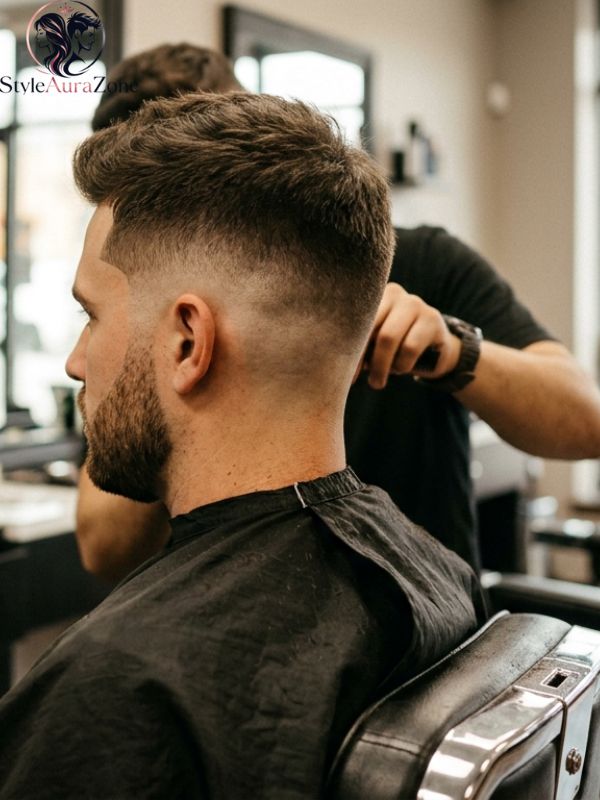
A low fade starts its blend just above the ear and follows the natural hairline toward the nape. The shift from short to long stays gentle, so the cut reads as polished instead of loud. Barbers often suggest it for first-time fade clients and conservative dress codes.
Side parts, crew cuts, and textured crops all sit well on top of it. The soft transition hides regrowth longer than bolder fades, which stretches the time between visits.
Mid Fade
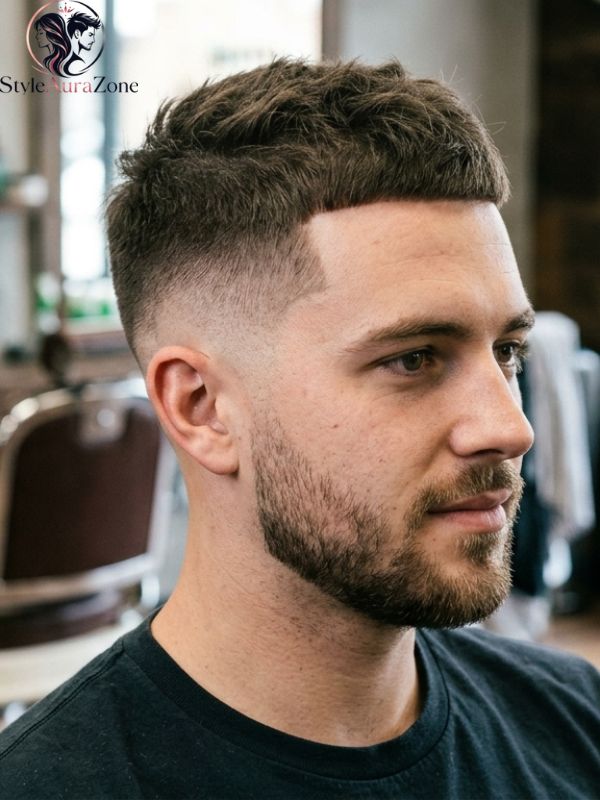
The mid fade begins around eyebrow level, near the temples. That puts it halfway between the subtle low fade and the dramatic high version. Contrast looks clear without feeling aggressive.
Quiffs, slick backs, and French crops pair nicely with it. Most guys head back to the chair every two to three weeks to keep the line crisp.
Read more:The Modern Mullet: 23 Trending Haircut Styles with A Barber’s Guide
High Fade
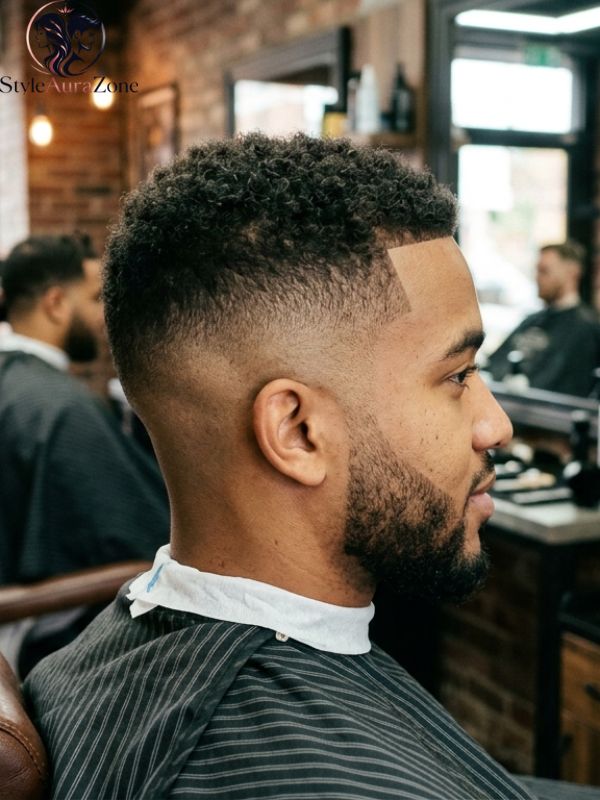
A high fade pushes the blend up near the temples or even higher. That leaves plenty of tight, short hair on the sides and back. The top looks fuller by comparison, and summer wearers appreciate the airflow.
Buzz cuts, high tops, faux hawks, and curly tops gain the most from this height. Regrowth shows quickly, so plan on a trim about every two weeks.
Skin Fade
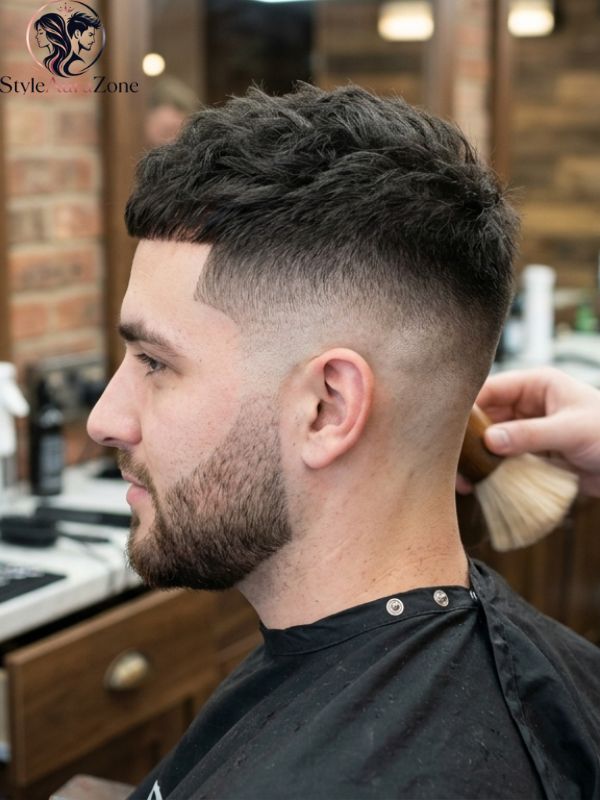
A skin fade, also called a bald fade, tapers all the way down to bare skin. Barbers finish the bottom edge with a foil shaver or trimmer for a smooth, almost polished look. It can start low, mid, or high.
Textured crops, pompadours, waves, and afros stand out against that clean base. The finish grows out fast. Book a refresh every one to two weeks for the sharpest result.
Drop Fade
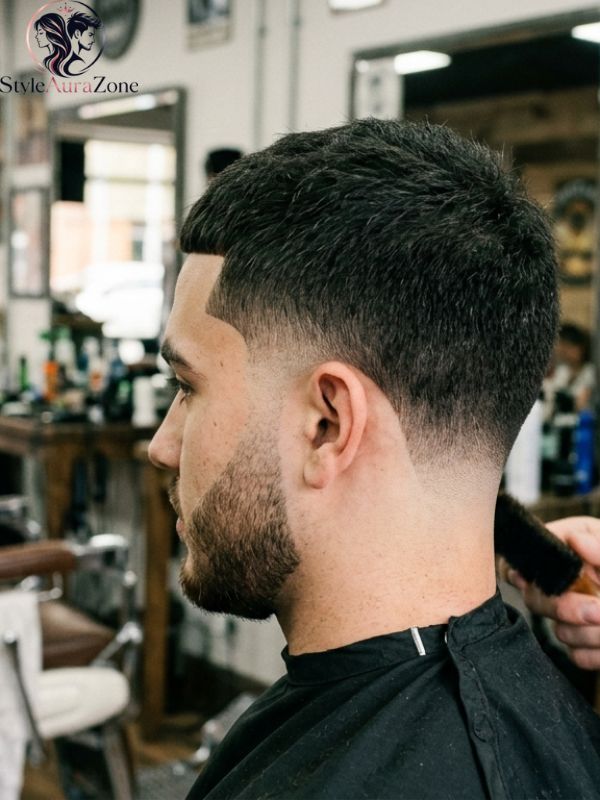
Instead of running level around the head, a drop fade curves downward behind the ear. The line dips toward the nape and follows the shape of the skull. That arc adds depth to the back of the cut.
It works at low, mid, or high heights. Slick backs, mullets, and longer curls show off the curve best. A cleanup every two to three weeks keeps the arc tidy.
Burst Fade
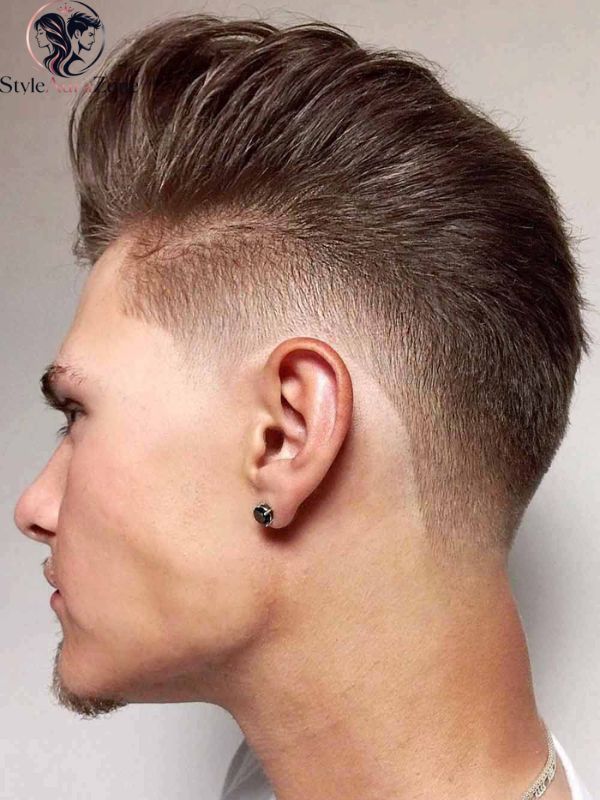
A burst fade carves a semicircle of short hair around the ear while the back stays long. The shape ripples outward from the ear, which makes it a natural partner for mohawks, faux hawks, and mullets.
Curly and textured hair look great with this contrast. Because the shape demands precise blending, pick a barber who can show burst fade work in their portfolio.
Temp Fade
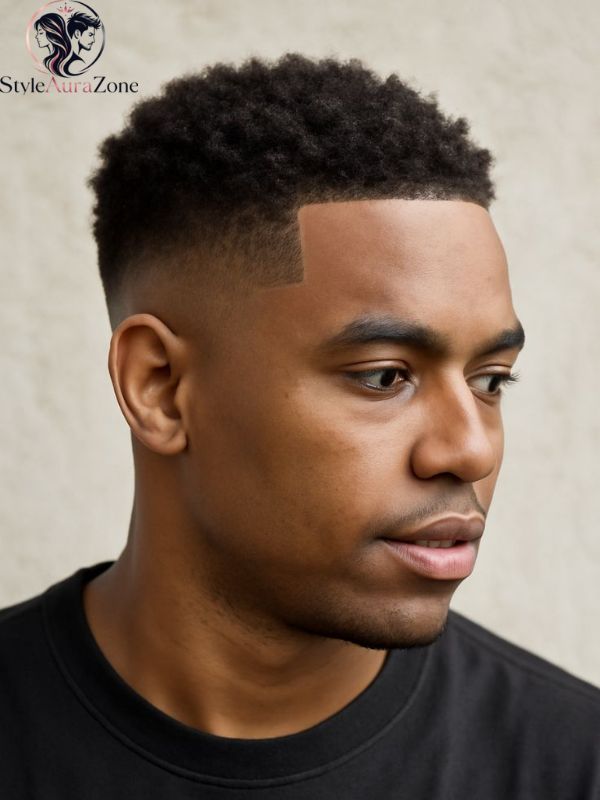
Short for temple fade, the temp fade blends hair only around the temples and sideburns. Sometimes the nape gets the same treatment. Many barbers also call it a Brooklyn fade. Everything else stays longer, so the cut frames your face instead of reshaping your whole head.
Afros, waves, short curls, twists, and high tops suit it well. Add a line-up or a groomed beard for extra definition. A cleanup every two weeks maintains the frame.
What Is A Fade Haircut?
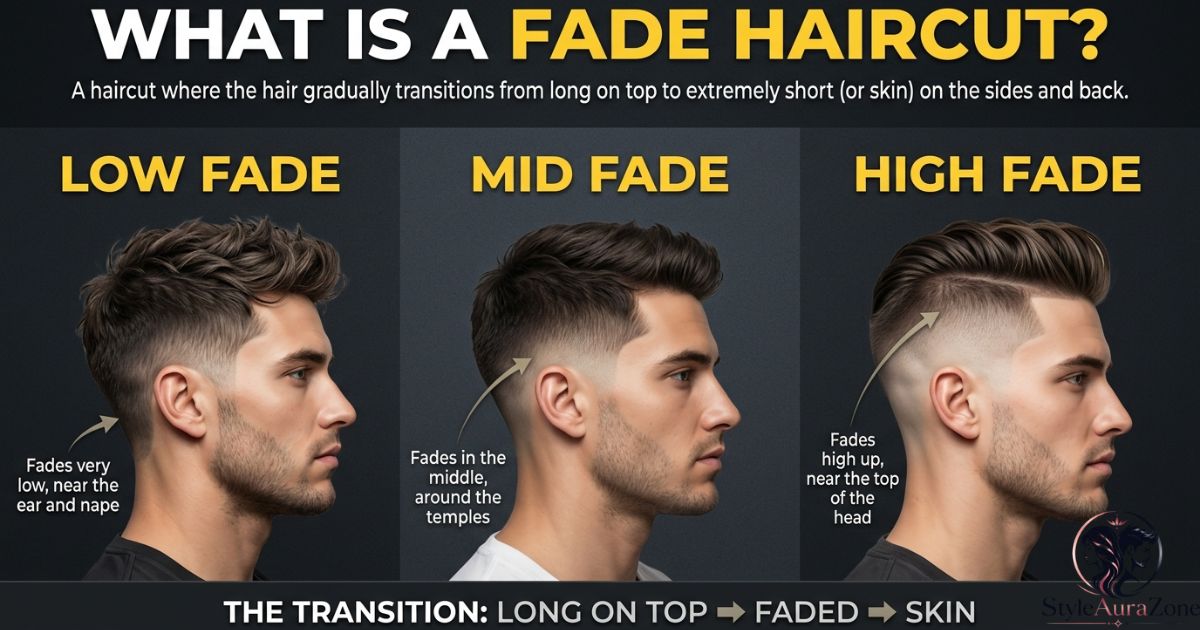
A fade haircut is a clipper cut where hair gets progressively shorter from the upper head down to the sides and back, often ending at skin or very short stubble. The gradient has no harsh lines. Each length melts into the next.
Barbers build that blend with clippers, guards, and lever adjustments. Then they refine it with scissors or a shaver. Because the technique works on any texture, fades suit straight, wavy, curly, and coily hair alike.
Here’s a simple way to order one:
- Name the height: low, mid, or high.
- Name the finish: skin, drop, burst, or temp.
- Describe how long you want the top.
- Bring a reference photo.
- Mention your neckline and whether you want a line-up.
Difference Between A Fade and Taper Fade
A fade usually blends down to skin or near-skin, while a taper fade keeps short, visible hair at the neckline and sideburns. Taper changes are gradual and even. Fades can be abrupt and far more dramatic.notes that a low fade sits closest to a taper.
People swap these terms constantly. Many barbers use “taper fade” to mean a plain taper, so show a photo to avoid surprises.
| Feature | Fade | Taper Fade |
| Ending length | Skin or near-skin | Short, visible hair |
| Contrast | High | Soft |
| Area affected | Larger part of sides and back | Mostly sideburns and neckline |
| Typical upkeep | 1–3 weeks | 3–4 weeks |
| Best for | Bold, modern looks | Professional, subtle looks |
Popular Fade Hairstyles For Guys
The fade is only half the haircut. What you leave on top decides the personality. This table matches common styles with the fades that flatter them.
| Hairstyle | Fade That Works Best | Why It Works |
| Textured Crop | Mid or skin fade | Sharp sides make messy texture look intentional |
| Quiff | Mid or low fade | Keeps volume front and center |
| Slick Back | Low or drop fade | Smooth sides match the polished top |
| Crew Cut | Low fade | Clean, classic, easy to maintain |
| Buzz Cut | High fade | Adds shape to a very short cut |
| Mohawk or Faux Hawk | Burst or high fade | Frames the strip of longer hair |
| Mullet | Burst or drop fade | Highlights the length in the back |
| Afro or High Top | Temp or skin fade | Creates a crisp outline |
| Curls and Twists | Low skin or temp fade | Defines texture and keeps edges neat |
| Comb Over | Mid fade | Pairs with a hard part for a professional finish |
Not sure which direction to go? Use face shape as a starting point:
- Round: A mid or high fade adds height and length.
- Square: A low or mid fade softens strong angles.
- Oval: Nearly any fade works.
- Long: A low fade avoids stretching the face further.
For more detail on pairing fades with hair types, see.
FAQ’S
What are the main types of fade haircuts?
The seven most common types are low, mid, high, skin, drop, burst, and temp fades. Each differs by height, finish, or shape.
Which fade is best for beginners?
A low fade is the safest starting point. It offers a subtle blend and grows out gracefully.
How often should I touch up a fade?
Most fades need a touch-up every two to three weeks. High and skin fades look best with a trim every one to two weeks.
Is a skin fade the same as a bald fade?
Yes. Both terms describe a fade that blends down to bare skin.
Can curly or coily hair get a fade?
Absolutely. Fades work on every texture, and temp, drop, and skin fades are especially popular on curls and coils.
Final Thoughts
Every fade comes down to two choices: where the blend starts and how short it finishes. Low and mid fades keep things refined. High and skin versions turn up the contrast. Drop, burst, and temp fades add shape, which lets you customize the cut without touching the length on top.
Start with your hair type, face shape, and upkeep budget. Then bring a reference photo and name both the height and the finish. A good barber fine-tunes the rest. Choose your favorite from the seven above, book the appointment, and enjoy the cleanest sides you’ve had in months.