
Not every fade needs to shave down to the skin near your temples, and not every taper has to hug close and quiet by your ears. The mid taper fade lives in the middle ground, giving you visible shape without the drama of a high skin fade. It’s become one of the most requested cuts at barbershops because it works with almost any hair type and fits almost any dress code.
This guide walks through what a mid taper actually is, the most popular ways to wear it, how it stacks up against a low taper fade, and exactly what to say (or do) whether you’re sitting in a barber chair or picking up the clippers yourself.
What Is a Mid Taper Fade?
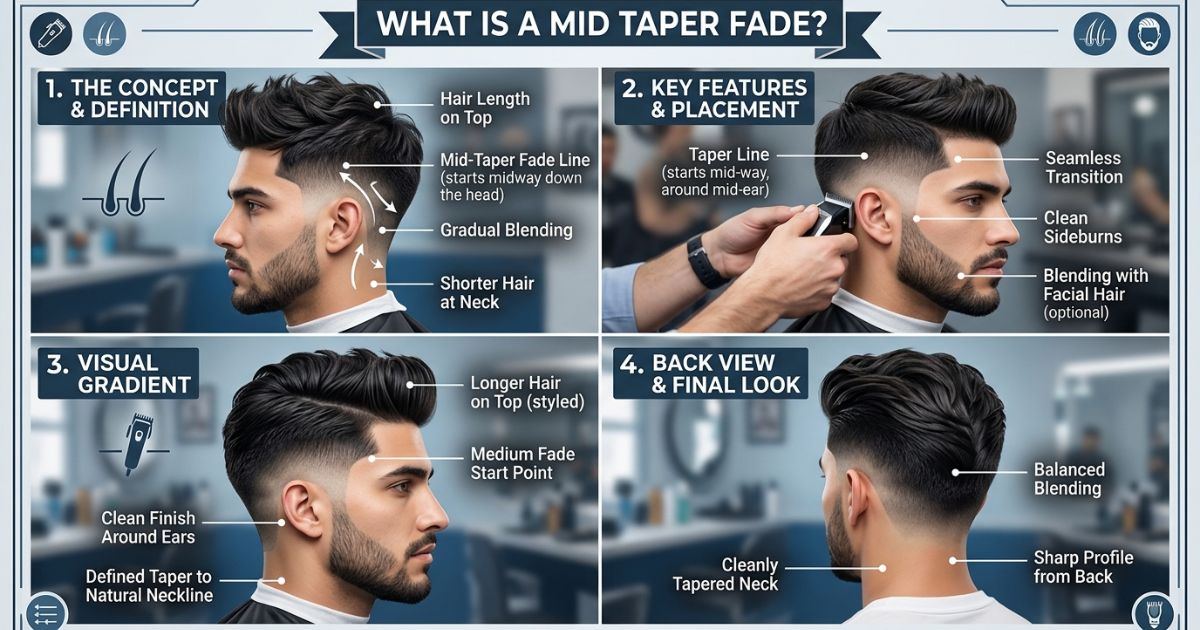
A mid taper fade is a haircut where the shortening on the sides and back starts roughly halfway between your temple and the top of your ear, then blends down toward the hairline in gradually shorter guard lengths. It’s not as dramatic as a high fade, which climbs up near the crown, and it’s not as understated as a low fade, which barely rises past the ear.
Barbers typically work with guards in the #2 to #4 range at the starting point, dropping down to a #1 or shorter as the clippers move toward the neckline and ears. The top stays flexible. short and textured, medium-length and brushed back, or long enough to style into a quiff or fringe. Because the blend zone sits in the middle of the head, it plays well with straight, wavy, curly, and coily hair alike.
| Detail | Typical Range |
| Fade starting point | Midpoint between temple and ear |
| Common guard sizes | #2–#4 at the top of the fade, tapering to #0.5–#1 |
| Top length | Flexible — short crop to medium/long |
| Hair types suited | Straight, wavy, curly, coily |
| Touch-up frequency | Every 2–4 weeks |
Mid Taper Fade Types
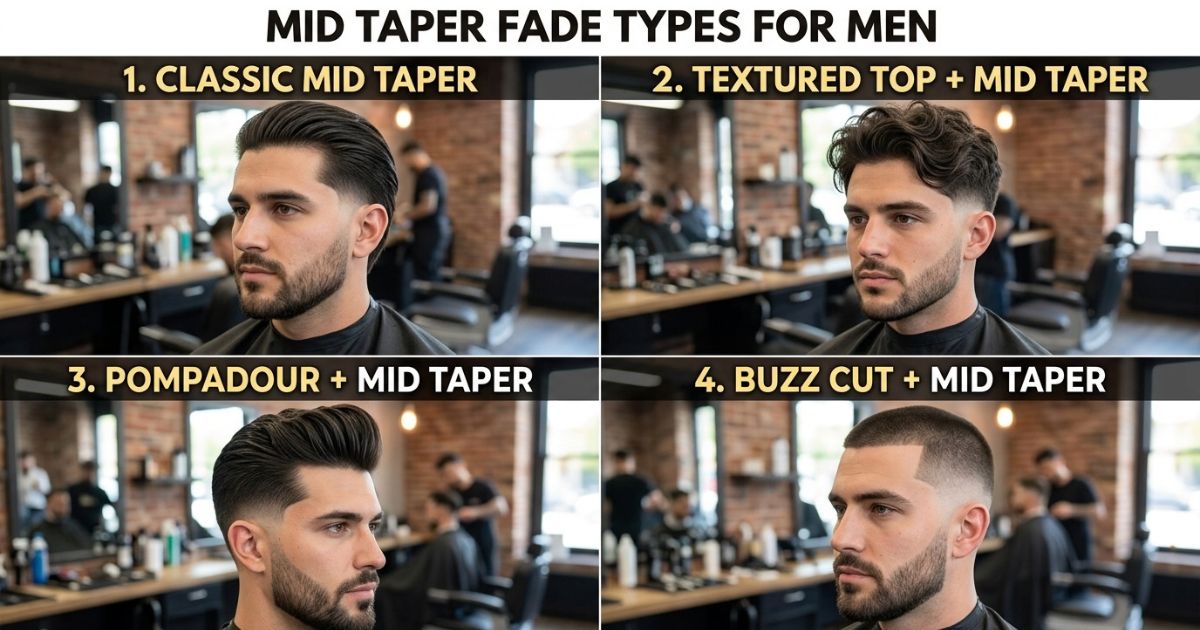
The mid taper isn’t a single look. it’s a foundation that barbers adapt to different hair types, facial hair, and personal style. Here are the variations you’ll see most often.
Classic Mid Taper Fade
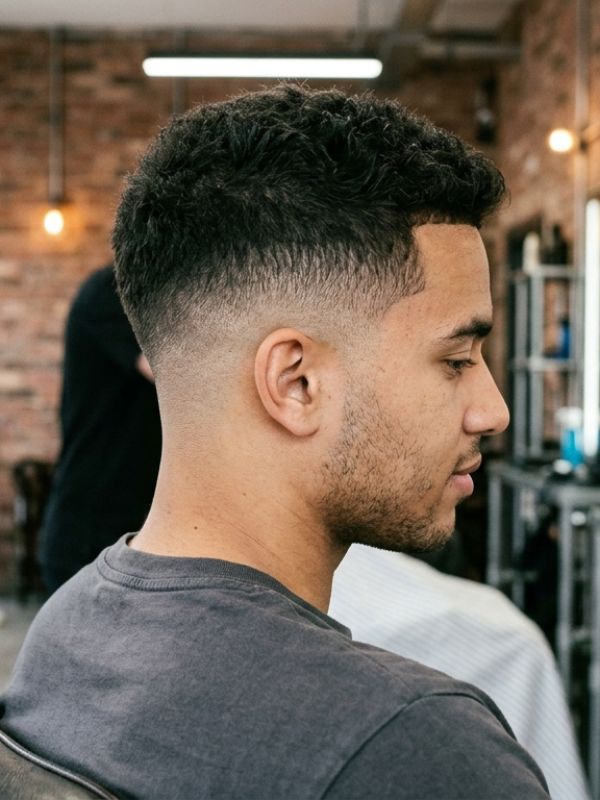
The baseline version keeps the sides tight and tapered from the midpoint down, while the top runs longer and can be combed, pushed forward, or left loose and textured. It’s the most adaptable option on this list, equally at home in a boardroom or at a weekend cookout.
Mid Taper Fade with Beard
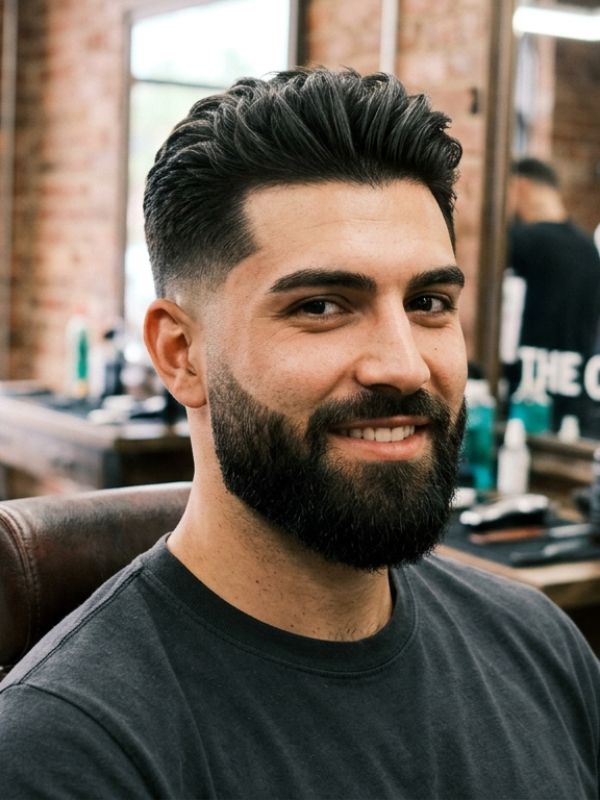
When a mid taper meets a well-shaped beard, barbers usually connect the two with a clean blend line so the jaw and the fade read as one continuous shape rather than two separate pieces. The result looks deliberate and put-together, not like an afterthought.
Mid Taper Fade Curly Hair
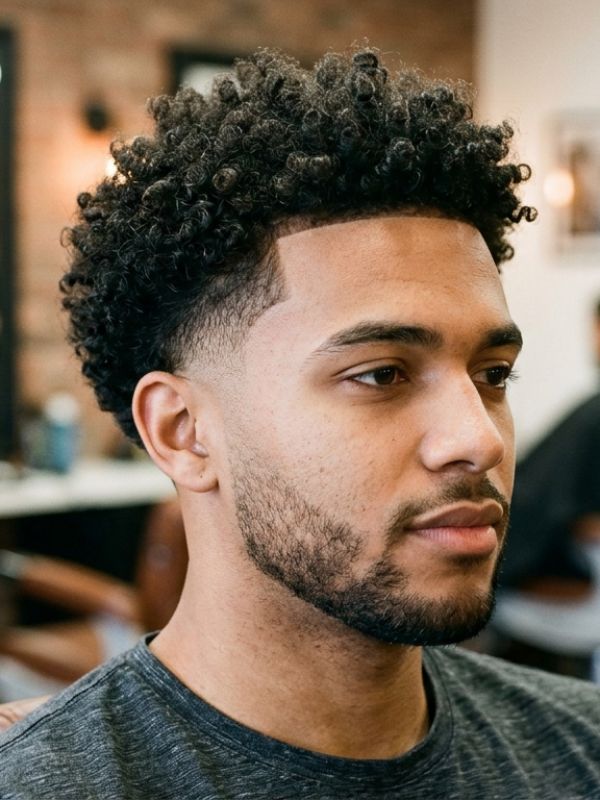
Curls thrive with a mid taper because the sides stay controlled while the top gets the room curls need to spring and hold their pattern. A curl-defining cream or light gel keeps the texture crisp instead of letting it fall flat under its own weight.
Learn more:Low Taper Fade Fringe: 18 Stylish Haircuts for Men (2026)
Mid Taper Fade with Waves
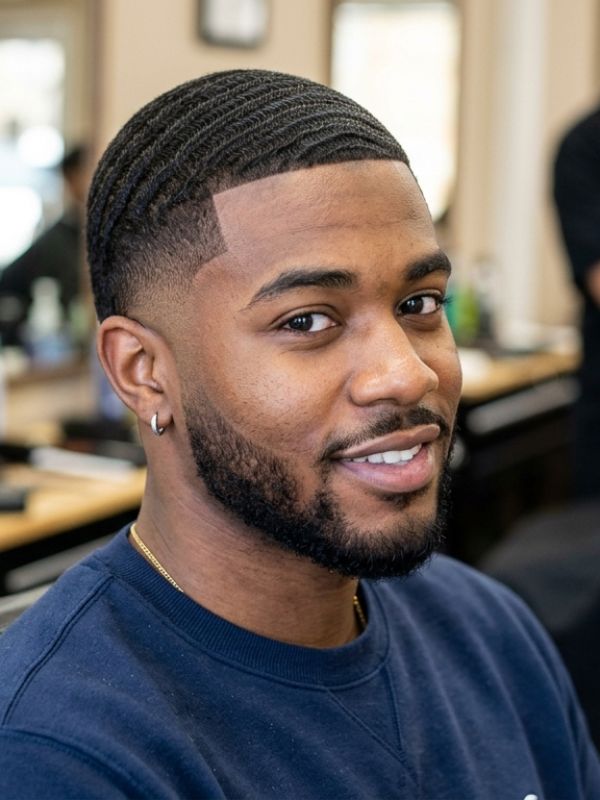
If you’re building or maintaining 360 waves, a mid taper trims the sides down without stealing the length you need on top to brush and train the pattern. Nightly brushing paired with a durag keeps the waves spinning cleanly between visits to the chair.
Mid Taper Fade Low Cut
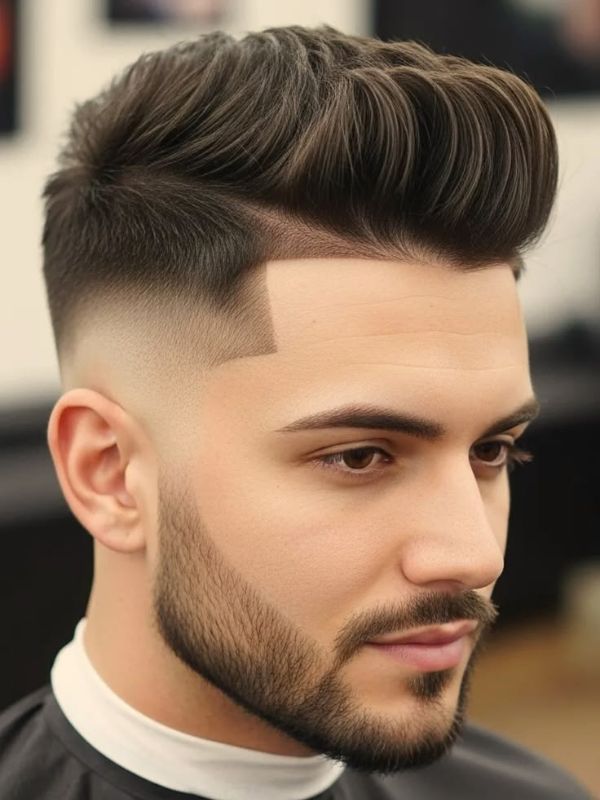
This variation shortens the top too, often to an inch or less, so the whole head reads as one clean, even shape. It suits guys who want structure without any daily styling routine at all.
Mid Taper Fade Afro
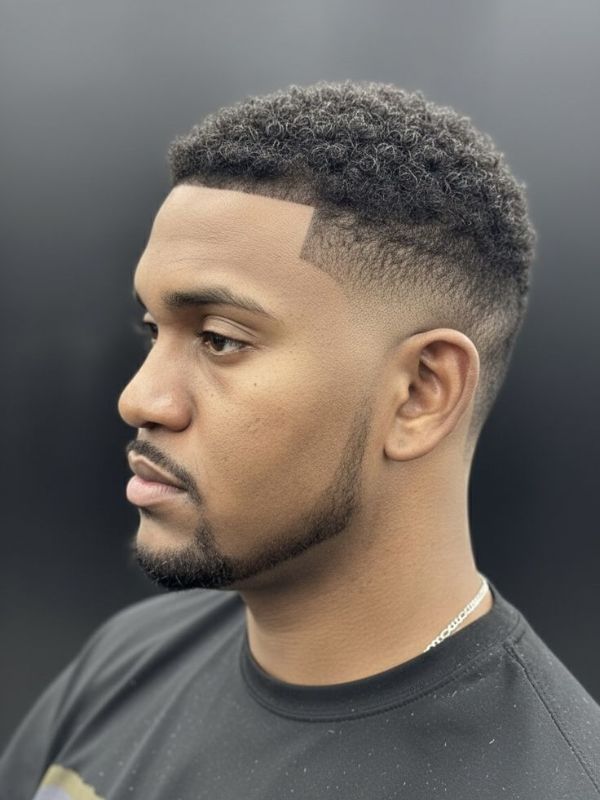
On natural, coily hair, a mid taper cleans up the perimeter while letting the top grow out into a full, rounded afro. The contrast between the tapered sides and the volume up top is part of what makes this version so striking.
Mid Taper Fade Haircut Black Men
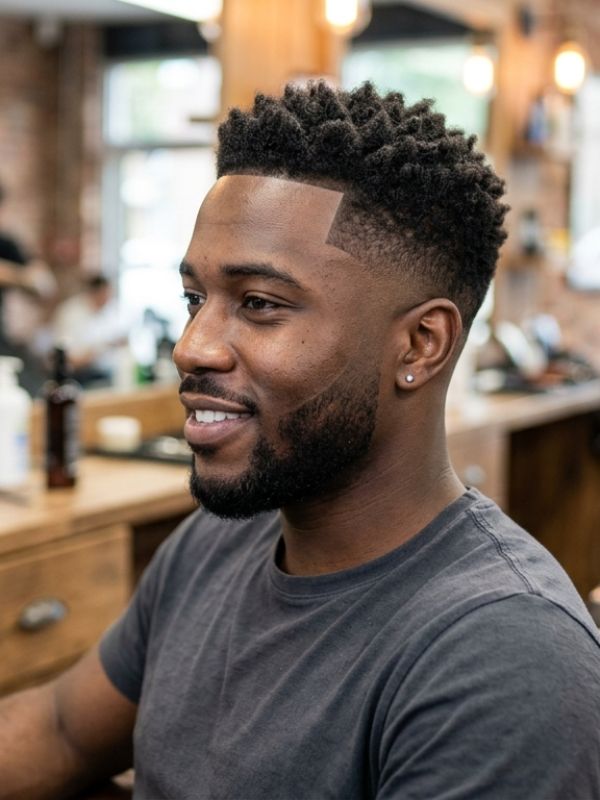
This isn’t one specific style so much as a broad category. mid tapers are especially popular among Black men because the cut complements coily and curly textures so naturally. Common pairings include a mid taper with a fringe, added design lines through the sides, or twists and braids left on top.
Mid Taper Fade vs Low Taper Fade
These two cuts get mixed up constantly, so here’s how they actually differ once the clippers come out.
| Feature | Mid Taper Fade | Low Taper Fade |
| Fade starting point | Midway between temple and ear | Close to the ears and hairline |
| Contrast | Noticeable, more defined shape | Subtle, understated |
| Best for | Guys who want visible structure | Guys who want a conservative look |
| Touch-up frequency | Every 2–4 weeks | Every 3–5 weeks |
| Formality | Works in most workplaces | Very conservative, ideal for strict dress codes |
Key Differences
- A mid taper starts higher, so there’s more contrast between the top and the sides.
- A low taper grows out more gracefully, which means fewer trips back to the barber.
- The extra height on a mid taper gives barbers more room to add hard parts, line-ups, or design work.
Which Suits Which Face Shape
- Round face: A mid taper adds vertical lines that help the face look longer and less wide.
- Square face: Both cuts work, but a mid taper with extra length on top softens a strong jawline.
- Oval face: Nearly every version of the mid taper looks proportionate on an oval face.
- Long face: A low taper with a bit more fullness on the sides balances proportions better than a mid taper would.
Mid Taper Fade Lifestyle
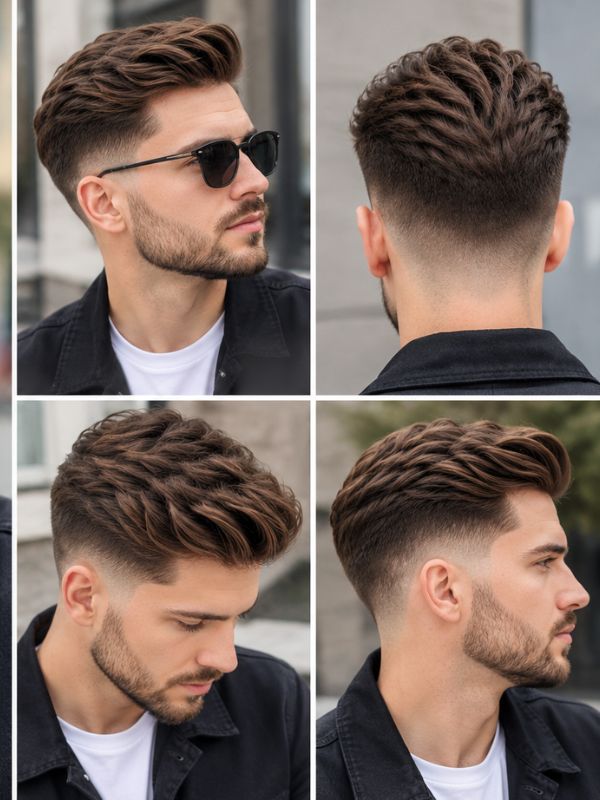
Past the technical specs, the mid taper has turned into something of a default choice for guys who don’t want to think about their hair every morning. It holds up from a gym session straight through to a dinner reservation without needing a touch-up in between, which is exactly why it shows up so often on barbershop reference boards.
It also pairs easily with hats, beards, and glasses without losing its shape, so it doesn’t compete with the rest of your look. it just quietly supports it.
How to Get a Mid Taper Fade at a Barber Shop
Walking in with the right words and a couple of photos saves everyone time and gets you closer to the cut you actually pictured.
What Should You Ask
- Ask for a “mid taper fade” by name. barbers treat “taper,” “fade,” and “mid taper” as distinct requests.
- Bring a reference photo taken from an angle close to your own hair length and texture.
- Tell your barber whether you want the fade to reach the skin or stay a bit softer with visible hair.
- Ask for the beard line to be blended in if you’re pairing the cut with facial hair.
Time and Cost for a Mid Taper
Most mid taper fades take between 30 and 45 minutes, depending on your hair length and how much blending the barber needs to do. Prices generally run from $25 to $60, with hot towel finishes, beard trims, or premium shops pushing that number higher.
| Factor | Typical Range |
| Appointment length | 30–45 minutes |
| Base price | 25–60 |
| Add-ons (beard trim, hot towel) | +10–25 |
How to Do a Mid Taper at Home
A mid taper is achievable at home if you’re patient and willing to go slow, especially on your first few attempts.
Required Tools
- A clipper set with adjustable guards, at minimum #0 to #4
- A trimmer for edging around the ears and neckline
- A wide-tooth comb for sectioning
- A dual mirror setup so you can see the back of your head
- A spray bottle to keep hair damp and manageable
Step-by-Step Instructions for Beginners
- Start on damp, detangled hair and clip the top section out of the way.
- Use a #3 or #4 guard at the midpoint between your temple and ear to set the starting line.
- Work your way down with a #2, then a #1, moving toward the ears and neckline.
- Finish the bottom edge with a #0.5 guard or bare blade for a clean, seamless finish.
- Blend each transition line using short upward flicks rather than straight downward strokes.
- Cut the top to your preferred length with scissors or a longer guard.
- Clean up the hairline and neckline edges with a trimmer for a sharp finish.
Tips for a Better Blend
- Check both sides in the mirror frequently. small differences show up fast once the cut is done.
- Take your time. You can always take more length off, but you can’t put it back.
- Move to a slightly shorter guard at each new section rather than jumping several sizes at once.
Maintenance and Styling
Touch-Up Schedule
Plan on a refresh every 2 to 4 weeks. The shortest sections near the neckline and ears grow out visibly faster than the length on top, so that’s usually the first sign it’s time to book another appointment.
Styling Products
- Matte clay or paste for a natural, non-shiny texture
- Pomade for a sleeker finish or side part
- Curl cream or definer for curly and coily hair types
- Sea salt spray for extra texture and lift
Styling Routine
- Apply product to hair that’s still slightly damp so it distributes evenly.
- Blow-dry with a brush or your fingers to build volume where you want it.
- Shape the top with a comb or your hands, depending on the finish you’re after.
- Keep a small amount of product on hand for a midday touch-up if the style falls flat.
FAQ’S
Does a mid taper fade suit thin hair?
Yes. The shorter sides create the illusion of more density up top, which works in favor of thinner hair.
Can I ask for a mid taper without going down to skin?
Absolutely. Just tell your barber you want the fade to stop at a guard length instead of the skin.
How long does hair need to be to start a mid taper?
Most barbers can work with anywhere from a buzz cut to a few inches of length, though very short hair limits styling options on top.
Is a mid taper fade good for a first-time home haircut?
It’s more forgiving than a high fade, but it still takes practice. start with a longer guard and go shorter gradually.
Conclusion
The mid taper fade earns its popularity by splitting the difference between bold and subtle. It flatters nearly every face shape and hair type, from straight and wavy to curly, coily, and wave patterns, and it adapts just as easily to a clean shave as it does to a full beard.
Whether you walk into a barbershop with a reference photo in hand or pick up the clippers yourself, knowing the fade zones, guard numbers, and upkeep schedule puts a clean result well within reach. Keep a simple product rotation on hand, stay on top of your 2-to-4-week touch-ups, and the mid taper will stay sharp all year.