
Men who want a haircut that looks put-together without feeling stiff keep landing on one style: the textured fringe mid taper. It pairs choppy, movement-driven layers up top with a taper that sits comfortably in the middle of the sides, so the finish reads sharp but never harsh.
This guide walks through what the cut actually is, who it flatters, and the many ways barbers are shaping it right now. You’ll also get styling steps, product picks, and the exact wording to use in the chair so you walk out with the version you pictured.
What Is a Textured Fringe Mid Taper?
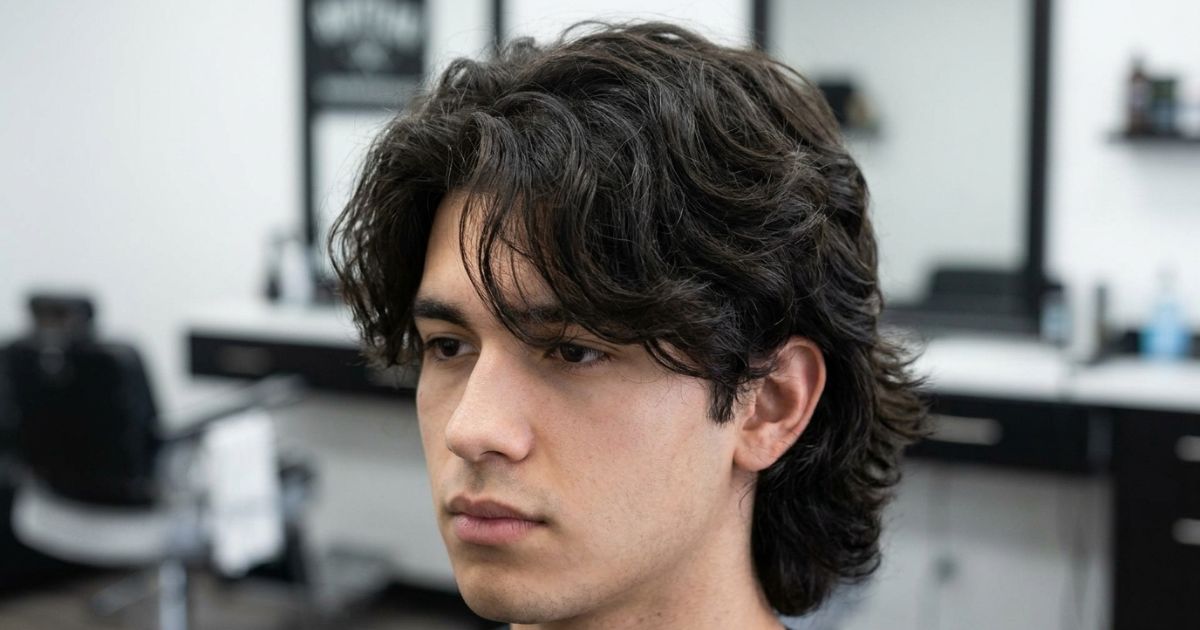
A textured fringe mid taper pairs choppy, piece-y layers on top with sides that fade gradually starting around the midpoint of the head. The layering gives the fringe its lived-in shape, while the mid taper trims bulk without shaving down to the skin.
Compared with a skin fade, this taper leaves noticeably more hair on the sides, so the whole look softens rather than sharpens. That balance is what makes it easy to wear five days a week and still dress up for an event.
Barbers like this combination because it flexes across hair densities and personal taste, from buttoned-up to deliberately undone, without changing the underlying cut.
Key Features of a Textured Fringe Mid Taper
- Choppy fringe built for natural movement
- Taper positioned around the ear line, not shaved to skin
- Sides kept neat but not severely short
- Styles easily with a matte finish product
- Reads professional or casual depending on styling
- Adapts to straight, wavy, curly, and thick hair
Why the Textured Fringe Mid Taper Is So Popular

This cut keeps trending because it delivers a polished result without demanding a strict styling routine. A quick finger-styling session in the morning holds up whether you’re heading to class or into meetings.
It also photographs well. The texture catches light and shadow from multiple angles, which is part of why barbershop portfolios and social feeds are full of it.
A few reasons it keeps showing up in requests:
- Builds volume without added length
- Frames most face shapes cleanly
- Adjusts to nearly any hair texture
- Simple to make more subtle or more dramatic
- Reads well on teens and grown men alike
- Pairs naturally with or without a beard
- Works for both office and weekend settings
Who Should Get a Textured Fringe Mid Taper?
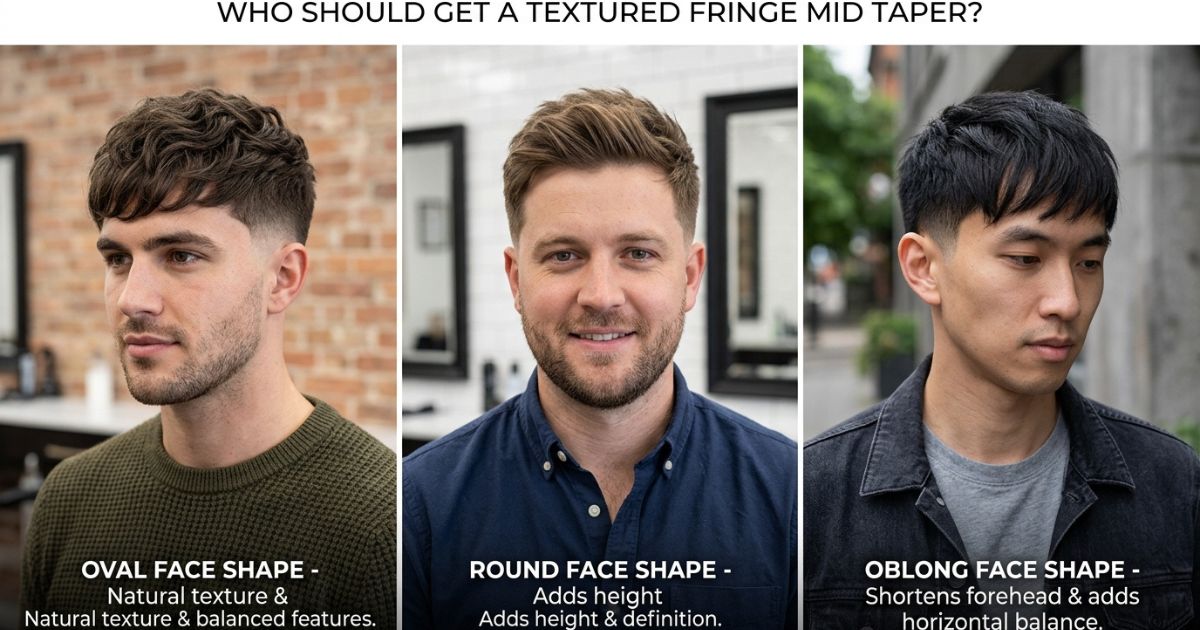
Because the taper height, fringe length, and layering are all adjustable, a good barber can tailor this cut to nearly any face shape or hair texture. That flexibility is a big part of why it suits such a wide range of men.
Best Face Shapes
Oval Face
Oval faces have balanced proportions already, so almost every version of this cut works without adjustment. The fringe simply adds texture rather than correcting anything.
Round Face
Extra height through the crown helps a round face read longer and more defined. Keeping the sides trimmer than the top reinforces that vertical line.
Square Face
A strong jaw pairs well with soft, choppy layers up top, since the texture takes some of the hard edge off the face without hiding the jawline.
Heart Face
A fuller fringe helps balance a wider forehead against a narrower chin, giving the whole face a more even shape from the front.
Diamond Face
Added width near the hairline through the fringe softens sharp cheekbones and brings better proportion to the upper half of the face.
Learn more:Taper Fade With Beard: The Perfect Hair And Beard Match 2026
Best Hair Types
Straight Hair
Straight strands fall flat on their own, so layering is what creates the fringe’s shape. A texturizing product adds the lift that gravity takes away.
Wavy Hair
Waves already have built-in motion, which makes this one of the easier textures to style. A light cream is usually enough to hold the shape.
Curly Hair
Curls supply natural volume and definition on their own. The mid taper keeps the sides tidy while letting the curls stay the focal point on top.
Thick Hair
Density gives this cut plenty to work with. Barbers often thin the top through layering so the fringe sits rather than pushes upward.
Fine Hair
Lightweight products matter most here heavy pastes flatten fine strands fast, while a powder or spray builds the appearance of fuller hair.
Best Textured Fringe Mid Taper Styles
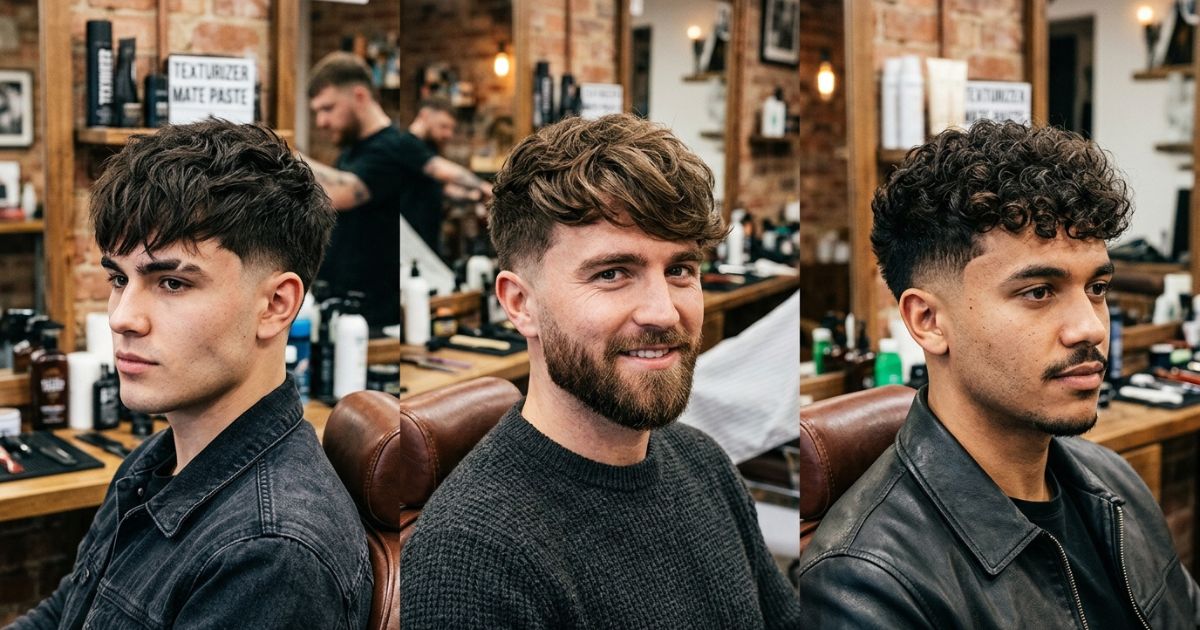
The core cut opens the door to a long list of variations. Which one suits you depends on your hair type, how much time you want to spend styling, and how bold you want the contrast to look.
Classic Textured Fringe Mid Taper
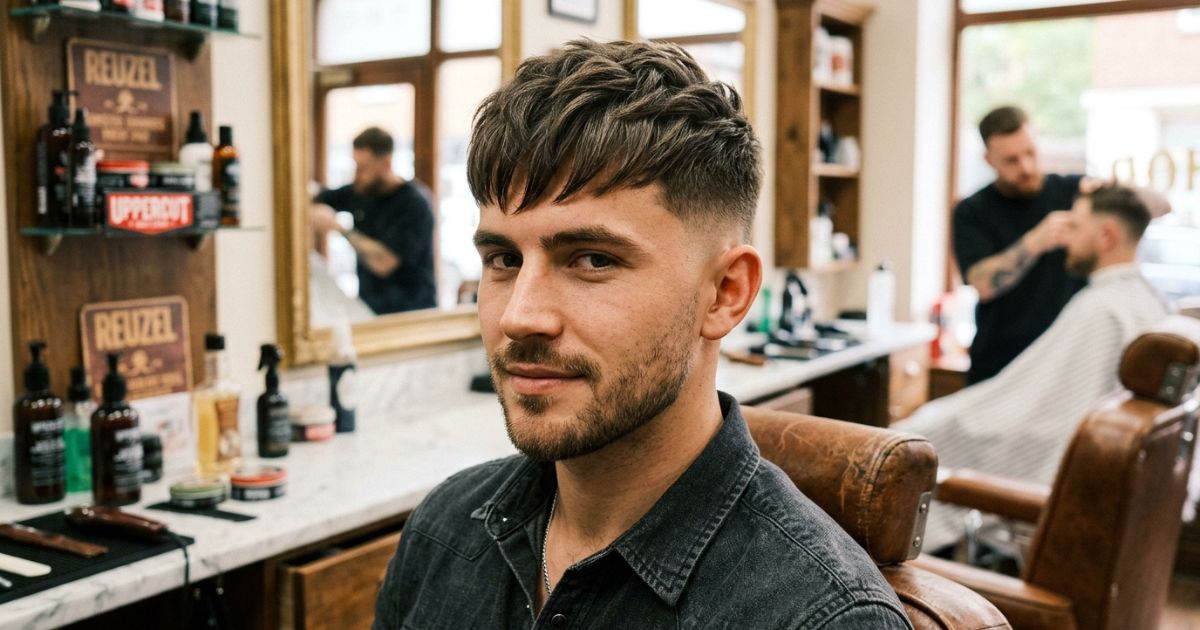
Soft, even layers on top meet a balanced taper around the ears and neckline. It’s the lowest-maintenance version, holding its shape well between visits and needing little more than a quick finger-comb each morning.
Textured Fringe Mid Taper Fade
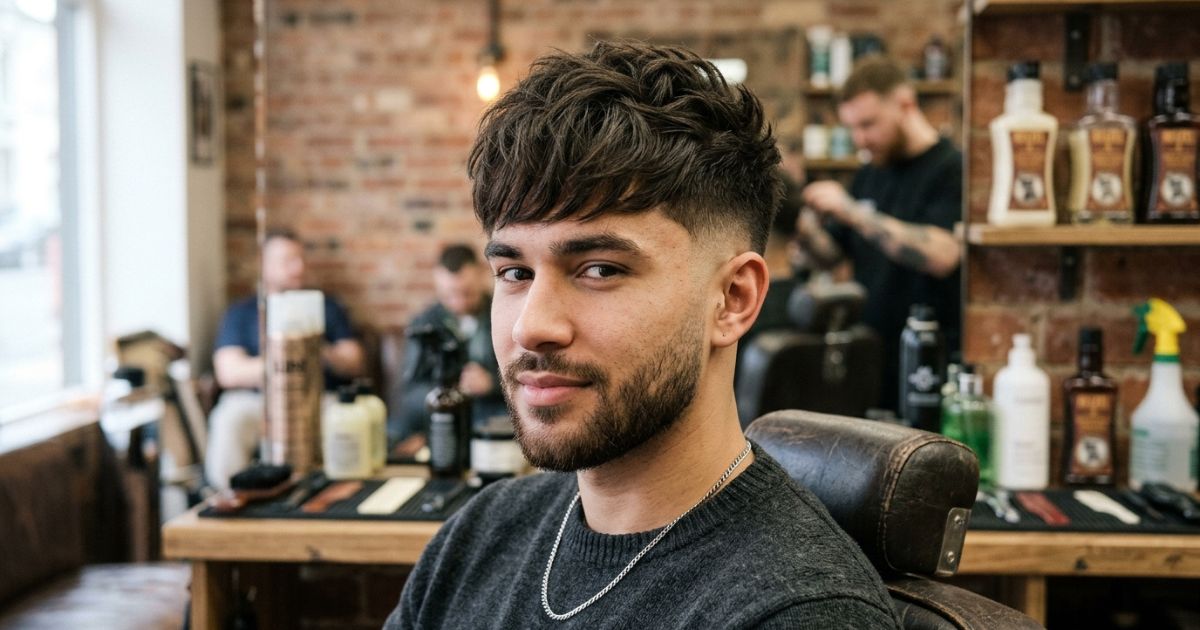
This version blends the sides in tighter while keeping the top full, which adds noticeably more contrast than a standard mid taper. It suits thicker hair especially well, since the closer sides let the top read fuller by comparison.
Messy Textured Fringe Mid Taper
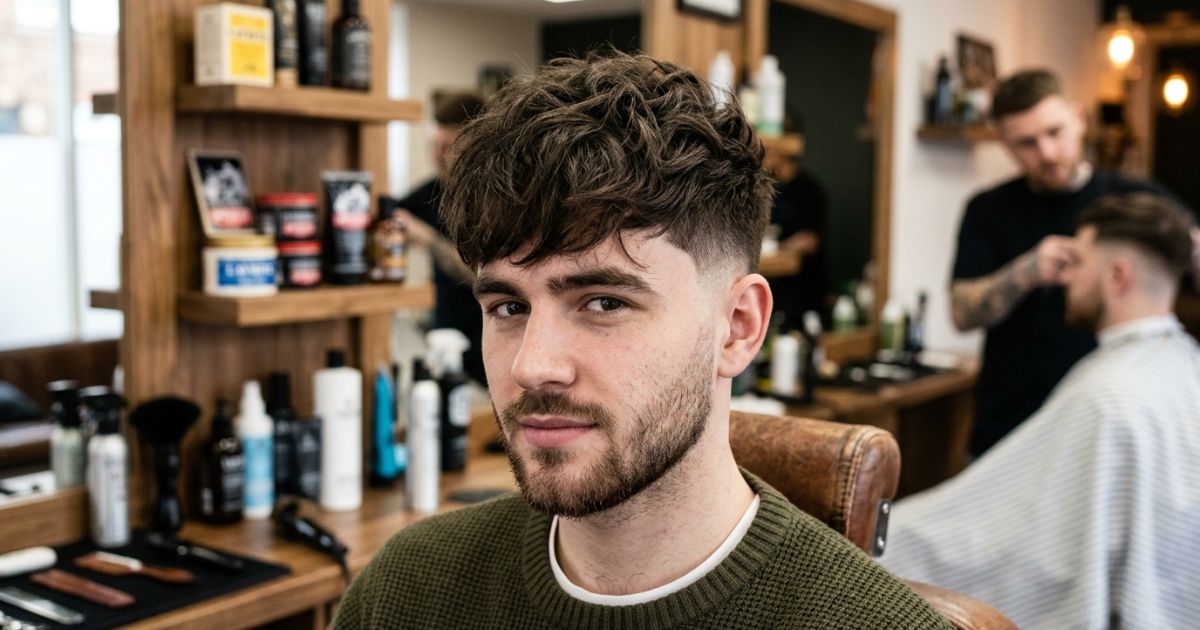
Instead of combing everything into place, work a small amount of clay through damp hair with your fingers and let strands fall where they land. The result looks relaxed but still deliberate a favorite among younger guys.
Short Textured Fringe Mid Taper
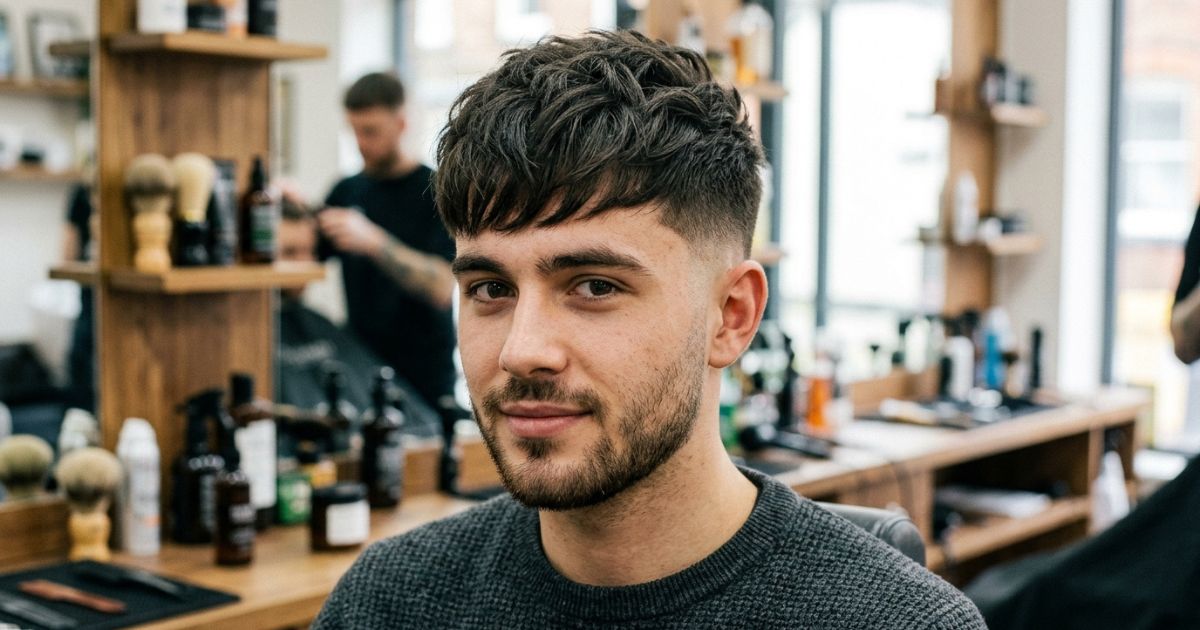
Keeping the fringe close to the forehead cuts styling time way down. It’s a practical pick for anyone active or short on morning time who still wants texture over a plain buzz.
Curly Textured Fringe Mid Taper
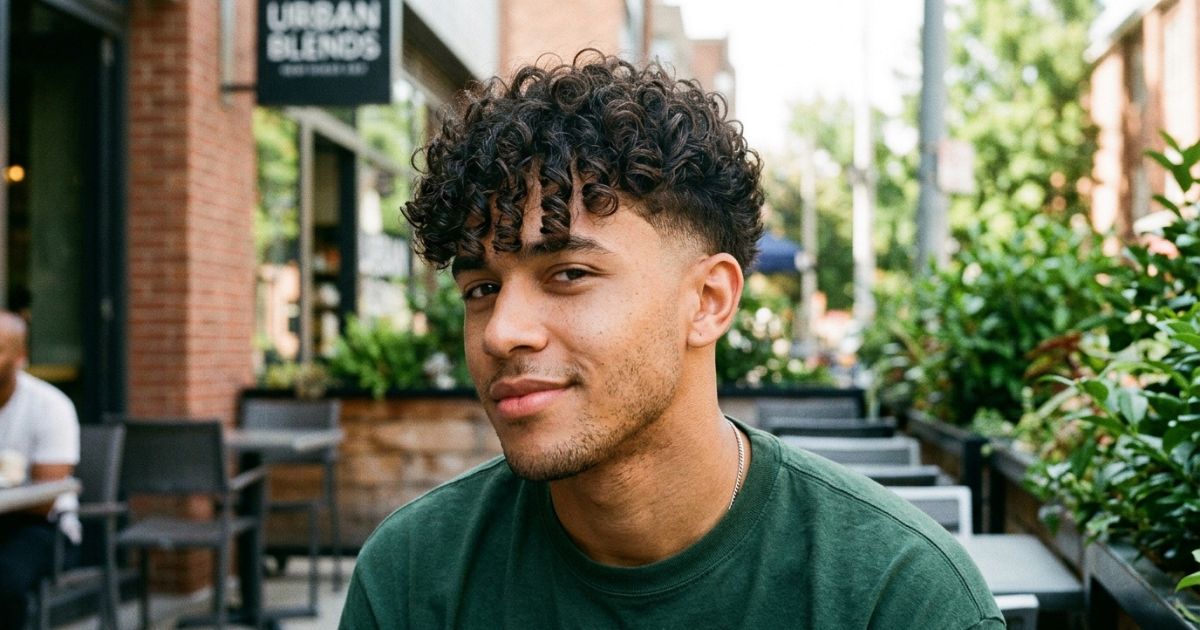
Natural curl does most of the styling work here. The taper keeps the perimeter clean while the curls on top carry the look, helped along by a curl cream that adds definition without weighing hair down.
Textured Fringe Mid Taper Straight Hair
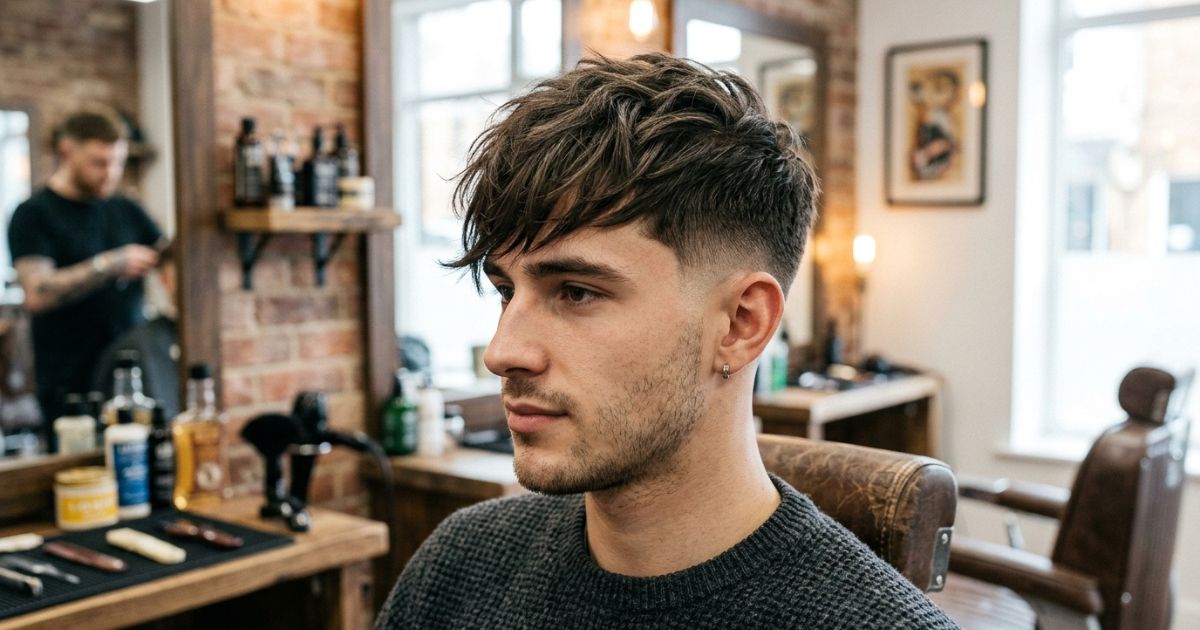
Straight strands give this variation crisp, structured lines. Point cutting adds texture that straight hair wouldn’t otherwise hold, and a sea salt spray followed by a powder gives the fringe some lift.
Textured Fringe Mid Taper Asian
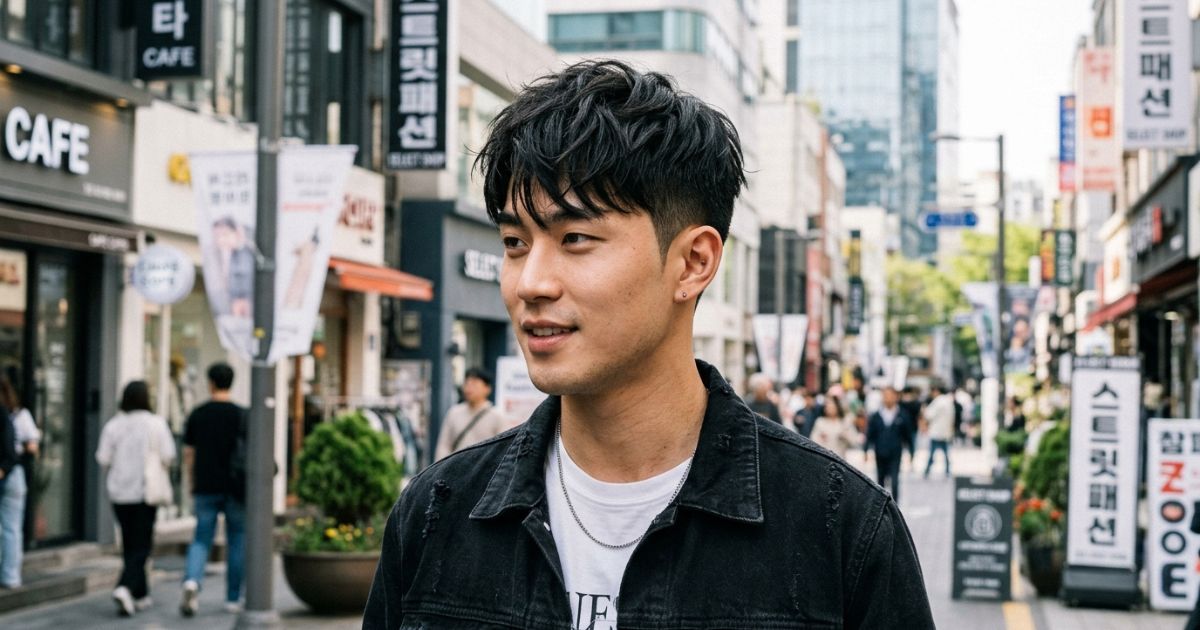
This take suits naturally straight, denser hair particularly well. Barbers thin the top through layering while keeping enough weight for the fringe to hold its shape, landing on a clean, soft-textured finish.
Textured Fringe Mid Taper Mullet

Extra length left at the back gives this version a bolder, more distinct silhouette while the sides stay tapered and clean. It’s gained ground with younger men wanting something a step outside the classic cut.
Textured Fringe with Blowout Taper
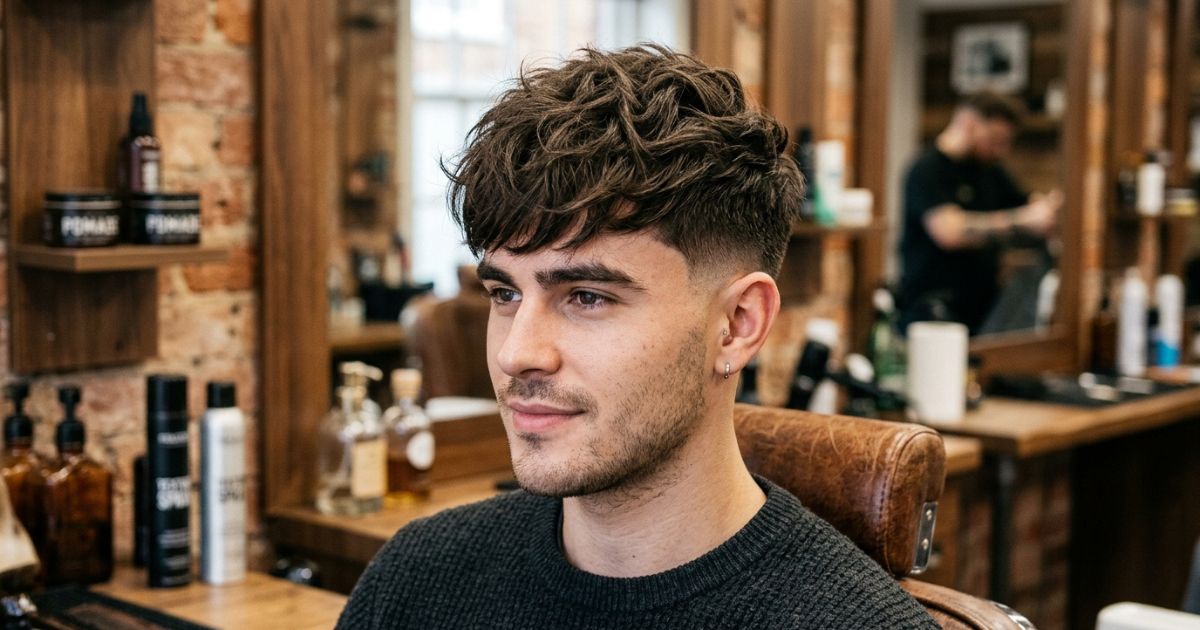
Blow-drying with a round brush lifts the roots for extra height and volume at the front and crown before a matte product locks it in. This one leans best on medium-length hair.
Textured Fringe with Low Taper
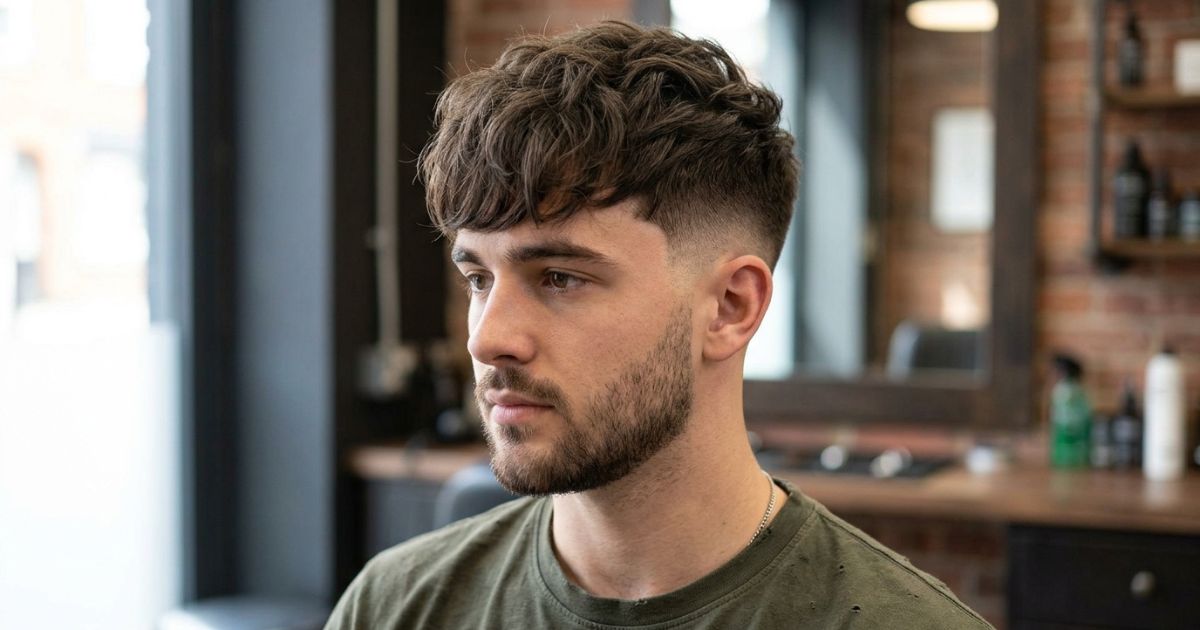
Starting the taper lower, just above the ears, leaves more hair on the sides for a softer transition overall. It’s a common pick for anyone who prefers a more traditional silhouette.
Textured Fringe High Taper
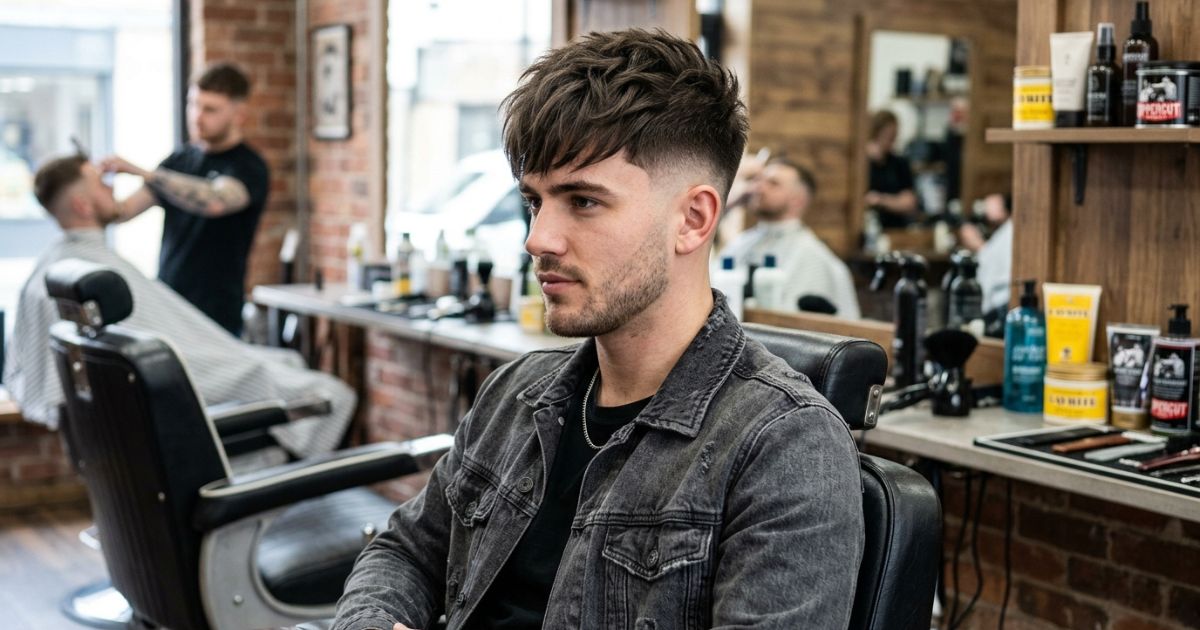
Taking more weight off the sides pushes the contrast up and puts more attention on the textured top. Thicker hair holds this sharper finish especially well.
Blonde Textured Fringe Mid Taper
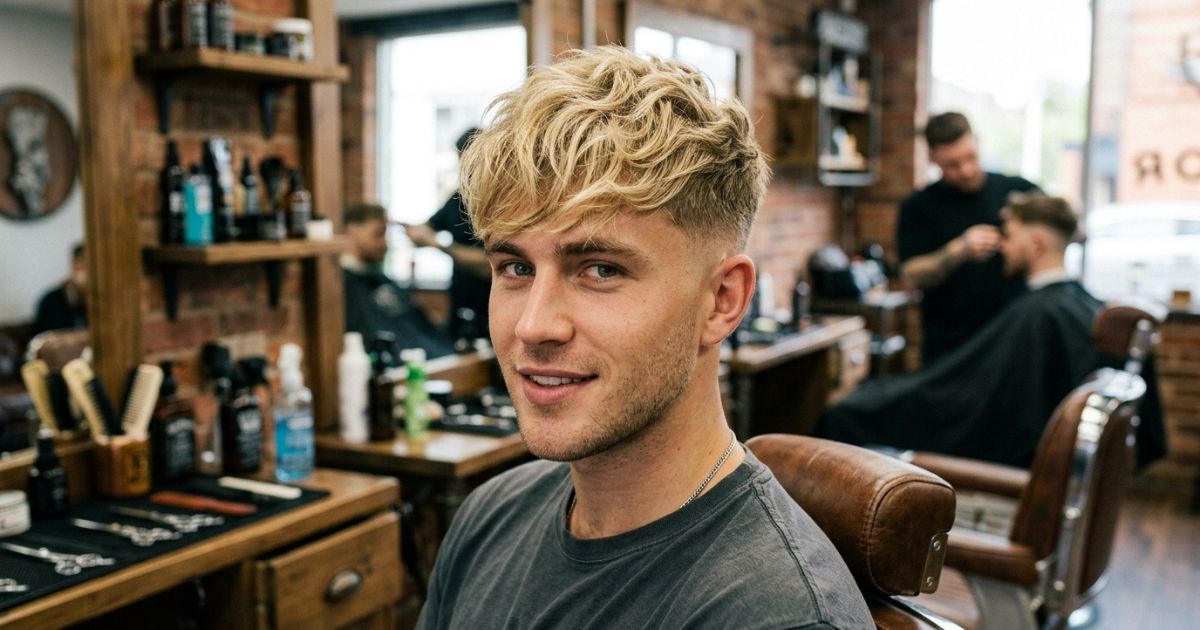
Lightening the top, whether with full color or highlights, makes the individual layers stand out more clearly. The lighter shade catches movement in natural light in a way dark hair doesn’t.
Textured Fringe with Beard

A well-maintained beard, faded cleanly into the sideburns, gives this cut a finished, cohesive look from every angle. The transition between beard and taper matters as much as the haircut itself.
French Crop Inspired Textured Fringe
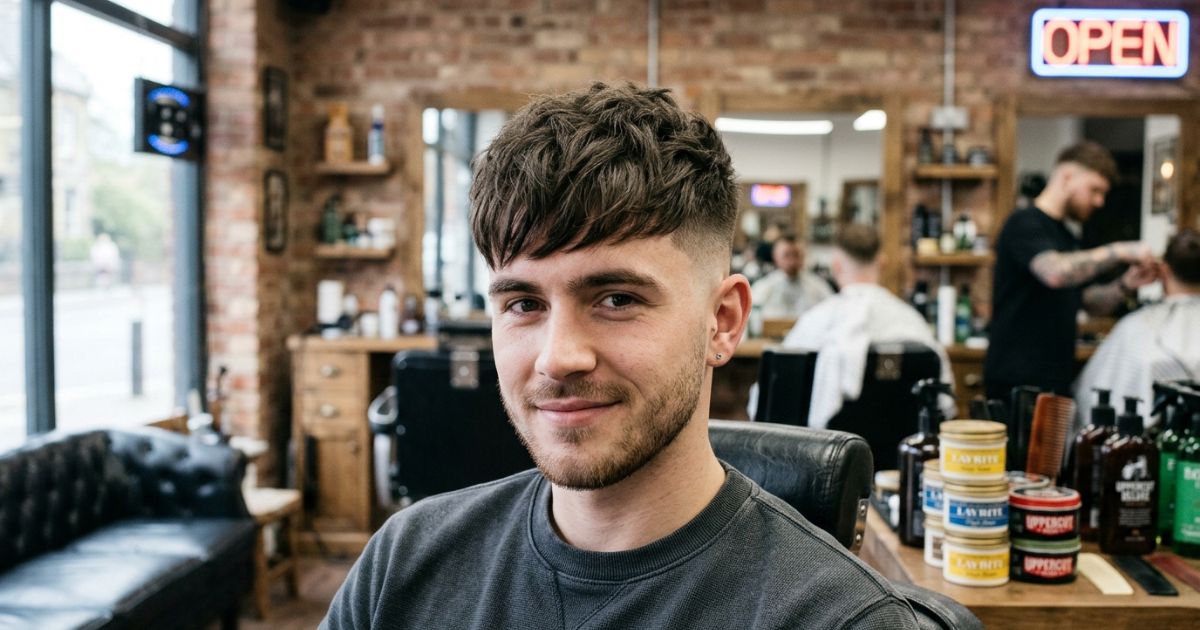
Borrowing the compact shape of a French crop and adding texture on top keeps this version short, sharp, and genuinely low-effort day to day.
Layered Textured Fringe Mid Taper
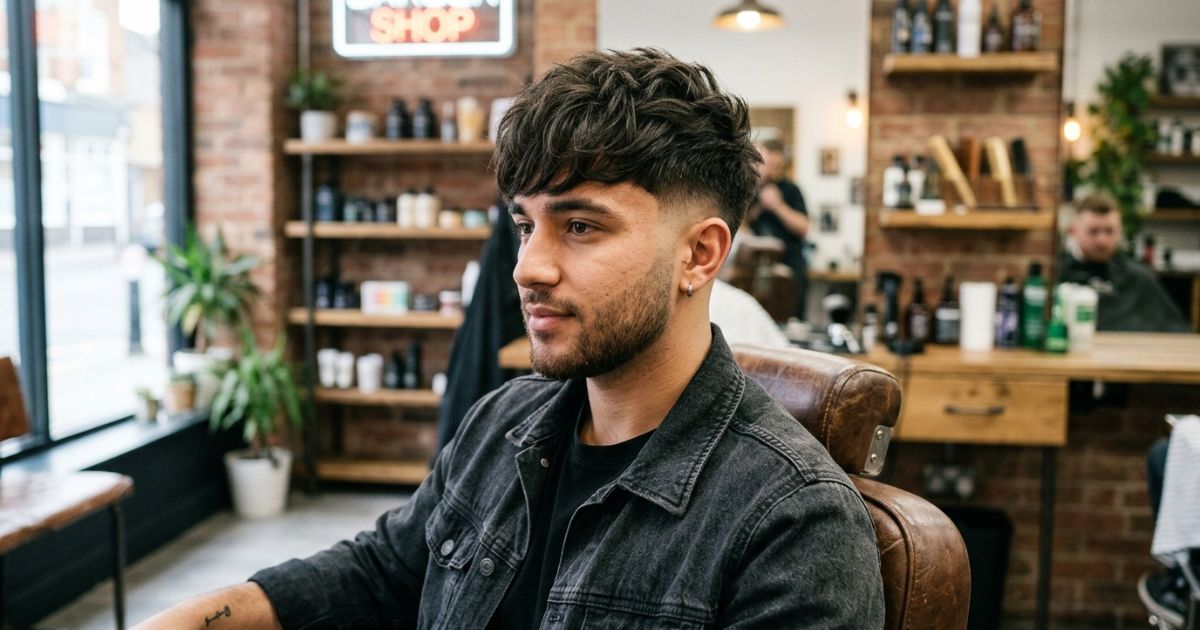
Extra layering throughout the top removes bulk while keeping the overall shape full, which works especially well on medium-to-thick hair that would otherwise sit heavy.
Mid Taper vs Low Taper vs High Taper
Picking the right taper height matters as much as picking the fringe style. Each option keeps the sides tidy but produces a different level of contrast and upkeep.
| Feature | Mid Taper | Low Taper | High Taper |
| Starting Point | Middle of the sides | Just above the ears | Higher up the sides |
| Overall Look | Balanced, modern | Soft, classic | Sharp, bold |
| Contrast Level | Medium | Low | High |
| Best For | Most face shapes | Subtle, professional looks | Thick hair, defined styles |
| Trim Frequency | Every 3–4 weeks | Every 4 weeks | Every 2–3 weeks |
| Styling Flexibility | Excellent | Good | Excellent |
For most men, the mid taper hits the sweet spot: enough contrast to look intentional without the upkeep a high taper demands.
Textured Fringe Mid Taper for Different Hair Types
Layering, fringe length, and taper height can all be adjusted to fit the hair you actually have, which is why this cut translates across textures so well.
Straight Hair
Because straight hair falls flat naturally, layering is what builds in movement. For the best result, ask for point-cut layers, blow-dry the fringe forward, add texture powder for lift, and finish with a matte clay.
Curly Hair
Curls bring their own texture to the table, so this version keeps the sides tapered while letting curls stay full on top. Keep them hydrated, reach for curl cream over wax, skip brushing dry curls, and trim every three to four weeks.
Wavy Hair
Waves already move, which makes this an easy texture to style. A light cream or sea salt spray usually gives enough control without stiffening the finish.
Thick Hair
Density gives this cut plenty of volume to work with. Expect your barber to remove some weight through layering, and use a matte clay to control thickness without adding grease.
Fine Hair
Lightweight formulas think texture powder or sea salt spray build the look of density that heavier products can’t deliver on fine strands.
Coarse Hair
Coarse texture responds well to layered cutting. A leave-in conditioner softens strands while preserving the texture that gives this cut its character.
How to Style a Textured Fringe Mid Taper
None of this requires a long routine six quick steps get you from damp hair to a finished fringe.
Step 1: Start with Clean Hair
Wash with a shampoo suited to your hair type. Clean strands hold styling products better and give the finish more staying power.
Step 2: Towel Dry Gently
Blot out excess water instead of rubbing, which can rough up the cuticle and trigger frizz you don’t want.
Step 3: Apply Sea Salt Spray
Mist a small amount evenly over damp hair. This is what builds in texture and volume before you reach for the blow dryer.
Step 4: Blow Dry for Shape
Lift the fringe with your fingers or a vent brush while drying, aiming the airflow in the direction you want the hair to sit. This step is what gives the volume staying power.
Step 5: Add Texture
Work a small amount of matte clay or texture paste between your palms, then run it through the top with your fingers rather than a comb, separating strands for definition.
Step 6: Make Final Adjustments
Nudge the fringe into its natural resting position. Resist the urge to over-perfect it a bit of imperfection is what sells the textured look.
Best Hair Products for a Textured Fringe Mid Taper
The right product depends on your hair type, but a few staples come up again and again for this cut.
Sea Salt Spray
Builds texture and volume before styling starts, and works especially well on straight or fine hair.
Texture Powder
Delivers instant lift without adding weight, making it a go-to for anyone chasing a fuller-looking fringe.
Matte Clay
Gives flexible hold with a natural finish and remains one of the most-reached-for products for textured cuts.
Styling Cream
Offers light control without stiffness, which makes it a solid match for wavy or curly hair.
Pomade
Adds shine along with stronger hold use it sparingly if you want a cleaner look rather than a heavily textured one.
Hair Wax
Provides medium hold with room to restyle throughout the day, a good fit for medium-length fringes.
Leave-In Conditioner
Softens curly or coarse hair and cuts down on dryness and frizz between washes.
Hair Dryer
A decent dryer builds volume that actually lasts. Stick to medium heat rather than high to avoid unnecessary damage.
What to Tell Your Barber
Naming the haircut is a starting point, not the whole conversation. Specifics get you a result that actually matches what you had in mind.
Fringe Length
Decide up front whether you want it short, medium, or long. Longer gives you more styling options; shorter is easier to maintain.
Texture
Ask specifically for layers rather than a heavy, blunt top layering is what creates the movement that defines this cut.
Taper Height
A mid taper sits around the middle of the sides. Ask for it lower for a softer look, or higher for more contrast.
Sideburns and Neckline
A crisp neckline and well-blended sideburns are what make the cut look finished from every angle, not just straight on.
Styling Advice
Before you leave the chair, ask which products your barber recommends for your specific hair type it saves guesswork later.
Barber Tips for the Best Results
A few habits on your end make it easier for your barber to deliver the result you want.
Bring Reference Photos
A photo does more than words can. Pick one with hair similar in texture and density to your own for the closest match.
Be Honest About Your Hair Routine
Let your barber know realistically how much time you spend styling each morning so they can shape the cut to fit your actual routine, not an idealized one.
Trust Professional Advice
An experienced barber may tweak details based on your growth pattern or density. Those small adjustments usually improve the outcome while keeping the style you asked for.
Maintenance Tips for a Textured Fringe Mid Taper
Keeping this cut sharp doesn’t take a complicated routine just a few consistent habits.
Get Regular Haircuts
Book a trim every three to four weeks to keep the taper defined and the fringe at the right length. Waiting too long lets the whole shape soften and blur.
Use the Right Shampoo
| Hair Type | Shampoo to Use |
| Fine hair | Volumizing shampoo |
| Curly hair | Moisturizing shampoo |
| Oily hair | Balancing shampoo |
| Dry hair | Hydrating shampoo |
Skip daily washing if your hair tends to dry out over-washing strips the oils that keep texture manageable.
Condition Your Hair
A good conditioner keeps strands soft and easier to work with. It matters even more for curly or thick hair, where dryness and frizz show up fastest.
Avoid Heavy Styling Products
Too much product flattens texture and leaves hair looking greasy rather than styled. Start light and build up only if you need more hold.
Protect Hair from Heat
If you’re blow-drying daily, a heat protectant spray first goes a long way toward keeping hair healthy over time.
Style Gently
Finger-styling instead of a fine-tooth comb keeps layers separated and preserves the natural, undone finish this cut relies on.
Pros and Cons of a Textured Fringe Mid Taper
Weighing both sides helps you decide if this cut actually fits your lifestyle.
Pros
- Works across straight, wavy, curly, and thick hair
- Builds natural texture and volume
- Flatters a wide range of face shapes
- Easy to dial up or down
- Reads well in casual and professional settings
- Pairs cleanly with a beard or a clean shave
- Stays relevant year-round rather than trending in and out
Cons
- Needs consistent trims to hold its shape
- Looks best with daily styling effort
- Longer fringes ask for more upkeep
- Heavy products can flatten the texture
- Not every variation suits very thin hair
Is the Textured Fringe Mid Taper Right for You?
This cut is worth considering if you want texture and shape without going all the way to a skin fade.
It’s a strong fit if you:
- Want a modern look that skips the skin fade
- Prefer natural movement over a stiff, set style
- Have straight, wavy, curly, or thick hair
- Need something that works for school, work, and weekends alike
- Don’t mind a few minutes of styling each morning
It’s probably not for you if your priority is wash-and-go hair with zero styling required.
FAQ’S
What is a mid taper fade with textured fringe?
It’s a haircut pairing choppy, layered fringe on top with sides that taper starting mid-head. The layers create movement, while the taper keeps things clean without shaving to skin.
Who does a mid taper fade with textured fringe suit best?
Almost anyone. It flatters oval, round, square, heart, and diamond face shapes, and adapts easily to straight, wavy, curly, or thick hair with small adjustments from your barber.
How often should you trim a mid taper fade with textured fringe?
Plan on a barber visit every three to four weeks. That keeps the taper defined and the fringe at a length that still holds its textured shape.
What products work best for a mid taper fade with textured fringe?
Sea salt spray and texture powder add lift and grit, while matte clay gives flexible hold. Skip heavy pomades, which flatten the texture instead of enhancing it.
Is a mid taper fade with textured fringe high maintenance?
Not really. It needs regular trims, but daily styling takes just a few minutes with a blow dryer, a little texture powder, and some finger styling.
Conclusion
The textured fringe mid taper earns its popularity by combining a clean taper with a fringe that moves naturally, and it adapts to straight, wavy, curly, and thick hair without losing its shape. That flexibility across face shapes and hair types is exactly why it keeps showing up as a top request.
Whether you lean into a messy finish or keep things polished, this cut scales to the occasion. Regular trims, the right products, and a simple daily routine are all it takes to keep it looking sharp, balanced, and easy to manage.