
Taper Haircut Guide Walk into any barbershop today, and you’ll hear one word more than any other: taper. A taper haircut keeps the sides short and the top full, blending both together into one clean, natural look. No harsh lines. No awkward grow-out. Just a smooth fade that barbers shape with real care. It works on almost any hair type, and it flatters every face shape, from round to square. That’s why the taper haircut has become the go-to cut for men everywhere.
Here’s the best part: you don’t need a bold, dramatic style to pull it off. Want something subtle? A low taper feels sharp yet professional. Craving more edge? A high taper turns heads. Either way, a taper haircut holds its shape for weeks and takes almost no effort to maintain. Simple, sharp, and always in style.
What Is A Taper Haircut And Which Type Should You Get?
A taper haircut blends hair gradually from long to short. It starts full at the crown and narrows down toward the neck. Nothing gets shaved to bare skin. The result looks clean and natural, not sharp or harsh.
Picking the right type depends on a few things. Think about your face shape first. Then think about your hair texture. Your daily routine matters too, since some tapers need more upkeep than others.
Barbers offer many taper styles, from soft and subtle to bold and dramatic. A low taper stays quiet and professional. A high taper turns heads. Either way, you’ll walk out looking sharp and put together.
Taper Haircut Explained: Types, Techniques, and Styling Methods For Men
Every taper haircut relies on the same basic idea. Hair gets shorter as it moves down the head. Barbers control that transition with steady hands and sharp tools, so the fade looks smooth instead of choppy.
Three techniques make this happen. Edging shapes the hairline and sideburns. Siding blends the sides and back together. Topping manages the length and texture up top. Each step builds on the last one.
People often mix up tapers and fades, but they’re not the same thing. Every fade counts as a taper, yet not every taper turns into a fade. The real difference comes down to how far the blend goes.
Complete Types Of Taper Haircut
Taper haircuts come in more varieties than most guys realize. Some stay short and simple. Others push the contrast further for a bolder statement. The right pick depends on your style and your comfort level.
Height plays the biggest role here. A taper that starts near the ears looks completely different from one that starts near the crown. Even a small shift in starting point changes the whole vibe of the cut.
Below, you’ll find the most popular taper styles men ask for today. Each one fits a different face shape, hair type, and lifestyle. Read through them, and you’ll know exactly what to request at your next appointment.
Low Taper
A low taper starts about an inch above the ears. It removes just enough hair to clean up the sides without cutting deep. The look stays subtle, which makes it easy to wear anywhere.
This style suits round faces well, since it adds a bit of height without going overboard. It also works great for thick hair, trimming bulk without stripping away too much length on top.
Low tapers hold their shape for three to four weeks. That makes them a smart pick for guys who don’t want to sit in a barber chair every other week.
Mid Taper (Medium Taper)
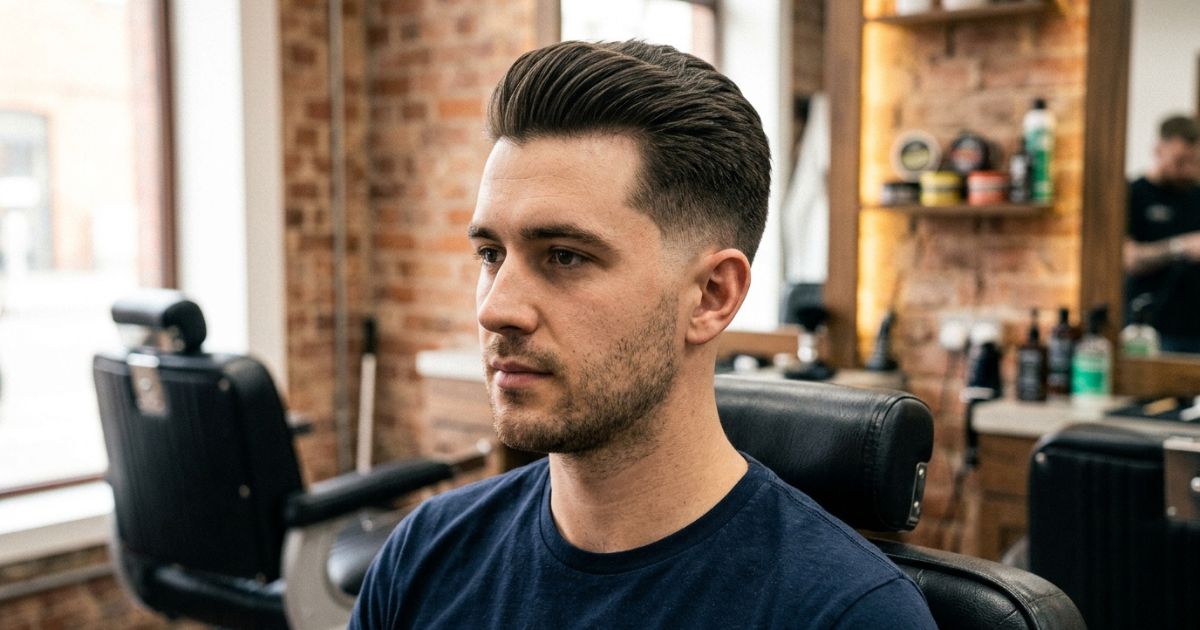
A mid taper begins around the temple, roughly halfway down the side of your head. It creates more contrast than a low taper but still feels balanced and wearable for daily life.
Guys with oval or square faces tend to like this option. It also plays well with wavy or curly hair, since the extra blend room gives those textures space to move.
Expect to visit the barber every two to three weeks. That’s a fair trade-off for a style that looks a little more current than a low taper.
High Taper
A high taper starts near the crown, well above the ears. The jump in length between the top and sides creates real drama. Whatever style sits on top, from a quiff to a textured crop, gets extra attention.
This cut favors diamond and heart-shaped faces, since it draws the eye upward and away from the jaw or cheeks. Fine hair also benefits, because the sharp taper makes it look thicker than it is.
High tapers need frequent touch-ups, usually every ten to fourteen days. Skip a visit, and the sharp lines soften fast.
Classic Taper (Gentleman’s Cut)

The classic taper never really left. It keeps things simple: longer on top, shorter at the edges, with a scissor-based blend instead of heavy clipper work. This cut dominated men’s style for decades.
Almost any face shape can wear it well. It works especially well for corporate settings, formal events, and guys who’d rather look timeless than trendy. Gray or salt-and-pepper hair looks great with this cut too.
You won’t need frequent trims here. A classic taper holds up for three to four weeks before it starts looking shaggy.
Temple Taper (Temp Fade)

A temple taper focuses the blend around your temples and sideburns. The back keeps more length, so the taper feels targeted rather than all-over. From the side, it creates a sharp, defined profile.
This style pairs nicely with a full beard, since the taper frames the face without competing with facial hair. Guys with oblong faces also do well here, since it adds width near the temples.
Plan on a touch-up every two to three weeks. That keeps the temple area crisp instead of growing shaggy and uneven.
Drop Taper
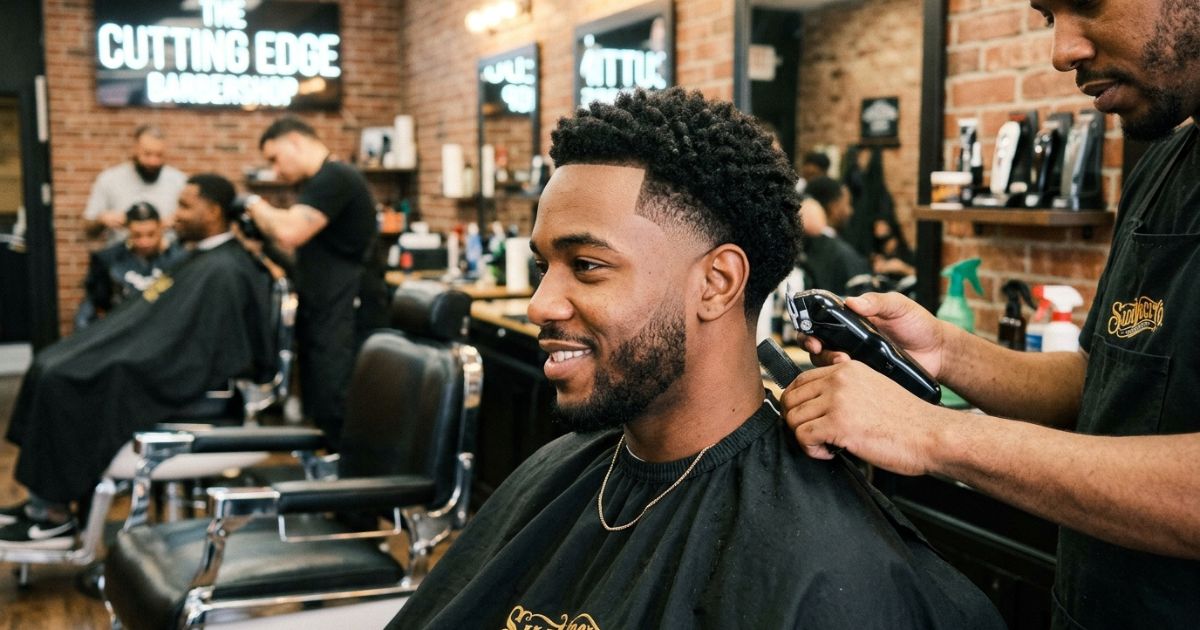
A drop taper curves downward behind the ears instead of running in a straight line. That small detail changes the whole shape of the cut, giving it a more natural, rounded look.
Round faces respond well to this curve, since it follows the head’s natural shape instead of fighting it. It’s also a favorite among guys who want something a little different from the usual straight taper.
Maintenance sits around every two to three weeks. The curved line grows out gracefully, so you’ve got some wiggle room between visits.
Military Taper (Regulation Cut)
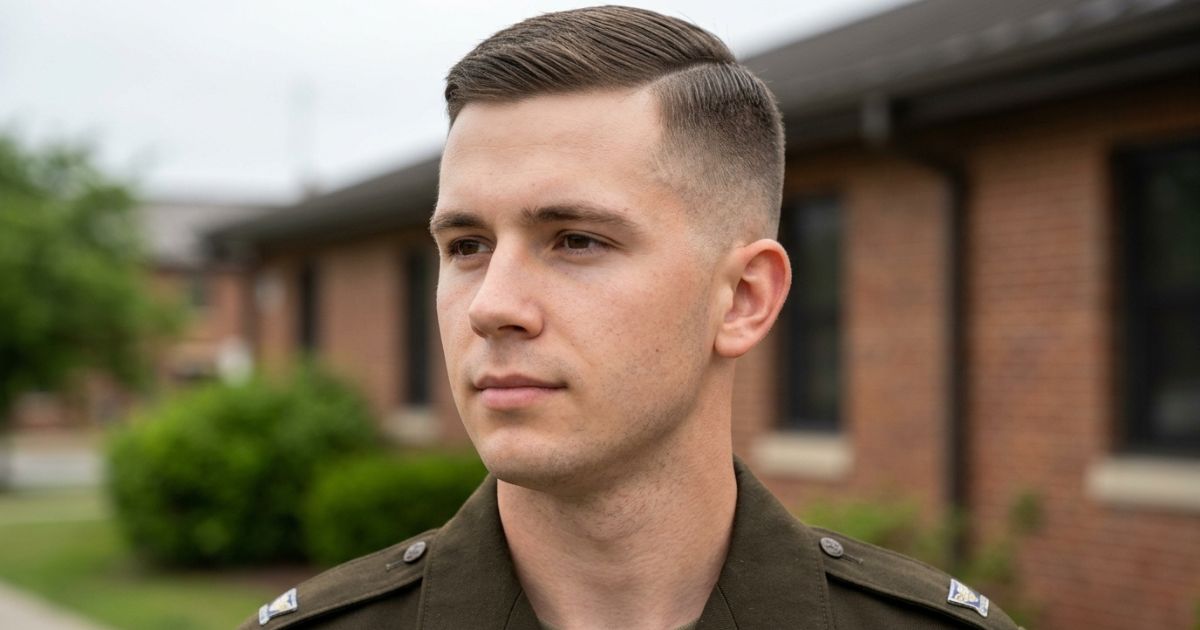
The military taper keeps things short and disciplined. Sides get trimmed extremely close, often with a #0 or #1 guard, while the top stays between one and two inches for easy care under a cap or helmet.
Active service members and athletes lean on this cut for good reason. It’s practical, low-fuss, and holds up under long days without needing a comb or product.
Because the sides sit so short, growth shows quickly. Weekly or biweekly trims keep the look sharp and regulation-ready.
Tapered Undercut
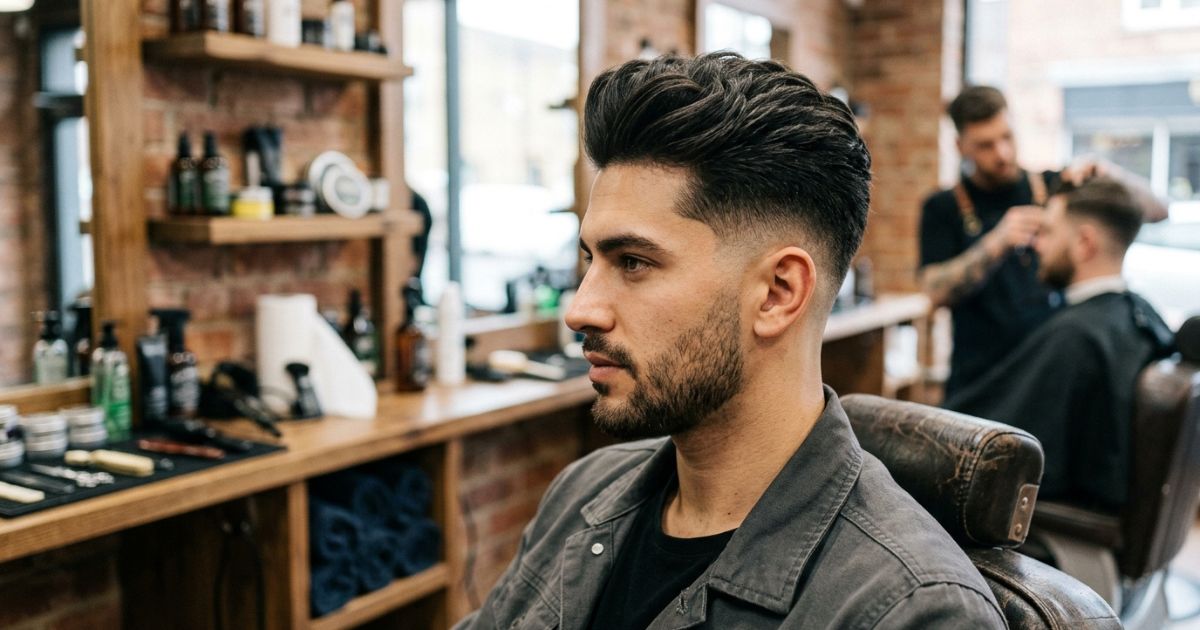
A tapered undercut softens the usual harsh undercut line. Instead of a sudden jump from long to short, the sides blend gradually while still keeping a big contrast with the top.
Thick hair works especially well here, since there’s plenty of length up top to style into bold shapes. Younger guys chasing a fashion-forward look tend to gravitate toward this cut too.
Expect a trim roughly every two weeks. The blend zone grows out faster than the rest, so it needs regular attention to stay clean.
Skin Taper

A skin taper pushes the fade almost down to bare skin, but only right at the bottom edge. Everything above that stays soft and gradual, so it keeps a taper’s subtlety while adding one sharp detail.
Guys with strong, defined features often choose this cut, since it highlights sharp jawlines and cheekbones. It also suits an athletic lifestyle, especially through warmer months when a cooler cut feels better.
Because the edge sits so close to the skin, weekly maintenance keeps it looking crisp instead of fuzzy.
Taper vs. Fade: The Definitive Comparison
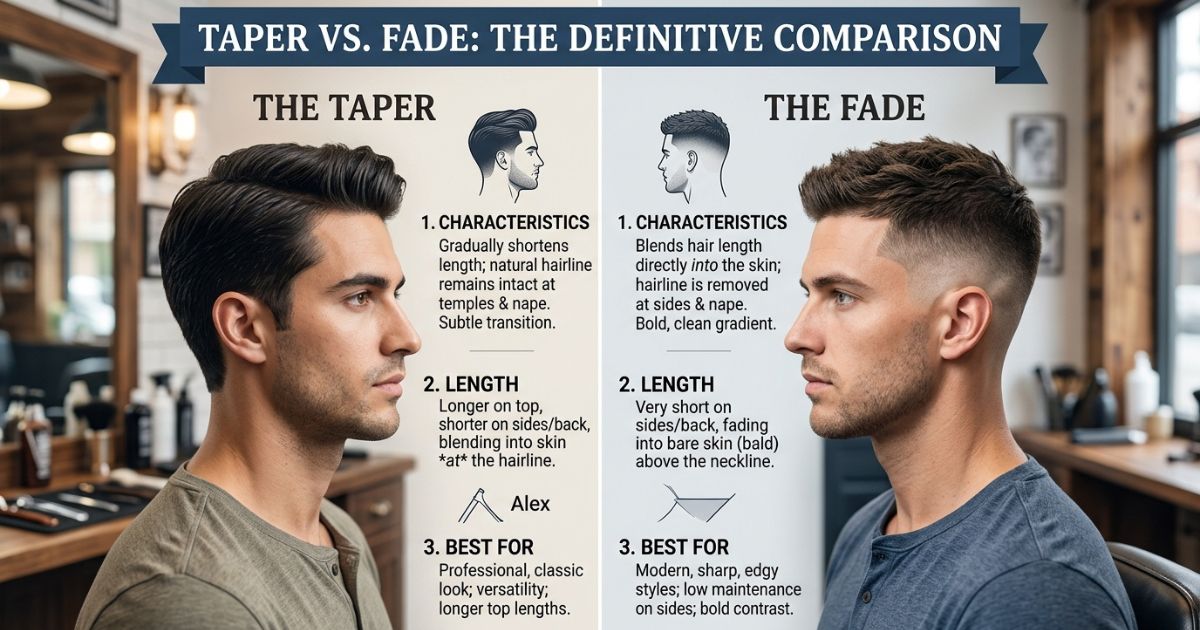
Tapers and fades often get lumped together, but they behave differently. A taper always leaves visible hair, even at the shortest point. A fade blends all the way down to skin.
| Feature | Taper | Fade |
| Hair At Bottom | Visible | Blends to skin |
| Starting Point | Lower, near ears | Anywhere on the head |
| Contrast Level | Gradual and subtle | Sharp and dramatic |
| Scalp Visible | Never | Yes, at the base |
| Maintenance | Every 3-4 weeks | Every 2-3 weeks |
A taper fade combines both worlds. The top keeps that gradual taper feel, while the bottom drops into a full fade. Plenty of guys, including well-known celebrities, wear this hybrid style today.
The Professional Barbering Technique: How Tapers Are Created

A good taper doesn’t happen by accident. It takes a steady hand, sharp tools, and a barber who understands how hair moves and grows. Rushing the process almost always shows up in the final result.
Most barbers rely on the same three-part system to get consistent results. Each step builds the cut in layers, starting with the outline and working inward toward the top of the head.
Once you understand this system, you’ll know exactly what your barber’s doing chair-side. That makes it easier to communicate what you want and catch mistakes before they happen.
The Three-Component System
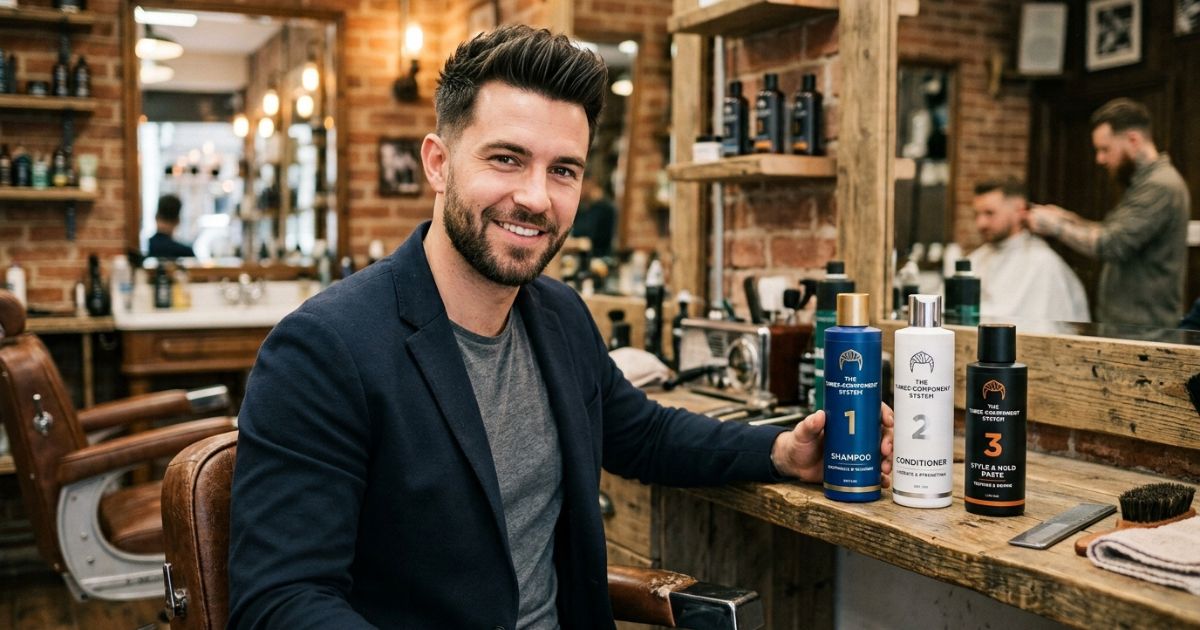
Edging comes first. This step defines the hairline, sideburns, and neckline using precision trimmers. It sets the frame that the rest of the haircut builds around, so accuracy here really matters.
Siding comes next. Barbers blend the sides and back using guard changes, clipper-over-comb work, and careful fading motions. A common trick involves working at a 45-degree angle for the smoothest possible transition.
Topping finishes the job. This step shapes the hair on top, connecting it smoothly to the tapered sides below. Point cutting and light layering add texture without piling on unnecessary bulk.
Understanding Clipper Guard Sizes

Clipper guards control exactly how much hair stays behind. Each number corresponds to a specific length, so your barber can repeat the same cut visit after visit without guessing.
| Guard | Length | Common Use |
| #0 | 1/16 inch | Skin taper edge |
| #1 | 1/8 inch | High taper bottom |
| #2 | 1/4 inch | Standard taper base |
| #3 | 3/8 inch | Mid-taper blend |
| #4 | 1/2 inch | Low taper start |
| #6 | 3/4 inch | Classic taper top |
Knowing these numbers helps you talk to your barber with more confidence. Instead of saying “shorter” or “longer,” you can point to an exact guard and get the length you actually want.
Learn more:Mid Taper Fade for Long Hair: 28 Styles + Expert Barber Guide
Neckline Shapes Explained
Your neckline shapes how the whole haircut finishes at the bottom. It’s a small detail, but it changes the overall look more than most guys expect.
A blocked neckline runs in a straight horizontal line. It adds a sense of width and works well on narrower necks that need a bit more visual weight.
A rounded neckline follows your natural hairline, which makes it the safest, most flattering choice for most guys. A tapered, pointed neckline narrows gradually and suits thicker necks looking for some elongation.
Complete Face Shape And Hair Type Guide

No single taper works for every face. Some styles add height, some add width, and some soften sharp angles. Picking the right one starts with knowing your face shape.
Hair type matters just as much. Straight, wavy, curly, and coily hair all behave differently under the same clippers, so the same taper can look completely different from one guy to the next.
The next few sections break both factors down. Match your face shape and hair type together, and you’ll walk into the barbershop with a clear, confident request.
Optimal Taper By Face Shape

Balance is the goal here, not a strict rulebook. Some faces need added height. Others need softer lines around the jaw. A good taper works with your features instead of against them.
Round faces usually benefit from more height, while square faces often look better with softer, lower tapers. Oval faces sit in the middle, since almost any taper style suits them well.
Heart-shaped and diamond faces need a bit more thought, since they carry width in different places. Read through the specific breakdowns below to find your exact match.
Round Face
Round faces benefit from added height and structure. A high taper or temple taper works well here, since it draws the eye upward and creates the illusion of a longer face.
Avoid low tapers if you’ve got a round face. They keep fullness around the widest point, which can make your face look even rounder than it already is.
The goal is simple: cut down on width, add a sense of length, and let the top do most of the visual work.
Square Face
A square face already carries strong, defined angles. The goal isn’t to add more edge, it’s to soften what’s already there. Low and classic tapers handle that job well.
High tapers can backfire on a square face. They tend to emphasize the jawline and cheekbones even more, which pushes the boxy look further instead of balancing it out.
Stick with a gentle blend around the sides, and let your natural bone structure do the talking without extra sharp contrast.
Oval Face
An oval face is about as balanced as it gets. Almost every taper style works here, from low and subtle to high and bold, without throwing your proportions off.
That freedom means you can focus on personal taste instead of corrective styling. Want something classic? Go for it. Craving a bold high taper? That works too.
Hair texture becomes the bigger factor for oval faces. Let your natural texture guide the final decision more than the shape of your face.
Heart-Shaped Face

Heart-shaped faces carry more width up top and taper down to a narrower chin. A mid taper or drop taper helps balance that out by keeping some volume through the middle of the head.
Skip very high tapers if this describes your face shape. They tend to draw more attention to the forehead, which can make the width up top feel even more pronounced.
The goal is even balance from top to bottom, not extra emphasis on the parts that already stand out.
Diamond Face Taper Haircut Guide
Diamond faces feature strong cheekbones with a narrower forehead and jaw. A high taper paired with some volume on top works well, since it shifts focus away from the middle of the face.
Mid tapers tend to work against this face shape. They sit right at the widest point of the face, which can make already prominent cheekbones look even sharper.
Adding height up top balances things out nicely, softening the diamond shape into something a bit more even.
Oblong / Long Face
Oblong faces run long, so the goal becomes adding width instead of length. A low taper handles this well, since it keeps more volume along the sides of the head.
High tapers work against this face shape. Cutting hair away from the sides removes width and draws even more attention upward, which stretches the face out further than it already appears.
Keep things fuller on the sides, and you’ll bring your proportions back into better balance.
Hair Type Optimization
Hair texture changes everything about how a taper looks day to day. The same cut can look sharp on one guy and messy on another, simply because their hair behaves differently.
Straight, wavy, curly, and coily hair each need their own approach, from the taper height you choose down to the products you use afterward. Skipping this step often leads to disappointment.
The sections below break down the best taper styles and care routines for each hair type. Find yours, and you’ll get a much better result at your next haircut.
Straight Hair (Type 1)
Straight hair shows off a taper’s clean lines better than any other texture. Every blend and edge stands out clearly, which makes precision even more important during the cut itself.
Low and mid tapers usually work best here. They keep hair from lying too flat against the head, which can otherwise create a stiff, helmet-like look that nobody wants.
A little texture powder or sea salt spray adds movement. Finish with matte clay, and you’ll get a natural look that never feels overdone.
Wavy Hair (Type 2A–2C)
Wavy hair brings built-in movement to almost any taper. Even a simple cut looks more dynamic once your natural waves start showing through, so you don’t need to work too hard to style it.
A drop taper pairs especially well with this texture, since its curved shape echoes the natural flow of the waves. Most other taper heights work fine too, depending on your preference.
Apply a lightweight cream to damp hair, then let it air-dry or scrunch it gently. That simple step brings out the wave pattern without weighing it down.
Curly Hair (Type 3A–3C)
Curly hair needs a taper that balances structure with volume. Mid and high tapers usually do the job well, cleaning up the sides while letting the curls on top take center stage.
A curl-defining cream applied to damp hair locks in moisture and cuts down on frizz. Air-drying, or diffusing on low heat, helps preserve your natural curl pattern through the day.
A temple taper adds a nice finishing touch here. It keeps the edges neat without stripping away any of the fullness your curls naturally bring.
Coily / Afro-Textured Hair (Type 4A–4C)
Coily and afro-textured hair works with a wide range of taper styles. A low taper preserves maximum volume, while a skin taper creates sharper, bolder contrast for guys who want a defined edge.
Hydration matters a lot with this hair type. A leave-in conditioner paired with a twist cream helps lock in moisture and keeps the texture looking healthy between wash days.
Clean edge work makes a big difference here too. Sharp, precise lines around the hairline pull the whole look together and make it read as intentional.
Styling Products And Techniques
The right product can make or break a taper haircut. Even a perfect cut looks flat without the correct finish, so this step deserves just as much attention as the haircut itself.
Different finishes suit different goals. Some guys want a natural, no-fuss look. Others want shine, hold, or extra volume. Your hair type and personal style should guide which direction you go.
The next sections walk through the main finish types, along with simple techniques to apply each one correctly and get the most out of your daily routine.
Product Selection By Desired Finish
Not every product works for every look. A pomade built for shine won’t give you the same result as a matte clay, even if you apply the same amount to your hair.
Think about the finish you actually want before you shop. Matte, shiny, flexible, and voluminous finishes all require different ingredients and different application methods to look right.
Once you know your target finish, picking the right product becomes a lot easier. The sections below break down each option in more detail.
Natural Matte Look
A matte finish suits guys who want an effortless, low-key style. Texture clay and matte paste both deliver definition without adding any shine, which works great for messy or textured looks.
Rub a small amount between your palms first. Then work it through dry hair, shaping as you go without pressing the volume flat against your head.
The result should look styled, but not overly done. That relaxed, natural finish is exactly what makes this option so popular.
Sleek Shine Finish
A sleek shine finish gives off a polished, formal look. Pomades, whether water-based or oil-based, create that smooth, glossy appearance often seen in slick-back and side-part styles.
Apply the product to slightly damp hair for the most even coverage. A comb helps set the direction and keeps every strand moving the same way.
This finish holds up well through a full day, making it a solid choice for work, events, or anywhere you need to look put together.
Flexible Hold
Flexible hold sits right between stiff and loose. Molding paste and styling cream both offer this middle ground, giving you room to reshape your hair throughout the day without much effort.
Work the product through towel-dried hair for even distribution. This keeps the finished look soft instead of heavy or overly structured.
It’s a great everyday option for guys who don’t want their hair to feel locked into one shape from morning to night.
Maximum Volume
Volume-focused products help fine or thin hair look fuller. Texture powder and volumizing mousse both work well applied at the roots before blow-drying, giving your hair some real lift.
This approach works especially well for pompadours and quiffs, where height plays a major role in the overall style. Building from the roots up makes a bigger visual difference than finishing products alone.
Focus your effort at the base of your hair first. Everything else falls into place once that foundation is set.
Daily Styling Routine (5–7 Minutes)
You don’t need a complicated routine to keep a taper looking sharp. A few focused steps, done consistently, go a lot further than piling on random products every morning.
The full process takes about five to seven minutes from start to finish. That’s a small time investment for a haircut that looks clean and put together all day long.
Follow the steps below in order. Each one builds on the last, so skipping around tends to leave you with uneven or flat-looking results.
Step 1: Preparation
Start with clean, towel-dried hair. Product goes on smoother when there’s no leftover buildup fighting against it from the day before.
If you plan on using heat, apply a protectant now. It’s a quick step, but it saves your hair from unnecessary damage down the road.
This small prep window sets up everything that follows, so don’t skip it even when you’re in a rush.
Step 2: Pre-Styling
Texture powder at the roots adds grip and lift before you do anything else. Sea salt spray works differently, giving hair a relaxed, beachy texture instead of firm structure.
Pick one based on the look you’re going for. Structure and softness pull in different directions, so it’s worth deciding early in the process.
Whichever you choose, this step lays the groundwork for how the rest of your style comes together.
Step 3: Blow-Drying (Optional)
Blow-drying isn’t required, but it gives you more control over the final shape. Medium heat protects your hair while still letting you direct it exactly where you want.
Lift the roots as you dry for extra volume. Aim the airflow toward the direction you want your hair to settle into.
This step takes a bit of practice, but it makes a noticeable difference once you get the hang of it.
Step 4: Product Application
Start small, a dime-sized amount usually covers the whole head. Warm it between your palms first, so it spreads evenly instead of clumping in one spot.
Work it through your hair from back to front. This keeps the front section from getting overloaded while the back stays underdone.
Going slow here pays off. It’s much easier to add more product than to fix a section that’s gotten too heavy.
Step 5: Finishing
Once the product’s worked through, shape your hair using your fingers or a brush, whichever gives you more control over the specific look you’re after.
Add a touch more product to any spot that needs extra detail, but don’t overdo it. A little goes a long way at this stage.
Finish with a light hairspray if you need extra hold. That last step locks everything in place without stiffening the overall texture.
2026 Trending Taper Styles
Taper haircuts keep evolving every year, and 2026 is no exception. The sides stay clean as always, but the top has become the real space for personal expression and creativity.
Guys aren’t just asking for a standard fade anymore. They’re mixing textures, blending taper heights, and requesting cuts that feel personalized instead of copied from a template.
The trends below capture where taper styles are headed this year. Bring one of these to your next barber visit, and you’ll walk out with something fresh.
Current Year Innovations
The Textured Taper pairs heavy texture on top with clean, tapered sides. It leans into natural movement rather than rigid styling, which makes it perfect for easy, everyday wear.
The Burst Taper Mullet keeps things short around the ears while leaving length at the back. Think clean sides up front with a fuller, looser finish behind. The Wave Taper, meanwhile, keeps natural waves defined on top while the sides stay tight, a favorite in streetwear-inspired looks.
The Sustainable Taper grows out cleanly over three to four weeks, cutting down on barber visits. The Hybrid Taper blends two or more taper heights into one seamless cut, giving guys a style that feels custom rather than off-the-shelf.
Common Mistakes And How To Avoid Them
Even a great haircut can go wrong afterward. Small mistakes in upkeep or communication often undo a barber’s hard work faster than you’d expect.
Most of these mistakes are easy to avoid once you know what to watch for. A little awareness goes a long way toward keeping your taper looking fresh between visits.
The list below covers the most common slip-ups guys make with a taper haircut, along with simple fixes for each one.
Mistake #1: Wrong Height Selection
Picking a taper height that clashes with your lifestyle leads to constant frustration. A high taper, for example, demands more upkeep than a busy schedule might allow.
Start conservative if you’re unsure. You can always go bolder later once you know how a taper fits into your routine.
Gradual changes give you room to adjust without committing to something you’ll regret in a couple weeks.
Mistake #2: Ignoring Growth Patterns
Cowlicks and swirls don’t disappear just because you ignore them. Fighting against your natural growth pattern usually leads to a style that never quite sits right.
Talk to your barber about these patterns before the cut starts. A good barber can work with them instead of against them.
This small conversation saves you from repeated bad-hair days down the road.
Mistake #3: Product Overload
Too much product weighs hair down fast, leaving it looking greasy instead of styled. It’s one of the most common styling mistakes out there.
Start with a pea-sized amount and build up slowly if you need more. It’s far easier to add product than to remove it once it’s in.
Less really is more when it comes to daily styling.
Mistake #4: DIY Neck Cleanup
Trimming your own neckline at home often leads to uneven lines. Worse, it can slowly raise your natural hairline over time without you realizing it.
Stick to cleaning up obvious stray hairs only. Leave the actual shaping work to a professional who can see the full picture.
A clean neckline makes a bigger difference to the finished look than most guys expect.
Mistake #5: Delayed Maintenance
Waiting too long between cuts lets a sharp taper lose its shape completely. By the time you notice, the style’s usually already looking messy.
Book your next appointment before you even leave the barbershop. That one habit keeps your schedule on track without extra effort.
Staying ahead of the growth cycle is a lot easier than trying to catch up after the fact.
Mistake #6: Poor Barber Communication
Vague requests lead to results that don’t match what you pictured. Saying “just a little off the top” leaves way too much room for interpretation.
Use specific terms instead, like taper height, guard number, or neckline style. Bring reference photos whenever possible to close any communication gap.
Clear communication turns a decent haircut into exactly the one you wanted.
Professional Tips From Master Barbers
A great taper doesn’t stop at the barber’s chair. How you maintain and style it afterward matters just as much as the cut itself.
These practical tips come straight from experienced barbers who’ve seen every styling mistake in the book. Follow them, and you’ll get more mileage out of every haircut.
A little extra care between visits keeps your taper looking sharp far longer than most guys expect.
FAQ’S
What is a taper haircut
A taper haircut blends hair gradually from long on top to short at the sides. It never exposes the scalp, just a smooth, natural fade.
How often should you get a taper haircut
Most guys need a touch-up every two to four weeks. Higher tapers grow out faster, so they need more frequent trims than lower ones.
Is a taper haircut good for thick hair
Yes, a taper haircut removes bulk without stripping length. Mid and high tapers work especially well, keeping thick hair manageable and easy to style daily.
Can a taper haircut work with curly hair
Absolutely. Curly hair pairs well with mid and high tapers, which clean up the sides while letting your natural curl pattern shine through on top.
What’s the difference between a taper haircut and a fade
A taper haircut always leaves visible hair, even at the shortest point. A fade blends completely down to bare skin instead.
Conclusion
This Taper Haircut Guide: Types, Techniques & Styling | 2026 covers everything you need. A taper haircut works for almost any face shape. It suits nearly every hair type too. You can go low, mid, or high with a taper haircut. Each style offers a different look and a different level of upkeep.
Choosing the right taper haircut comes down to your face, your hair, and your lifestyle. Talk to your barber. Use clear terms. Bring a photo if you can. A great taper haircut takes patience and the right care. Follow this guide, and your next taper haircut will turn out sharp and clean.