
Taper Fade Haircut for Men The taper fade haircut is one of the most popular and versatile hairstyles for men. It combines a clean, polished appearance with a modern touch, making it suitable for almost every age group, hair type, and personal style. Whether you prefer short hair, textured curls, straight hair, or a longer hairstyle on top, a taper fade can help you achieve a fresh and fashionable look.
One of the biggest advantages of a taper fade is its flexibility. You can keep the sides subtle and natural or choose a sharper, more noticeable finish around the temples and neckline. This haircut works well for casual outings, professional environments, parties, and special occasions.
What Is a Taper Fade Haircut?Taper Fade Haircut for Men
A taper fade haircut is a men’s hairstyle in which the hair gradually becomes shorter around specific areas, usually the temples, sideburns, and neckline. The hair on top generally remains longer, allowing you to create different looks according to your preferences.
The main feature of this haircut is the smooth transition between different hair lengths. Instead of having a uniform length across the entire head, the barber carefully blends the hair to create a clean and balanced finish.
A taper fade can be subtle or dramatic, depending on how high the fade begins and how short the hair becomes near the edges. Some versions emphasize natural hair texture, while others focus on sharp lines and a structured appearance.
Why Is the Taper Fade So Popular?
There are several reasons why men continue to choose taper fade haircuts:
- Versatility: It works with straight, wavy, curly, and coily hair.
- Clean appearance: Shorter edges create a neat and well-groomed finish.
- Easy styling: Many variations require only a small amount of styling product.
- Personalization: You can combine a taper fade with a quiff, pompadour, curls, or textured crop.
- Different occasions: It can look professional, casual, sporty, or fashionable.
The best taper fade depends on your hair texture, preferred length, face shape, and daily grooming routine.
Taper Fade vs. Traditional Fade
Although people sometimes use the terms interchangeably, a taper and a traditional fade are not always the same haircut.
A taper generally focuses on gradually shortening the hair around the temples and neckline while leaving more of the sides untouched. A traditional fade often blends the hair over a larger area of the sides and back, sometimes starting very close to the skin.
| Feature | Taper Fade | Traditional Fade |
| Main focus | Temples and neckline | Larger sections of the sides and back |
| Overall appearance | Subtle and natural | Can be more dramatic |
| Hair on the sides | Often retains more length | Frequently cut shorter over a wider area |
| Styling options | Classic and modern | Modern, bold, and sporty |
| Maintenance | Often easier to grow out naturally | Depends on the height and sharpness |
| Best for | Men who prefer a balanced look | Men who want stronger contrast |
Neither option is automatically better. Your choice should depend on the appearance you want and how much maintenance you prefer.
15 Best Taper Fade Haircuts for Men in 2026
1. Low Taper Fade
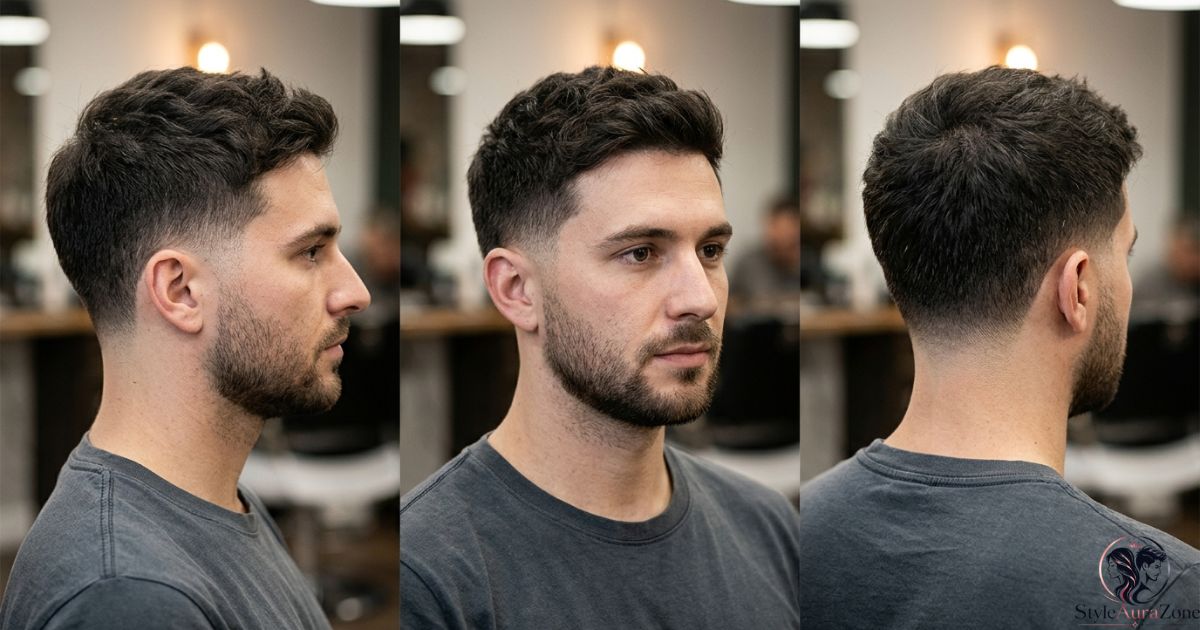
The low taper fade is an excellent choice for men who prefer a clean haircut without removing too much hair from the sides. The gradual shortening begins near the ears and neckline, creating a subtle and natural transition.
This style looks particularly good with short textured hair, side parts, comb-overs, and slightly longer hairstyles. It can also complement curly and wavy hair without making the sides look excessively short.
A low taper fade is suitable for professional settings because it maintains a neat appearance while allowing you to keep your preferred hairstyle on top.
Styling tip: Use a small amount of matte clay or lightweight cream to add texture without making the hair look greasy.
2. Mid Taper Fade
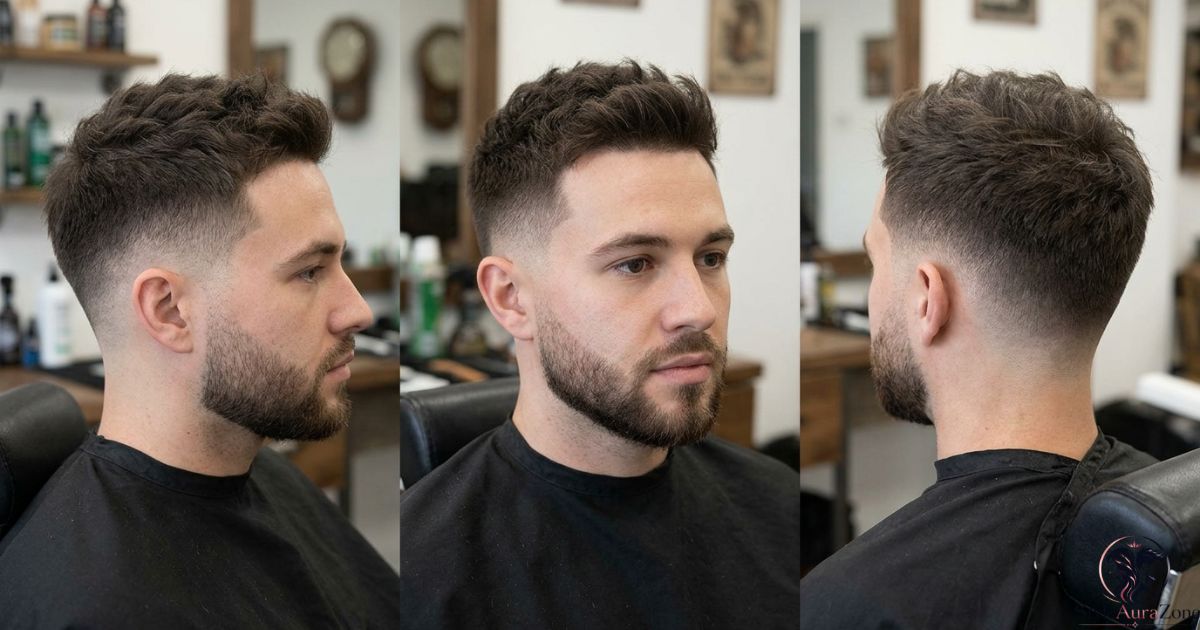
The mid taper fade offers a balance between a subtle low taper and a more noticeable high fade. The barber creates a gradual transition around the temples and side areas while maintaining a natural finish near the neckline.
This haircut is ideal for men who want a modern appearance without an extremely dramatic contrast. It works with textured crops, short quiffs, curls, and medium-length hair.
The mid taper fade can also help emphasize the shape of a hairstyle by keeping the edges neat and the top more prominent.
Styling tip: Ask your barber to blend the sides according to your hair density so the transition looks smooth rather than disconnected.
3. High Taper Fade
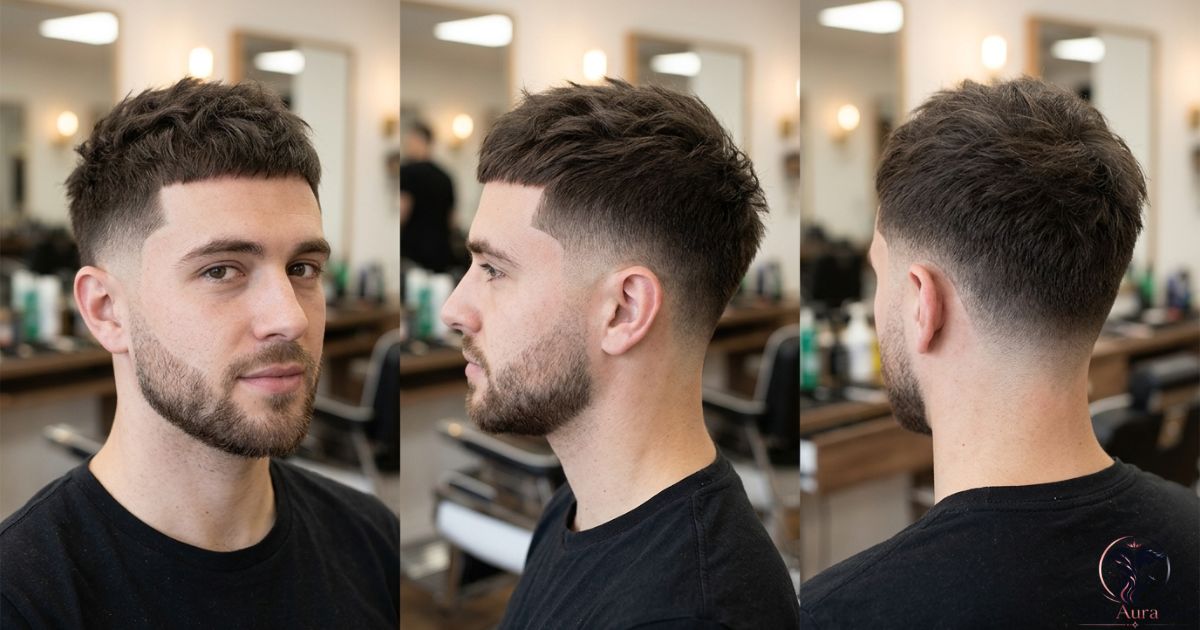
A high taper fade creates a more noticeable transition around the upper temple area. Compared with a low taper, it gives the haircut a sharper and more contemporary appearance.
This style is popular among men who prefer bold hairstyles, defined edges, and shorter sides. It can work especially well with textured tops, short curls, and modern cropped hairstyles.
However, a high taper may create more contrast than some men want. Discuss the exact starting point with your barber before cutting.
Styling tip: Keep the top textured or slightly lifted to create a balanced silhouette.
4. Skin Taper Fade
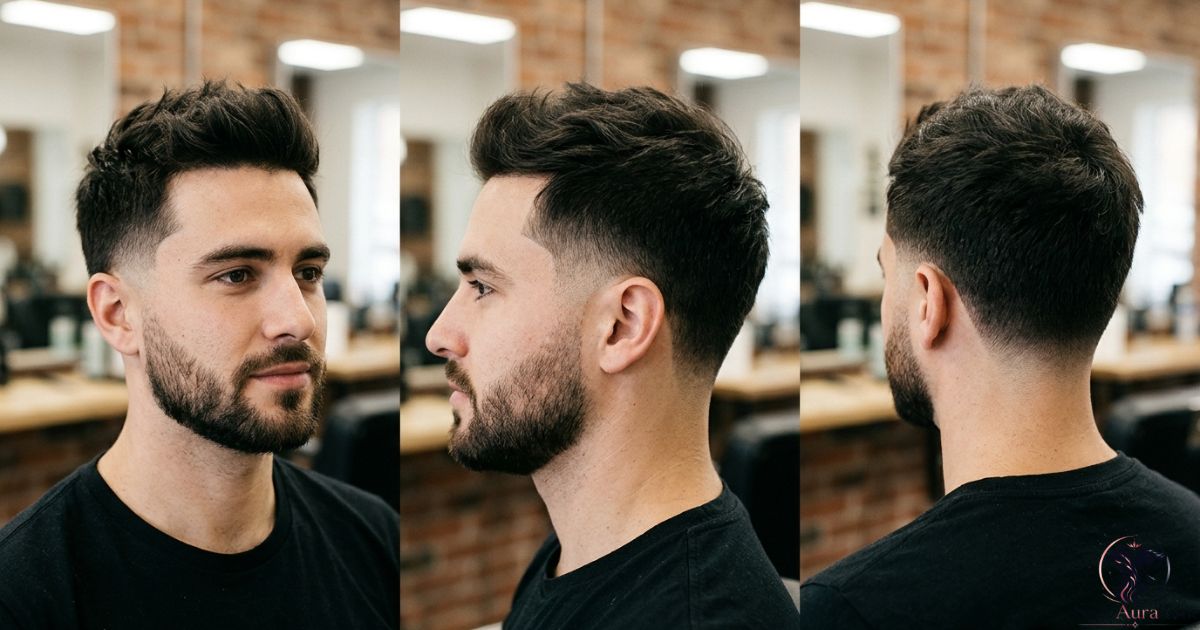
The skin taper fade gradually blends the hair down to bare skin around the designated areas, usually near the temples or neckline. This produces a particularly clean and sharp finish.
It differs from a standard taper because the shortest section reaches the skin. The rest of the haircut can remain relatively long, depending on the design.
Men who enjoy precise grooming often choose this option for its fresh appearance. However, skin-level sections may require more frequent touch-ups to maintain their sharpness.
Styling tip: Apply a lightweight styling cream to the top and keep the neckline clean between barber visits.
5. Taper Fade with Curly Hair
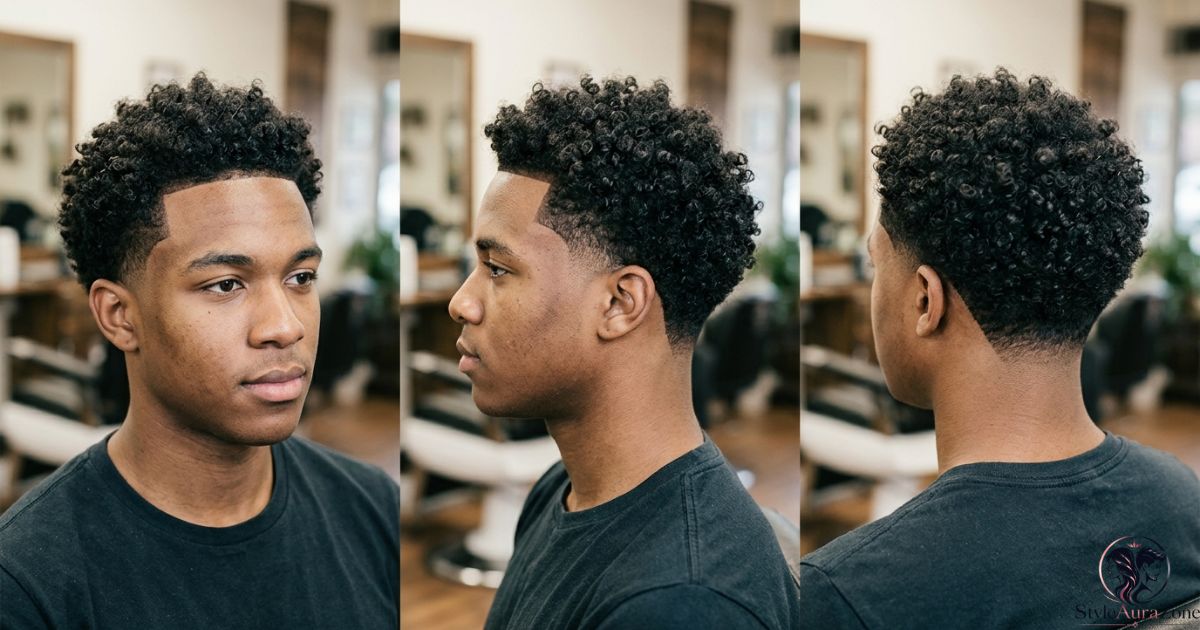
Curly hair and a taper fade make a versatile combination. The taper keeps the sides and neckline tidy while allowing the natural curls to remain the main feature of the haircut.
This style can be adapted to tight curls, loose curls, and different hair lengths. You can keep the top short for an easy routine or leave it longer to emphasize volume.
The key is preserving the natural curl pattern instead of cutting the top too short or removing unnecessary volume.
Styling tip: Use a curl cream or leave-in conditioner suitable for your hair type. Avoid excessive brushing when the hair is dry, as it may disrupt the curl pattern.
Read more:Middle Part Taper: 15 Stylish Haircuts for Men in 2026
6. Taper Fade with Wavy Hair
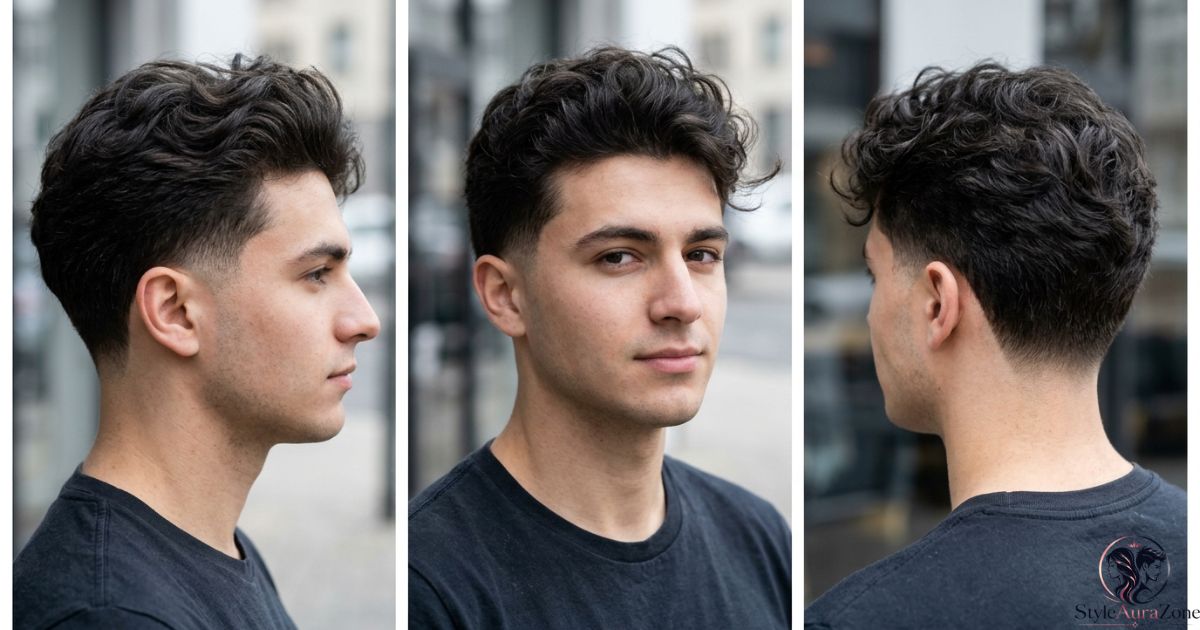
A taper fade with wavy hair provides a relaxed, textured appearance. The natural movement of the waves creates volume on top, while the shorter edges keep the haircut looking organized.
This style works well with medium-length waves, messy hairstyles, side-swept hair, and textured crops. It is particularly useful for men who want a fashionable look without making their hair appear overly structured.
The barber should preserve enough length on top for the waves to form naturally.
Styling tip: Apply a small amount of lightweight mousse or sea-salt spray to damp hair, then allow it to dry naturally or use a diffuser.
7. Taper Fade with Straight Hair
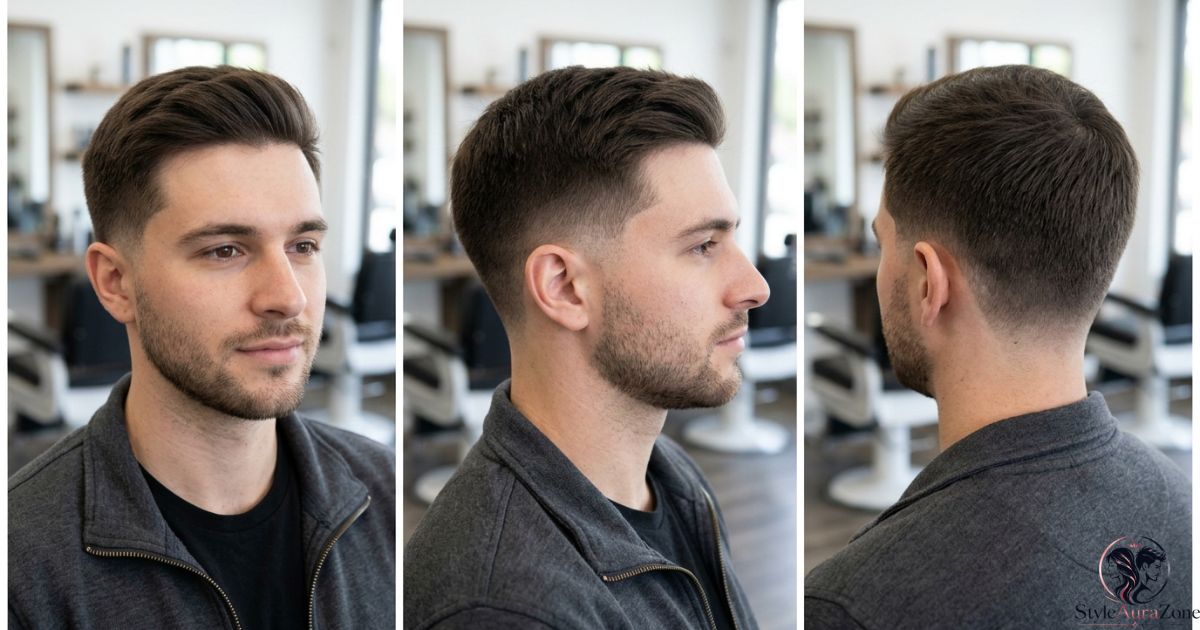
Straight hair can sometimes appear flat when cut at one uniform length. A taper fade adds definition around the edges while allowing you to style the top in several ways.
You can combine this haircut with a side part, comb-over, textured crop, or short quiff. Men with fine straight hair may prefer a shorter top because it can be easier to manage and may appear fuller.
The right haircut should complement your hair density rather than rely on excessive styling products.
Styling tip: Use a lightweight volumizing product and avoid heavy waxes if your hair becomes flat easily.
8. Taper Fade with a Textured Crop
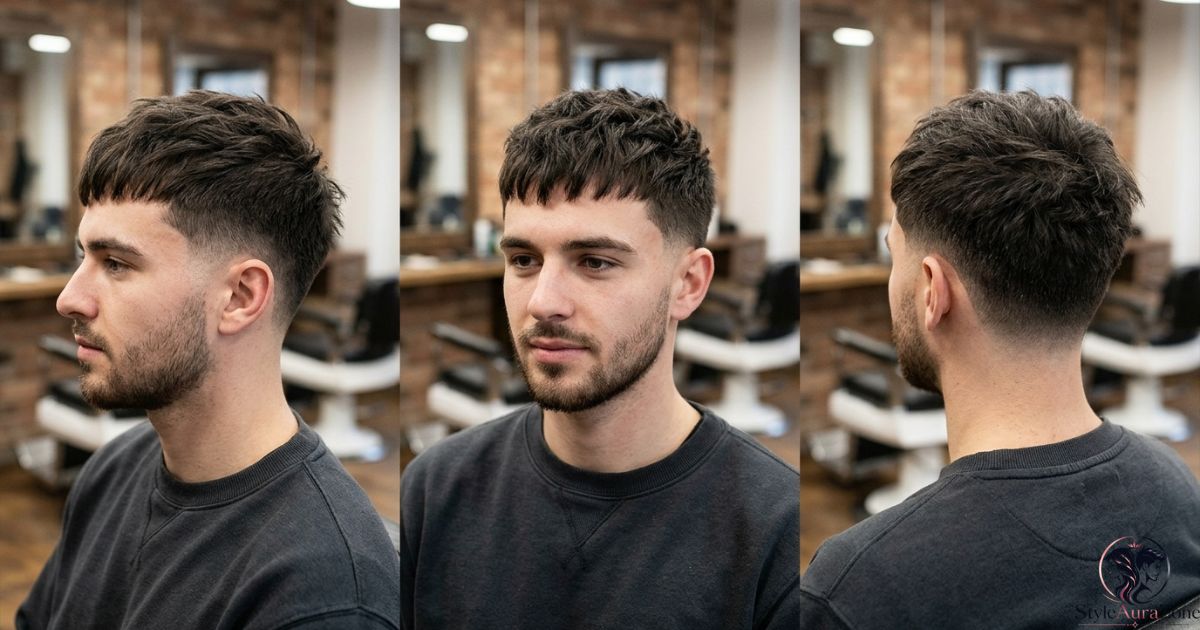
The textured crop combines a short, layered top with neatly tapered sides. It is a practical option for men who want a fashionable haircut that does not require extensive daily styling.
The top can be worn forward, slightly messy, or with a short fringe. Texture creates movement and helps the haircut look more natural.
This style can work with straight, wavy, and curly hair, although the layering technique should be adjusted to each hair type.
Styling tip: Rub a small amount of matte paste between your fingers and work it through the top to define individual sections.
9. Taper Fade with a Quiff
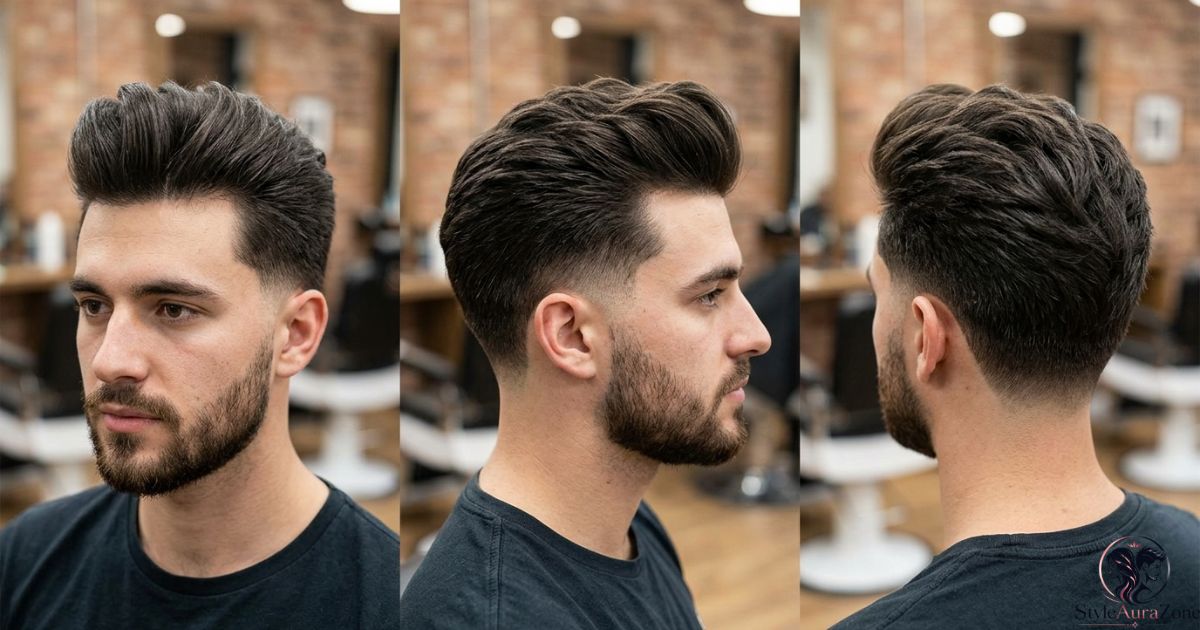
A quiff features hair lifted at the front and styled backward or slightly to one side. Pairing it with a taper fade creates a strong contrast between the fuller top and the clean edges.
This haircut is suitable for men who enjoy a polished, confident appearance. It can be styled neatly for formal occasions or worn with a relaxed texture for everyday activities.
The amount of lift depends on the length and density of your hair.
Styling tip: Blow-dry the front upward using a brush, then finish with a light-hold styling product.
10. Taper Fade with a Pompadour
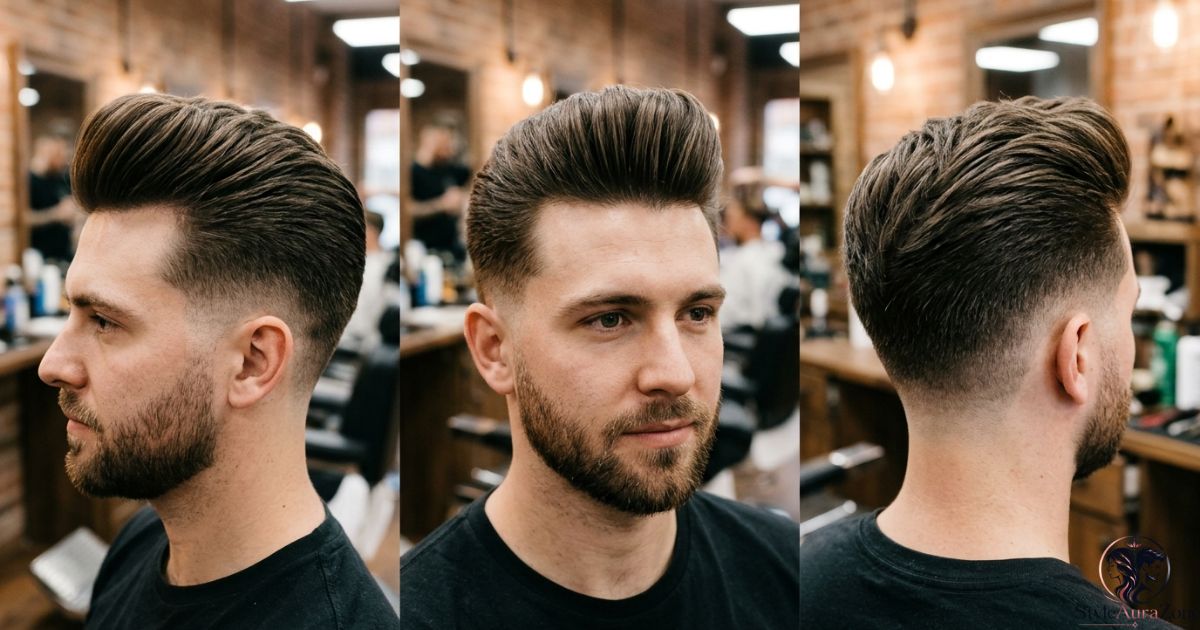
The pompadour features volume at the front, with the hair swept upward and backward. A taper fade helps keep the sides controlled while allowing the top to remain prominent.
This combination can look classic, modern, or bold depending on the length and finish. A shorter pompadour is often easier to maintain, while a longer version may require more styling time.
Men with sufficient hair density may find this style easier to shape, although suitable products can help different hair types achieve a softer variation.
Styling tip: Use a blow-dryer and a round brush to build volume, then apply a small amount of pomade or styling cream.
11. Taper Fade with a Side Part
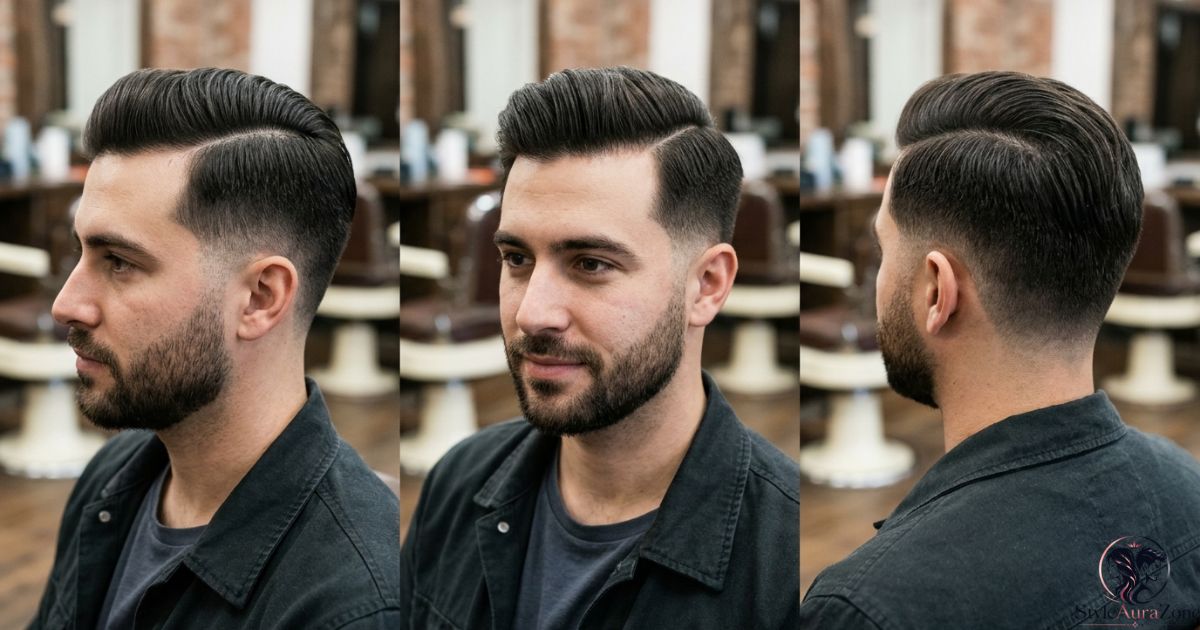
A side-part taper fade combines a traditional hairstyle with modern barbering techniques. The hair is divided to one side, creating a structured appearance while the tapered edges keep the overall look fresh.
It is a good choice for men who want a haircut suitable for business meetings, weddings, and everyday wear.
You can choose a natural side part or ask your barber for a defined parting line. A hard part creates a more noticeable line and may need extra maintenance.
Styling tip: Comb the hair in the direction of the part and use a medium-hold product for a controlled finish.
12. Taper Fade with a Crew Cut
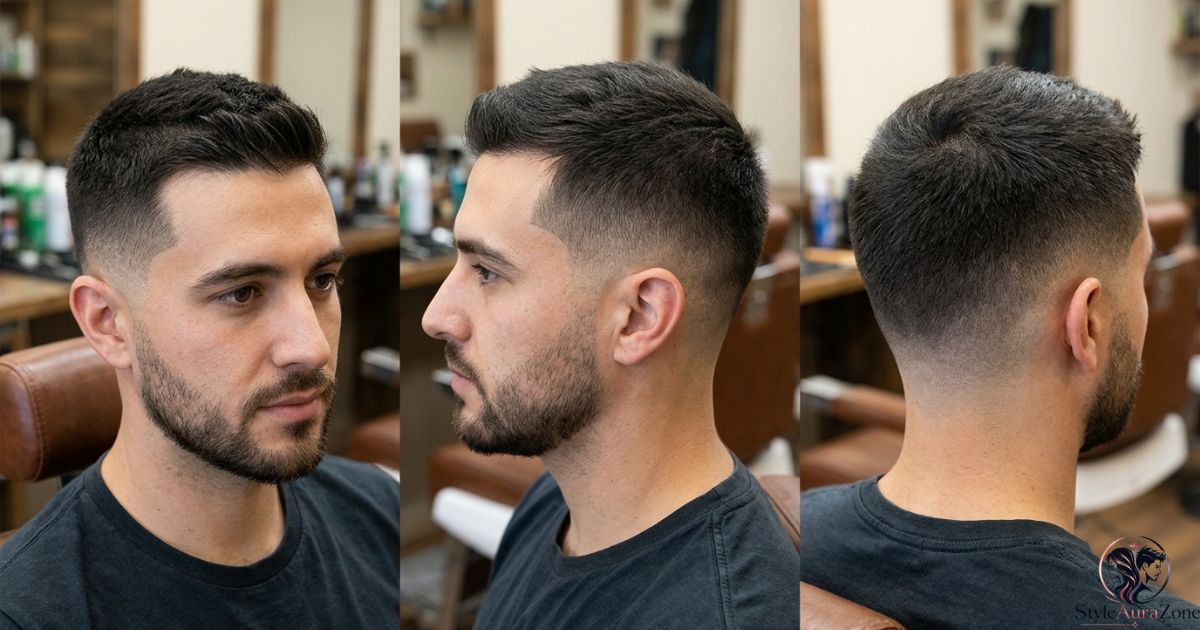
The crew cut is a short, practical hairstyle that works particularly well with tapered edges. The top remains relatively short, making it easy to manage without spending much time styling.
This option is suitable for active men, busy professionals, and anyone who prefers a simple grooming routine.
The length can vary slightly to suit your preferences. A textured top can provide a more contemporary appearance, while an even shorter version creates a traditional finish.
Styling tip: A small amount of matte product can add texture, but the haircut can also look good without styling products.
13. Taper Fade with Afro Hair
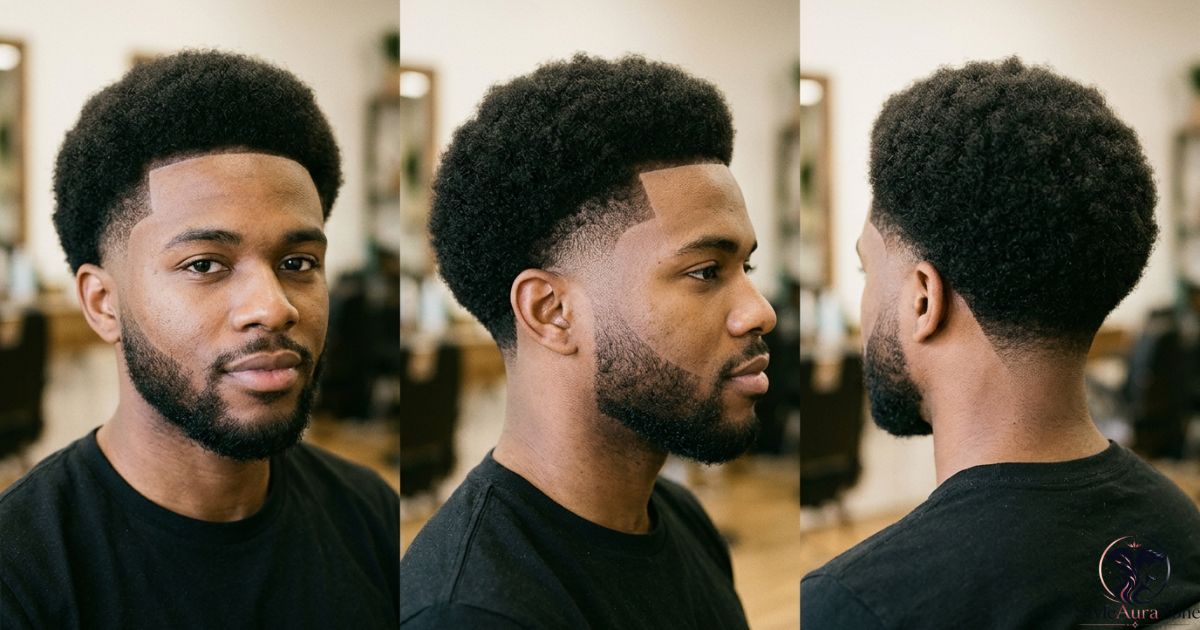
A taper fade with afro hair keeps the temples and neckline clean while preserving the natural volume and shape of the hair on top.
This hairstyle works with different afro lengths and can be customized with a rounded shape, a more angular silhouette, or carefully defined edges.
The goal is to create a balanced transition without unnecessarily reducing the natural fullness of the hair.
Styling tip: Use a suitable moisturizing product and a wide-tooth comb when needed. Ask your barber to maintain the natural shape of your afro.
14. Taper Fade with Dreadlocks
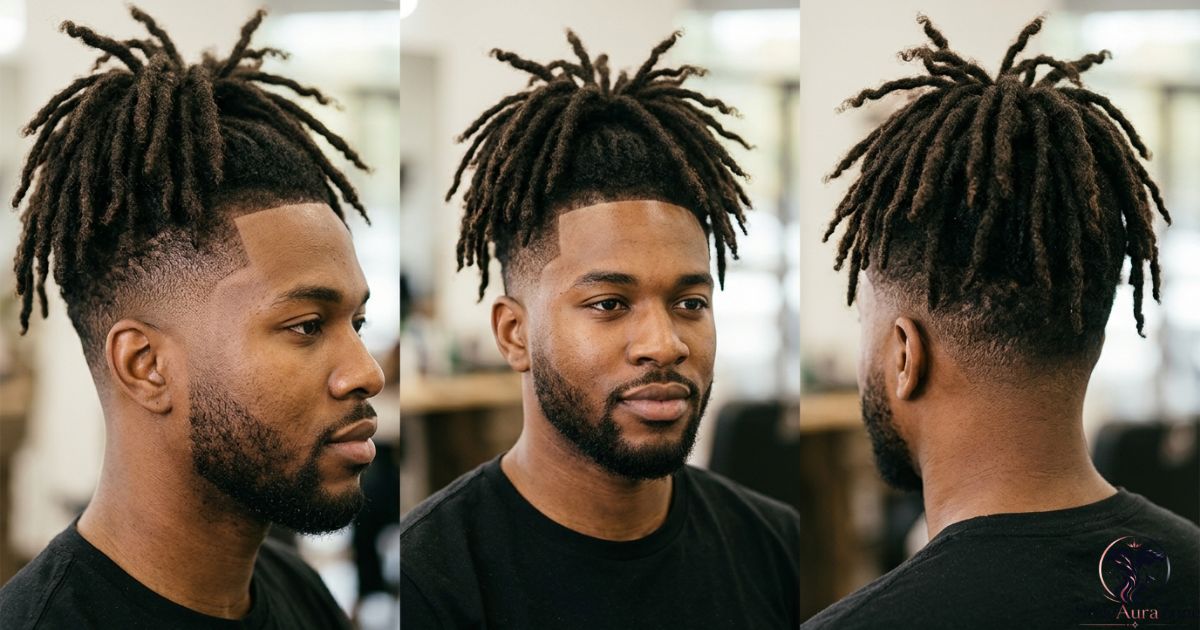
Dreadlocks can be paired with a taper fade to create a neat outline around the temples and neckline while keeping the locs as the main feature.
The locs can be short, medium, or long, depending on your preferred look. Some men wear them loose, while others tie them back or style them into a bun.
This combination creates a clear distinction between the clean edges and the longer locs.
Styling tip: Follow a consistent loc-care routine and keep the scalp clean. Avoid excessive tension when tying long locs back.
15. Taper Fade with a Slick Back
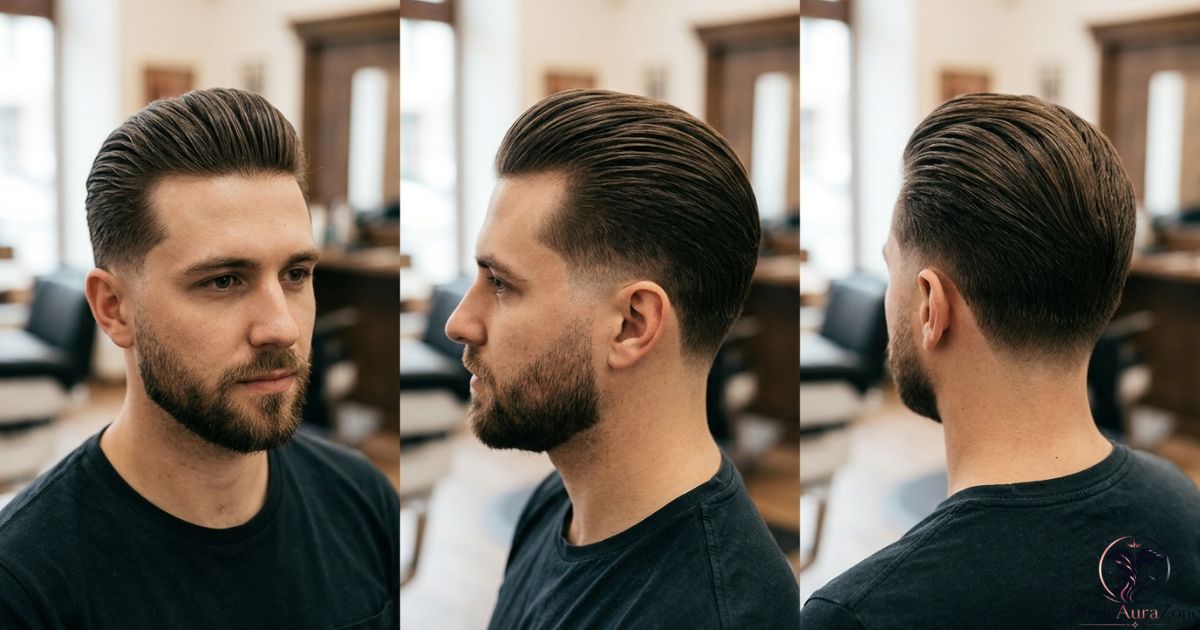
The slick-back taper fade combines longer hair on top with neatly tapered edges. The top is brushed backward to create a controlled, sophisticated appearance.
It can be styled with a natural finish or a more defined, glossy look. The ideal product depends on your hair texture and how much hold you need.
This haircut suits men who prefer medium-length hair and are comfortable spending a little time styling it.
Styling tip: Comb damp hair backward and use a suitable styling cream or pomade. Avoid applying too much product at the roots if your hair is fine.
Taper Fade Haircut Comparison Table
The following table makes it easier to compare common taper fade styles and choose one that suits your needs.
| Taper Fade Style | Best Hair Type | Overall Look | Styling Effort |
| Low Taper Fade | All hair types | Subtle and classic | Low |
| Mid Taper Fade | Straight, wavy, curly | Balanced and modern | Low to medium |
| High Taper Fade | Straight, curly, coily | Bold and sharp | Low to medium |
| Skin Taper Fade | Most hair types | Very clean edges | Low; frequent touch-ups |
| Curly Taper Fade | Curly and coily | Natural volume | Medium |
| Wavy Taper Fade | Wavy | Relaxed and textured | Low to medium |
| Straight Hair Taper | Straight | Neat and versatile | Low to medium |
| Textured Crop | Straight, wavy, curly | Modern and casual | Low |
| Quiff Taper Fade | Straight, wavy | Voluminous | Medium |
| Pompadour Taper Fade | Straight, wavy | Classic and polished | Medium to high |
| Side-Part Taper | Straight, wavy | Professional | Low to medium |
| Crew Cut Taper | Most hair types | Simple and practical | Very low |
| Afro Taper Fade | Coily and afro-textured | Full and defined | Medium |
| Dreadlock Taper | Locs | Distinctive and clean | Depends on loc length |
| Slick-Back Taper | Straight, wavy | Sophisticated | Medium |
These styling-effort levels are general estimates. Your actual routine will depend on hair length, density, texture, and the products you use.
How to Choose the Best Taper Fade for Your Face Shape
Choosing a taper fade is not only about following trends. Your face shape, hairline, and natural hair growth can help determine which variation looks most balanced.
Oval Face Shape
Men with oval faces can usually experiment with a wide range of taper fade hairstyles. A low or mid taper paired with a quiff, textured crop, or side part can work particularly well.
Try to choose a top length that complements your features instead of making the overall shape unnecessarily tall.
Round Face Shape
A little extra height or texture on top can create a more elongated appearance. A mid taper fade with a quiff or textured top is one option to consider.
You do not need an extremely high fade to achieve a balanced look. The top length and overall proportions are equally important.
Square Face Shape
Square faces often have a strong jawline and relatively angular features. A low taper, crew cut, or textured hairstyle can complement this structure.
A clean neckline and carefully blended sides can help the haircut look polished without creating too much contrast.
Long Face Shape
Men with longer faces may prefer moderate height on top rather than an extremely tall pompadour. A low taper with a side part or textured fringe can provide a balanced appearance.
Discuss the top length with your barber so the final haircut suits your proportions.
Diamond Face Shape
A diamond-shaped face often has prominent cheekbones and a narrower forehead and chin. A textured crop or medium-length style with a subtle taper can help create a balanced appearance.
The most suitable option depends on your hairline, preferred length, and personal style.
Remember that face-shape recommendations are general guidelines, not strict rules. Your preferences matter more than following a particular category.
How to Ask Your Barber for a Taper Fade
A clear explanation helps your barber understand the exact haircut you want. Since taper fades come in several variations, simply asking for a fade may not be enough.
Follow these steps:
- Choose the taper height: Decide whether you prefer a low, mid, or high taper.
- Explain the finish: Tell your barber whether you want a natural blend or a skin-level finish.
- Describe the top: Specify whether you want curls, a quiff, a crop, a side part, or another style.
- Discuss the neckline: Explain whether you prefer a natural neckline, a tapered neckline, or a sharper outline.
- Show a reference photo: A clear image is often more helpful than hairstyle terminology alone.
- Discuss maintenance: Tell your barber how frequently you can return for a trim.
You can use this simple request:
“I want a low taper fade with a natural blend around the temples and neckline. Please keep enough length on top for texture and make sure the sides blend smoothly.”
Change the height and top style according to your preferences. A reference photograph can help avoid confusion about the exact result.
How to Maintain a Taper Fade Haircut
A well-maintained taper fade looks cleaner for longer and helps the hairstyle retain its original shape.
Get Regular Trims
The edges of a taper fade gradually become less defined as the hair grows. Many men schedule a trim every two to four weeks, depending on the desired sharpness and speed of hair growth.
A subtle taper can grow out more naturally, while a skin taper may need more frequent touch-ups.
Use Suitable Hair Products
Choose products based on your hair type and the finish you want.
- Matte clay or paste works well for textured hairstyles.
- Curl cream can help define curls.
- Lightweight mousse can support volume in wavy hair.
- Pomade or styling cream can help control a slick-back or side part.
- Leave-in conditioner can help manage dryness in suitable hair types.
Start with a small amount of product and add more only when necessary.
Keep Your Scalp Clean
Wash your hair according to your scalp’s needs and the products you use. If your hair is dry or curly, you may benefit from a routine that avoids excessive washing and supports moisture retention.
Choose shampoo and conditioner suitable for your hair type.
Avoid Uneven Home Trimming
It may be tempting to clean up the sides yourself, but taper fades require careful blending. Trimming too high can change the shape of the haircut and make it difficult to correct without shortening the surrounding hair.
If you want to preserve the original design, let a barber handle detailed blending.
Common Taper Fade Mistakes to Avoid
Even a popular haircut can disappoint when the proportions or finish are not right for your needs.
Choosing the wrong taper height:
A high taper creates more contrast than a low taper. Discuss your preferred look before the barber begins.
Removing too much length from the top: I
f you want a quiff, curls, or a slick-back style, make sure enough length remains for styling.
Ignoring natural hair texture:
Straight, wavy, curly, and coily hair respond differently to cutting techniques. Your barber should adapt the haircut accordingly.
Expecting every reference photo to look identical:
Hair density, growth patterns, hairlines, and head shapes influence the final result.
Using too much styling product:
Heavy products may weigh down fine hair or make the scalp look greasy. Start with a small amount.
Waiting too long between trims:
If you prefer sharp edges, regular maintenance helps preserve the clean appearance of the taper.
Is a Taper Fade Good for Every Hair Type?
A taper fade is adaptable enough to suit many hair types, but the best version varies from person to person.
Straight Hair
Straight hair works well with side parts, slick backs, crew cuts, and textured crops. Layering can help create movement when the hair naturally lies flat.
Wavy Hair
Wavy hair pairs well with low and mid tapers because the natural movement on top contrasts with the shorter edges. Lightweight products can help maintain texture.
Curly Hair
A taper fade can preserve the fullness of curls while keeping the sides tidy. The barber should account for shrinkage and the natural curl pattern when deciding how much length to remove.
Coily and Afro-Textured Hair
Taper fades can frame afro hairstyles, short coils, and other natural textures. Moisture, shape retention, and careful edge work are important considerations.
Fine or Thinning Hair
Men with fine or thinning hair can consider shorter textured styles and subtle tapers. A suitable cut may make the hair appear more balanced, but no haircut can reverse hair loss.
How Much Maintenance Does a Taper Fade Need?
Maintenance depends on the exact style, hair growth, and how sharp you want the edges to remain.
A low taper generally offers a softer grow-out, while a skin taper may require more frequent barber visits to preserve the contrast. Longer styles such as pompadours and slick backs also require more time for daily styling.
If you prefer a low-maintenance routine, consider a crew cut with a low taper or a short textured crop. If you enjoy styling your hair, a quiff or pompadour may be worth the additional effort.
You should also consider your budget and access to a barber when selecting a haircut.
FAQ’S
What Is the Most Popular Taper Fade for Men?
Low and mid taper fades are popular choices because they offer a clean appearance without removing too much hair from the sides. However, the best option depends on personal preference, hair texture, and the hairstyle on top.
How Long Does a Taper Fade Last?
A taper fade can look neat for several weeks, but its sharpness gradually decreases as the hair grows. Many men get a trim every two to four weeks, while skin fades may require more frequent maintenance.
Is a Taper Fade Better Than a Regular Fade?
Neither haircut is universally better. A taper usually focuses on the temples and neckline, while a regular fade may extend farther across the sides and back. Choose according to the amount of contrast you want.
Can I Get a Taper Fade with Long Hair?
Yes. A taper fade can be paired with medium or long hair on top. Popular combinations include slick backs, textured waves, curls, and longer locs.
Does a Taper Fade Suit Curly Hair?
Yes. A taper fade can keep the edges neat while preserving the natural volume and texture of curly hair. Ask your barber to account for curl shrinkage and your preferred top length.
Conclusion
The taper fade haircut remains a versatile choice for men who want a clean, modern, and adaptable hairstyle in 2026. From a subtle low taper to a sharper skin taper, there are options for different hair textures, face shapes, and grooming preferences.
A low taper is a strong choice for men who prefer a natural appearance, while a mid or high taper can provide more contrast. Curly, wavy, straight, and afro-textured hair can all work with this haircut when the barber uses the right technique.