
A mid fade sits right in the sweet spot of men’s barbering. It starts near the temples, shrinks the sides and back gradually, and leaves enough hair up top to style however you like. That balance explains why barbers cut it more than almost anything else on the menu.
This guide walks through 33 mid fade haircut variations, from sharp side parts to broccoli curls. You’ll also find fade comparisons, texture-based picks, barber-ready phrases, upkeep timelines, and styling routines. By the end, you can walk confidently into any shop and describe the exact cut you want.
What Is A Mid Fade?
A mid fade is a haircut where the sides and back taper from longer hair to very short hair (or bare skin), with the transition beginning around the temple line. Some shops call it a medium fade. It shows more contrast than a low fade but less drama than a high one.
Why the Starting Position Matters
Where the fade begins controls the whole personality of the cut. Start it low, and the change stays subtle. Start it high, and the contrast turns bold. Starting at the temples shifts how much width remains around the ears, which changes how your face is framed. Moving the line is a design decision, not just a shorter trim.
The Most Requested Barbershop Cut
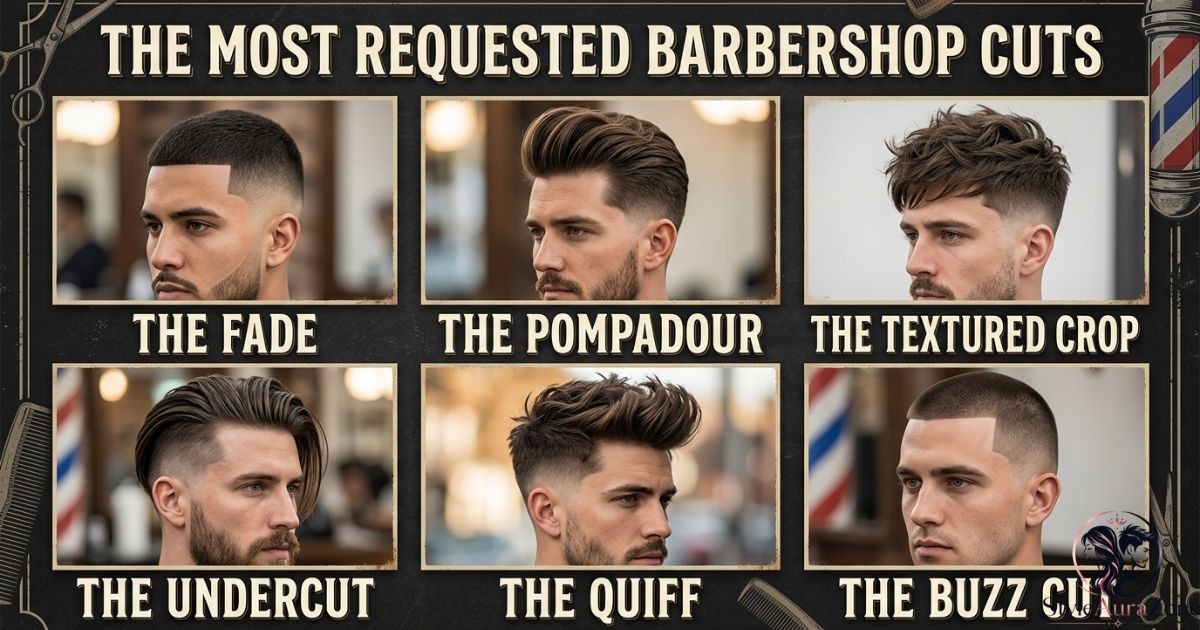
Ask around any busy shop, and the mid fade tends to top the order list. It looks clean enough for client meetings yet modern enough for weekends. The reason is flexibility. The fade handles the sides, while the top carries the mood, whether that means a slick back, curls, a crop, or a quiff.
Who A Mid Fade Works Best For
Most men can wear one. Thick, wavy, or curly hair benefits because the fade removes bulk around the ears and makes the top easier to manage. Straight hair gains a fresher edge on classic cuts. Fine hair appears fuller against tight sides. Barbers still adjust the exact height to your head shape and face length.
Popular Mid Fade Haircuts
Side Part with Mid Fade
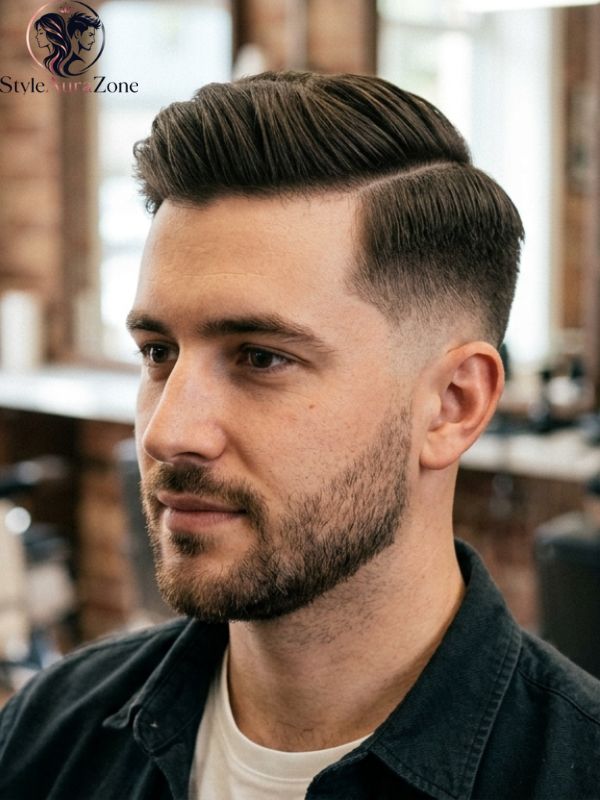
Think of this as the haircut that never gets a bad review. A neat side part rests on top while the mid fade trims the sides cleanly below. Part along your natural fall line for easy mornings, or request a shaved part line for extra definition. Pomade and a fine comb finish the job in two minutes.
Long Curly Hair with Mid Skin Fade
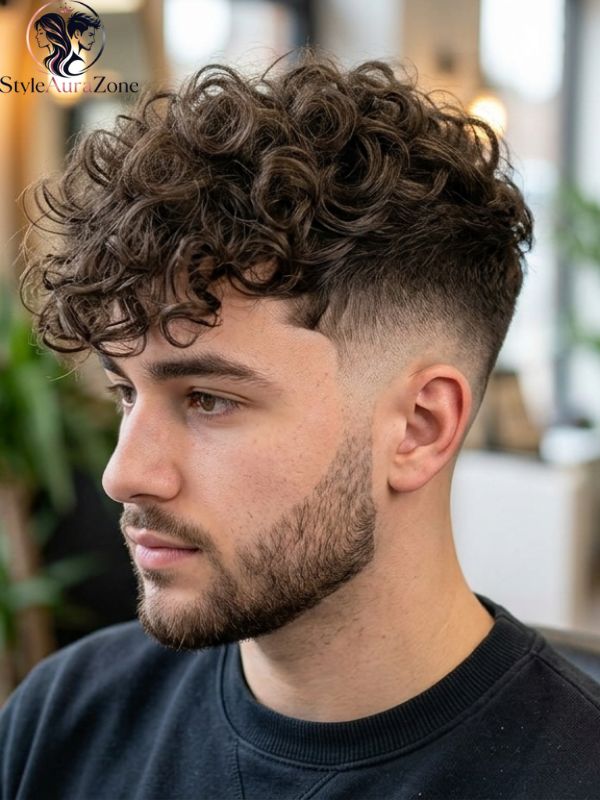
Long curls and bare-skin sides make a bold pairing. The fade removes bulk around the ears, so your curls stand out instead of ballooning outward. Apply curl cream to wet hair, then diffuse on low heat to keep frizz down. Because the top grows slowly, only the fade needs frequent attention.
Mid Drop Fade
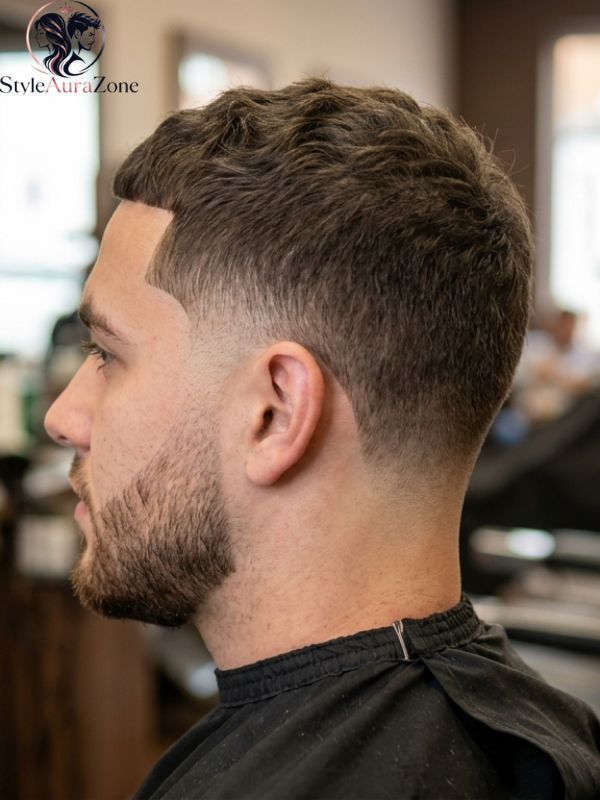
A mid drop fade arcs behind the ear and dips toward the neckline, tracing the natural curve of the skull. That sweeping line flatters nearly any top, including crops, pompadours, and spikes. Matte paste adds texture without shine. Ask for the drop to sit just below the ear so the curve is clearly visible.
Mid Skin Fade
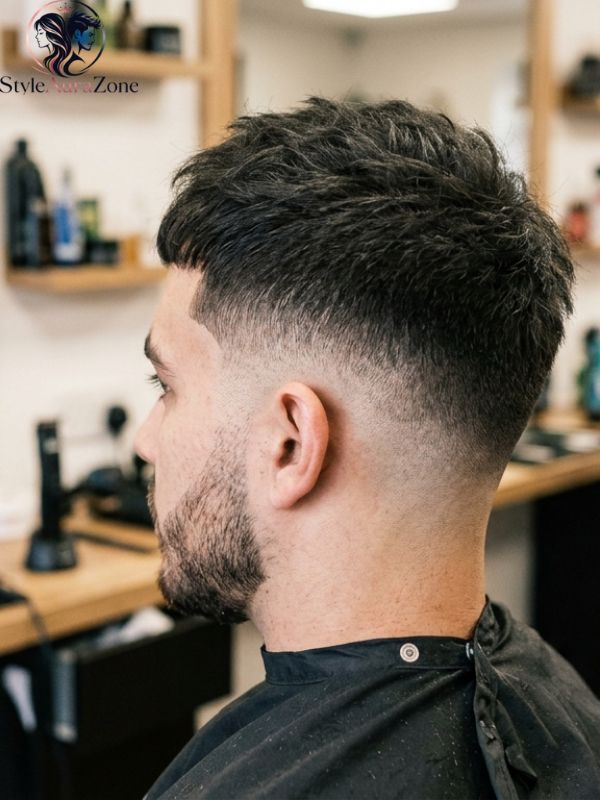
Here the sides melt down to bare skin, which creates the sharpest contrast available at this height. A foil shaver at the bottom gives that glassy finish. Expect a crisp look for roughly the first ten days. A weekly clarifying wash keeps product residue from dulling the hair on top.
Short Mohawk with Mid Fade
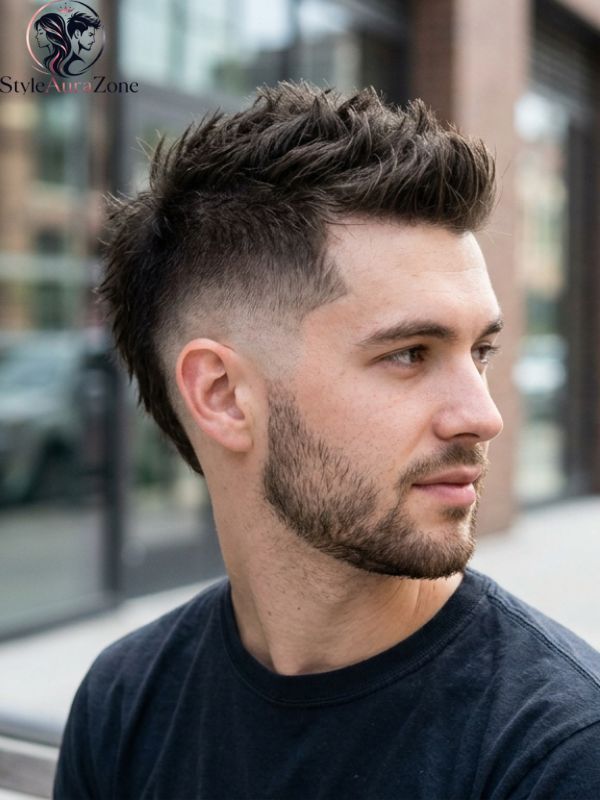
Want the mohawk attitude without the commitment? Keep the center strip short, maybe an inch or so, and let the mid fade frame it on both sides. The result looks edgy but still office-adjacent. Rub in strong-hold clay for upright texture, or finger-comb it loose for a relaxed version.
Textured Crop with Skin Fade
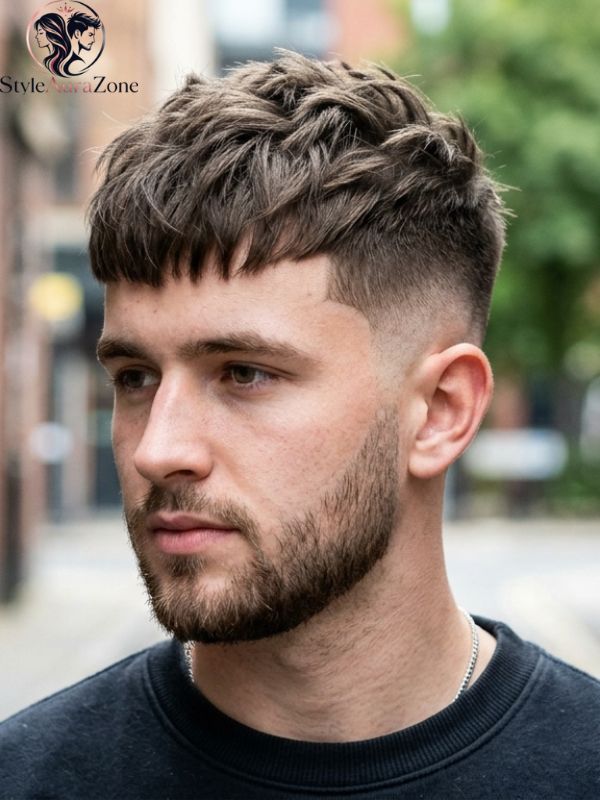
Choppy layers on top and smooth skin on the sides give this crop plenty of personality. Barbers point-cut the top to build movement, then blend the sides tight. Work a pea-size amount of matte clay through damp hair and push it forward. It suits busy guys because styling takes under a minute.
Modern Side Part with Mid Skin Fade
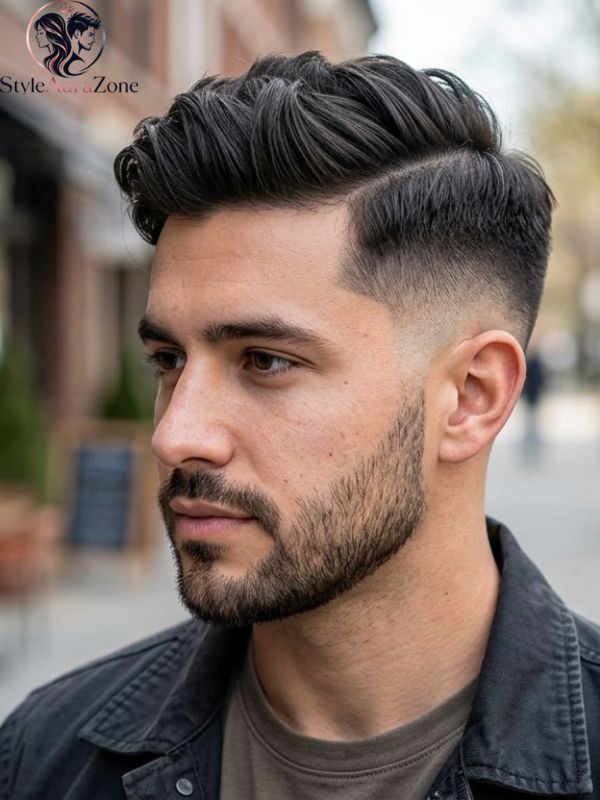
Precision defines this one. A deliberate part separates the top, and the sides drop to skin for a sleek, high-contrast finish. Comb it flat for boardroom polish or lift the front with a round brush and blow dryer. Straight and slightly wavy hair holds this shape best. Light pomade controls shine.
Mid Fade with Design
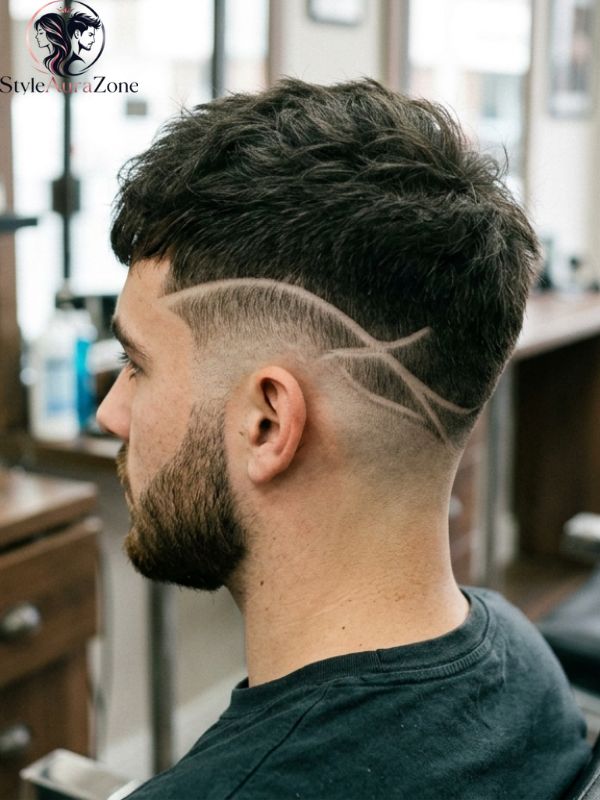
Shaved patterns turn a regular fade into a signature. Lines, curves, and small geometric shapes all work, and the clean skin canvas makes them pop. Ask your barber to outline the design with a trimmer or razor. Because the artwork blurs as hair regrows, book a refresh every two weeks to keep edges crisp.
Mid Temp Fade
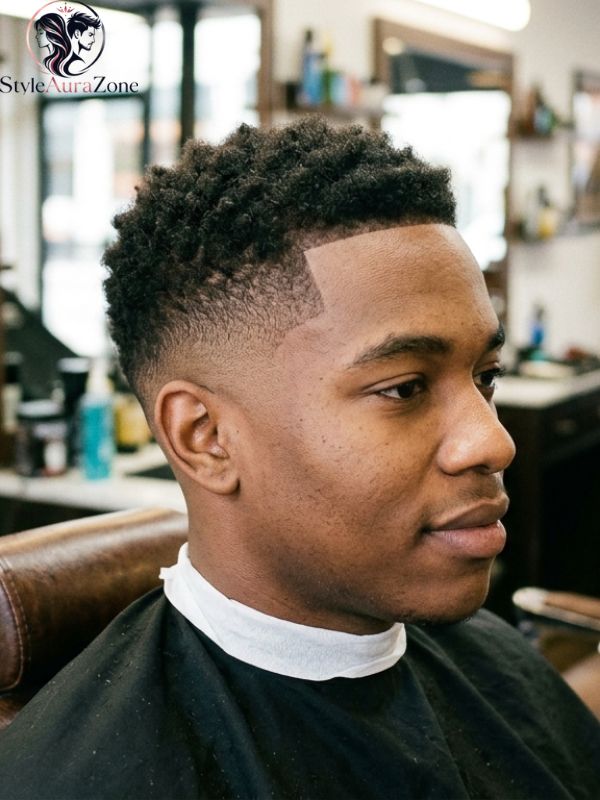
The temp fade focuses on the temples and the area around the ears, so the back stays mostly natural. It sharpens facial structure without changing the overall silhouette much. Buzz cuts, curls, and textured tops all pair well, especially with a full beard. Define curls with leave-in cream, or use matte clay on straighter textures.
High Volume Brush Back with Mid Skin Fade and Beard
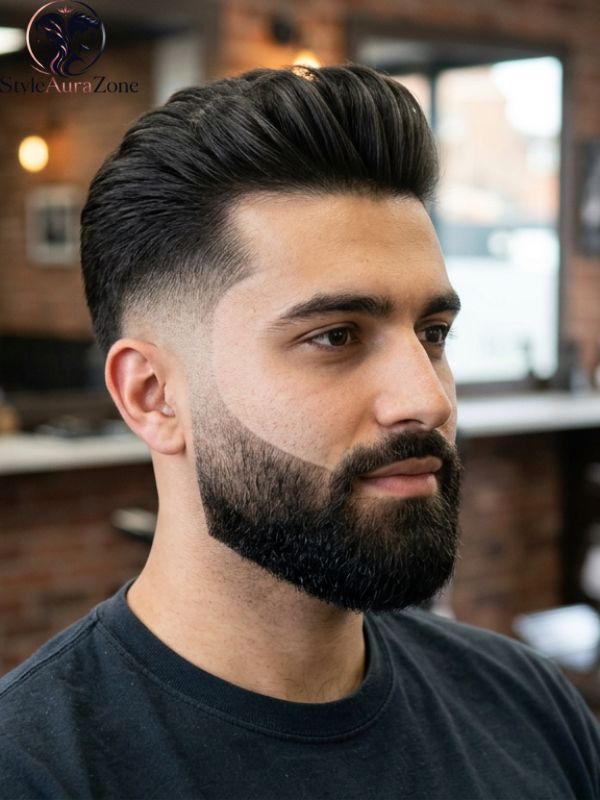
Big, swept-back hair looks even bigger against skin-tight sides. Blow-dry the top backward over a round brush with volumizing mousse, then lock the shape with a flexible-hold spray. A beard faded into the sideburns completes the frame. Trim the beard weekly so its outline stays as sharp as the haircut.
Spiky Hair with Mid Taper Fade
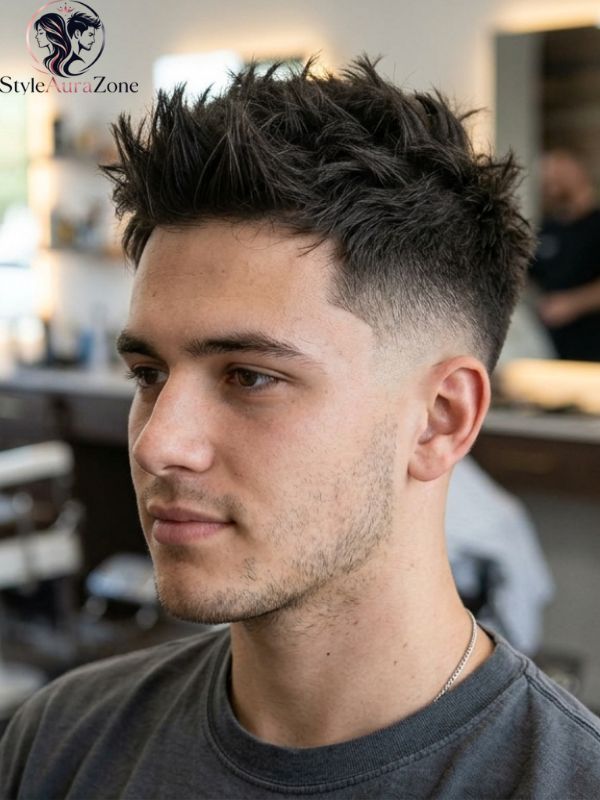
Spikes have returned, and a mid taper keeps them from looking dated. The taper shortens the sides gently while stopping before bare skin, so the transition reads soft. Work gel or wax through dry hair and pinch the tips upward. For a lighter touch, rake in fiber paste and leave the points slightly messy.
Broccoli Cut with Mid Fade
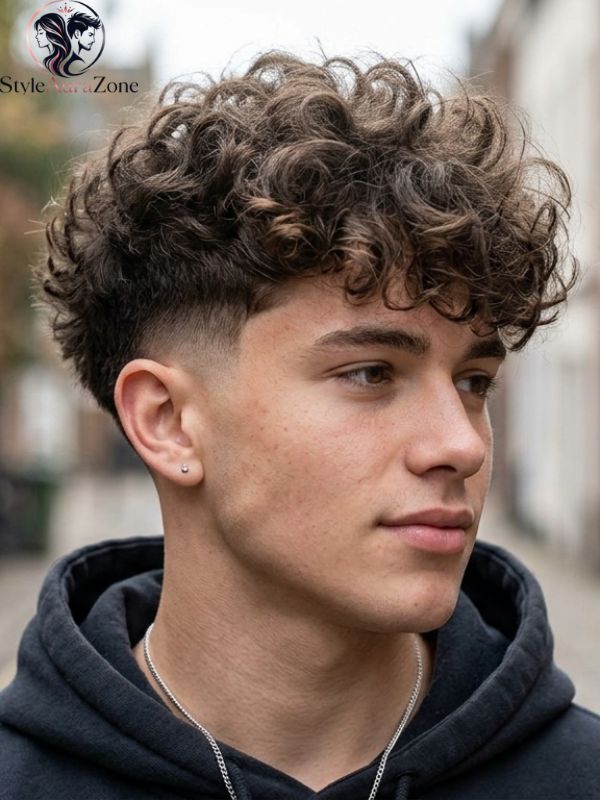
The broccoli cut stacks soft curls into a tall, rounded crown over tight sides. A mid fade keeps the silhouette compact so the curls stay the star. Scrunch curl cream into soaking wet hair, then diffuse upward for lift. Trim the top lightly every couple of months to prevent sagging.
Mohawk with Burst Mid Fade
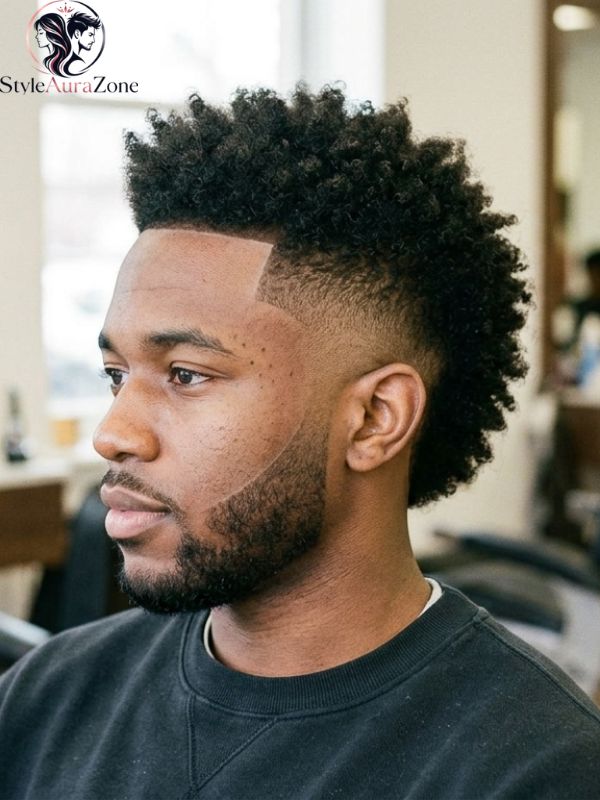
A burst fade curves in a half circle around the ear, and a mohawk rises boldly above it. Together they feel rebellious yet tidy. Style the center with gel for classic spikes or matte clay for a rougher finish. A blow dryer aimed at the crown adds height that survives a long day.
Read more:35 Trending Low Taper Fade Haircuts
Mid Burst Fade
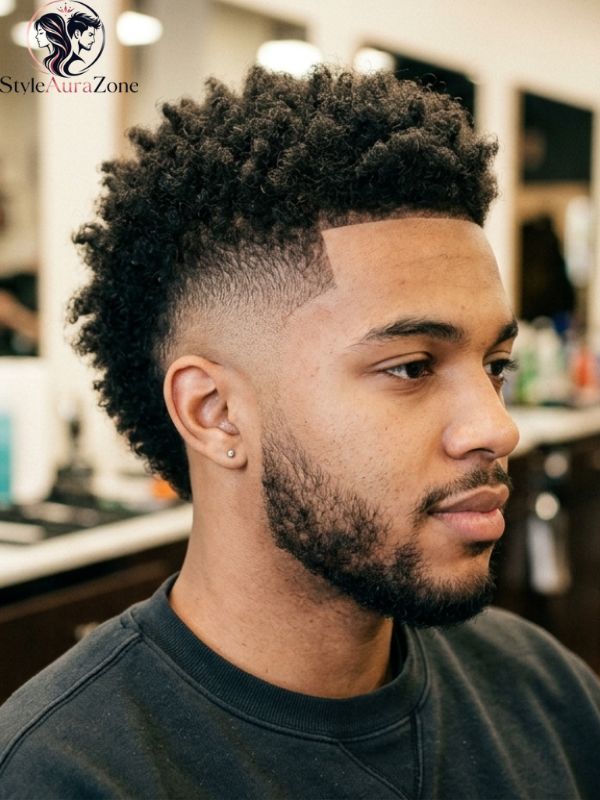
This variation lets the nape keep extra length while the fade radiates around each ear. The shape suits curls, short crops, and anything heading toward a mullet. It looks equally relaxed with a slick back for work. Schedule visits every two to three weeks so the semicircle stays defined.
Short Hair with Mid Fade
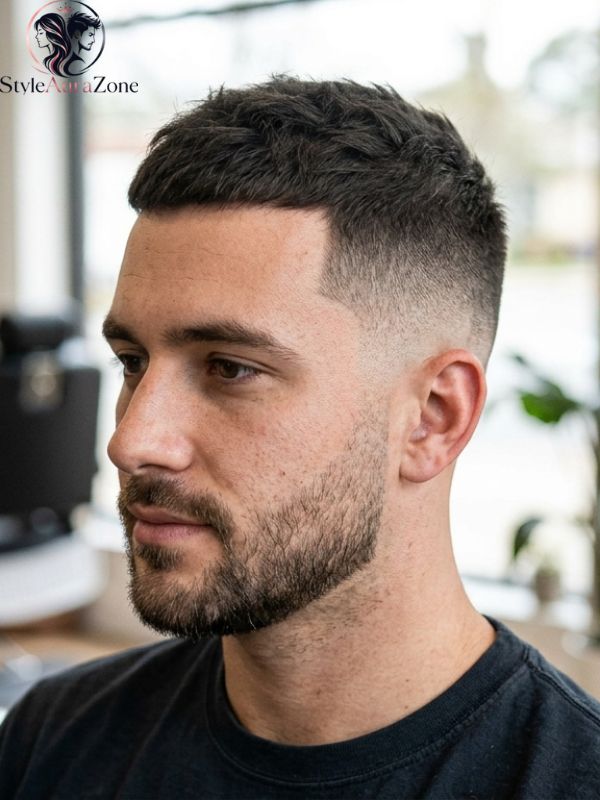
Short on top? This is your low-effort workhorse. The fade begins near the temples, adding contrast without turning aggressive. Crew cuts, brush-forward tops, and short comb overs all sit comfortably above it. A dab of matte paste adds texture, or skip product on very short lengths. Neat stubble and a crisp line up complete the picture.
Buzz Cut with Mid Fade and Beard
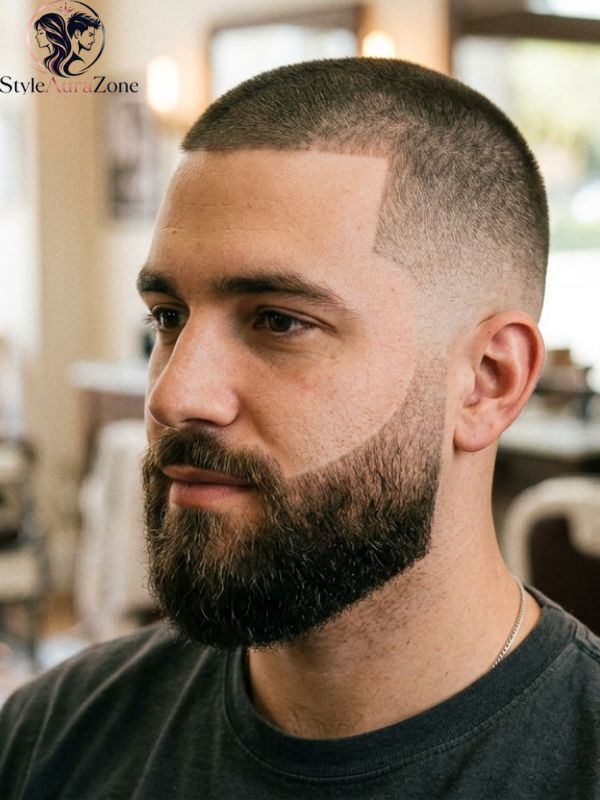
A closely cropped top, a gradual fade, and a groomed beard create a clean, military-flavored look. Clippers on a single guard setting keep the top even. Expect to buzz again every one to two weeks. Finish the beard with a drop of balm for softness and a healthy sheen.
Modern Mullet with Mid Fade
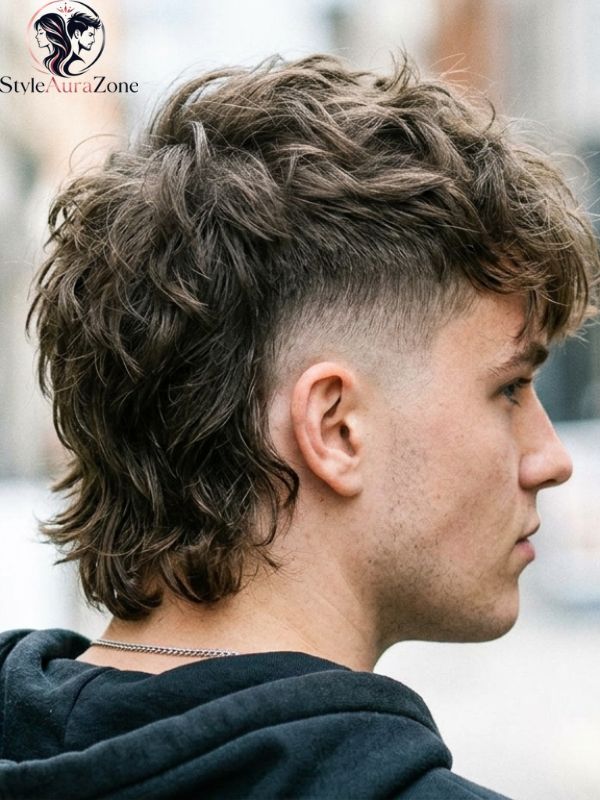
Short sides and a longer back sound like a contradiction, yet the fade makes it work. The cut sharpens the mullet so the length behind the ears looks planned rather than neglected. Blow-dry the top with light mousse for body, or air dry for a shaggier feel. Round faces gain extra vertical shape.
Trendy Parted Style with Mid Fade
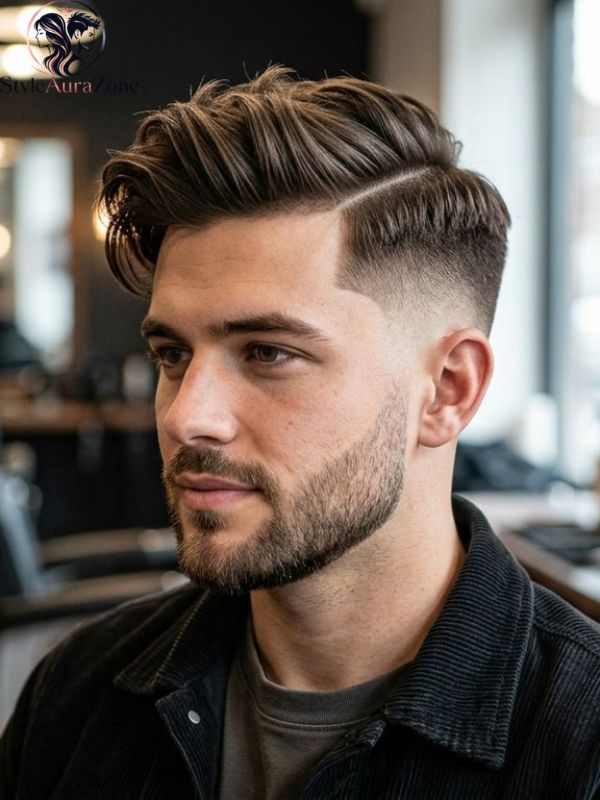
A visible part gives the top structure while the fade keeps the perimeter quiet. Comb the hair naturally for a soft line, or ask for a razor-drawn part if you want drama. Hard gel produces a formal finish, whereas sea salt spray gives a casual one. Either way, the blend grows out gracefully.
Mid Fade with Brushed Forward Waves
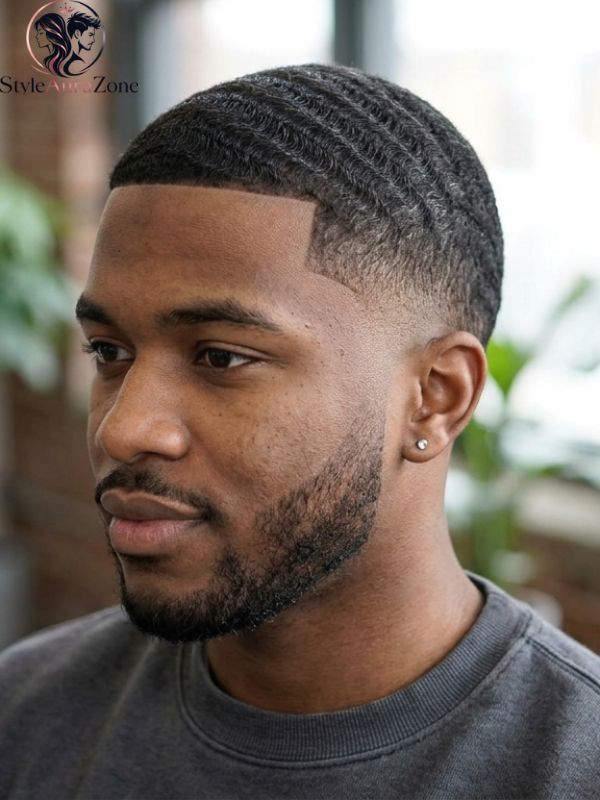
Waves swept toward the forehead bring easy, youthful movement. The fade trims the sides so the waves don’t widen the head. Fine hair benefits since forward styling adds perceived fullness. Use a lightweight cream or mousse to hold the pattern without weight, and let it air dry for the best definition.
Long Textured Fringe with Mid Fade
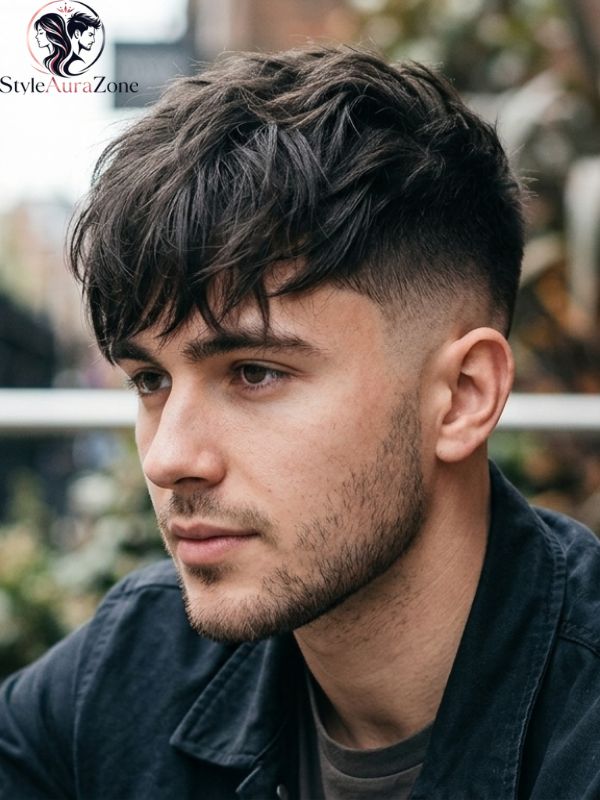
A long fringe falls across the forehead with layered, feathered ends, while the fade keeps the sides lean. Angular faces look softer under this shape. Add texturizing powder at the roots for grip, then finish with a little cream. Reach for a round brush and heat when you want extra lift at the front.
Short Slick Back with Mid Fade and Beard
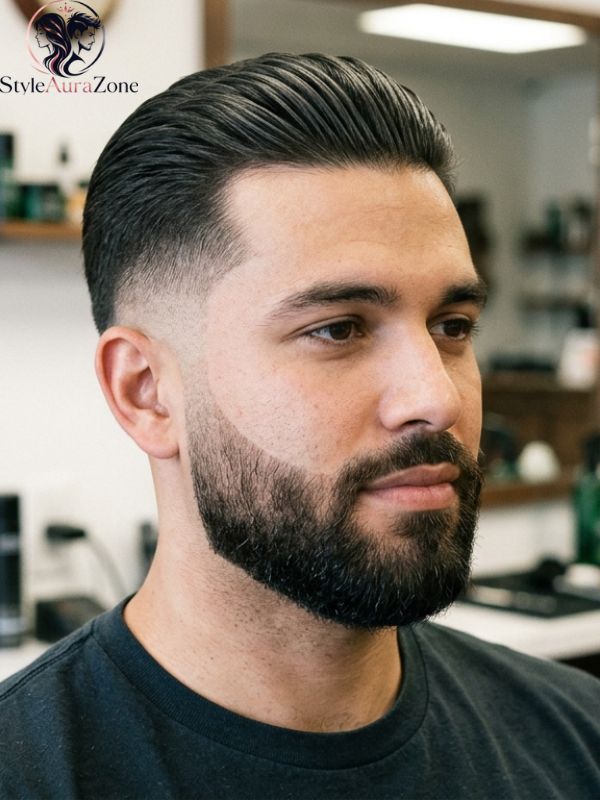
Sleek hair, clipped sides, and a tidy beard produce an instantly grown-up silhouette. Comb pomade through damp hair from front to back for a soft shine. Choose gel instead for a wet look at formal events. Keep the beard length consistent so the cheeks and jawline stay balanced against the slicked top.
Textured French Crop with Mid Fade
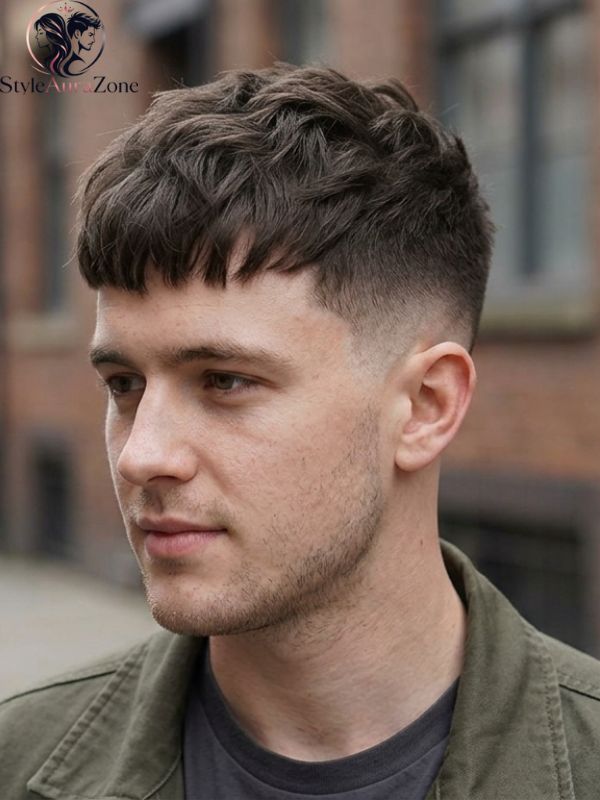
Short, blunt fringe and choppy layers define the French crop, and the mid fade gives it a crisp base. The forward fringe also hides an uneven hairline or a retreating temple. Straight and wavy textures cooperate best. Press matte clay through damp hair, then push the front forward with your fingertips.
Mid Fade Quiff
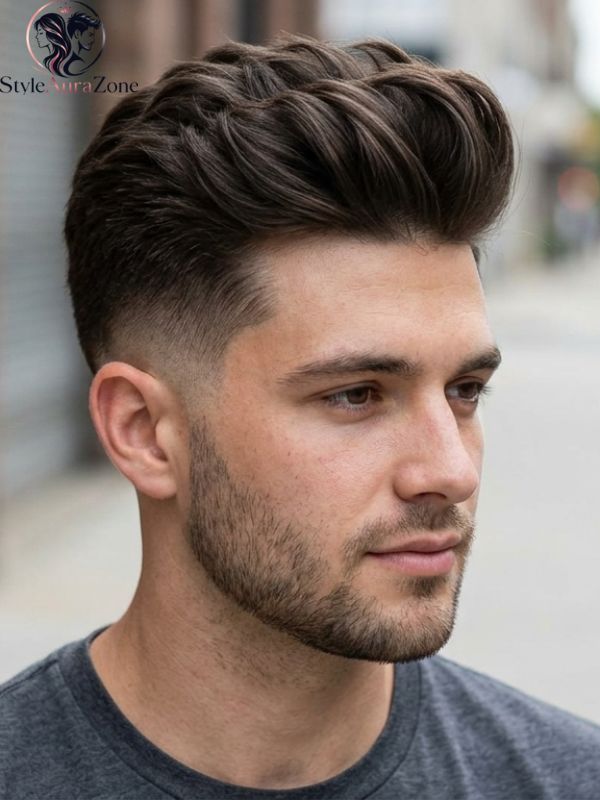
The quiff lifts the front into a controlled wave, and the mid fade keeps everything underneath proportional. It reads confident without shouting. Apply volumizing mousse to damp roots, blow-dry up and back, and set the shape with matte paste. A bristle brush smooths the sides of the wave for a polished profile.
Edgar Cut with Mid Fade (Takuache)
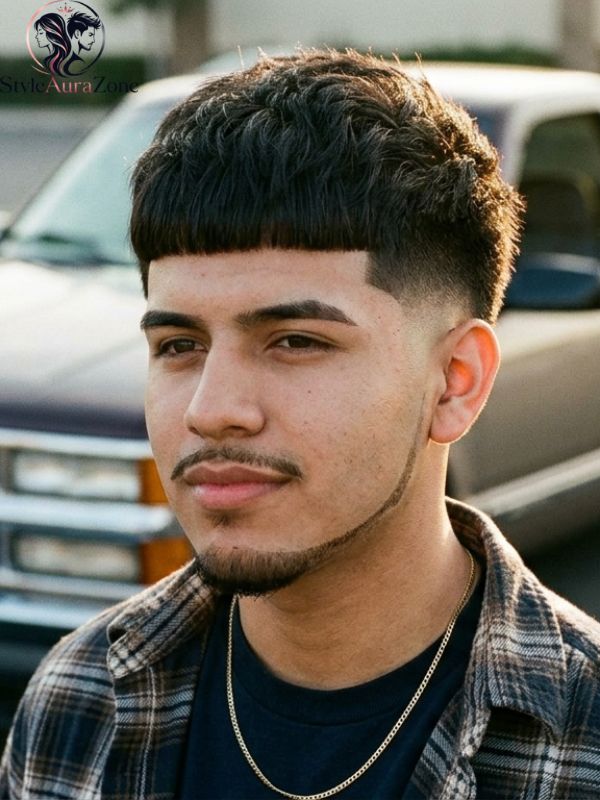
The Edgar cut features a straight, blunt fringe across the forehead, a look rooted in Mexican American youth style. Paired with a mid fade, it looks precise and graphic. Ask for a clean line at the front and a tight blend on the sides. Thick, straight hair holds the shape with little product.
Mid Fade Comb Over
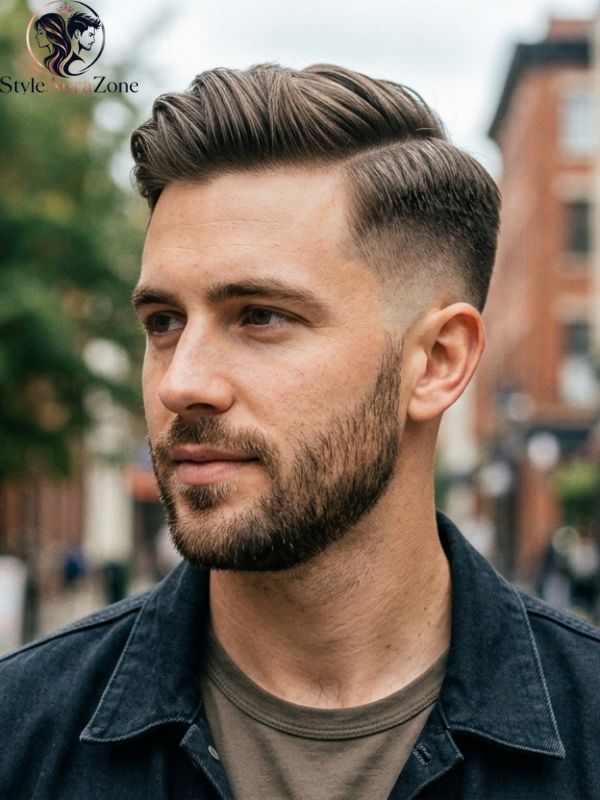
Classic and quietly sharp, the comb over sweeps length from a defined part across the top. A mid fade tightens everything below it. Pomade and a fine-tooth comb are all you need each morning. Because this look never chases trends, it stays appropriate for interviews, weddings, and meetings alike.
Mid Fade with Afro Top
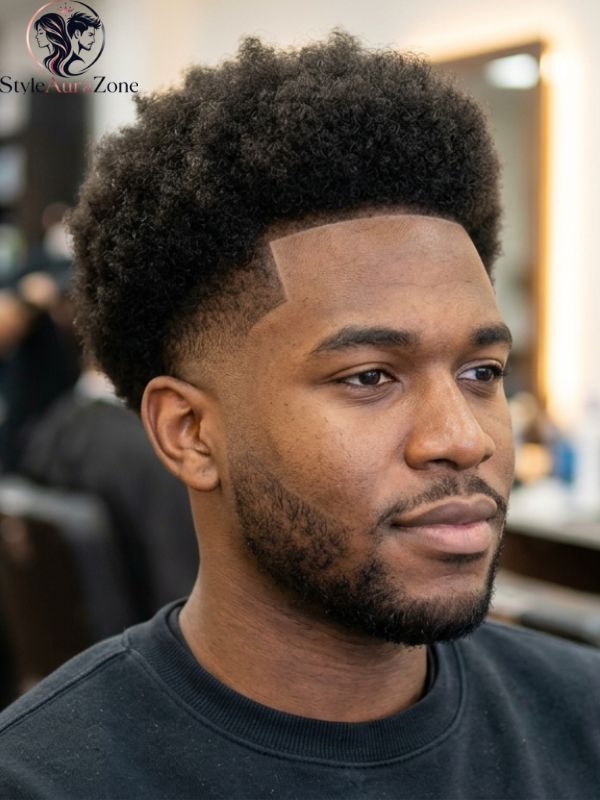
A full afro against faded sides draws attention to texture and volume. Pick it out gently to maintain a rounded shape, and moisturize daily to keep coils defined. Request a seamless blend where the fade meets the afro so the change looks smooth rather than abrupt. A satin bonnet at night protects the shape.
Two Block with Mid Fade
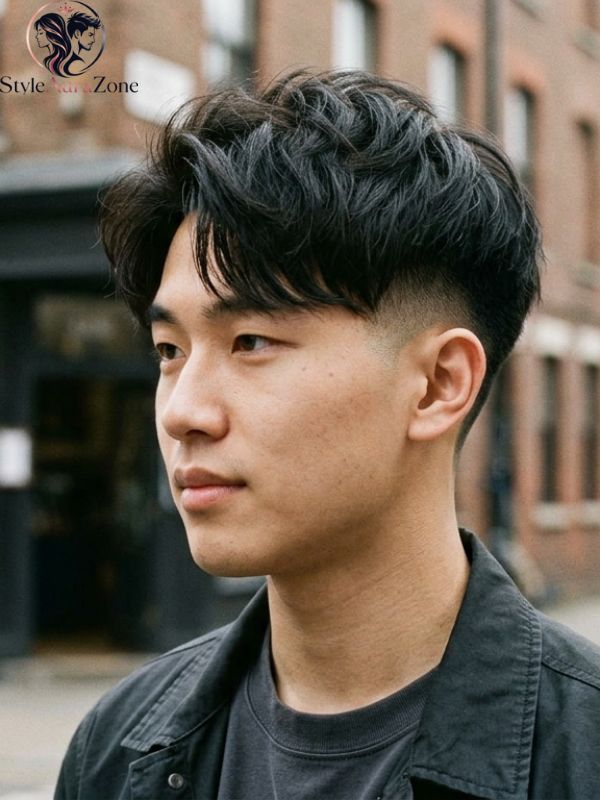
The two block originated in Korea and pairs longer upper layers with distinctly shorter sides. A mid fade softens the dividing line a little while preserving the layered look. Style with lightweight cream and your fingers for natural motion. This cut keeps working for guys who like a slightly youthful edge.
Mid Fade with Middle Part Curtains
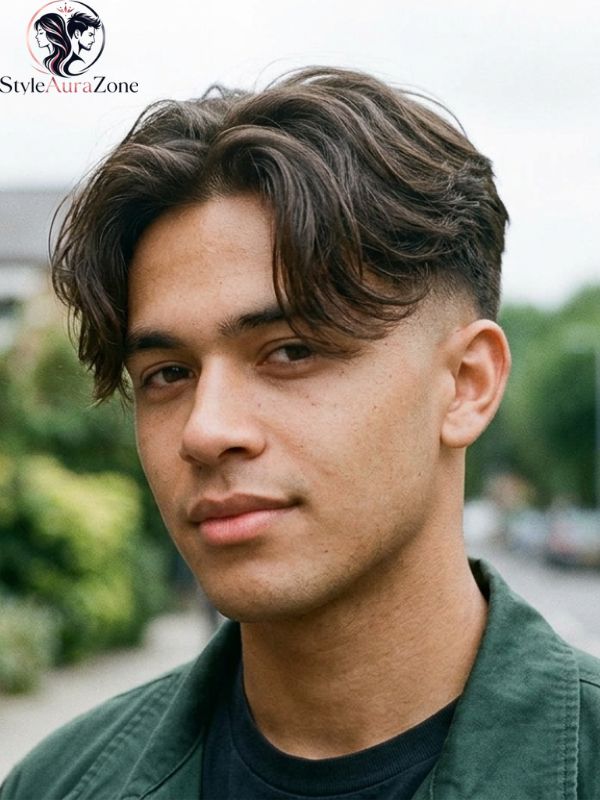
Hair splits down the center and falls toward the cheekbones in soft curtains. The fade removes side bulk, so the curtains frame the face instead of hiding it. Mist damp hair with sea salt spray and air dry, or diffuse on low. Straight to wavy textures at medium length work best.
Mid Fade with Hard Part
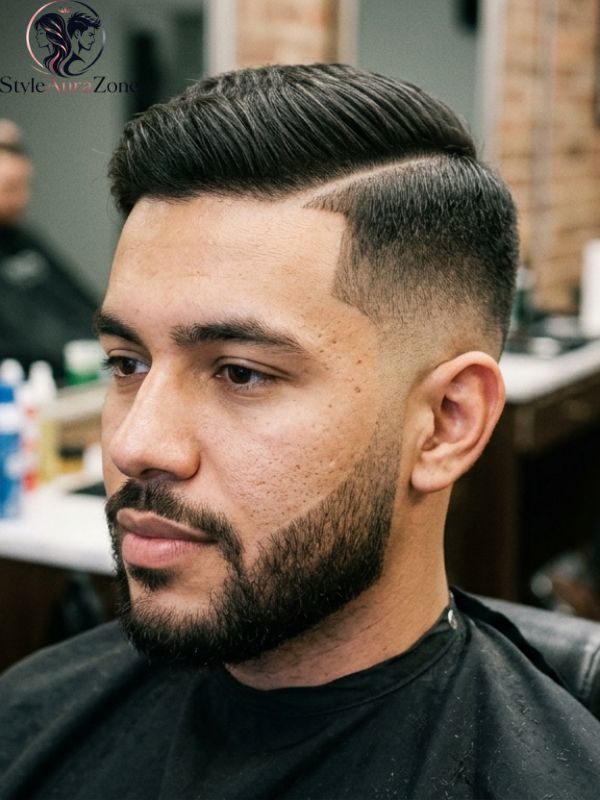
A hard part adds a razor-thin line shaved into the part itself. On top of a mid fade, it signals that every detail was planned. Brush the longer hair away from the line with pomade or clay. It suits guys who prefer a conventional shape with one small, deliberate accent.
Mid Fade Faux Hawk
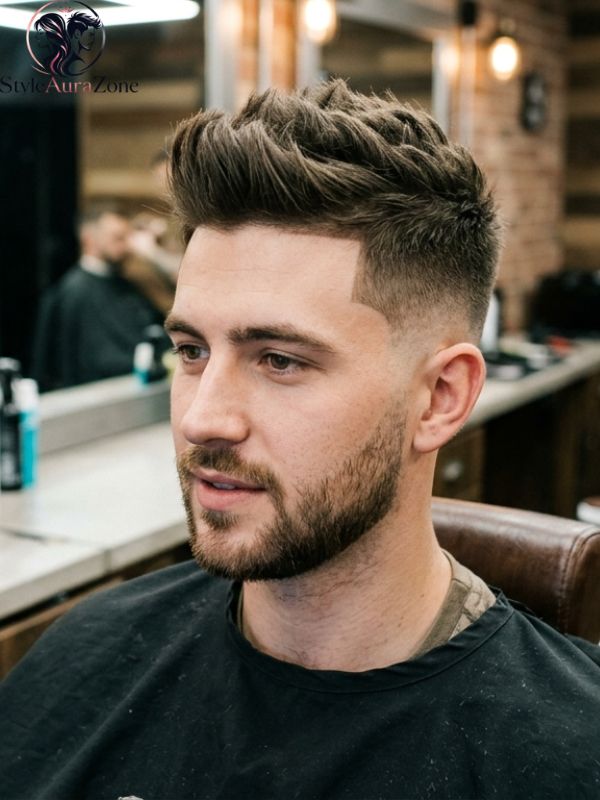
The faux hawk lifts the center into a soft peak without shaving the sides dramatically. The mid fade tightens the flanks for a wearable finish. Use strong-hold matte paste and push the middle upward with your fingers or a dryer. Dense hair holds the height best throughout the day.
Mid Fade Caesar Cut
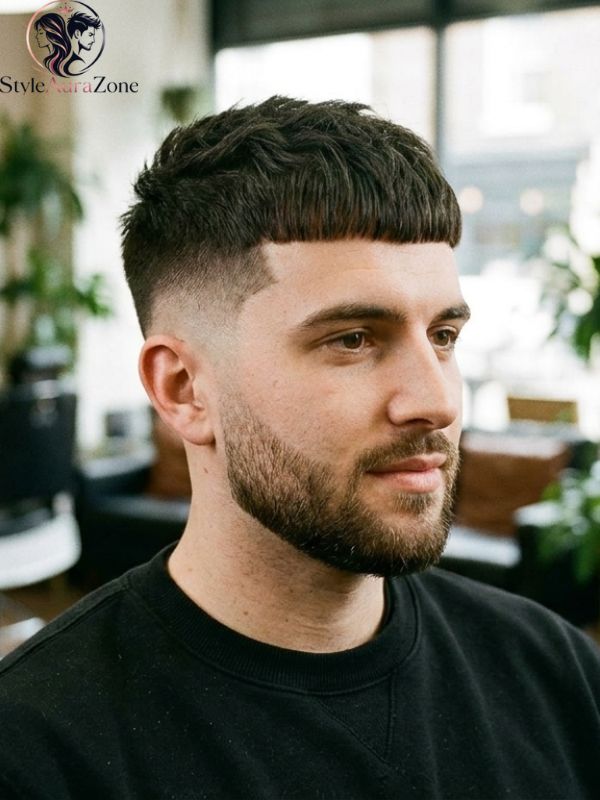
Short, even layers combed forward into a blunt fringe define the Caesar. The mid fade sharpens the sides, making the whole cut look fresh in minutes. The forward fringe also helps conceal thinning near the temples. Apply a rice-grain amount of clay and finger-style the fringe forward.
Mid Fade with Short Twists
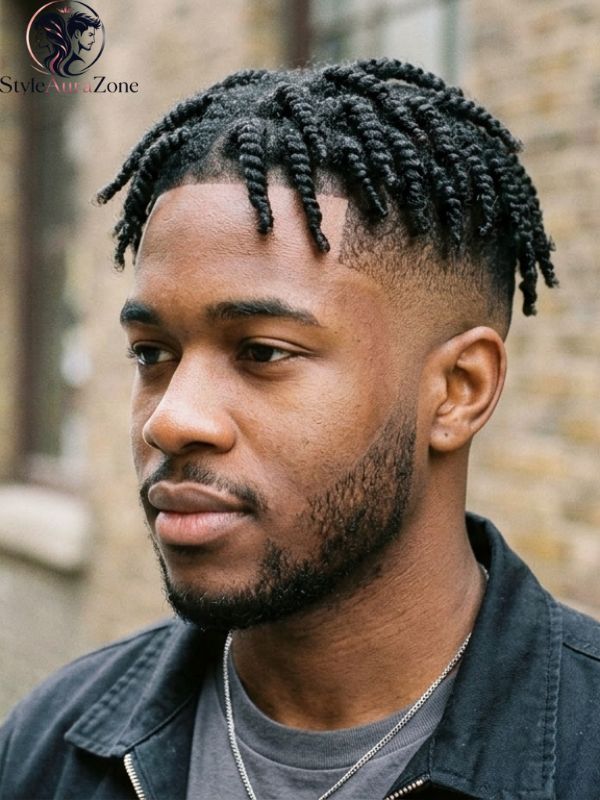
Short two-strand twists on top and a mid fade below produce defined texture with crisp edges. The tidy contrast keeps the style office-friendly. Retwist the roots every three to four weeks to avoid buildup and frizz. A light oil on the scalp keeps skin comfortable between sessions.
The Curly Hair Fade
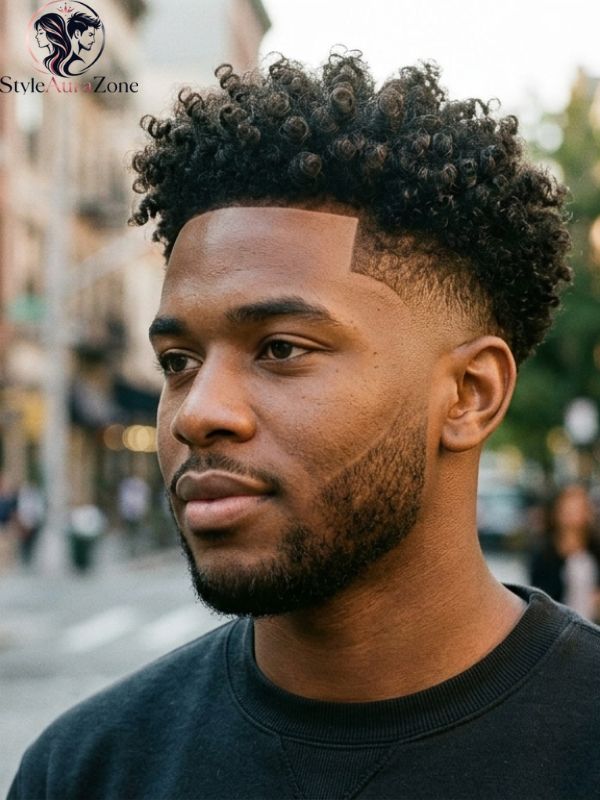
This final look keeps natural curls full while the sides shrink for balance. Ask for a mid fade blended into longer curls on top. Curl cream or light gel defines each ringlet and cuts frizz. The cut particularly flatters wavy to curly hair that gets bulky around the ears.
Mid vs Low vs High Fade
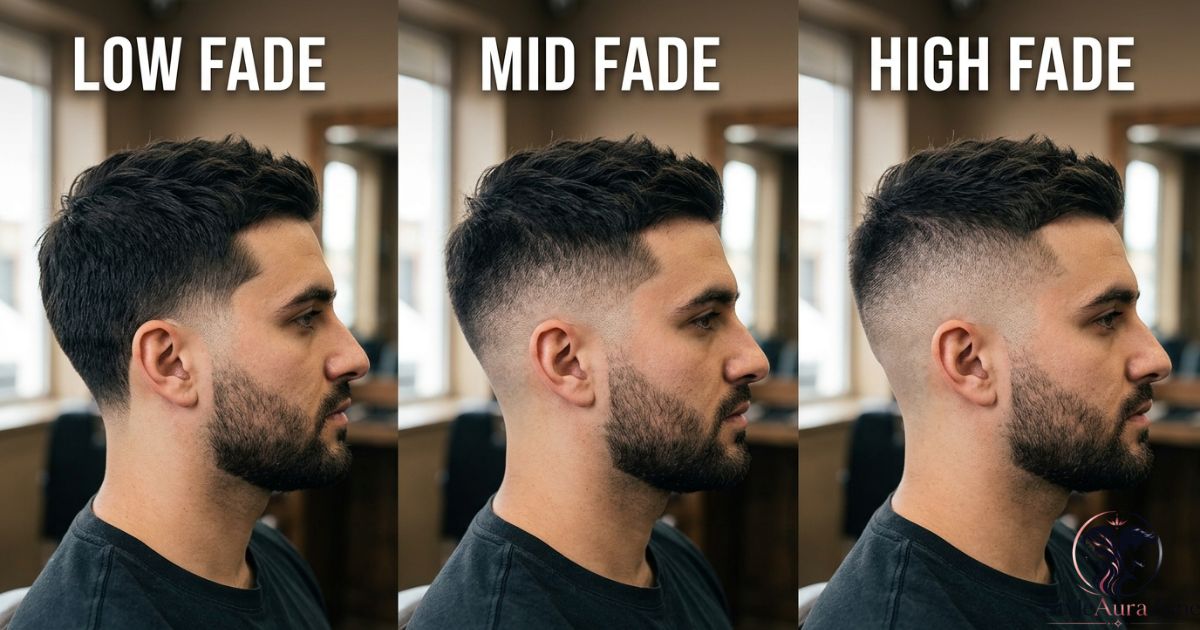
All three fades use the same blending technique. The only real difference is where the gradient begins, and that single choice changes contrast, face framing, and how often you need a barber.
Where Each Fade Starts
| Fade Type | Starting Point | Contrast Level | Best For | Upkeep |
| Low Fade | Just above the ears | Subtle | Conservative workplaces, first-timers | Every 3–4 weeks |
| Mid Fade | Around the temples | Balanced | Almost everyone, all-purpose style | Every 2–3 weeks |
| High Fade | Above the temples | Bold | Statement looks, strong jawlines | Every 1–2 weeks |
Quick rule: pick low for subtle, mid for balanced, and high for dramatic.
Types of Mid Fade Haircuts
Every mid fade shares the same height, yet the finishing technique creates five distinct looks. Know the names before you sit down.
| Type | How It Looks | Works Well With | Upkeep |
| Mid Skin Fade | Blends to bare skin at the bottom | Crops, quiffs, modern side parts | Every 2 weeks |
| Mid Drop Fade | Curves behind the ear and dips toward the nape | Pompadours, spikes, textured tops | Every 2–3 weeks |
| Mid Burst Fade | Semicircle around the ear, longer nape | Mullets, curls, mohawks | Every 2–3 weeks |
| Mid Temp Fade | Focuses on temples and ear area only | Buzz cuts, beards, natural curls | Every 2–3 weeks |
| Mid Taper Fade | Shortens gradually but keeps some hair | Comb overs, side parts, classic cuts | Every 3–5 weeks |
Mid Taper vs Mid Skin Fade
Both start at the same spot, but they finish differently. A taper leaves a thin layer of hair at the bottom, while a skin fade disappears into the scalp.
| Feature | Mid Taper | Mid Skin Fade |
| Finish at the bottom | Short hair remains | Bare skin |
| Contrast | Soft and natural | Sharp and high-impact |
| Grow-out | Gradual and forgiving | Noticeable within two weeks |
| Workplace fit | Safest for conservative offices | Fits creative and modern offices |
| Touch-up frequency | Every 3–5 weeks | Every 2 weeks |
Think about the grow-out before choosing. Skin looks spectacular at first but fades fast. A taper stays presentable far longer.
The Best Mid Fades by Hair Texture
| Hair Texture | Top Picks | Go-To Product |
| Straight | Side part, comb over, slick back | Matte clay or pomade |
| Curly | Broccoli cut, curly fade, long curls | Curl cream, diffuser |
| Wavy | Forward waves, textured fringe, curtains | Sea salt spray |
| Coily | Afro top, short twists | Leave-in conditioner, oil |
| Thick | Pompadour, quiff, mullet | Strong-hold paste |
| Fine or Thin | Caesar, French crop | Texturizing powder |
Straight Hair
Straight strands reveal every detail of a fade, so the cut looks razor-sharp. Structured tops like the comb over or slick back suit it. Add clay for grip, because straight hair tends to go flat by lunchtime.
Curly Hair
Curls love contrast. Tight sides make the volume on top look intentional and sculpted. Define the pattern with cream on wet hair, then air dry or diffuse. Skip heavy brushing, which breaks curl clumps apart.
Wavy Hair
Waves bring built-in movement, so little styling is needed. Brushed-forward looks and curtains let the natural pattern lead. A spritz of sea salt spray on damp hair adds grip without stiffness.
Coily Hair
Coils create a dense, sculptural shape against faded sides. Hydration matters more than hold here, so keep a leave-in conditioner in your routine. Short twists and rounded afros both look sharp.
Thick Hair
Thick hair supports nearly every variation, but weight can become a problem. Ask your barber to thin the top with texturizing shears. That keeps pompadours and quiffs light enough to stand upright.
Fine or Thin Hair
Fine hair gains visual density when the sides stay tight. Stick with shorter, forward-moving tops that avoid exposing thin spots. Texturizing powder at the roots creates lift that lasts.
How To Ask Your Barber For A Mid Fade
You don’t need barber jargon. You need a clear picture. Walk through these five steps, and your barber has everything needed.
Decide Skin or Taper First
This choice shapes the entire conversation. Skin gives maximum contrast and requires frequent visits. A taper is softer and forgives longer gaps. Settle it before you describe anything else.
Pick Your Variation
Standard, drop, burst, or temp? The finish changes the character more than the height does. Unsure? Tell your barber whether you want conservative, polished, modern, or bold, and let them recommend one.
Talk About What’s Happening on Top
The top determines how the fade is built. A crop needs different weight along the transition than a slick back does. Share your plan for the upper section, and bring a photo that matches your hair type.
Be Honest About Your Maintenance Reality
If you only visit every six weeks, say so. A good barber will steer you toward a taper rather than a skin fade. Honest timing prevents disappointment in week three.
Stop Trying to Sound Like a Barber
Plain language works best. Say what you want it to look like and how you style it each morning. Your barber translates that into clipper guards and blending techniques.
Sample script: “I’d like a mid taper fade, starting around my temples, with a textured crop on top. I style it in under five minutes, and I can come back every month.”
How Often To Get A Mid Fade
A fade looks its best in the first week and softens after that. Plan your visits around the version you choose.
Cut Cadence by Variation
| Variation | Recommended Visit Frequency |
| Mid skin fade | Every 2 weeks |
| Mid drop or burst fade | Every 2–3 weeks |
| Mid taper | Every 3–5 weeks |
| Buzz cut with mid fade | Every 1–2 weeks |
| Longer top with mid fade | Follow the fade schedule, since the sides grow out first |
The Math Most Guys Get Wrong
Many men budget by the top, but the fade expires first. Hair grows roughly half an inch a month, and even a quarter inch of regrowth erases the gradient. Choose a cut that matches your calendar, or adjust your calendar to match the cut.
Touch-Up Visits
Plenty of shops offer short, discounted appointments just for the sides and neckline. These run about 15 minutes and cost less than a full haircut. Ask about them, especially if you commit to a skin fade.
Schedule Around Events
Book your cut three to seven days before weddings, interviews, or photo shoots. Fresh fades can look overly harsh, while a few days of settling softens the lines and looks more natural.
How To Style A Mid Fade
The Everyday Routine
- Wash your hair, or simply dampen it with water.
- Towel dry until the hair is damp rather than dripping.
- Warm a small amount of product between your palms.
- Work it through the top, starting at the roots.
- Shape with fingers, a comb, or a brush, depending on the look.
Most variations take under three minutes.
Product by Top Style
| Top Style | Best Product | Application Tip |
| Short (buzz, crew, Caesar) | Matte clay or none | Use a pea-size amount |
| Medium (crop, brush back, comb over) | Clay or paste | Blow-dry first for lift |
| Curly (broccoli, curly fringe) | Curl cream | Apply to wet hair, then diffuse |
| Slicked (slick back, side part) | Pomade | Comb through damp hair |
Keep the Faded Skin Clean
A quick rinse each day clears sweat and product from the faded zones. That simple habit reduces irritation and ingrown hairs along the hairline, and it keeps the skin looking smooth between visits.
Match the Beard
If you wear a beard, keep its length and shape in proportion with the haircut. Fade it into the sideburns so the lines connect. Get both trimmed in the same appointment for a unified look.
Common Mid Fade Mistakes To Avoid
Getting a Mid Skin Fade and Disappearing for Six Weeks
A skin fade is high-maintenance by design. By week three, the contrast fades, and by week six, the cut loses all shape. Pick a taper if long gaps are unavoidable.
Skipping the Line Up at the Front
The edge along the forehead and temples frames the entire cut. Skipping it saves a minute and costs a surprising amount of polish. Ask for it every time.
Pairing the Wrong Top with the Fade
A crisp skin fade with a shaggy, unkempt top looks mismatched. Match the formality of both zones. For a relaxed, lived-in top, choose a softer taper underneath.
Trying to Do Touch-Ups at Home
Blending is among the hardest skills in barbering. Home attempts usually leave a visible step in the gradient that takes weeks to correct. Limit yourself to the neckline.
Bringing a Reference Photo of Someone with Completely Different Hair
A style that looks incredible on coily hair won’t copy over to fine, straight strands. Choose photos that share your texture, density, and hairline.
Asking for It Shorter Than You Actually Want
Hair grows back, but not overnight. Requesting extra-short sides to “be safe” often means waiting weeks to reach the look you wanted. Ask for your true target.
Forgetting About the Beard
A fresh fade next to a wild beard looks disconnected. Coordinate both in one appointment, and keep the proportions consistent.
FAQ’S
What is a mid fade haircut?
It’s a fade that begins around the temples and tapers the sides and back shorter, creating balanced contrast between low and high fades.
How often should I get a mid fade?
Every two weeks for a skin fade and every three to five weeks for a taper.
Is a mid fade professional?
Yes. Pair a mid taper with a side part or comb over, and it fits nearly any workplace.
Does a mid fade work for curly hair?
Absolutely. The tight sides make curls look fuller and more defined.
What’s the difference between a mid taper and a mid skin fade?
A taper leaves short hair at the bottom, while a skin fade blends all the way to bare skin.
Conclusion
A mid fade earns its reputation because it adapts. Change the top, adjust the finish, and the same foundation suits an interview, a wedding, or a Saturday night out. With 33 variations to choose from, you can easily match the cut to your hair type, face shape, and schedule.
Before booking, decide between skin and taper, pick a top, and be honest about how often you’ll return. Bring a photo that matches your texture and describe the vibe in plain words. Do that, and your next mid fade should look exactly like the picture in your head.