
The mullet came back with better manners. Today’s version trades the shapeless bulk of the ’80s for sharp, faded sides and a longer, shaped nape. You get personality without the chaos. Barbers now cut it daily, and the modern mullet fade sits at the top of many request lists.
This guide walks you through 30 modern mullet fade types and styles, from burst and taper to curly and blonde versions. You’ll also learn which cut suits your face shape, how to talk to your barber, and how to style and maintain it between appointments, with practical barber-chair detail.
What Is a Modern Mullet Fade? Trendy Modern Mullet Fade Types
A modern mullet fade pairs the classic “shorter front, longer back” shape with sides that blend from short to shorter. The top keeps texture, the nape keeps length, and the clipper work keeps everything tidy. Think of it as a rebellious haircut with a clean finish.
Modern Mullet vs Fade
A mullet describes where the length sits. A fade describes how the sides are cut. They aren’t rivals, so you don’t pick one over the other. You choose how to combine them, and the fade simply gives the mullet a sharper outline.
Modern Mullet Fade vs Taper
A taper shortens hair gently and leaves a softer edge. A fade drops closer to the skin and creates stronger contrast. On a mullet, both work. Your choice depends on how bold you want the final look to be.
| Feature | Mullet Fade | Mullet Taper |
| Transition | Blends down to very short or skin | Gradual, stops at a short length |
| Contrast | High | Low to medium |
| Workplace Friendliness | Moderate | High |
| Typical Touch-Up | Every 2–3 weeks | Every 3–4 weeks |
| Grow-Out | Harder | Easier |
Top 30 Modern Mullet Fade Types & Styles to Try
Each style below changes either the fade, the length, the texture, or the hair type it suits. Skim until one clicks, then save a reference photo for your barber.
Modern Mullet Burst Fade
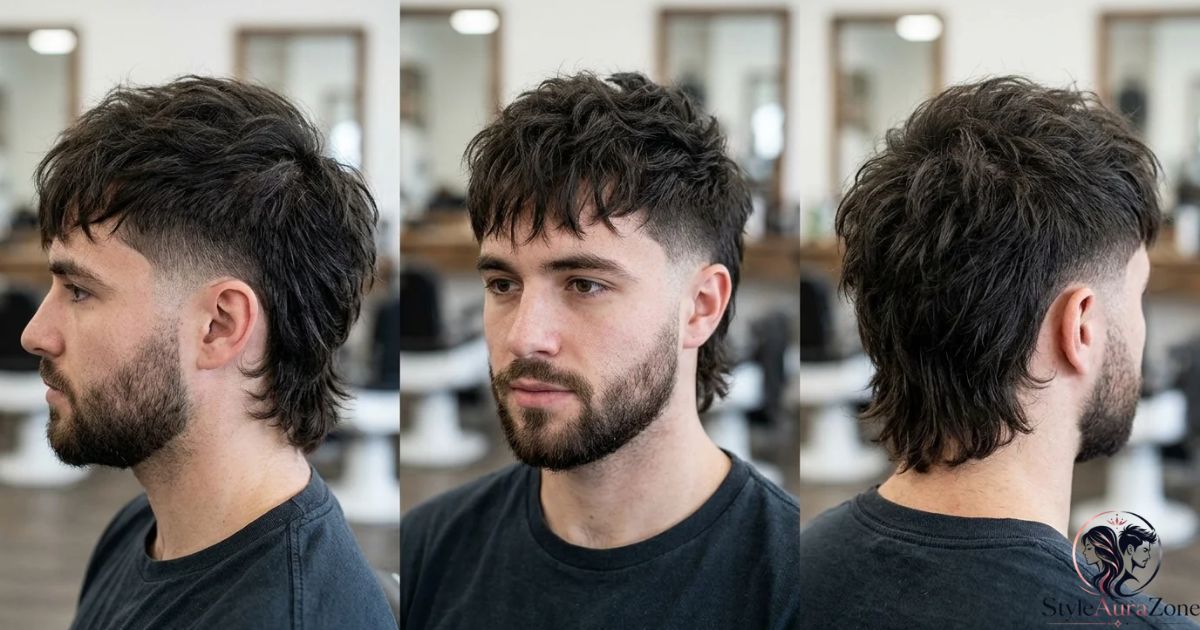
The burst fade curves around the ear like a half-circle, then melts into the longer nape. It adds shape without looking harsh. Because the back stays full, this version shows off layers and curls well. Ask for it when you want contrast with a softer outline.
Modern Mullet Low Fade
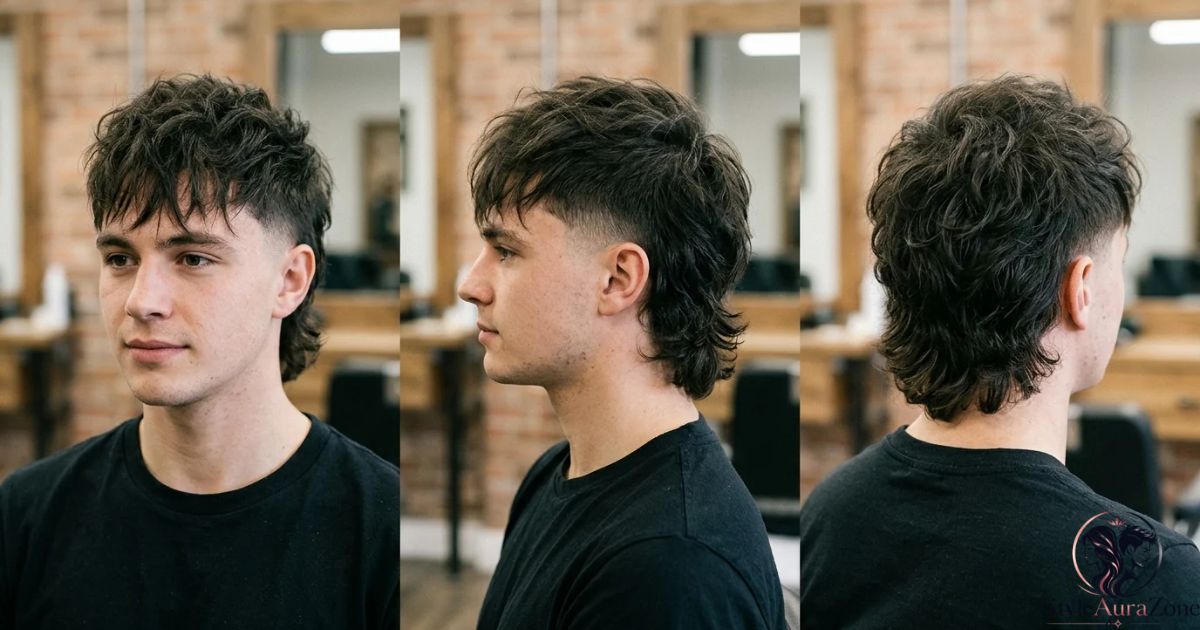
A low fade starts just above the ear and follows the natural hairline. It keeps contrast gentle, which makes it a smart first step for mullet newcomers. Office dress codes rarely object to it. The back can stay as long as you like.
Modern Mullet Taper Fade
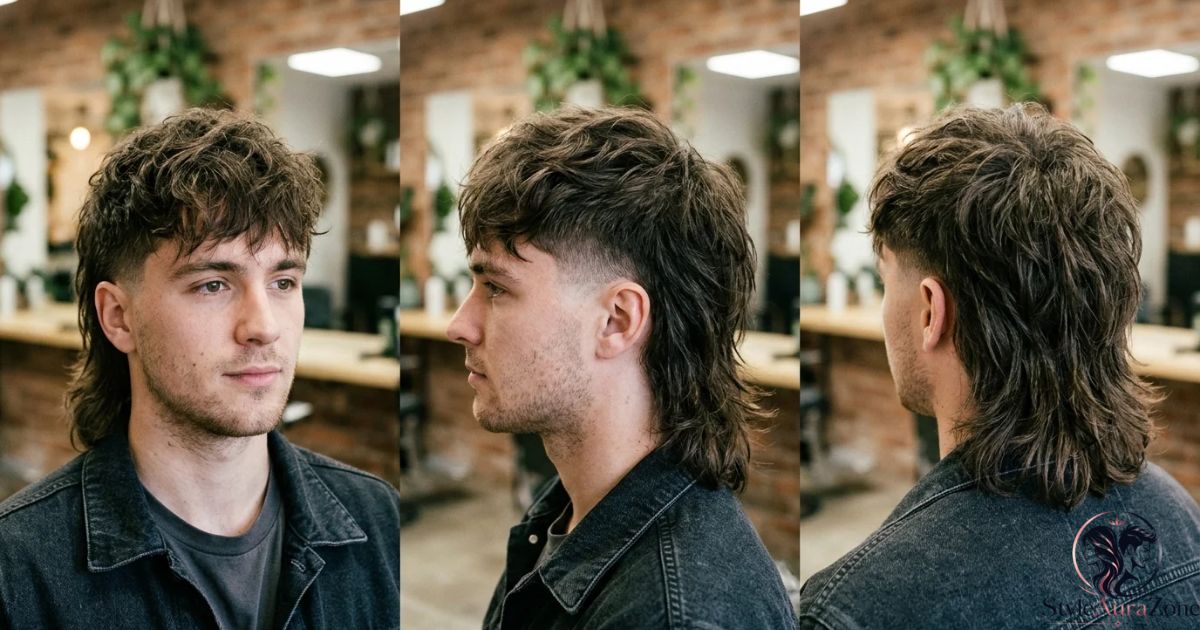
A taper fade shortens the hair gradually and never reaches bare skin. Paired with a mullet, it reads softer and more natural than a skin fade. You also get a forgiving grow-out, so it suits anyone who dislikes frequent barber visits.
Classic Modern Mullet Fade
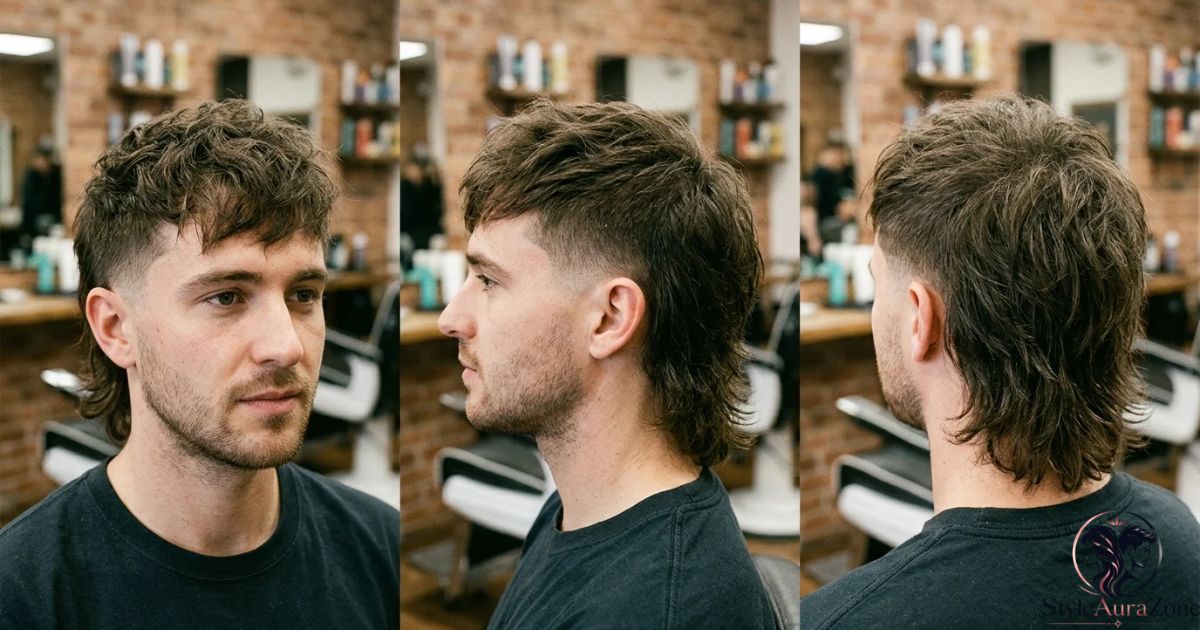
Think of this as the blueprint. The sides get a clean, even fade, the top stays medium in length, and the back falls past the collar in a neat, layered line. Every other variation here starts from this cut, so it makes a safe first request.
Mid Fade Modern Mullet
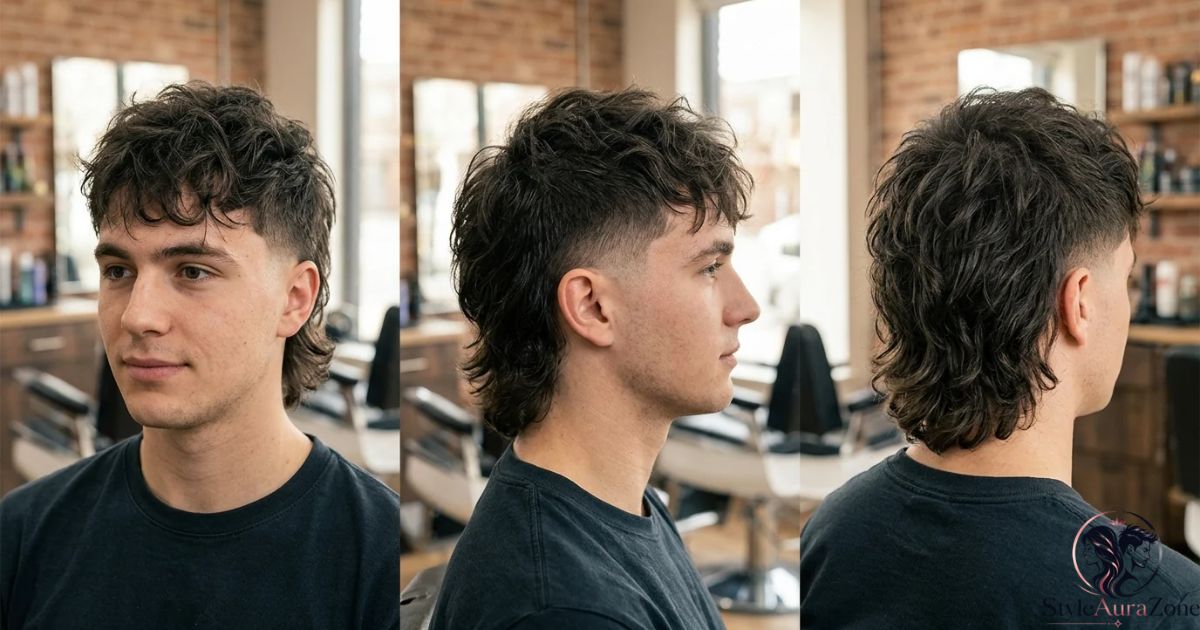
A mid fade begins around the temple and sits halfway between subtle and showy. You see clear contrast, yet nothing screams for attention. It balances well with a textured top and works for most hair types without extra tweaking.
Modern Mullet High Fade
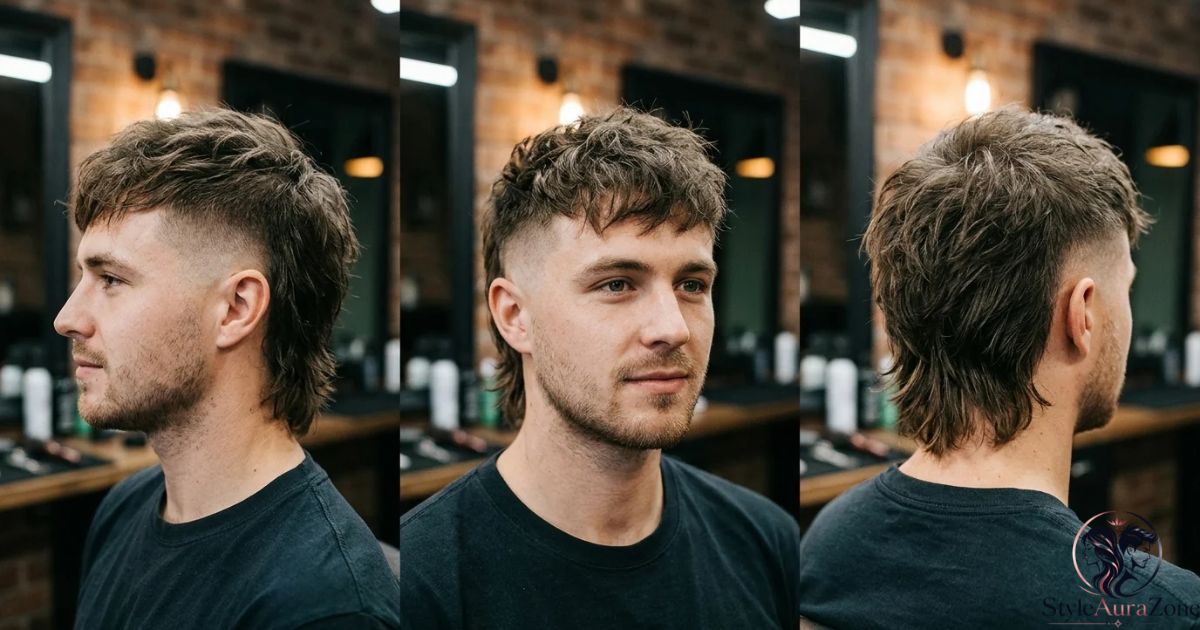
The high fade starts near the crown, so the short sides stand in sharp contrast to the long back. Expect a bolder, more dramatic result. Thick hair benefits most because the extra volume on top keeps the shape from looking top-heavy.
Modern Mullet Skin Fade
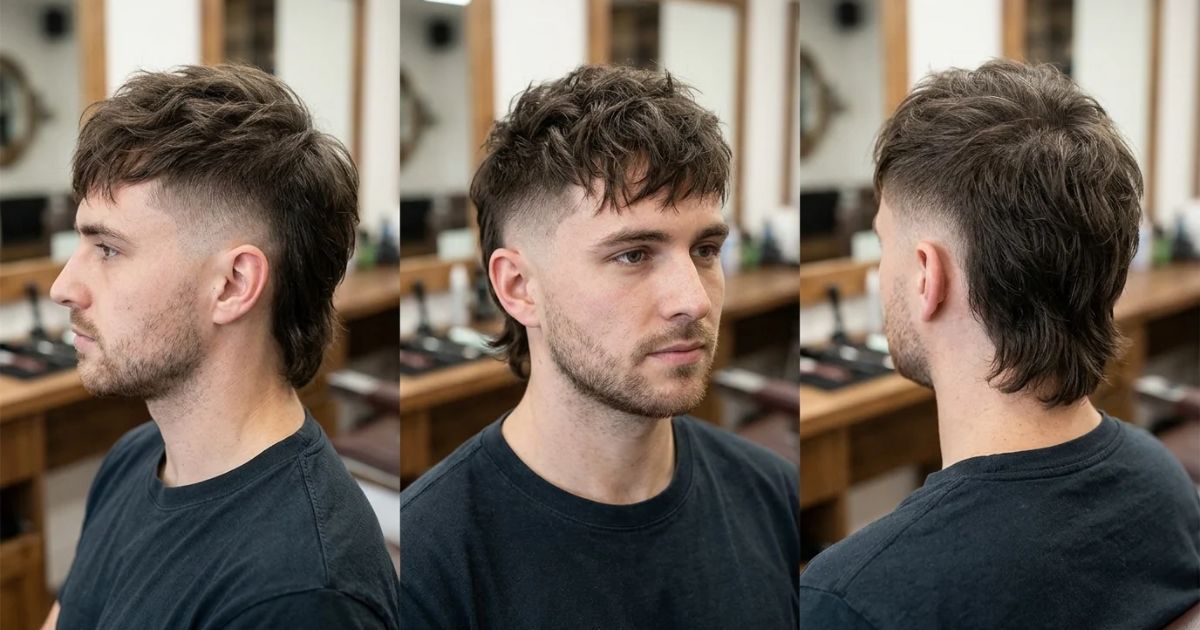
Also called a bald fade, this version blends all the way down to bare skin. It looks the cleanest and crispest of any option here. The price is upkeep. Plan on a touch-up every two weeks to keep the blend sharp.
Undercut Mullet Fade
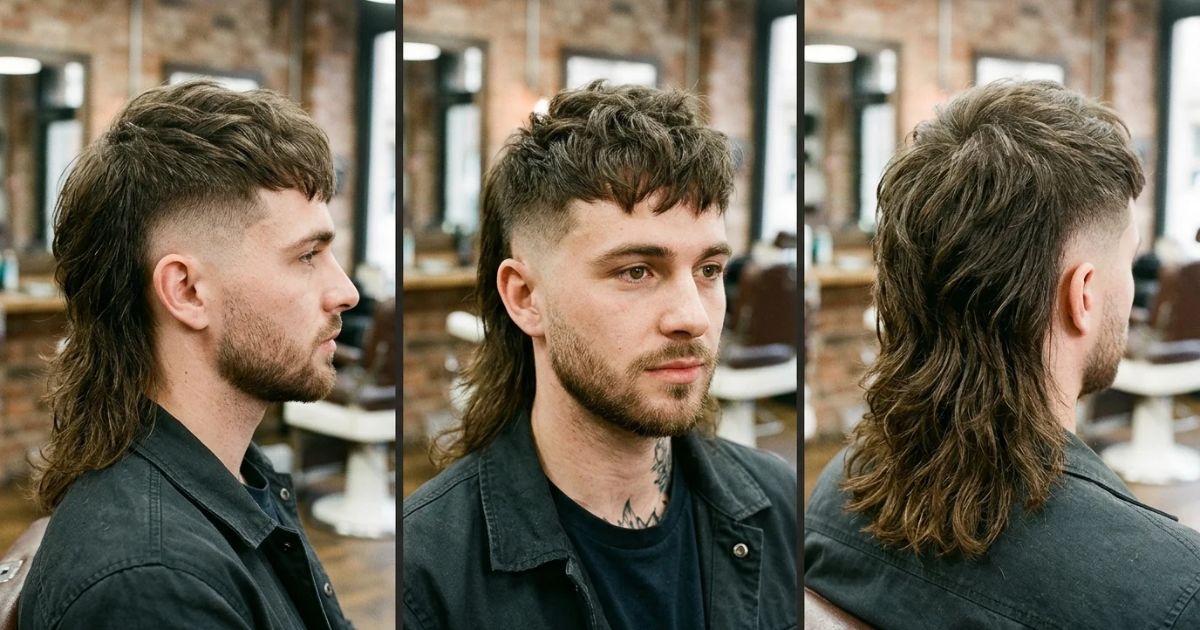
An undercut mullet fade disconnects the shaved sides from the longer top and back. The abrupt change creates stronger contrast than a gradual blend. Choose it for a dramatic profile, and style the length with a firm paste to keep the disconnection visible.
Textured Modern Mullet Fade
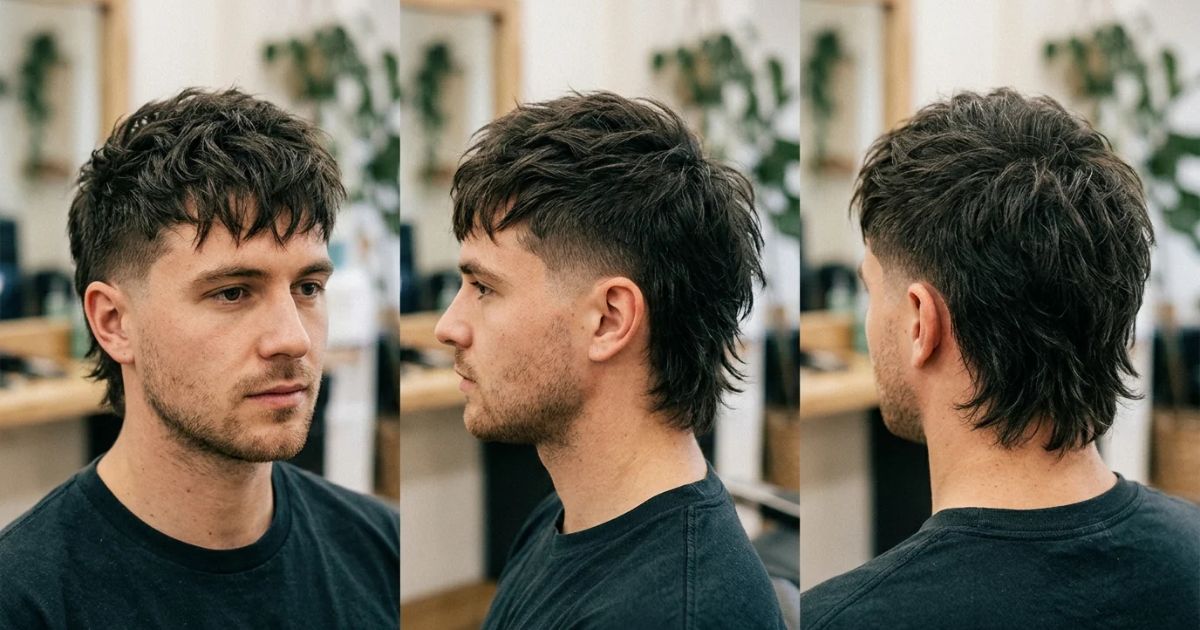
Here the magic happens on top. A barber cuts choppy layers into the longer sections so the hair moves and loses its weight. The result avoids the flat, heavy helmet effect that older mullets suffered from. Sea salt spray finishes it nicely.
Fringe Modern Mullet Fade
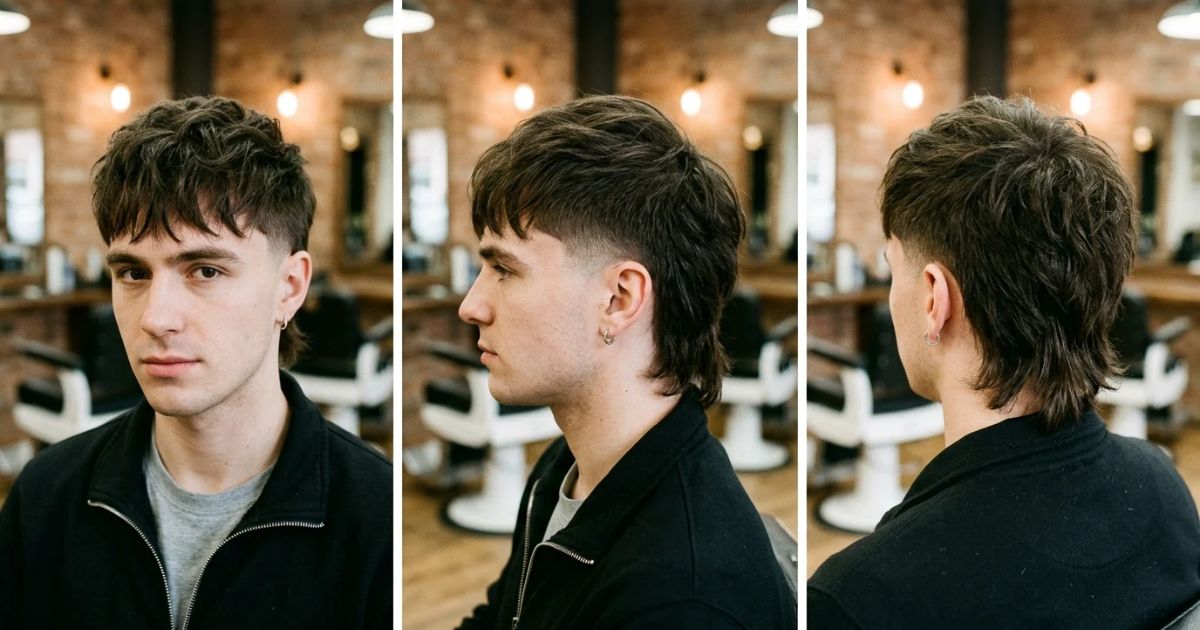
A fringe pulls length forward across the forehead and balances the longer back. It softens the face and can hide a high hairline. Straight and wavy hair drape most easily, but a barber can texturize thicker hair to get the same effect.
Read more:Textured Fringe With Low Taper Fade: Complete Style Guide for Men
Middle Part Modern Mullet Fade
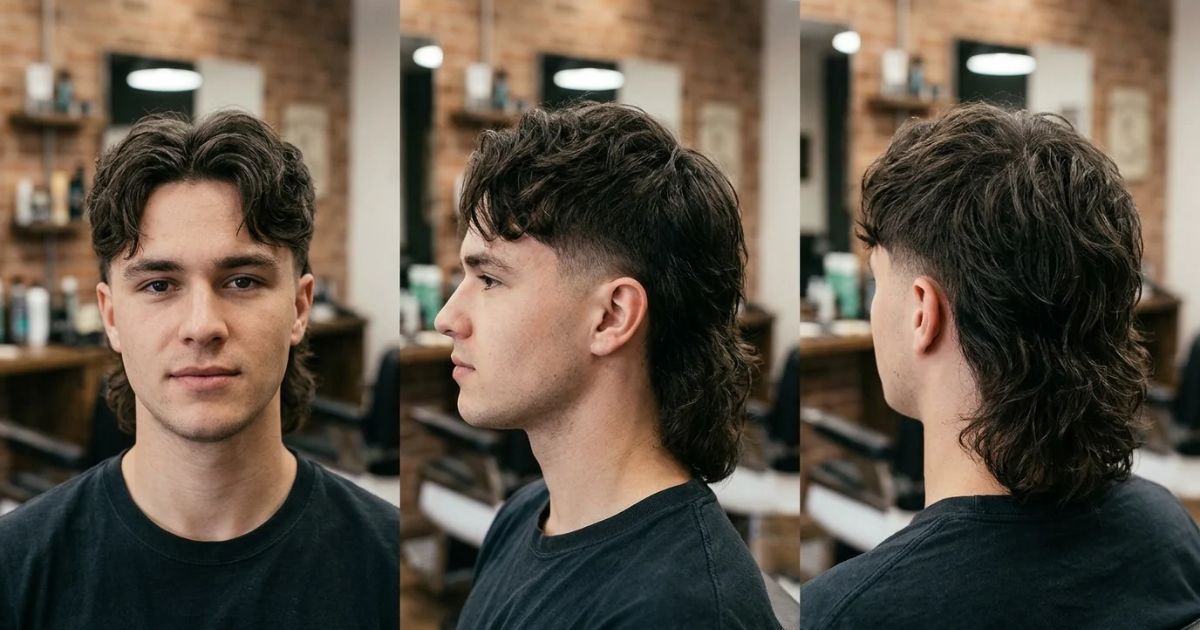
A center part gives the mullet a relaxed, retro feel. It needs enough weight on top to fall evenly to both sides, so aim for medium length. Cheekbones and eyes get framed nicely, which makes this a favorite in creative workplaces.
Layered Modern Mullet Fade
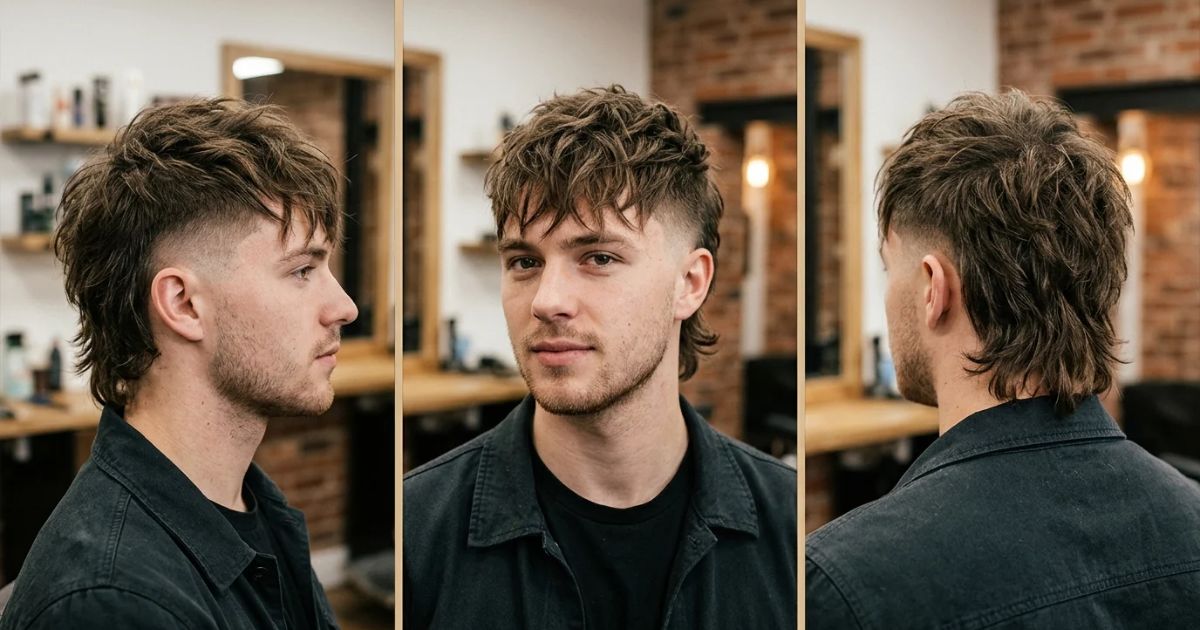
Layering removes bulk from the back and crown, which lets the hair flow instead of hanging like a curtain. Ask for long, blended layers rather than short, stepped ones. Movement improves, and the fade line stays easy to see.
V Back Modern Mullet Fade
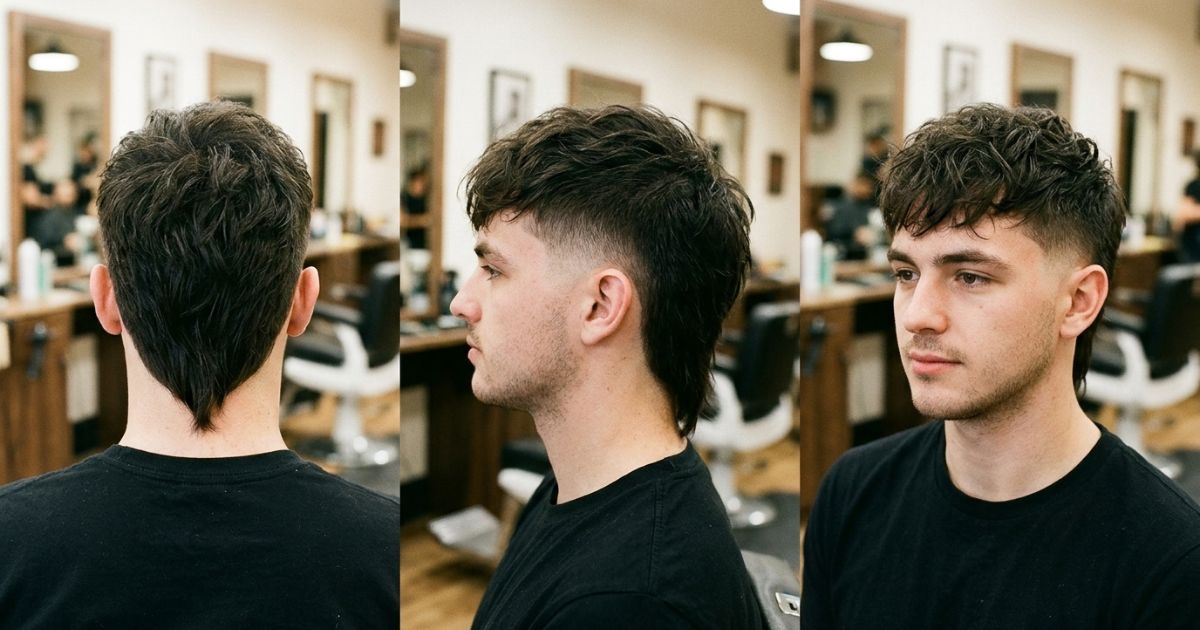
Rather than cutting the nape straight across, the barber shapes it into a V that points down the neck. It’s a tiny detail with a big payoff, since it makes the cut look finished from behind. Trim the point every few weeks.
Sporty Modern Mullet Fade
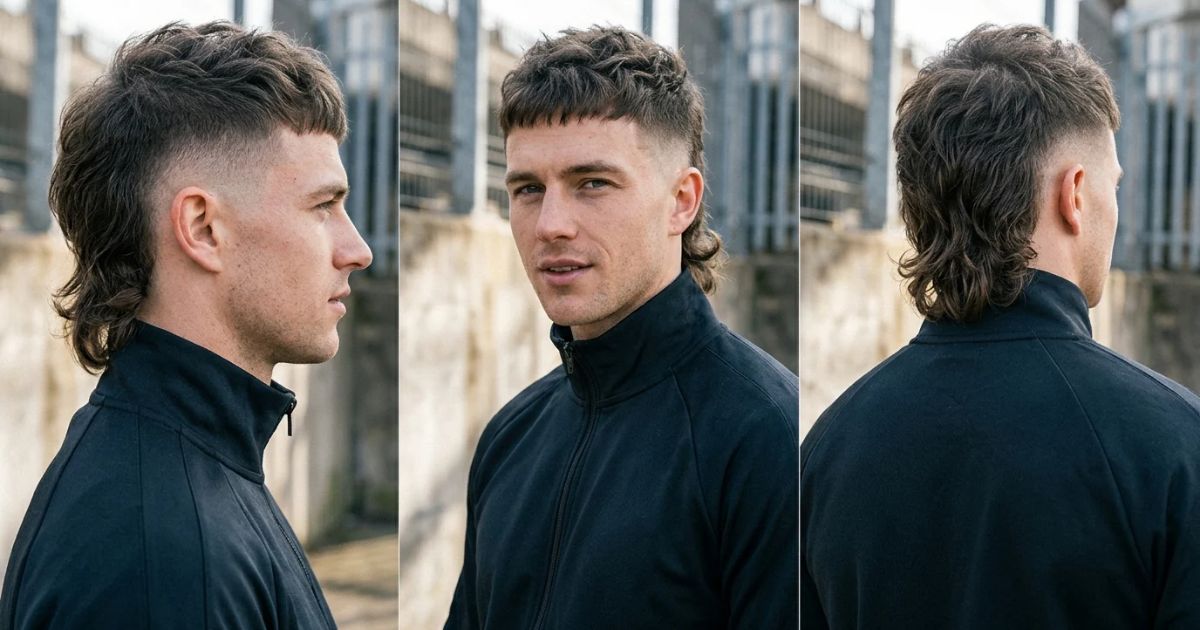
Active men tend to want less fuss. This version uses a tighter fade and a shorter back, so helmets, caps, and sweat won’t wreck it. You can air-dry after a shower and head out the door in about two minutes.
Wolf Cut Modern Mullet Fade
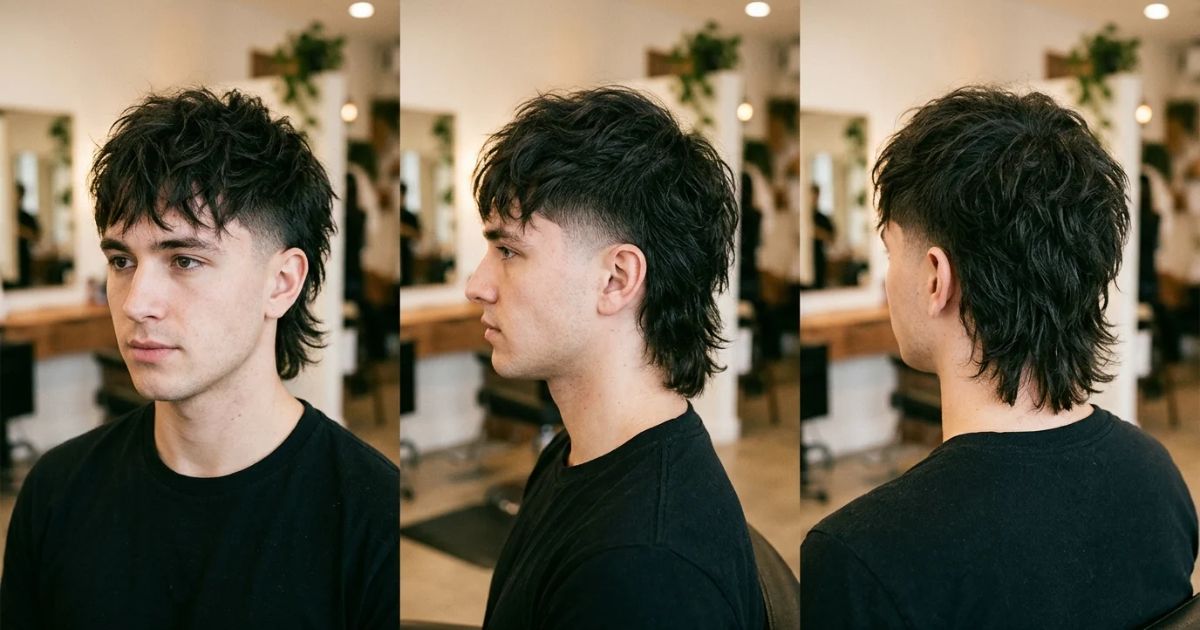
The wolf cut borrows the shaggy, heavily layered feel of shag haircuts and pairs it with a fade on the sides. Expect volume, wild texture, and a longer back. It’s among the shaggiest takes here, so it suits confident, creative dressers.
Modern Mullet Fade Line Design
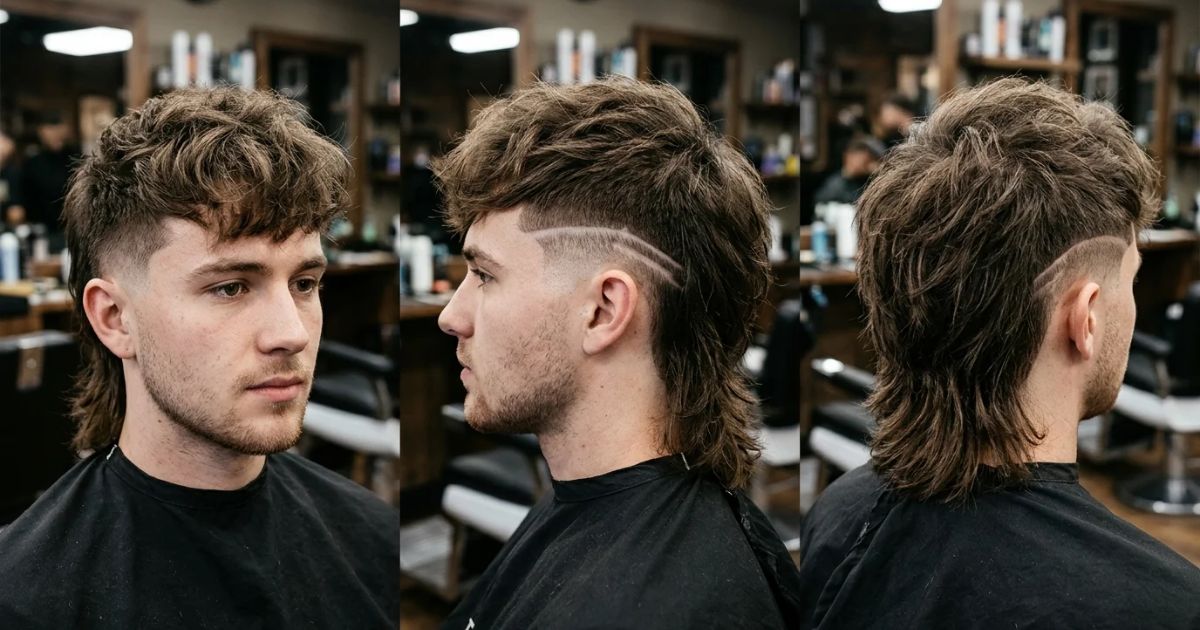
A barber razors a thin line, curve, or small pattern into the fade for added detail. Straight lines look sharp and minimal, while curved ones feel playful. Choose a design that grows out gracefully, because intricate patterns blur within about ten days.
Short Modern Mullet Fade
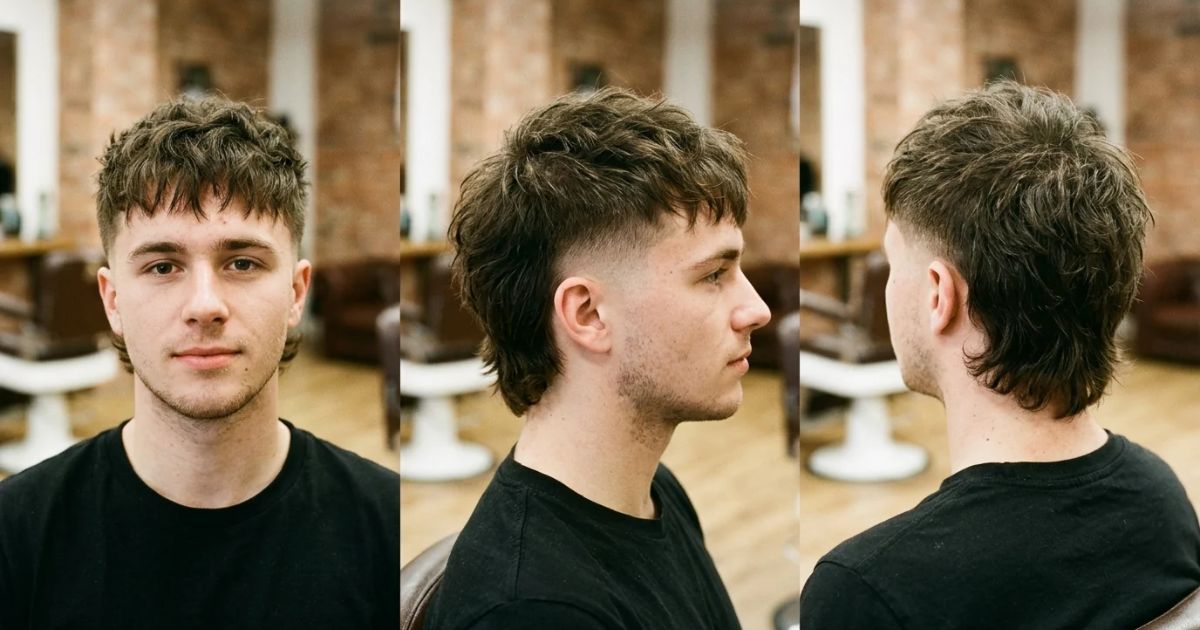
Want the mullet silhouette without much commitment? Keep the top and back short, maybe three inches at the crown and two at the nape. The shape stays recognizable, yet it looks tidy enough for nearly any job. Upkeep stays low too.
Long Hair Modern Mullet Fade
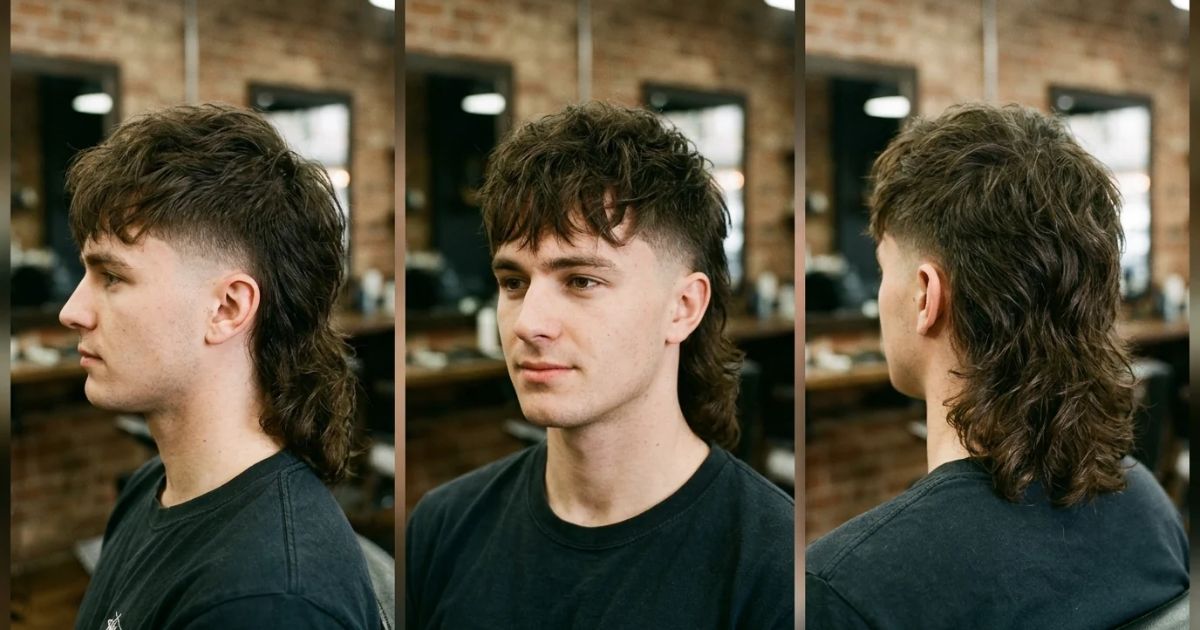
A longer back turns the cut into a statement. Hair can graze the shoulders, and the contrast with faded sides looks striking. Because length exaggerates any unevenness, you’ll need a trim every six to eight weeks to keep the shape deliberate.
Modern Mullet Fade Straight Hair
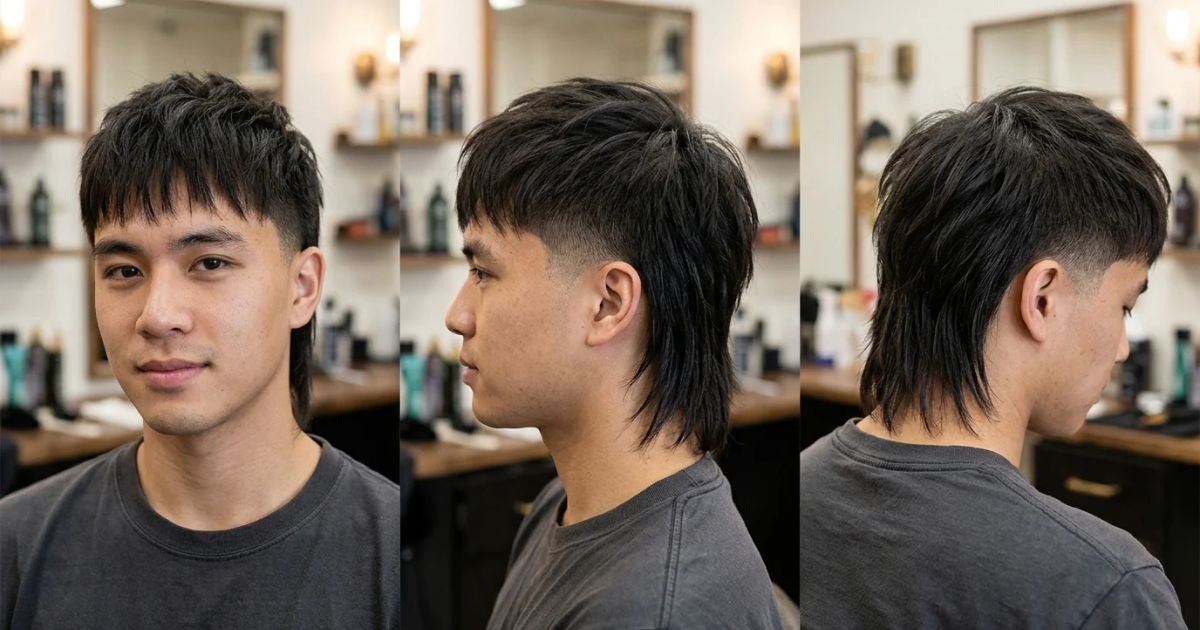
Straight hair lays flat, so the length and outline of the mullet show clearly. Fringes and center parts look especially clean here. Fine, slick strands can feel limp, however, so a light texture spray or sea salt mist adds grip.
Modern Mullet Fade Curly Hair
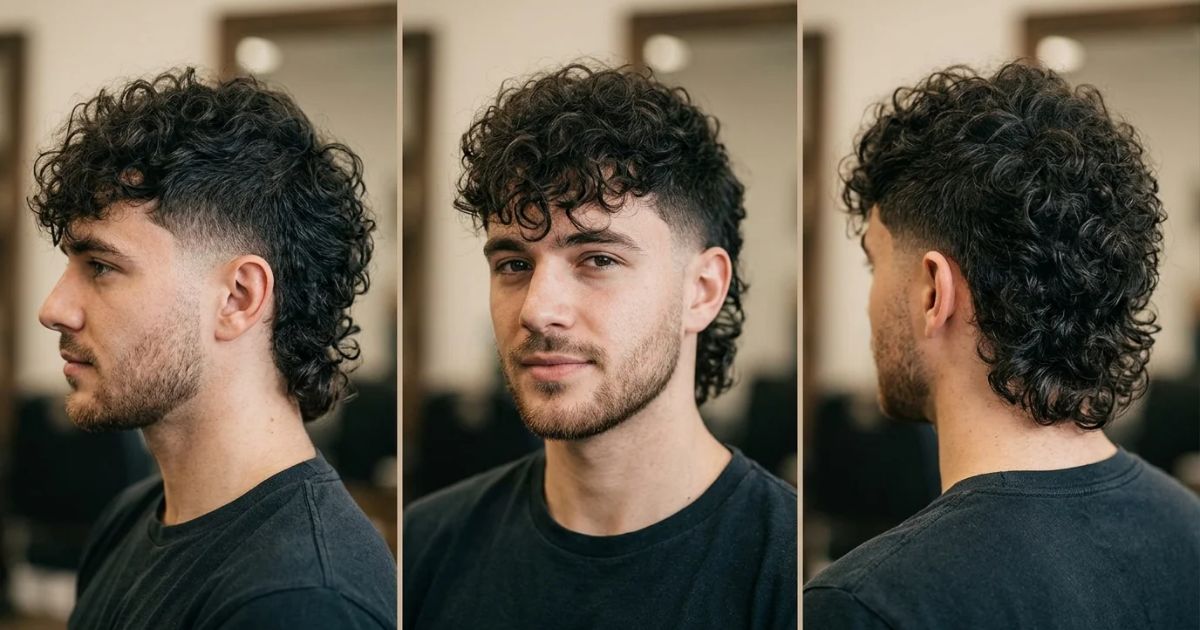
Natural curls bring volume and bounce to the back section, which gives the mullet its personality almost for free. Burst and taper fades keep the sides tidy next to the curls. A curl cream defines the coils without crunch.
Modern Mullet Fade Wavy Hair
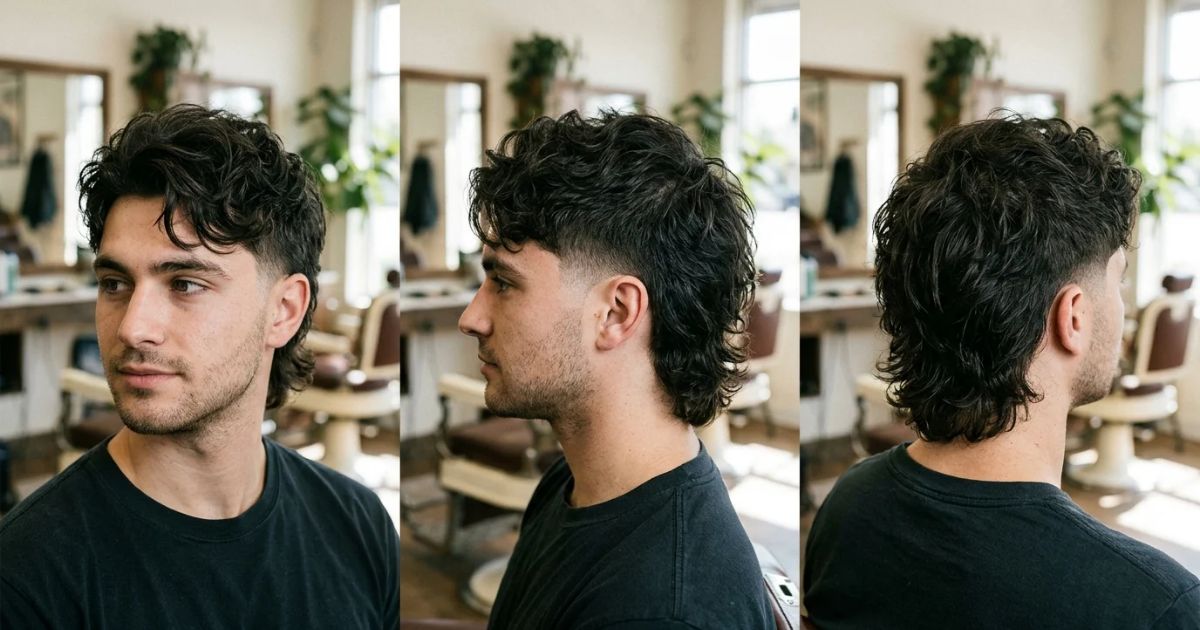
Wavy hair falls between straight and curly. It offers movement without the bulk of tight curls. Layered and textured cuts let those waves show, and a touch of cream or mousse enhances the pattern. Air-drying often works fine.
Modern Mullet Fade Fine Hair
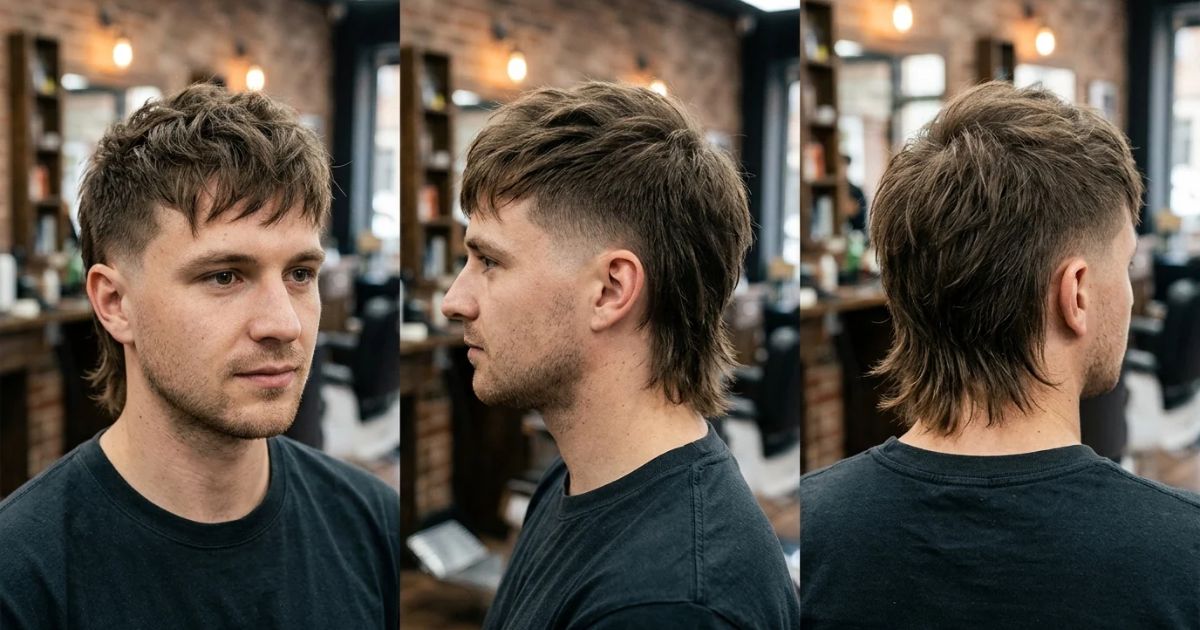
Fine hair looks flat when it carries too much weight. Go with lighter layers, a moderately short back, and a softer taper rather than a stark skin fade. A volumizing powder at the roots lifts the top and adds the look of thickness.
Modern Mullet Fade for Asian Hair
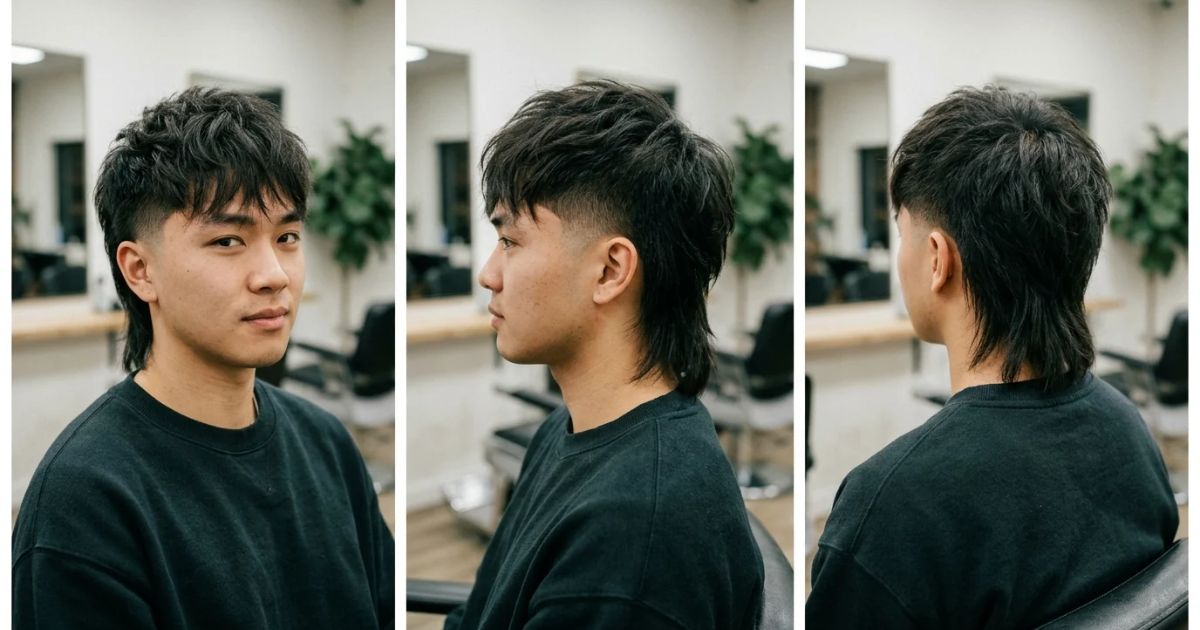
Many Asian hair types grow thick and straight, which suits textured, layered mullet fades. Thinning the interior reduces bulk, while a taper keeps the sides from puffing out. Ask the barber to point-cut the ends so the back doesn’t sit like a block.
Blonde Modern Mullet Fade
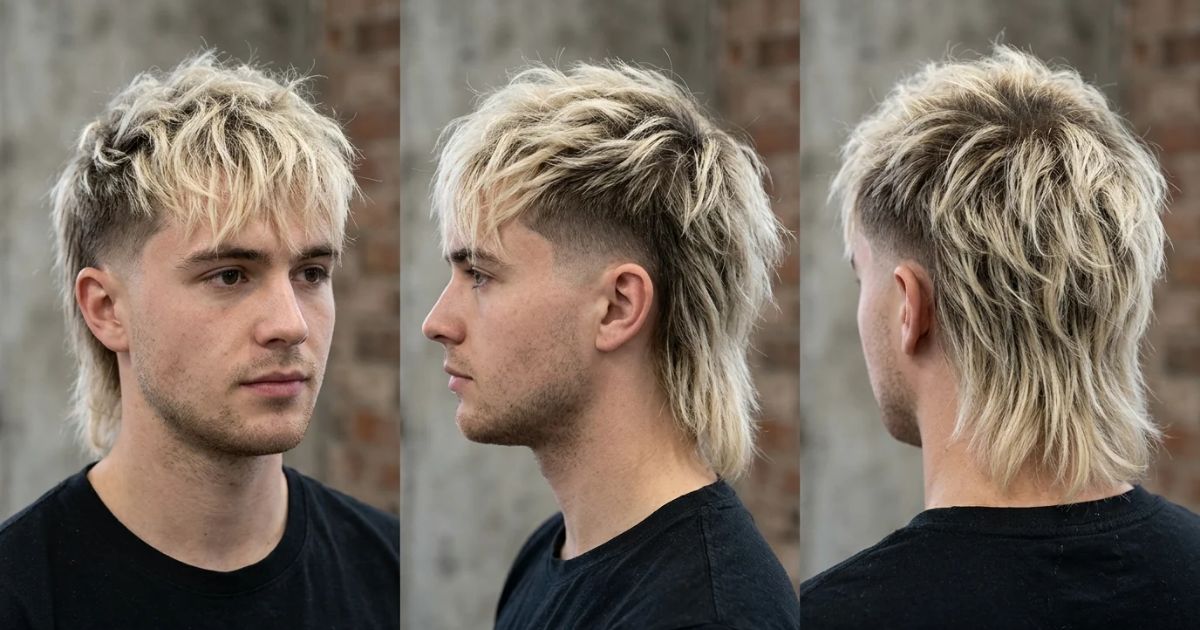
Light hair makes the contrast between faded sides and a longer back pop. Burst and skin fades look especially graphic on platinum or golden tones. Bleach weakens strands, so add a bond-repair mask weekly and use purple shampoo to fight brassiness.
Permed Modern Mullet Fade
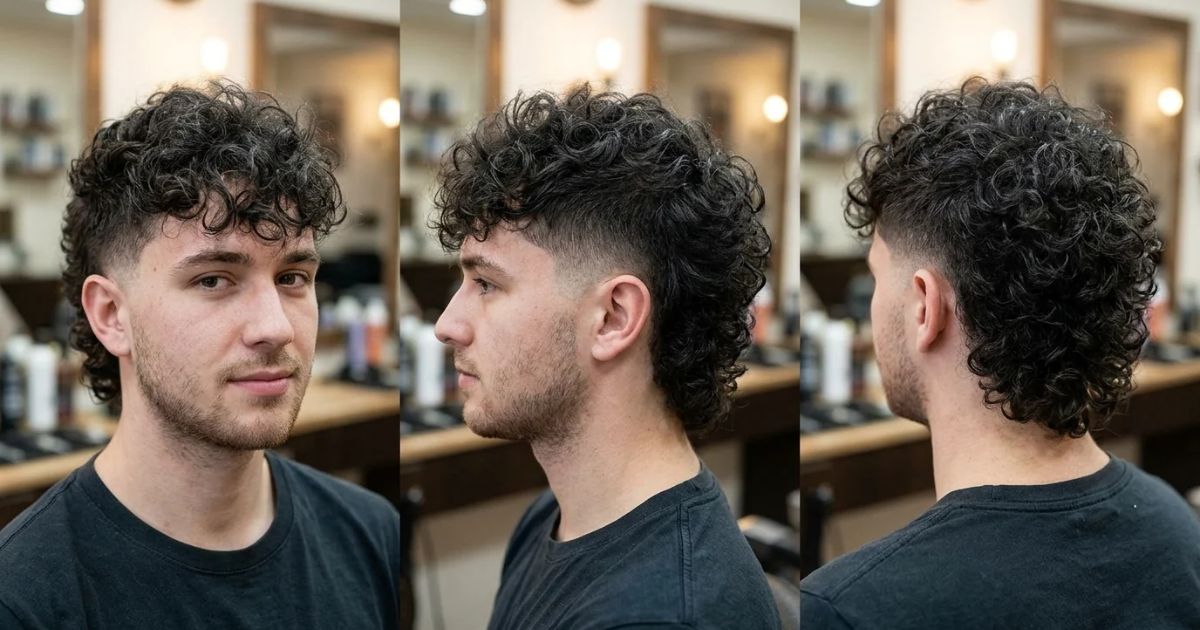
A light perm adds curl and body to straight hair, which gives the mullet section loads of texture. It’s a popular shortcut for guys who envy natural curls. Expect the curl to last around three months, and skip heavy heat styling afterward.
Fluffy Modern Mullet Fade
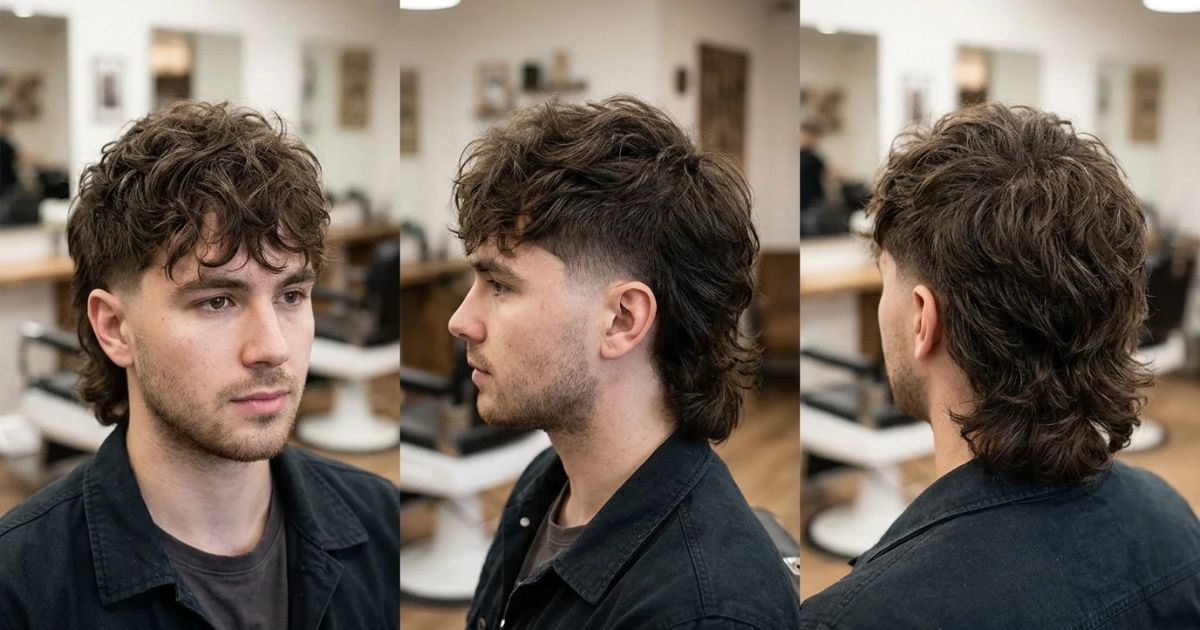
This version relies on blow-drying and lightweight products to build airy volume on top. The sides stay faded and tight to emphasize the puffy crown. Use a round brush, aim the dryer upward, and finish with a soft-hold spray.
Modern Mullet Drop Fade
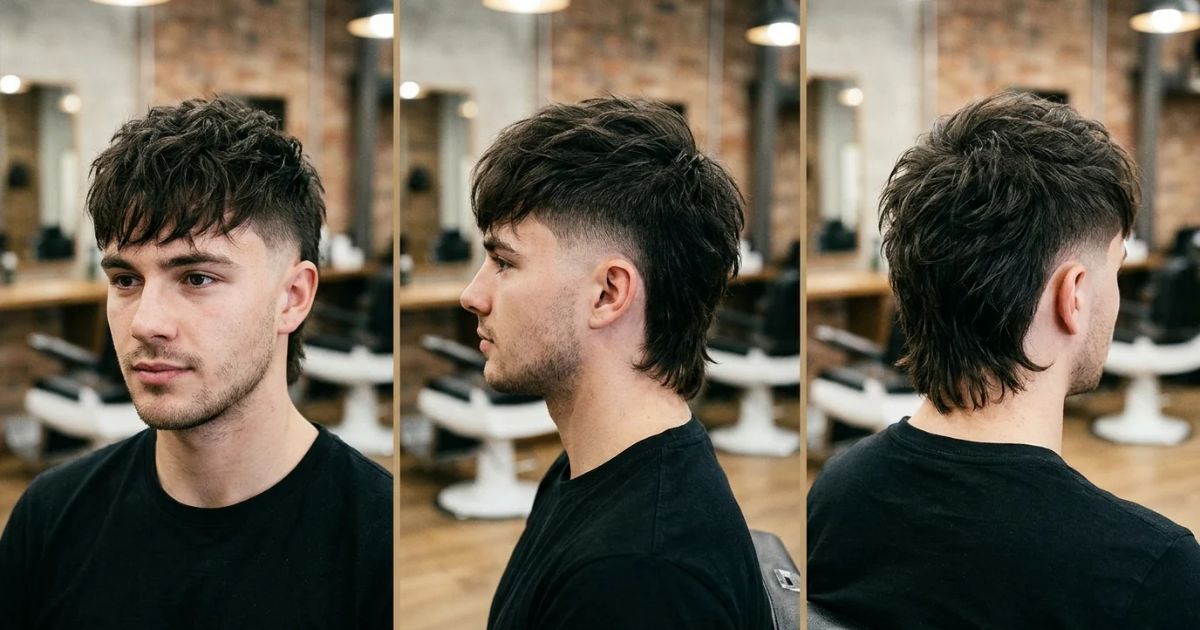
The drop fade arcs behind the ear and dips lower at the nape. That curve follows the skull and flows into the longer mullet layers. It suits men who want a smooth transition and a slightly more dimensional outline.
Modern Mullet Shadow Fade
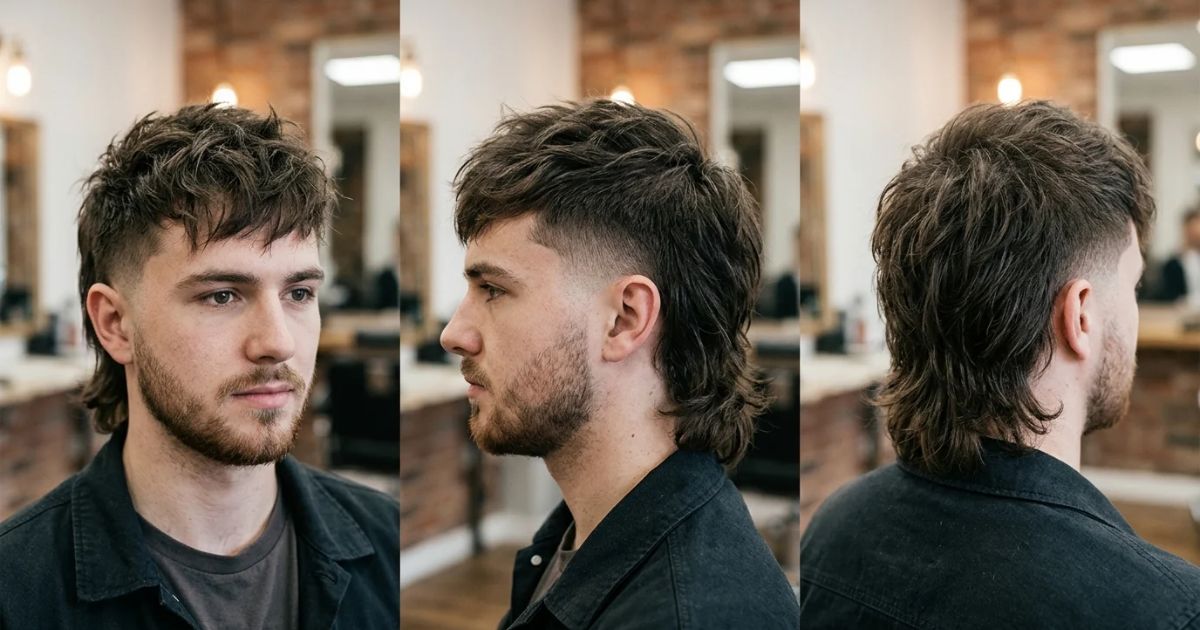
A shadow fade softly blends the sides with a hazy, almost smoky finish. It keeps the mullet’s natural texture intact and avoids a hard edge. The look feels polished yet relaxed, and it grows out without drama.
Modern Mullet Temple Fade
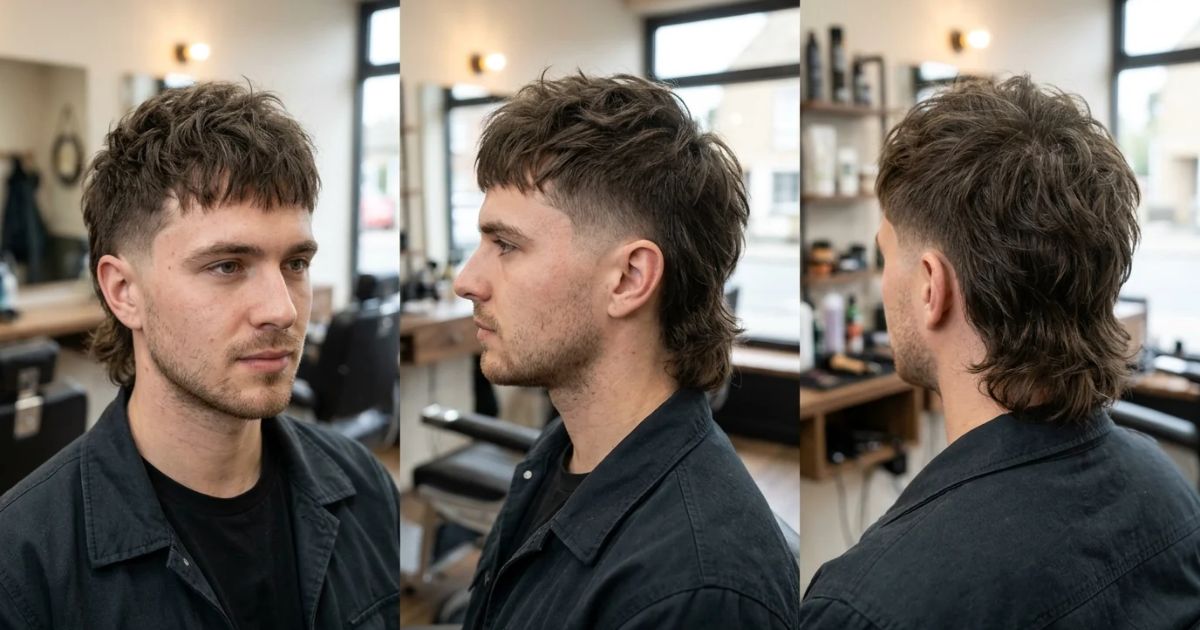
A temple fade concentrates the blend around the temples and sideburn area. That adds a crisp edge to the face while the top and back stay long. It’s a smart option when you’d like a sharp frame without shaving the whole side.
Modern Mullet Fade With Beard
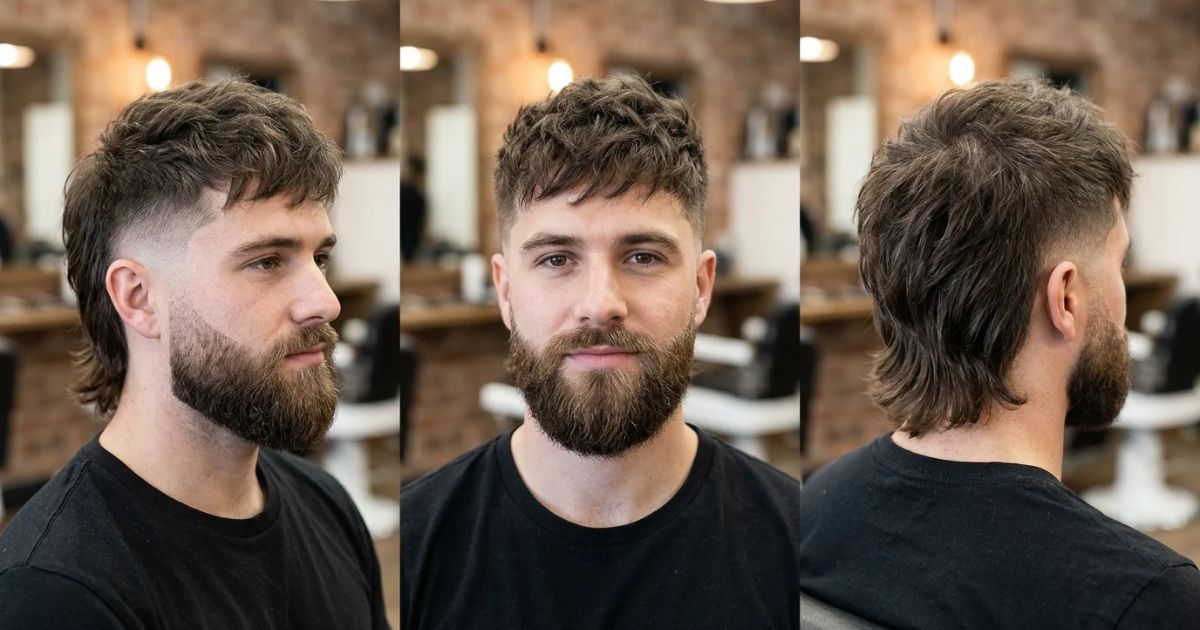
A mullet fade and a groomed beard make a balanced pair. Fade the beard into the sideburns so the transition looks seamless. A fuller beard also strengthens a narrower jaw. Keep the neckline tidy to avoid a scruffy overall impression.
Best Face Shapes for a Modern Mullet Fade
Most face shapes can pull this cut off. Small tweaks to fade height and length make the difference between “nice” and “wow.”
| Face Shape | Best Fade | Best Length Strategy |
| Oval | Any | Flexible, try bold versions |
| Round | Mid to high | Height on top, tighter sides |
| Square | Low or taper | Layers and a fringe to soften the jaw |
| Long | Low or mid | Keep some side volume |
| Heart-Shaped | Mid or taper | Fuller back to balance the chin |
Oval Face
Oval faces are the most forgiving shape. Nearly every fade, fringe, and layering option works, so you can experiment freely. Choose based on your hair type and lifestyle rather than worrying about proportions.
Round Face
Round faces benefit from vertical lines. A high or mid fade with extra height on top elongates the face. Tighter sides also slim the cheeks, while a textured crown draws the eye upward.
Square Face
Strong jaws pair well with softness. Layered, textured, or fringe-heavy mullet fades round off angular edges. A low fade or taper keeps the sides from adding even more sharpness around the jawline.
Long Face
Long faces need width, not height. Keep some volume near the sides with a low or mid fade, and skip tall quiffs on top. A fringe also shortens the forehead area visually.
Heart-Shaped Face
A wider forehead and narrower chin call for balance at the bottom. Medium to long back sections add weight near the jaw. A taper or mid fade keeps the upper face from looking too broad.
How to Ask Your Barber for a Modern Mullet Fade
Clear words prevent bad surprises. Break your request into four parts:
- Top length: short, medium, or long.
- Back length: where the nape section should end (collar, mid-neck, or shoulders).
- Fade type: low, mid, high, burst, taper, drop, or skin.
- Extras: layers, fringe, V-back, or a shaved line design.
Bring a reference photo, since “mullet fade” can mean wildly different things to different barbers. Here’s a sample script: “I’d like a mid burst fade, three inches on top with a textured fringe, and a layered back that reaches my collar.”
How to Style a Modern Mullet Fade
Styling takes about five minutes once you get the routine down. The product choice matters more than the technique.
Modern Mullet Fade Tutorial
- Towel-dry your hair until it’s about 80% dry. Product grips damp hair better than soaking strands.
- Warm a pea-sized amount of styling cream or clay between your palms.
- Work it through the top and back, avoiding the faded sides.
- Blow-dry the crown upward for volume, or air-dry for a looser finish.
- Shape the nape with your fingers into a V, a layered flow, or a straight drop.
- Finish with a light-hold spray on top only, so the hair keeps its movement.
What Products Should I Use to Style a Mullet Fade?
Match the product to your hair type and the finish you want.
| Product | Best For | Finish |
| Matte Clay | Thick or straight hair | Textured, no shine |
| Sea Salt Spray | Fine or wavy hair | Beachy, lived-in |
| Curl Cream | Curly and permed hair | Defined, soft |
| Light Pomade | Controlling the long back | Smooth, slight sheen |
| Texture Powder | Fine hair needing lift | Airy volume |
How to Maintain a Modern Mullet Fade
The fade needs frequent attention, while the length needs patience. Treat them as two separate schedules.
Is a Mullet Fade Hard to Maintain?
It takes more effort than a plain fade because you manage both a crisp blend and a longer back. Still, once you learn a routine, upkeep stays manageable.
How Long Does a Modern Mullet Fade Last?
The fade looks best for two to three weeks. The longer back can usually go six to eight weeks between trims.
How Long Does It Take to Cut a Mullet Fade?
Most barbers finish in 30 to 45 minutes. Detailed work like layering or line designs can add 10 to 15 minutes.
Modern Mullet Fade Comparison: Top Options at a Glance
| Style | Contrast | Best Face Shapes | Best Hair Types | Touch-Up Interval |
| Burst Fade | Medium | Round, heart | Curly, thick | 2–3 weeks |
| Low Fade | Low | Long, oval | Most types | 3–4 weeks |
| Taper Fade | Low | Square, heart | Fine, wavy | 3–4 weeks |
| Mid Fade | Medium | Oval, round | Straight, wavy | 2–3 weeks |
| High Fade | High | Round, oval | Thick, straight | 2 weeks |
| Skin Fade | Very High | Oval, round | Dense, coarse | 1–2 weeks |
| Drop Fade | Medium | Oval, square | Wavy, curly | 2–3 weeks |
| Shadow Fade | Low | Any | Textured | 3 weeks |
Quick pick: A taper fade offers the easiest entry point because it blends smoothly and grows out well.
Is the Mullet Still in Style in 2026?
Yes. Several barbershops and men’s style publications still list the modern mullet among their top cuts for 2026. The difference is polish. Fades, layers, and controlled texture have replaced the unruly shapes of decades past.
Its staying power comes from flexibility. You can keep it quiet with a low taper or turn it loud
with a bleached wolf cut. That range lets it fit offices, campuses, and nightlife alike.
FAQ’S
What is a mullet fade?
A mullet fade combines a longer back section with short, blended sides. You get the classic mullet silhouette, plus a clean fade that stays sharp.
What fade is best for a mullet?
A burst fade suits most men because it curves around the ear and frames the longer back. Low tapers work well for conservative office settings.
How often should I get a mullet fade touched up?
Refresh the fade every two to three weeks to keep the blend crisp. Then trim the longer back section roughly every six to eight weeks.
Does a mullet fade work with curly hair?
Yes. Curls add volume to the back, while a burst or taper fade keeps the sides tidy. A curl cream defines the coils without frizz.
Is a mullet fade professional enough for work?
It can be. Choose a low fade or taper, keep the back neat and above the collar, and add light styling for a polished finish.
Conclusion
A modern mullet fade works because it lets you customize everything. Fade height, back length, texture, and hair color all shift the final look. Pick the version that matches your face shape and routine, then bring a clear photo and a four-part request to your barber.
Great results come from steady upkeep. Book a fade refresh every two to three weeks, trim the back every couple of months, and match your products to your hair type. Do that, and your mullet will look intentional, current, and confidently yours.