
The low taper haircut is one of the most versatile and stylish hairstyles for men. It offers a clean, modern appearance without removing too much hair from the sides and back. Whether you prefer a classic professional look or a trendy hairstyle with textured curls, a low taper can complement different hair types, face shapes, and personal preferences.
One of the main reasons men choose a low taper is its natural finish. The hair gradually becomes shorter around the sideburns, temples, and neckline, while the rest of the sides usually retain more length than they would with a high fade. This creates a subtle transition that looks polished without appearing too dramatic.
What Is a Low Taper Haircut?Low Taper Haircut for Men
A low taper haircut is a hairstyle in which the hair gradually becomes shorter around the lower areas of the head, particularly near the temples, sideburns, and neckline. The transition usually stays close to the ears and the bottom of the hairline, leaving more length on the upper sides.
Unlike a high fade, which removes more hair from the sides, a low taper creates a softer and more understated appearance. The top can be kept short, medium-length, curly, wavy, or long enough for different styling options.
The exact result depends on your barber’s technique, the length of your hair, and whether you prefer a natural blend or a sharper outline.
Main Features of a Low Taper
- Subtle transition: The hair gradually becomes shorter around the lower edges.
- Natural appearance: More hair remains on the sides compared with many high-fade styles.
- Versatility: It works with a wide range of hairstyles on top.
- Clean edges: The temples, sideburns, and neckline look neat and well-groomed.
- Flexible styling: You can choose a casual, professional, classic, or modern finish.
A low taper is a particularly good option for men who want a stylish haircut without an extremely noticeable change in hair length.
Low Taper vs. Low Fade: What Is the Difference?
The terms low taper and low fade are sometimes used interchangeably, but they can describe different cutting techniques.
A low taper generally focuses on gradually shortening the hair around the temples and neckline. A low fade usually blends the hair shorter across a broader section of the lower sides and back.
| Feature | Low Taper | Low Fade |
| Main area | Temples, sideburns, and neckline | Lower sides and back |
| Overall look | Natural and subtle | More noticeable blending |
| Hair on the sides | Usually retains more length | Often shorter over a wider area |
| Contrast | Generally low | Low to moderate, depending on the finish |
| Styling options | Classic, textured, and professional | Modern, sharp, and versatile |
| Maintenance | Often grows out naturally | Depends on how short and defined the fade is |
If you want a clean haircut that preserves the natural shape of your hair, a low taper may be the right choice. If you prefer a more noticeable transition around the sides, consider a low fade instead.
15 Best Low Taper Hairstyles for Men in 2026
1. Classic Low Taper
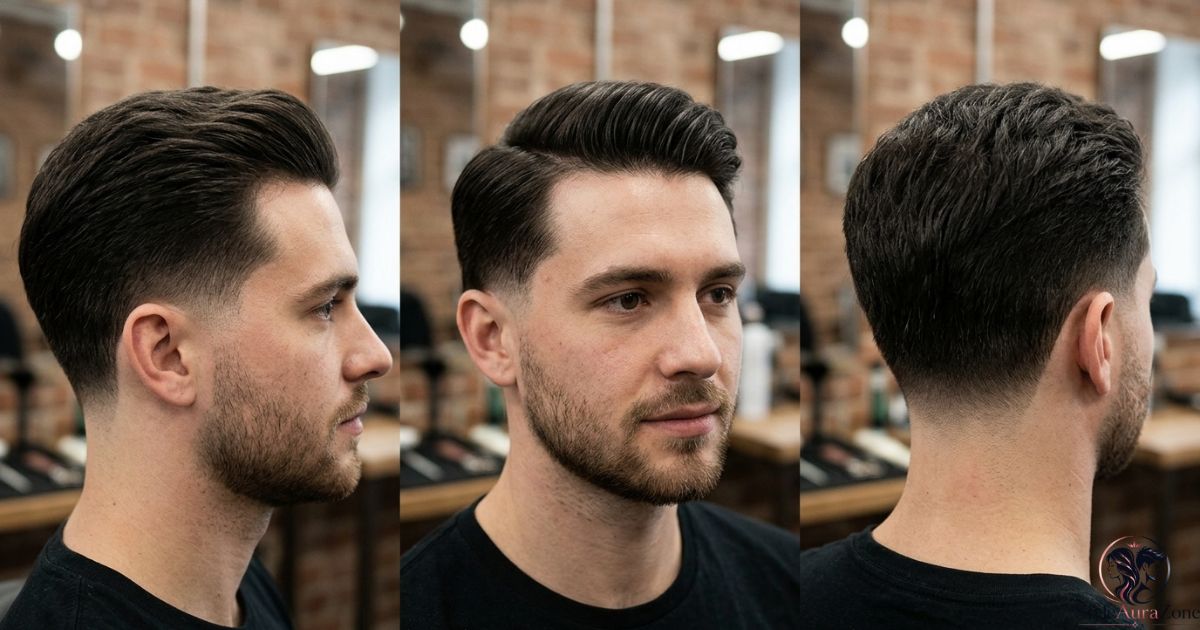
The classic low taper is a timeless hairstyle that combines neatly trimmed edges with a natural appearance. The barber gradually shortens the hair near the temples and neckline while keeping the upper sides and top relatively full.
This style is suitable for men who prefer a simple haircut that does not look overly trendy. It works well in offices, schools, formal events, and everyday settings.
You can wear the top short for a low-maintenance routine or leave it slightly longer for more styling flexibility.
Styling tip: Use a small amount of lightweight styling cream to keep the hair neat without making it look stiff.
2. Low Taper Fade
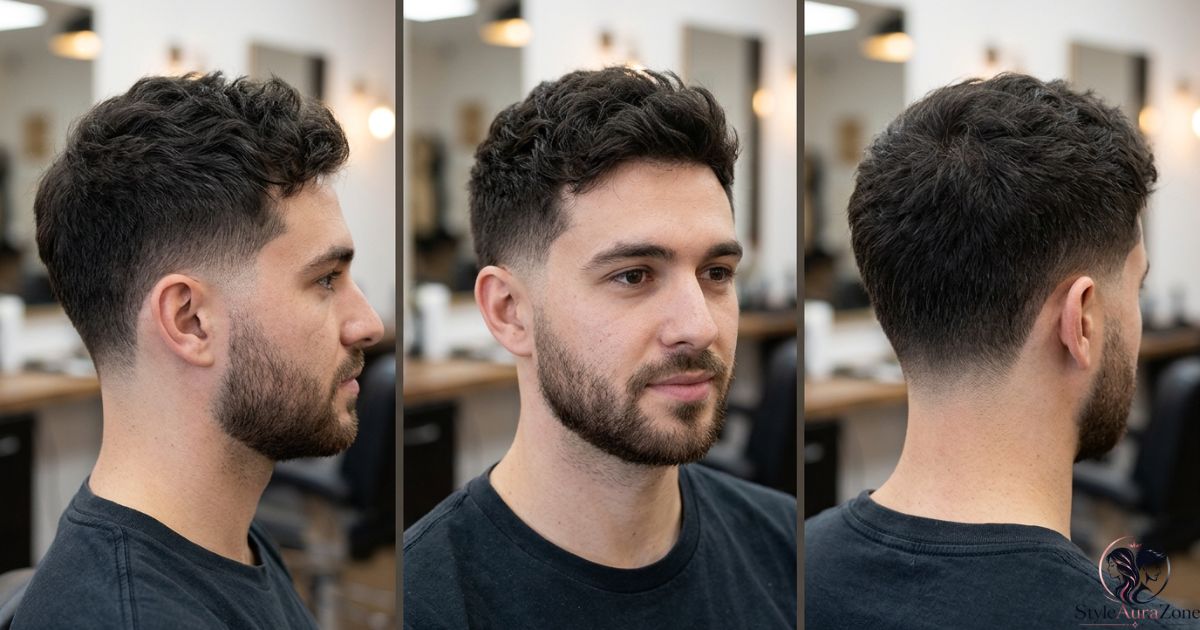
The low taper fade combines the subtle placement of a low taper with a more noticeable fading effect around the edges. Depending on the barber’s technique, the transition may blend very short hair into longer sections around the temples and neckline.
This variation suits men who want a sharper finish while maintaining a balanced overall appearance. It works with short crops, curls, side parts, and textured hairstyles.
When booking a haircut, show your barber a reference image because the term can describe slightly different finishes at different barbershops.
Styling tip: Keep the top proportionate to the sides so the fade looks balanced rather than disconnected.
3. Low Taper with Curly Hair
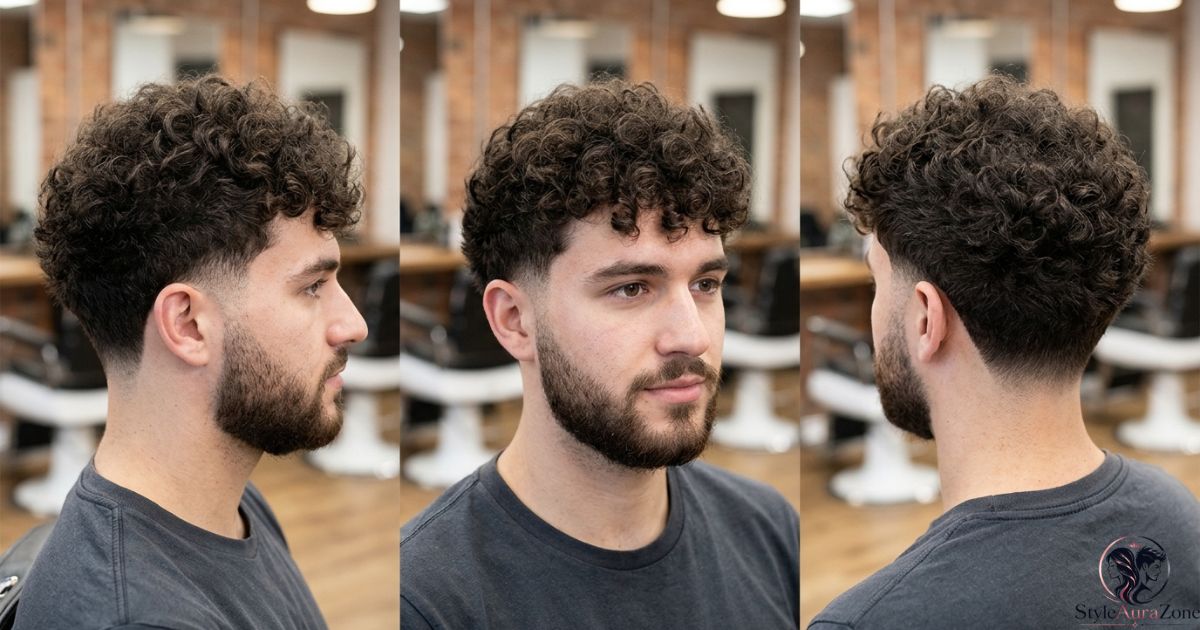
A low taper with curly hair is an excellent choice for men who want to keep their natural curls while maintaining clean edges. The shorter areas around the temples and neckline frame the face, while the curls provide volume and texture.
This haircut works with loose curls, tight curls, and different lengths. A short curly top creates a practical everyday style, while longer curls offer a fuller appearance.
The barber should account for the natural curl pattern and shrinkage when deciding how much length to remove.
Styling tip: Apply a suitable curl cream to damp hair and allow the curls to dry naturally or use a diffuser.
4. Low Taper with Wavy Hair
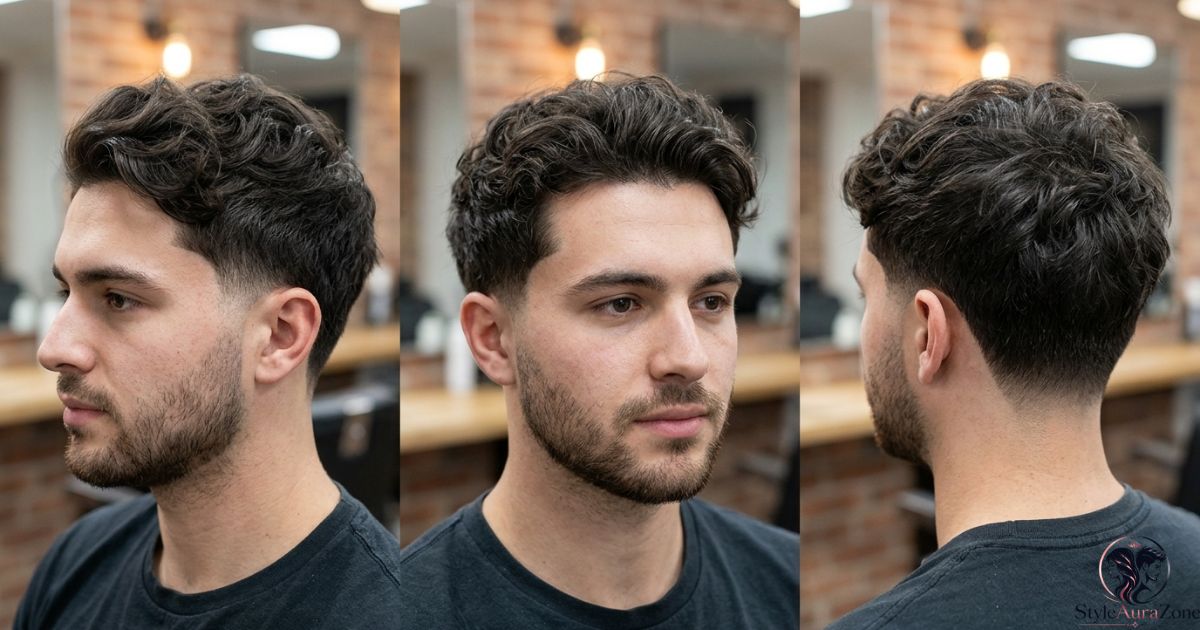
The low taper with wavy hair offers a relaxed and fashionable look. Natural waves add movement to the top, while the tapered edges create a neat finish around the ears and neckline.
This hairstyle is suitable for men who want texture without committing to an extremely short haircut. It can be paired with a messy top, a side-swept fringe, or medium-length waves.
For the best result, keep enough length on top for your natural wave pattern to remain visible.
Styling tip: Use a lightweight mousse or texturizing product to enhance movement without weighing down the hair.
5. Low Taper with Straight Hair
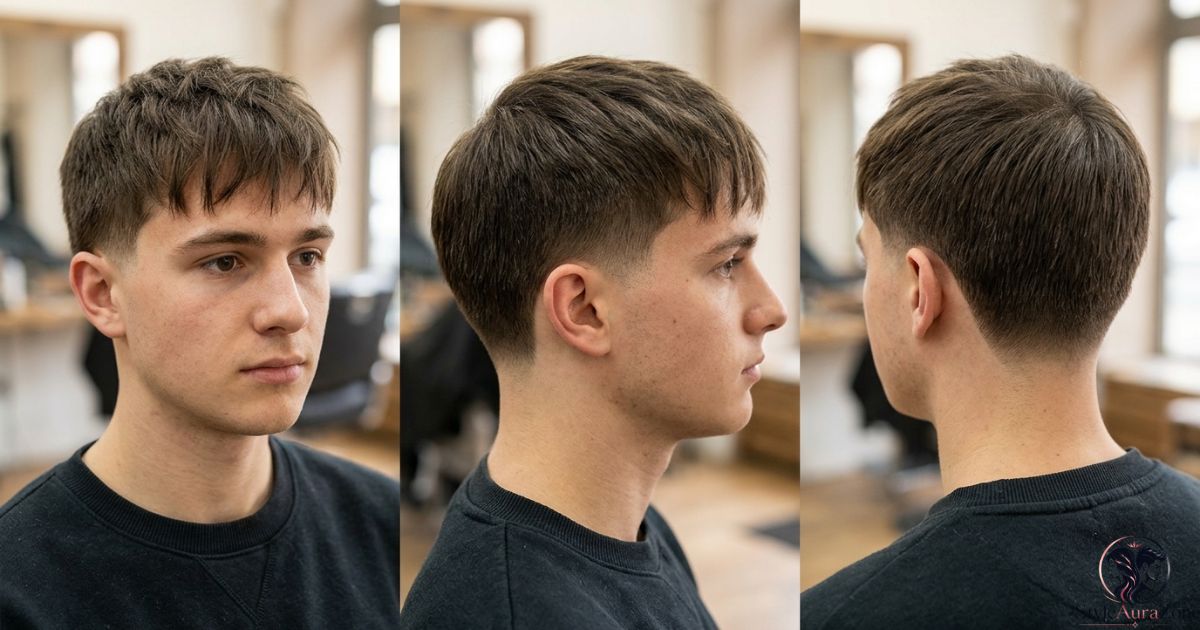
Straight hair pairs well with a low taper because the clean edges complement the smooth texture. You can style the top into a side part, comb-over, short quiff, or textured crop.
Men with fine hair may prefer a shorter top that is easy to manage. Those with thick hair can keep more length and ask their barber to remove excess bulk where needed.
The key is to choose a top style that works with your natural hair density and growth direction.
Styling tip: Use a lightweight volumizing product if your hair tends to lie flat.
Read more:Taper Fade Haircut for Men: 15 Stylish Taper Fade Styles to Try in 2026
6. Low Taper with Textured Crop
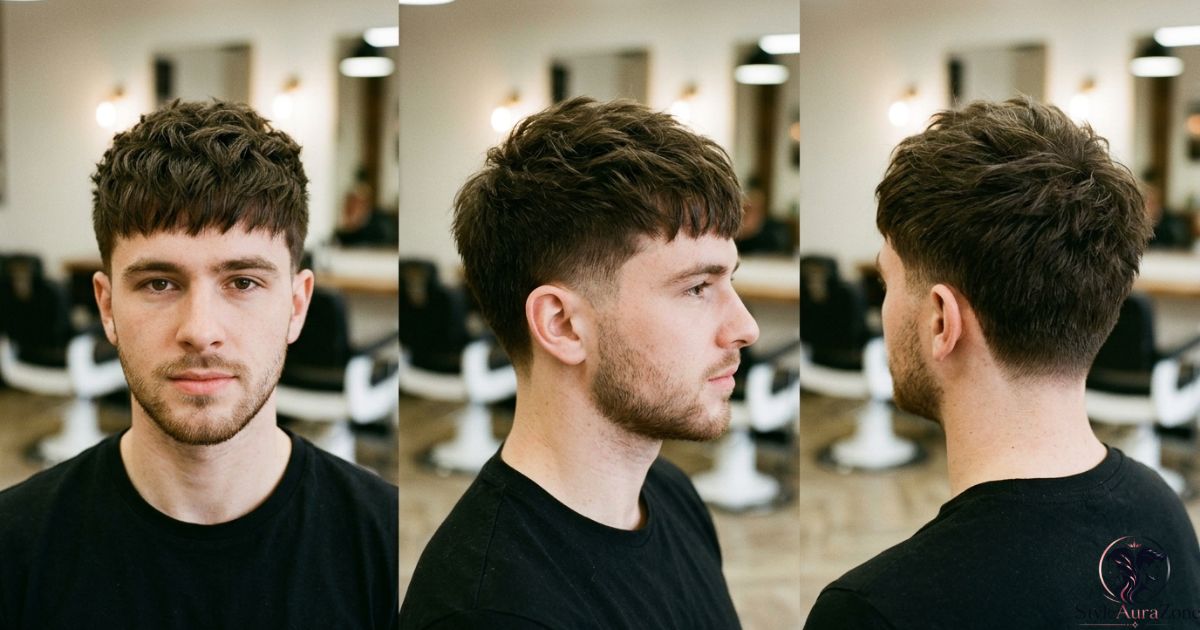
A textured crop features a short top with layered sections that create movement. Combining it with a low taper gives the haircut a clean outline without taking too much hair away from the sides.
This style is ideal for men who want a modern haircut that requires relatively little daily effort. The top can be worn forward, slightly messy, or with a short fringe.
It works with straight, wavy, and curly hair, although the layering should be adjusted to the texture.
Styling tip: Rub a small amount of matte paste between your fingers and apply it through the top to define the texture.
7. Low Taper with a Quiff
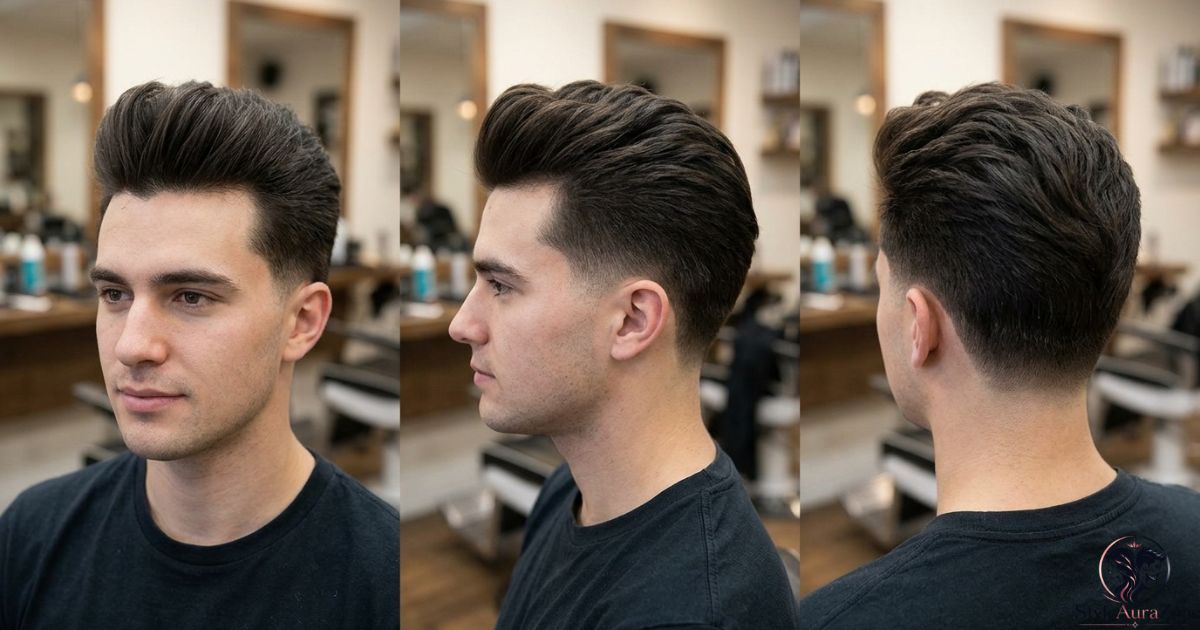
The quiff is a hairstyle in which the front section is lifted and styled upward or backward. A low taper creates a neat foundation while allowing the top to remain fuller.
This combination provides a smart and fashionable appearance. It works particularly well for men who want a hairstyle that can transition from everyday wear to more formal occasions.
The amount of height depends on your hair length, density, and styling technique.
Styling tip: Blow-dry the front upward using a brush and finish with a medium-hold styling product.
8. Low Taper with a Side Part
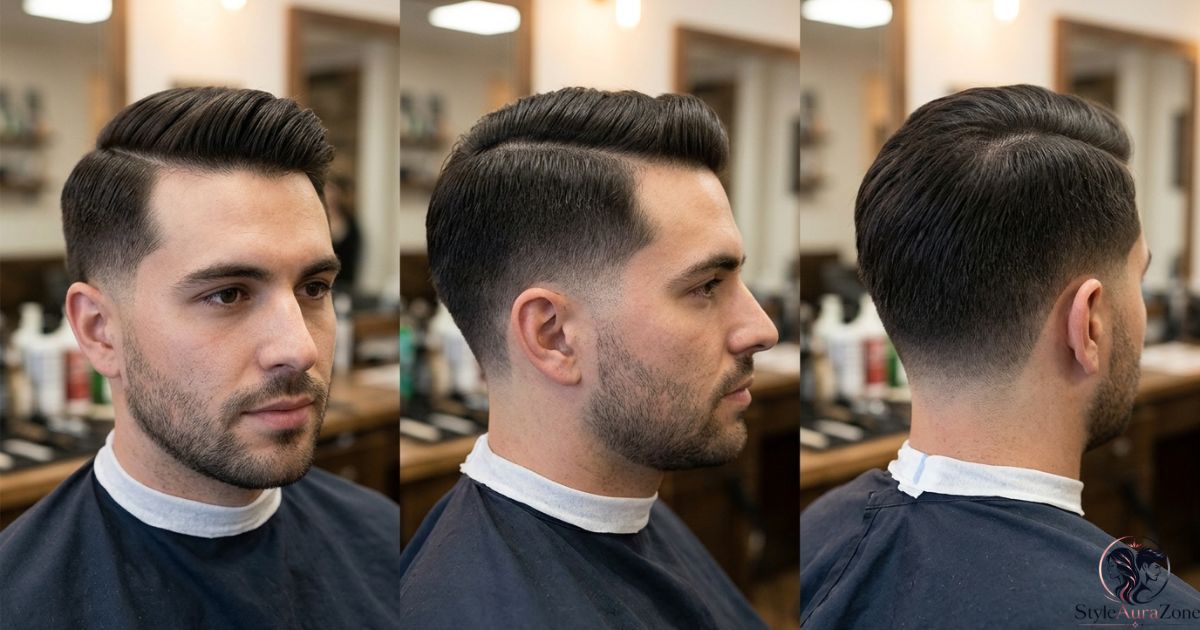
A side-part low taper combines a classic men’s hairstyle with modern barbering. The hair is divided to one side, while the temples and neckline receive a subtle taper.
It is a strong choice for professional environments, weddings, interviews, and formal occasions. You can keep the part natural for a softer appearance or request a defined line for a sharper finish.
This haircut works especially well with straight and slightly wavy hair.
Styling tip: Comb the hair into place and use a lightweight pomade or styling cream for control.
9. Low Taper with a Crew Cut
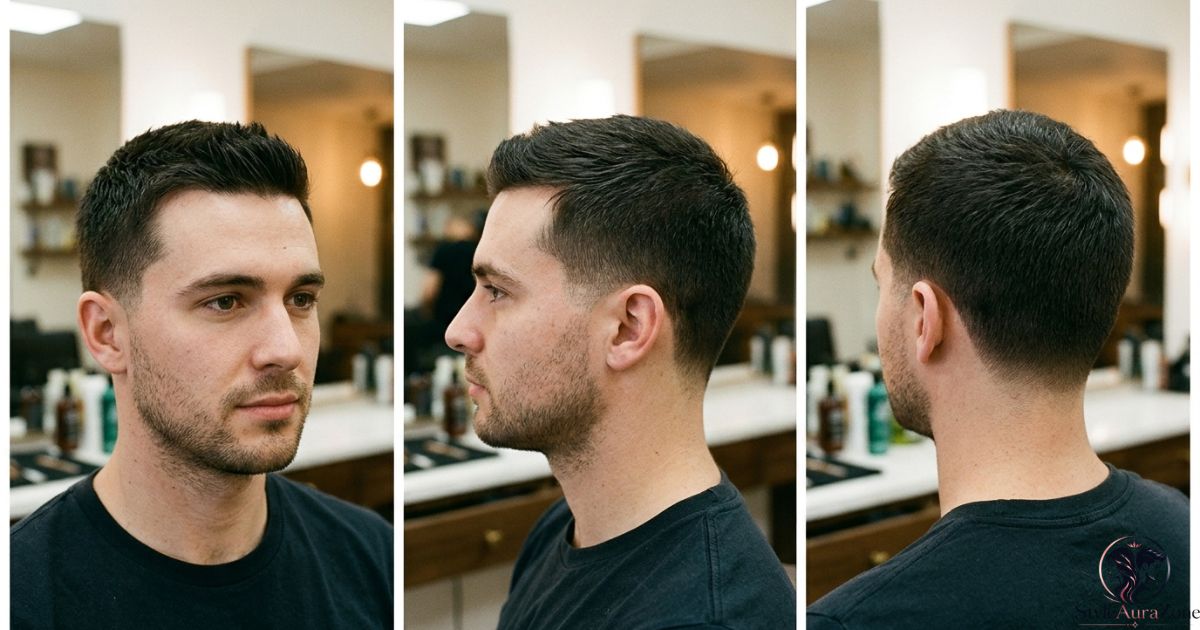
The crew cut is a short hairstyle that is easy to manage. Adding a low taper keeps the edges neat while maintaining a simple and practical appearance.
This variation is suitable for active men, busy professionals, and anyone who prefers to spend less time styling their hair.
You can choose a uniform short top or ask for a little texture to make the haircut look more modern.
Styling tip: A small amount of matte product can add definition, although many crew cuts look good without any styling product.
10. Low Taper with a Slick Back
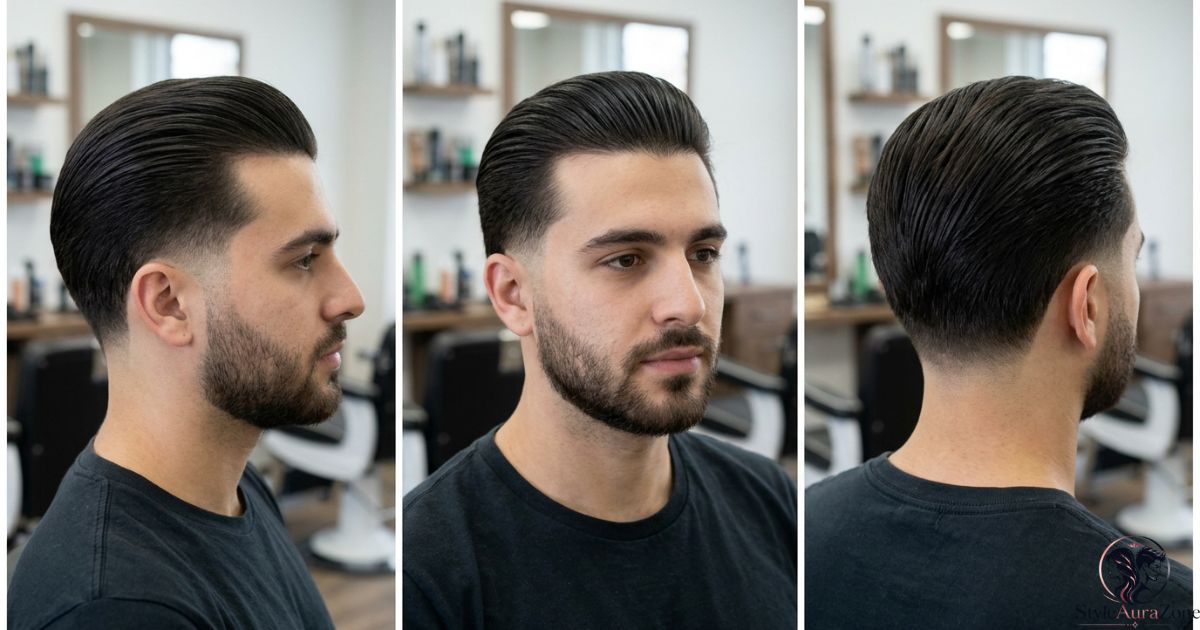
The slick-back hairstyle features longer hair brushed backward from the forehead. A low taper provides a clean finish around the temples and neckline without removing too much length from the sides.
This style can look classic and polished or relaxed and modern, depending on the amount of shine and hold you prefer.
Men with medium-length straight or wavy hair may find this combination especially easy to shape.
Styling tip: Comb the hair backward while damp and apply a suitable styling cream or pomade. Avoid excessive product if your hair is fine.
11. Low Taper with Afro Hair
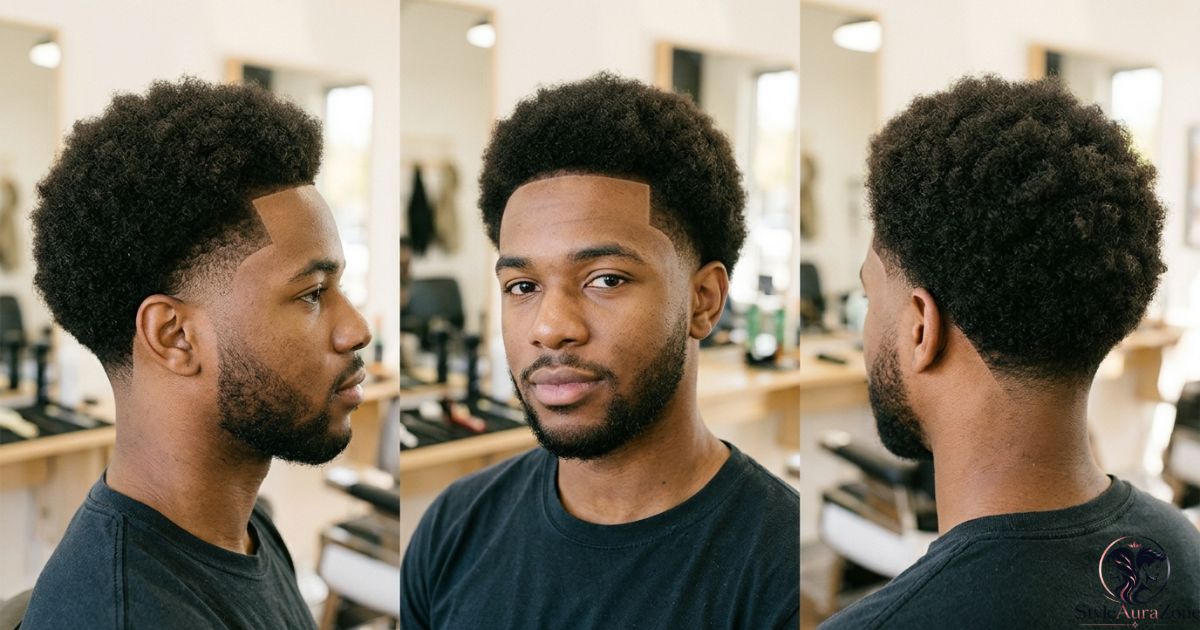
A low taper with afro hair preserves the natural volume and shape of the top while keeping the temples and neckline tidy.
This style can be customized for short coils, a rounded afro, or a fuller top. The barber can create a natural transition that complements the shape of the hair without unnecessarily reducing its volume.
It is a versatile choice for men who want their natural texture to remain the main feature of their haircut.
Styling tip: Use moisturizing products suitable for your hair and scalp, and maintain the shape with regular trims.
12. Low Taper with Short Curls
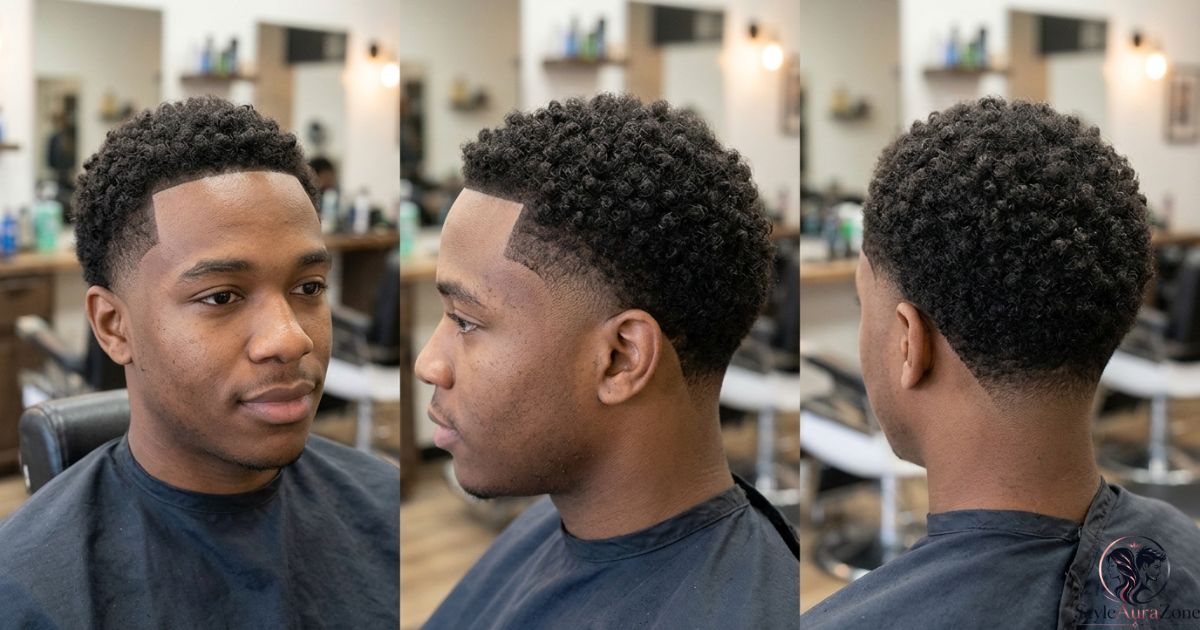
Short curls with a low taper offer a balanced combination of texture and clean edges. The top remains short enough for easy styling, while the tapered areas frame the haircut neatly.
This is a practical option for men who enjoy curly hair but do not want to manage a longer hairstyle every day.
You can choose a more uniform top or ask your barber to preserve extra length for a fuller appearance.
Styling tip: Apply a small amount of curl cream and avoid excessive brushing when the hair is dry.
13. Low Taper with a Fringe
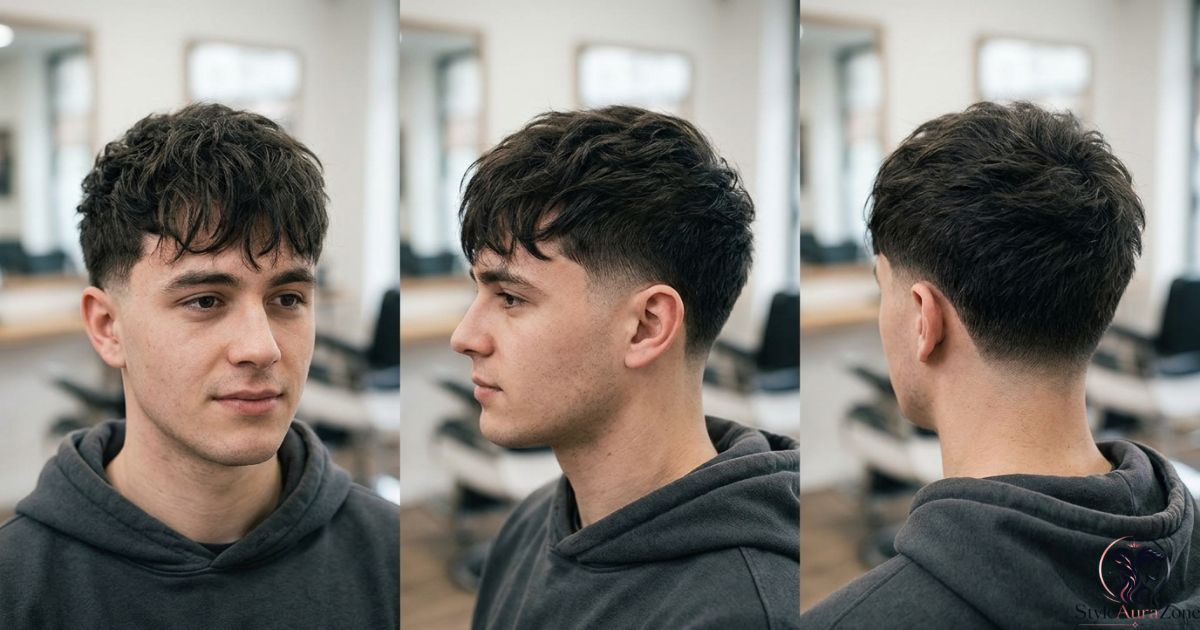
A fringe brings the front section of the hair forward toward the forehead. When combined with a low taper, it creates a modern hairstyle with a clean outline and a relaxed top.
This variation can work with straight, wavy, and curly hair. A short fringe looks structured, while a textured fringe creates a softer and more casual effect.
The ideal length depends on your forehead, hairline, and preferred style.
Styling tip: Use a lightweight matte product to separate the fringe into natural-looking sections.
14. Low Taper with a Pompadour
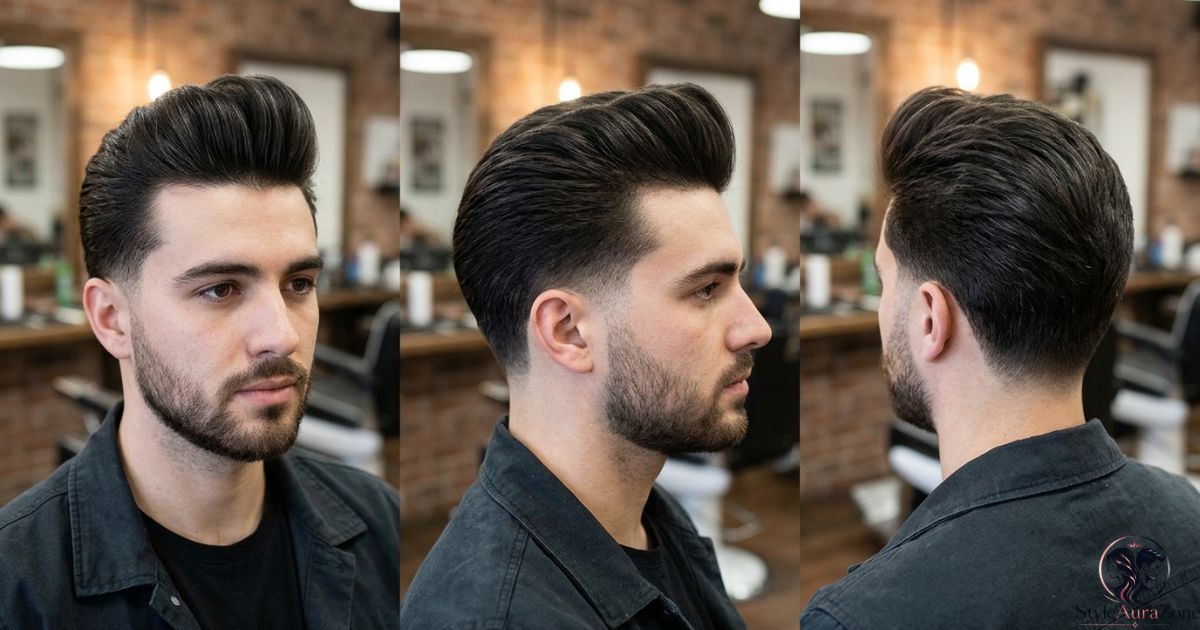
The pompadour is known for its fuller front section, which is styled upward and backward. A low taper keeps the sides neat while allowing the top to remain the focus.
This combination is suitable for men who enjoy a polished hairstyle with noticeable volume. A shorter pompadour may be easier to maintain, while a longer version requires more time and styling.
It is important to preserve enough length at the front to create the desired shape.
Styling tip: Use a blow-dryer and round brush to build volume, then apply a suitable styling product to hold the shape.
15. Low Taper with Long Hair
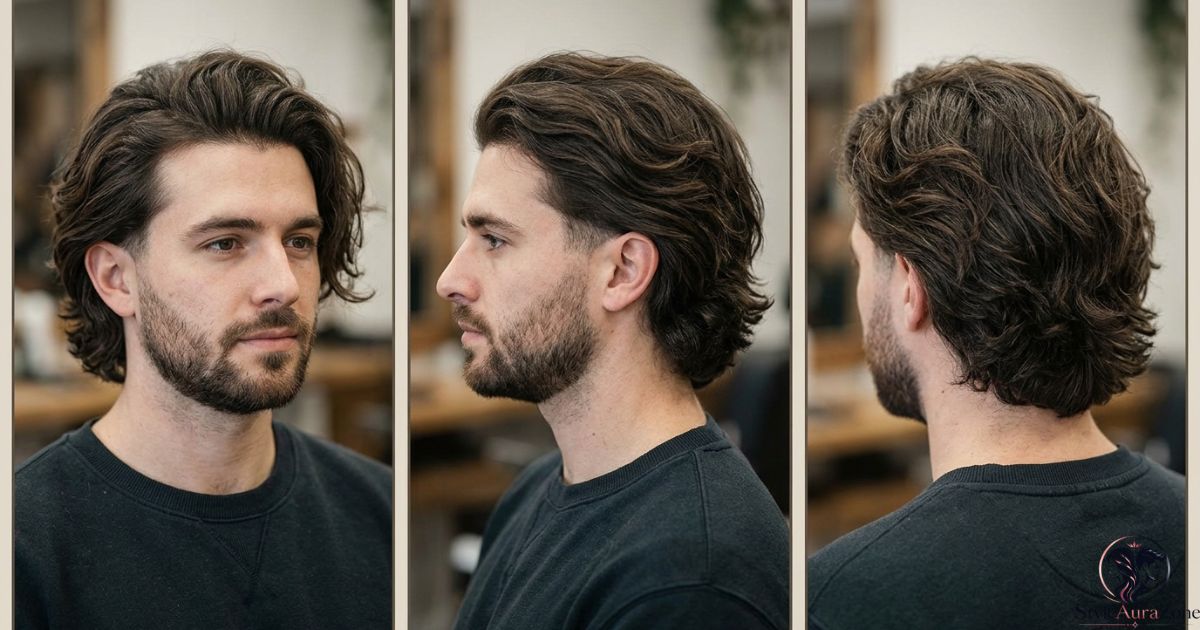
A low taper can also work with longer hair on top. The subtle taper around the temples and neckline creates a cleaner appearance while allowing the longer sections to remain prominent.
You can wear the hair loose, push it backward, create a side-swept look, or tie it back when the length allows.
This hairstyle is ideal for men who want to maintain their length while adding structure around the edges.
Styling tip: Use a lightweight leave-in product if your hair needs extra moisture or manageability.
Low Taper Hairstyles Comparison Table
The following table compares popular low taper variations to help you select the right style.
| Hairstyle | Best Hair Type | Overall Appearance | Styling Effort |
| Classic Low Taper | Most hair types | Natural and timeless | Low |
| Low Taper Fade | Straight, wavy, curly | Clean and modern | Low to medium |
| Curly Low Taper | Curly and coily | Textured and full | Medium |
| Wavy Low Taper | Wavy | Relaxed and stylish | Low to medium |
| Straight Hair Low Taper | Straight | Smooth and neat | Low to medium |
| Textured Crop | Straight, wavy, curly | Modern and casual | Low |
| Quiff Low Taper | Straight, wavy | Lifted and polished | Medium |
| Side-Part Low Taper | Straight, wavy | Professional and classic | Low to medium |
| Crew Cut Low Taper | Most hair types | Simple and practical | Very low |
| Slick-Back Low Taper | Straight, wavy | Refined and controlled | Medium |
| Afro Low Taper | Coily and afro-textured | Full and defined | Medium |
| Short Curls Low Taper | Curly | Neat and textured | Low to medium |
| Fringe Low Taper | Straight, wavy, curly | Modern and relaxed | Low to medium |
| Pompadour Low Taper | Straight, wavy | Voluminous and classic | Medium to high |
| Long Hair Low Taper | Most hair types | Versatile and contemporary | Medium |
Styling effort is approximate. Your actual routine depends on hair length, density, texture, and the products you prefer.
How to Choose the Best Low Taper for Your Face Shape
A low taper can be adapted to different face shapes. The most suitable style depends on your proportions, hairline, and preferred top length.
Oval Face Shape
Men with oval faces can usually experiment with several low taper variations. A side part, textured crop, quiff, or short curls can all work well.
Choose the top length according to your personal style rather than relying on strict rules about face shape.
Round Face Shape
A little extra height or texture on top can create a more elongated appearance. Consider a low taper with a quiff or a textured hairstyle.
You do not need extremely short sides to achieve balance. The overall proportions of the haircut matter just as much.
Square Face Shape
A square face often has a defined jawline and angular features. A classic low taper, crew cut, or textured crop can complement this structure.
Keeping the edges neat while maintaining a balanced top can produce a polished result.
Long Face Shape
Men with longer faces may prefer moderate volume rather than an extremely tall pompadour. A side part, textured fringe, or natural waves can create a balanced appearance.
Ask your barber to consider both the top length and the amount of volume at the front.
Diamond Face Shape
A textured crop or a natural, medium-length top can complement prominent cheekbones. A low taper can keep the edges clean without making the overall haircut appear too narrow.
These recommendations are general guidelines, not strict rules. Choose a hairstyle that makes you feel comfortable and confident.
How to Ask Your Barber for a Low Taper
Clear communication helps your barber create the haircut you want. Since a low taper can have several variations, it is useful to describe the details rather than simply requesting a fashionable haircut.
Follow these steps:
- Specify the taper height: Explain that you want the taper to remain low around the temples and neckline.
- Choose the top length: Decide whether you prefer short hair, curls, waves, a fringe, or a longer style.
- Describe the edges: Tell your barber whether you prefer a natural finish or sharp, defined outlines.
- Discuss the side length: Explain how much hair you want to preserve above the tapered area.
- Bring a reference photo: Show an image that closely matches your preferred haircut.
- Explain your maintenance routine: Let your barber know whether you want a style that grows out naturally or one that requires frequent touch-ups.
You can use this simple request:
“I want a low taper haircut with a natural blend around the temples and neckline. Please keep the sides relatively full and leave enough length on top for texture.”
Adjust the top length and finish according to your needs.
How to Maintain a Low Taper Haircut
Maintaining your low taper helps the haircut retain its shape as your hair grows.
1. Schedule Regular Trims
Many men get their low taper refreshed every two to four weeks. However, the ideal interval depends on your hair growth and how sharp you want the edges to look.
A subtle low taper can grow out naturally, so you may not need to visit the barber as frequently as someone who prefers very sharp outlines.
2. Use the Right Styling Products
Choose products according to your hair texture and desired finish.
- Matte clay: Suitable for textured crops and natural-looking styles.
- Styling cream: Useful for controlling hair without creating excessive stiffness.
- Curl cream: Helps define curls and support a consistent curl pattern.
- Lightweight mousse: Can add volume to wavy or straight hair.
- Pomade: Useful for slick backs, side parts, and more structured looks.
- Leave-in conditioner: Can improve manageability when your hair needs additional moisture.
Begin with a small amount of product and increase it only if necessary.
3. Keep Your Scalp Clean
Wash your hair according to your scalp’s needs and the products you use. Choose shampoo and conditioner that suit your hair texture.
If your hair is naturally dry or curly, avoid a routine that leaves it feeling excessively dry. Use suitable moisturizing products when needed.
4. Avoid Cutting the Taper Too High at Home
A low taper requires careful blending near the temples and neckline. Trimming too high can change the shape of the haircut and make the transition uneven.
If you want to maintain the original style, let a barber handle detailed blending and precise edge work.
5. Protect Your Hair’s Natural Texture
Different hair types need different care. Curly and coily hair may benefit from moisture-focused products, while fine straight hair often responds better to lightweight formulas.
Avoid using excessive heat or heavy styling products if they make your hair difficult to manage.
Common Low Taper Mistakes to Avoid
Even a simple haircut can look different from what you expected if important details are overlooked.
Choosing the wrong top length: A quiff or pompadour requires more length than a crew cut. Tell your barber how you plan to style the top.
Confusing a taper with a fade: These techniques can produce different results. Show a reference image if you want the transition to remain subtle.
Removing too much hair from the sides: If you want a natural low taper, explain that you want to preserve length above the temples and neckline.
Ignoring your natural hair texture: Hair density, curl patterns, and growth direction affect the final result.
Using too much styling product: Heavy products can make fine hair look flat or greasy. Start with a small amount.
Waiting too long between trims: If you prefer crisp edges, regular maintenance will help preserve the original shape.
Is a Low Taper Good for Every Hair Type?
A low taper is versatile and can be adapted to many hair types, although the most suitable top style will vary.
Straight Hair
Straight hair pairs well with side parts, crew cuts, slick backs, and textured crops. The right length can create movement and prevent the haircut from looking too flat.
Wavy Hair
A low taper works well with natural waves because the top provides texture while the edges remain neat. Lightweight products can help enhance the waves without weighing them down.
Curly Hair
Curly hair can retain its natural volume while the low taper creates a clean outline. Your barber should account for shrinkage and the way your curls form naturally.
Coily and Afro-Textured Hair
A low taper can frame afro hairstyles, short coils, and other natural textures. Moisture, shape retention, and careful edge work are important parts of maintaining the style.
Fine Hair
Men with fine hair can consider a low taper with a short crop, crew cut, or side part. These options may be easier to manage than hairstyles requiring substantial volume.
A haircut can change the appearance of your hair, but it cannot reverse hair loss or increase the number of hair follicles.
FAQ’S
What Is a Low Taper Haircut?
A low taper is a haircut in which the hair gradually becomes shorter around the temples, sideburns, and neckline. The upper sides generally retain more length, creating a subtle and natural finish.
Is a Low Taper Good for Men?
Yes. A low taper is suitable for many men because it works with different hair textures, top lengths, and personal styles. It can look professional, casual, or modern depending on the variation.
How Long Does a Low Taper Last?
A low taper can remain presentable for several weeks, but its sharpness gradually changes as the hair grows. Many men schedule a trim every two to four weeks, depending on their preferences.
Is a Low Taper Better Than a High Taper?
Neither option is universally better. A low taper provides a subtle transition near the lower edges, while a high taper creates a more noticeable change higher around the temples.
Can I Get a Low Taper with Curly Hair?
Yes. A low taper can complement curly hair by keeping the edges neat while preserving the natural texture and volume on top.
Conclusion
The low taper haircut is a stylish and practical option for men who want a clean appearance without removing too much hair from the sides. Its natural transition makes it suitable for professional environments, everyday wear, and a variety of personal styles.
From a classic low taper to curly, wavy, textured, and slick-back variations, there are plenty of ways to customize this haircut. The best choice depends on your hair texture, preferred top length, face shape, and daily grooming routine 2026.