
The undercut fade pairs buzzed, blended sides with longer hair on top. It has stayed popular because it looks sharp in a boardroom and a skate park alike. One cut, endless tweaks. Pick the right fade height and top length to land a style that fits your face and routine.
Below, you’ll find 17 undercut fade variations, from clean classics to bold mohawks. Each one comes with barber-ready details and styling notes. You’ll also learn what separates an undercut from a fade, which height suits your head shape, and how often to book a touch-up. Let’s get cutting.
Popular Men’s Undercut Fade Haircuts
Classic Undercut
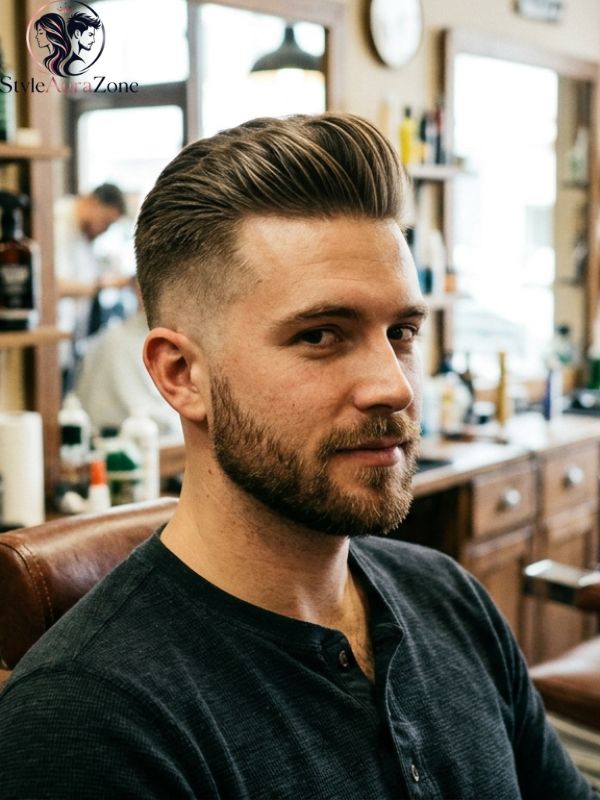
Short, clipped sides and back sit directly against a longer top, with no gradual blend between them. That abrupt contrast is the whole point. Most guys keep 3 to 4 inches up top.
Ask for a #1 or #2 guard on the sides. Slick the top back or part it to one side with a matte pomade for a clean, office-ready finish.
Clean Low Fade Haircut
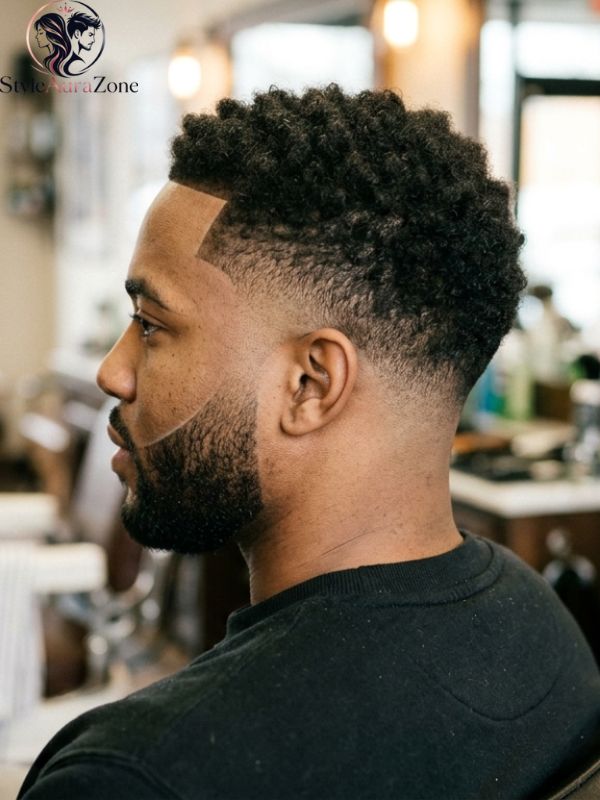
The fade starts just above the ear and nape, so you keep more length around the sides. The result looks polished without drawing attention. Think quiet confidence.
It’s a smart first step if you’ve never tried a fade. A quick comb and a light cream keep the top neat all day.
Classy Taper Fade Undercut
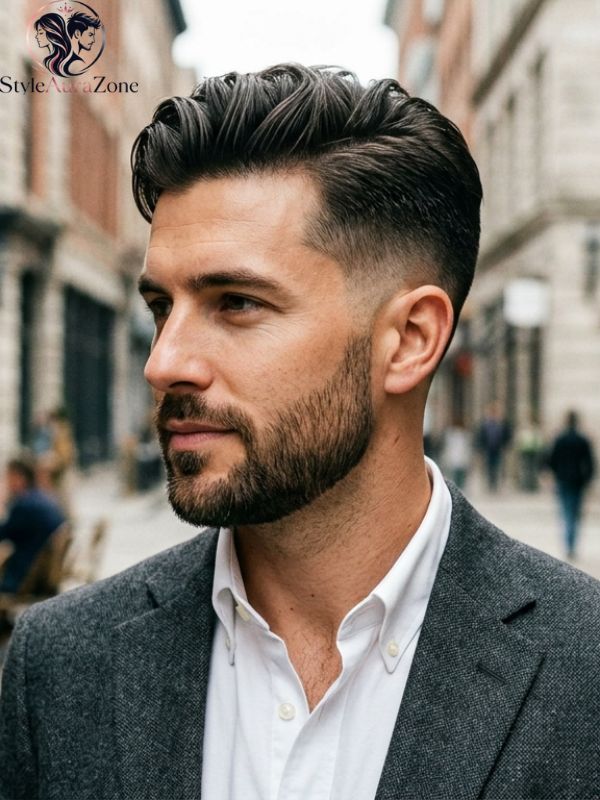
A taper trims the hair gradually shorter around the ears and neckline while leaving the rest of the sides more natural. Combine it with an undercut and you get contrast that still feels refined.
Weddings, interviews, and dinner dates all suit this one. Style the top with a side part and a medium-hold wax.
Edgy High Fade Undercut
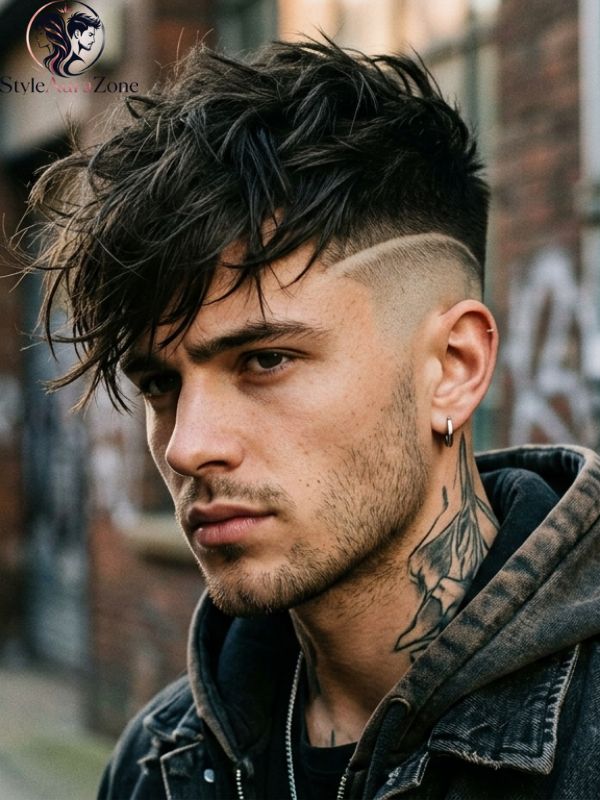
Here the fade climbs up toward the temples and crown, leaving very little hair on the sides. The jump to the longer top looks bold and dramatic.
Tall, voluminous styling pairs well with the height. Blow-dry the top upward and lock it in with clay for a strong silhouette.
Timeless Tapered Undercut
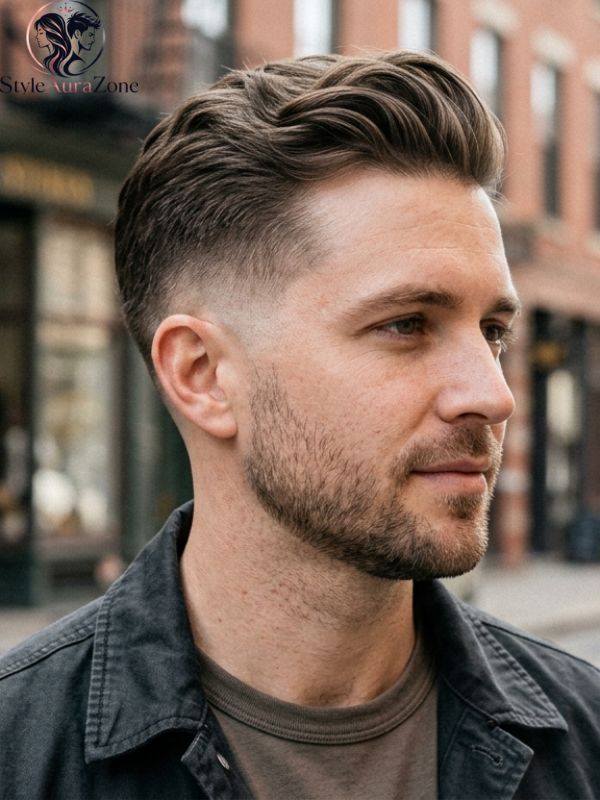
This version keeps the tapered sides subtle and lets the top do the talking. It reads as traditional barbering with a modern twist, nothing flashy.
Casual and formal settings both work. Comb the hair back or sweep it sideways, and finish with a light pomade for a soft sheen.
Read more:Professional Men’s Haircuts: 27 Classy Styles For Modern Businessmen
Disconnected Undercut
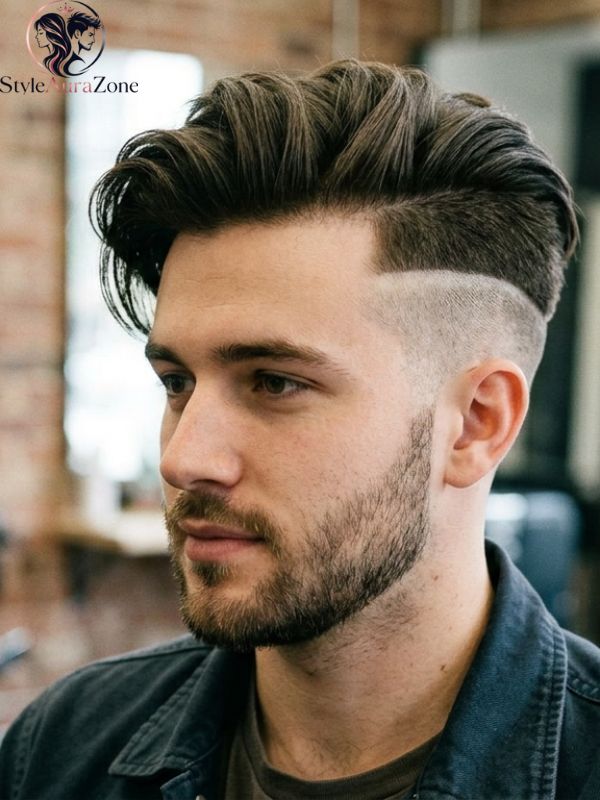
A disconnected cut leaves a visible gap between the shaved sides and the long top. No blending, no softening. A fade can still frame the edges for a cleaner outline.
Show your barber exactly where the line should sit, usually around the temple. Thick hair gives the effect real drama.
Modern Skin Fade Undercut
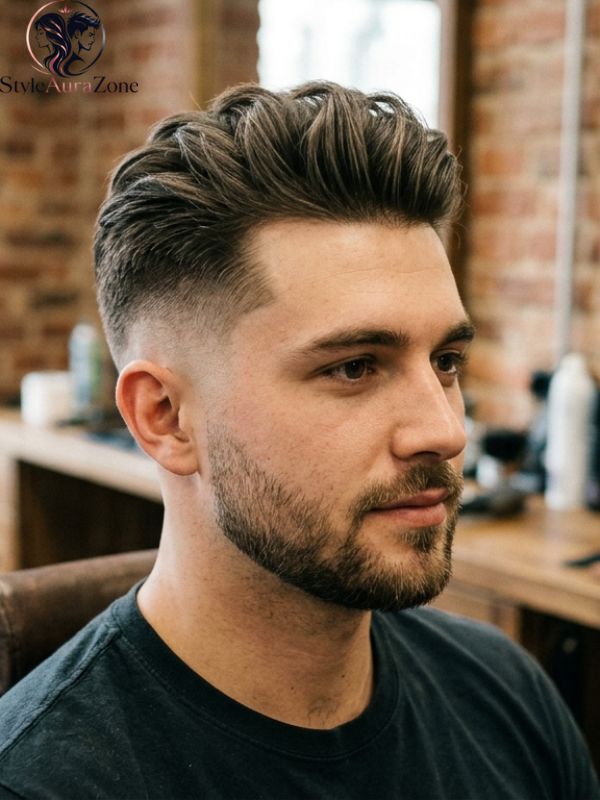
The sides shrink all the way down to bare skin before rising into the longer top. Razor-sharp edges make every strand on top look intentional.
Expect the crispest look of the bunch. The trade-off is upkeep, because skin fades blur within about two weeks.
Long Hair with Low Taper Fade Undercut
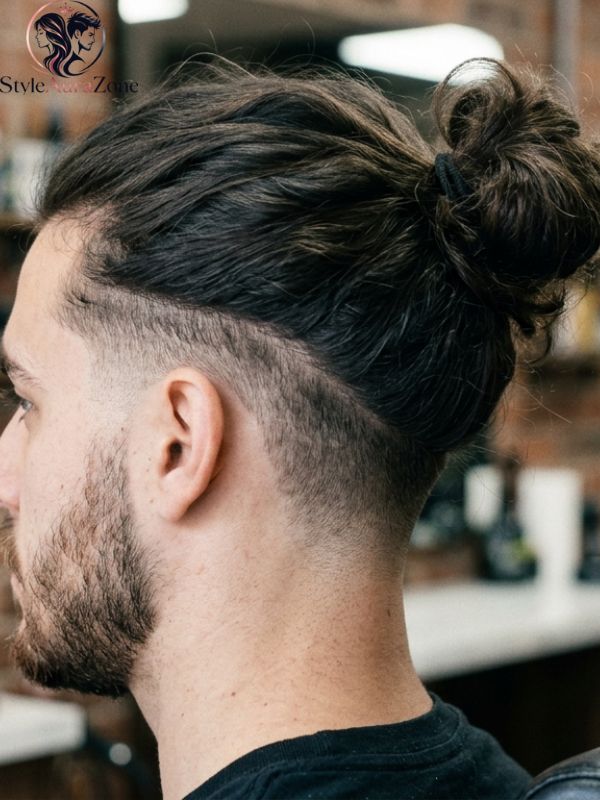
Got length you don’t want to lose? Keep it. The low taper trims only the hairline around the ears and nape, so your flow stays intact.
Wear it loose, tied back, or tucked behind your ears. A leave-in conditioner keeps the length healthy and smooth.
Balanced Mid Fade Undercut
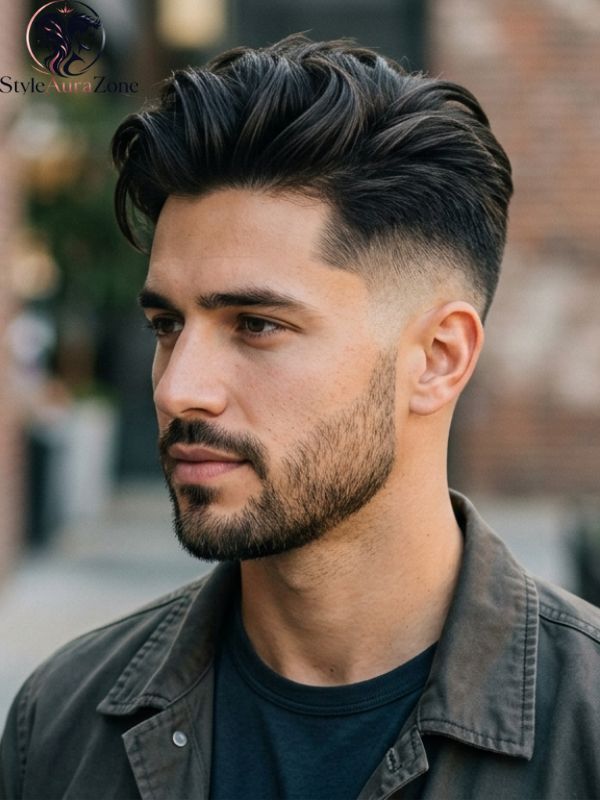
The fade begins around eye level, which puts it right between subtle and dramatic. Most face shapes can wear it. Few cuts are this forgiving.
Pair it with a textured crop or a short quiff. A sea salt spray adds grit without making the top look stiff.
Casual Messy Brush Back with Disconnected Undercut Fade
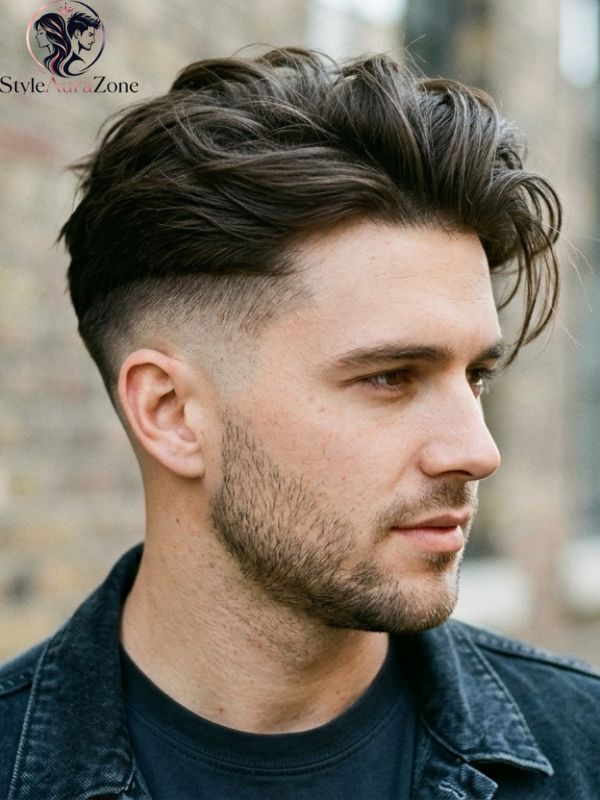
Picture hair swept backward with a relaxed, slightly tousled finish. The disconnected sides keep it from looking sloppy, and the fade tidies the edges.
Rake your fingers through a dab of paste instead of reaching for a comb. Air-dry when you’re short on time.
Rebellious Burst Fade Undercut
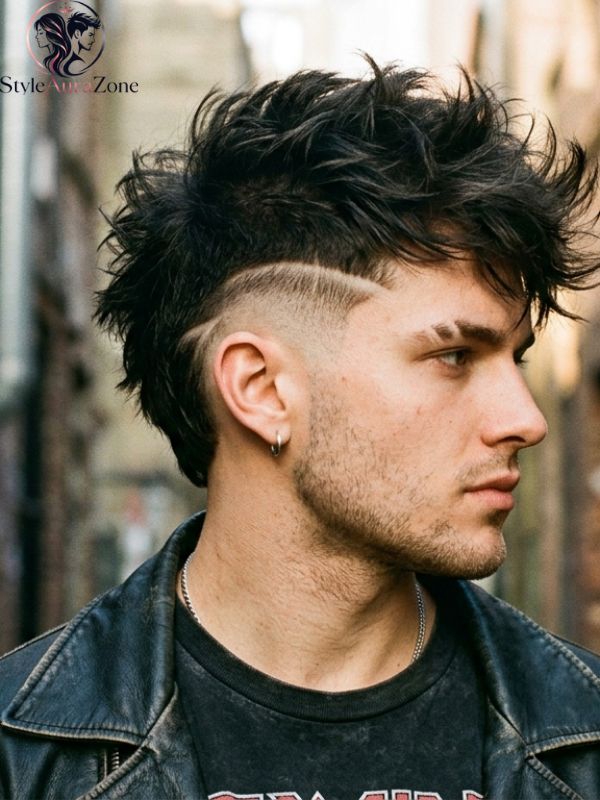
A burst fade curves around the ear in a half-circle shape, leaving length at the back of the head. With an undercut on top, the effect is loud and playful.
It pairs especially well with mullets and curls. Request a clean arc behind the ear and keep the nape fuller.
Stylish Curly Hair with Faded Undercut
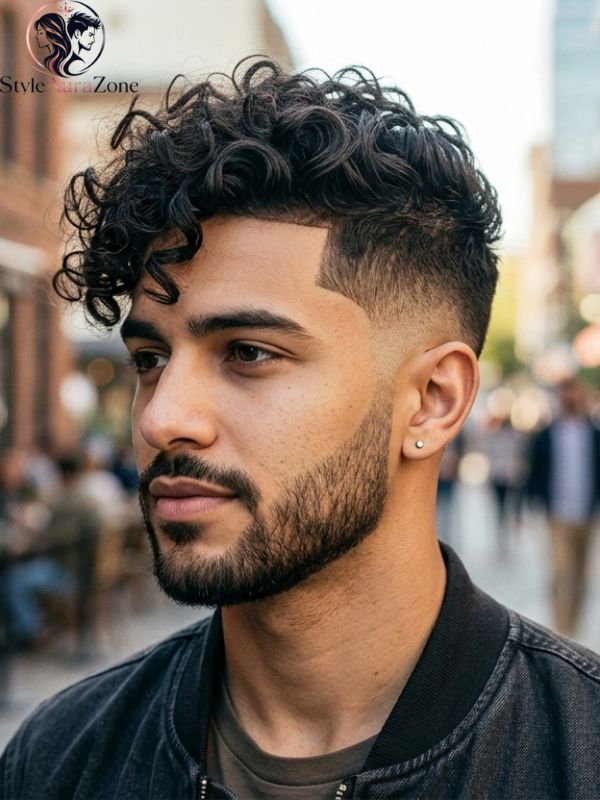
Tight coils or loose ringlets look fantastic against skin-close sides. The fade frames the curls and gives them a defined shape.
Use a curl cream on damp hair and diffuse it dry. Skip heavy brushing, which can turn curls into frizz.
Daring Mohawk Undercut Fade
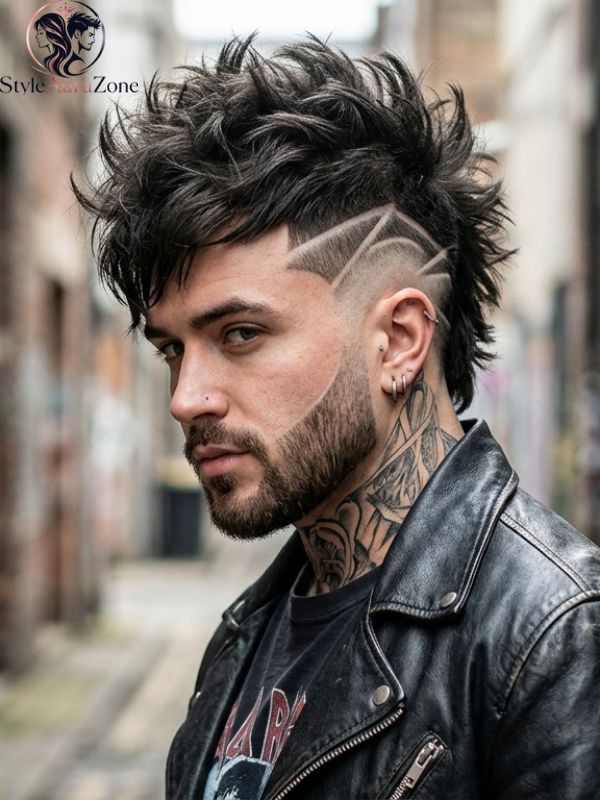
Narrow strips of length run down the center while both sides fade away. It’s punk heritage with a polished edge, and nobody mistakes it for a quiet cut.
Style it upright with a firm gel or let it rest flat for a softer look. Confidence is the required accessory.
Trendy Man Bun with Low Temp Fade Undercut
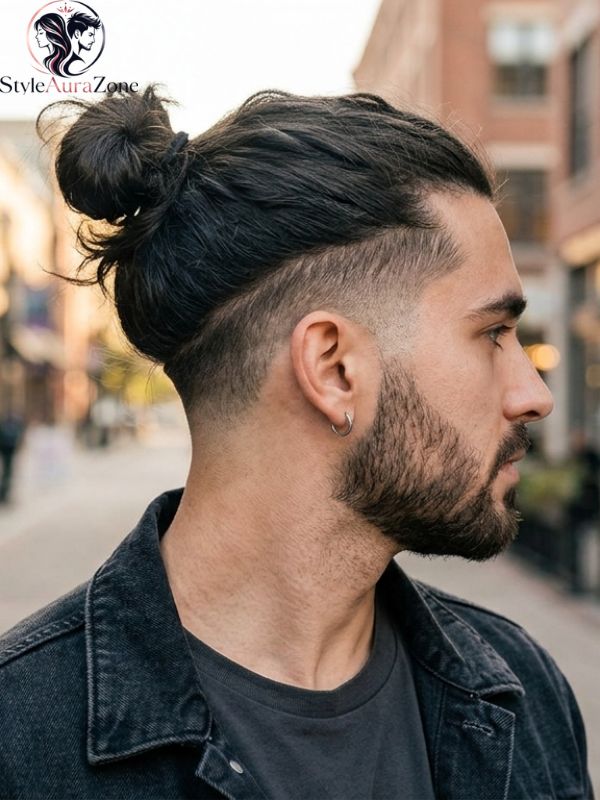
A temple fade clears the area around the temples and nape, while the top grows long enough to tie up. You get a tidy perimeter and a relaxed knot.
Grow the top for several months before committing. Once it’s long enough, a loose bun or half-up style finishes the look.
Textured Pompadour with Undercut Drop Fade
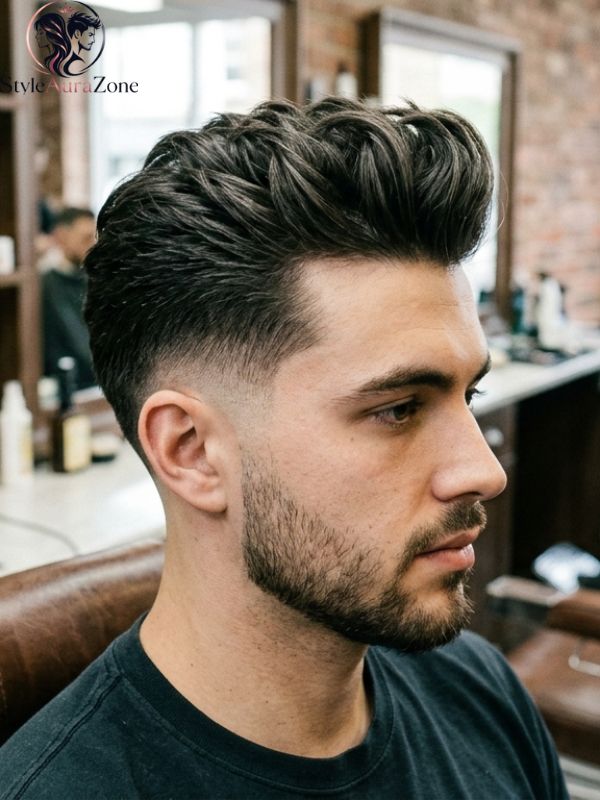
A drop fade bends downward behind the ear and follows the curve of the skull. Above it, the pompadour rises with texture and volume.
Blow-dry the front upward with a round brush, then set it with a strong-hold pomade. The shape looks best with a bit of movement.
Fresh Mid Undercut Fade with Cool Design
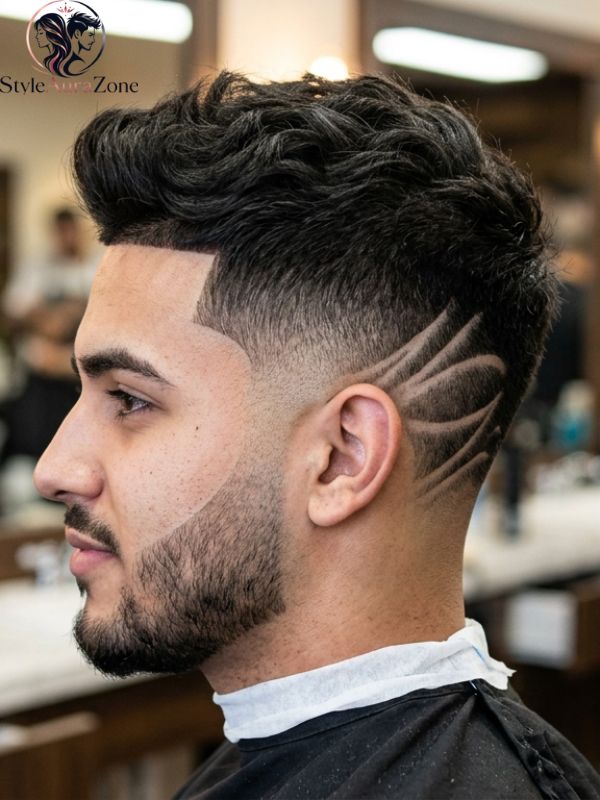
Barbers can razor a thin line, a lightning bolt, or a geometric pattern into the faded sides. It adds personality without changing the hair on top.
Pick a simple motif first. Intricate designs fade from view fast, so plan on frequent visits to keep the lines crisp.
Hipster Faux Hawk with Undercut Fade and Beard
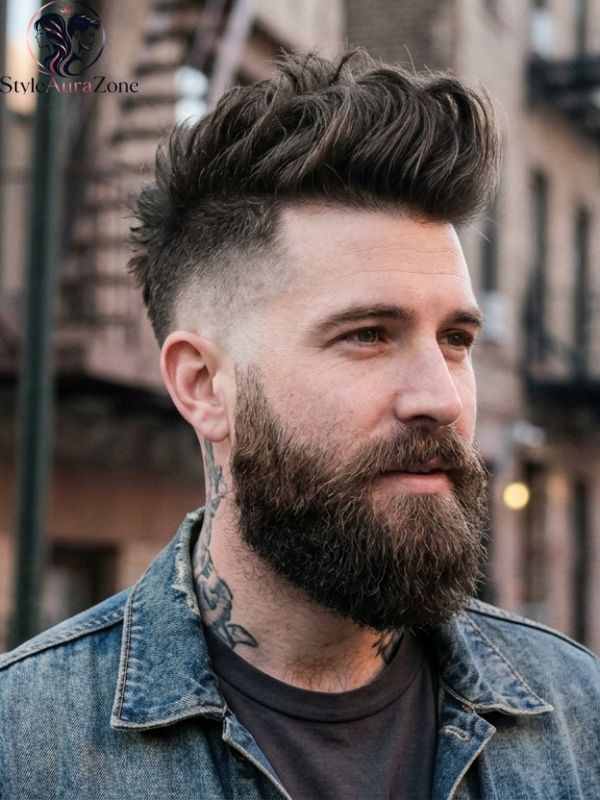
The faux hawk gathers the top toward the center without a full mohawk’s width. A faded undercut and a groomed beard tie everything together.
Blend the fade into the beard so the transition looks seamless. Trim the beard line every week or so to keep it sharp.
What Is The Undercut Fade?
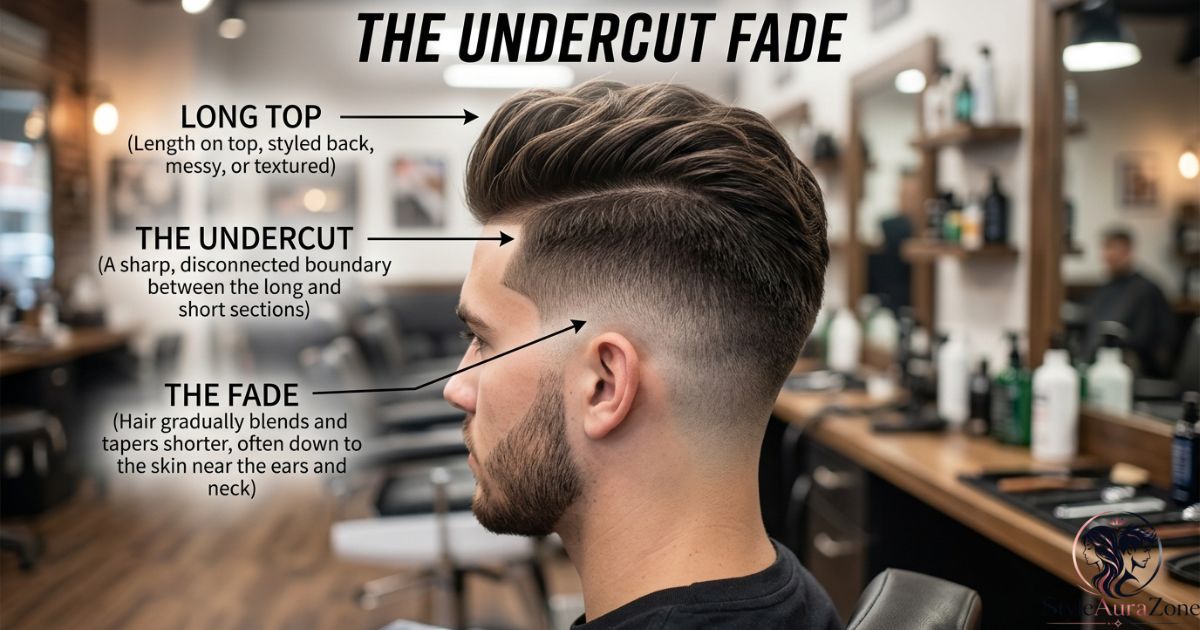
An undercut fade merges two barbering techniques. The undercut leaves a stark contrast between short sides and longer top hair. The fade blends the sides from skin or a short length into longer hair. Combine them and you get a sharp, adaptable haircut.
The undercut itself has a long history. According to, the style traces back to the early 20th century and was especially popular among working-class men. Today, it’s a staple in barbershops worldwide.
Undercut vs. Fade vs. Undercut Fade
| Feature | Undercut | Fade | Undercut Fade |
| Side transition | Abrupt, no blending | Gradual blend | Blended sides with a sharp contrast to the top |
| Top length | Medium to long | Short to long | Medium to long |
| Overall vibe | Bold, disconnected | Clean, polished | Modern, versatile |
| Upkeep | Moderate | Frequent | Frequent |
Fade Height Guide
| Fade Type | Where It Starts | Best For |
| Low fade | Just above the ear | Office settings and first-timers |
| Mid fade | Around the temples | Most face shapes |
| High fade | Near the crown | Bold, high-contrast looks |
| Skin fade | Down to bare skin | Ultra-sharp finishes |
Best Undercut Fade by Face Shape and Hair Type
| Face Shape or Hair Type | Recommended Choice | Why It Works |
| Oval | Almost any fade height | The balanced proportions suit nearly everything |
| Round | High or mid fade with height on top | Adds vertical length |
| Square | Low or mid fade with a textured top | Softens strong angles |
| Heart-shaped | Low fade with a fringe or side part | Balances a narrower chin |
| Straight hair | Slick back or side part | Holds clean lines well |
| Wavy hair | Messy brush back | Shows off natural texture |
| Curly hair | Skin or mid fade | Defines curls against short sides |
| Thick hair | Disconnected undercut | Contrast looks dramatic |
| Fine hair | Short textured top | Creates the look of fullness |
How Often to Get a Touch-Up
| Fade Style | Touch-Up Timing |
| Skin fade | Every 2 weeks |
| High or mid fade | Every 2 to 3 weeks |
| Low fade or taper | Every 3 to 4 weeks |
FAQ’S
What is an undercut fade?
It’s a haircut with short, blended sides and a noticeably longer top. The fade softens the transition while the undercut adds contrast.
How long should my hair be on top for an undercut fade?
Aim for about 2 to 4 inches for most styles. Man buns and pompadours need more, while crops work with less.
Does an undercut fade work with thin hair?
Yes. The short sides make the top look fuller, and a short textured style adds extra density.
How often should I get an undercut fade trimmed?
Every two to four weeks, depending on the fade type. Skin fades need the quickest refresh.
Which products work best for styling an undercut fade?
Matte clay or paste suits textured looks, while pomade gives a slicker finish. Sea salt spray adds grit.
Conclusion
The undercut fade rewards a little planning. Choose a fade height that flatters your face shape, decide how much length you’ll keep on top, and bring a photo to your barber. Those three steps turn a loose idea into a sharp, repeatable haircut that holds up week after week.
Keep the upkeep in mind, too. Fades soften quickly so plan a trim every two to four weeks and use a quality pomade or sea salt spray for hold. Pick one of the 17 styles above, book your appointment, and walk out looking sharper. Your next great cut is one chair away.