
Black hair holds texture like no other, and a low taper fade knows how to work with it instead of against it. The blend stays close to the hairline, the sides keep their shape, and whatever you’re growing on top. coils, waves, an afro. gets to be the star of the show.
That’s exactly why barbers keep this cut in heavy rotation for 2026. Below, you’ll find 26 fresh takes on the low taper, plus the face-shape and hair-type breakdowns, styling steps, and maintenance advice you need to walk into your next barber appointment with confidence.
What Is a Low Taper Fade Black Haircut?
A low taper fade black haircut keeps the fade close to the ears and neckline instead of climbing up the sides of the head. The hair stays fuller through the middle and top, which gives natural Black hair textures. coils, curls, and kinks. room to hold their shape without looking chopped or thinned out.
Barbers favor it because it works on almost any head shape and grows out cleanly. You won’t see the harsh, high-contrast line you get from a skin fade near the temple; instead, the transition happens low and gradual, so regrowth between appointments looks intentional rather than patchy.
What Is a Low Taper Fade?
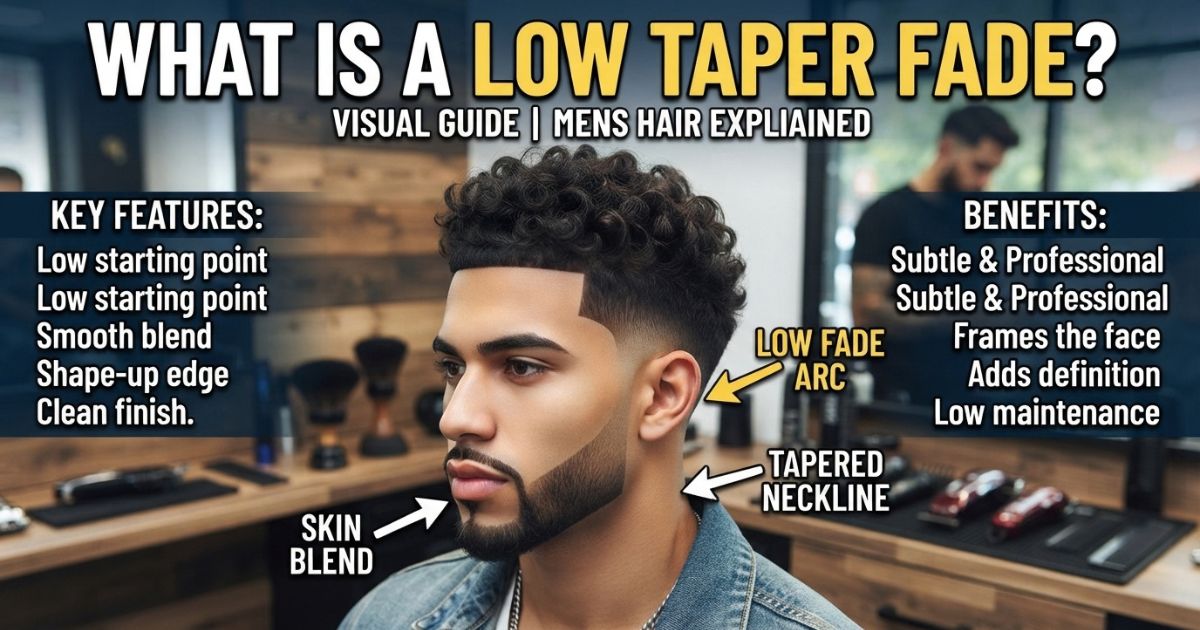
A low taper fade is a blend that starts an inch or two above the ear and tapers down toward the skin at the neckline and sideburns. Clippers move from a longer guard to a shorter one in stages, so there’s no visible line where the cut changes length.
Unlike a bald fade, a taper rarely goes all the way to skin. Most barbers stop at a 1 or 2 guard on the shortest part, leaving a soft shadow rather than bare scalp. That difference is what makes the low taper easier to maintain between cuts.
Why Is It Popular for Black Men?
The low taper fade has become the default request in barbershops that specialize in textured hair, and a few reasons explain the streak:
- Texture stays visible. Coily and kinky hair keeps its bounce and pattern instead of getting buzzed flat.
- Low-maintenance regrowth. Because the fade sits low, new growth blends in for two to three weeks before a touch-up is needed.
- Works with every top style. Afros, twists, waves, and locs all pair naturally with a low blend.
- Professional and casual crossover. It reads as polished in an office and sharp on a night out, with no styling switch required.
- Barber-friendly technique. Most barbers who cut Black hair regularly are fluent in low tapers, so consistency between visits is easier to get right.
Benefits of a Low Taper Fade Black Haircut
Beyond looking sharp, this cut offers real day-to-day advantages:
| Benefit | Why It Matters |
| Flatters most face shapes | The low blend adds width at the jaw without exaggerating a round or square face |
| Preserves hair length on top | More room for twists, curls, or an afro to develop over time |
| Easier at-home upkeep | Line-ups and edge touch-ups can be handled between full barber visits |
| Versatile styling | Works wet, dry, brushed, or picked out, depending on the day |
| Ages well | Suits teens, working professionals, and older men without looking too young or too formal |
Low Taper Fade vs Other Fade Haircuts
| Fade Type | Fade Starting Point | Contrast Level | Best For |
| Low Taper Fade | Above the ear, low on the neck | Soft, gradual | Everyday wear, easy regrowth |
| Mid Taper Fade | Mid-way up the side of the head | Moderate | Balanced, slightly bolder look |
| High Taper Fade | Near the temple | Sharp, high-contrast | Making a statement, shorter sides |
| Burst Fade | Curves around the ear only | Sharp near the ear, blended elsewhere | Rounded silhouettes, mullets, curly tops |
| Skin (Bald) Fade | Varies, fades to bare skin | Very sharp | Maximum contrast, more frequent upkeep |
The low taper wins on maintenance and subtlety, while mid and high fades trade that ease for a bolder, more dramatic line.
Top 26 Best Low Taper Fade Black Haircut Styles
Classic Low Taper Fade Black Haircut
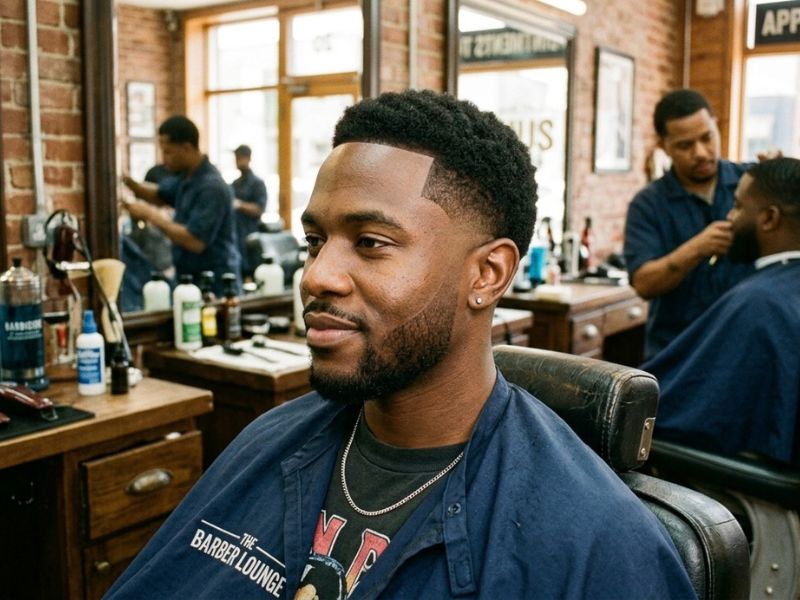
The original version keeps things simple: a clean, low blend on the sides with natural length left on top, brushed or picked into shape. It’s the safest choice for a first-time low taper and pairs with almost any outfit or setting.
Short Low Taper Fade Black Haircut

Here the top is trimmed down to half an inch or less, creating a tight, uniform texture that needs almost no daily styling. It’s a favorite among men who want the low taper’s shape without spending time on product or brushing.
Curly Low Taper Fade Black Haircut

Natural curls are left longer on top, sometimes with a light curl-defining cream, while the sides taper low and tight. The contrast between the defined curls and the soft fade gives the style real dimension.
Mid Taper Fade Black Male

A slightly higher take on the taper, starting the blend a bit further up the side than a true low fade. It keeps more of the low taper’s soft transition while adding a touch more contrast for men who want extra definition.
Afro Low Taper Fade Black Haircut
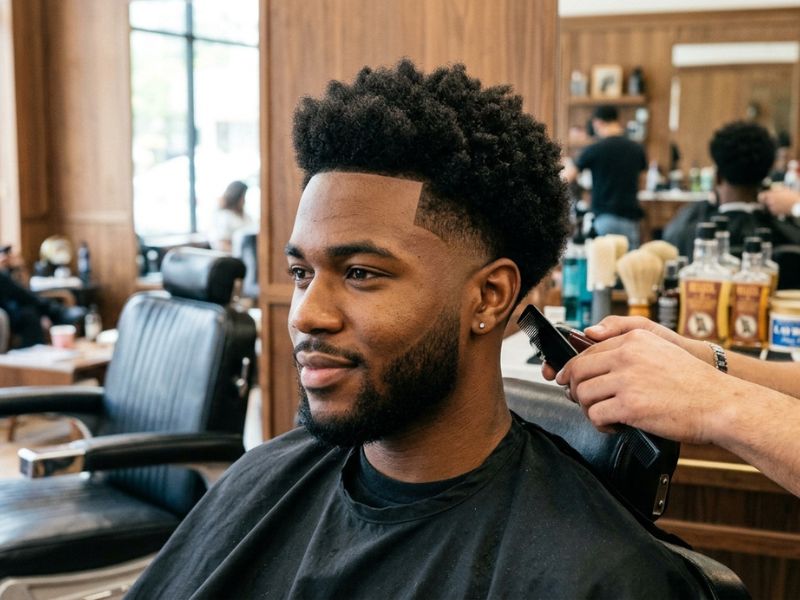
A rounded afro sits on top while the sides and back taper down low, framing the shape without shrinking it. The fade keeps the look tidy so the afro reads as styled rather than unkempt.
Sponge Twist Low Taper Fade Black Haircut

Sponge-twisted coils create a uniform, textured crown that pairs cleanly with a low taper underneath. The technique is popular because it builds defined curls quickly on shorter natural hair.
Two-Strand Twist Low Taper Fade Black Haircut

Hand-twisted sections on top give a more deliberate, structured pattern than sponge twists, and they hold longer between restyles. The low fade keeps the perimeter neat while the twists do the visual work up top.
Learn more:The Quiff Hairstyle: 28 Stylish Variations For Modern Men
Dreadlocks Low Taper Fade Black Haircut
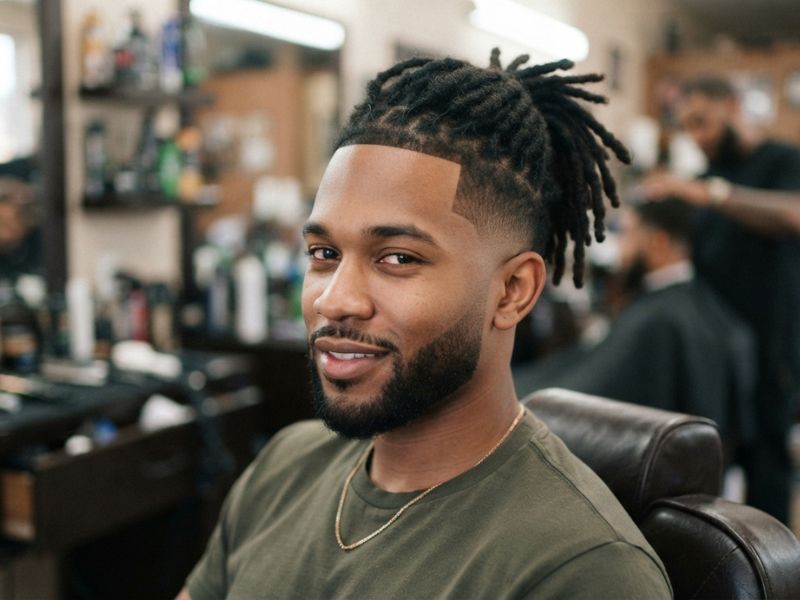
Locs of any length. from freeform to freshly retwisted. get a fresh frame when the sides taper low. Barbers usually leave slightly more length around the hairline to protect the locs’ roots during cutting.
Waves Low Taper Fade Black Haircut

Brushed 360 waves need a low fade to maximize the surface area for the wave pattern to spread. Consistent brushing and a durag at night keep the waves crisp against the tapered sides.
Buzz Cut Low Taper Fade Black Haircut
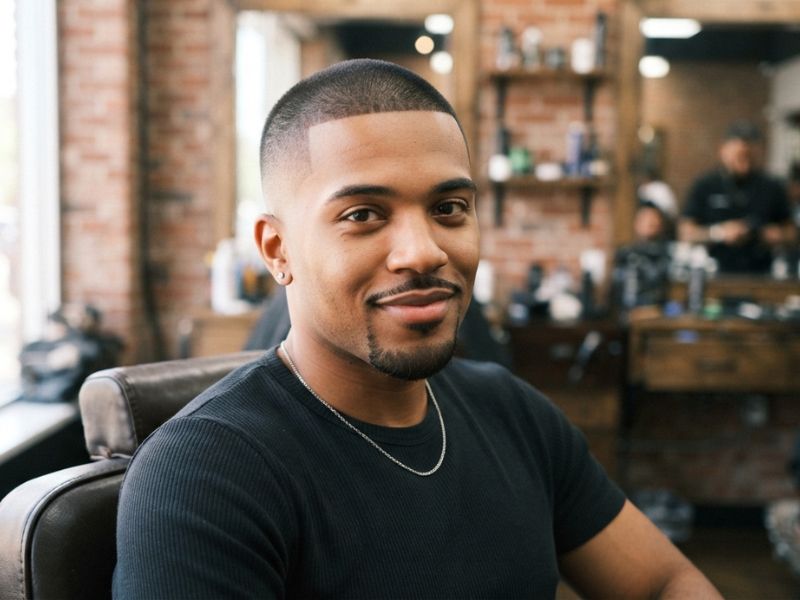
A uniform, all-over buzz on top meets a low taper at the sides for a look that takes seconds to maintain. It’s the go-to for gym-goers, athletes, or anyone who wants zero morning styling time.
High Top Low Taper Fade Black Haircut
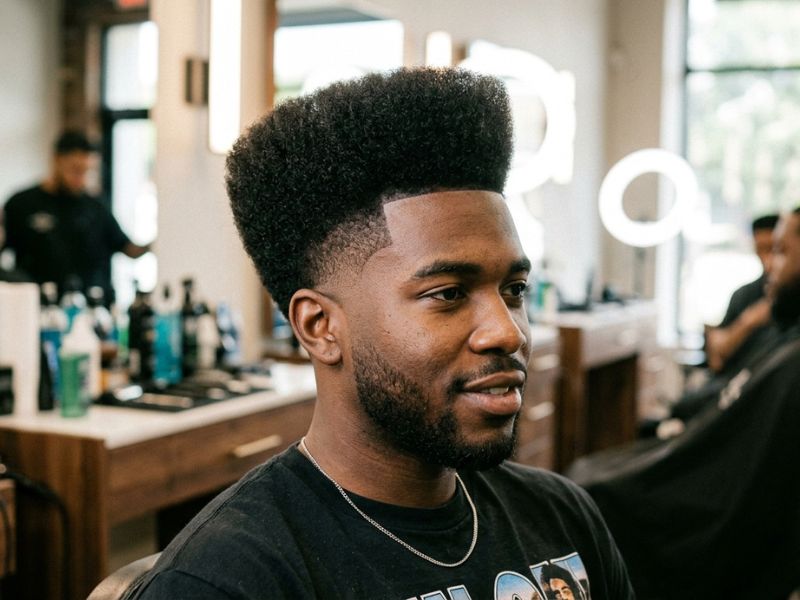
A modern nod to the classic high-top silhouette, with noticeable height on top and a tight low taper underneath. The vertical volume makes the fade look even more precise by comparison.
Textured Crop Low Taper Fade Black Haircut
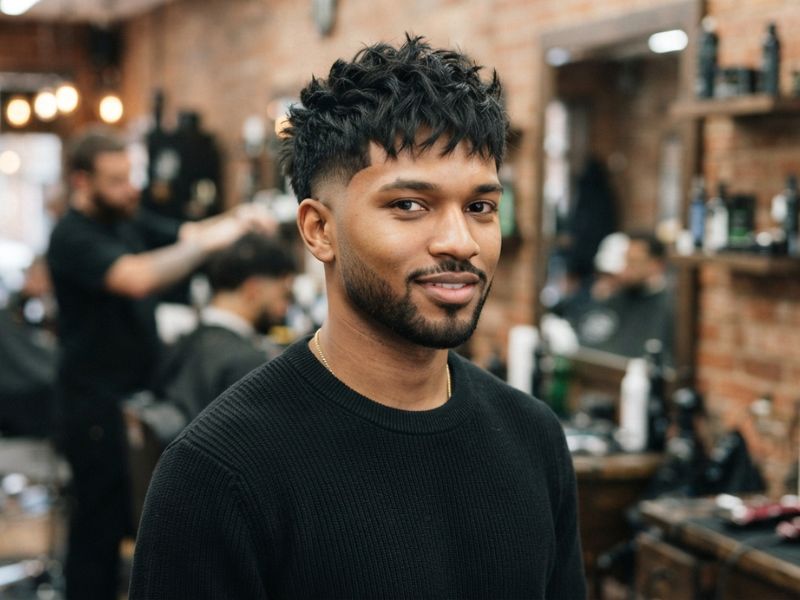
Short, choppy layers on top add texture and movement, often finished with a matte paste for a lived-in finish. The low taper keeps the sides from competing with the busier texture up top.
French Crop Low Taper Fade Black Haircut
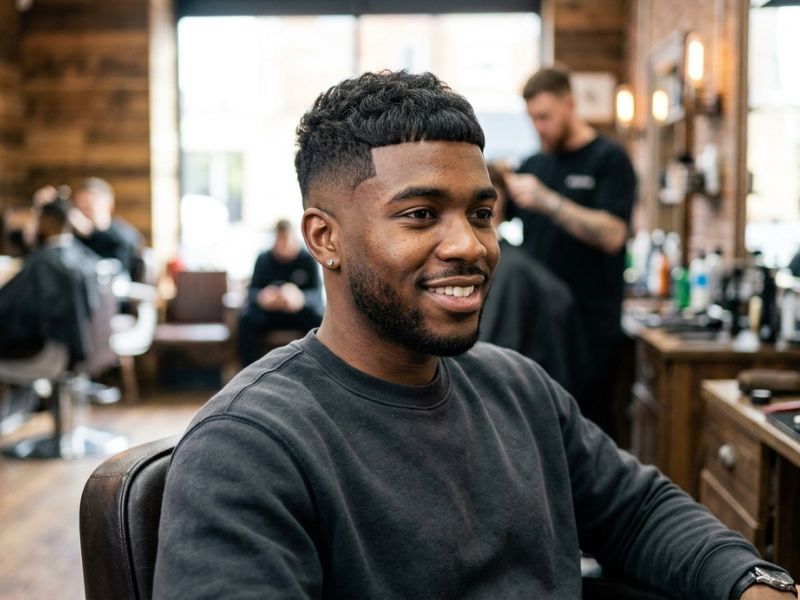
A blunt, horizontal fringe sits above the brow while the sides taper cleanly, giving a European-inspired edge to a classic fade. It’s a sharp option for men who want structure without extra length.
Edgar Low Taper Fade Black Haircut

The Edgar’s signature straight-across fringe and sharp temple lines pair naturally with a low taper’s soft sides. The combination balances the fringe’s boldness with an easy-to-grow-out base.
Mohawk Low Taper Fade Black Haircut
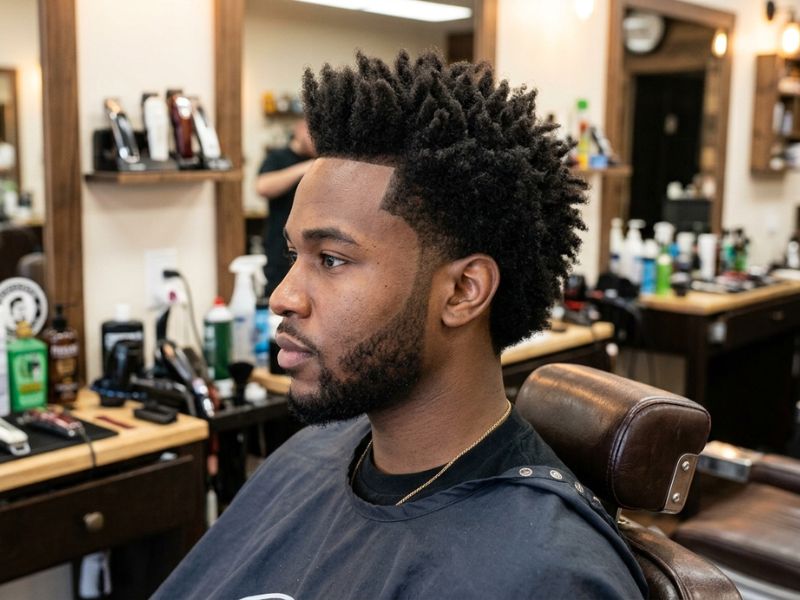
A center strip of longer hair. twisted, curled, or brushed up. stands out against a low taper on both sides. It’s a striking option for special occasions or anyone comfortable with a bolder silhouette.
Burst Fade Low Taper Black Haircut
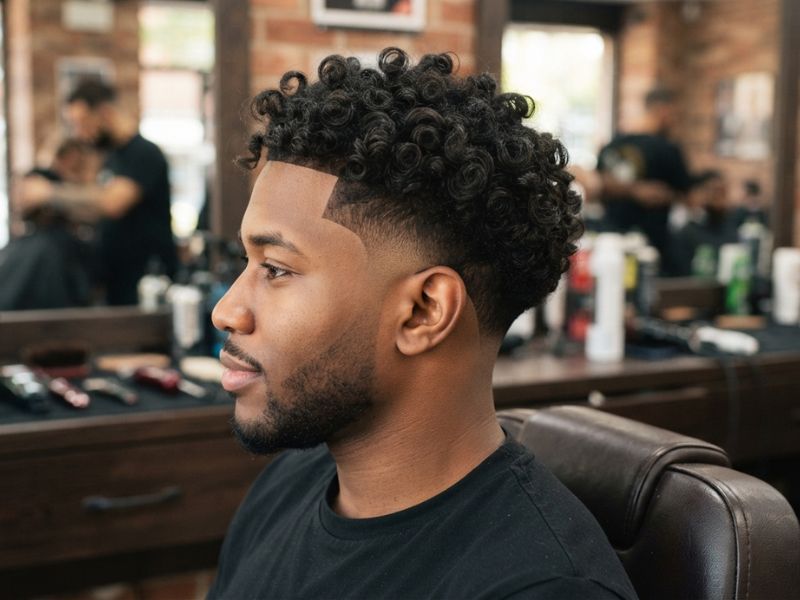
This hybrid curves the fade around the ear rather than running it in a straight line down the neck, adding a rounded, sculpted edge. It suits curly or coily tops especially well.
Low Taper Fade Black Haircut with Beard

Connecting the fade into a well-groomed beard line creates one continuous, intentional shape from hairline to jaw. Regular beard trims are essential to keep the connection looking sharp as both grow out.
Low Taper Fade Black Haircut with Line Up

A crisp edge-up along the hairline, temples, and neckline sharpens the entire cut and is often what separates a good fade from a great one. Most men touch this up every one to two weeks.
Low Taper Fade Black Haircut with Hair Design
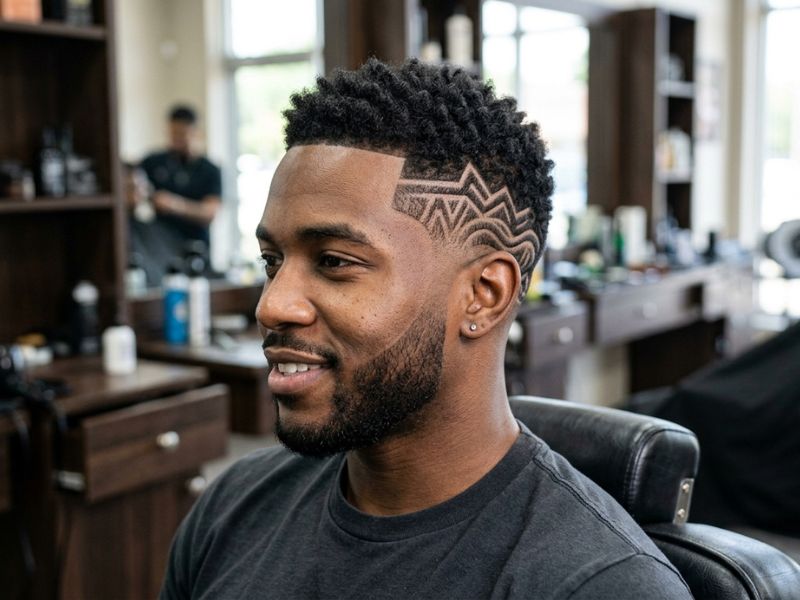
Shaved lines, parts, or small patterns cut into the taper add a personal, artistic touch. Designs work best on shorter tops where the contrast between skin and hair reads clearly.
Professional Low Taper Fade Black Haircut

A conservative, closely blended version with minimal length on top, built to read as polished in an office or client-facing role. It stays neat with only a light pomade or edge control.
Teen Low Taper Fade Black Haircut
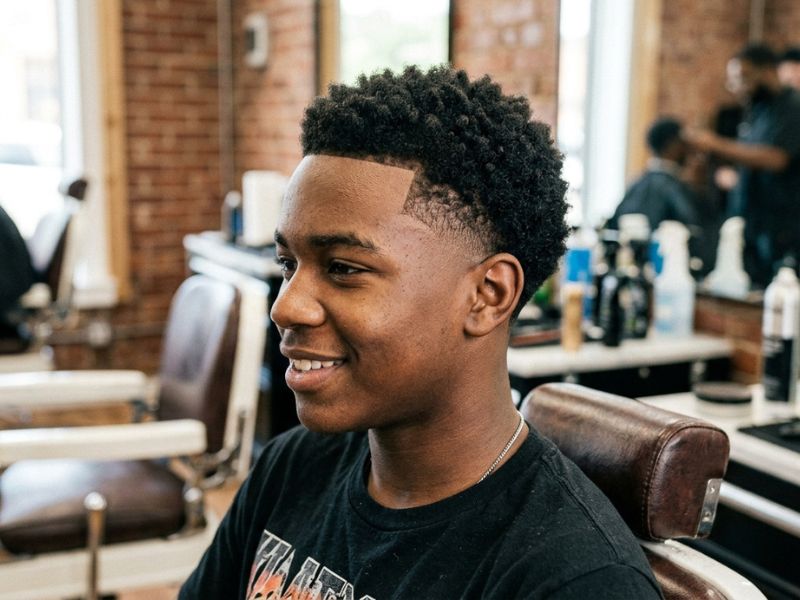
A simplified, low-upkeep version aimed at younger guys. usually a buzzed or short top with a soft, forgiving blend that’s easy for a barber to maintain as hair grows fast during teenage years.
Thick Hair Low Taper Fade Black Haircut
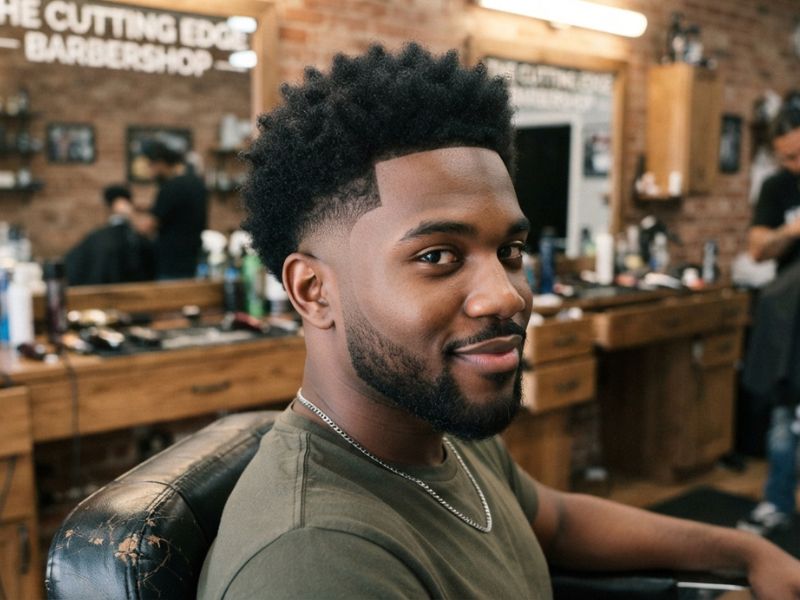
Thicker density needs extra thinning on top so the low taper doesn’t look bulky against the tighter sides. Barbers often use texturizing shears to balance the weight before finishing the fade.
Natural Coils Low Taper Fade Black Haircut
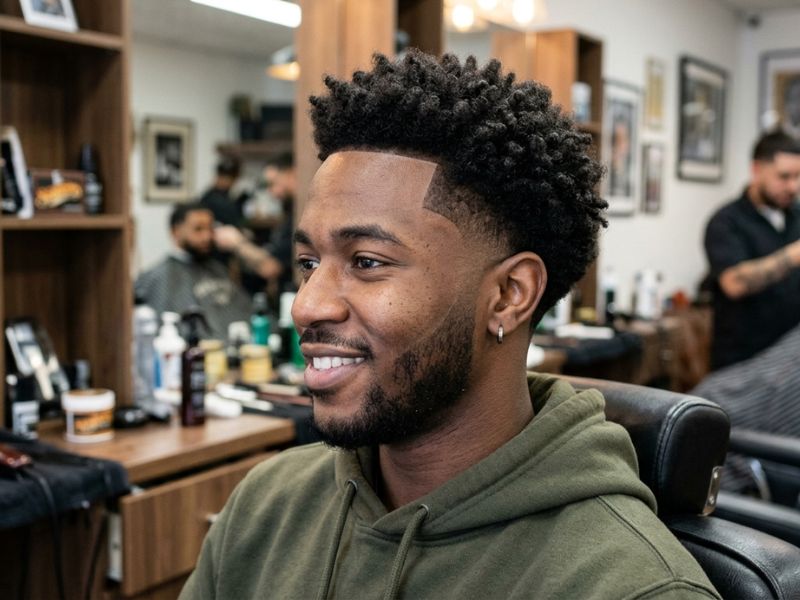
Coils are left untouched by heat or chemical treatment on top, styled with a curl cream, while the sides taper low for contrast. It’s a low-maintenance option that celebrates natural texture.
Temple Taper Low Taper Fade Black Haircut
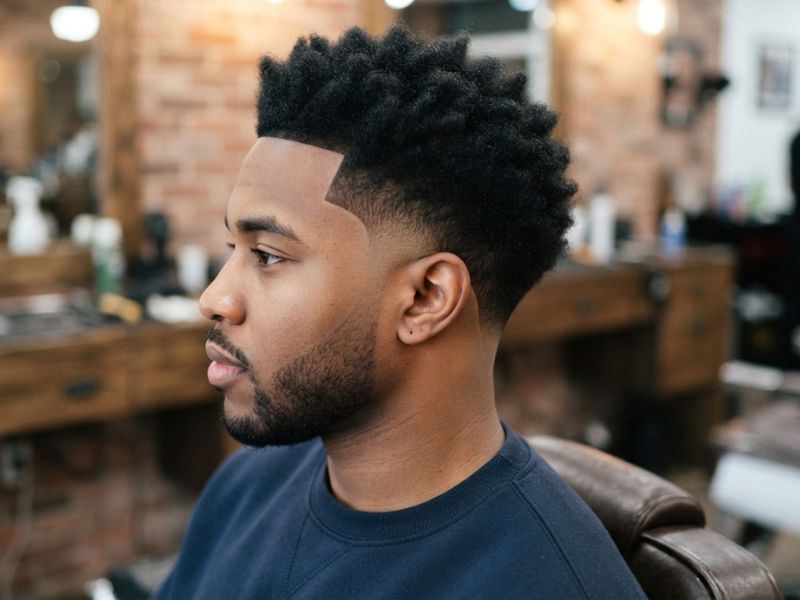
The fade is concentrated tightly around the temples while the rest of the sides stay fuller, creating a subtler transition than a full taper. It’s a good middle ground for men easing into fades.
Modern Low Taper Fade Black Haircut
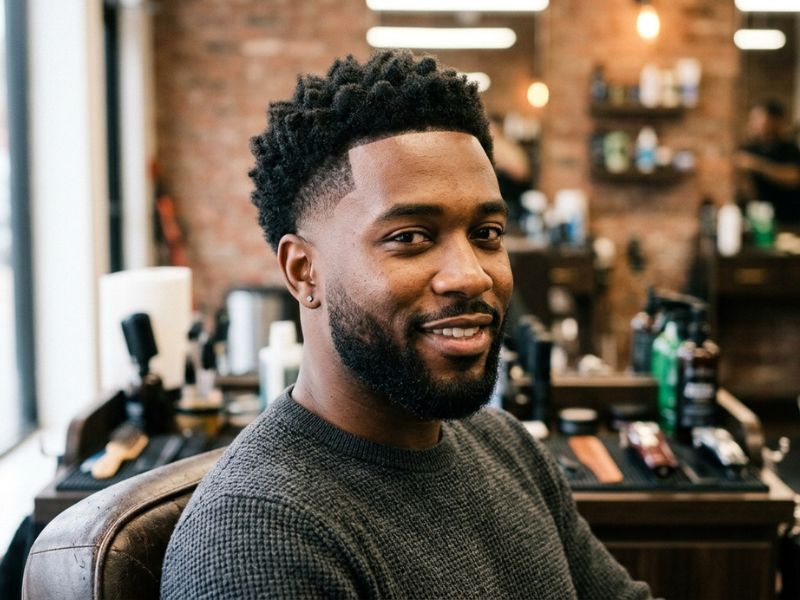
Combines a low blend with contemporary details. a disconnected fringe, added texture, or a slightly asymmetric part. for a fresher spin on the traditional taper.
Trending Low Taper Fade Black Haircut 2026
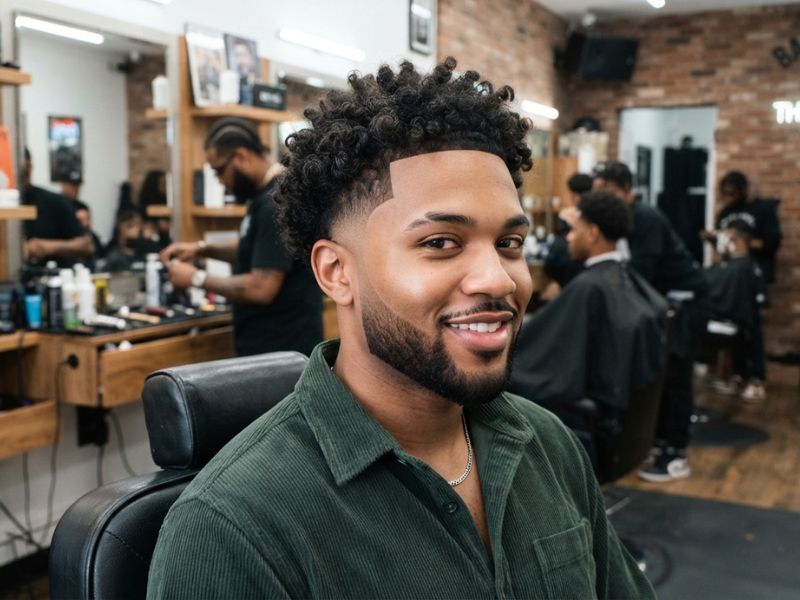
This year’s version leans into softer, almost invisible blends paired with natural, undefined texture on top rather than heavily styled looks. Expect fewer hard lines and more emphasis on healthy, well-maintained hair.
How to Ask Your Barber for a Low Taper Fade Black Haircut
Clear communication saves you from a fade that’s higher or shorter than you wanted. Bring these details to your appointment:
- Name the guard number. Ask for a 1 or 1.5 guard on the shortest part of the fade, blending up from there.
- Specify the starting point. Tell your barber you want the fade to begin above the ear, not at the temple.
- Describe the top. Say how much length to leave. whether that’s an afro, twists, or a short textured crop.
- Mention your beard and edges. Ask whether you want the fade connected to a beard or finished with a line-up.
- Bring a reference photo. A clear picture of a low taper prevents any mismatch between what you describe and what your barber pictures.
Best Face Shapes
Oval Face
Almost any low taper variation works here since an oval face has balanced proportions. Barbers often recommend keeping some length on top to maintain that natural balance.
Round Face
A low taper with added height on top — like a high top or textured crop — elongates a round face and avoids adding extra width at the sides.
Square Face
A soft, low fade with rounded edges (rather than sharp, boxy lines) softens a strong jawline. Skip overly geometric designs that emphasize angles.
Diamond Face
Fuller styles on top, like an afro or twists, balance out narrow temples and a pointed chin, which are common with diamond face shapes.
Heart Face
Keep more width through the sides and less volume directly on top to offset a broader forehead and narrower chin.
Oblong Face
Shorter styles on top with more volume at the sides. like a temple taper. help a longer face appear more proportional.
Best Hair Types
Coily Hair
Coily textures hold shape well with a low taper because the fade doesn’t compete with the tight curl pattern on top.
Curly Hair
Curls benefit from a slightly longer top, giving the pattern room to define itself rather than getting cut too short to curl properly.
Tight Curls
Tight curls pair naturally with sponge twists, two-strand twists, or a curly top low taper, all of which showcase the pattern.
Thick Hair
Thick hair needs thinning shears on top to avoid bulk, especially when paired with a tightly tapered side.
Natural Afro Hair
Afro textures look best when the taper stays low and gradual, giving the rounded shape on top a clean, deliberate frame.
Medium Length Textured Hair
This length works well with textured crops, French crops, or Edgar cuts, since there’s enough hair to style but not so much that it overwhelms the fade.
| Hair Type | Recommended Top Length | Best Style Match |
| Coily | 1–2 inches | Afro, natural coils |
| Curly | 2–3 inches | Curly top, textured crop |
| Tight curls | 1–2 inches | Sponge twist, two-strand twist |
| Thick | 2–3 inches, thinned | Modern low taper |
| Natural afro | 2–4 inches | Classic afro low taper |
| Medium textured | 1.5–2.5 inches | French crop, Edgar |
Pros and Cons
| Pros | Cons |
| Low-maintenance regrowth | Less dramatic contrast than a skin fade |
| Flatters most face shapes | Requires a barber skilled with textured hair |
| Works with nearly any top style | Line-ups still need regular touch-ups |
| Ages well across all life stages | Can look uneven if the blend is rushed |
| Comfortable for everyday wear | Not as bold a statement as a high fade |
How to Style a Low Taper Fade Black Haircut
Best Styling Products
- Curl cream or custard for defining natural curls and coils
- Edge control for keeping the hairline and part crisp
- Matte clay or paste for textured crops and short tops
- Lightweight oil sheen for waves or locs
- Durag or silk bonnet for overnight wave and curl retention
Step by Step Styling Guide
- Start with clean, slightly damp hair.
- Apply a small amount of curl cream or clay, focusing on the top.
- Use your fingers or a pick to separate curls or build texture.
- Brush or comb waves in the direction you want them to fall.
- Finish edges with a boar-bristle brush and a light layer of edge control.
- Let the style air dry or use a diffuser on low heat to avoid frizz.
How to Maintain a Low Taper Fade Black Haircut
Book a touch-up every two to three weeks to keep the fade’s blend from growing out unevenly. Between visits, moisturize with a leave-in conditioner or light oil to prevent dryness at the fade line, where hair is shortest. Sleep with a satin or silk cap to protect curls and waves from friction, and clean up your edges with a trimmer if they start to blur before your next appointment.
Low Taper Fade Black Haircut vs High Taper Fade
A low taper keeps the fade close to the ear and neck for a subtle transition, while a high taper fade starts near the temple for a much sharper, more dramatic contrast. High tapers show off more scalp and require more frequent trims to stay crisp, whereas a low taper grows out gracefully over several weeks.
Low Taper Fade Black Haircut vs Burst Fade
The low taper runs in a straight, gradual line down the side and neck, while a burst fade curves the blend around the ear in a half-circle. Burst fades suit curly or coily tops especially well since the rounded shape echoes the curl pattern, while low tapers work better with straighter lines like a line-up or fringe.
Low Taper Fade Black Haircut vs Temple Fade
A temple fade concentrates the blend tightly around the temples while keeping the rest of the sides fuller, making it more subtle than a full low taper that fades evenly all the way around. Temple fades suit men who want a fade barely noticeable at a glance, while low tapers offer a more consistent, all-around blend.
Celebrity Inspiration
Several public figures have helped push the low taper fade into the mainstream over the past few years. Athletes and musicians in particular tend to favor the cut for red carpet appearances and everyday looks alike, often pairing it with waves, twists, or a natural afro. Looking up recent photos of your favorite athlete, actor, or musician with a low taper is one of the fastest ways to find a reference photo your barber can work from.
Common Mistakes to Avoid
- Skipping regular touch-ups. Waiting too long between visits lets the fade grow out unevenly.
- Choosing a barber unfamiliar with textured hair. Not every barber has experience blending coily or kinky textures.
- Over-styling with heavy products. Too much gel or pomade can weigh down curls and flatten natural volume.
- Ignoring face shape. The wrong top length can exaggerate rather than balance your features.
- Ungroomed beard connection. A patchy or uneven beard line undercuts an otherwise sharp fade.
- Neglecting nighttime hair care. Skipping a durag or bonnet undoes waves and curl definition overnight.
FAQ’S
How often should I get a low taper fade touched up?
Most men need a touch-up every two to three weeks to keep the blend looking fresh and the line-up sharp.
Does a low taper fade work with all hair types?
Yes. it adapts well to coily, curly, wavy, and straight textures, with only the top length changing by hair type.
Is a low taper fade good for beginners?
Yes, it’s one of the easiest fades to grow out and maintain, making it a safe starting point for first-time fade wearers.
Can I do a low taper fade at home?
Basic upkeep like edge touch-ups is doable at home, but the initial blend is best left to a barber for a clean result.
How much does a low taper fade cost?
Prices typically range from $25 to $60 depending on your barber’s experience and location, with locs or designs costing more.
Conclusion
A low taper fade black haircut earns its popularity by doing two things well: flattering natural texture and staying easy to maintain between visits. Whether you’re drawn to a classic afro, brushed waves, or a bold hair design, the low taper’s soft blend gives every style room to shine without demanding constant upkeep.
Bring a clear reference photo and the details above to your next barber appointment, and you’ll walk out with a cut that grows out as cleanly as it looks on day one. Few haircuts offer this much versatility while staying so simple to live with day to day.