
Stylish Variations For Modern Men The quiff has stayed at the top of men’s grooming trends for one simple reason: it works on almost any face, hair type, and lifestyle. Lift the front, taper the sides, and you already have a sharper version of your everyday look.
Whether you want a low-maintenance short quiff or a bold undercut with skin-fade sides, there’s a version here that fits. Below, you’ll find 28 quiff variations, real styling tips, and a breakdown of what makes each one distinct.
Trendy Men’s Stylish Variations For Modern Men
Every quiff shares the same DNA, longer hair on top, brushed up and slightly back, with tighter sides. The variations below change the length, texture, fade height, and finish to fit different hair types and personal styles.
Classic Quiff
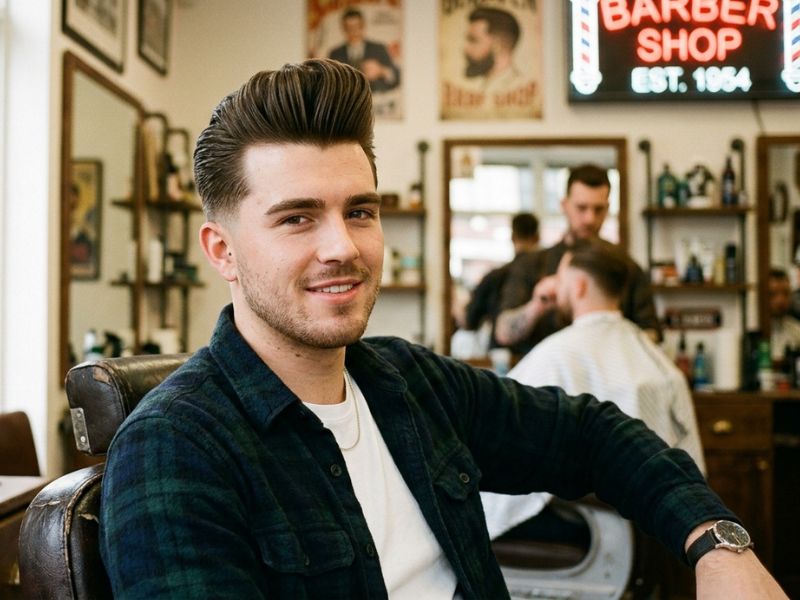
The classic quiff keeps things timeless: moderate height, a soft forward sweep, and sides that are trimmed but not shaved close. Ask your barber for four to five inches on top with a gradual taper. A light pomade adds shine without stiffness, making this pick suitable for offices and formal events alike.
Messy Quiff

Built for guys who don’t want a “just left the barber” look, the messy quiff uses choppy layers and a matte paste to create deliberate disorder up front. Scrunch product through damp hair and let strands fall naturally. It reads casual and current, especially with a beard or light stubble.
Textured Quiff
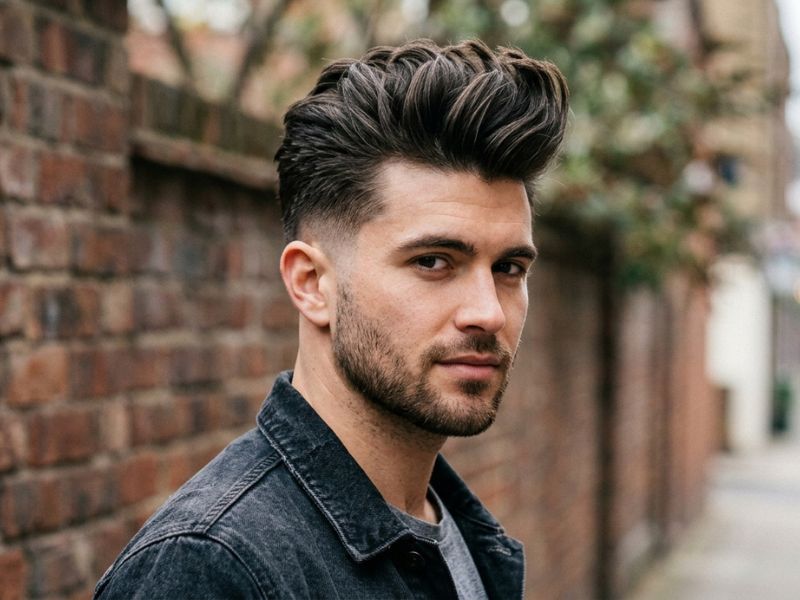
Texture comes from precise point-cutting that breaks up the hair into separated, piece-y sections. A textured quiff holds shape better than a smooth one because the layers grip each other. Use a fiber paste or clay, rake it through, then pinch sections upward for definition.
Modern Quiff
The modern quiff pairs a shorter, tighter top with a sharper side fade than older versions of the cut. It trades volume for precision, giving a cleaner silhouette that still nods to the traditional shape. This is a strong pick if you want the quiff without looking retro.
Short Quiff

Short on maintenance and styling time, the short quiff works with just two to three inches of length on top. It suits guys with fine or thinning hair since less length means less flopping. A small amount of matte wax is usually all it needs to hold shape through the day.
Quiff Fade
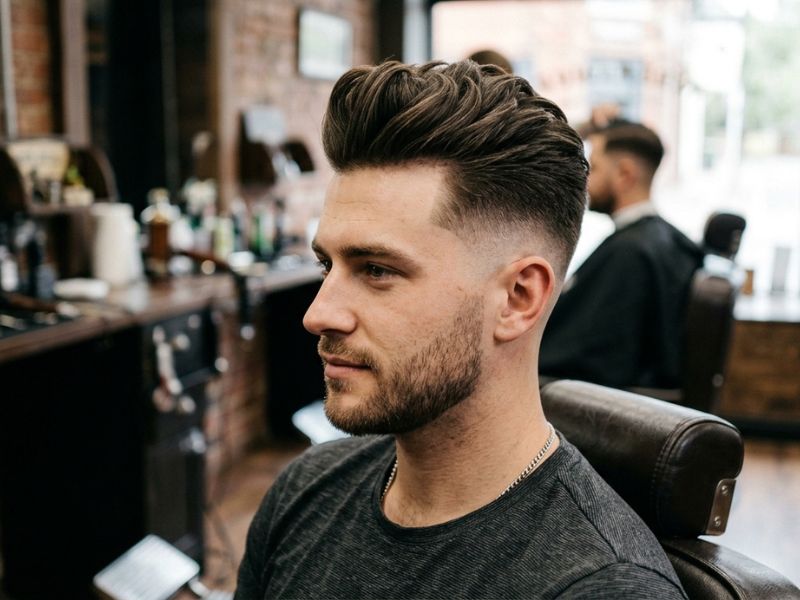
Pairing the quiff with a fade. low, mid, or high, sharpens the contrast between the long top and short sides. The fade does the heavy lifting visually, so the top can stay simple. This combo is one of the most requested barbershop cuts for good reason: it’s flattering on nearly every head shape.
Medium Quiff

Sitting between short and long, the medium quiff gives around three inches of length, enough for real volume without needing constant blow-drying. It’s forgiving for thicker hair types that tend to look flat when cut too short. Style with a volumizing mousse before adding pomade for hold.
Quiff with Beard
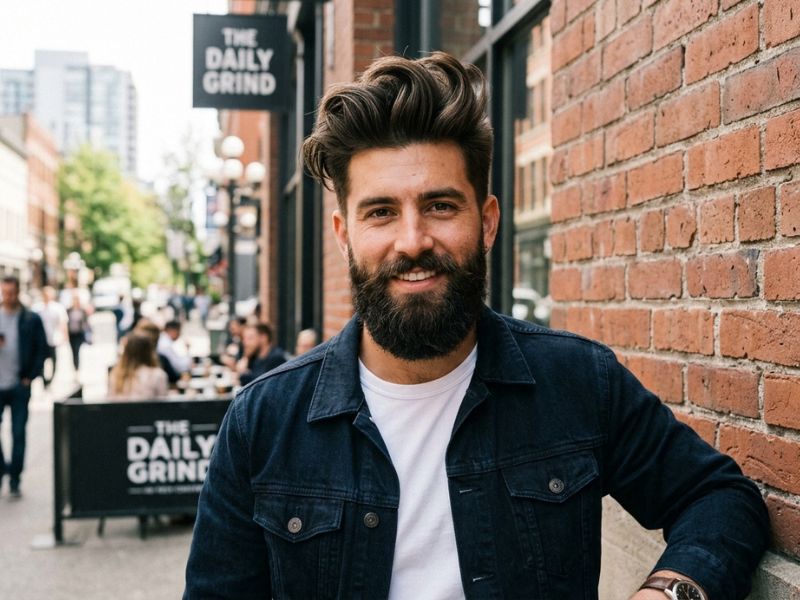
A full or well-groomed beard balances the height of a quiff and adds masculinity to the overall look. The pairing works especially well on longer face shapes, where the beard adds width at the jaw. Keep both the beard and the quiff neatly maintained, since one unkempt element throws off the whole style.
Short Quiff with Low Taper Fade
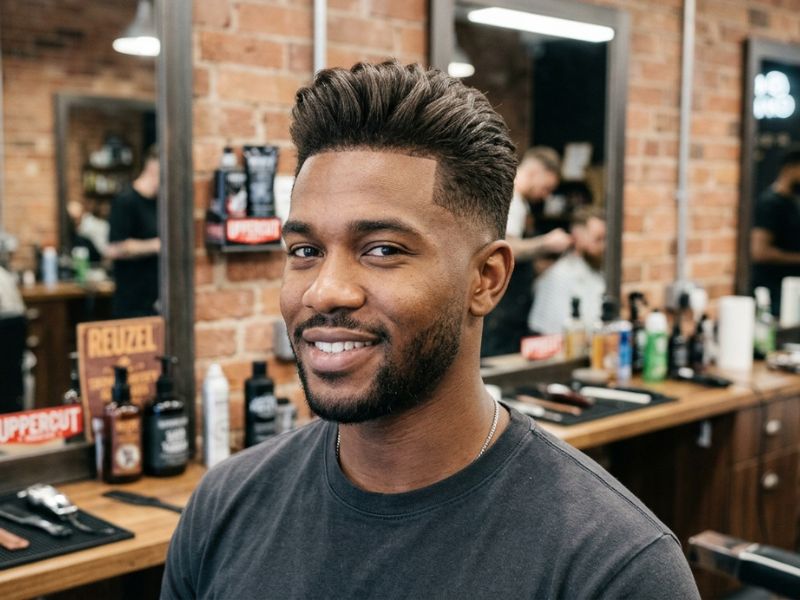
Clean and understated, this combo keeps the fade close to the hairline while the top stays short and lightly lifted. It’s an easy sell for workplaces with conservative dress codes, since the fade is barely noticeable from a distance but still adds shape.
Tousled Textured Quiff with Low Fade
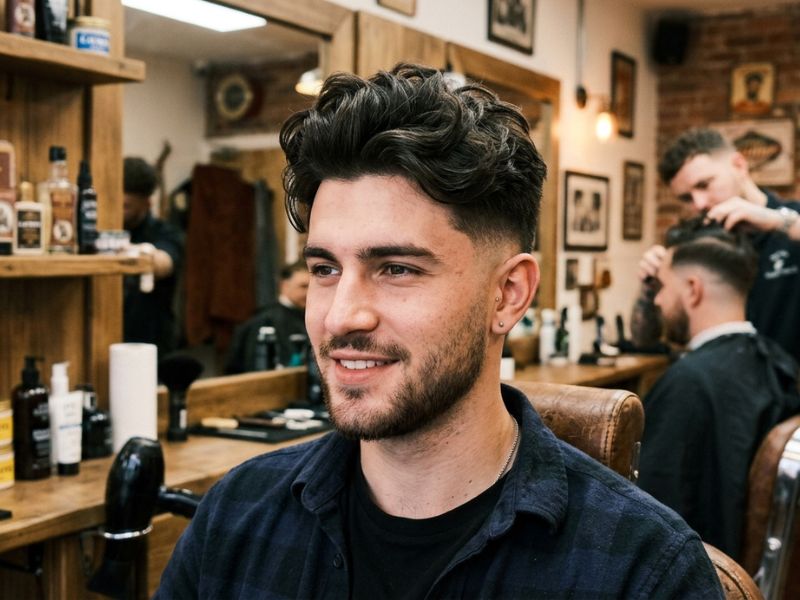
This variation leans into natural-looking movement. tousled, uneven strands up top paired with a subtle low fade at the sides. Air-dry the hair partway before applying a light clay to avoid an overly polished finish. It suits wavy or coarse hair types especially well.
Wavy Quiff
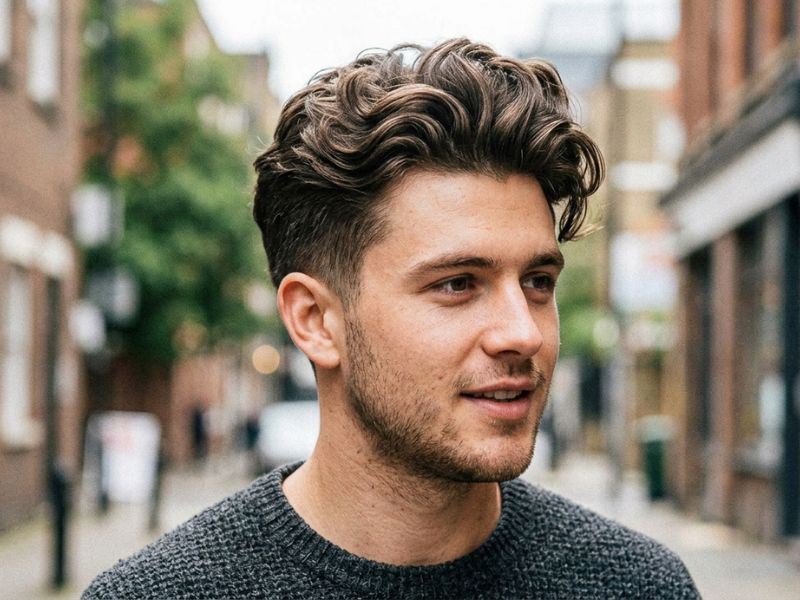
Natural waves add texture the quiff usually has to fake with product. Instead of fighting the wave pattern, work with it: apply a sea salt spray to damp hair, then brush the front upward while letting the sides keep their natural roll. The result looks effortless and full.
Learn more:Low Taper Fade Modern Mullet Haircut: 26 Best Styles for Men in 2026
Short Textured Quiff with Mid Fade
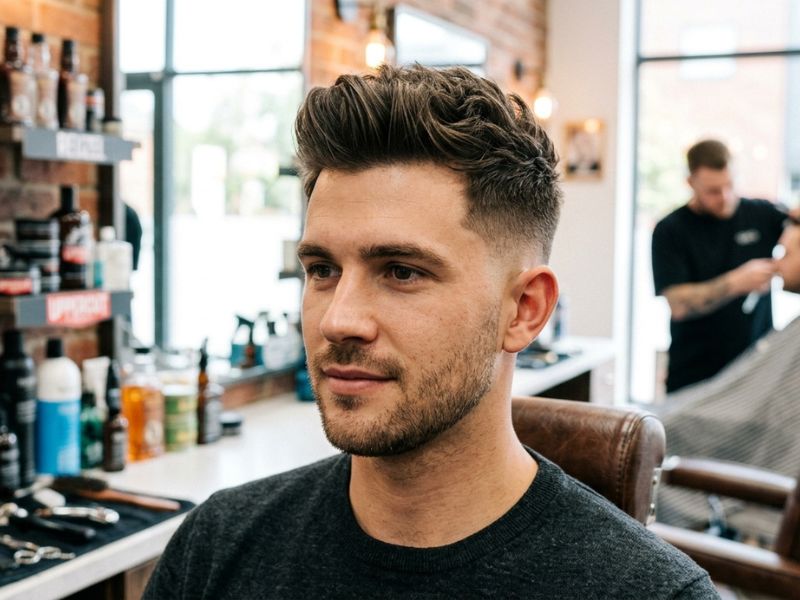
A mid fade sits higher than a low fade, creating more visible contrast against a short, textured top. This version reads bolder and more modern than a classic short quiff while still staying office-appropriate. Ask for point-cut layers on top to keep the texture looking intentional.
Messy Quiff with Taper Fade

Combining a soft taper fade with a deliberately undone top gives a balance of polish and edge. The taper keeps the sides gradual rather than sharply contrasted, which softens the overall look. This pairing suits younger, casual dress codes better than formal settings.
Long Quiff
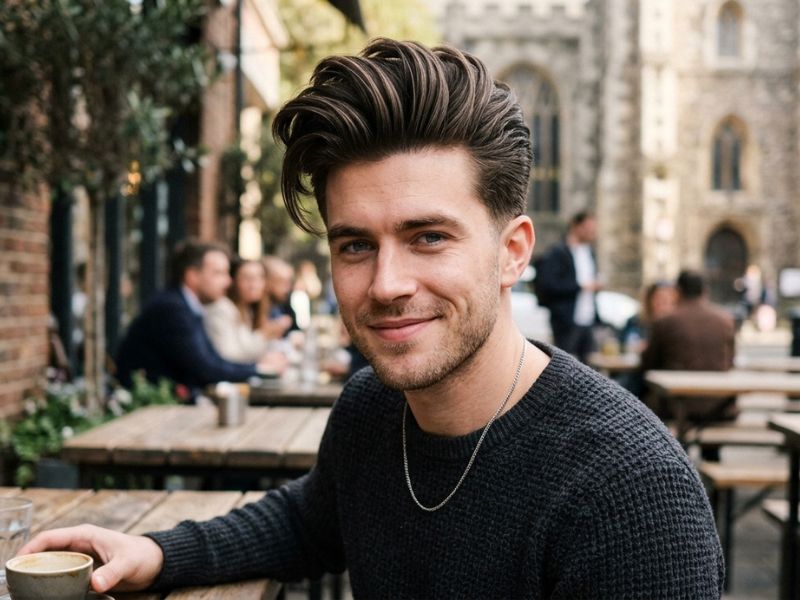
For guys growing their hair out, the long quiff keeps five-plus inches on top while tapering the sides for contrast. It takes more daily styling. usually a blow-dry with a round brush. but delivers serious volume and movement. Thick, straight hair holds this shape best.
Thick Quiff Fade
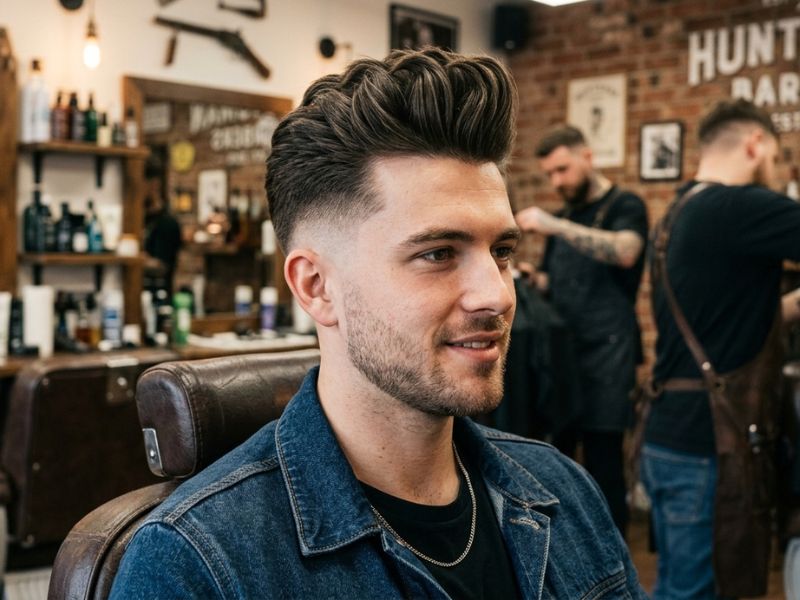
Thick hair naturally gives a quiff more lift, so this version leans into that volume with minimal product. A skin or high fade on the sides keeps the look from feeling heavy. Lightweight sprays work better than heavy pomades here, since thick hair doesn’t need extra weight.
Full Textured Quiff with Low Skin Fade
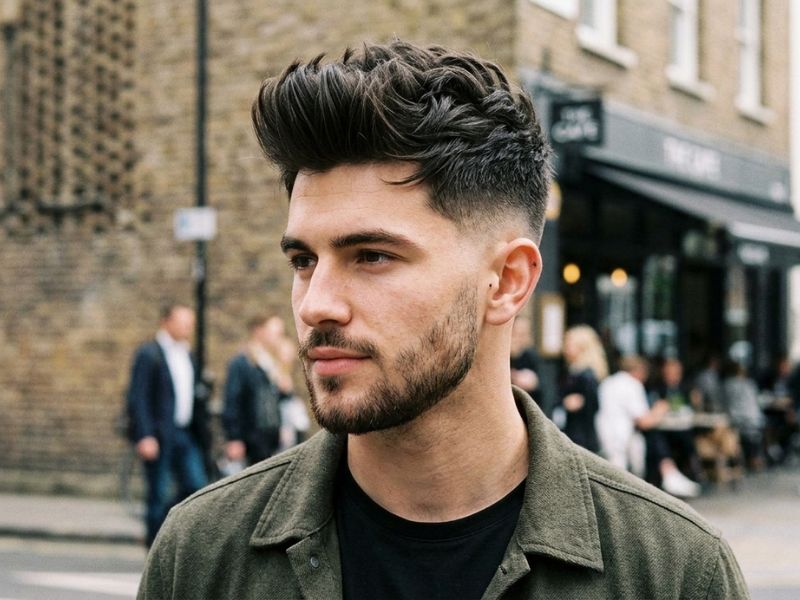
This is one of the boldest options on the list: maximum volume and texture up top, contrasted against a skin-close fade at the sides. It demands regular barber visits to keep the fade crisp, but the payoff is a striking, high-impact silhouette.
Tousled Short Quiff with Low Fade
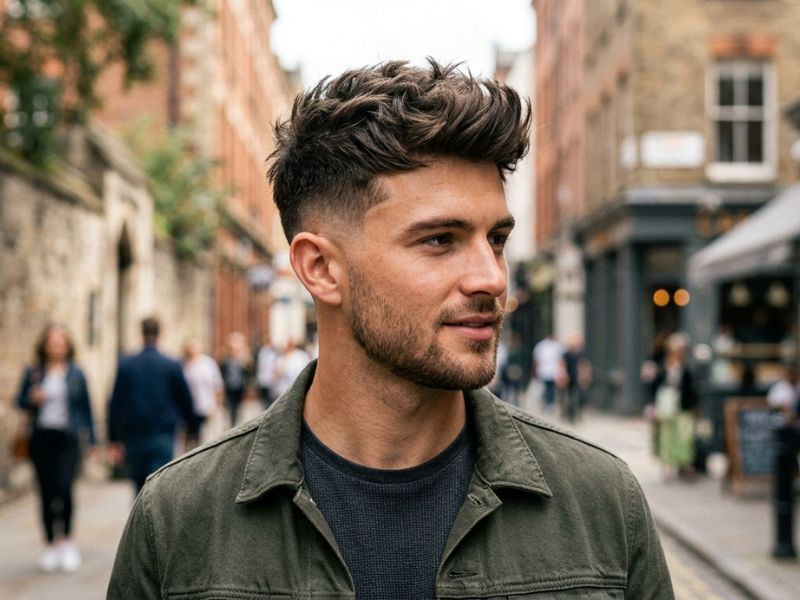
A shorter take on the tousled look, this style keeps things compact while still allowing for natural, undone texture. The low fade barely shows, so most of the visual interest comes from how the top is styled. It’s a solid everyday option for busy schedules.
Messy Wavy Quiff with Low Taper

Wavy hair and a messy finish go hand in hand, and a low taper on the sides keeps this version from looking overgrown. Scrunch a texturizing cream through damp hair, then push the front up and forward with your fingers instead of a comb for a lived-in finish.
Natural Quiff with High Fade
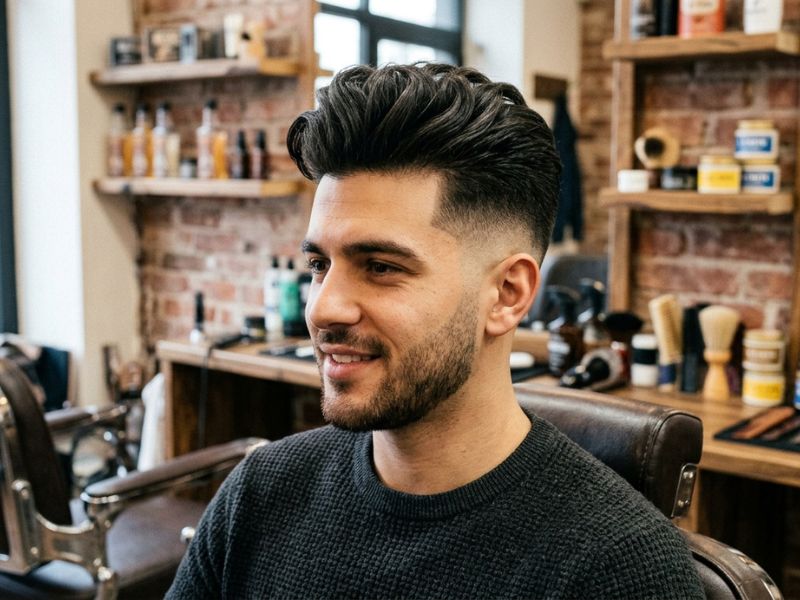
Skipping heavy styling, the natural quiff relies on the hair’s own texture and a high fade for shape. It suits guys who want a low-effort morning routine but still like the contrast a high fade provides. A light matte product is usually enough to hold the front in place.
Undercut Quiff

The undercut quiff creates the sharpest possible contrast: sides and back clipped very short or shaved, with a noticeably longer top that isn’t blended into the sides at all. It’s a bold, high-maintenance option that photographs well and suits guys who want their haircut to make a statement.
Youthful Short Quiff with Drop Fade and Beard
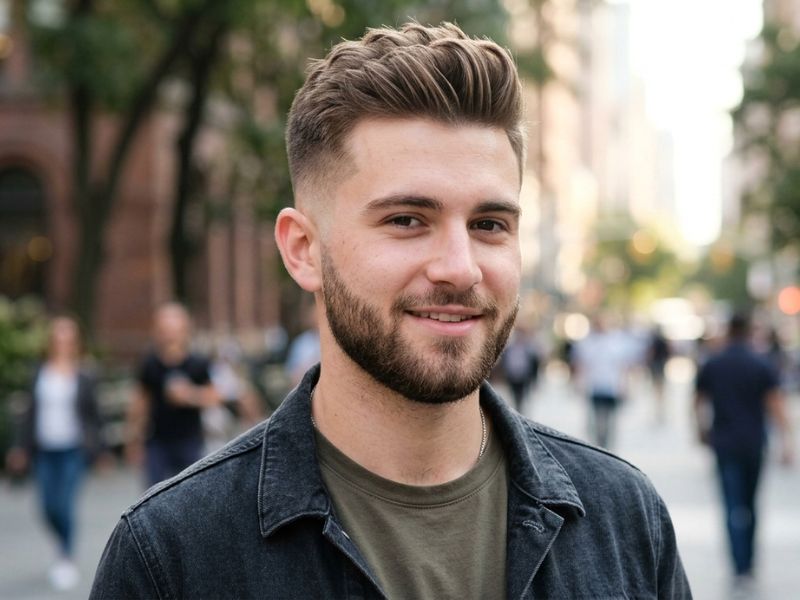
A drop fade curves lower behind the ear instead of staying level, which softens the transition and pairs nicely with a short quiff and beard. This combination feels current and works particularly well for guys in their teens and twenties looking for a trend-forward cut.
Textured Quiff with Sharp Fade
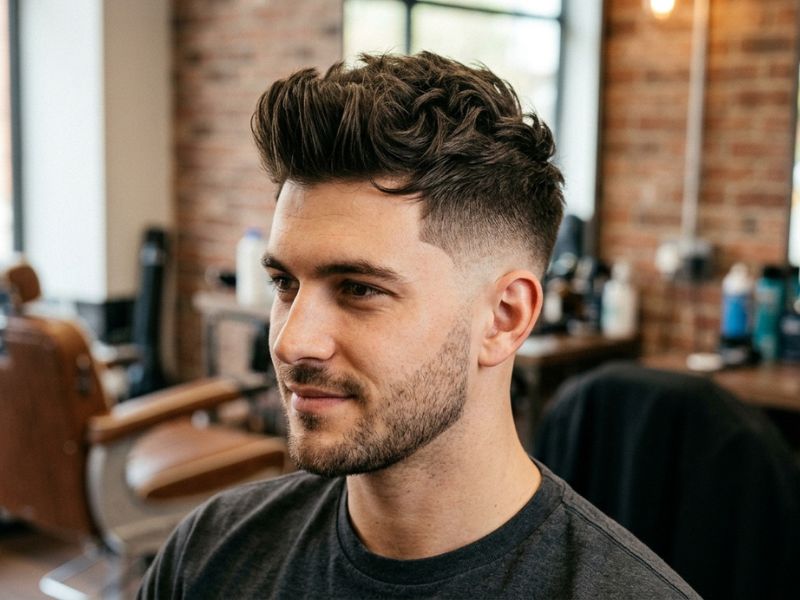
Here, the fade is cut with crisp, defined lines rather than a soft blend, giving the whole look extra precision. It contrasts sharply against the textured, piece-y top. This version needs frequent touch-ups to keep the line-up looking fresh, so it suits guys who visit the barber often.
Edgy Blonde Quiff

Color adds another layer of contrast to the quiff, and blonde is one of the most striking choices against darker skin tones or a shaved fade. Bleaching can dry out hair, so pair this look with a moisturizing styling cream rather than a heavy-hold pomade.
Long Quiff Fade
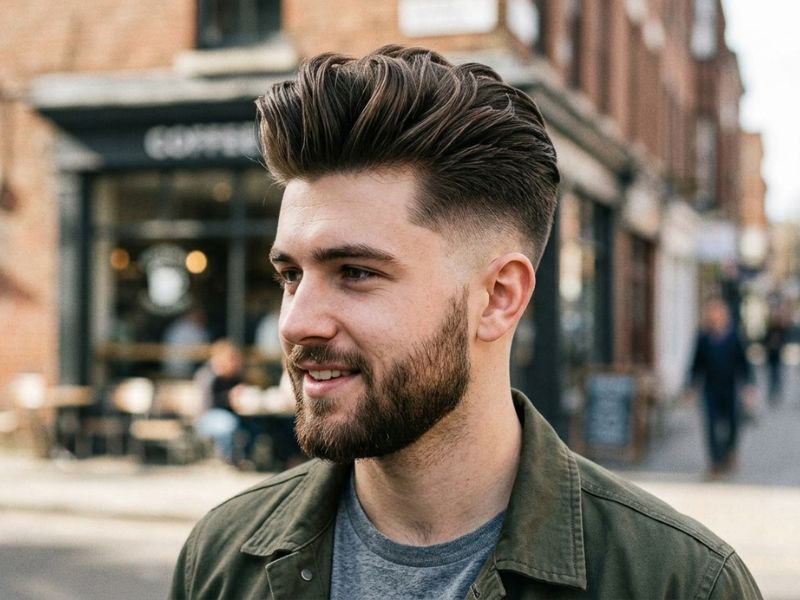
Long hair on top combined with a fade at the sides creates one of the most dramatic length contrasts on this list. It suits guys with thick, straight, or slightly wavy hair who don’t mind the extra styling time a longer top requires.
Straight Smooth Quiff with Mid Skin Fade
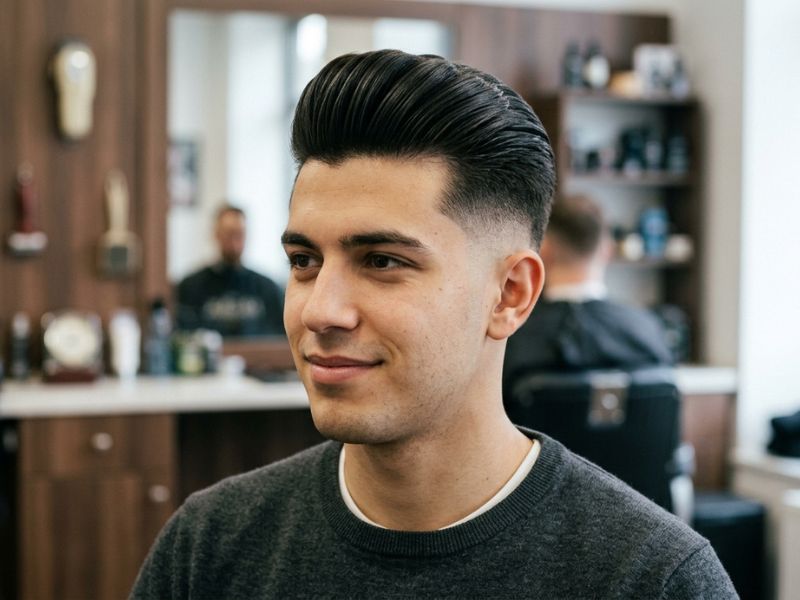
For a polished, sleek finish, straight hair is blow-dried smooth and brushed upward, then paired with a mid skin fade for contrast. This version leans formal and works well for weddings, interviews, or any occasion calling for a buttoned-up look.
Curly Quiff

Curly hair gives the quiff natural height without much effort. Instead of straightening, apply a curl-defining cream to damp hair and lift the front with your fingers as it dries. Keeping the sides shorter prevents the curls from looking overwhelming or hard to manage.
Pompadour Quiff

Borrowing height and volume from the traditional pompadour, this hybrid keeps the quiff’s softer, more casual finish instead of a slicked, glossy one. It needs a strong-hold product and some backcombing at the roots to achieve the lift, but it skips the pompadour’s more formal, retro styling.
Textured Fringe Quiff
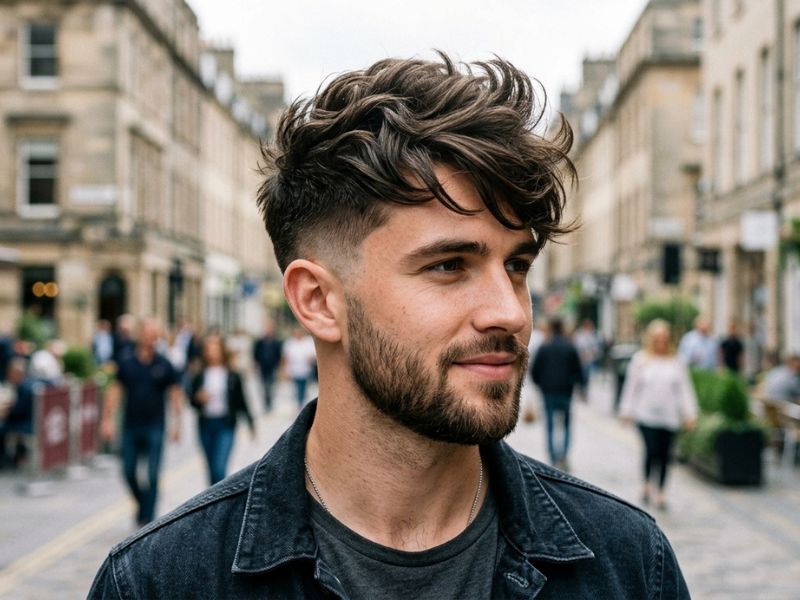
Instead of sweeping all the hair straight back, this version leaves a piece of textured fringe forward over the forehead while the rest lifts up and back. It’s a softer, more youthful take on the standard quiff and works well for oval or square face shapes.
Disconnected Quiff
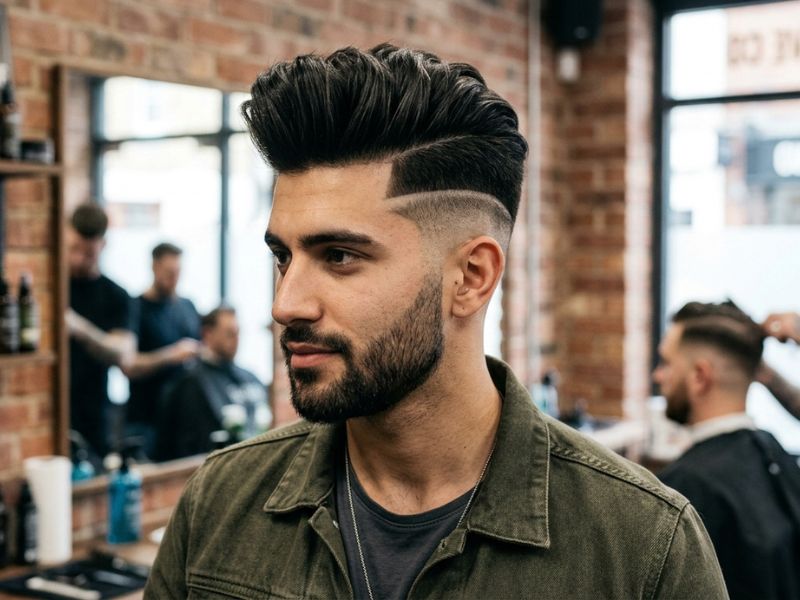
A disconnected quiff skips the gradual blend between the top and sides entirely, creating a hard visual break instead. The result is bold and architectural, closer to an undercut than a traditional fade. It’s best suited to guys who want maximum contrast and don’t mind frequent barber visits.
What Is A Quiff Haircut?
A quiff is a men’s hairstyle with noticeably longer hair on top. usually three to five inches — that’s brushed upward and slightly backward, while the sides and back stay short. It traces its roots to 1950s pompadour and flattop styles and was a staple of the Teddy Boy movement before resurging in the 1980s and 1990s.
Unlike the pompadour, which aims for height and a polished, slicked finish, the quiff is more relaxed and versatile. It can be worn sleek and controlled or loose and textured, which is part of why it has remained a barbershop staple for decades.
| Haircut | Top Length | Side Treatment | Styling Effort | Overall Vibe |
| Quiff | 3–5 inches | Tapered, faded, or undercut | Low to medium | Versatile, casual to formal |
| Pompadour | 4–6 inches | Short, often tapered | High | Polished, retro, formal |
| Undercut | Varies, often longer | Very short or shaved, disconnected | Medium | Bold, high-contrast |
| Crew Cut | 1–2 inches | Short, tapered | Low | Neat, low-maintenance |
Choosing A Quiff By Hair Type
- Straight hair: Holds a smooth, defined quiff well; needs a stronger-hold pomade to keep its shape through the day.
- Wavy hair: Adds natural texture with minimal product; works well with tousled or messy variations.
- Curly hair: Provides built-in volume and height; a curl cream keeps definition without flattening the curls.
- Thick hair: Gives the strongest lift; pair with a fade to avoid a heavy, bulky look.
- Fine hair: Needs a volumizing product and shorter length on top to avoid looking thin or flat.
FAQ’S
How often do I need a haircut to maintain a quiff?
Plan on a trim every three to four weeks, especially if you’re pairing it with a fade, since faded sides grow out faster than the length on top.
What products work best for a quiff?
Pomade gives shine and firm hold, clay and paste offer a matte, textured finish, and volumizing mousse helps fine hair hold height without added weight.
Can I get a quiff with thin hair?
Yes, though shorter lengths and volumizing products work best, since too much length on thin hair tends to fall flat rather than lift.
Is a quiff hard to maintain at home?
Not particularly. Most versions only need damp hair, a small amount of product, and a few minutes of finger or brush styling each morning.
What’s the difference between a quiff and a pompadour?
A quiff is generally shorter, softer, and less structured, while a pompadour emphasizes height, volume, and a glossier, more formal finish.
Final Thoughts
The quiff earns its staying power by adapting to nearly any hair type, face shape, and personal style, from a clean classic cut to a bold undercut with a skin fade. With 28 variations to choose from, there’s room to match the style to your lifestyle instead of the other way around.
Talk to your barber about your hair’s natural texture and how much daily styling time you’re willing to put in before settling on a version. A well-chosen quiff, paired with the right fade and product, stays sharp with minimal upkeep and works for nearly every setting you’ll walk into.