
Quiff Hairstyle 28 Stylish Few cuts have stuck around as long as the quiff, and for good reason. It takes the lift of a pompadour, trims the fuss, and leaves you with a shape that works in a boardroom or a bar. Whether you want something sharp and short or long and wavy, there’s a version built for your hair.
This guide walks through 28 quiff variations, how each one is cut, and who it suits best. You’ll also find comparison tables, styling notes, and a quick FAQ so you can walk into your next barber appointment knowing exactly what to ask for.
Trendy Men’s Quiff Haircut Ideas Quiff Hairstyle 28 Stylish
The quiff isn’t a single haircut. it’s a family of styles built around one idea: lifted volume up front, shorter length on the sides and back. Below are 28 of the most requested versions right now, from clean classics to bold, color-forward takes.
Classic Quiff
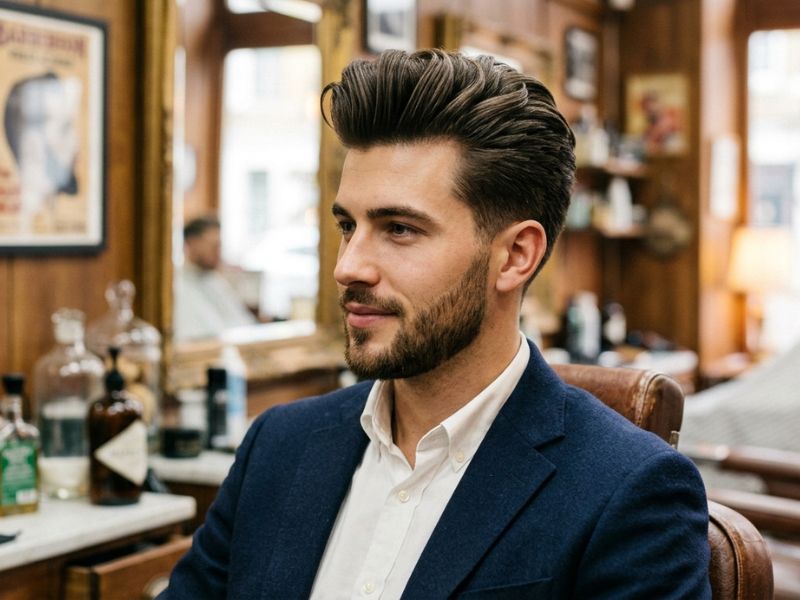
The classic quiff keeps things simple: medium length on top, swept up and slightly back, with tapered or short sides. It’s the version most barbers picture first when you say “quiff,” and it works with almost any face shape or hair type. Style it with a matte pomade for a natural finish that holds through the day.
Messy Quiff

Instead of a smooth sweep, the messy quiff uses fingers and a light paste to create texture and separation. Pieces point in different directions on purpose, giving the style a lived-in, undone look. It’s low-maintenance once you learn the technique and suits guys who don’t want a “done-up” appearance.
Textured Quiff
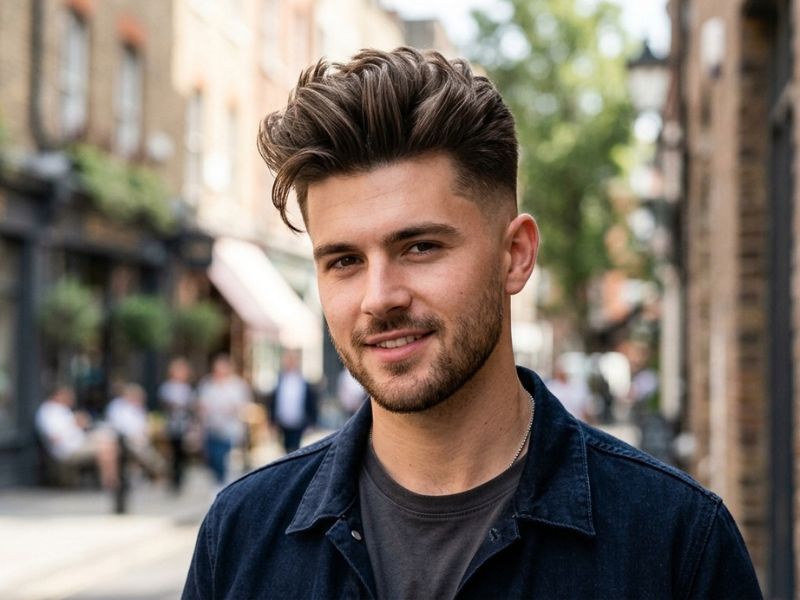
Texture is added through cutting technique. point cutting or razoring. rather than just styling product. This creates natural movement and reduces bulk, which is especially useful for thick or wavy hair. A sea salt spray or texturizing cream brings out the choppy, tousled finish.
Modern Quiff
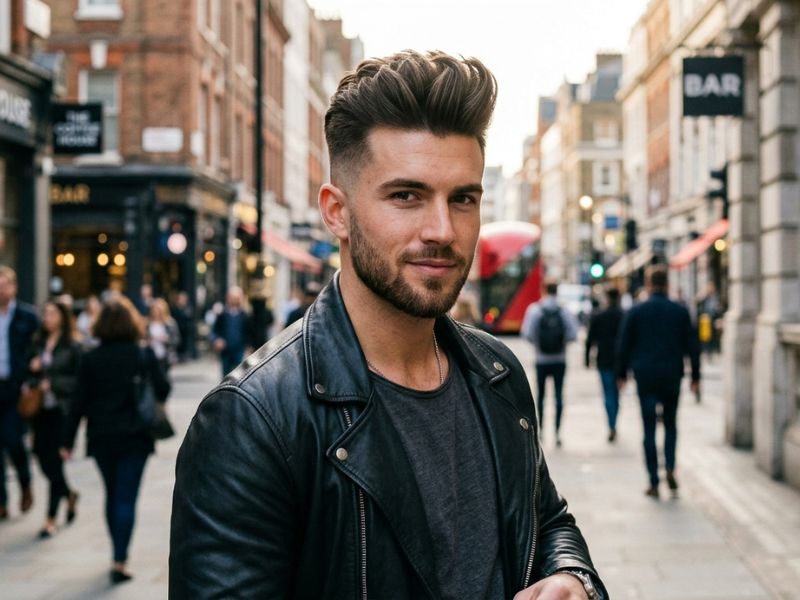
The modern quiff pairs a sharper, more deliberate top shape with a fade or disconnected undercut on the sides. It trades the softer, rounded lines of the classic version for crisp edges and more contrast. Expect frequent barber visits to keep the fade lines clean.
Short Quiff
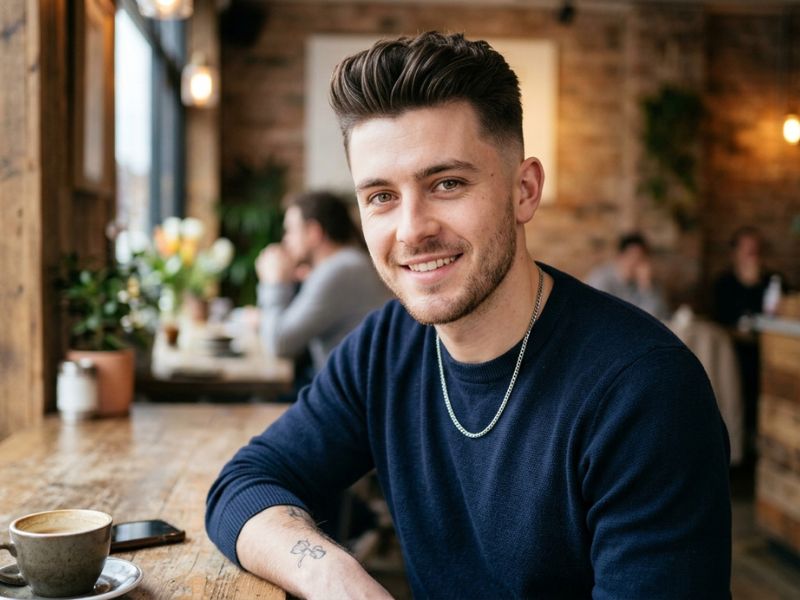
For guys who want the quiff silhouette without much length, the short quiff keeps the top around one to two inches. It’s easier to maintain, dries faster, and still gives enough height to lift the front. A small amount of wax is usually all you need.
Quiff Fade
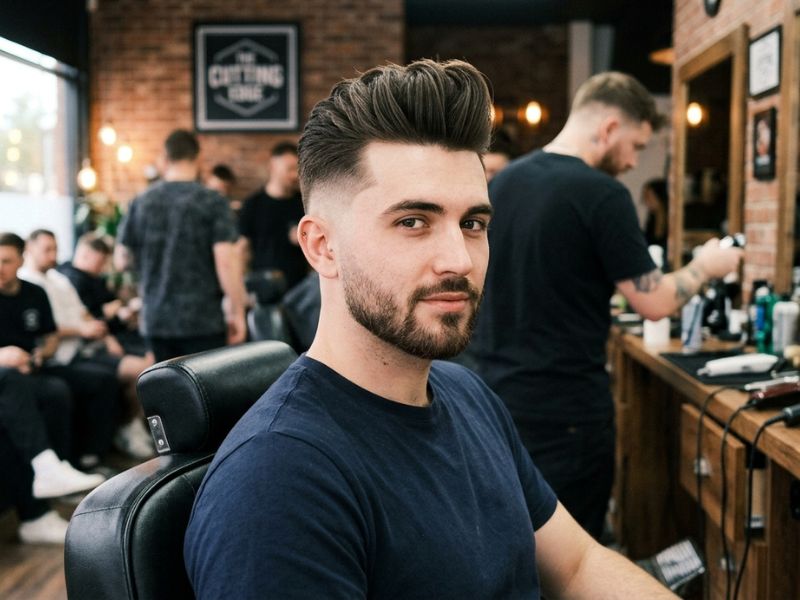
Pairing the quiff with a fade. low, mid, or high. sharpens the whole look by removing bulk from the sides. The contrast between the tight fade and the voluminous top makes the style read as more polished. This combination is one of the most requested at barbershops today.
Medium Quiff
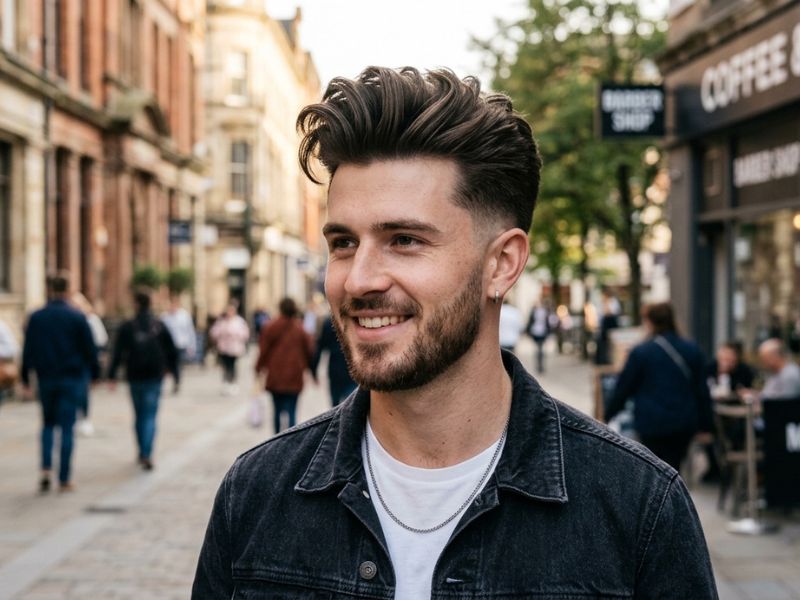
Sitting between short and long, the medium quiff gives you two to three inches on top. enough for real volume and multiple styling options, but still manageable day to day. It’s a flexible middle ground for guys who aren’t ready to commit to a longer cut.
Quiff with Beard
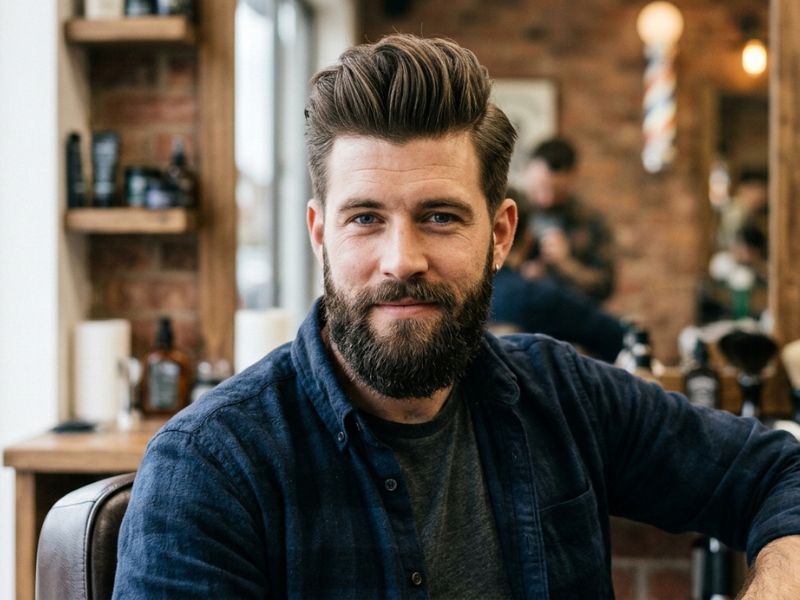
A well-groomed beard balances the height of a quiff and adds structure to the jawline. This pairing works especially well on rounder or narrower face shapes, since the beard adds width while the quiff adds vertical lift. Keep both trimmed on the same schedule so neither overgrows the other.
Learn more:The Quiff Hairstyle: 28 Stylish Variations For Modern Men
Short Quiff with Low Taper Fade

This version keeps the top short and tight while a low taper fade gradually shortens the sides starting just above the ear. It’s a subtle, office-friendly combination that reads as clean-cut rather than flashy. It’s also one of the lowest-maintenance quiff pairings available.
Tousled Textured Quiff with Low Fade
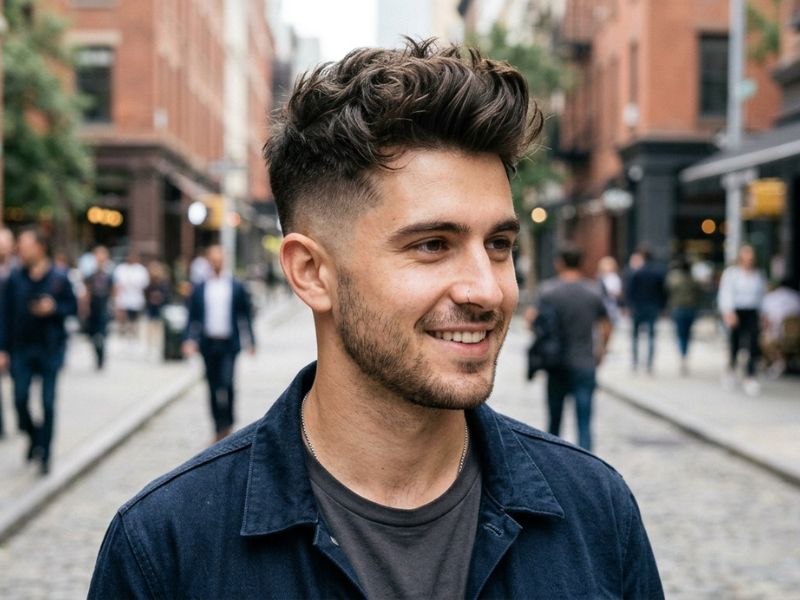
Adding tousled texture to a low-fade quiff softens the sharpness of the fade line and gives the style a more relaxed, everyday feel. Work a texturizing paste through damp hair and scrunch upward rather than combing it flat. It photographs well and needs only a quick touch-up each morning.
Wavy Quiff

Natural waves add built-in texture that a straight-haired quiff can’t replicate. Instead of fighting the wave pattern, this style lifts it at the front and lets it flow back naturally. A light-hold cream keeps the waves defined without weighing them down.
Short Textured Quiff with Mid Fade

A mid fade sits higher than a low fade, starting around the temple, which creates more visible contrast against a short, textured top. This is a bolder, more modern take that still reads as tidy enough for most workplaces.
Messy Quiff with Taper Fade

Combining a soft taper fade with a deliberately messy top gives you contrast without harsh lines. The taper blends gradually into the top length, so the transition from “faded” to “textured” feels seamless rather than abrupt.
Long Quiff
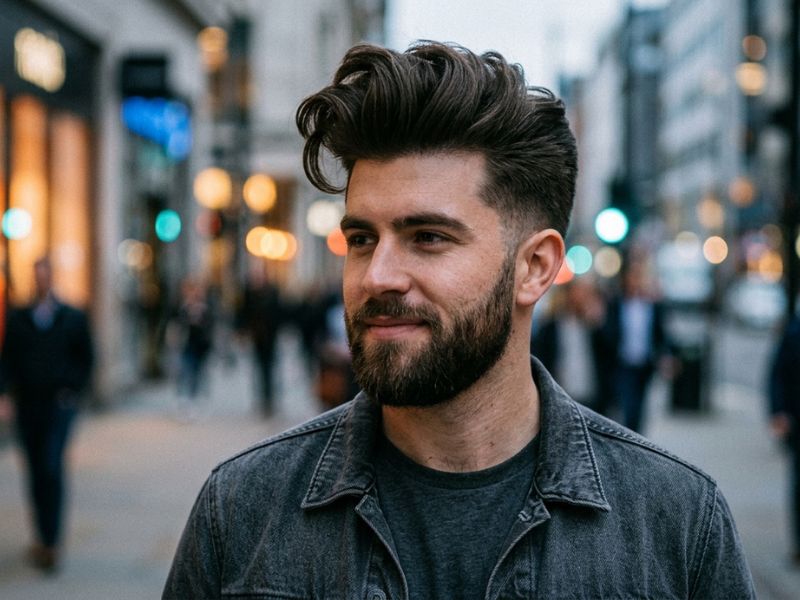
For guys growing their hair out, the long quiff keeps three-plus inches on top, giving enough length to sweep back into a dramatic, sculpted shape. It takes more styling time and product but delivers the most striking silhouette on this list.
Thick Quiff Fade
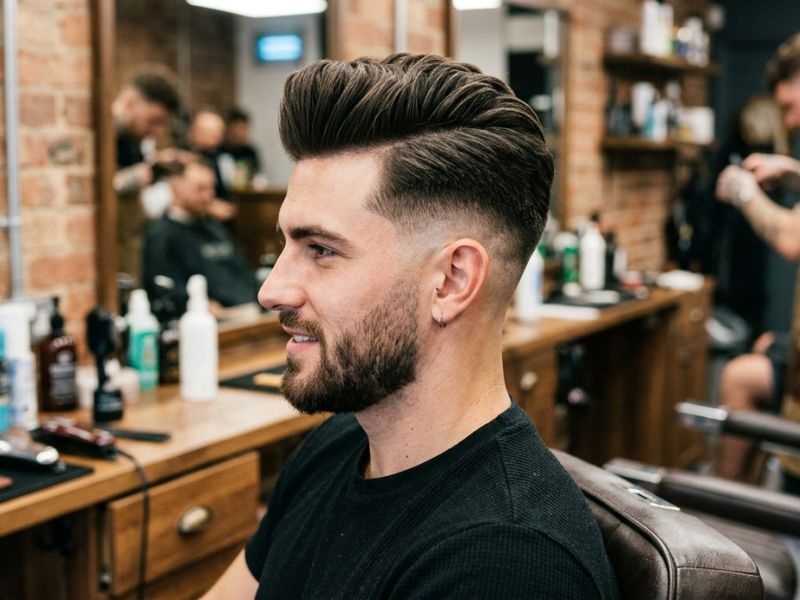
Thick hair holds height naturally, which makes it ideal for a quiff paired with a fade. The fade removes weight from the sides so the thick top doesn’t look disproportionate. A lightweight clay or matte paste prevents the top from feeling heavy or greasy.
Full Textured Quiff with Low Skin Fade
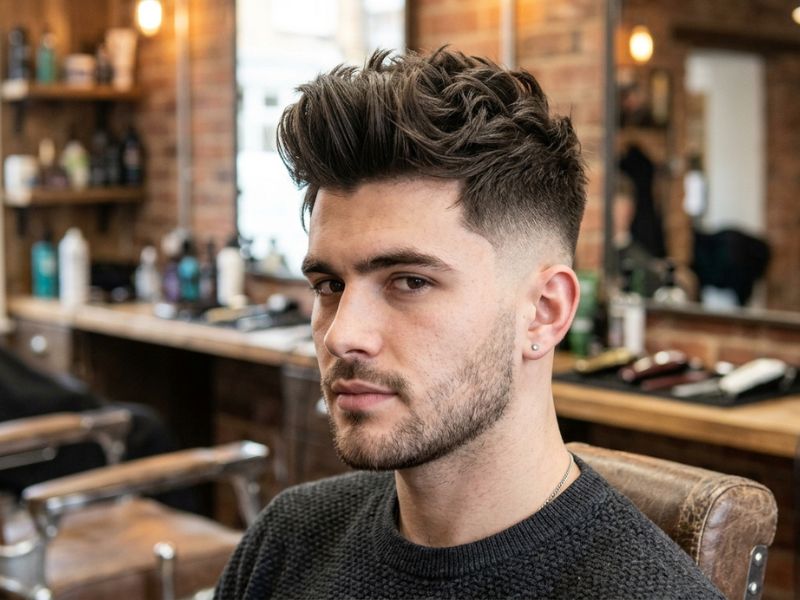
A skin fade takes the sides down to bare skin at the bottom, creating maximum contrast against a full, textured top. This is one of the more high-maintenance combinations, needing a fresh fade every two to three weeks to stay sharp.
Tousled Short Quiff with Low Fade

Short length paired with tousled texture and a low fade gives a casual, approachable version of the quiff that still feels put-together. It’s a strong choice for guys who want low daily styling time without sacrificing shape.
Messy Wavy Quiff with Low Taper
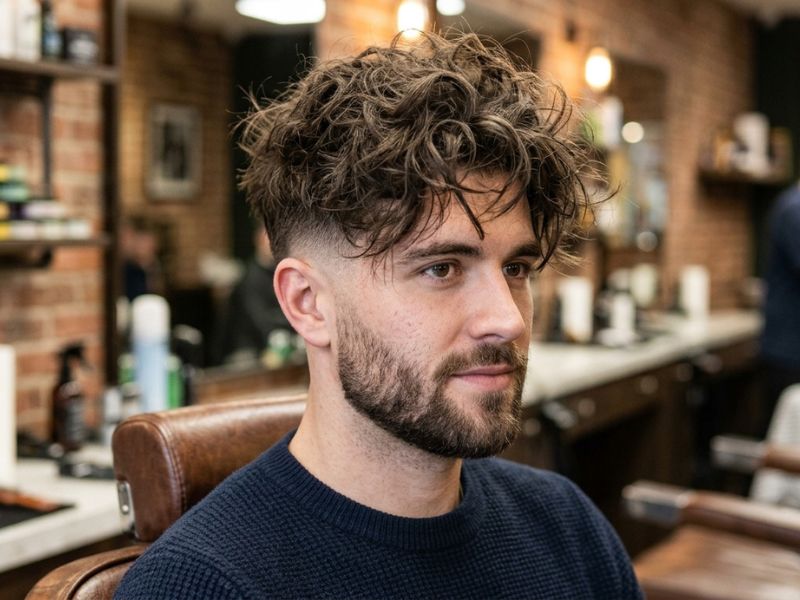
Natural wave plus deliberate messiness plus a subtle low taper creates one of the more relaxed variations on this list. It leans casual and works well for guys with active lifestyles who don’t want a style that needs constant touch-ups.
Natural Quiff with High Fade
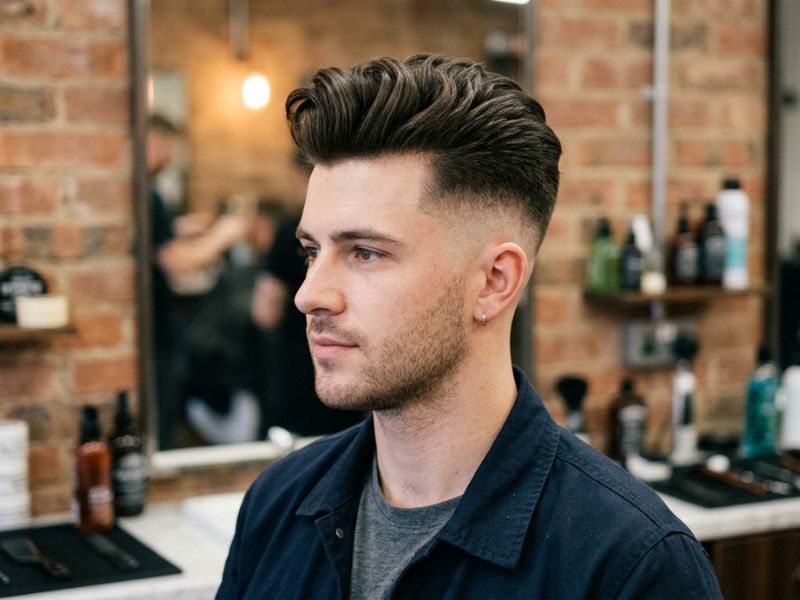
Here the top is left closer to its natural fall. minimal product, minimal shaping. while a high fade on the sides provides most of the visual impact. It’s a lower-effort top paired with a higher-maintenance side, which balances the overall upkeep.
Undercut Quiff

An undercut quiff uses a hard, disconnected line between the long top and the very short (or shaved) sides, rather than a gradual fade. The contrast is more dramatic and the look reads as edgier and more fashion-forward.
Youthful Short Quiff with Drop Fade and Beard
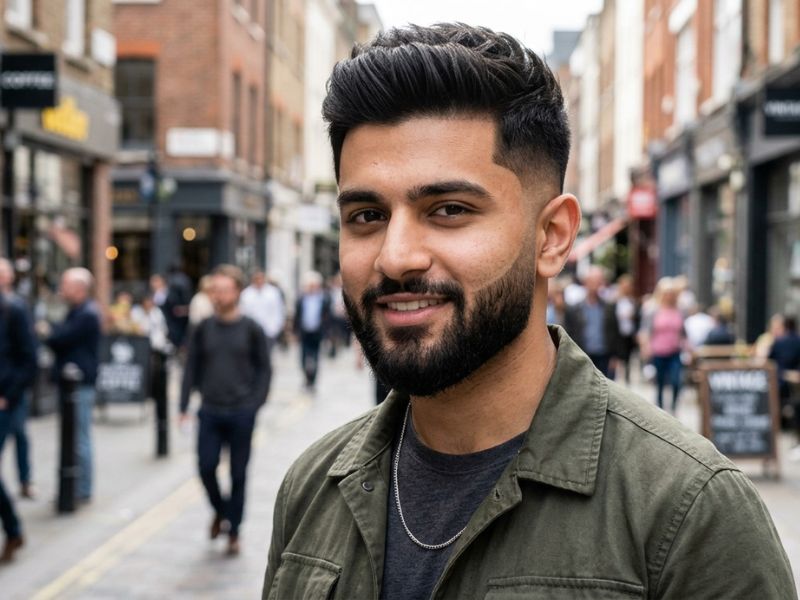
A drop fade curves downward behind the ear instead of staying level, which pairs nicely with a beard by keeping the fade line following the jaw. Combined with a short quiff on top, this version feels fresh, younger, and detail-oriented.
Textured Quiff with Sharp Fade
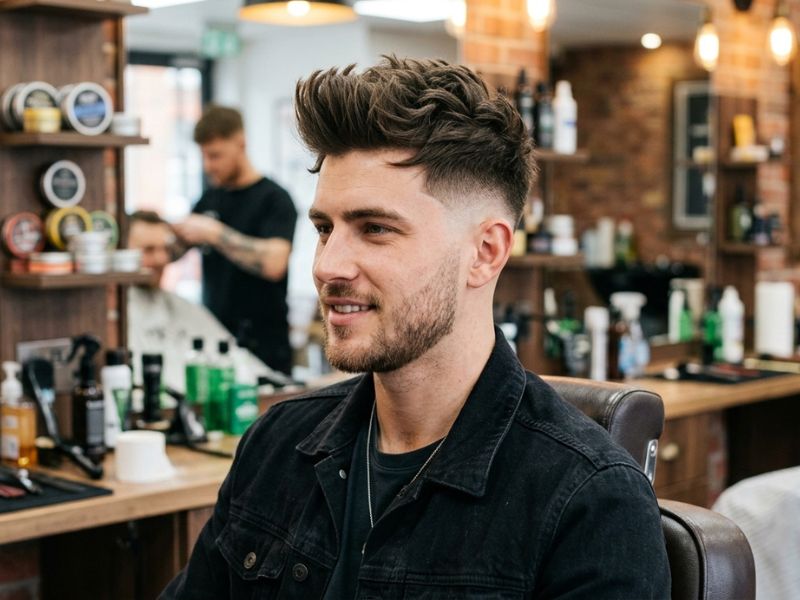
Sharp, crisp fade lines against a heavily textured top create strong visual contrast. This combination requires precise barbering to keep the fade edge clean while the top stays deliberately unstructured.
Edgy Blonde Quiff
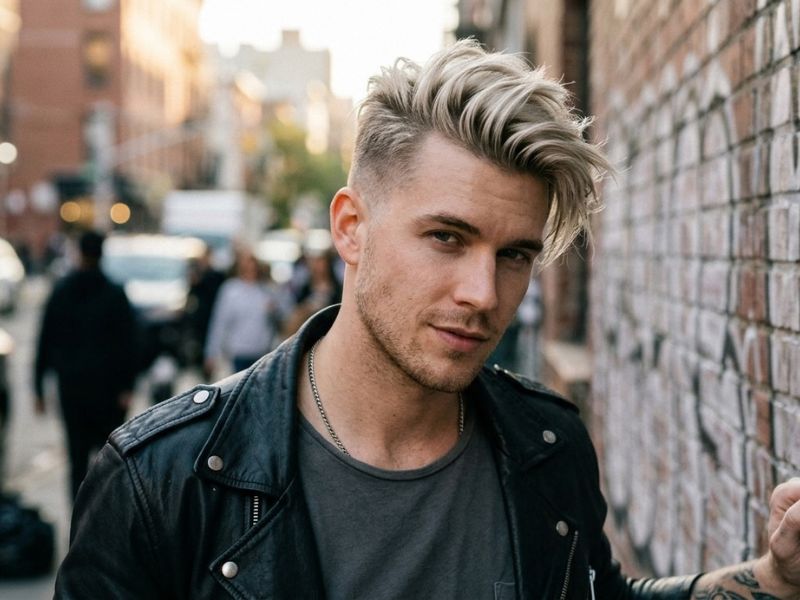
Lightening the top. whether a full bleach or subtle highlights. draws extra attention to the height and shape of the quiff. It’s a bold styling choice best suited to guys comfortable with regular color maintenance and touch-ups.
Long Quiff Fade

Long length on top combined with a fade on the sides creates maximum contrast between the two halves of the cut. The fade keeps the overall look from feeling too heavy, even with several inches of length up top.
Straight Smooth Quiff with Mid Skin Fade

Naturally straight hair styled smooth and sleek, rather than textured, pairs well with a mid skin fade for a sharp, polished finish. This version leans more formal than most others on the list.
Curly Quiff

Curly hair naturally creates volume, so a curly quiff often needs less product to hold its shape than straighter hair types. Lift the curls at the front with a diffuser and light curl cream rather than combing them out.
Pompadour Quiff
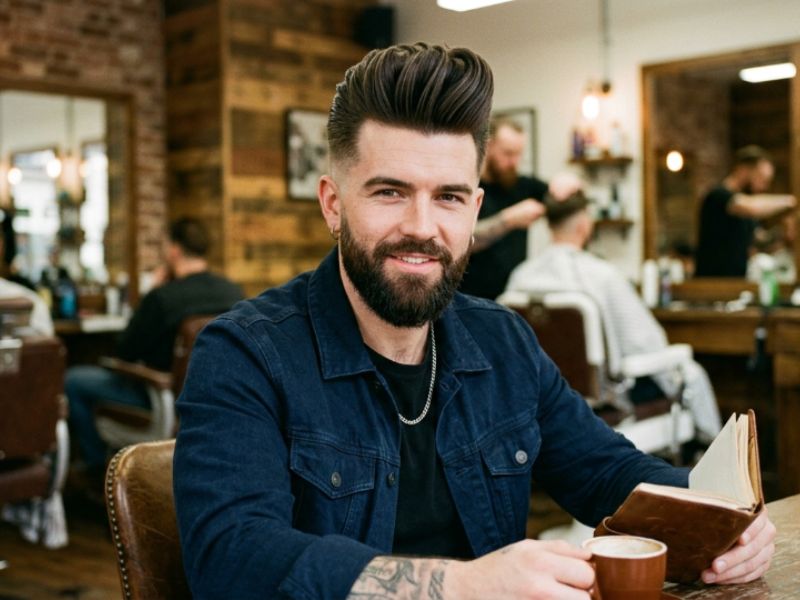
This hybrid borrows the pompadour’s height and backward sweep but keeps the quiff’s shorter overall length and softer front section. It’s a good middle-ground option for guys who like the pompadour’s drama but want something easier to maintain.
Textured Fringe Quiff
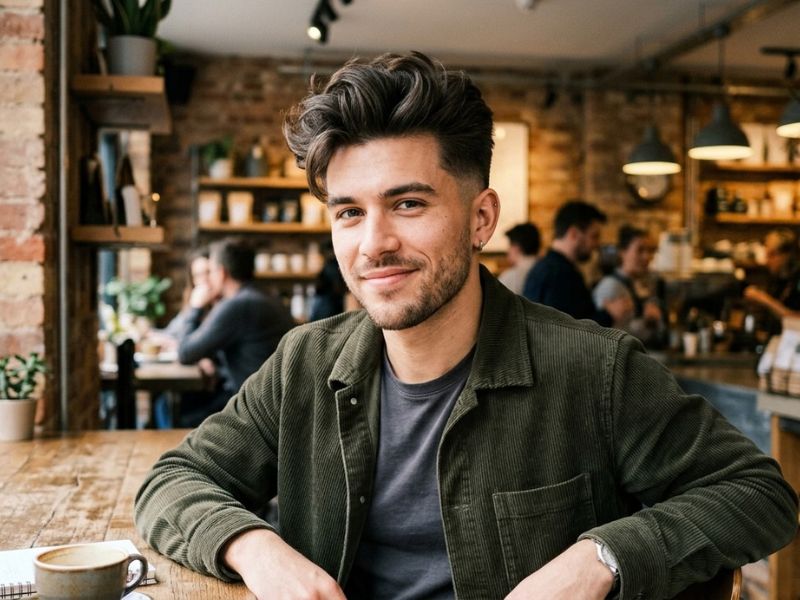
Instead of sweeping all the hair straight back, this version leaves a textured fringe falling forward over the forehead while still lifting volume at the root. It softens the face and works particularly well with straight or wavy hair.
Disconnected Quiff
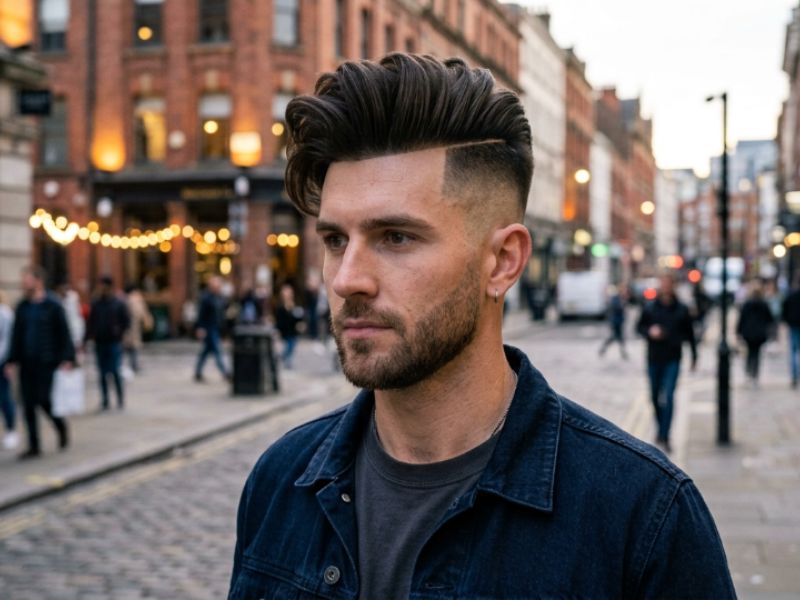
A disconnected quiff uses a hard, visible break between the top length and the sides. often via an undercut. rather than a blended transition. It’s one of the more striking, statement-making versions covered here.
Quiff Style Comparison
| Style Feature | Classic Quiff | Textured Quiff | Modern Quiff (with Fade) | Undercut Quiff |
| Top length | 2–3 in | 2–4 in | 1.5–3 in | 3+ in |
| Side treatment | Short, tapered | Short to medium | Fade (low/mid/high) | Hard undercut |
| Maintenance | Moderate | Moderate | High | High |
| Best hair type | Straight, wavy | Wavy, curly | Any | Thick, straight |
| Formality | Office-friendly | Casual | Versatile | Fashion-forward |
Quiff Vs. Other Classic Men’s Cuts
| Haircut | Top Length | Side Length | Signature Trait |
| Quiff | Medium–long | Short–tapered | Lifted, swept-back front volume |
| Pompadour | Long | Short–tapered | Higher, more dramatic backward sweep |
| Undercut | Long | Very short/shaved | Hard, visible contrast line |
| Crew Cut | Short | Short | Uniform, low-maintenance length |
What Is A Quiff Haircut?
A quiff is a men’s hairstyle with short, tapered sides and longer hair on top that’s lifted at the front and swept up and back, creating height above the forehead. It traces its roots to a mix of the 1950s pompadour and flattop, and it has stayed popular because it adapts to nearly any hair type, face shape, and setting. from a sleek office look to a rough, textured weekend style.
Unlike a pompadour, which pushes for maximum height and a fuller backward sweep, the quiff usually keeps a shorter overall length and a slightly more relaxed shape. That makes it easier to maintain day to day while still giving noticeably more structure than a basic short crop.
FAQ’S
What products work best for a quiff?
Matte pomade or clay gives natural hold for shorter styles, while a stronger wax or gel suits longer, more dramatic versions.
Does a quiff suit curly hair?
Yes. curls add natural volume that makes lifting the front easier, though a diffuser and curl cream help control frizz.
How often do I need a haircut to maintain a quiff?
Every three to five weeks keeps the shape sharp, especially if you’re pairing it with a fade or undercut.
Is a quiff good for a receding hairline?
A shorter, more textured quiff can work well since it draws attention upward and away from the hairline rather than emphasizing it.
Can I do a quiff with fine hair?
Yes, though you’ll want a lightweight volumizing product and possibly a blow-dry technique to build lift, since fine hair falls flatter on its own.
Final Thoughts
The quiff earns its staying power by bending to fit almost any guy. thick or fine hair, sharp fades or soft tapers, short or long on top. With 28 variations to choose from, there’s very little chance you won’t find one that matches your face shape and daily routine.
Bring a photo or two from this list to your next barber visit and be specific about length and fade height. A quiff only looks as good as the cut behind it, so clear communication with your barber matters more than any product you put in afterward.