
A low taper fade buzz cut pairs short, even length on top with a soft fade that drops near the ears and neckline. It’s clean without looking harsh, and it takes barely any effort to keep sharp between visits.
This guide breaks down 26 style variations, clipper guard numbers, face shape pairings, and maintenance tips so you can walk into your next barber appointment knowing exactly what to ask for.
What is a Low Taper Fade Buzz Cut?
It’s a short haircut where the top is buzzed to a uniform length, usually a #2 to #4 guard, while the sides and back fade gradually starting low, near the ear line. The result keeps some weight on the sides instead of shaving down to the skin.
Why is this haircut trending in 2026?
Low-maintenance grooming keeps gaining ground as men look for cuts that work for the gym, the office, and everything between. The low taper buzz cut delivers a tidy, structured look without daily styling, which fits busy 2026 routines perfectly.
Who should choose this haircut?

This cut suits men who want short hair that still looks deliberate rather than shaved for convenience. It works for students, athletes, professionals, and anyone tired of spending time in front of a mirror each morning.
What readers will learn in this guide.
You’ll find clear explanations of buzz cuts and low tapers, 26 style variations with face and hair-type notes, exact clipper guard numbers, a barber script, styling steps, and answers to common questions.
What Is a Buzz Cut?
A buzz cut is a haircut clipped to one uniform length across the entire head, typically with a single guard size. It’s the simplest cut a barber can give, prized for being fast, affordable, and nearly maintenance-free between trims.
What Is a Low Taper Fade?

A low taper fade is a gradual shortening of hair that begins near the ears and nape rather than higher up the head. Unlike a high or skin fade, it leaves noticeably more length on the sides, giving a softer, less dramatic transition.
Why This Haircut Is So Popular
Combining these two cuts gives men the best of both: the speed of a buzz cut and the polish of a fade. Barbers report rising demand because it flatters nearly every face shape, needs almost no product, and photographs cleanly for professional settings.
Benefits of a Low Taper Fade Buzz Cut
- Fast to cut and style, most appointments take 15 to 20 minutes
- Works with most hair types, from straight to coily
- Grows out cleanly, so a missed appointment won’t ruin the shape
- Suits formal and casual settings without extra effort
- Keeps you cooler in warm weather compared to longer styles
- Budget-friendly since fewer products and tools are needed at home
26 Best Low Taper Fade Buzz Cut Styles
Each of these variations builds on the same base cut, adjusted for texture, detailing, or personal style.
Classic Low Taper Fade Buzz Cut

The baseline version: a #3 guard on top, fading to skin-close length right above the ears. It’s the easiest style to describe to any barber and works well for a first-time low taper cut.
Skin Fade Low Taper Fade Buzz Cut
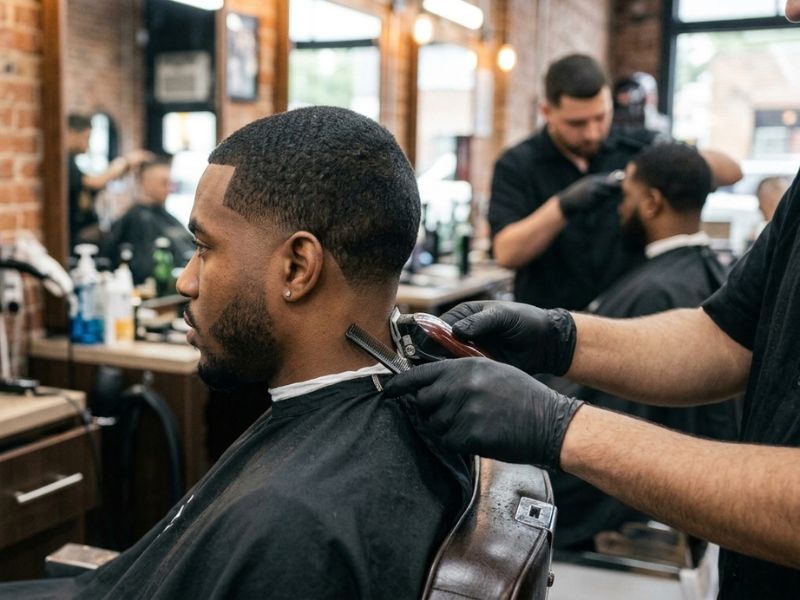
Here, the fade drops all the way to bare skin at the very bottom edge while staying low on the head. It adds a touch more contrast without moving the fade line higher.
Military Low Taper Fade Buzz Cut

A tighter, more uniform buzz, often a #2 on top. paired with a crisp, straight-line low fade. It reads as disciplined and neat, a favorite among service members and corporate settings alike.
Crew Buzz Cut with Low Taper Fade

Slightly longer on top than a standard buzz, giving a bit of texture you can run your fingers through, while the low taper keeps the sides tidy and understated.
Textured Low Taper Fade Buzz Cut
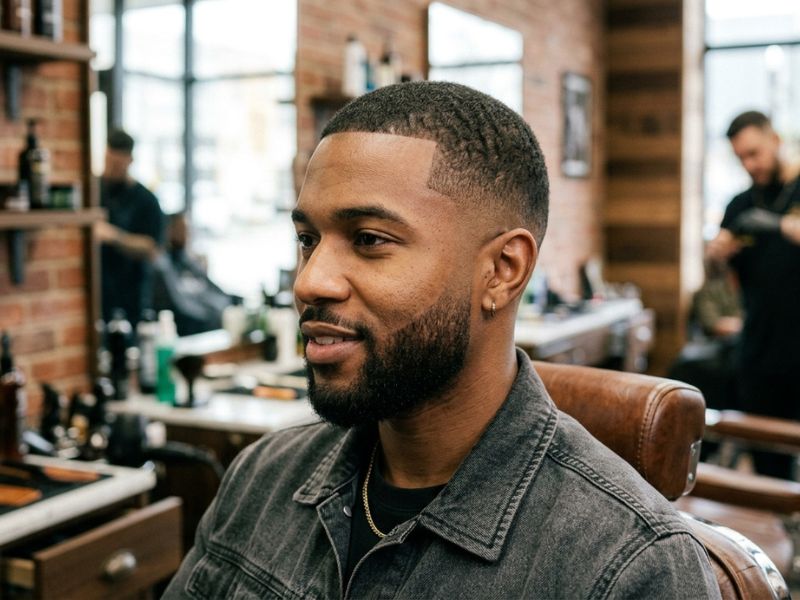
A texturizing spray or matte clay is worked through the top to create a slightly tousled, piecey finish. It softens the precision of the fade for a more relaxed everyday look.
Buzz Cut with Beard and Low Taper Fade

The fade is blended directly into a full or stubble beard, so there’s no visible break between hair and facial hair. This pairing adds structure to rounder or softer jawlines.
Buzz Cut with Line Up and Low Taper Fade

A razor-sharp line traces the hairline and temples for extra definition. It’s a small detail that makes the whole cut look freshly barbered even a week or two after the appointment.
Blonde Low Taper Fade Buzz Cut

Lightened hair on top contrasts nicely against the darker, natural-toned fade underneath. This works especially well on shorter buzz lengths where the color is easy to see and maintain.
Learn more:The Quiff Hairstyle: 28 Stylish Variations For Modern Men
Curly Low Taper Fade Buzz Cut
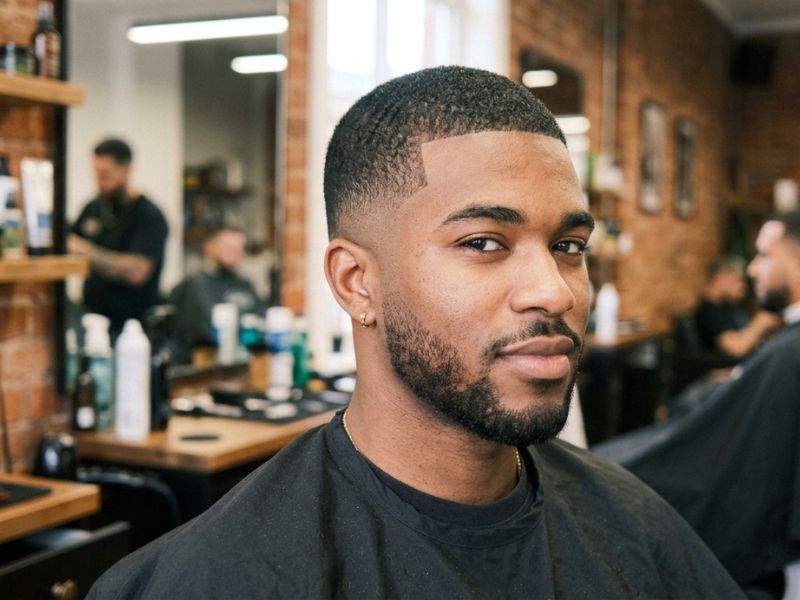
Curls are kept short enough on top to hold their shape without frizzing out, while the low fade keeps the sides controlled. A curl-defining cream helps the texture stay crisp.
Straight Hair Low Taper Fade Buzz Cut
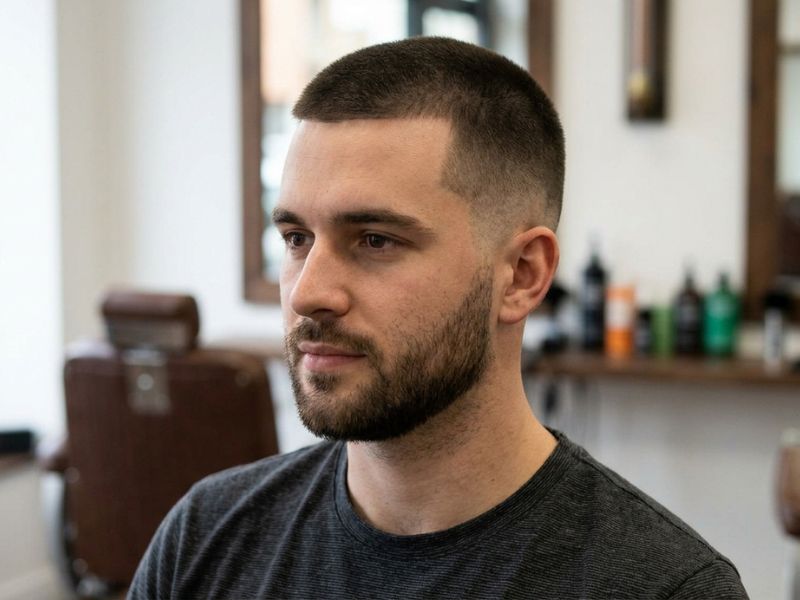
Straight strands lie flat and even, making the buzz look extremely clean-edged. The low fade adds just enough shape so the cut doesn’t read as flat or one-dimensional.
Thick Hair Low Taper Fade Buzz Cut

Thicker hair holds volume even at short lengths, so a slightly longer guard on top, like a #4, keeps things balanced. The fade helps thin out visual bulk on the sides.
Thin Hair Low Taper Fade Buzz Cut

A shorter buzz length, around a #2, makes fine hair look fuller and denser. The low fade adds soft dimension without drawing attention to sparse spots near the temples.
Low Taper Fade Buzz Cut with Hair Design
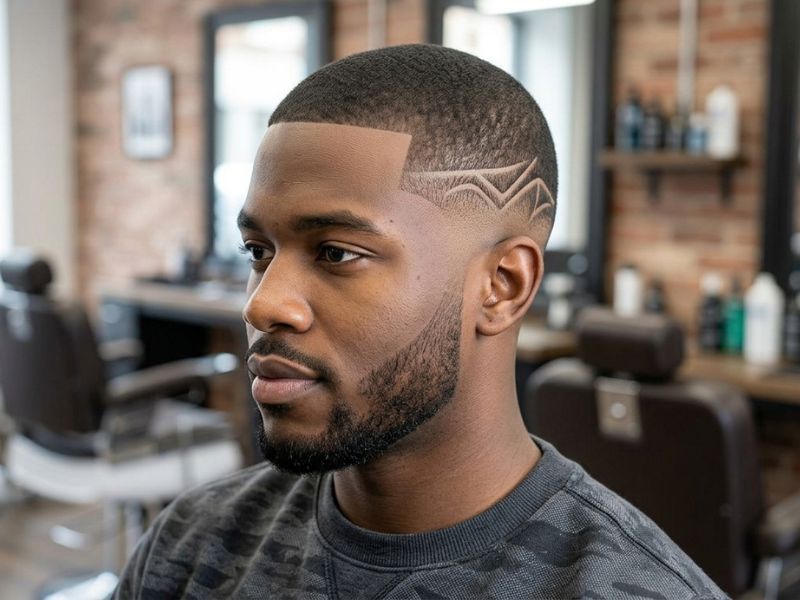
A shaved line, star, or geometric pattern is etched into the fade zone for a personalized touch. It’s most common among teens and younger men who want a bolder statement.
Buzz Cut with Hard Part and Low Taper Fade

A thin shaved line separates the top section from the faded side, mimicking a traditional side part. It adds structure and works especially well with a slightly longer buzz on top.
Buzz Cut with Sharp Edge Up
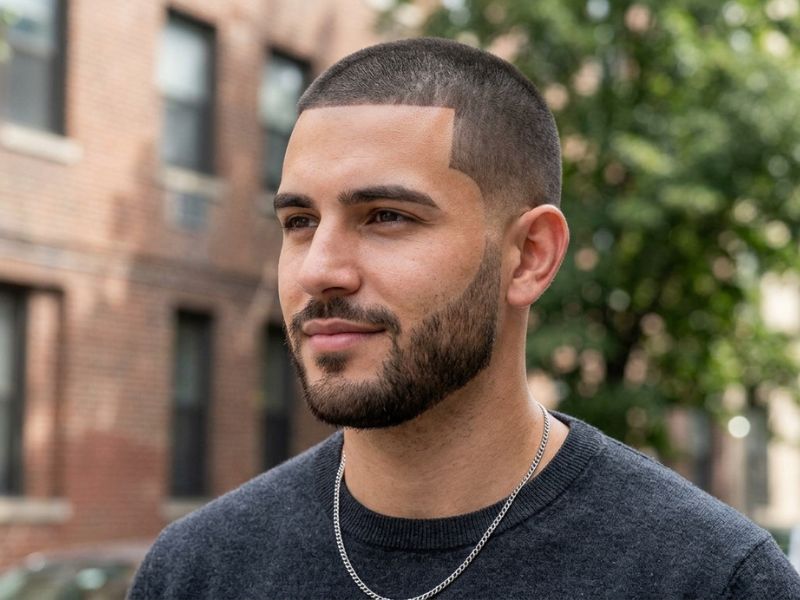
The hairline is squared off with precise, angular edges rather than a soft curve. This detailing gives the cut a graphic, barbershop-fresh finish that lasts through several days of wear.
Buzz Cut with Temple Fade

The fade is concentrated tightly around the temples rather than sweeping the whole side. It’s a subtler option for men who want definition without a dramatic drop in length.
Low Taper Fade Buzz Cut for Black Men

Short, coily textures pair naturally with this cut, since the tight curl pattern holds shape at low lengths. A low taper keeps the fade subtle while still framing the hairline sharply.
Low Taper Fade Buzz Cut for Hispanic Men

Often paired with a defined line up and slight taper into a light beard, this version balances thicker, wavy textures common to many Hispanic hair types with a clean, low-contrast fade.
Low Taper Fade Buzz Cut for Asian Men

Straight, dense hair holds a buzz shape especially well, and a low taper keeps the sides from looking too bulky. Many men in this category pair it with a subtle hard part.
Modern Low Taper Fade Buzz Cut
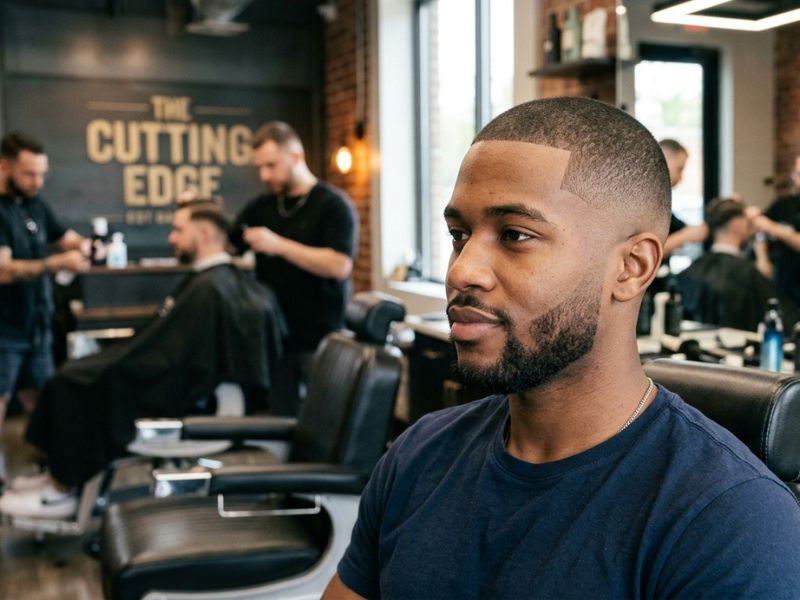
A slightly longer top with matte texture and a low, barely-there fade gives an updated, softer take on the traditional buzz. It reads as current without being trend-dependent.
Short Low Taper Fade Buzz Cut

The shortest version of this cut, often a #1 or #2 on top, this style is nearly maintenance-free and grows out evenly, making it ideal for very busy schedules.
High Contrast Low Taper Fade Buzz Cut
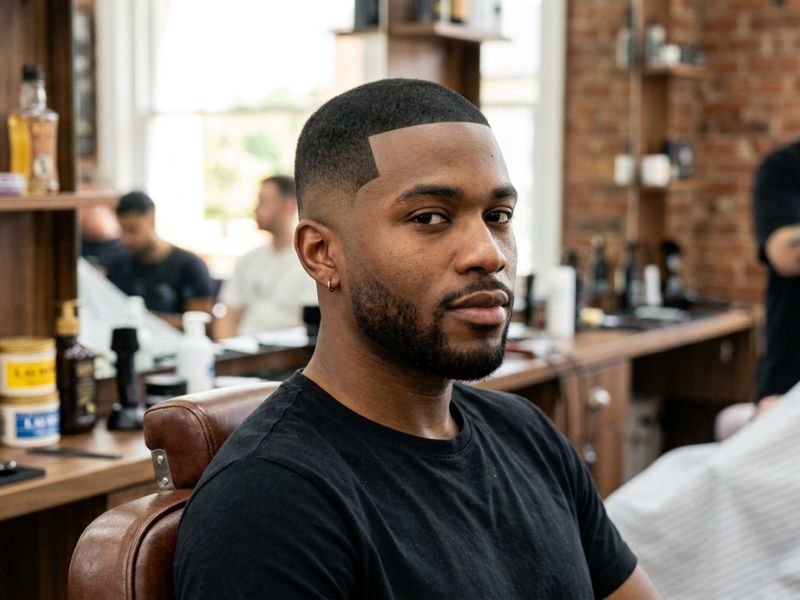
Despite starting low, the fade transitions quickly from skin to full length, creating a bolder visual contrast than a standard gradual blend. It suits men who want more edge.
Professional Low Taper Fade Buzz Cut
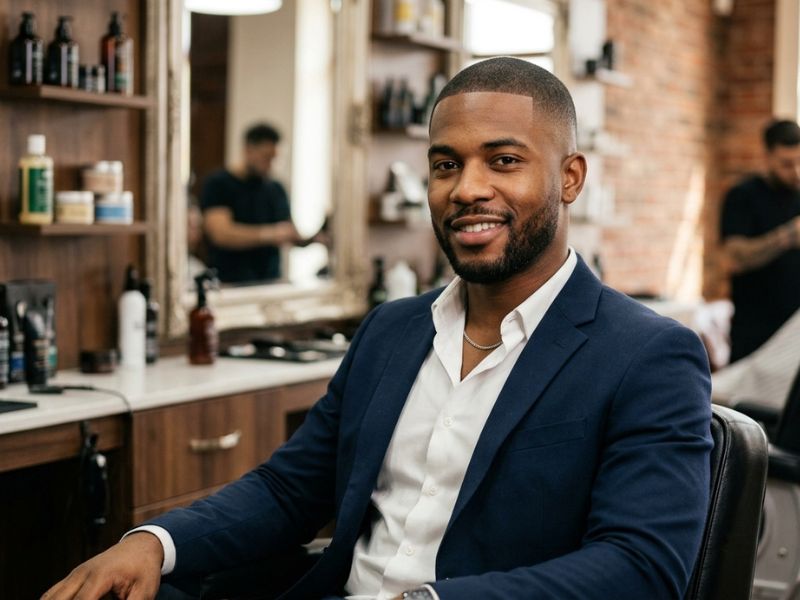
Kept neat and conservative, with a #3 top and a subtle, well-blended fade, this version is built for office settings, interviews, and any situation calling for a polished appearance.
Teen Boy Low Taper Fade Buzz Cut
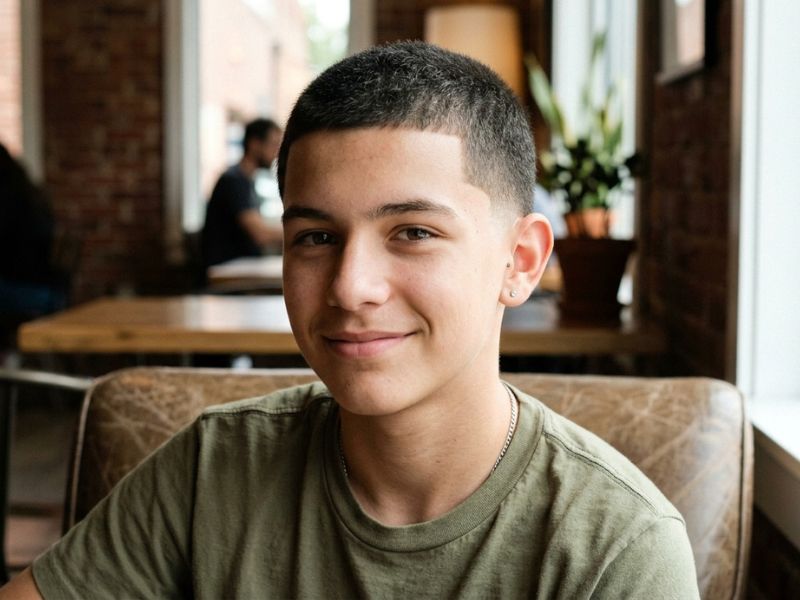
A simple, low-fuss version that’s easy for parents to maintain between visits. It keeps hair off the forehead and out of the eyes without requiring any daily styling routine.
Clean Low Taper Fade Buzz Cut
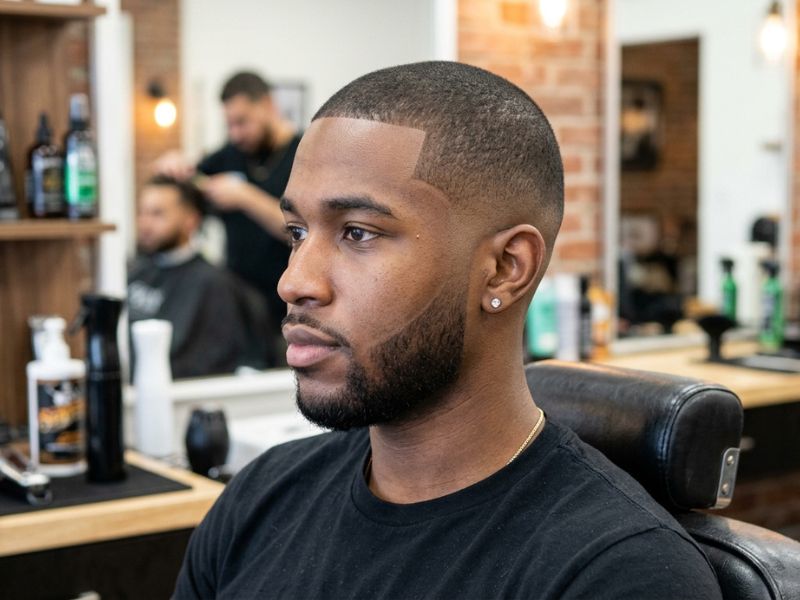
Everything about this version is tight: crisp fade lines, an even top, and a defined hairline. It’s the go-to choice right before a special occasion or important event.
How to Ask Your Barber for a Low Taper Fade Buzz Cut
Barbers hear dozens of vague requests a day, so being specific saves time and avoids surprises. Bring a reference photo if you can, and use clear language about guard numbers and fade height.
Barber Script
“I’d like a buzz cut on top, around a #3 guard, with a low taper fade starting just above my ears. Keep the fade gradual, not too sharp, and blend it into my [beard/neckline].”
Best Clipper Guard Numbers
| Area | Guard Number | Result |
| Top | #2 to #4 | Short, even length across the crown |
| Sides (fade start) | #1 to #1.5 | Transition point where the fade begins |
| Sides (fade end) | Skin or #0.5 | Closest point near the ear and nape |
On Top:
A #3 guard is the most common starting point, offering enough length to add slight texture while still qualifying as a buzz cut.
For the Fade:
Barbers typically clipper-over-comb or freehand blend from a #1.5 down toward skin, working in short, overlapping passes for a seamless transition.
Fade Height:
For a true low taper, the fade should begin no higher than the top of the ear. Anything higher shifts the style into mid-fade territory.
Hairline Shape:
Natural hairlines usually look best left untouched at the front, with a straight-across line up along the sides for extra sharpness.
Beard Blending (Optional):
If you have facial hair, ask your barber to fade the sideburns directly into the beard line so there’s no visible seam.
Neckline Preference:
Rounded necklines look more natural and grow out gracefully, while squared-off necklines give a crisper, more defined finish that needs touch-ups sooner.
Best Face Shapes
| Face Shape | Why It Works |
| Oval | Nearly any top length and fade height suits this balanced shape |
| Square | A low fade softens strong jawlines without hiding them |
| Round | Slightly more length on top adds visual height and angles |
| Diamond | A textured top draws attention away from a narrow chin |
| Rectangle | Low, subtle fades avoid adding extra length to the face |
Best Hair Types
| Hair Type | Recommendation |
| Straight | Holds a crisp buzz shape with minimal daily upkeep |
| Wavy | A slightly longer top adds welcome texture and movement |
| Curly | Shorter guard numbers keep curls defined instead of bulky |
| Coily | Low tapers pair naturally with tight, low-length curl patterns |
| Thick | Longer top guards balance volume against the fade |
| Fine | Shorter guards create the appearance of denser hair |
Pros and Cons
| Pros | Cons |
| Extremely low daily maintenance | Requires regular trims to keep the fade sharp |
| Grows out evenly and gracefully | Skin fade versions need frequent touch-ups |
| Works for nearly every face shape | Limited styling versatility compared to longer cuts |
| Quick, affordable barber visits | Not ideal if you want length to grow out later |
| Suits both formal and casual settings | Fade blending needs a skilled barber to look clean |
How to Style a Low Taper Fade Buzz Cut
Styling here is less about shaping hair and more about finishing texture and keeping the fade visible.
Best Styling Products
- Matte clay or paste for texture without shine
- Light-hold pomade for a slightly polished finish
- Beard oil if the fade blends into facial hair
- Scalp moisturizer for very short buzz lengths to avoid dryness
Step-by-Step Styling Guide
- Towel-dry hair until just damp, not soaking wet.
- Apply a pea-sized amount of matte clay or paste.
- Work the product through the top with your fingertips.
- Push hair slightly forward or leave it natural, depending on preference.
- Let it air-dry for a few minutes to set the texture.
How to Maintain a Low Taper Fade Buzz Cut
- Schedule touch-ups every 2 to 3 weeks to keep the fade line sharp
- Moisturize the scalp regularly, since short hair exposes more skin
- Use a soft brush to distribute natural oils evenly
- Trim any stray neckline or sideburn hair between full appointments
- Protect your scalp with sunscreen or a hat during long outdoor days
Haircut Comparisons
Low Taper Fade Buzz Cut vs Buzz Cut
| Feature | Low Taper Fade Buzz Cut | Standard Buzz Cut |
| Sides | Gradual fade near the ears | Same length as the top |
| Detail level | Higher, more barbering skill needed | Minimal, can be self-done |
| Upkeep frequency | Every 2 to 3 weeks | Every 3 to 4 weeks |
| Overall look | Polished, defined | Uniform, utilitarian |
Low Taper Fade Buzz Cut vs Skin Fade Buzz Cut
| Feature | Low Taper Fade Buzz Cut | Skin Fade Buzz Cut |
| Fade start | Just above the ears | Can start higher, near the temple |
| Contrast | Subtle, gradual | Sharp, high-contrast |
| Maintenance | Moderate | Frequent, grows out visibly fast |
| Best for | Everyday, professional wear | Bold, statement-making looks |
Low Taper Fade Buzz Cut vs Crew Cut
| Feature | Low Taper Fade Buzz Cut | Crew Cut |
| Top length | Very short, uniform | Slightly longer, often textured |
| Sides | Faded low, near the ears | Usually tapered, less dramatic blend |
| Styling need | Minimal to none | Light styling for texture |
| Overall vibe | Clean and sharp | Classic and versatile |
Celebrity Inspiration
Several well-known men have popularized short, faded looks in recent years, from athletes to musicians, showing how versatile the low taper buzz cut can be across different hair types and public settings. Bring a photo of a similar look to your barber as a starting reference, then adjust the guard numbers to fit your own hair texture and face shape.
Common Mistakes to Avoid
- Skipping regular touch-ups, which lets the fade grow out unevenly
- Choosing too short a guard on top for thicker hair types, causing an unbalanced look
- Not communicating fade height clearly, leading to a mid or high fade instead of low
- Ignoring scalp care, which can cause dryness or irritation on very short buzz lengths
- Going to an inexperienced barber for skin fade blending, resulting in visible lines
FAQ’S
How often should I get a low taper fade buzz cut trimmed?
Every 2 to 3 weeks keeps the fade line crisp; going longer lets it grow out and lose definition.
Does a low taper fade buzz cut work for thinning hair?
Yes, shorter guard lengths on top make thinning areas far less noticeable than longer styles do.
Can I cut a low taper fade buzz cut myself at home?
The buzz portion is easy to DIY, but fade blending takes practice, so a barber is recommended for a clean result.
Is a low taper fade buzz cut good for hot weather?
Yes, the short length keeps you noticeably cooler than most other haircuts during warm months.
Will a low taper fade suit curly hair?
Yes, keeping curls short on top prevents excessive bulk while the low fade tidies up the sides.
Conclusion
The low taper fade buzz cut earns its popularity honestly: it’s fast to maintain, flattering across nearly every face shape and hair type, and simple enough to describe to any barber. Whether you want something classic or a version with added texture or detailing, there’s a variation here to match your style.
Use the clipper guard chart, comparison tables, and barber script in this guide to walk into your next appointment prepared. With regular touch-ups and the right styling products, this cut will keep you looking sharp through every season of 2026.