
Picking the right cut for a growing boy can feel like guesswork, especially when trends move fast and every barber has a different name for the same style. The boys mullet haircut solves that problem neatly. It stays sharp at the sides, keeps some length at the back, and works for school mornings and weekend adventures alike.
This guide walks through the most popular mullet variations for boys in 2026, breaks down which one suits which hair type, and gives you the exact words to use in the barber’s chair. By the end, you’ll know precisely what to ask for and why it works.
What Is a Boys Modern Mullet
A boys modern mullet trims the sides and front short while letting the back grow out with a bit of shape. Unlike the choppy, uneven mullets people remember from decades past, today’s take relies on smooth blending. Barbers fade or taper the sides so the length at the back looks planned rather than left over from a missed trim.
The top usually carries some texture, giving the whole cut movement without needing much daily effort. Because the transition between short and long is gradual, the style reads as clean-cut even at school, yet still has personality once your son styles it his own way.
How to Choose the Right Version
Not every mullet variation suits every kid. Hair type, face shape, activity level, and school rules all play a part in narrowing down the right pick. Here’s a quick breakdown to help you match the style to the boy wearing it.
| Factor | What to Consider | Best-Fit Styles |
| Straight hair | Holds a sharp fade line well; can look flat without layering | Boys Mullet Fade, Tapered Modern Mullet |
| Curly or coily hair | Needs shape that works with natural volume, not against it | Curly Boys Modern Mullet, Wavy Surfer Mullet |
| Fine hair | Shorter top layers prevent the cut from going flat by afternoon | Short Mullet Haircut Boy, Fringe Mullet |
| Active or sporty kids | Sides need to sit comfortably under helmets and caps | Sporty Medium Mullet, Low Fade Modern Mullet |
| Strict school dress code | Softer transitions read as tidier and less dramatic | Longer Back School Safe, Classic Boys Mullet |
| Round or full face | Angled or textured pieces add visual length | Fringe Mullet, Burst Fade Boys Mullet |
Think about your son’s actual routine before you think about a photo you liked online. A style that needs daily product isn’t realistic for a kid who won’t touch a comb before 7 a.m.
The Best Boys Mullet Haircut Variations
Twelve solid takes on the boys mullet cover just about every hair type, age, and lifestyle. Here’s what sets each one apart.
1) Classic Boys Mullet
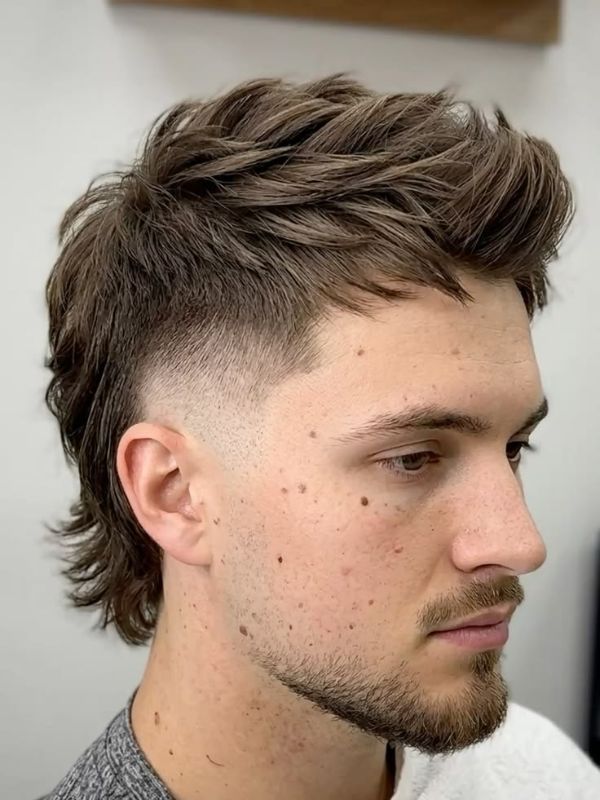
This is the foundation everyone builds from. Short sides, a touch of length on top, and a back that sits just past the collar. There’s no fade or dramatic contrast involved, which makes it the easiest version to describe and the simplest to grow out later. It’s a smart starting point if this is your son’s first mullet.
2) Boys Mullet Fade
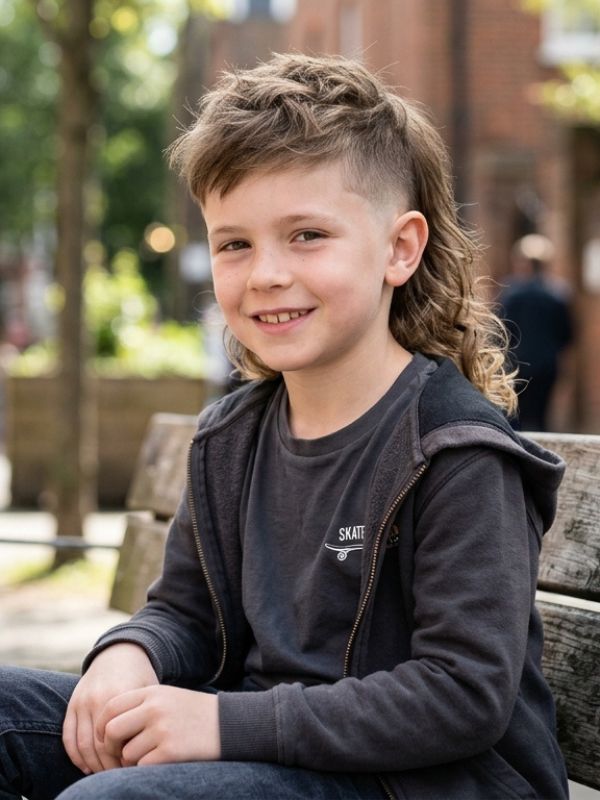
Add a fade to the sides of the classic shape, and the look sharpens up considerably. The sides taper smoothly into skin while the top keeps its fullness and the back holds its length. It’s one of the more requested versions right now because it balances a bold statement with a tidy finish.
3) Short Mullet Haircut Boy

For families that want a lighter commitment, this version keeps the back only slightly longer than the rest of the cut. It’s subtle enough that teachers and grandparents barely notice, but your son will still feel the difference when the wind catches the back of his hair.
4) Curly Boys Modern Mullet
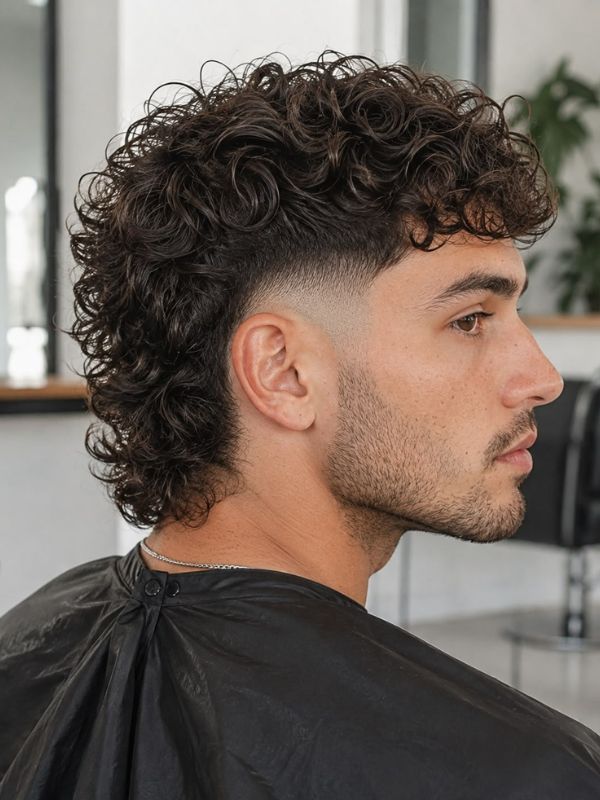
Curls bring natural texture that a mullet can lean into instead of fighting. Barbers usually shape this one with soft layering through the back and closer sides to frame the face without crushing curl volume. It needs less daily styling than straight versions since the curl pattern does most of the work.
5) Boys Modern Mullet Straight Hair

Straight hair tends to sit flat without help, so this version relies on choppy layering through the back to keep it from looking heavy or one-dimensional. A light texturizing spray can lift the crown and add the kind of movement straight strands don’t naturally hold.
6) Tapered Modern Mullet Haircut Boy

Rather than a hard fade line, this style uses a gradual taper that blends length into the neckline. It reads as softer and more understated, which makes it a solid pick for schools that don’t love sharp contrast or shaved patterns.
Learn more:Crew Cut Haircuts: 27 Trendy Variations for Modern Men
7) Burst Fade Boys Mullet Haircut
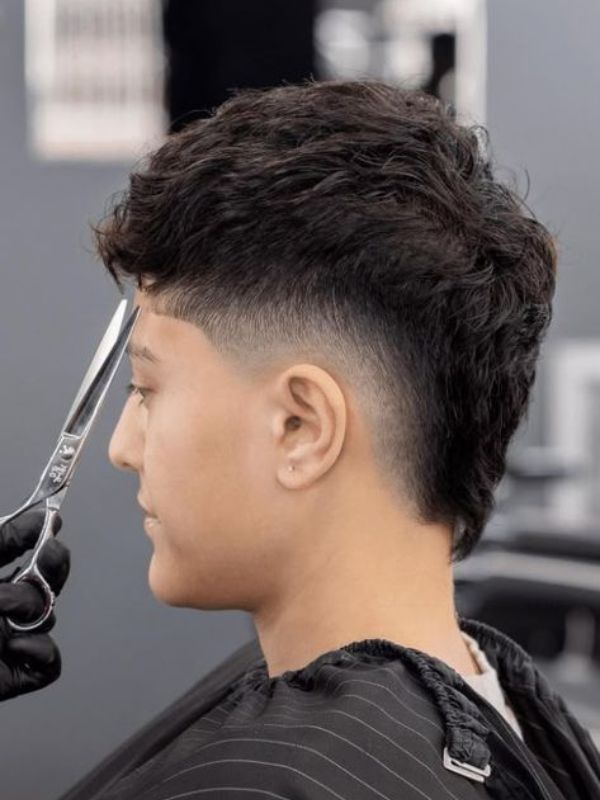
Instead of a straight fade line, the burst fade curves in a circular shape around the ear. It’s become a favorite among older boys and teens who want their cut to stand out in a hallway full of standard trims. It pairs especially well with square or angular face shapes, since stronger bone structure carries the bold shape well.
8) Sporty Medium Mullet

Built for kids who live in cleats and helmets, this version keeps the sides clean and close while still giving the back enough length to show personality. It dries fast, holds its shape under gear, and doesn’t need constant fixing between games.
9) Wavy Surfer Mullet for Boys

This one works with natural wave instead of forcing it flat. The back gets a bit of extra length and soft layering to avoid looking puffy or overgrown. A light sea salt spray and air-drying give it that relaxed, beachy texture that still passes a school dress code.
10) Fringe Mullet

Bringing the fringe forward changes the whole feel of the cut, softening the forehead and giving boys with finer hair a bit more to work with. The back stays light and layered so the overall shape doesn’t feel top-heavy. It photographs well, which matters more than parents sometimes expect.
11) Low Fade Modern Mullet
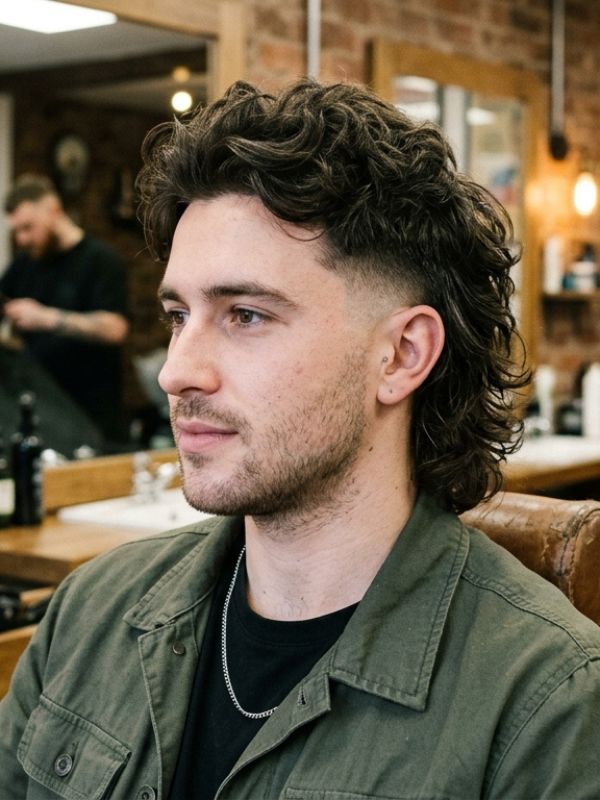
Here, the sharpest contrast sits right at the ear, leaving more length above it for a gentler blend into the top. It’s a good middle ground for kids who want some edge without going all in on a high, dramatic fade.
12) Longer Back, School Safe
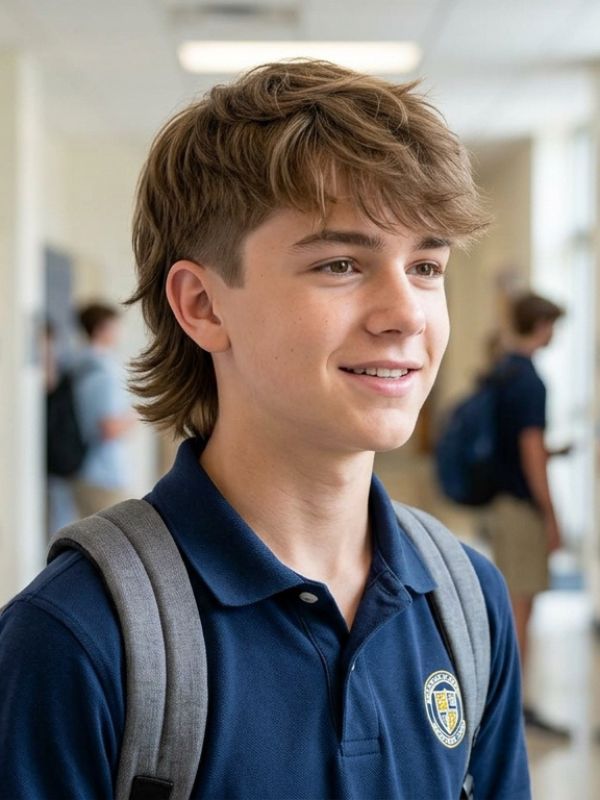
Designed specifically around stricter dress codes, this version keeps the back length modest and the fade soft rather than skin-tight. It still reads as a mullet, just a quieter one that won’t raise eyebrows in the front office.
Quick Age and Care Guide
Age matters more than most parents expect when picking a mullet style. Here’s a general breakdown of what tends to work best at different stages.
| Age Range | Recommended Approach | Maintenance Frequency |
| Toddler to age 6 | Shorter, tidier shapes with minimal contrast | Every 5–6 weeks |
| Ages 7–10 | Light fades or tapers, moderate back length | Every 4–5 weeks |
| Ages 11–13 | More defined fades, added texture on top | Every 3–4 weeks |
| Teens (14+) | Bolder fades, burst shapes, more back length | Every 3 weeks |
Younger boys generally do better with a shorter, tidier overall shape, while teens can handle more contrast and a stronger fade without it looking out of place for their age.
Daily Styling That Kids Can Do
A mullet only stays low-maintenance if the daily routine is actually simple. Here’s what works for most boys without adult supervision:
- Rinse and towel-dry, then run fingers through damp hair to break up the shape
- Use a small amount of matte clay or texture cream on top for hold without shine
- For curly or wavy hair, apply a light sea salt spray before air-drying
- Avoid heavy gels, which can look greasy and unnatural on kids
- Keep a small comb in the bathroom for quick fixes before school
Most boys can manage this in under two minutes once they get the hang of it.
Care and Upkeep
Regular trims keep any mullet looking intentional instead of overgrown. Faded and burst versions need attention every three to four weeks to stay sharp, since fade lines grow out fastest. Softer, tapered versions can stretch to five or six weeks between visits.
A few upkeep basics apply across the board:
- Wash two to three times a week with a gentle, sulfate-free shampoo
- Condition the back length regularly to prevent split ends
- Trim the back every couple of months even if the sides don’t need it yet
- Watch for flat, greasy-looking hair as a sign it’s time for a wash, not more product
Barber Talk That Works
Walking into a barbershop with the right language saves everyone time and avoids a haircut that misses the mark. A few tips make the conversation easier:
- Ask specifically for a “boys modern mullet with blended sides and a smooth transition to a longer back”
- Specify low, mid, or burst fade, or request a softer taper if the school has strict rules
- Bring a reference photo, since the same words can mean different things to different barbers
- For curly hair, request soft layers and closer sides to frame the face without losing curl volume
- For straight hair, ask for choppy layers in the back so it doesn’t sit flat
- Be exact about back length, such as “just above the collar” or “mid-neck,” instead of “a little long”
A good barber appreciates the detail, and your son walks out looking like the photo instead of something close to it.
FAQ’S
Is a mullet a good first haircut style for younger boys?
Yes, the classic version works well since it’s subtle, easy to grow out, and doesn’t require much upkeep.
Does a mullet work with curly hair?
Absolutely. Barbers shape curly versions with soft layers so the curl pattern does most of the styling work.
How often does a boys mullet need a trim?
Faded versions need trims every three to four weeks; softer, tapered versions can stretch to five or six.
Will a mullet pass a school dress code?
Most schools accept softer, tapered versions with modest back length rather than dramatic fades or extreme length.
What product should a kid use daily?
A small amount of matte clay or texture cream is usually enough; heavy gel tends to look unnatural.
Conclusion
The boys mullet haircut has earned its spot as one of the most requested cuts of 2026 because it flexes to fit almost any hair type, age, and lifestyle. From the low-commitment classic shape to the bold burst fade, there’s a version that fits your son’s routine without demanding daily effort from either of you.
Bring a clear photo, use specific language about fade type and back length, and choose a version that matches how your son actually spends his week. Get those details right, and the haircut will look just as sharp in month two as it did on day one.