
If you want a cut that looks deliberate without looking overworked, the low taper fade fringe is worth a serious look. It softens the sides while letting the fringe do the talking on top, and it flatters more hair types than almost any other fade-based style circulating right now.
This guide walks through what the low taper fade fringe actually is, why barbers and clients keep choosing it heading into 2026, and 27 distinct ways to wear it. You’ll also find a quick comparison against the mid taper, plus practical tips on asking your barber and keeping the fringe looking sharp day to day.
What Is a Low Taper Fade Fringe?
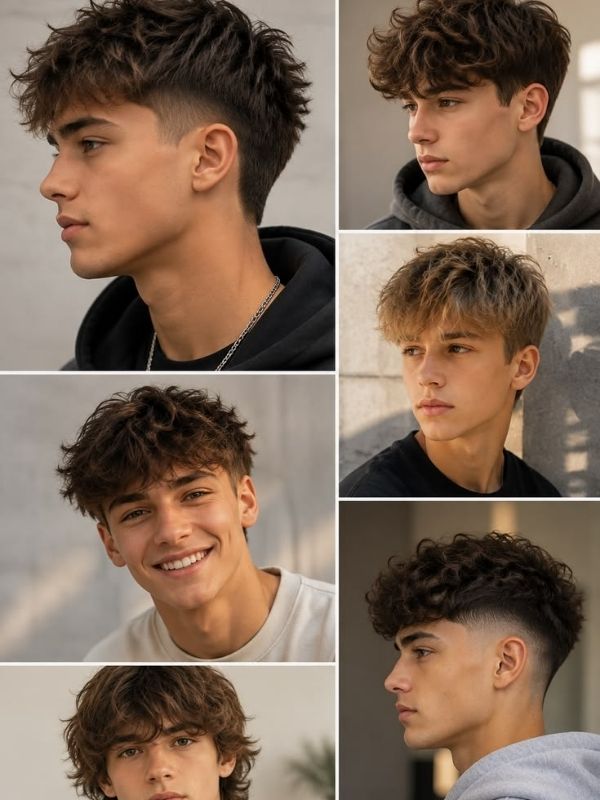
A low taper fade is a gradual clipper transition that begins just above the ear and tapers down toward the neckline, rather than starting higher at the temple or crown. Because the fade sits low, more hair stays on the sides, which keeps the overall silhouette softer and less severe than a mid or high fade.
The fringe half of the equation is simply the front section of hair styled forward over the forehead. It can be blunt, choppy, wispy, or swept to one side, which is exactly why this pairing supports so many variations the fade stays quiet while the fringe changes character.
Why the Low Taper Fade Fringe Is Popular in 2026
Barbers keep recommending this combination for a handful of practical reasons:
- It grows out gracefully. Because the fade starts low, regrowth doesn’t create an obvious hard line the way a high fade does.
- It suits nearly every texture. Straight, wavy, curly, and coily hair all take a fringe differently, which means the style rarely looks identical from one guy to the next.
- It’s easy to describe. “Low taper on the sides, fringe on top” is simple enough that a barber can execute it confidently, even from a first-time client.
- It reads as put-together without extra effort. A quick pass of product in the morning is usually all the daily styling this cut needs.
- It fits the broader 2026 shift toward blended, natural-looking fades instead of hard, high-contrast lines.
Low Taper Fade vs. Mid Taper Fade: Quick Comparison
| Feature | Low Taper Fade | Mid Taper Fade |
| Fade starting point | Just above the ear | Around the temple |
| Amount of hair left on sides | More | Less |
| Contrast on the sides | Soft, subtle | Noticeably sharper |
| Typical time between trims | 4–6 weeks | 3–4 weeks |
| Face shapes it flatters most | Oval, round, heart | Nearly all shapes |
| Overall impression | Understated, classic | Bolder, more structured |
27 Trendy Low Taper Fade Fringe Haircuts for Men
1. Taper Fade Textured Fringe
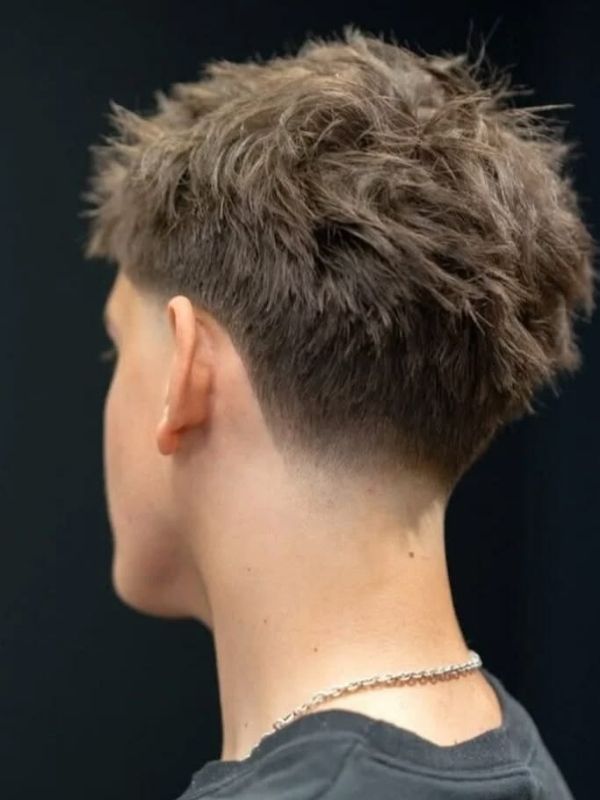
Choppy, piece-y layers on top are pushed forward into a fringe with a light matte clay for separation. It’s the most requested version of this cut right now because it looks effortless while staying controlled.
Best for: Oval and square faces, medium-to-thick hair
2. Low Taper Fade Messy Fringe

The fringe falls forward loosely, without a defined part or hard edge. A texture cream keeps it from looking careless while the low taper on the sides anchors the whole look.
Best for: Everyday, casual wear; oblong and oval faces
3. Low Taper Fade Short Fringe
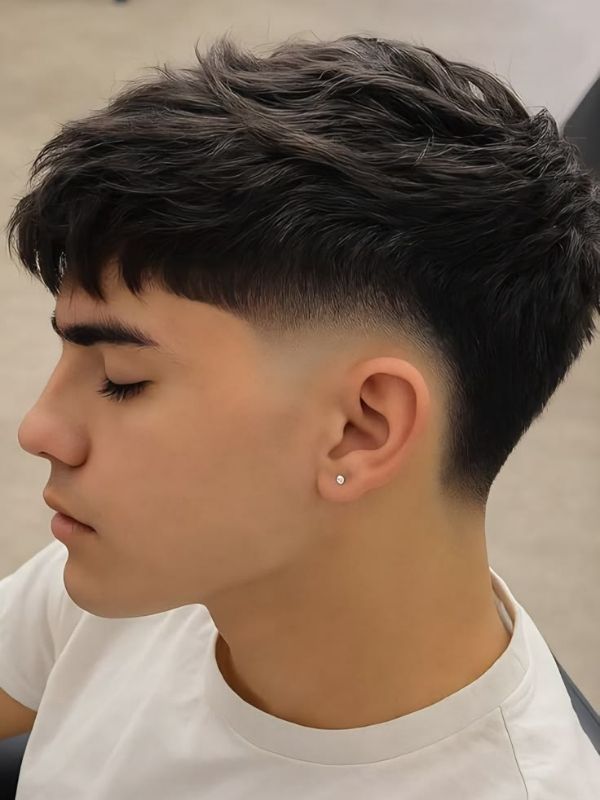
A shorter fringe sits just past the hairline for a tidy, professional finish. Combined with a low taper, it reads sharp without needing much daily upkeep.
Best for: Office settings, round and square faces
4. Low Taper Fade Long Fringe

Length is the whole point here the fringe drops past the brow, sometimes brushing the nose. Blow-dry it flat for a sleek finish, or leave it loose for something more relaxed.
Best for: Oval, heart, and oblong faces; medium-to-thick hair
5. Low Taper Fade Side Swept Fringe
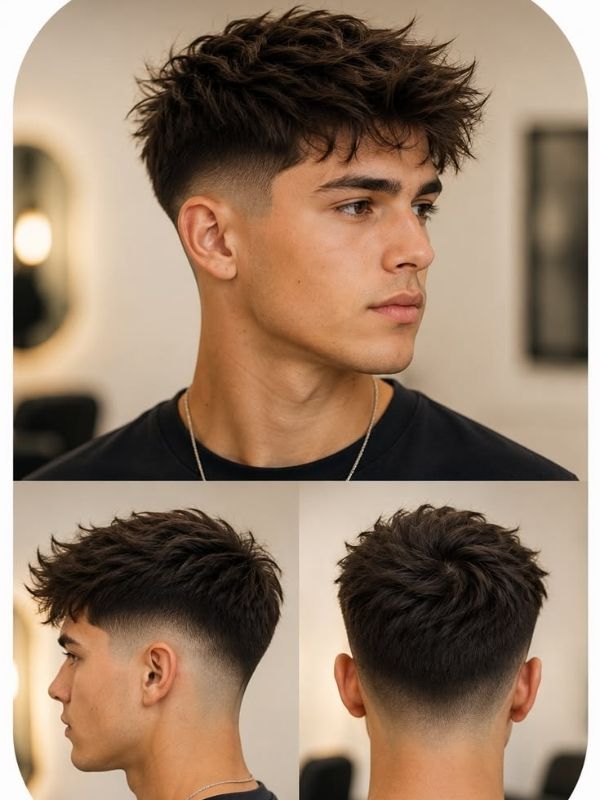
Rather than falling straight down, the fringe is directed diagonally across the forehead, adding a bit of asymmetry. It works especially well for guys who already have a natural part.
Best for: Heart and diamond faces, straight-to-wavy hair
6. Low Taper Fade Layered Fringe

Layers cut at staggered lengths give the fringe more movement and stop thicker hair from sitting flat. It adds visible dimension without looking overstyled.
Best for: Thick or coarse hair, round faces
7. Low Taper Fade Thick Fringe

Dense hair gets used as the main feature rather than something to thin out. The fringe stays full and blunt while the low taper keeps everything below it clean.
Best for: Thick, straight hair; oval and square faces
8. Low Taper Fade Thin Fringe

Fine hair calls for a lighter touch a thin, airy fringe avoids looking sparse or overworked. A small amount of texture powder adds grip without weighing strands down.
Best for: Fine or thin hair, most face shapes
9. Low Taper Fade Fringe Curly Hair

Natural curls create volume up top while the fade keeps the shape defined underneath. Push the curls forward for a fringe effect, or let them fall as they naturally sit.
Best for: Curly or coily hair, oval and round faces
10. Taper Fade Fringe Straight Hair

Straight strands hold a fringe predictably, which makes styling fast. Blow-dry forward and set with a medium-hold matte paste for a clean, non-stiff finish.
Best for: Straight, fine-to-medium hair; most face shapes
11. Low Taper Fade Textured Crop Fringe
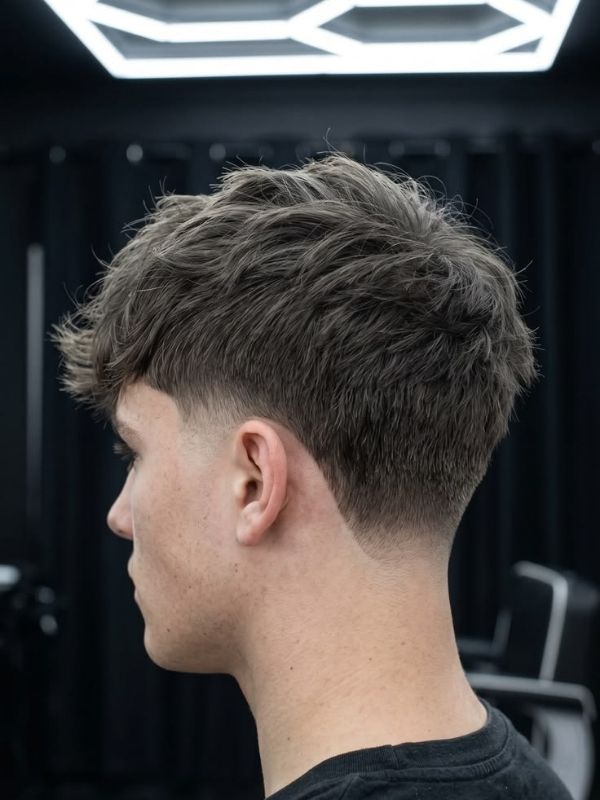
Short, choppy layers on top end in a blunt fringe, paired with a smooth, gradual fade below. The contrast between the textured top and the soft fade line is what gives this cut its identity.
Best for: Straight and wavy hair, most face shapes
12. Low Taper Fade Casual Fringe

Minimal product and a loose, forward style keep this version low-effort by design. The low taper still tidies the sides so the whole cut reads intentional rather than unkempt.
Best for: Everyday wear, round and oval faces
13. Modern Fringe with Low Taper

A slightly longer, more textured take that borrows from both the French crop and the textured crop without fully committing to either. It’s a flexible middle-ground option.
Best for: Fashion-forward guys, oval and oblong faces
Learn more:Low Taper Fade Afro: 23 Best Afro Haircuts for Black Men 2026
14. Low Taper Fade Fringe on Top
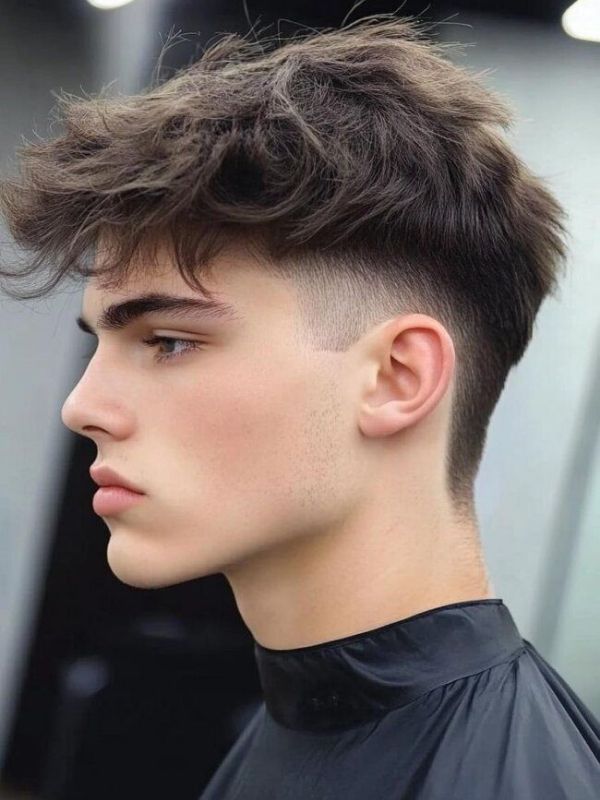
Volume is the focus, with the fringe styled up and forward for a quiff-fringe hybrid. A volumizing mousse before blow-drying helps hold the lift through the day.
Best for: Round and square faces, medium-to-thick hair
15. Low Taper Fade Wavy Fringe
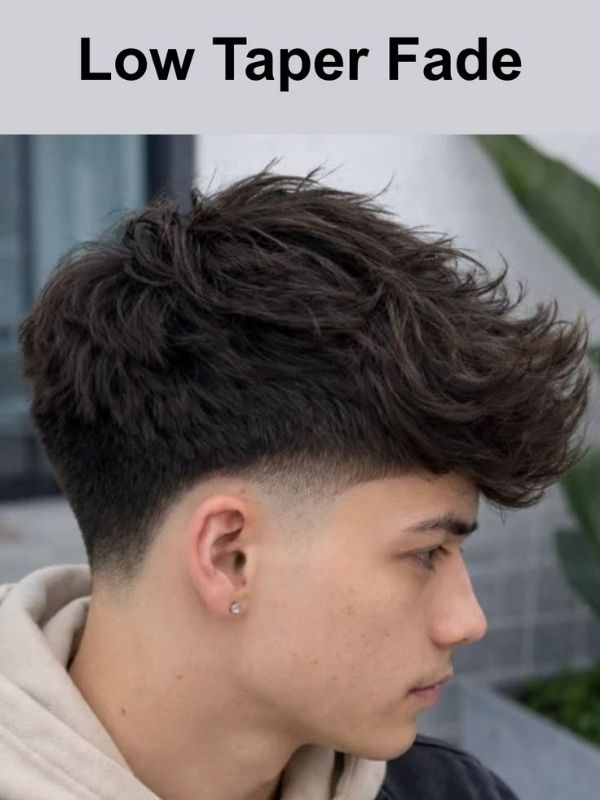
Natural waves are left to fall forward instead of being straightened out. A light defining cream keeps the wave pattern visible without adding extra bulk.
Best for: Wavy hair, heart and oval faces
16. Soft Fringe with Low Taper

Scissor-cut edges replace sharp, blunt lines for a gentler, more feathered finish. It’s more relaxed than a textured crop but tidier than a fully messy style.
Best for: Fine-to-medium hair, oval and oblong faces
17. Taper Fade Fringe with Volume

A round brush and low heat push the fringe up at the root before it falls forward, creating noticeable lift. The result is a fuller-looking fringe even on thinner hair.
Best for: Thin hair wanting extra volume, oval and heart faces
18. Asian Fringe with Low Taper
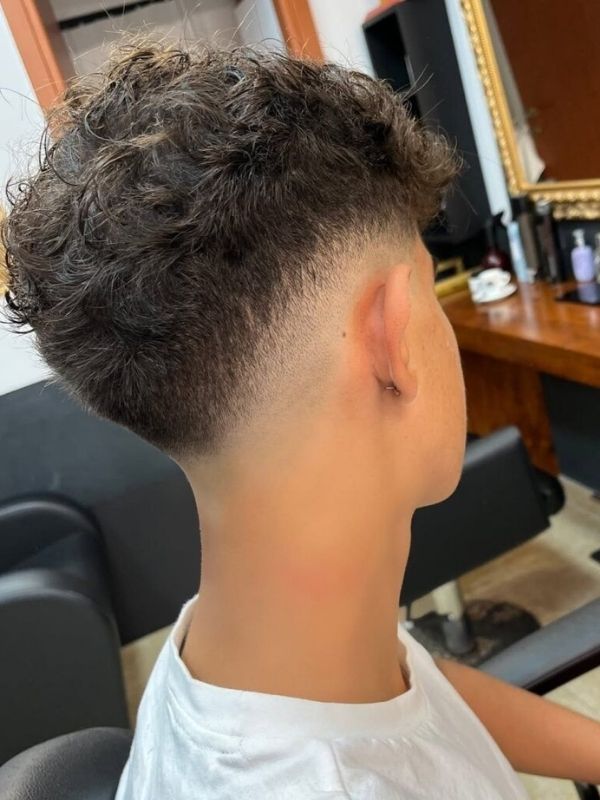
Thick, straight hair is styled into a clean, forward fringe that rests neatly across the forehead. Keeping the fade conservative avoids a visible “step” where dense hair meets the fade line.
Best for: Thick, straight hair; oval and round faces
19. Taper Fade Barber Style Fringe

Every edge here is deliberate a crisp, straight line across the forehead paired with a clean fade and defined neckline. This is the precision version you’d expect from a high-end barbershop.
Best for: Structured, sharp looks; square and oval faces
20. Classic Fringe with Low Taper
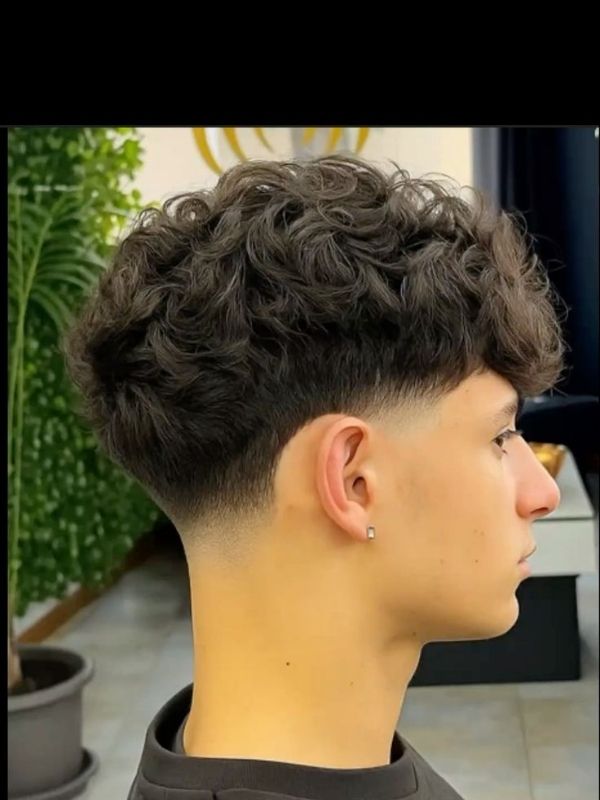
A short-to-medium fringe combed evenly across the forehead, finished with a matte clay for light texture. It’s simple, timeless, and rarely looks dated.
Best for: All face shapes, most hair types
21. Textured Fringe with Taper Fade (Mid Taper Variation)
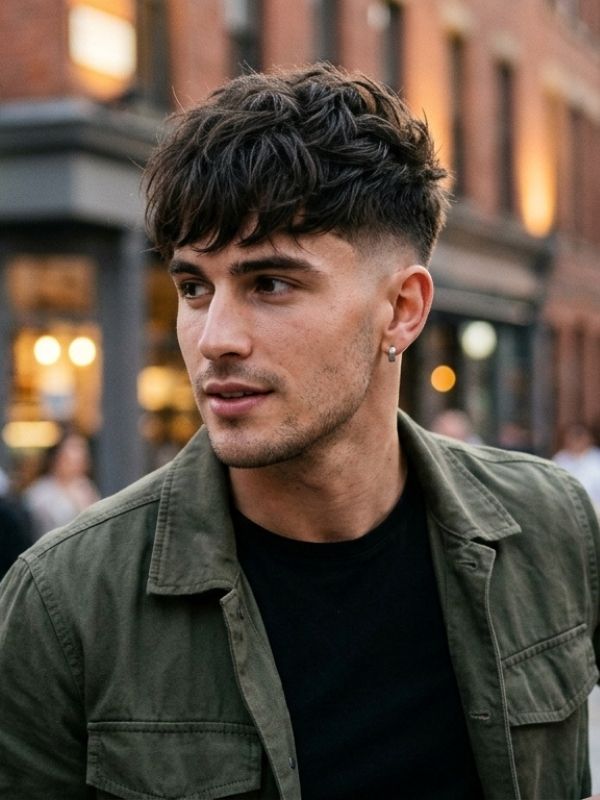
For guys who want more contrast than a low taper gives, shifting the fade up to the temple makes the fringe stand out more. It’s a bolder statement without going all the way to a skin fade.
Best for: Bold, fashion-forward looks; oval and oblong faces
22. Low Taper Fade Short Fringe for Straight Hair
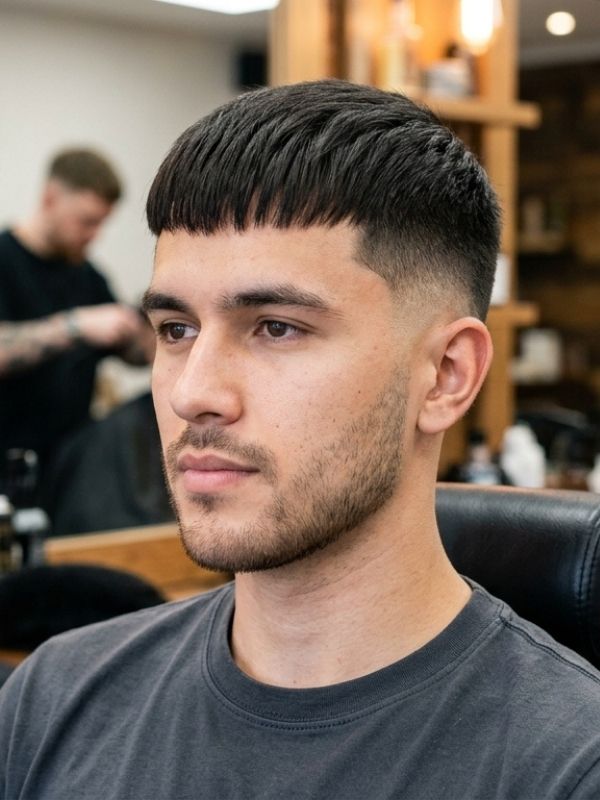
Keeping the top tight around an inch with a short fringe that barely reaches the forehead gives straight hair a fast, low-maintenance option. Blow-dry forward and finish with a light matte paste.
Best for: Low-maintenance straight hair, professional settings
23. Low Taper Fade Fringe with Beard

A well-groomed beard extends the fade into one continuous line down to the jaw. Keeping the beard trimmed and shaped is what makes this pairing look intentional rather than accidental.
Best for: Medium-to-full beard growth, oval and square faces
24. French Crop with Low Taper Fade

A short top with a blunt, straight-across fringe and low-faded sides makes for one of the cleanest, most minimal versions on this list. It carries a streetwear-leaning, European feel while staying easy to maintain.
Best for: Straight, fine-to-medium hair; oval and square faces
25. Low Taper Fade Fringe with Hard Part

A shaved line on one side adds a sharp, architectural detail, with the fringe draping forward from the opposite direction. The low taper blends the rest together so the hard part stands out on purpose.
Best for: Detail-oriented cuts, square and oval faces
26. Low Taper Fade Fringe for Round Faces

A fringe with lift at the root adds visual height, which helps balance a rounder face shape, while the low taper avoids adding extra width on the sides. Skip heavy, flat fringes here texture and volume do more favors.
Best for: Round faces specifically, most hair types
27. Low Taper Fade Fringe with Highlights
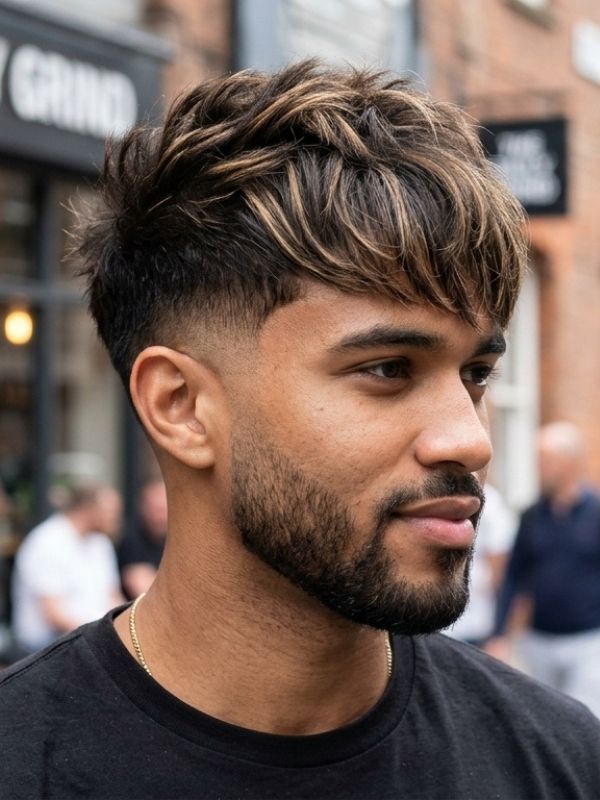
Subtle color through the top and fringe adds depth without overwhelming the cut. Natural tones like brown or caramel keep it wearable, while bolder shades suit a more expressive look.
Best for: Guys open to color work, all face shapes
How to Ask Your Barber for a Low Taper Fade Fringe
Clear communication is what separates a great result from a disappointing one. Try this as a starting script:
“I’d like a low taper fade on the sides and back, starting just above the ear and blending down into the neckline. Keep the top [short/medium/long] and style the front into a [textured/messy/clean] fringe. Keep the transition soft.”
A few details worth confirming before the clippers start:
- Fade height: Low, mid, or high
- Fade technique: Skin fade, scissor taper, or clipper blend
- Fringe length: Short (above the brow), medium (at the brow), or long (below the brow)
- Fringe finish: Textured, blunt, side-swept, or messy
- Product finish: Matte or shine, light or firm hold
Bringing a reference photo removes almost all guesswork barbers work visually, and even a rough image says more than a paragraph of description.
How to Maintain a Low Taper Fringe
The cut itself is only step one. A short, consistent routine is what keeps it looking fresh between visits.
| Task | How Often | What to Use |
| Trim the fade | Every 3–4 weeks | Barber appointment |
| Style the fringe | Daily | Matte clay, paste, or cream |
| Wash hair | 2–3 times a week | Sulfate-free shampoo |
| Deep condition | Weekly | Hydrating conditioner |
| Blow-dry fringe | As needed | Low heat, directed forward |
A simple daily routine:
- Dampen hair slightly or start from a clean wash.
- Work a small amount of matte clay or paste through damp hair.
- Blow-dry the fringe forward, guiding it with your fingers.
- Break up any stiffness with a final pass of your fingers.
- Touch up with a tiny bit more product once dry, if needed.
FAQ’S
How long does a low taper fade fringe last before it needs a trim?
Most guys can go 4 to 6 weeks between trims since the low fade grows out softly instead of leaving a hard line.
Does a low taper fade fringe work with curly hair?
Yes curls add volume on their own, and the fade simply keeps the sides tidy without disturbing the curl pattern.
Is this haircut suitable for a professional workplace?
Yes, especially the shorter or classic fringe versions, which read as clean and structured rather than casual.
What’s the main difference between a low taper and a skin fade?
A skin fade goes down to bare skin at the bottom, while a low taper leaves a small amount of length even at its shortest point.
Can I add a fringe to hair that’s already short?
You’ll need a few weeks of growth on top first most fringe styles need at least an inch or two of length to style forward.
Final Thoughts
The low taper fade fringe has earned its place as one of 2026’s most dependable men’s haircuts, mainly because it flexes to fit the person wearing it. Textured, curly, wavy, or classic, there’s a version here suited to nearly any hair type or face shape.
The real key is matching the fringe style to your natural texture, your face shape, and how much daily styling time you’re actually willing to give it. Describe that clearly in the chair, keep up with regular trims, and a short daily routine is all it takes to keep the cut looking sharp between every appointment.